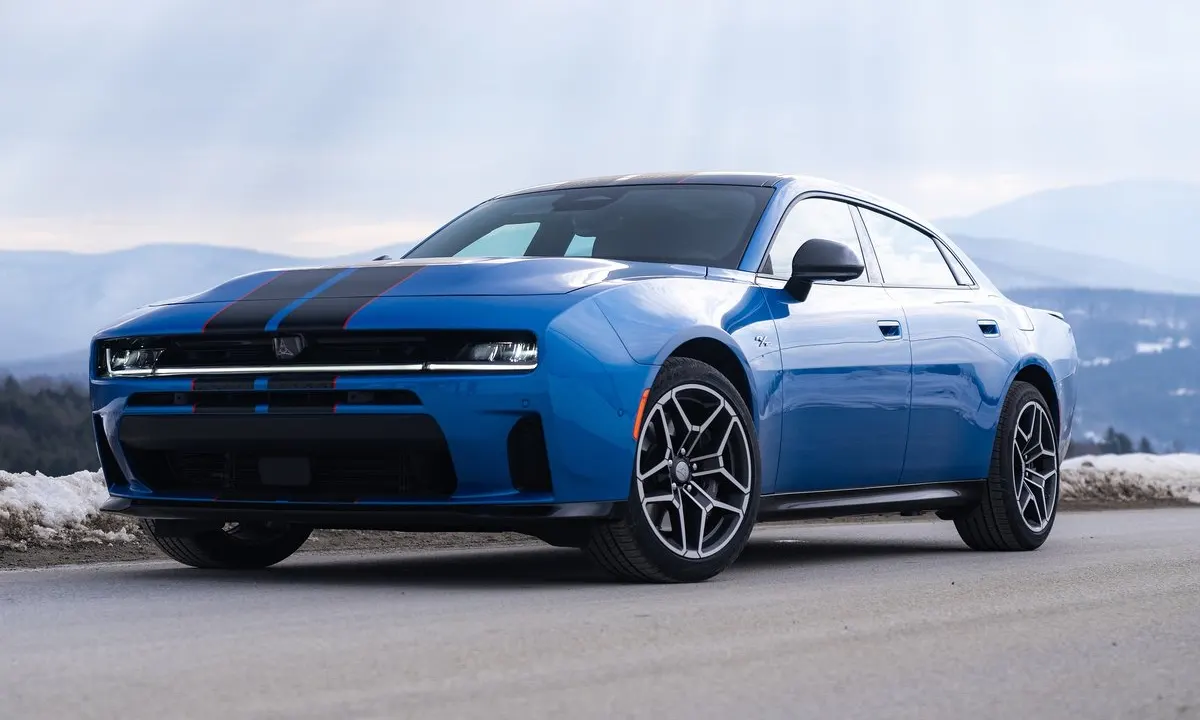
There are names in American automotive history that carry weight beyond mere model designations — names that arrive loaded with cultural meaning, mechanical mythology and an emotional charge that no specification sheet can fully capture. Charger is one of those names. It conjures wide-body proportions, roaring V8 engines, the screech of rear tyres and decades of straight-line theatre that defined what American muscle meant to generations of buyers who measured a car’s soul in cubic inches and exhaust decibels. Which is precisely why the arrival of the Dodge Charger Sixpack engine — a twin-turbocharged inline-six producing 550 horsepower without a single V8 cylinder to its name — represents one of the most audacious and most consequential engineering decisions in the muscle car segment’s modern history.
Gallery: Dodge Charger Sixpack
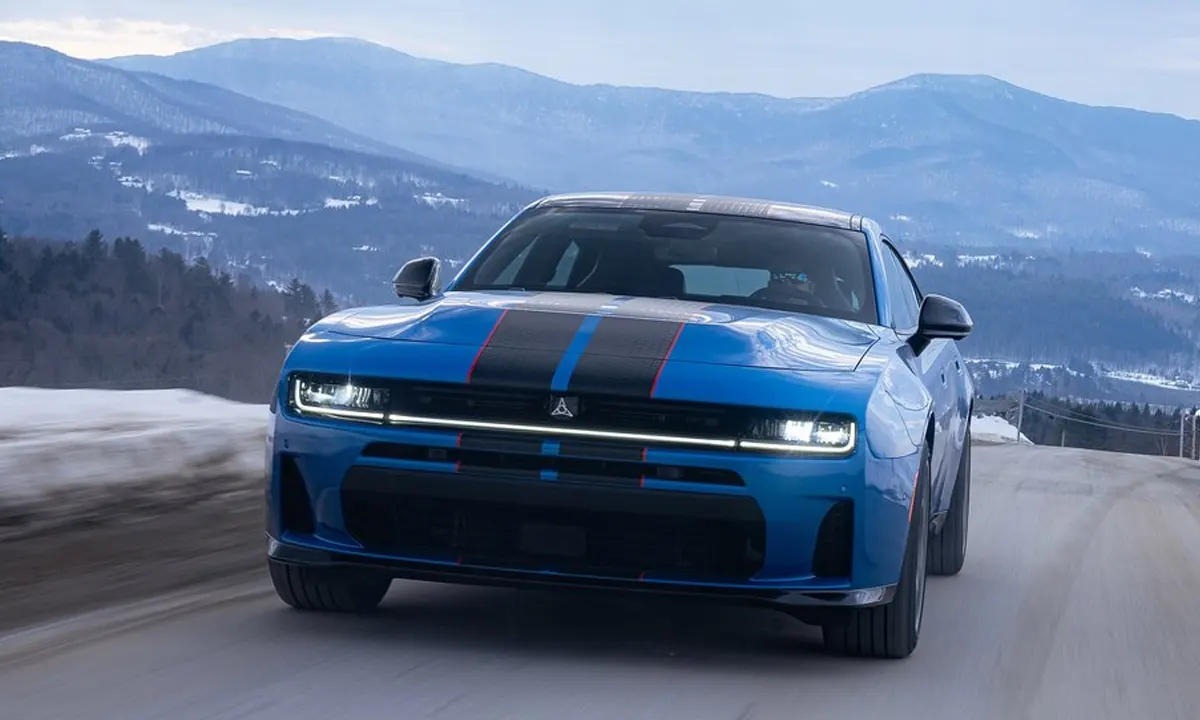
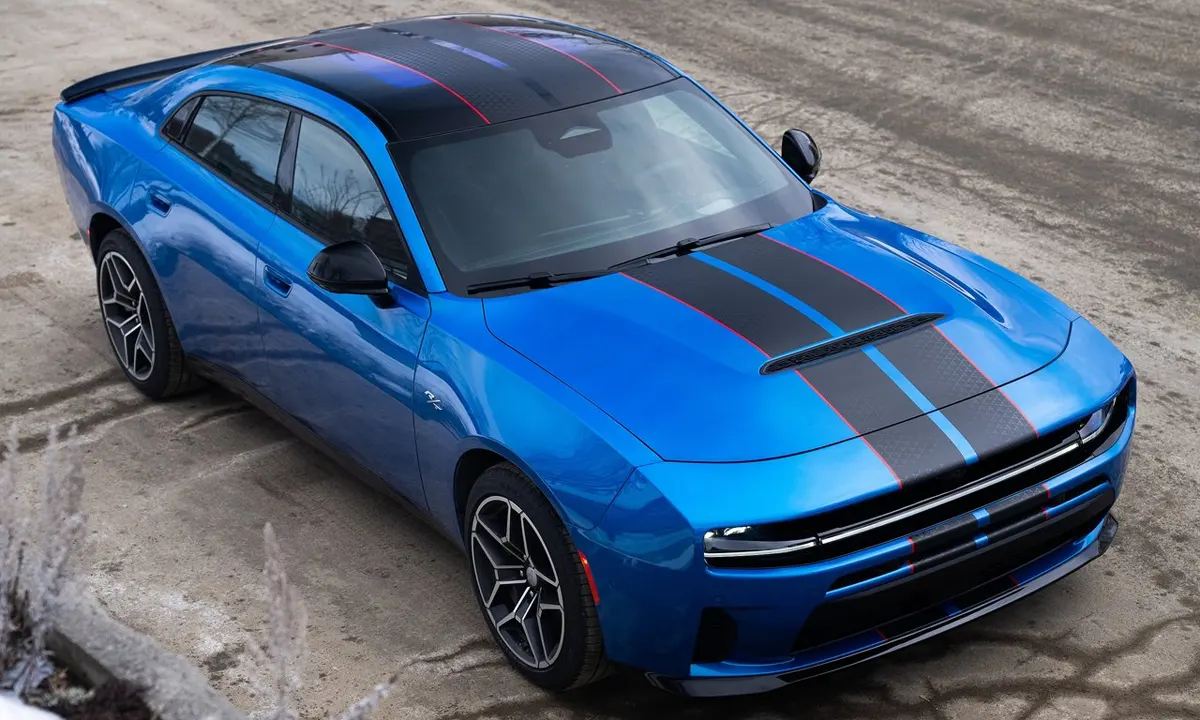
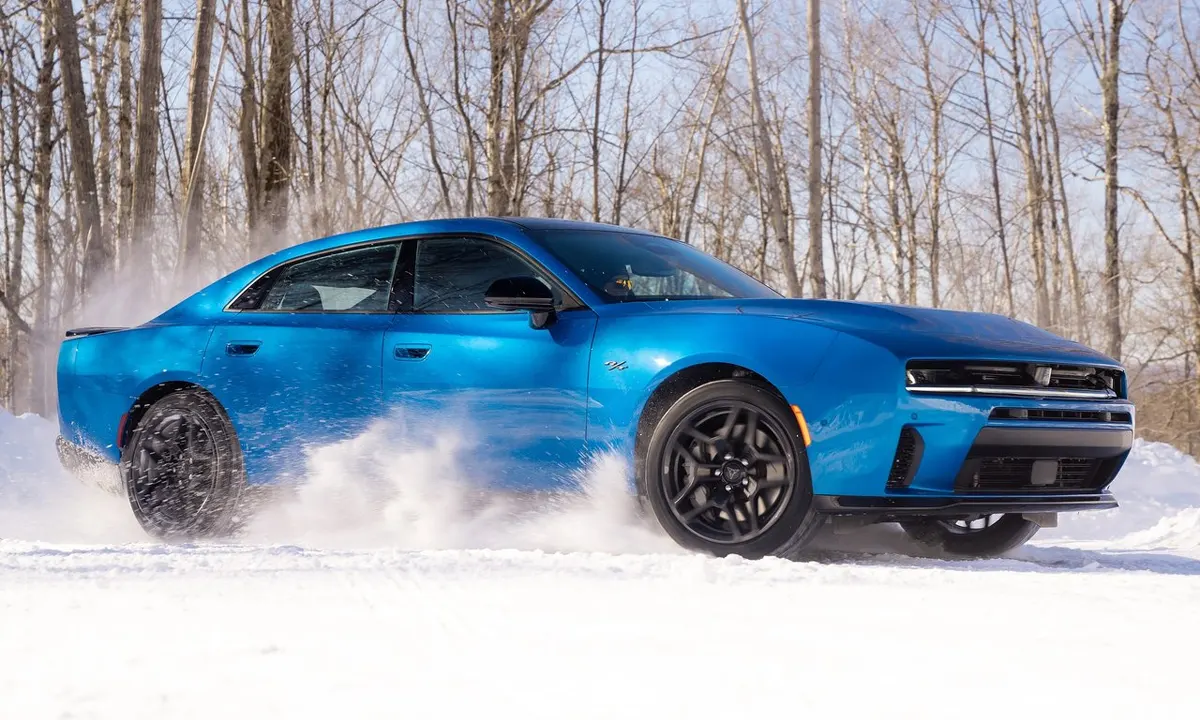
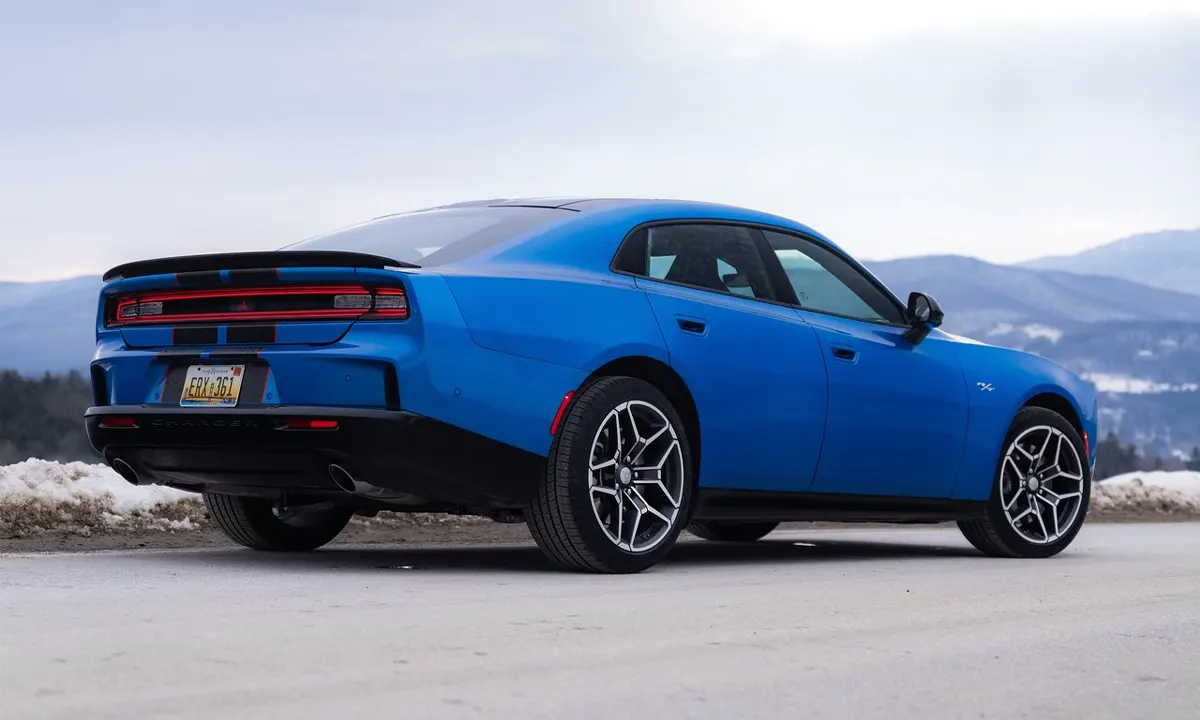
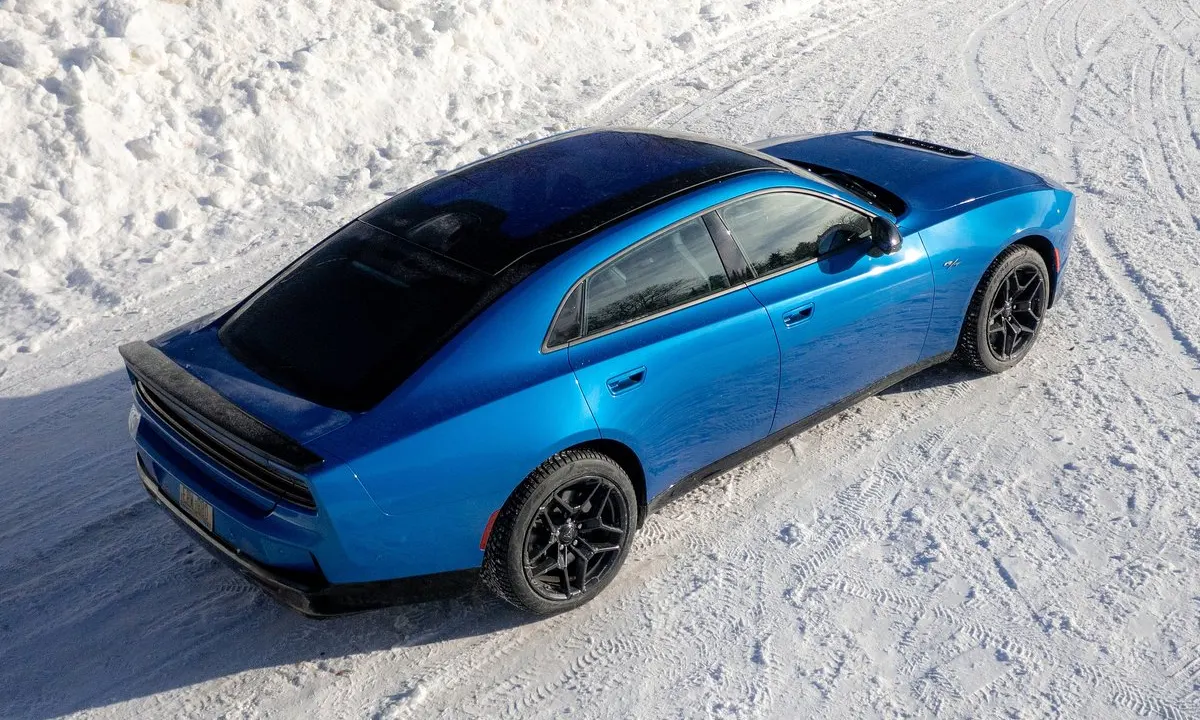
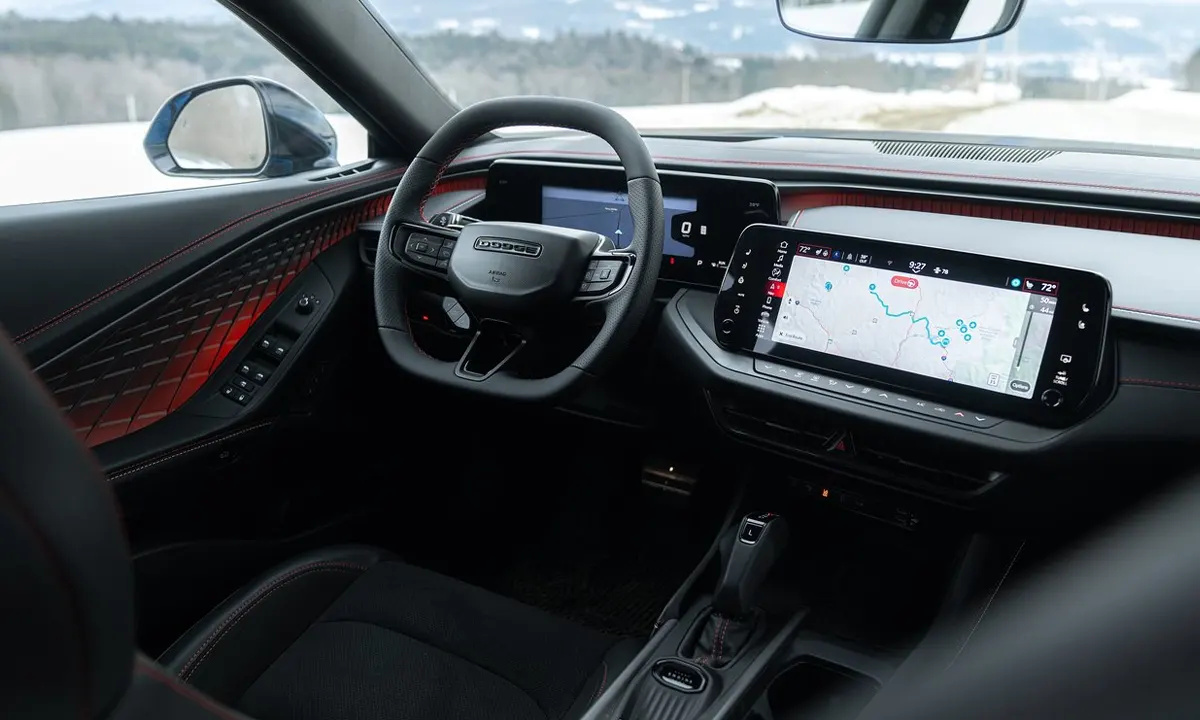
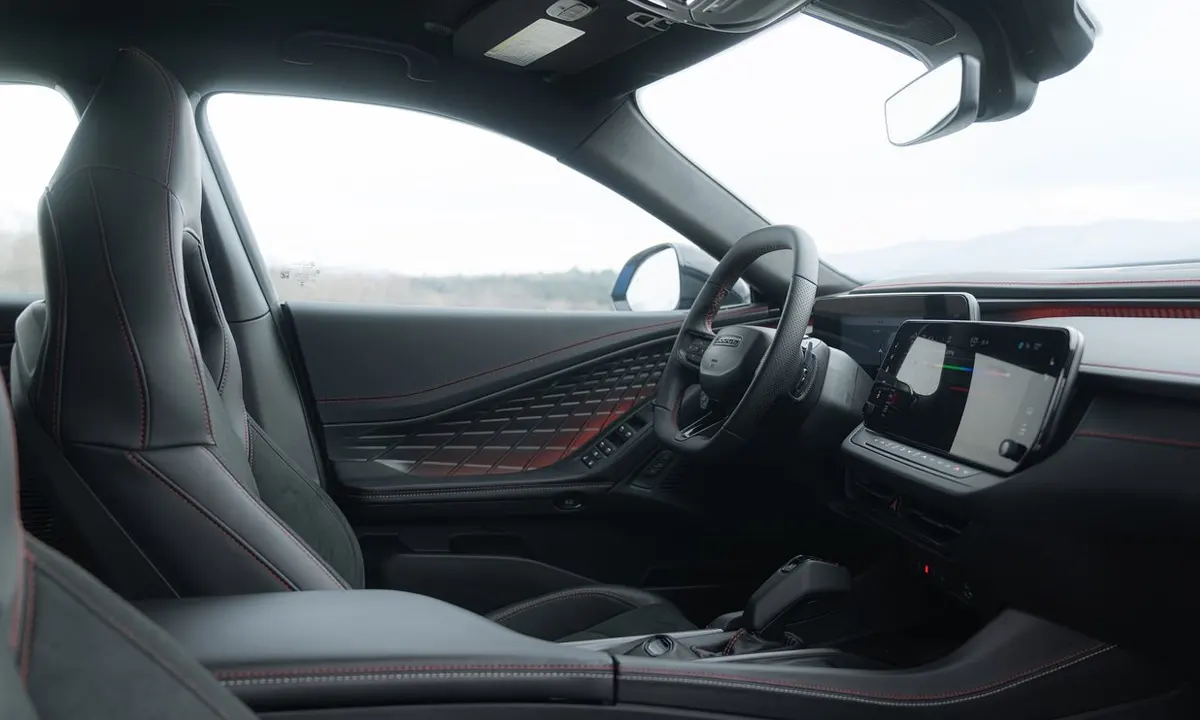
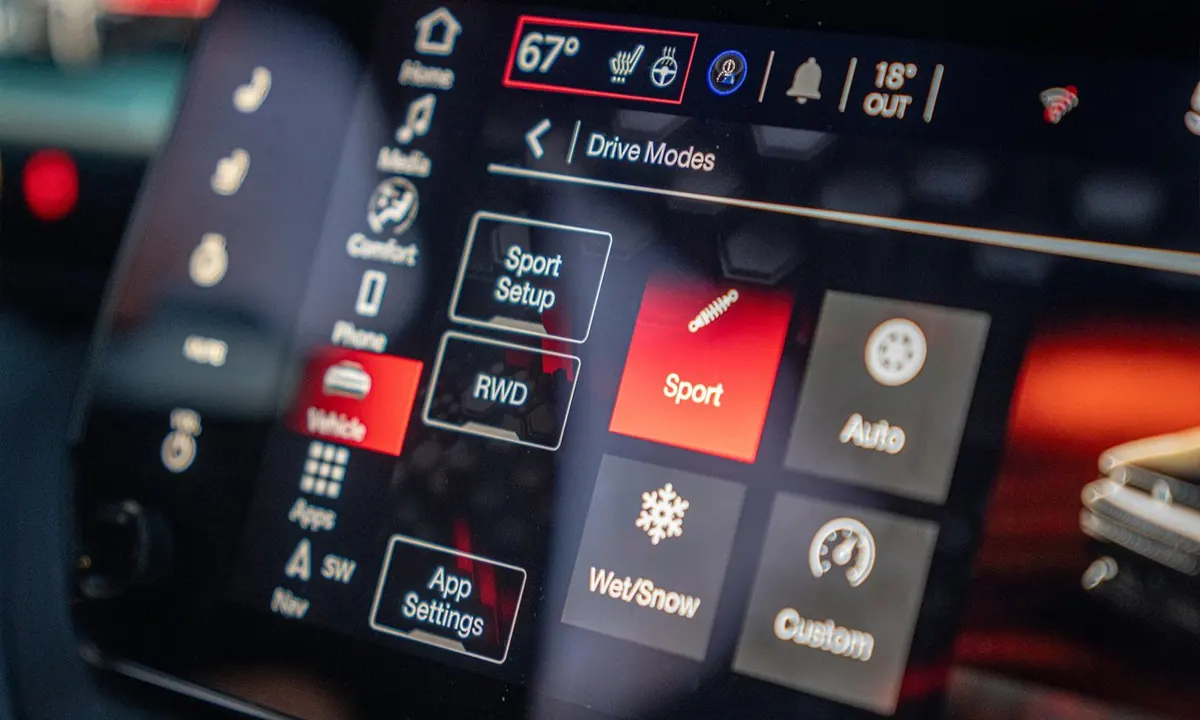
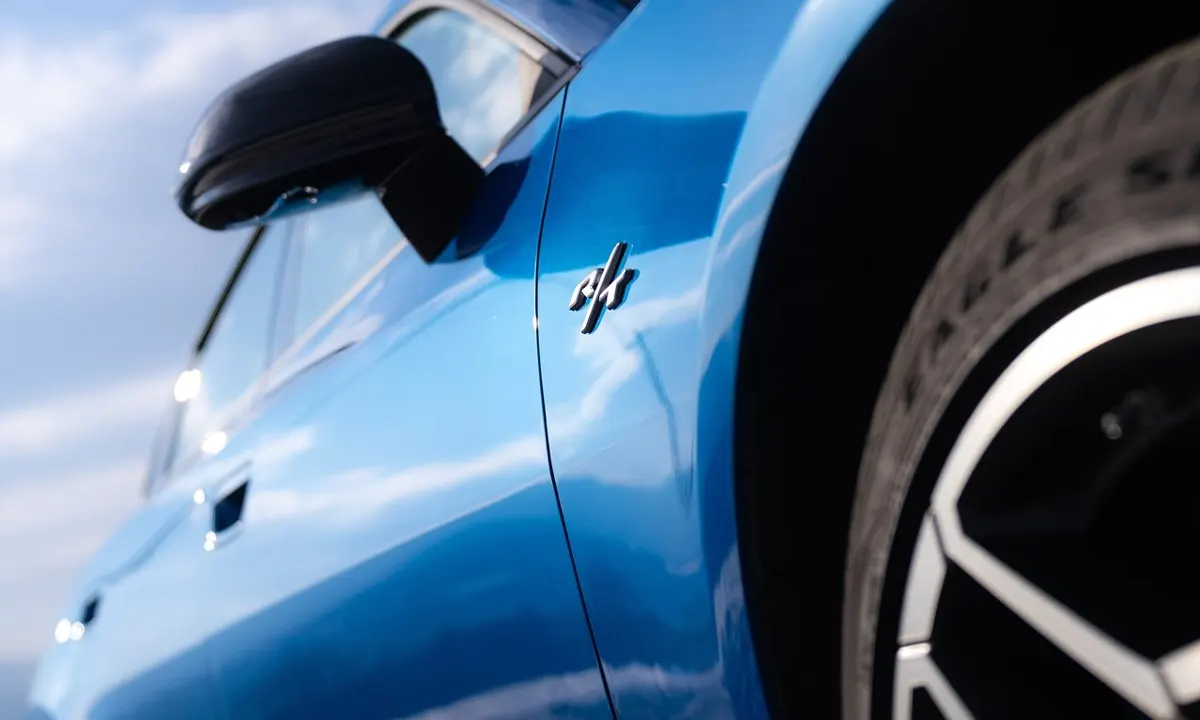
What Is the Dodge Charger Sixpack Engine
The Sixpack nameplate carries its own historical resonance within Dodge’s lineage. In 1969, the original Six Pack referred to a triple two-barrel carburetor induction system fitted to the 440 cubic inch V8 — a setup so mechanically aggressive it became a defining symbol of the first muscle car era. Reviving that name for a turbocharged inline-six in 2024 was either an act of extraordinary confidence or one of extraordinary provocation. Having driven the result, Dodge’s engineers appear to have earned the former.
The Hurricane Twin-Turbo 3.0-litre inline-six is not a borrowed unit from a premium European partner or a downsizing exercise disguised with performance marketing. It is a purpose-engineered American powertrain developed by Stellantis specifically to replace the naturally aspirated HEMI V8 architecture that defined Dodge’s performance identity for more than two decades. In standard Hurricane output, the engine produces 420 horsepower. In the High Output specification fitted to the Charger Sixpack, it produces 550 horsepower and 500 pound-feet of torque — figures that exceed the supercharged 6.2-litre HEMI V8 of the previous Charger Hellcat in torque delivery and match it meaningfully in power output from an engine with roughly half the displacement.
How the Hurricane Twin-Turbo Inline-Six Makes 550 Horsepower
The engineering architecture that produces those numbers rewards examination. The Hurricane High Output uses a 3.0-litre displacement with a twin-scroll twin-turbocharger arrangement — two turbos rather than a single larger unit — to reduce turbo lag, broaden the torque curve and achieve peak boost pressure earlier in the rev range than a single-turbo configuration of equivalent total capacity. The result is an engine that reaches its 500 pound-feet torque peak at a relatively modest 3,500 rpm and sustains it across a rev range wide enough to make real-world throttle response feel substantially more immediate than the displacement figure might suggest.
The flat-plane crankshaft architecture — a configuration more commonly associated with high-revving European performance engines than American muscle applications — contributes to both the engine’s mechanical character and its acoustic signature. Where a traditional cross-plane V8 produces the burbling, syncopated exhaust note that muscle car buyers have considered the default soundtrack for sixty years, the inline-six with its firing order and twin-turbo exhaust routing produces something distinctly different — sharper, more purposeful, more European in its tonal quality. Dodge has made no attempt to artificially simulate V8 acoustics through speaker amplification, a decision that reflects either admirable honesty or calculated confidence that the Hurricane’s genuine sound character is sufficiently compelling on its own terms.
The Charger Sixpack Performance Numbers That Matter
The performance credentials justify the powertrain confidence. The Dodge Charger Sixpack covers zero to 60 miles per hour in 3.3 seconds in rear-wheel-drive specification — a figure that positions it competitively against sports cars of considerably greater technical complexity and substantially greater price. The quarter mile arrives in approximately 11.5 seconds, maintaining the straight-line credibility that Charger buyers have always considered non-negotiable regardless of how the horsepower is generated.
The eight-speed automatic transmission manages power delivery with calibration that Dodge has tuned specifically for the muscle car context — holding gears longer under hard acceleration than a pure efficiency mapping would dictate, downshifting with sufficient aggression to produce the mechanical drama that the driver experience demands, and providing a manual override through paddle shifters whose response times are appropriately immediate for a car positioning itself as a performance machine rather than a grand tourer. Launch control is standard, managing wheel spin at the rear axle in a manner that produces consistently repeatable performance without the mechanical drama of unmanaged wheelspin consuming the available torque.
Dodge Charger Sixpack vs HEMI V8: What Changes and What Does Not
The most commercially significant question surrounding the Charger Sixpack is not whether it is fast — it demonstrably is — but whether it delivers the emotional experience that Charger buyers have historically sought and that the HEMI V8 provided so effectively across its production life. The answer is more nuanced and more interesting than a simple replacement narrative suggests.
What the Sixpack delivers that the HEMI could not is torque density — the ability to produce enormous twisting force from a compact, lightweight package that benefits the car’s weight distribution, its nose-heavy balance and the available space for packaging decisions that the long, wide V8 architecture constrained. The front-to-rear weight balance of the Sixpack Charger is measurably improved over the HEMI equivalent, contributing to steering response and cornering behaviour that the older car’s mass distribution worked against. The turbocharging architecture also provides a torque characteristic — broad, accessible, immediate — that suits the Charger’s broad performance mission across street driving, highway cruising and occasional track use more effectively than the HEMI’s naturally aspirated power curve, which demanded higher revs to access its full output.
What changes is the theatre. The HEMI V8’s acoustic character, its mechanical vibration signature and the particular sensation of a large-displacement naturally aspirated engine building power through its rev range produced an experiential quality that no turbocharged inline-six replicates precisely. Dodge knows this. The Sixpack is not presented as a V8 substitute. It is presented as something genuinely different — a powertrain that expands what the Charger nameplate means rather than simply replacing the mechanical foundation that defined it previously.
The Charger Sixpack in the Modern Muscle Car Landscape
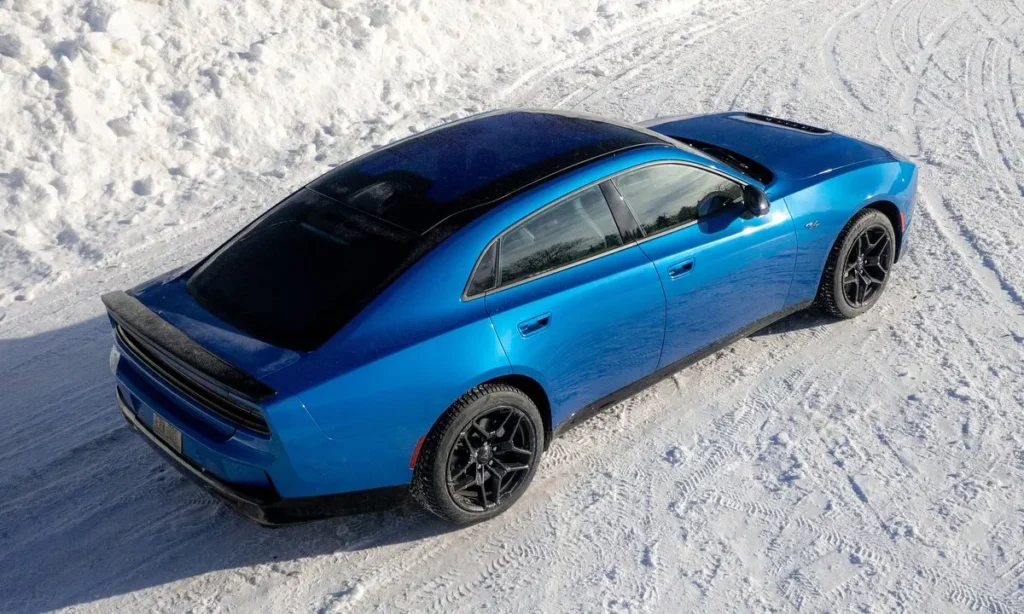
The competitive context in which the Charger Sixpack operates in 2025 and 2026 is simultaneously more crowded and more technically diverse than at any previous point in the segment’s history. The Ford Mustang Dark Horse maintains naturally aspirated V8 power as its performance flagship. The Chevrolet Camaro’s production pause leaves the American muscle segment with fewer direct competitors than the market has traditionally sustained. Into this landscape, the Charger Sixpack arrives as a technically progressive alternative — one that accepts the constraints of modern emissions legislation without pretending they do not exist and that builds its performance case around engineering achievement rather than displacement nostalgia.
At a starting price that positions it accessibly within the performance car market, the Sixpack Charger makes the case that turbocharged six-cylinder muscle is not a budgetary compromise but an engineering evolution — an argument that the 550 horsepower output and the 3.3-second sprint time support with numerical authority. The broader Charger lineup’s electrified Daytona variant explores the fully electric performance direction simultaneously, creating a model family that addresses the performance car market’s near-term future across multiple powertrain philosophies rather than committing exclusively to any single technology direction.
Why the Sixpack Engine Matters Beyond the Charger
The significance of the Hurricane High Output extends beyond the Charger’s own commercial success. It establishes a turbocharged inline-six architecture as the performance powertrain foundation for Stellantis’s American muscle portfolio in the post-HEMI era — a decision that will shape product planning, engineering resource allocation and brand positioning across a vehicle family whose commercial importance to the manufacturer is substantial. If the Sixpack succeeds in convincing muscle car buyers that six cylinders and two turbochargers can deliver the performance experience they seek, it validates an engineering direction that reduces both fuel consumption and emissions without the wholesale electrification that a significant portion of the performance car market remains resistant to accepting.
The Dodge Charger Sixpack engine is not the muscle car future that the segment’s traditionalists requested. It is, however, the muscle car future that engineering reality, regulatory pressure and genuine performance ambition have collaborated to produce — and it is considerably more compelling, considerably more capable and considerably more true to the Charger’s performance heritage than the name’s most devoted advocates feared when the HEMI’s retirement was first announced.
The muscle car era is not ending. It is changing engines.
Read: NOVITEC Urus SE Esteso: The Wildest Hybrid Super SUV Ever Built
Dodge Charger Sixpack Specifications & Performance
| Category | Specification |
| Engine | 3.0-Litre Twin-Turbo Inline-Six (Hurricane High Output) |
| Power Output | 550 hp |
| Torque | 500 lb-ft |
| Transmission | 8-Speed Automatic |
| Drivetrain | Rear-Wheel Drive (Standard) |
| 0–60 mph | 3.3 Seconds |
| Quarter Mile | Approx. 11.5 Seconds |
| Peak Torque RPM | 3,500 rpm |
| Crankshaft Type | Flat-Plane |
| Turbocharger Setup | Twin-Scroll Twin-Turbo |
| Predecessor Engine | 6.2-Litre Supercharged HEMI V8 |
| Nameplate Origin | 1969 440 Six Pack Tri-Carb V8 |
| Body Style | Four-Door Muscle Car |
| Competitors | Ford Mustang Dark Horse, Chevrolet Camaro |
| Assembly | Brampton, Ontario, Canada |