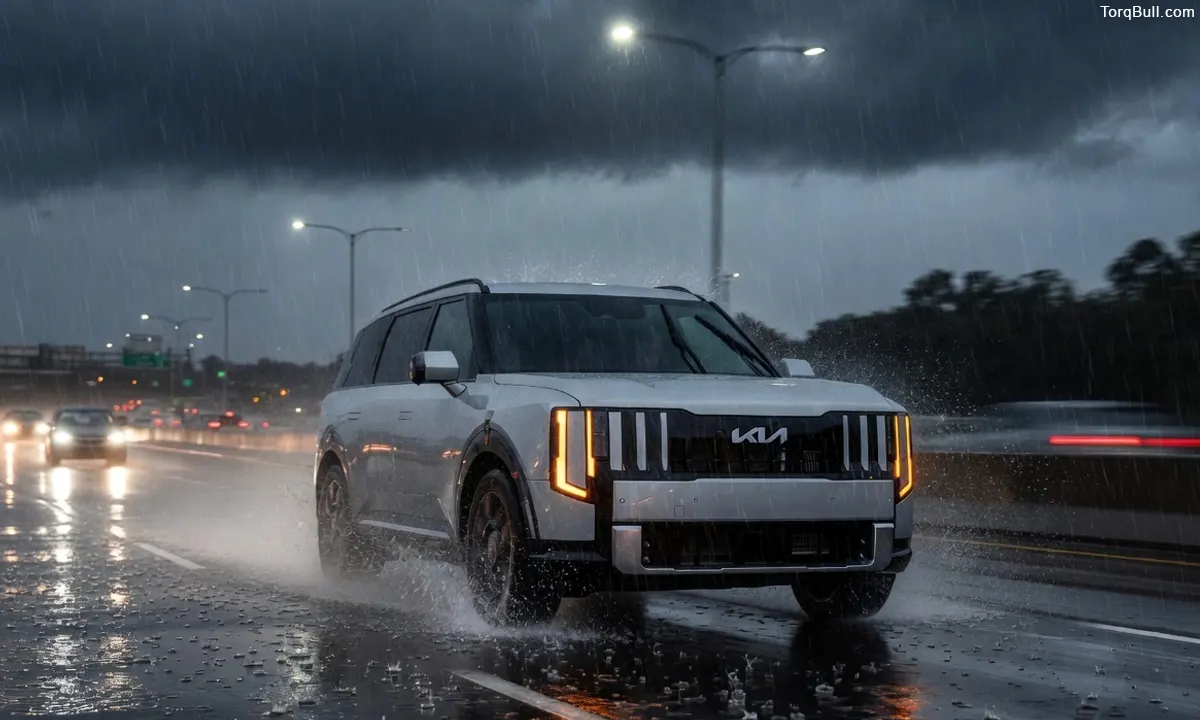
- Seventy-five percent of verified 2025 and 2026 Kia Telluride owners recommend the SUV, with comfort and styling rated highest.
- Owners commonly praise the Telluride’s design, ride comfort and overall practicality.
- Reported concerns include windshield cracking, recall delays, oil consumption issues, electronic failures and inconsistent dealer service experiences.
The Kia Telluride launched for the 2020 model year and immediately established itself as one of the most celebrated new entries in the American three row midsize SUV segment — earning best in class designations, maximum safety ratings and a reputation as a luxury level family hauler at a mainstream price. Two subsequent generations of owner feedback have confirmed both the enthusiasm and the specific limitations that real ownership reveals over time. The 75 percent owner recommendation rate from 88 verified reviewer accounts represents genuine satisfaction from the majority of Telluride owners. But the 25 percent who do not recommend the vehicle cite specific, recurring and serious concerns that appear consistently enough across independent platforms to constitute documented ownership patterns rather than isolated individual experiences. This guide presents both sides with equal rigour.
The Real Ownership Context: A Vehicle With a Loyal and Growing Community
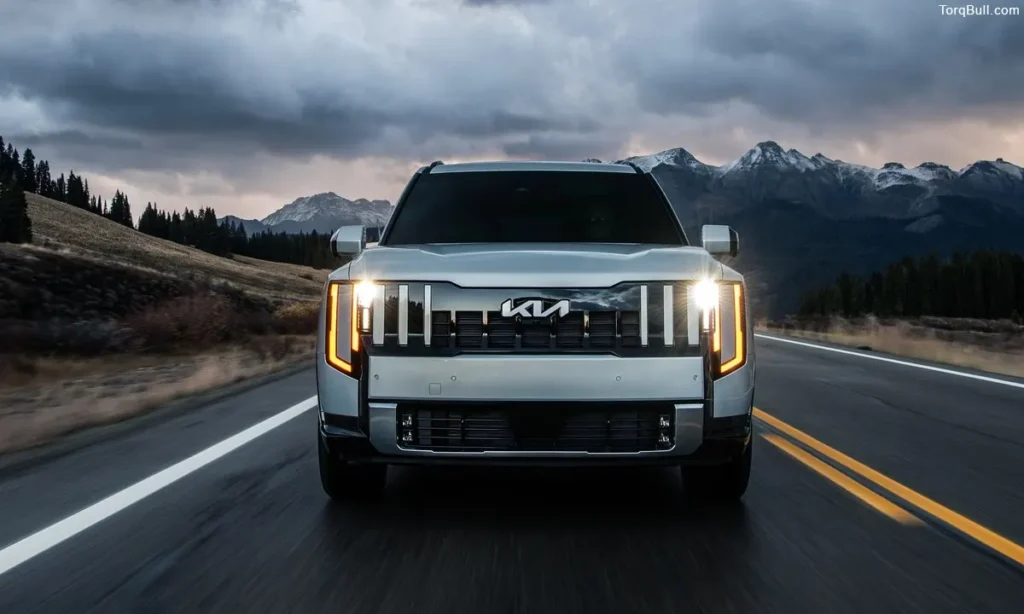
The Kia Telluride’s owner community includes a meaningful proportion of repeat buyers — owners who have purchased second and even third Tellurides after positive first ownership experiences. One verified long term owner who reviewed the SX Prestige X Pro after 30 months and 32,000 miles describes it as one of the most enjoyable vehicles ever owned — coming from a Lexus ownership background and specifically noting that the Telluride strikes a compelling balance of design, technology, comfort and value that keeps them coming back. This same owner is already planning a 2027 model purchase. Another owner describes their family’s Telluride as sitting right in the overlap of quality, price, design and modern features — a luxury level family hauler without the luxury brand premium.
These repeat buyer accounts represent the ownership experience that the 75 percent recommendation rate reflects: owners who encountered the vehicle’s strengths in daily use, found them sufficient to outweigh the limitations and returned to the nameplate for their next vehicle. They are genuine and representative of the majority experience.
Read: Kia Telluride Maintenance Cost Per Year 2026. Affordable Family SUV or Hidden Expense?
The Pros: What Real Telluride Owners Consistently Praise
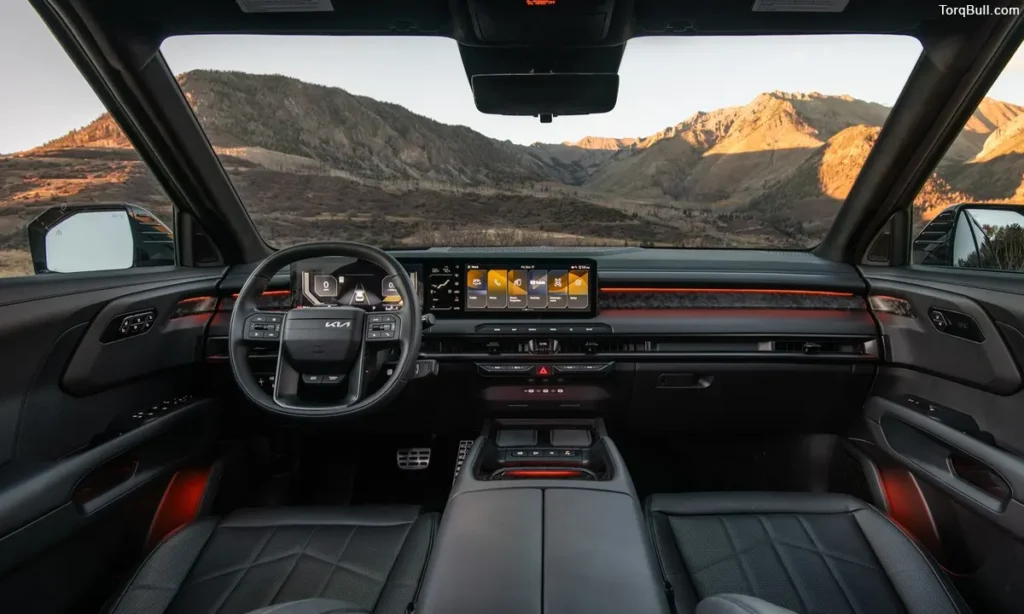
Pro 1: Cabin Quietness and Highway Comfort That Rivals Luxury Vehicles
The single most frequently and most enthusiastically documented Telluride owner strength is the cabin’s quietness and comfort at highway speeds — a characteristic that multiple owners specifically compare favourably to luxury vehicles they have owned or driven. One verified owner describes the ride and quiet cabin as rivalling any luxury sedan they have owned. Another describes the Telluride as super quiet and comfortable with an impressive amount of space. A third who documented their 2025 Telluride SX Prestige ownership across 30 months and 32,000 miles praises the drive as an absolute pleasure, singling out the quiet cabin, smooth ride and comfortable seats as daily ownership highlights that sustain satisfaction across years of use rather than only in the early ownership honeymoon period.
Professional evaluation confirms this owner sentiment: the cabin is described as jam packed with high quality build materials, soft touch surfaces and downright luxurious amenities in higher trims. First and second row seating is described as supportive and plush, with plenty of wiggle room for adults. The predicted reliability score of 85 out of 100 for the 2025 generation places it in the Great category — above the Average threshold of 70 to 80 and reflecting the positive trajectory of a relatively young nameplate that continues to accumulate quality improvement data.
Pro 2: Standard Technology and Safety Features That Lead the Segment
Every Telluride configuration includes Highway Driving Assist, adaptive cruise control with lane centering, blind spot collision warning, lane keeping assist, forward collision avoidance and driver attention warning as standard equipment without requiring upper trim selection or option packages. The five star overall NHTSA safety rating and Top Safety Pick Plus designation from the Insurance Institute for Highway Safety reflect both the active safety technology and the structural crash protection that independent crash testing validates. The LATCH connector system for child safety seats received the highest rating of Good for ease of use — a specific family safety credential that parents with young children specifically prioritise.
Upper trim technology adds surround view cameras, a heads up display, power inverters for device charging and direct button controls for radio, navigation and climate functions — a design choice that one owner specifically praises as providing control of all major functions without going through endless layers of menus on a screen. This physical control accessibility alongside the digital interface reflects a design philosophy that experienced driver feedback has shaped across the Telluride’s production history.
Pro 3: Interior Space and Cargo Volume That Genuinely Accommodates Families
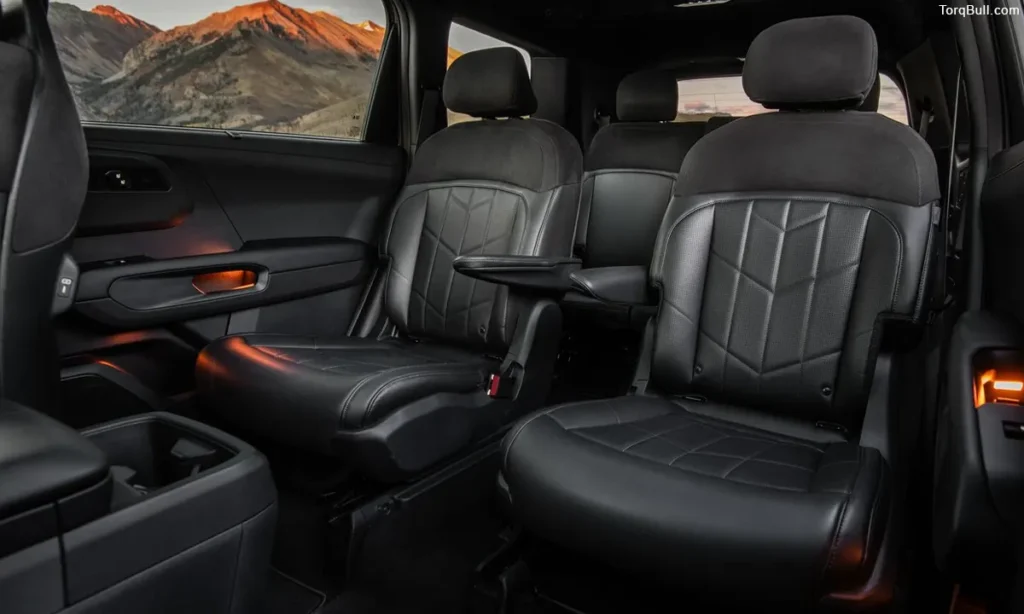
The Telluride provides 21 cubic feet of cargo space behind the third row, 46 cubic feet behind the second row and 87 cubic feet with both rear rows folded — figures that accommodate a full family’s camping gear, airport luggage or sports equipment without requiring the cargo management compromises that smaller three row competitors impose. First and second row passenger space is genuinely generous by professional measurement and owner account. The third row accommodates adults for shorter trips, though owners consistently note it is best reserved for children on longer journeys — a structural limitation shared with most competing three row midsize SUVs at equivalent sizing.
Pro 4: The 10 Year Warranty That Has Proven Its Value in Real Ownership
The Kia 10 year, 100,000 mile powertrain warranty is the Telluride’s most financially significant ownership protection — and it has been proven in real ownership situations that demonstrate exactly what comprehensive warranty coverage means when major issues occur. One repeat Telluride owner documents a situation where the vehicle required repairs whose estimated cost outside warranty was approximately $7,200. Kia’s warranty covered the entire cost, provided a loaner vehicle for the 32 days the repairs required and produced no out of pocket expense to the owner. This owner explicitly states that the warranty is why their loyalty to the nameplate persists despite the quality issues they encountered. The warranty’s practical value in real ownership scenarios is the most compelling long term financial argument for the Telluride across the competitive landscape.
Read: Kia Telluride vs Hyundai Palisade: Which Three-Row SUV Is Better in 2026?
The Cons: Where Real Owners Document Genuine Frustrations
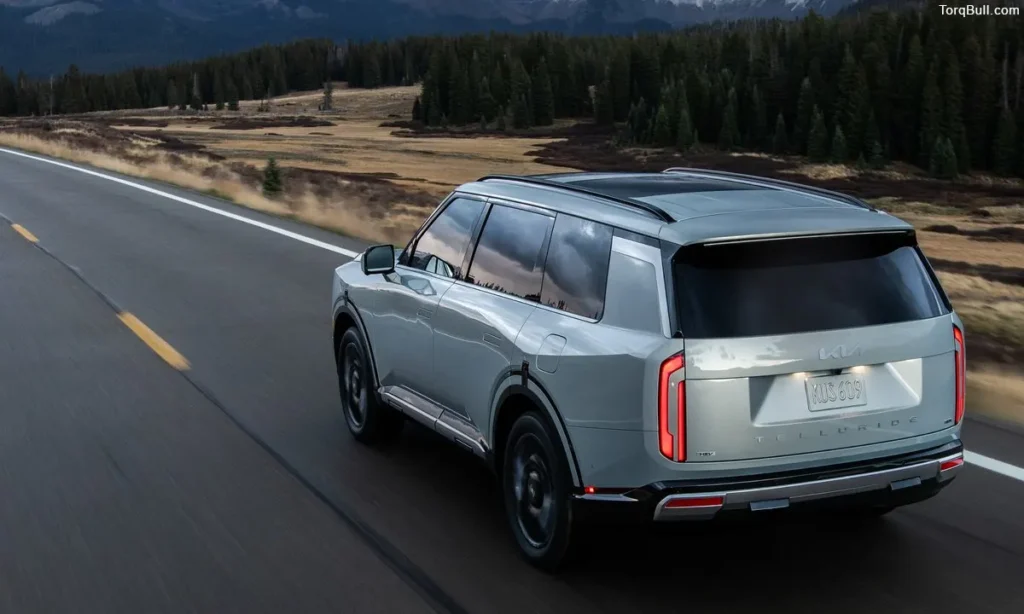
Con 1: Windshields That Crack Progressively From Small Chips
The most consistently documented and most universally experienced quality complaint among verified Telluride owner reviews concerns windshield vulnerability — specifically the pattern of a small rock chip expanding into a full length crack across the windshield rather than remaining as a contained chip that can be repaired. One owner who has purchased three Tellurides describes this happening to all three vehicles and specifically notes that Kia takes no responsibility for the pattern. This windshield crack propagation is described as a common and known issue across the owner community. For owners who live in areas with gravel roads, construction zones or frequent freeway driving behind trucks, this vulnerability represents a recurring cost that standard warranty coverage does not address and that owner experience documents across multiple production years rather than as an isolated manufacturing defect.
Con 2: Electronic and Electrical Failures in the 2024 Generation
Electronic reliability concerns appear most prominently in verified owner accounts for the 2024 Telluride — a generation that multiple owners describe as experiencing significant electronic system failures at very low mileage. One owner documents their 2024 Telluride with under 20,000 miles experiencing all display screens blacking out, intermittent loss of power, a gas gauge showing dashes rather than fuel level even on a full tank and a starting failure requiring jump starts approximately three out of every five attempts. The same owner’s warranty claim was initially denied, requiring escalation before coverage was confirmed. Another Edmunds reviewer describes watching their 2024 Telluride develop major issues requiring multiple service visits in the first year of ownership — an experience that led this buyer to express that they would choose a Toyota or Honda at equivalent pricing if they could repeat the purchase decision.
These electronic failures — combined with the length of dealer repair wait times documented below — represent the quality dimension that the 25 percent non recommendation rate most specifically reflects.
Con 3: Dealer Service Wait Times That Create Real Ownership Hardship
Dealer service appointment availability is a specific and documented Telluride ownership frustration that compounds the impact of any reliability issue the vehicle experiences. One owner with active safety recalls — including concerns about a potential seat motor fire risk and an unintended park to gear shift — describes receiving an appointment date 47 days after contacting the dealer. Being asked to park a vehicle with an active fire risk recall outside for 47 days while waiting for an appointment represents a warranty service experience that directly undermines the confidence that comprehensive warranty coverage is meant to provide. The combination of documented electronic reliability concerns and dealer appointment availability limitations produces the customer service experience that the most strongly negative owner accounts describe — a vehicle with issues and no accessible service timeline for addressing them.
Con 4: Oil Consumption Documented at Low Mileage
Oil consumption is documented by multiple owners of the 2024 and 2025 Telluride as an issue appearing at very low mileage — under 20,000 miles in several verified accounts. This is a concern that, in isolation, the warranty covers appropriately by addressing the engine components responsible for oil consumption events. But its appearance at low mileage represents a quality expectation gap that owners at this price point — where the Telluride’s starting price of approximately $37,000 positions it against vehicles whose engine quality expectations are higher — find difficult to accept as a normal ownership occurrence.
Con 5: Value Rated as the Weakest Consumer Scored Attribute
Value is identified across 88 verified owner reviews as the Telluride’s weakest consumer scored attribute — the dimension where owner satisfaction most consistently falls below the level of the vehicle’s pricing expectations. As the Telluride’s price has increased across generations — from its initial sub $35,000 base to its current higher entry pricing — the perception that the vehicle delivers luxury level quality for a mainstream price has been tested by the electronic reliability and service experience concerns that 2024 and 2025 generation owners document. The Telluride remains a strong value when all ownership dimensions are positive, but the value perception erodes significantly when the quality and service concerns of the most dissatisfied owners are experienced directly.
Read: 2027 Kia Telluride Mileage City vs Highway Fuel Economy Guide
Kia Telluride 2026 Pros and Cons — Real Owner Summary Chart
| Category | Verdict | Owner Evidence |
| Cabin quietness and highway comfort | Strong Pro | Multiple owners compare to luxury vehicles; super quiet described consistently |
| Standard safety technology | Strong Pro | Five star NHTSA; IIHS Top Safety Pick Plus; LATCH rated Good |
| Interior space and cargo | Pro | 87 cu ft max cargo; first and second row spacious; third row OK for children |
| 10 year powertrain warranty | Strong Pro | Real $7,200 claim covered; loaner provided; repeat buyer loyalty maintained |
| Windshield chip cracking | Real Con | Three Telluride owner: happened to all three; Kia takes no responsibility |
| Electronic failures (2024 generation) | Serious Con | Screens blackout, starting failures, gas gauge failure at under 20,000 miles |
| Dealer service wait times | Real Con | 47 day appointment for active safety recall; ownership hardship documented |
| Oil consumption at low mileage | Con | Multiple owners document under 20,000 miles; warranty covers but disappoints |
| Value perception | Weakest category | Lowest owner scored attribute; erodes when quality issues are experienced |
| Paint and trim imperfections | Minor Con | Window trim flapping; paint quality noted as improvement area |
The Honest Verdict: Who Should Buy the Telluride
The Kia Telluride is an excellent purchase for families who encounter the majority ownership experience that the 75 percent recommendation rate reflects — buyers who experience the vehicle’s genuine cabin comfort, impressive cargo space, strong safety technology and luxury vehicle character at a mainstream price without encountering the electronic reliability and service experience concerns that the minority of owners document. For these buyers, the combination of comfort, technology, styling and the 10 year warranty creates tremendous ownership value that repeat buyers consistently return to across multiple Telluride generations.
The Telluride requires more careful consideration for buyers who prioritise zero tolerance for electronic reliability concerns — where the Toyota Highlander’s more established long term reliability data and the Honda Pilot’s Honda engineering foundation provide higher statistical confidence against the electronic failure patterns the 2024 generation specifically produced. Any Telluride buyer who encounters reliability issues should pursue warranty coverage aggressively from the first occurrence and document all communications in writing, given the dealer service capacity and initial claim denial experiences that some owners have navigated.