- Proper maintenance records can play a critical role in whether warranty claims are approved or denied.
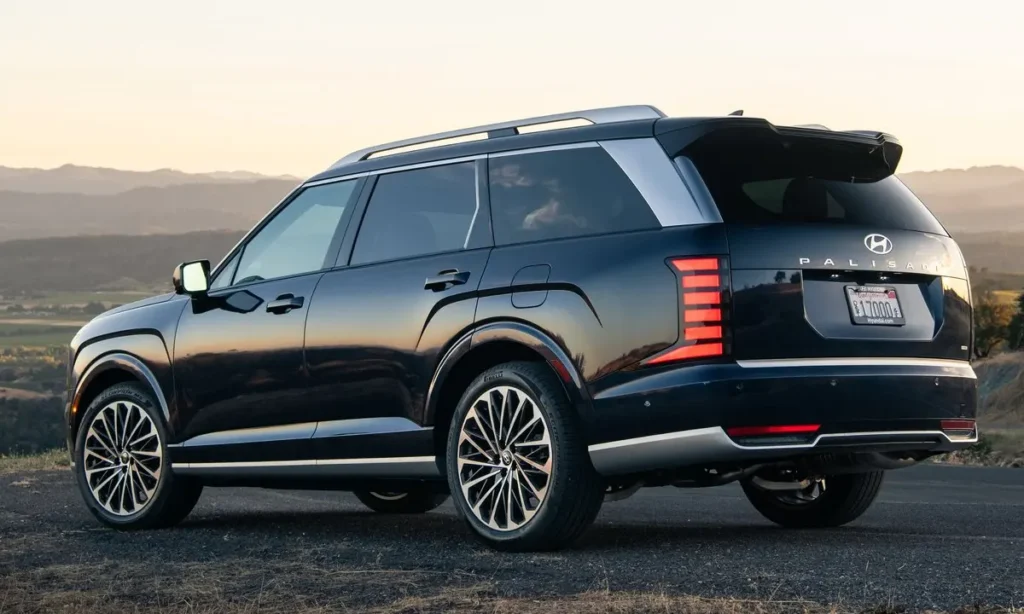
- The Palisade includes convenient features such as a hands-free liftgate that opens after standing behind the vehicle for three seconds.
- Some 2025 owners reported oil consumption issues, highlighting the importance of regular monitoring and maintenance.
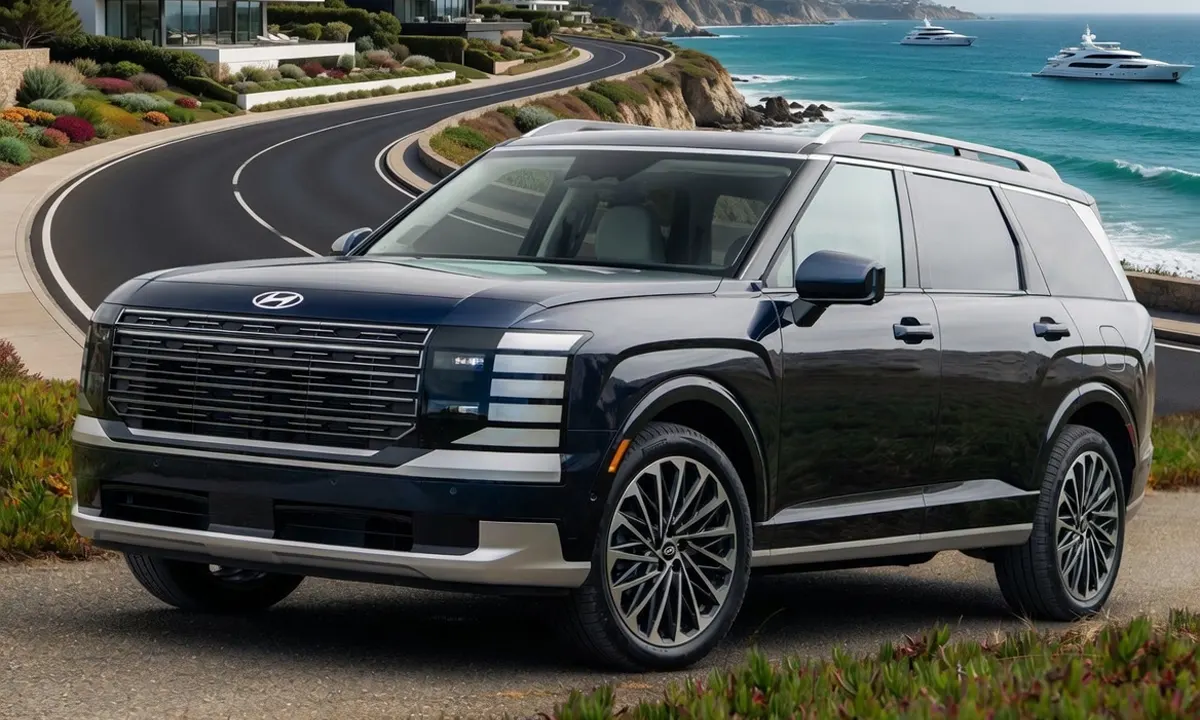
The Hyundai Palisade earns its family SUV reputation honestly — the interior is genuinely spacious, the technology is comprehensively equipped and the 10 year powertrain warranty is the segment’s most reassuring financial protection. But the Palisade, like every vehicle, has a layer of ownership knowledge that no window sticker, no dealer walkthrough and no marketing brochure communicates — the things that experienced owners document in forum threads, that warranty claim outcomes have taught the hard way and that the vehicle’s technology architecture quietly enables for those who know where to look. This guide captures the most practically valuable of these discoveries, drawn from verified owner community experience, so that every new and prospective Palisade owner starts their ownership with information that typically takes months to accumulate through trial and error.
Thing Nobody Tells You 1: Maintenance Records Can Determine Whether Your Warranty Claim Gets Honoured
This is the most financially consequential thing that new Palisade owners from non Hyundai backgrounds consistently discover too late. The 10 year, 100,000 mile powertrain warranty is real and genuinely valuable — but it is conditional on documented proof of completed maintenance performed according to the manufacturer’s recommended schedule.
Owners who have faced engine related warranty claims report that dealers and Hyundai corporate have denied coverage by arguing that the owner cannot prove required maintenance was performed. The specific trigger for this denial risk is oil consumption — an issue that some 2025 and earlier Palisade owners experienced, where the engine required oil between scheduled changes. If this happens without documented proof of regular oil changes at the required interval, the warranty claim can be challenged.
The practical action this information demands: keep every single service receipt, whether from a dealership or an independent shop. If performing oil changes independently, keep the purchase receipts for oil and filters with dates that correlate to the expected mileage. Create a simple maintenance log spreadsheet and photograph receipts. This documentation requirement costs nothing and takes minimal time — but its absence at the wrong moment can cost thousands of dollars in denied warranty coverage.
Read: Toyota Highlander vs Hyundai Palisade Features Comparison. Which SUV Offers Better Value?
Thing Nobody Tells You 2: The Liftgate Opens With No Hands at All
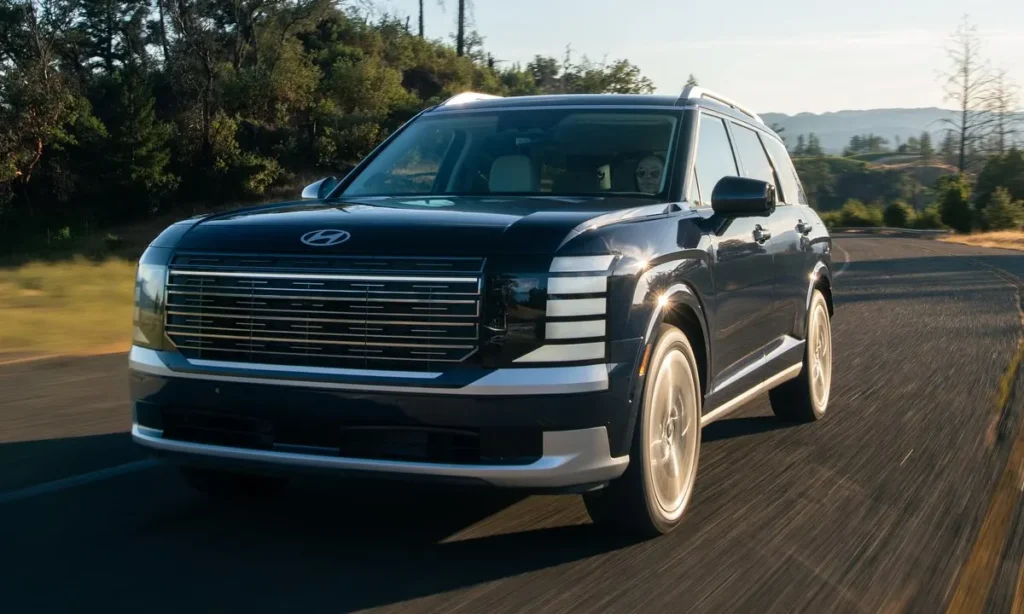
Most Palisade owners discover the hands free liftgate button on the key fob or the button inside the vehicle before they discover the most convenient version of this feature: the liftgate opens automatically when you stand behind the vehicle with your key fob in your pocket for approximately three seconds, without pressing any button at all.
The proximity sensor in the rear bumper detects the fob and initiates the opening sequence. The three second delay is specifically designed to prevent accidental activation when simply walking past the rear of the vehicle. For parents with a child in one arm and shopping in the other, for gym bag carriers, for grocery loaded families and for anyone whose hands are consistently full upon arriving at the vehicle, this feature provides convenience that improves with every use. The activation becomes instinctive within a week of ownership — yet many owners go months or longer without discovering it.
Thing Nobody Tells You 3: The Liftgate Height Position Is Memorised by the Vehicle
The Palisade’s power liftgate memorises the height at which you stop it — so if your garage has a low clearance that the default maximum opening height would contact, you can stop the liftgate at the appropriate height and the vehicle will remember that position going forward. Every subsequent automatic liftgate operation opens to your saved custom height rather than the maximum default.
This is specifically useful for owners whose parking situation — garage ceiling height, covered parking maximum clearance or carport structure — creates a conflict with the full opening arc. Owner forum discussions reveal this is commonly discovered only after an inadvertent contact with a garage ceiling that would have been prevented by this feature.
Thing Nobody Tells You 4: The Navigation Can Disappear Mid Trip Without Warning
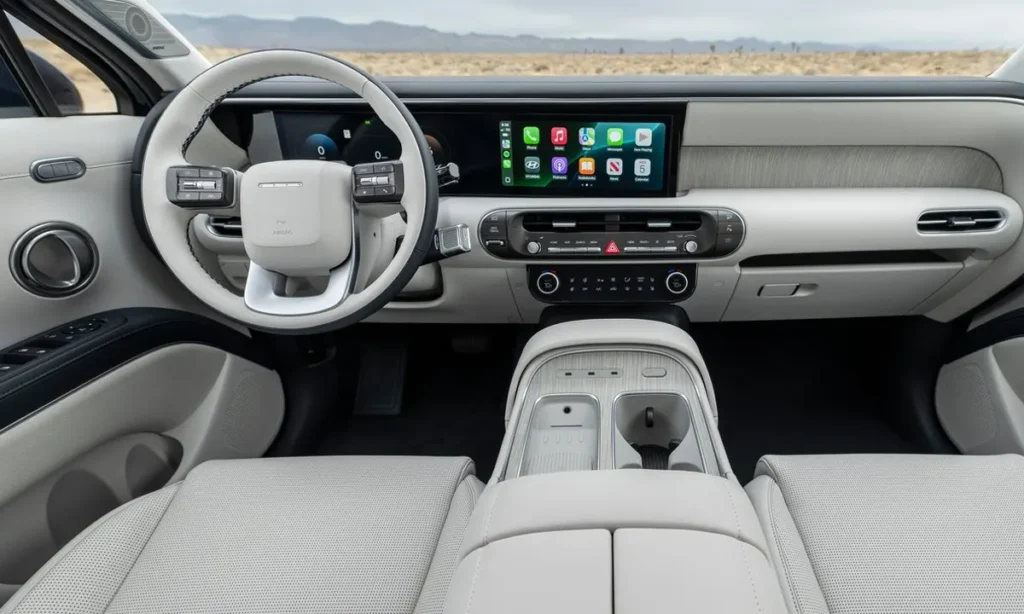
A documented complaint across verified 2025 Palisade owner accounts concerns the navigation system losing the active destination and directions during trips — requiring the destination to be re entered while driving, or requiring selection from the saved destination list. One owner’s specific account describes repeatedly vanishing destination and directions throughout a trip, requiring multiple re entries.
This is not a universal experience — many owners report navigation functioning without issue. But its appearance in independent accounts from different owners and different production builds indicates a software behaviour that Hyundai has not uniformly resolved through over the air updates across all affected vehicles. For owners who encounter this, a workaround that consistently avoids the problem is using wireless Apple CarPlay or Android Auto navigation instead of the built in system — the smartphone navigation layer bypasses the infotainment navigation system entirely and runs independently of its software.
Read: Hyundai Palisade Luxury SUV Alternative In 2026. Can It Really Compete With Premium Brands?
Thing Nobody Tells You 5: The Rear Doors Have a Two Press Unlock System by Default
The Palisade’s default key fob programming unlocks only the front doors on the first press of the unlock button. A second press of the unlock button then unlocks the rear doors. This two press sequence is the factory default intended to prioritise driver door access in situations where only the driver is entering the vehicle.
For families who load rear seat passengers every time they unlock the vehicle, this two press default is an unnecessary daily friction. The setting can be changed in the vehicle’s configuration menu to a single press that unlocks all doors simultaneously. Owner forum documentation confirms this setting change takes under two minutes to locate and complete through the infotainment settings menu. It is a simple change that meaningfully reduces the minor daily friction of the two press default — yet it is never mentioned in the dealer walkthrough.
Thing Nobody Tells You 6: Active Cruise Control Speed Can Be Adjusted in 5 MPH Increments
When adaptive cruise control is active, pressing and holding the RES button on the steering wheel rather than tapping it adjusts the cruise speed in 5 MPH increments rather than the single MPH tap increments. This shortcut is particularly useful during highway driving when the desired speed change is substantial — adjusting from 60 to 75 MPH requires 15 single taps but only 3 hold presses of the same button. The feature exists in the owner’s manual but is rarely discovered without deliberate exploration of the steering wheel controls during active cruise operation.
Thing Nobody Tells You 7: The Climate System Has an Auto Fresh Override You Can Reset
In cold weather below approximately 15 degrees Celsius, if the recirculation mode is selected for more than three to five minutes, the climate system automatically switches to fresh air intake mode regardless of the driver’s selection. This automatic override is a safety feature preventing the buildup of carbon dioxide in the cabin during extended recirculation at low temperatures — but it can confuse drivers who set recirculation and find the system has switched without their input.
Additionally, if the air conditioning system is active and the driver wants to cancel the automatic ventilation cycle: selecting face level mode and pressing the recirculation button five times within three seconds while holding the AC button resets the cycle. This reset procedure is documented in the owner’s manual under a notation that most owners do not read in sufficient detail during vehicle setup.
Thing Nobody Tells You 8: Paint and Trim Quality Needs Attention From Day One
Owner accounts from verified forum posts and independent review platforms document exterior trim loosening at low mileage — one owner describes a sensor cover coming loose and dragging on the pavement at approximately 3,000 miles. Others document paint quality concerns including fading and chalking on certain colour configurations at higher mileage. Interior trim loosening similarly appears in owner accounts.
These are warranty covered issues when documented and reported promptly. The practical implication is to inspect all exterior trim at delivery and again at each service interval, reporting any loosening or movement immediately while the issue is documented early and clearly within the warranty period. Proactive identification is significantly easier than retroactive warranty argument when these issues develop gradually.
Hyundai Palisade Things Nobody Tells You — Complete Quick Reference Chart
| Discovery | What It Means for You | Action Required |
| Warranty claim requires maintenance documentation | Missing records can result in claim denial | Keep every receipt; photograph all service records |
| Liftgate opens hands free after 3 seconds | Stand behind vehicle with fob in pocket | No setup needed; works by default |
| Liftgate height is memorised | Sets custom stop height for garage clearance | Stop liftgate at desired height once; saved automatically |
| Navigation can vanish mid trip | Known software issue in some units | Use CarPlay or Android Auto as backup navigation |
| Two press rear door unlock by default | Requires second fob press for rear doors | Change to single press in infotainment settings menu |
| ACC speed adjusts in 5 MPH increments via hold | Hold RES button instead of tapping | No setup; works by default on all equipped trims |
| Climate auto switches from recirculation in cold | Override happens automatically below 15 degrees C | Awareness prevents confusion; reset via 5 button press |
| Paint and exterior trim needs early inspection | Early defects are most easily covered under warranty | Inspect at delivery and report any issues immediately |
The Documentation Habit That Protects Every Other Discovery
The single most valuable ongoing practice for any Palisade owner — combining the warranty documentation requirement with every other maintenance and quality concern — is treating the ownership period as a documented record from day one. Every service receipt, every dealer communication, every warranty service record and every photograph of any quality issue taken with a dated phone camera creates the evidence base that protects the owner’s financial interests throughout the full 10 year warranty window.
The Palisade’s 10 year powertrain warranty is genuinely one of the most valuable ownership protections available in the midsize SUV market. But that protection is conditional on the owner’s ability to demonstrate compliance with the maintenance schedule when a claim is needed. The discovery that documentation matters does not have to come from a denied claim — it can come from reading this guide and establishing the habit before the first service interval arrives.