- The 2026 Nissan Rogue’s five-year ownership cost is estimated at approximately $43,454 to $44,811, including depreciation.
- Out-of-pocket expenses total about $28,796 over five years, with insurance representing the largest cost category.
- Depreciation ranges from roughly $13,000 to $18,000 depending on trim level and configuration.
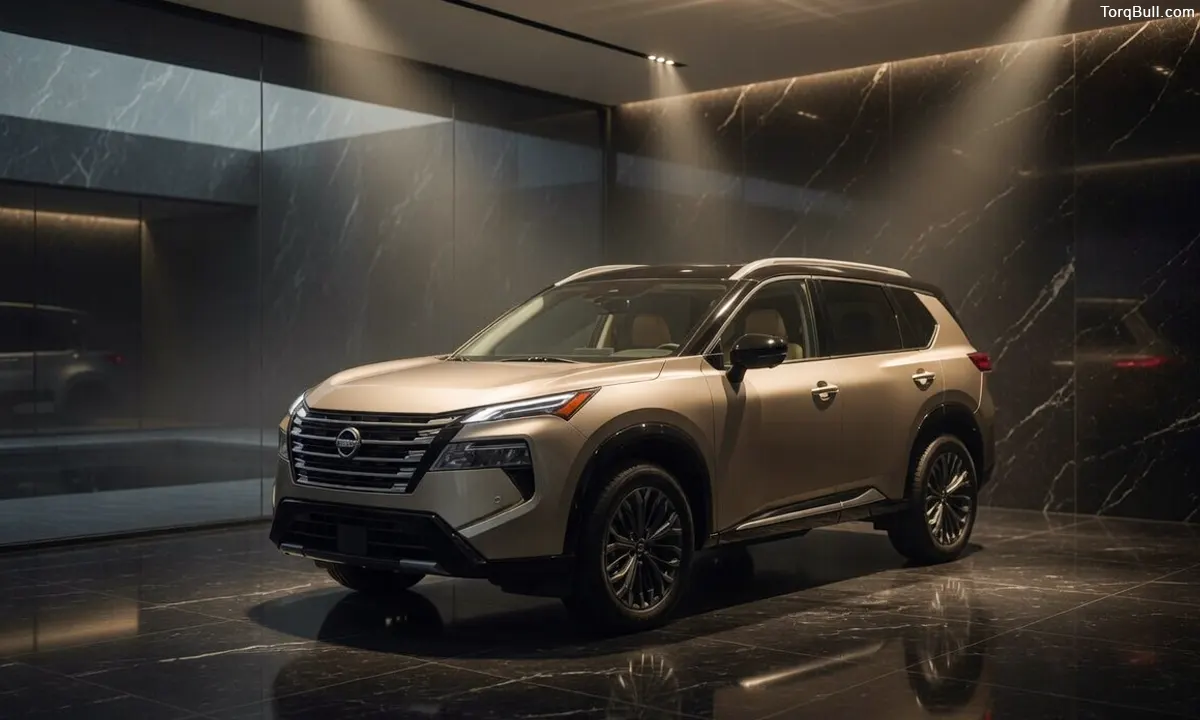
The Nissan Rogue is the second best-selling SUV in the American market and has maintained this position through a combination of spacious interior design, competitive pricing and the VC-Turbo engine’s combination of power and efficiency that distinguishes it from most competing naturally aspirated four-cylinder alternatives. But the Rogue’s market appeal does not automatically translate to low ownership cost — and the complete five-year financial picture reveals specific areas where the Rogue is competitive against class alternatives and areas where it falls short of the most economical compact crossover ownership profiles available. This complete guide breaks down every ownership cost category to produce the most accurate and most honest financial portrait of 2026 Nissan Rogue ownership available.
The Total Five Year Cost: $43,454 to $44,811
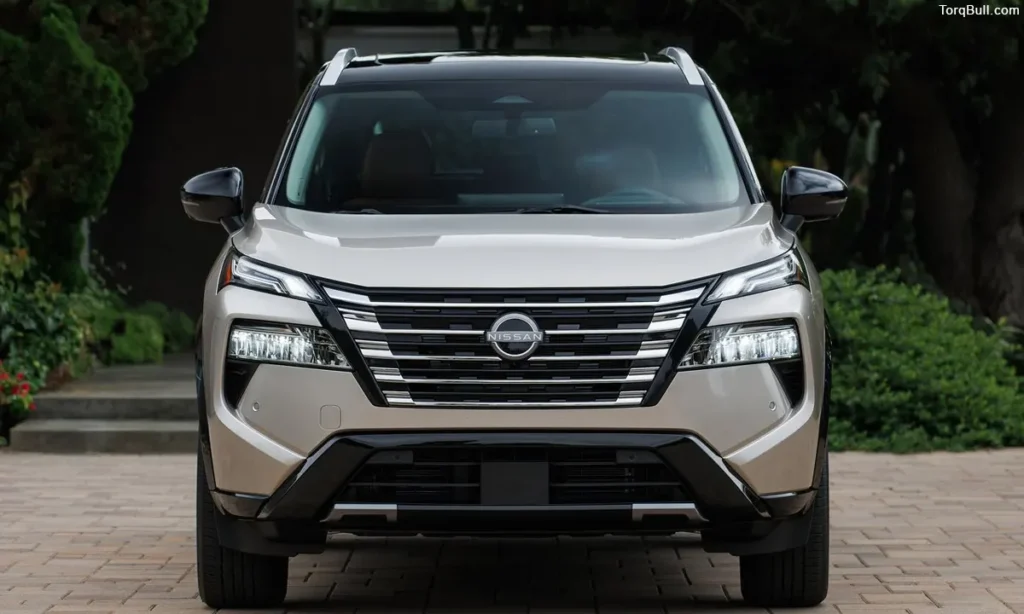
The Nissan Rogue’s five-year total cost of ownership reaches approximately $43,454 to $44,811 depending on the data source’s specific methodology, trim level used as the basis and the financing assumptions applied to the calculation.
The total splits into two fundamental components that every ownership cost analysis must separately account for. Out-of-pocket expenses — the cash that leaves the owner’s pocket across 60 months for fuel, insurance, maintenance, repairs, financing interest and state fees — total approximately $28,796 across five years for a base configuration. Depreciation — the loss in vehicle value from purchase date to five-year residual value — accounts for approximately $13,000 to $18,000 depending on the trim level purchased and market conditions at the time of sale.
This total positions the Nissan Rogue in the top 11 to 25 percent for cost to own among all compact crossover SUVs — a competitive but not class-leading position that reflects the Rogue’s mid-range positioning relative to both the most economical compact crossovers (led by the Toyota RAV4 at $34,317) and the more expensive alternatives whose higher purchase prices produce higher ownership totals.
For context, the Rogue’s five-year total is approximately $9,000 to $10,000 higher than the Toyota RAV4’s class-leading ownership cost — a gap concentrated primarily in the insurance and depreciation categories where Toyota’s brand strength produces measurable financial advantages over the Nissan alternative.
Read: Nissan Best Family Vehicle Isn’t Even Sold In USA. Find Out Which Car American Never Got
Depreciation: The Largest Single Cost Component
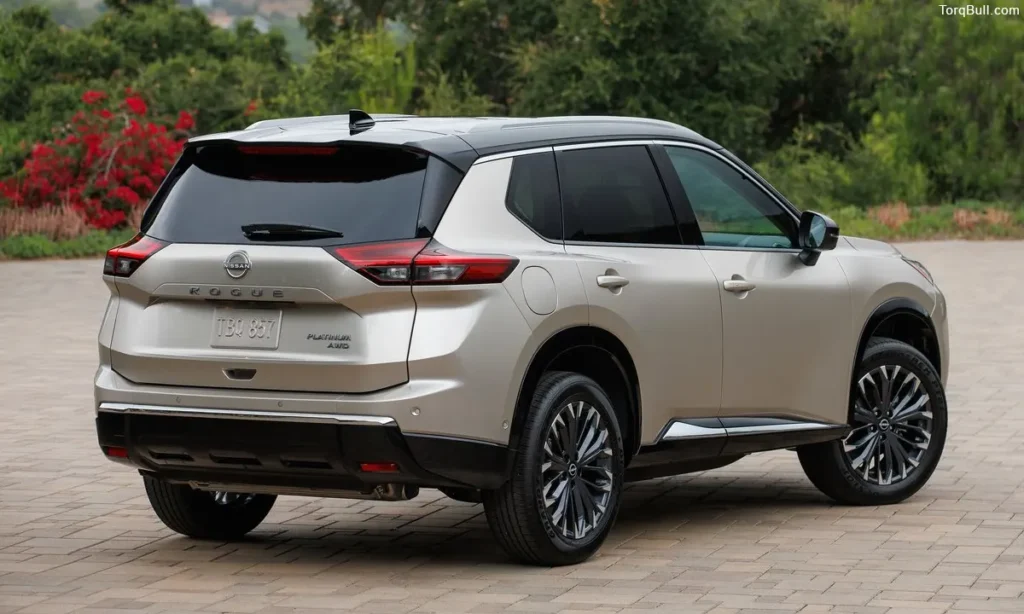
The 2026 Nissan Rogue’s five-year depreciation of approximately $13,000 to $18,000 is the most significant source of variation in total ownership cost across the trim hierarchy — because the highest trims’ higher purchase prices produce larger absolute depreciation figures while the percentage retention rate remains broadly similar across configurations.
Verified ownership cost data for the 2024 Rogue — the most comparable prior-generation baseline — places five-year depreciation at $16,015, leaving a five-year residual value of approximately $14,225 from an original purchase around $30,240. This retention rate of approximately 47 percent is above-average for the compact crossover segment, reflecting the Rogue’s genuine market appeal in the used vehicle sector that sustains resale values above the class average.
The 2026 model year receives Nissan’s price adjustments — the top-of-the-line Platinum AWD received a $1,000 price reduction for 2026 following a $930 mid-year reduction in 2025, bringing the pricing closer to competitive market levels. For buyers of upper-trim Rogues who previously paid premium prices relative to competitors, this pricing adjustment reduces the depreciation exposure from the first day of ownership — a specific benefit that earlier model year purchasers did not receive.
For buyers making the financial efficiency argument, depreciation is the most controllable major ownership cost variable at the point of purchase: buying a one to two year old used Rogue that has already absorbed the steepest first-year depreciation — typically 20 to 25 percent of original value — reduces the total depreciation burden across the remaining ownership period by approximately $5,000 to $7,000 compared to buying new.
Insurance: The Largest Out-of-Pocket Expense
The most surprising finding in the Nissan Rogue’s ownership cost breakdown for most buyers is the magnitude of the insurance contribution to total out-of-pocket costs. Verified five-year insurance data places the Rogue at $12,220 over five years — approximately $2,444 per year on average for a full coverage policy with a national average driver profile. This represents approximately 43 percent of the total $28,796 five-year out-of-pocket expenses — the largest single category in the operating cost portion of the ownership total.
This insurance cost positions the Rogue similarly to other popular compact crossovers at comparable purchase prices — the Rogue is not uniquely expensive to insure relative to equivalent vehicles. But the magnitude of the insurance contribution underscores an important buyer consideration: lowering insurance costs through larger deductibles, shopping multiple carriers and maintaining a clean driving record has the largest proportional impact on annual out-of-pocket ownership cost of any decision the owner makes after purchase. A buyer who reduces annual insurance from $2,444 to $1,800 through carrier shopping and deductible adjustment saves approximately $3,220 over five years — more than the entire five-year fuel cost for some configurations.
Read: When Style Gets Louder. 2026 Nissan Juke Pulse Edition Makes It Impossible to Ignore
Fuel: Where the VC-Turbo Earns Its Keep
The 2026 Nissan Rogue’s fuel economy — a critical factor in an era of elevated gasoline prices — is one of the strongest efficiency credentials available in a non-hybrid compact crossover thanks to the VC-Turbo (Variable Compression Turbo) engine’s unique ability to adjust its compression ratio continuously to optimise between power delivery and fuel efficiency.
The FWD Rogue S and SV achieve 30 MPG city, 37 MPG highway and 33 MPG combined — among the best non-hybrid combined fuel economy figures available in the compact crossover segment. The AWD S and SV achieve 28 MPG city, 35 MPG highway and 31 MPG combined. Upper trims (SL and Platinum) achieve 29 MPG combined in FWD and 31 MPG combined in AWD — modestly below the base configuration’s figures due to the additional equipment weight.
Five-year fuel costs at 15,000 annual miles and $3.08 per gallon range from approximately $7,000 to $8,500 depending on driving pattern and configuration — approximately $4,344 in verified ownership cost data for the 2024 base configuration. This places the Rogue’s fuel economy as one of its genuine competitive strengths relative to competing compact crossovers with less efficient naturally aspirated four-cylinder engines, and confirms that the VC-Turbo’s efficiency advantage is delivered in real-world ownership rather than only in EPA test cycle conditions.
Maintenance: Below Class Average With One Structural Concern
The Nissan Rogue’s five-year maintenance cost of approximately $4,381 from verified ownership cost data is competitive within the compact crossover segment — below the class average for maintenance spending and reflecting the Rogue’s relatively straightforward service schedule.
However, one structural maintenance consideration specific to the Rogue is worth specific attention for long-term ownership planning: the CVT transmission, which is paired with the VC-Turbo across the Rogue lineup, requires specific fluid change attention at the manufacturer-specified interval. CVT fluid degradation — which accelerates under aggressive driving, towing and sustained high-temperature operation — is the primary transmission-related maintenance failure mode documented in Nissan CVT owner community data. Changing CVT fluid at or before the 60,000-mile mark regardless of whether the manufacturer’s recommendation extends the interval further is the single most cost-effective maintenance decision available to high-mileage Rogue owners — at approximately $100 to $150 per fluid service, it is the preventative investment most likely to avoid the $2,500 to $4,000 CVT repair event that characterises the most expensive unscheduled repair scenario in Rogue ownership.
The Rogue’s annual maintenance cost of approximately $498 to $550 places it in the competitive middle of the compact crossover segment — above the Toyota RAV4’s $774 average (which reflects a broader repair dataset) and broadly consistent with the Hyundai Tucson and Ford Escape at comparable mileage assumptions.
Read: With the GR Supra Gone, the 2027 Nissan Z NISMO Is Now the Sports Car the World Needs
Nissan Rogue Five Year Ownership Cost — Complete Breakdown Chart
| Cost Category | 2026 Rogue S FWD | 2026 Rogue Platinum AWD | Notes |
| Starting Purchase Price | approximately $30,000 to $31,000 | approximately $43,000 to $44,000 | 2026 pricing after mid-year reductions |
| Five Year Depreciation | approximately $13,000 | approximately $18,000 | Higher trim = higher absolute loss |
| Five Year Fuel Cost | approximately $6,800 | approximately $8,200 | AWD reduces MPG; 15K miles annually |
| Five Year Insurance | approximately $10,000 to $12,220 | approximately $12,000 to $14,000 | Varies by driver profile and location |
| Five Year Maintenance | approximately $4,381 | approximately $5,000 | CVT fluid change at 60K essential |
| Five Year Repairs | approximately $1,880 | approximately $2,000 | Below class average repair frequency |
| Five Year Financing (at 6%) | approximately $4,000 to $5,000 | approximately $7,000 to $8,500 | Higher for larger loan on upper trims |
| Five Year State Fees | approximately $2,158 | approximately $2,500 | Registration and taxes vary by state |
| Five Year Out of Pocket Total | approximately $29,000 to $31,000 | approximately $36,000 to $40,000 | Excludes depreciation |
| Five Year Total Cost to Own | approximately $43,454 | approximately $55,000+ | Including depreciation |
How the Rogue Compares to Key Competitors on Ownership Cost
The Toyota RAV4’s five-year total ownership cost of $34,317 is the most cited competitive benchmark — approximately $9,000 to $10,000 less than the Rogue’s $43,454 figure. This gap is concentrated primarily in depreciation, where Toyota’s stronger brand residual value produces meaningfully better retention, and in insurance, where Toyota’s lower replacement value produces modestly lower premiums.
The Honda CR-V’s five-year ownership cost is broadly similar to the Rogue’s — both vehicles are competitive in fuel economy, maintenance cost and repair frequency, with the primary differentiation coming from purchase price at the specific configuration level and the resulting depreciation exposure.
The Hyundai Tucson Hybrid at comparable configurations undercuts the non-hybrid Rogue on fuel cost significantly — the Tucson Hybrid’s 38 MPG combined versus the Rogue’s 31 MPG AWD combined produces approximately $2,000 to $2,500 in additional fuel savings over five years that partially compensates for the Tucson Hybrid’s higher purchase price premium.
The Honest Verdict: Is the Rogue Cost-Effective to Own?
The 2026 Nissan Rogue is a cost-competitive compact crossover within the mid-tier of the segment — not the least expensive to own over five years but genuinely competitive in the specific categories that matter most for budget-conscious daily drivers. Its VC-Turbo fuel economy is a genuine strength that reduces one of the most consistently accumulating ongoing costs. Its below-average repair frequency keeps unscheduled spending predictable. And its above-average resale value retention — relative to the broader all-vehicle average — reduces the depreciation burden to levels that compare reasonably against most competing compact crossovers outside the Toyota brand’s specific residual value advantage.
Buyers who maximise the Rogue’s ownership cost advantage are those who purchase mid-range configurations without paying for the Platinum’s premium content that contributes disproportionately to depreciation exposure, who shop insurance aggressively using the Rogue’s competitive claims data to secure rates below the national average and who maintain the CVT fluid at the conservative 60,000-mile interval that prevents the most expensive unscheduled repair scenario in Rogue ownership history.