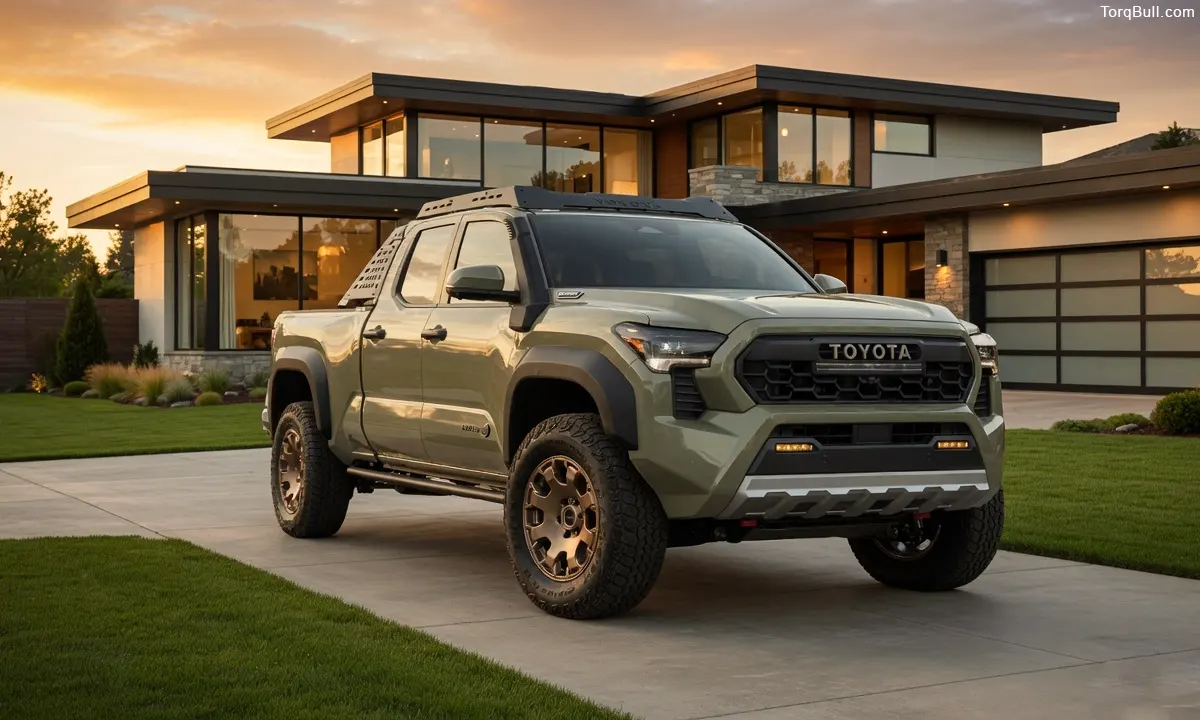
- The 2026 Toyota Tacoma is expected to deliver above-average reliability and continues to be one of the strongest long-term ownership choices in the midsize truck segment.
- Exceptional resale value, extensive owner-community support and a long history of durability remain major Tacoma strengths.
- Buyers should be aware of some early fourth-generation concerns, including reports of rough cold-start transmission behavior and A/C compressor vibration, though these issues have not significantly altered the Tacoma’s overall reputation for long-term dependability.
The Toyota Tacoma’s long-term ownership story is one of the most extensively documented in the pickup truck segment — a nameplate that has accumulated enough multi-decade owner accounts, owner forum data and formal reliability tracking to provide a genuinely comprehensive picture of what extended Tacoma ownership produces across different generations. The third-generation Tacoma from 2016 to 2023 is where the most validated long-term data exists, and the verdict is uniformly positive across the high-mileage owner community. The fourth-generation redesign from 2024 onward introduces the new 2.4-litre turbocharged powertrain that is still accumulating its long-term reliability record, alongside documented early owner concerns that inform any honest assessment of what the current generation will deliver across a decade of ownership. This complete review addresses both the proven generational legacy and the honest current-generation picture.
The Reliability Foundation: Third Generation Proves the Legacy
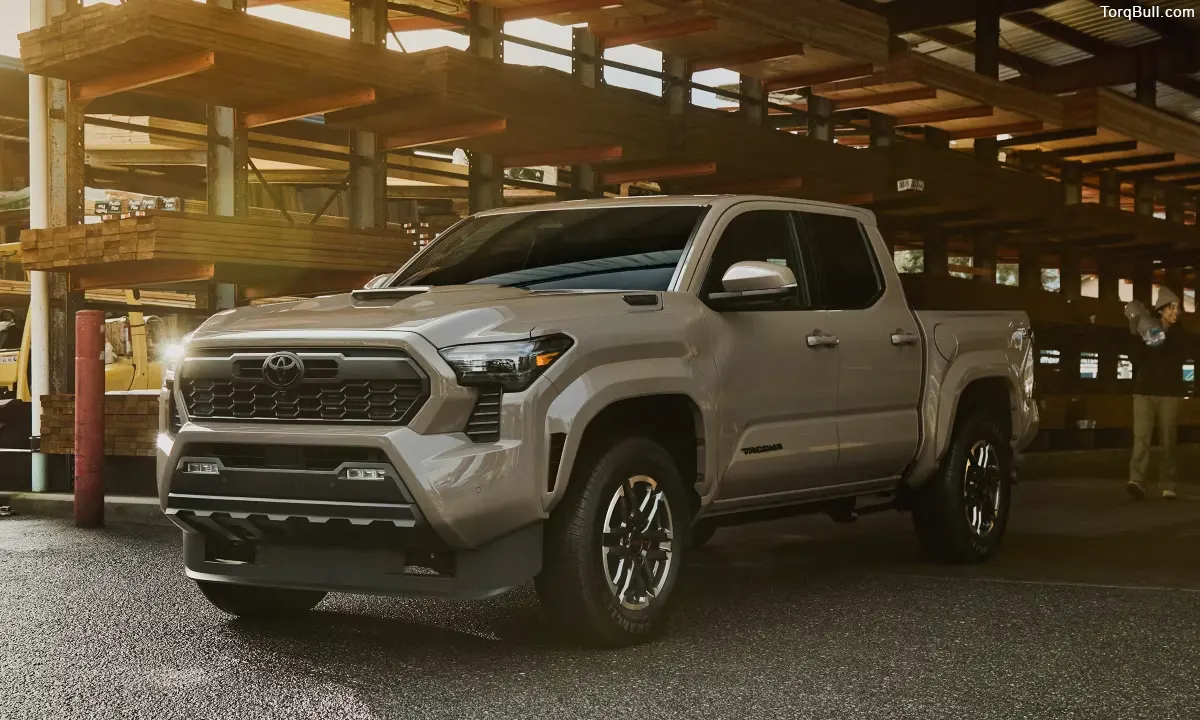
The Toyota Tacoma’s long-term reputation is built on the third-generation truck produced from 2016 to 2023, which delivered the naturally aspirated V6 and naturally aspirated four-cylinder powertrains that accumulated the high-mileage owner accounts that form the nameplate’s reliability foundation.
The third-generation Tacoma’s performance across 10-plus years of ownership is described as solid, cementing it as the best midsize truck for durability — the professional characterisation that a decade of formal reliability tracking and owner community documentation supports across every credible independent data source. The naturally aspirated V6 specifically is the engine whose long-term reliability is most comprehensively documented, with multiple owner accounts reaching 200,000 miles and beyond with original powertrains functioning normally across consistent maintenance schedules.
The Tacoma dominates midsize truck competitors in long-term reliability and community support — a dual advantage that is practically meaningful in ways that the reliability rating alone understates. Community support means that high-mileage Tacoma owners have access to documented owner knowledge, available parts and independent service expertise that competitors whose lower sales volumes generate less community knowledge infrastructure cannot replicate. When a high-mileage Tacoma needs an obscure repair, the probability of finding a documented solution from another owner who encountered the same issue is substantially higher than for lower-volume alternatives.
Read: Toyota Tacoma Insurance Cost 2026. Factors That Affect Your Premium
The Fourth-Generation Transition: What the 2024 to 2026 Data Shows
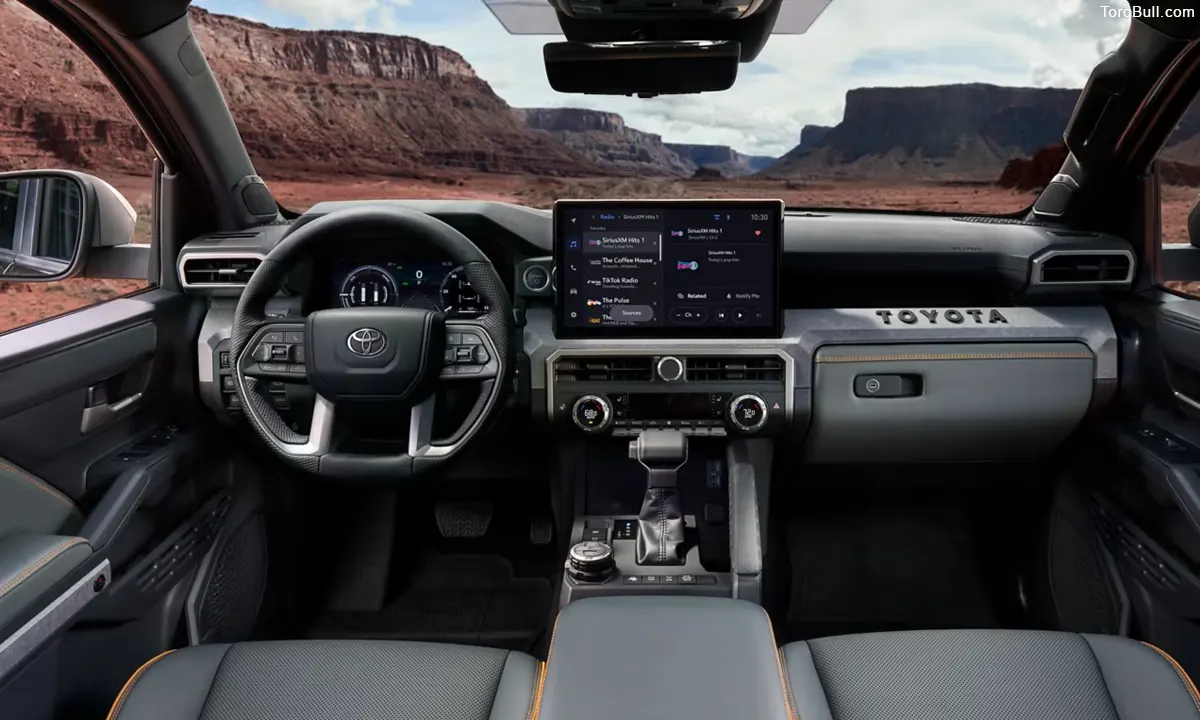
The fourth-generation Toyota Tacoma redesigned for 2024 replaced the proven naturally aspirated V6 and four-cylinder engines with a single turbocharged 2.4-litre four-cylinder available in standard and hybrid configurations. This powertrain transition is the most consequential change in recent Tacoma history for long-term ownership planning — introducing an engine whose long-term durability track record is still being established across the owner population.
The 2026 Toyota Tacoma is predicted to be more reliable than the average new car, based on accumulated data from 2024 and 2025 production. The JD Power reliability rating of 81 out of 100 for the 2025 Tacoma reflects average reliability — better than many truck competitors but not the segment-leading position that the third generation’s V6 maintained across its final production years.
The resale value forecast of 96 out of 100 is the best rating in the midsize truck category, confirming that the used market’s confidence in Tacoma long-term durability remains at the highest level regardless of the powertrain transition. This strong resale forecast reflects the accumulated Toyota reliability reputation and the Tacoma’s documented value retention history rather than the new engine’s specifically proven durability.
Documented Owner Concerns on Fourth-Generation Models
The 2024 and 2025 Tacoma owner accounts document specific concerns that prospective long-term owners of current-generation trucks should understand and monitor throughout the ownership period.
The most consistently documented concern involves rough gear shifting, particularly in first gear during cold-weather starts and uphill driving conditions. Owner accounts specifically describe very rough shifting — especially first gear when cold or going uphill — with rough rocking when the A/C compressor activates. These concerns appear across multiple independent owner review platforms and are specific enough in their description to represent a systematic characteristic of the fourth-generation powertrain rather than isolated individual experiences.
The 2024 and 2025 Tacoma 4WD models carry an active recall for rear brake hoses that can be damaged when mud and dirt builds up inside the rear wheels — potentially resulting in brake fluid leaks. Any 2024 or 2025 Tacoma 4WD owner should verify through the NHTSA VIN recall lookup whether this recall applies to their specific vehicle and schedule the free dealer remedy promptly. Braking system integrity is non-negotiable, and an active brake recall requires immediate attention regardless of other ownership priorities.
The turbocharged 2.4-litre engine’s fuel economy in real-world driving has disappointed some owners, with city fuel economy figures substantially below the EPA combined estimate in certain driving conditions. Owner accounts document 13.5 to 15 MPG in urban stop-and-go driving — significantly below the EPA estimates — reflecting the turbocharged engine’s specific fuel consumption characteristics under the frequent cold starts, short trips and stop-and-go conditions that urban ownership regularly produces.
Read: Toyota Tacoma i-Force MAX Review. Is This Hybrid Pickup Worth the Hype?
Long-Term Maintenance: What High-Mileage Outcomes Require
The maintenance discipline that produces the Tacoma’s documented long-term reliability outcomes is consistent across every high-mileage owner account — and the specific practices that matter most are well-established from decades of Tacoma ownership community documentation.
Oil change adherence at the manufacturer’s specified interval using the correct full-synthetic specification is the foundational long-term maintenance decision. For the fourth-generation turbocharged engine specifically, this discipline is more critical than for the third-generation naturally aspirated alternatives — turbocharged engines produce more heat that accelerates oil degradation, and the turbocharger’s specific bearing lubrication requirements make oil quality particularly important for component longevity. Owners who extend oil changes beyond the recommended interval on turbocharged engines specifically accumulate the bearing wear that the most severe long-term engine failures document.
The 4WD drivetrain components require specific attention that two-wheel-drive owners do not need to address. Front differential fluid, transfer case fluid and rear differential fluid each require replacement at manufacturer-specified intervals — services that accumulate wear-protecting benefit across the ownership period and that negligence converts into progressive drivetrain degradation. For buyers who use 4WD regularly in challenging conditions, these fluid services are particularly time-sensitive.
Frame maintenance is a Tacoma-specific topic that the nameplate’s history makes essential to address. Earlier Tacoma generations had documented frame corrosion issues in rust-belt states, and while Toyota addressed this in more recent production through improved frame coatings, high-mileage owners in northern states should conduct periodic frame inspections — particularly around suspension mounting points — to catch any developing corrosion before it becomes structurally significant.
Toyota Tacoma Long-Term Ownership — Complete Assessment Chart
| Category | Third Generation (2016 to 2023) | Fourth Generation (2024 to 2026) | Notes |
| JD Power reliability rating | Strong V6 generation | 81 out of 100 Average (2025) | 2026 predicted more reliable than average |
| Resale value forecast | 96 out of 100 Best | 96 out of 100 Best | Best in midsize segment both generations |
| Five-year depreciation | 22 percent (best midsize) | Similar projection | Best midsize resale value consistently |
| Documented high-mileage | 200,000 miles commonly | Still accumulating | V6 third-gen most proven |
| Engine reliability | Naturally aspirated V6 proven | Turbo 2.4L accumulating data | Turbo requires stricter maintenance |
| Cold-start rough shifting | Not documented | Documented owner concern | Specific to fourth-gen turbo |
| A/C compressor vibration | Not documented | Documented owner concern | Fourth-gen specific |
| Active brake recall | None current | 2024 to 2025 4WD rear brake hose | Free dealer remedy required |
| Fuel economy concerns | Adequate third gen | Urban city figures disappointing | 13 to 15 MPG city documented |
| Community support infrastructure | Extensive | Growing | Largest midsize truck community |
| Frame corrosion history | Earlier years addressed | Improved coatings | Inspect periodically in rust-belt states |
| 10-plus year ownership | Best in segment | Building toward this | Third-gen track record dominant |
Read: Toyota Tacoma Resale Value. What Owners Can Expect After 5 Years
Who the Tacoma Serves Best for Long-Term Ownership
The Tacoma’s long-term ownership case is most compelling for buyers whose priorities align specifically with what the nameplate delivers across an extended ownership horizon.
Buyers who plan eight to twelve years of ownership and who prioritise the lowest possible total net cost of ownership — incorporating the exceptional resale value that limits depreciation, the below-average annual repair costs and the community support infrastructure that reduces the cost of high-mileage maintenance — will find the Tacoma’s long-term financial case more compelling than any competing midsize truck alternative.
For buyers who are choosing between the current fourth-generation model and a used third-generation example, the proven V6 reliability of the 2018 to 2023 models represents a lower-risk long-term ownership choice than the fourth-generation turbo engine whose specific long-term track record is still accumulating. The 2024 Tacoma is the best current used value at 83 percent of new price with 92 percent of useful life remaining, providing the optimal balance of third-generation proven reliability, modern features and value retention.
For buyers committed to the fourth generation’s new powertrain and features, the i-Force MAX hybrid represents the specific long-term ownership choice that most closely matches the fuel economy improvement that modern drivers expect alongside the performance improvement that the hybrid’s 326 combined horsepower provides over the standard engine. The hybrid battery warranty coverage of 8 years or 100,000 miles provides financial protection across the primary ownership window for most family buyers.