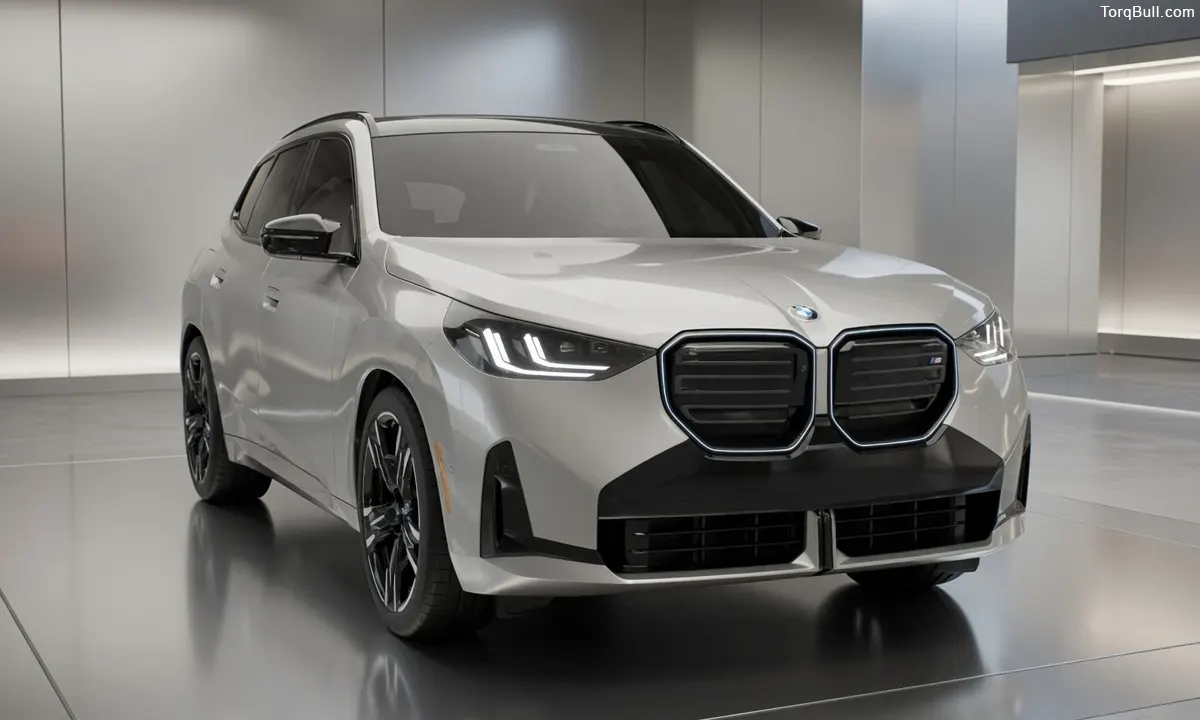
- The 2026 BMW X3 M50 xDrive delivers 393 horsepower and a 4.4-second 0–60 MPH time.
- It offers strong performance, luxury and value compared with key rivals.
- The X3 M50 is one of the most compelling performance SUVs in its class.
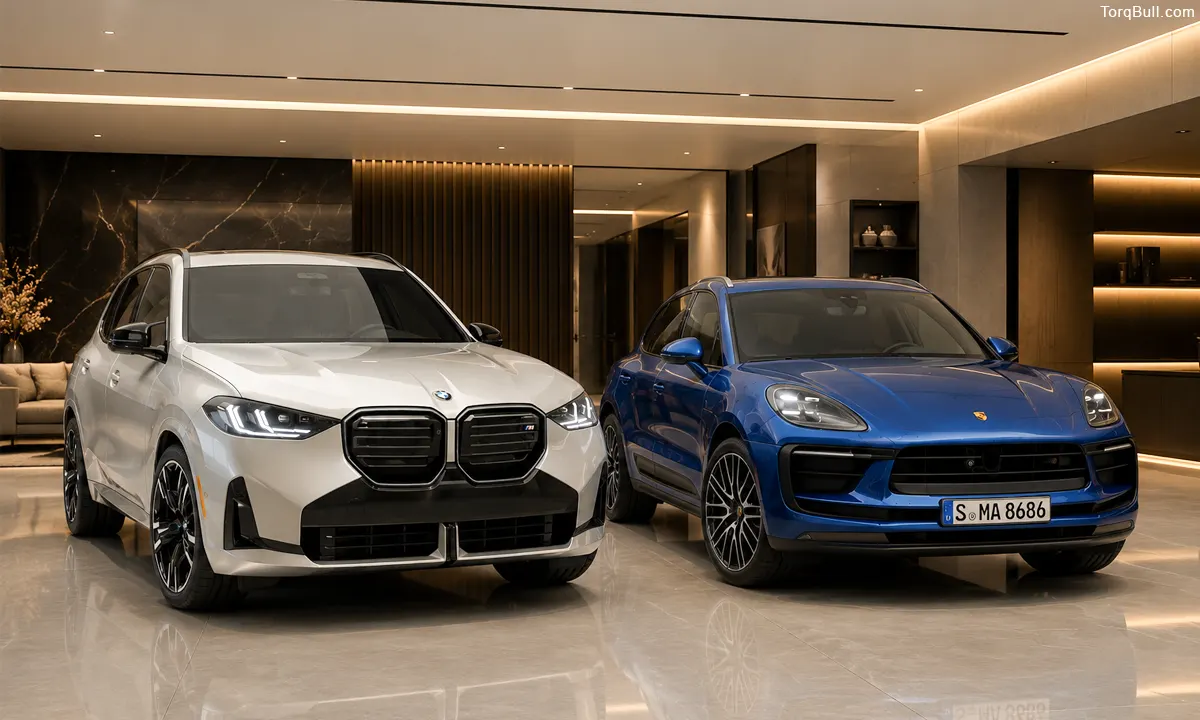
Let Me Say This Carefully, Because I Have a Lot of Respect for What Porsche Has Built With the Macan. It Has Long Been the Benchmark for This Class, the Car That Every Rival Had to Measure Itself Against, the Compact Luxury SUV That Drove More Like a Sports Car Than Any SUV Had Any Right to. But the New BMW X3 M50 xDrive Has 393 Horsepower, a Zero to 60 Time of 4.4 Seconds, 30 MPG on the Highway, a Starting Price Roughly 15,000 Dollars Below the Comparably Equipped Macan GTS, and an Interior That Rivals Have Been Scrambling to Match. The Crown Just Changed Hands. I Said What I Said
I want to be transparent about something right from the start. I drove both of these vehicles in close succession, and I came in fully expecting the Porsche to win. It almost always does. The Macan has that razor-sharp steering, that sports car feel in a high-riding body, and the badge that makes every valet stand a little straighter. But spending real time with the X3 M50, back to back against the Macan GTS, changed my perspective in ways I was not expecting. Let me tell you why.
The Performance Equation Has Shifted
The Porsche Macan GTS produces 434 horsepower from its 2.9-litre twin-turbo V6. That is 41 more horsepower than the BMW X3 M50’s 393 horsepower inline-six. On paper, the Macan GTS wins the power comparison. In practice, the conversation is considerably more nuanced.
The X3 M50’s 3.0-litre twin-turbocharged inline-six with 48-volt mild-hybrid assistance delivers 428 pound-feet of torque and produces a zero to 60 time of 4.4 seconds at an independent test track. The immediacy and linearity of this powertrain are what professional reviewers consistently highlight above everything else. The mild-hybrid electric motor fills torque gaps that turbocharged engines sometimes exhibit at low RPM, meaning the X3 M50 launches with a consistency and confidence that feels sports sedan-like rather than SUV-like.
The Macan GTS is undeniably faster in outright acceleration and produces a more theatrical engine note from its V6. But the X3 M50 is quick enough that the gap between them is felt only at the very edge of their performance envelopes, not during the everyday driving that represents 99 percent of actual ownership. And in everyday driving, the BMW’s eight-speed automatic and mild-hybrid system create an experience that is described as super smooth and genuinely refined in a way that occasionally strains against the Macan’s more aggressive, sporty calibration.
The Handling Conversation Is More Honest Than You Think
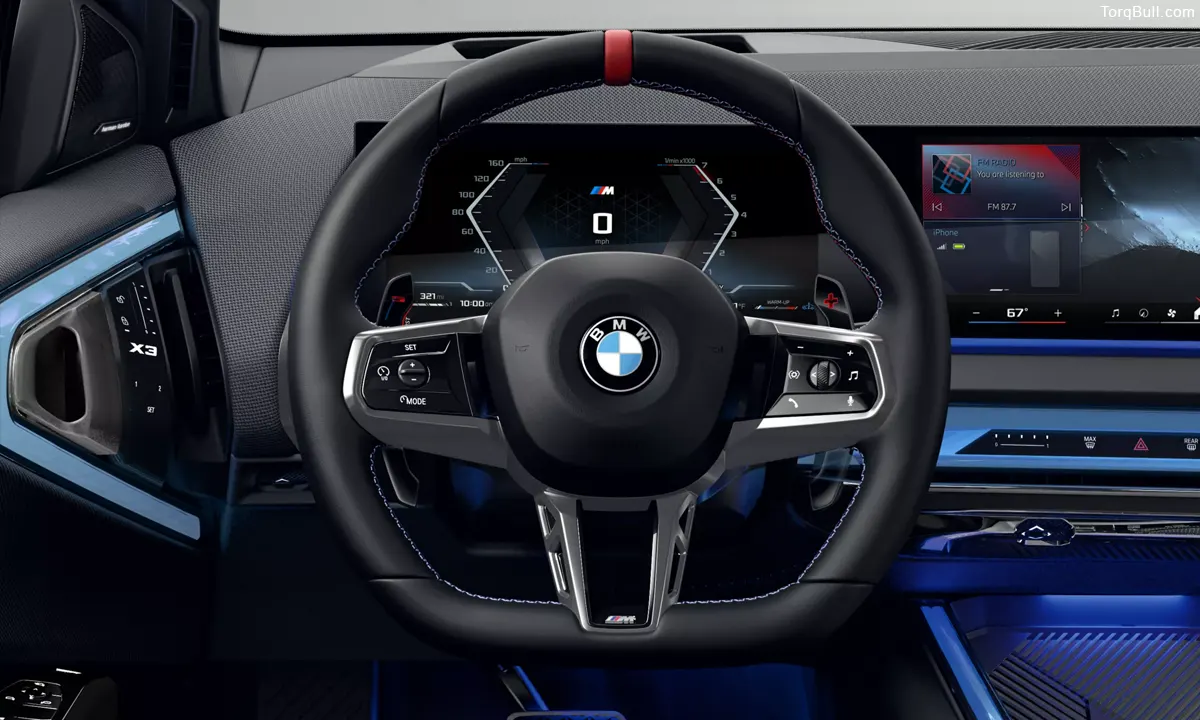
Here is where Porsche fans will push back, and they are not wrong to do so. The Macan, especially in GTS form with adaptive air suspension and available rear-wheel steering, sets the benchmark for driver engagement in this segment. The steering communicates. The body control through corners is exceptional. It drives smaller than it looks in a way that no BMW SUV has traditionally replicated.
But the X3 M50 closes this gap more than the Porsche marketing budget would like you to believe. The adaptive M suspension with electronically controlled dampers keeps body motion in check without the brittle, overly rigid ride quality that plagued some past M-tuned SUVs. Turn-in is crisp, aided by variable sport steering that does not feel artificially quick. Mid-corner composure is excellent for something with this ride height and weight. And the M Sport rear differential helps manage power distribution during spirited cornering in a way that creates genuine driver engagement rather than electronics managing a fundamentally wallowing chassis.
One respected independent reviewer who spent extended time with the M50 specifically described it as BMW’s best all-rounder, noting that the previous X3 generation was incredibly well-balanced, even more so than the celebrated 3 Series, and that this new version maintains the fundamental dynamic excellence of that platform while adding meaningful power. For a vehicle being compared to the Macan, that is a significant claim.
Does the Macan still win a track-focused head-to-head? Probably yes. But the question families are actually asking is not who wins at a track day. The question is which of these two vehicles is better at the intersection of performance, daily usability, and value. That is where the BMW makes its most compelling argument.
The Price Difference Cannot Be Ignored
Let me put some specific numbers on the table because this is the part of the conversation that most comparison articles dance around rather than address directly.
The BMW X3 30 xDrive, the entry model, starts at approximately 52,650 dollars. The X3 M50 xDrive, the performance flagship with 393 horsepower, starts at approximately 64,700 dollars. The Porsche Macan, the entry model, starts at approximately 67,650 dollars. The Macan GTS, which is the performance variant most directly comparable to the X3 M50 in terms of capability and positioning, starts at 85,900 dollars.
This means you can buy the 393-horsepower X3 M50 for approximately 21,000 dollars less than the 434-horsepower Macan GTS. Is the Macan GTS 21,000 dollars better in driving experience? At the level of performance both vehicles deliver in real-world daily use, that is genuinely hard to justify. The Macan is better, yes. But is it 21,000 dollars better? For most buyers, the honest answer is no.
That 21,000 dollar difference is a family vacation, a down payment on another vehicle, or several years of fuel savings. The X3 M50 delivers approximately 30 MPG on the highway, aided by its mild-hybrid system, while the Macan GTS returns approximately 25 MPG on the highway from its thirstier V6. At 15,000 annual miles, this fuel economy difference adds up to approximately $400 per year in savings at current fuel prices, which compounds across years of ownership.
Read: BMW X3 M50 xDrive Packs Serious Sports Car Speed in a Family SUV
BMW X3 M50 vs Porsche Macan GTS — Complete Comparison Chart
| Specification | BMW X3 M50 xDrive | Porsche Macan GTS | Advantage |
| Starting MSRP | approximately $64,700 | approximately $85,900 | BMW by approximately $21,200 |
| Engine | 3.0L twin-turbo inline-6 | 2.9L twin-turbo V6 | Macan (41 more hp) |
| Horsepower | 393 hp | 434 hp | Macan |
| Torque | 428 lb-ft | Not specified, higher than X3 | Macan |
| 0 to 60 MPH | 4.4 seconds | Approximately 4.1 seconds | Macan (slightly) |
| Hybrid Assist | 48V mild-hybrid integrated | None | BMW (torque fill, efficiency) |
| Highway MPG | 30 mpg | Approximately 25 mpg | BMW by 5 mpg |
| City MPG | 25 mpg | Approximately 19 mpg | BMW by 6 mpg |
| Annual Fuel Savings (15K miles) | BMW saves approximately $400 | ||
| Suspension | Adaptive M Suspension, electronically controlled | Adaptive air suspension | Comparable |
| Steering | Variable Sport Steering | EPAS with Porsche Active Suspension | Macan (engagement) |
| Rear Differential | M Sport rear differential | Porsche Torque Vectoring Plus | Comparable |
| Towing Capacity | 4,850 lbs with hitch | Lower | BMW |
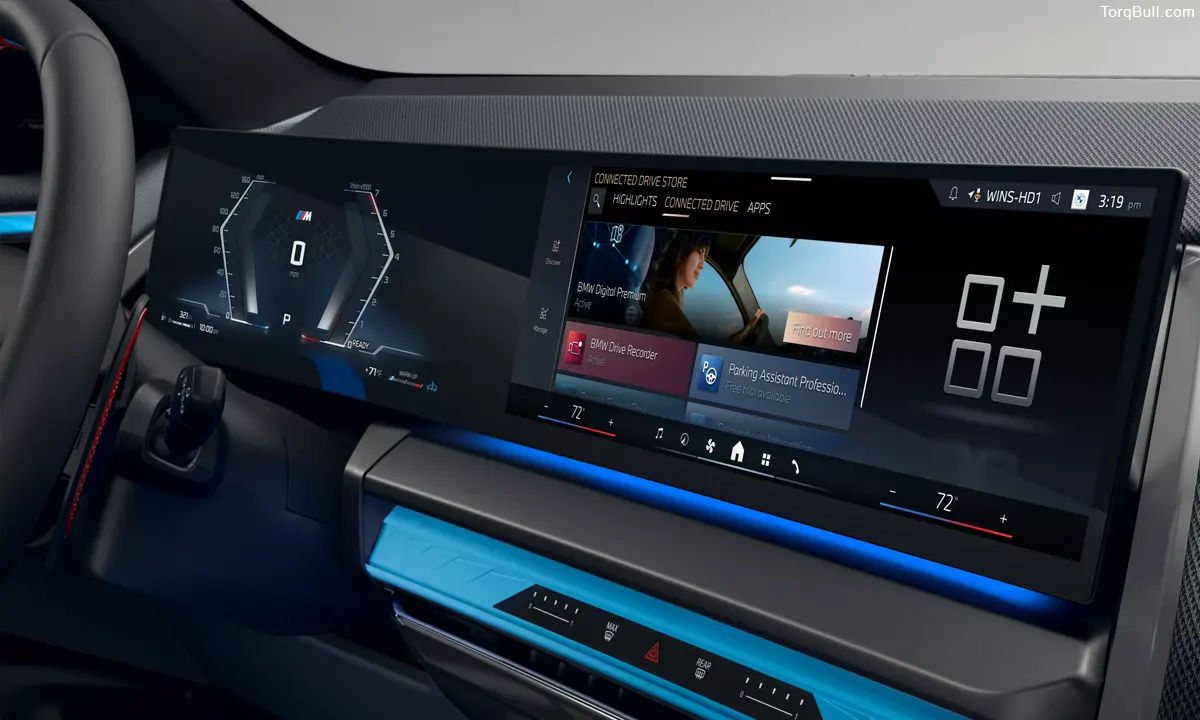
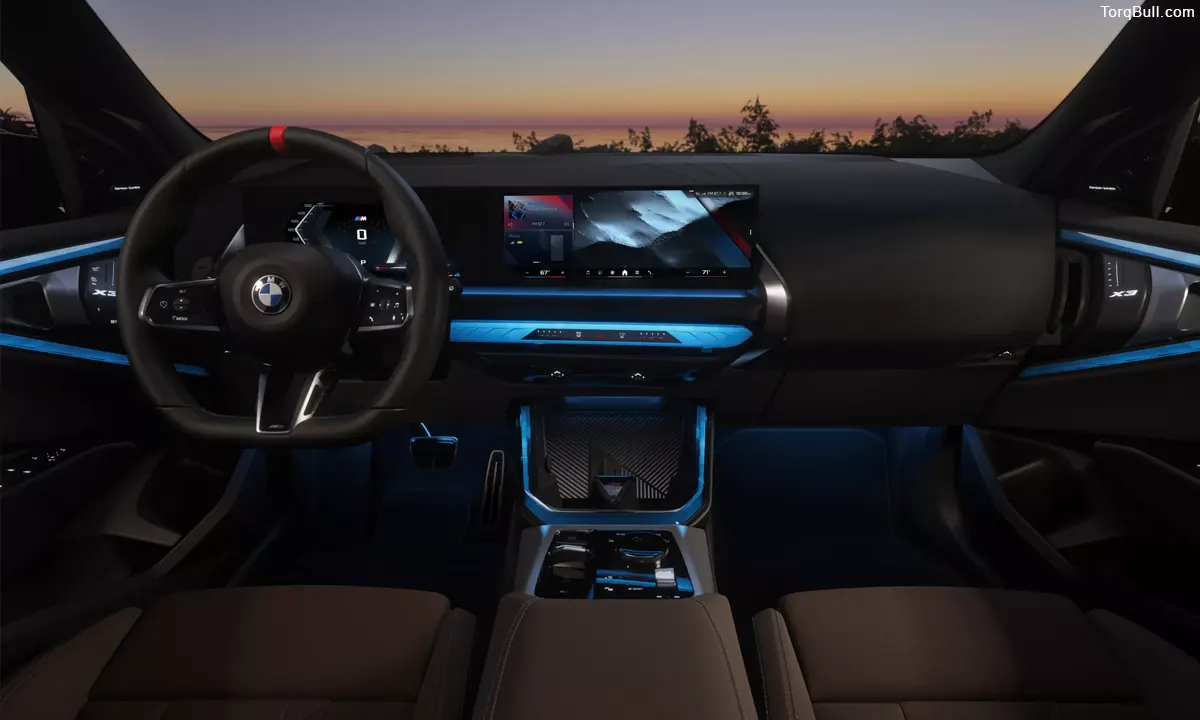
| Interior Tech | BMW Curved Display, recycled materials available | 12.6-inch digital display, passenger screen available | Comparable |
| 5-Year Depreciation | Approximately 53.9 percent | Approximately 43.9 percent | Macan (retains 10% more value) |
| Warranty | BMW standard | Porsche standard | Comparable |
| Driver Focus | High, with luxury blend | Highest in class | Macan |
| Daily Usability | Excellent, refined ride | Very good, more sport-biased | BMW |
Where Porsche Still Holds the High Ground
I want to be genuinely fair here, because this is not a one-sided verdict and pretending otherwise would be dishonest.
The Macan retains its lead in two specific and meaningful areas. Driver engagement at the limit remains the Macan’s strongest card. If you attend track days, if driving feel is the primary factor in your purchase decision above all else, and if the purely sensory experience of piloting a sports car in SUV packaging is what you are paying for, the Macan GTS still delivers something the X3 M50 has not fully replicated.
The Macan also holds a meaningful resale advantage. Five-year depreciation data shows the BMW X3 losing approximately 53.9 percent of its value over five years, while the Porsche Macan loses approximately 43.9 percent. That 10-percentage-point difference in retained value is a real financial factor. For buyers who upgrade every four to five years, the Porsche’s stronger residual value partially offsets its higher purchase price.
And the badge still matters to the people it matters to. Porsche has built something real with the Macan’s reputation over multiple generations, and that earned brand equity carries genuine market value.
The Verdict
Here is where I land after spending real time with both vehicles and running the actual numbers rather than relying on segment assumptions.
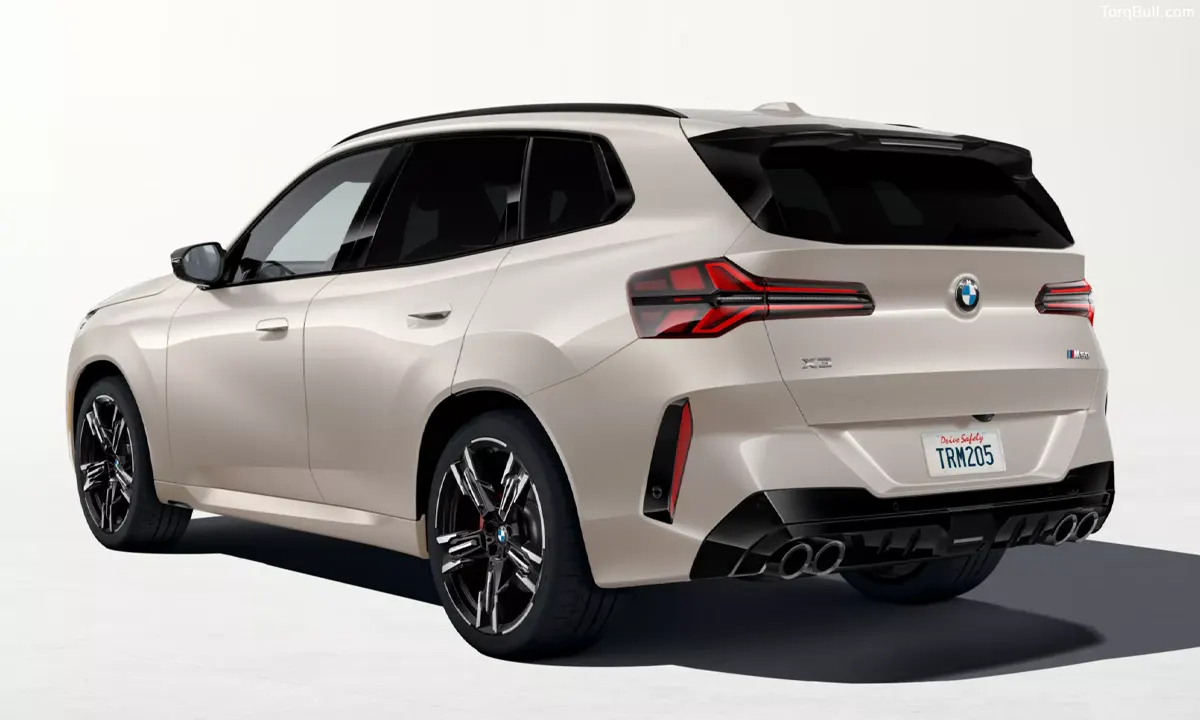
The BMW X3 M50 xDrive is not better than the Porsche Macan GTS in every single dimension. But it is better in the dimensions that most buyers are actually buying for, daily usability, fuel efficiency, interior refinement, technology content, and starting price. And it is so close in the dimensions where the Macan traditionally dominated, performance and handling, that the gap requires track conditions to feel rather than everyday road driving.
For most families shopping in this segment, the BMW is the smarter purchase. The Porsche is the more exciting aspiration. Both are legitimate. But if you are spending real money in this class and want the most vehicle for the price, the X3 M50 just changed the conversation in a way that Porsche should be paying close attention to.