Should You Buy the 2026 Audi Q3 Plug-In Hybrid? The Pros, Cons and Hidden Costs Nobody Mentions
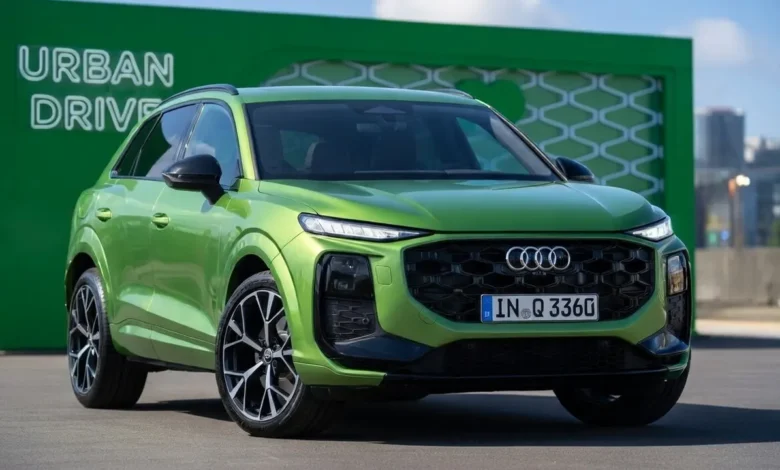
- 45 km electric-only driving range for daily efficiency
- 1.4L turbo petrol engine ensures long-distance usability
- Premium Audi interior quality on an entry-level SUV platform
- Balanced hybrid performance with reduced range anxiety
- Important hidden ownership and running costs to consider
2026 Audi Q3 Plug-In Hybrid: The plug-in hybrid compact SUV occupies a specific position in the 2026 automotive market — a category whose commercial appeal rests on the promise of combining the electric vehicle’s urban efficiency with the combustion engine’s long-distance flexibility, and whose real-world ownership outcomes depend more critically on the individual buyer’s usage pattern than almost any other vehicle category. A plug-in hybrid driven primarily on short urban journeys with regular home charging delivers its fuel economy promise with genuine consistency. The same vehicle driven primarily on long-distance motorway journeys without regular charging access delivers fuel economy worse than an equivalent conventional hybrid at considerably greater purchase cost.
Gallery: 2026 Audi Q3 Plug-In Hybrid
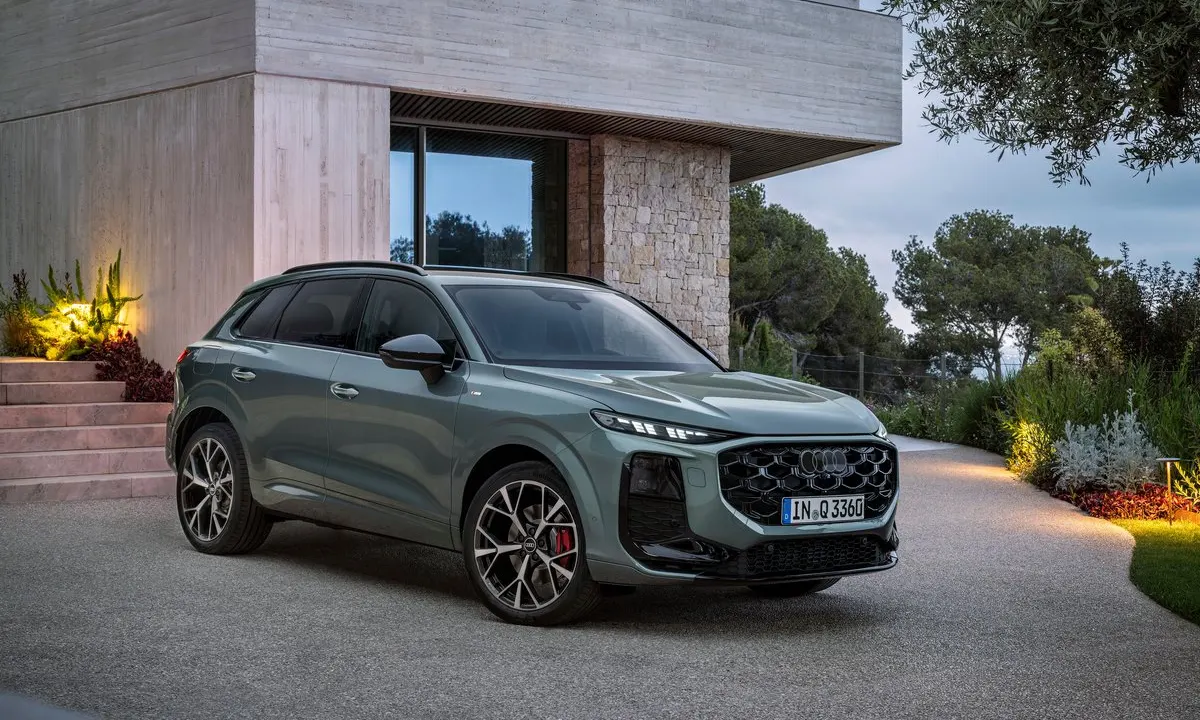
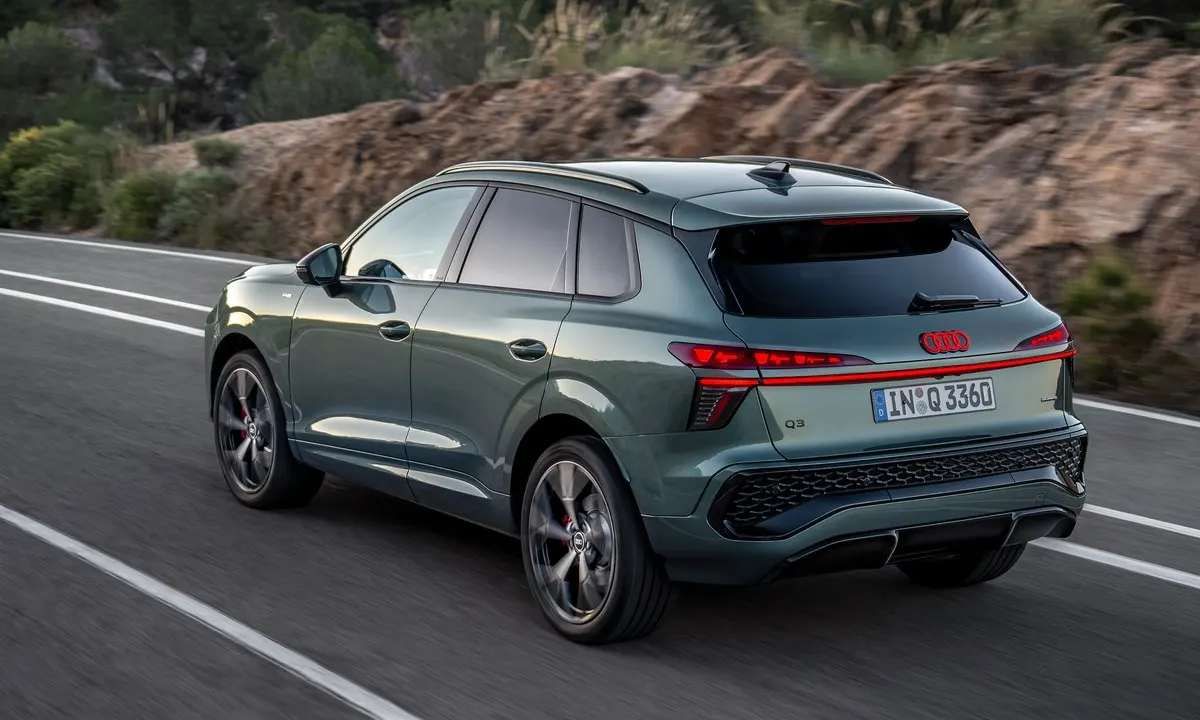
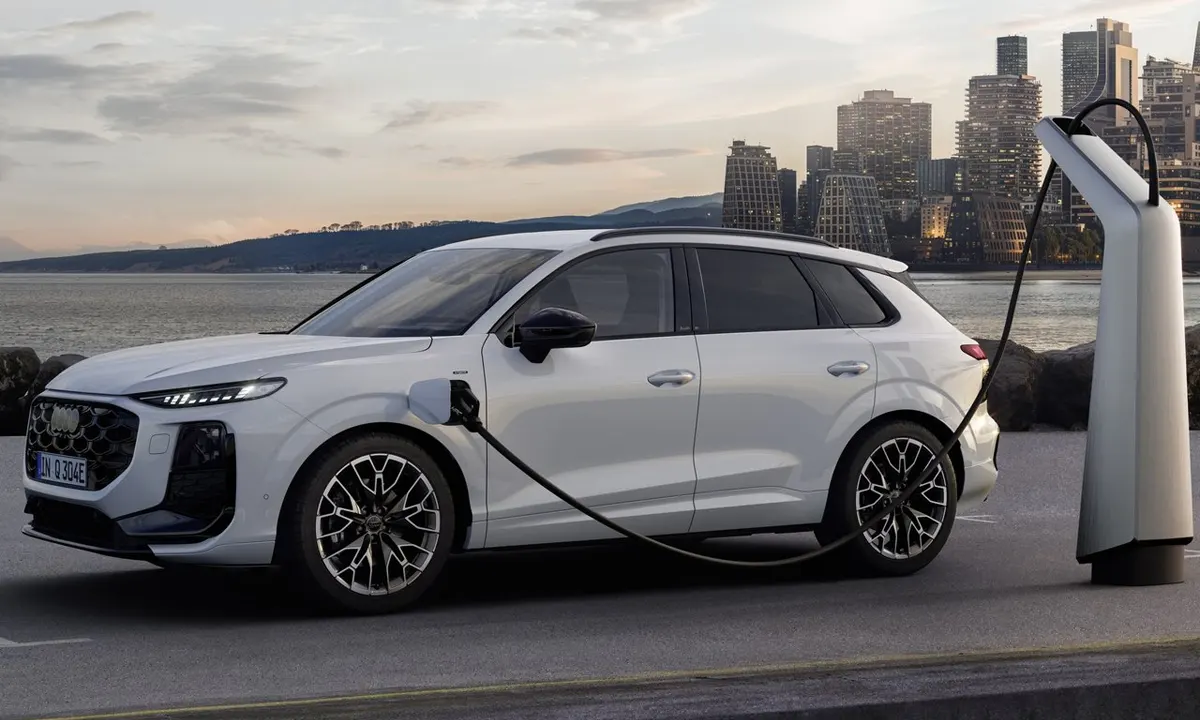
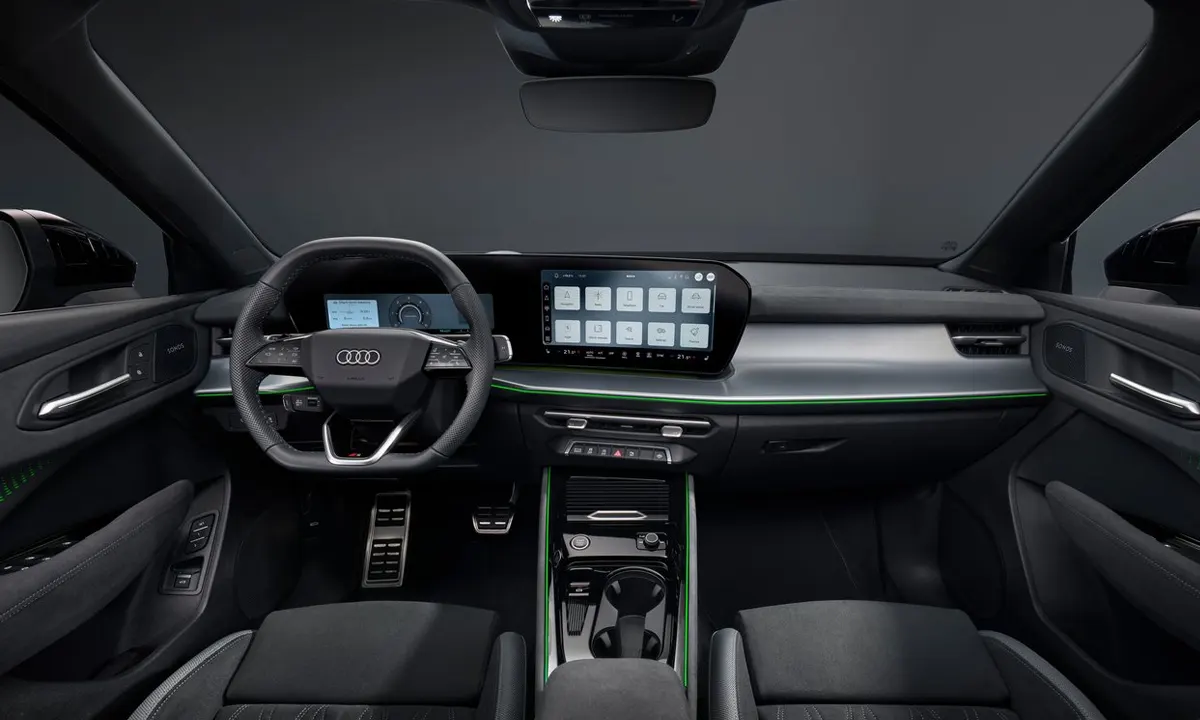
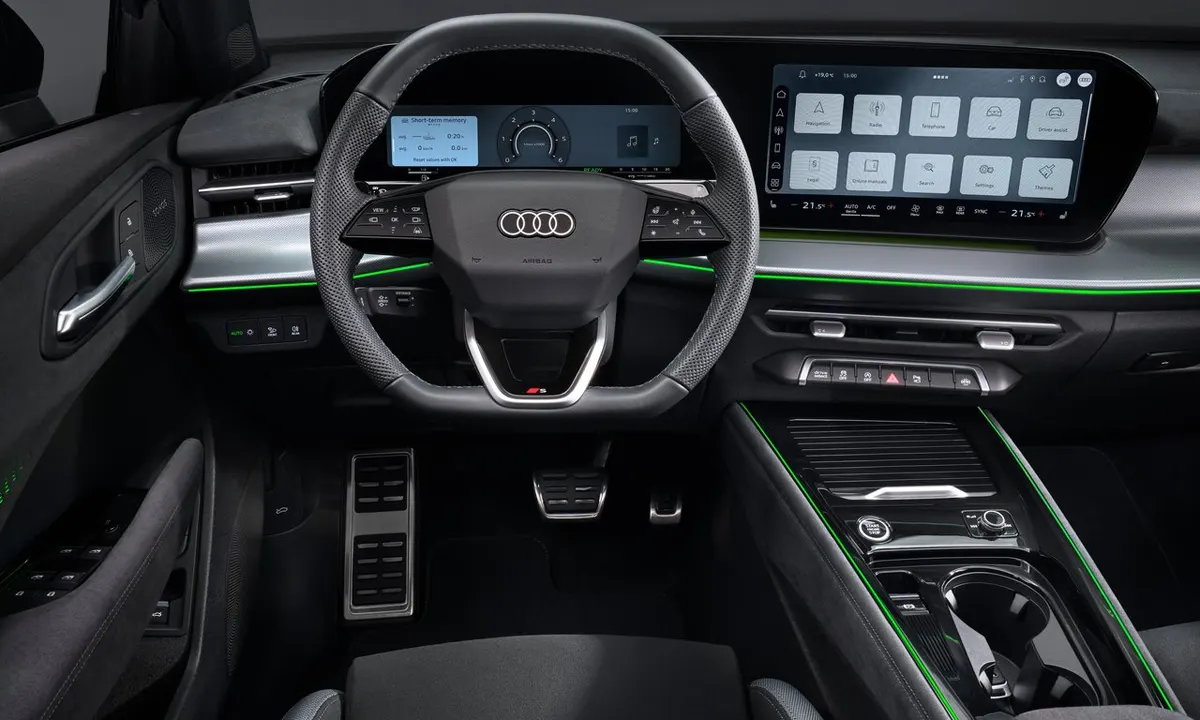
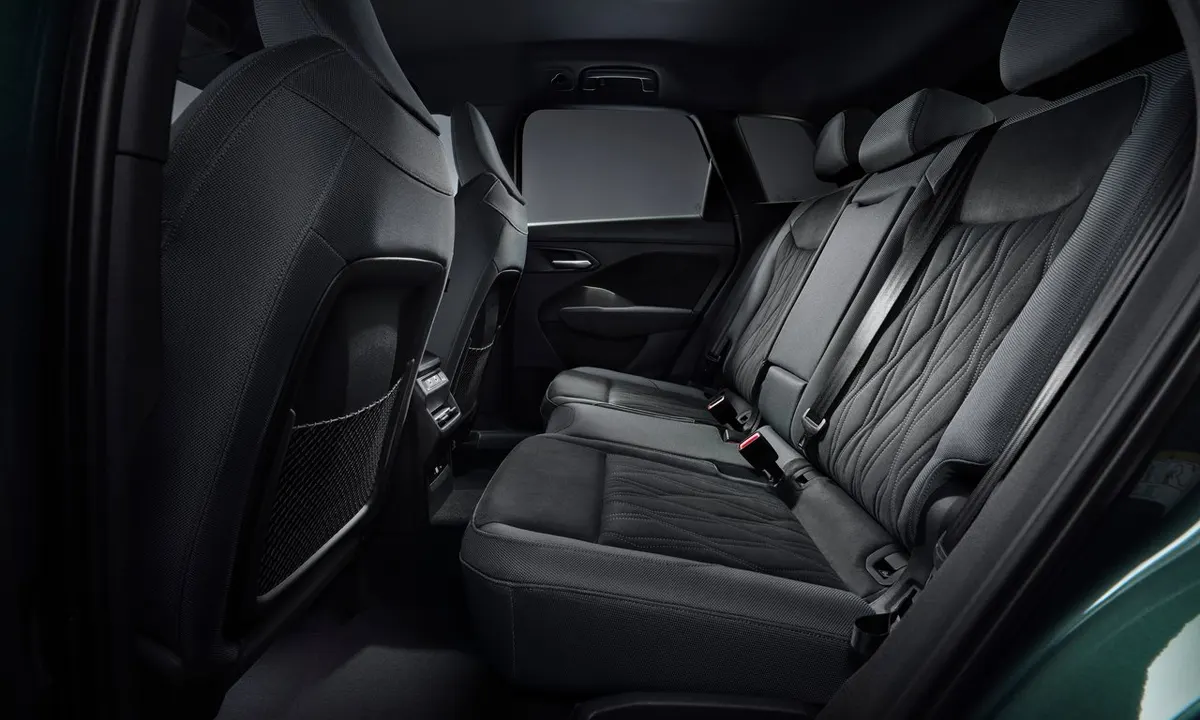
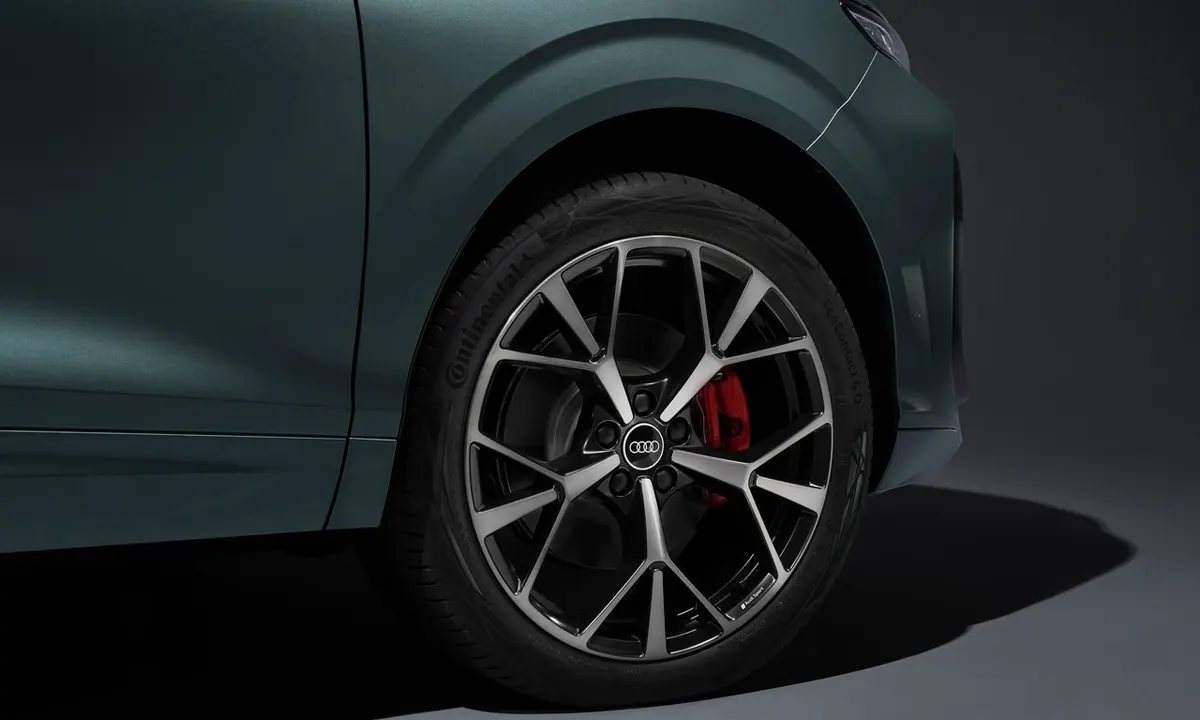
The 2026 Audi Q3 Plug-in Hybrid — whose TFSI e designation places it within Audi’s electrified performance nomenclature — presents this fundamental plug-in hybrid ownership reality in the context of a premium compact SUV whose purchase price, specification depth and Audi brand positioning create specific financial implications that the category’s general characteristics alone cannot fully describe. This is the honest assessment of whether the Q3 PHEV’s specific proposition justifies its specific cost for the specific buyer whose circumstances and priorities determine whether the technology’s promise translates into the real-world benefit that the specification sheet describes.
The Pros: What the Q3 PHEV Does Genuinely Well
The 2026 Audi Q3 TFSI e’s 45-kilometre electric-only range — achieved from a 14.4-kilowatt-hour battery pack through a powertrain integration whose refinement reflects Audi’s accumulated PHEV development experience across the A3, Q5 and A6 electrified variants — covers the daily commuting distance of the majority of European and American urban drivers without combustion engine contribution. For the buyer whose daily round trip falls within the 40 to 45-kilometre electric range envelope and whose home charging access is consistent, the Q3 PHEV delivers a daily driving experience that is functionally equivalent to a battery-electric vehicle — silent, smooth and fuel-cost-free within the electric range — without the long-distance range anxiety that prevents genuine battery-electric vehicle adoption among buyers whose occasional journey requirements exceed the BEV’s range capability.
The combined system output of 245 horsepower — produced by the 1.4-litre turbocharged petrol engine and the electric motor working in concert — provides the performance that the Q3’s premium positioning demands and that the electric motor’s instant torque contribution delivers with a smoothness that the combustion engine alone cannot provide with equivalent immediacy. Zero to 100 kilometres per hour in approximately 7.3 seconds represents a performance level that the Q3 PHEV’s target buyer — whose priorities include comfortable, capable family transportation rather than performance car excitement — finds entirely adequate for every real-world driving scenario the vehicle will encounter.
The interior quality that Audi’s Q3 platform provides — whose virtual cockpit digital instrument display, the MMI infotainment system’s responsive interface and the material quality whose soft-touch surfaces, aluminium trim elements and precise switchgear assembly reflect the premium manufacturing standards that justify the brand premium over mainstream alternatives — creates the daily ownership experience whose quality compounds across years of use in a manner that cheaper alternatives’ interior environments cannot match with equivalent sustained satisfaction.
The Cons: Where the Q3 PHEV Proposition Has Genuine Limitations
The 2026 Q3 PHEV’s most significant practical limitation is the one shared by every plug-in hybrid in the current market — the dependency on regular charging access whose absence transforms the technology’s efficiency promise into a liability rather than an asset. A Q3 PHEV driven without regular charging carries the weight of its battery pack, the complexity of its hybrid powertrain and the cost premium of its PHEV specification while delivering fuel economy that standard petrol Q3 alternatives achieve at lower purchase cost, lower maintenance complexity and without the charging infrastructure dependency that the PHEV’s efficiency case requires.
The weight penalty that the 14.4-kilowatt-hour battery pack imposes — adding approximately 250 to 300 kilograms over the equivalent petrol Q3 — affects the driving character in dimensions beyond the fuel economy equation. The additional mass raises the centre of gravity marginally, increases the tyre wear rate that the heavier vehicle imposes and reduces the cargo capacity whose practical significance is most apparent when the Q3’s family SUV role requires maximum loading alongside the battery pack’s permanent floor space occupation.
The third-party charging public infrastructure dependency for buyers without home charging access creates the ownership scenario whose real-world efficiency outcome most consistently disappoints buyers whose PHEV purchase assumed charging convenience that their parking situation cannot provide. An apartment dweller without dedicated parking access, a buyer whose workplace charging is unavailable and a driver whose daily parking is exclusively on-street encounters the Q3 PHEV’s electric range as a theoretical specification rather than a practical ownership benefit.
The Hidden Costs Nobody Discusses
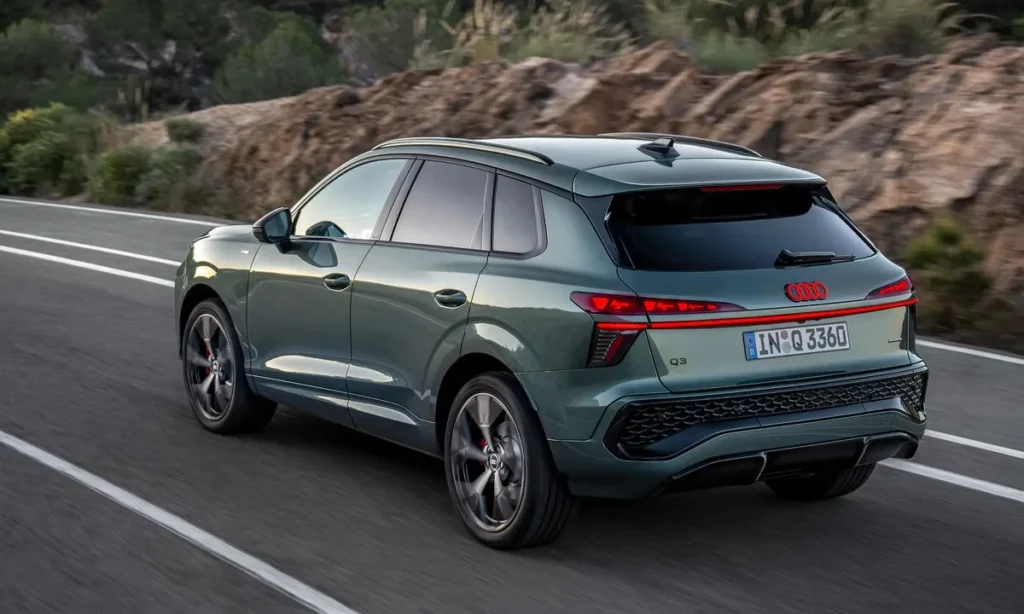
The Q3 PHEV’s hidden ownership costs begin with the battery pack’s long-term degradation trajectory — whose capacity reduction across the ownership period reduces the electric range figure from the 45 kilometres that the new vehicle delivers toward a real-world figure that battery chemistry degradation, temperature exposure and charge cycle accumulation reduce to 30 to 35 kilometres after five to seven years of ownership. This degradation does not affect the vehicle’s function but does affect the efficiency case whose justification requires the full electric range to cover the daily driving distance without combustion engine intervention.
The hybrid system’s service requirements add maintenance costs beyond the standard petrol Q3’s schedule — with the electric motor, inverter, high-voltage battery management system and the additional cooling circuit whose thermal management the battery requires creating service items whose specialist knowledge requirements mean independent garage servicing is less straightforwardly available than for conventional petrol alternatives. The high-voltage battery system’s 12-year warranty provides meaningful coverage for the most catastrophic battery failure scenarios but does not cover the capacity degradation whose gradual progression reduces efficiency without triggering the warranty replacement threshold.
Insurance premiums for the Q3 PHEV typically exceed the equivalent petrol variant’s by 10 to 15 percent — reflecting the higher repair cost that the high-voltage system’s damage in an accident imposes and the specialist knowledge that post-accident battery inspection requires. This premium compounds across the ownership period to produce an annual cost differential whose cumulative significance over five years of ownership the purchase price comparison alone does not capture.
The AC charging equipment installation cost — whose £500 to £1,000 home wallbox expense represents the prerequisite investment for the charging convenience that the PHEV’s efficiency case requires — adds to the effective purchase cost for buyers whose home charging infrastructure does not exist at the time of purchase.
Read: Why the 2026 Mitsubishi Outlander PHEV Is Still the Smart Buy in a Crowded PHEV Market
Who Should Buy the Q3 PHEV and Who Should Not
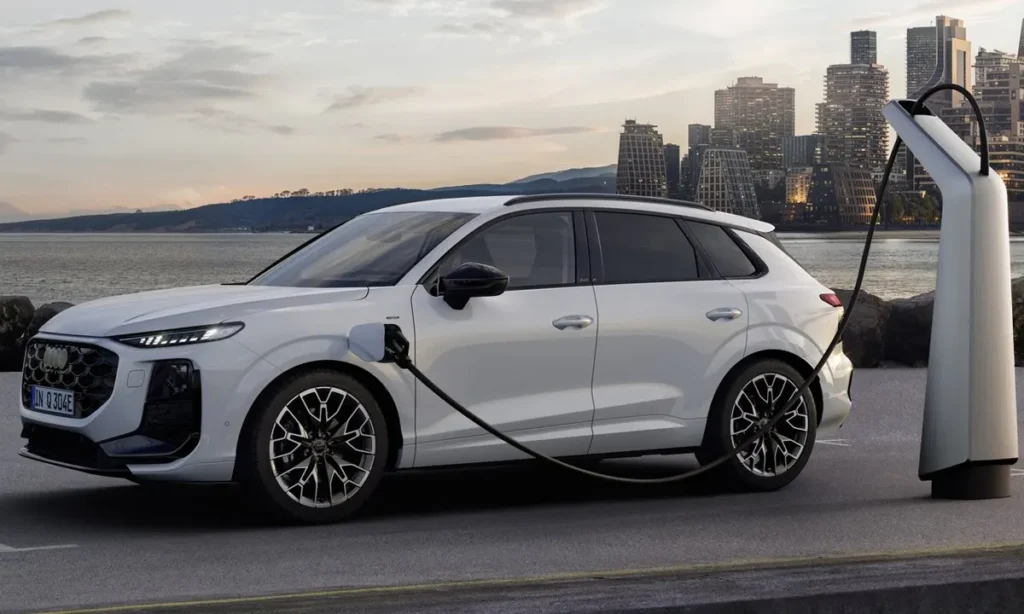
The 2026 Audi Q3 Plug-in Hybrid represents the optimal purchase for a specific buyer whose circumstances align with the technology’s strengths rather than its limitations. The buyer with consistent home charging access, a daily round-trip commute of 40 kilometres or less, a genuine need for the occasional long-distance capability that the petrol engine provides and the financial capacity to absorb the purchase premium whose efficiency return requires the full electric range to justify — this buyer finds the Q3 PHEV’s proposition genuinely compelling across a realistic ownership timeline.
The buyer without home charging access, whose primary driving involves long-distance motorway journeys where the electric range is exhausted within the first 45 minutes and whose budget sensitivity makes the purchase premium’s justification dependent on fuel savings that irregular charging cannot deliver — this buyer is better served by the standard petrol Q3, the 48-volt mild hybrid alternative or a genuine battery-electric alternative whose technology’s efficiency delivery does not depend on the infrastructure access that their circumstances cannot guarantee.
The Q3 PHEV is not universally good value. It is specifically good value for the buyer whose usage pattern and infrastructure access match the narrow conditions under which its technology delivers the benefits whose promise justifies its cost.
2026 Audi Q3 PHEV Full Specifications and Cost Overview
| Category | Specification / Cost |
| Engine | 1.4L TFSI Turbocharged Petrol + Electric Motor |
| Combined Power | 245 hp |
| Battery Capacity | 14.4 kWh |
| Electric-Only Range | ~45 km (WLTP) |
| 0–100 km/h | ~7.3 Seconds |
| Fuel Economy (Charged) | ~1.6 L/100km (WLTP) |
| Fuel Economy (Uncharged) | ~7.5–9.0 L/100km (Real World) |
| CO2 Emissions (Official) | ~37 g/km |
| AC Charging Speed | 3.7 kW (Standard) |
| Charge Time (0–100%) | Approx. 3.5 Hours |
| Transmission | 6-Speed DSG |
| Drivetrain | Front-Wheel Drive |
| Starting MSRP (UK) | Approx. £42,000 |
| Starting MSRP (Europe) | Approx. €46,000 |
| Premium vs Petrol Q3 | Approx. £5,000–£7,000 |
| Home Wallbox Cost | £500–£1,000 (Additional) |
| Insurance Premium Increase | ~10–15% vs Petrol |
| Battery Warranty | 8 Years / 160,000 km |
| Expected Range After 7 Years | ~30–35 km (Estimated Degradation) |
| Best Suited For | Home Charging / Short Commute Buyers |