Mercedes-Benz Vision Iconic: A Retro-Futuristic Masterpiece Redefining Luxury Electric Mobility
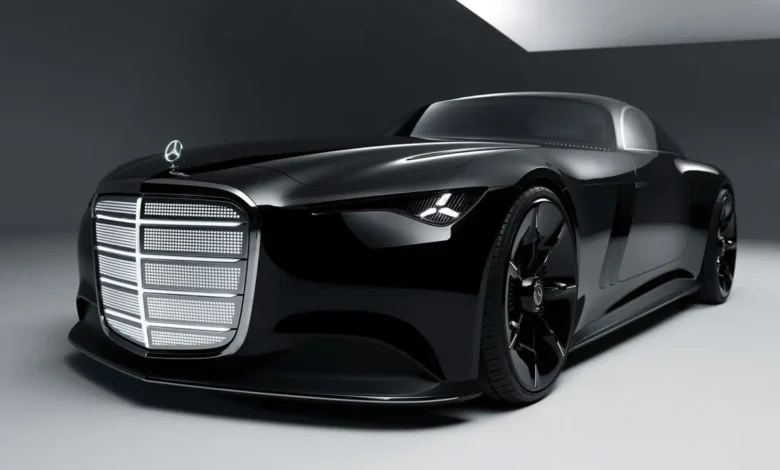
In an era where the electric vehicle landscape is rapidly evolving, Mercedes-Benz has once again demonstrated its unmatched flair for innovation and luxury. The Mercedes-Benz Vision Iconic isn’t just another futuristic prototype — it’s a profound statement that bridges the timeless elegance of the brand’s heritage with the sophistication of the electric age. Revealed as part of Mercedes’ ongoing evolution toward electrification and sustainable luxury, the Vision Iconic is both a tribute to the brand’s storied past and a glimpse of the autonomous, solar-powered future.
Gallery: Mercedes-Benz Vision Iconic
A Vision That Blends Heritage and Future
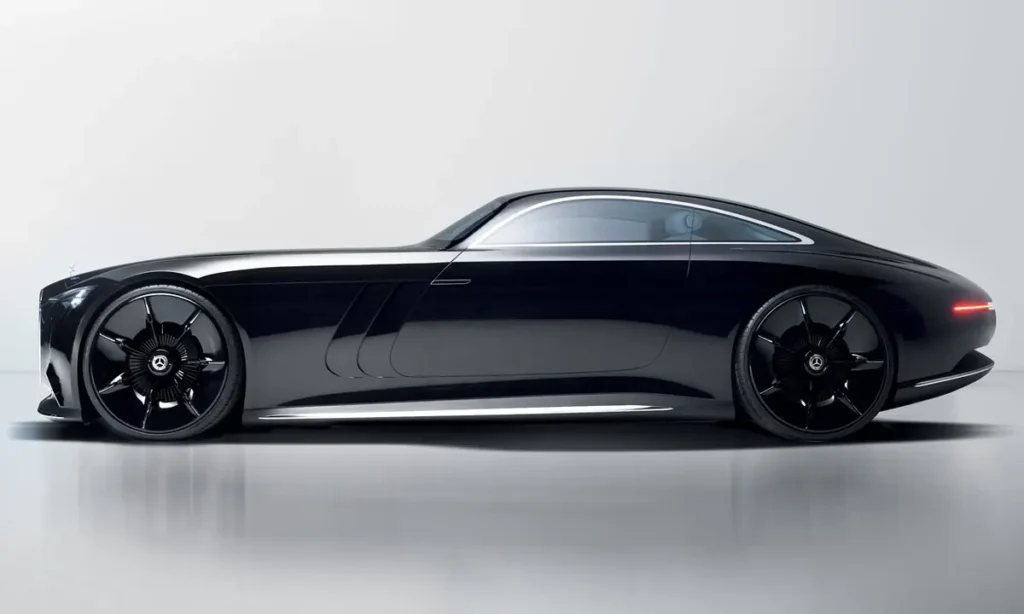
Mercedes-Benz’s design philosophy has always been anchored in the principle of “Sensual Purity” — a balance between emotional beauty and technical intelligence. The Vision Iconic embodies that philosophy in its purest form. At first glance, it’s a breathtaking sculpture on wheels: elongated proportions, a sweeping roofline, and smooth bodywork that instantly recall the golden era of automotive design from the 1930s and 1950s. Yet, every curve, surface, and light signature is undeniably futuristic.
The design team, led by Chief Design Officer Gorden Wagener, describes the Vision Iconic as “a digital sculpture inspired by mechanical poetry.” It’s Mercedes’ way of saying that while the car may belong to the future, its soul is rooted in history. The concept’s design pays homage to classic Mercedes grand tourers while reinterpreting them through the lens of sustainability and modern technology.
Exterior: The Return of the Grand Coupe Silhouette
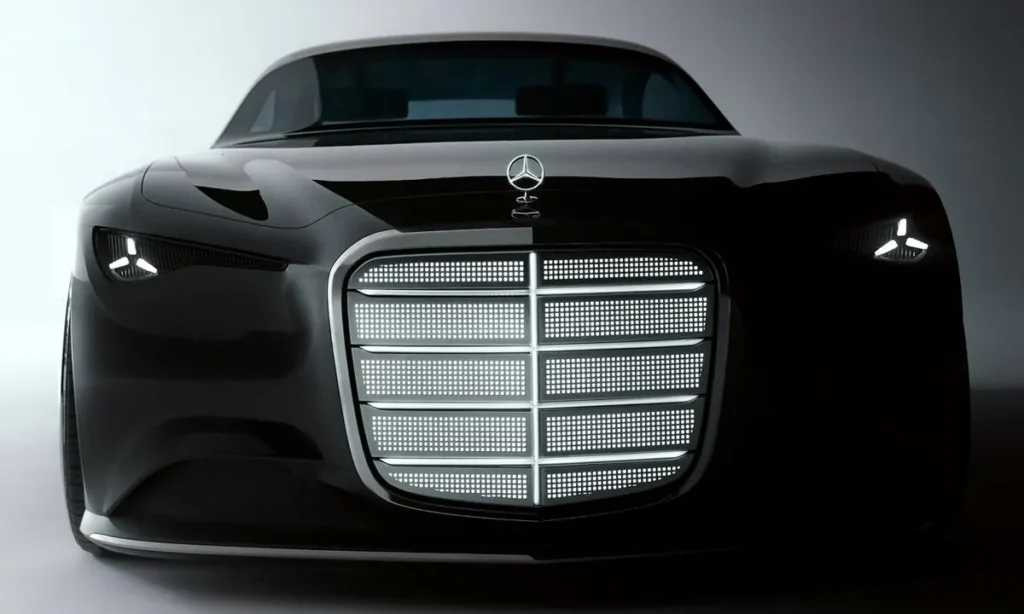
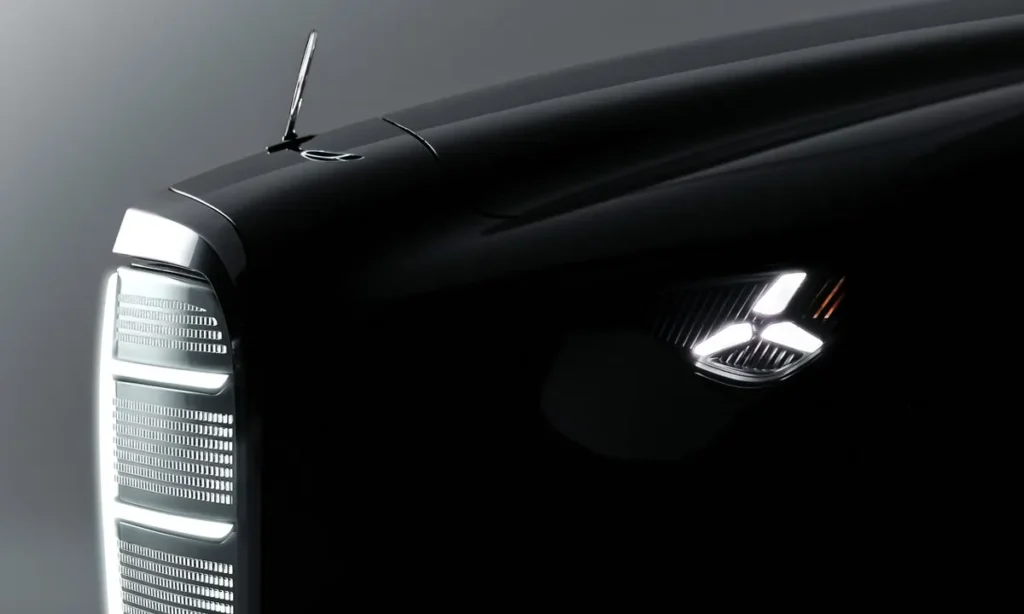
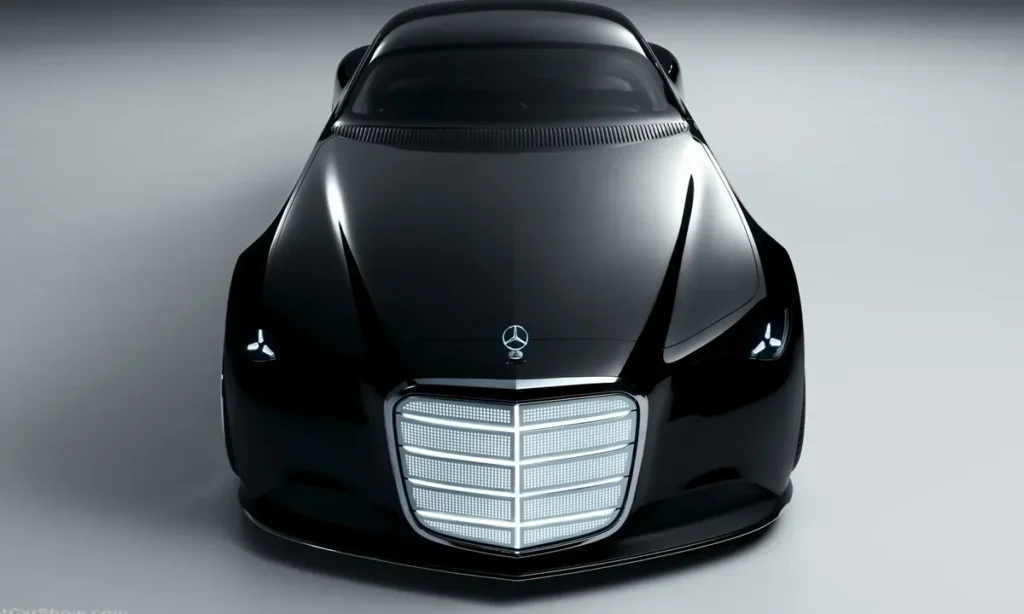
The Vision Iconic’s exterior commands attention long before you even notice the illuminated Mercedes star glowing at the front. The elongated bonnet, short overhangs, and flowing roofline evoke the presence of a 1930s grand coupe, while the flush surfaces and futuristic detailing push it firmly into tomorrow.
One of the standout features is the illuminated grille, which merges LED technology with intricate pattern work inspired by Art Deco geometry. It’s both a nod to history and a preview of Mercedes’ future lighting language. The front fascia is bold yet refined, featuring vertical light bars that resemble the classic radiator fins of early Mercedes cars, only now rendered in sleek, energy-efficient LEDs.
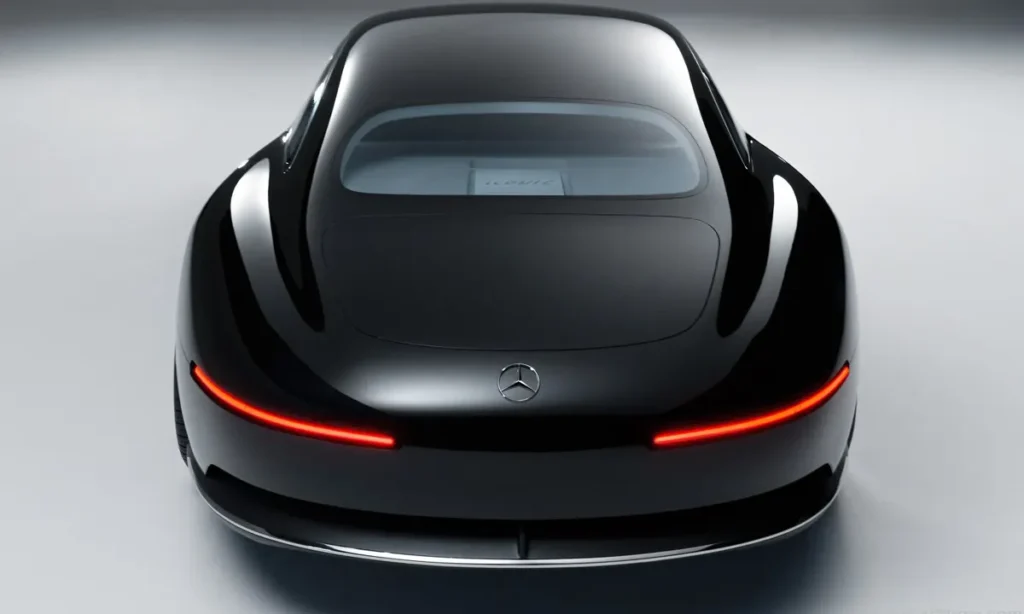
At the rear, the design flows into an elegantly tapered tail section reminiscent of the 300 SL from the 1950s. The taillights are ultra-slim, integrated seamlessly into the body, and animated to deliver unique light signatures when the car powers up. Every detail exudes the craftsmanship that defines the brand — modern, minimalist, and unmistakably Mercedes-Benz.
Interior: When Luxury Becomes an Art Form
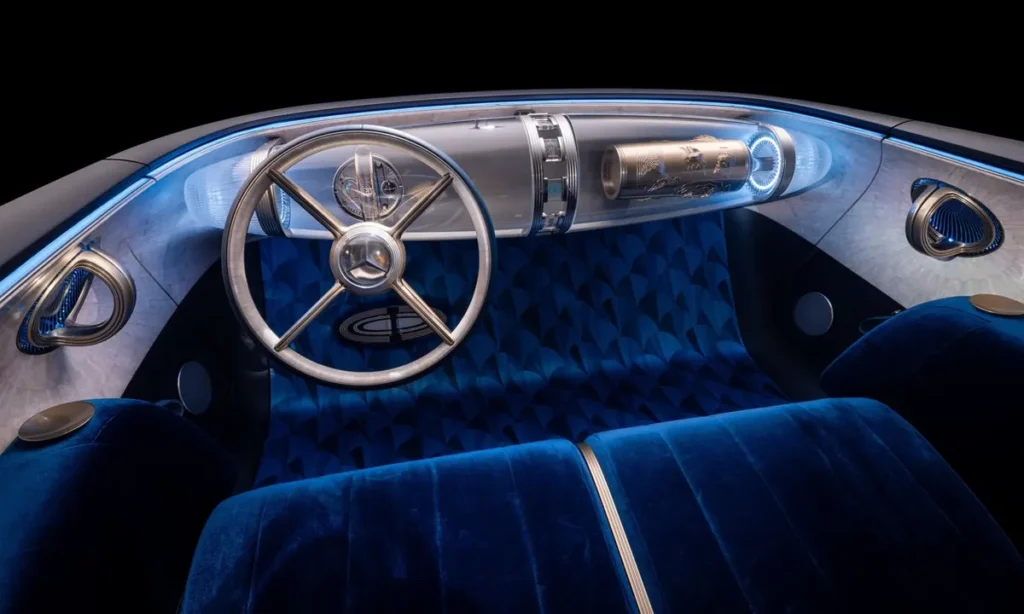
Step inside the Vision Iconic, and you’re transported to what Mercedes calls a “lounge of the future.” This isn’t merely a cabin — it’s an immersive environment that redefines automotive interiors as an artistic experience. The interior is designed to offer tranquility and tactility, blending traditional craftsmanship with state-of-the-art innovation.
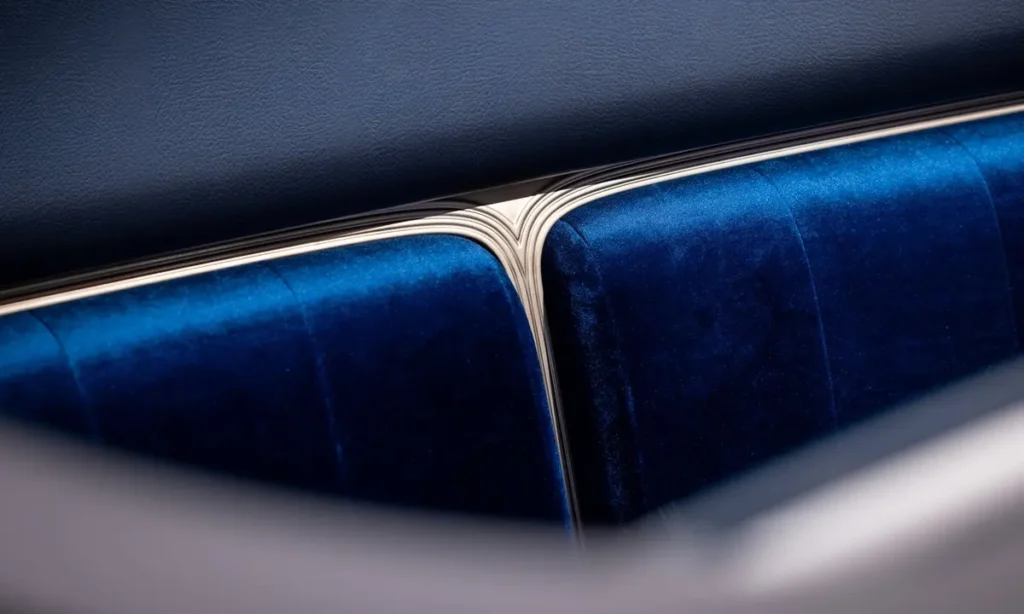
The seats are upholstered in deep blue velvet, a material rarely seen in modern automobiles, yet perfectly suited to this concept’s nostalgic aesthetic. The floor features straw marquetry, a centuries-old French decorative art technique, while the door panels shimmer with mother-of-pearl inlays. Brass accent lines and illuminated edges run throughout the cabin, giving it an ethereal glow that changes with the ambient lighting modes.
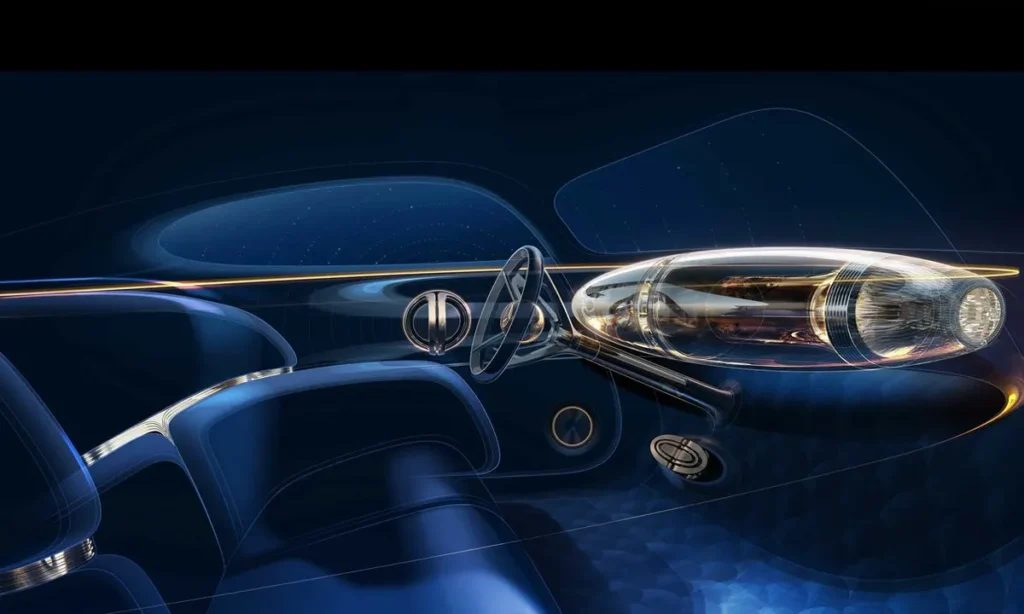
The dashboard, nicknamed the “Zeppelin”, is a floating glass structure that houses an advanced digital interface with analog influences. Instead of a single massive touchscreen, Mercedes has crafted a sculptural display that projects information holographically, making the interior appear both mechanical and digital. The effect is cinematic yet understated — a hallmark of true luxury design.
Technology: Innovation Beyond Electric Power
While the Vision Iconic may captivate with its beauty, it’s the underlying technology that positions it as one of the most forward-thinking concept cars of the decade. It is built around a fully electric drivetrain, powered by an energy-efficient battery system designed to complement the brand’s EQ lineup. However, Mercedes goes one step further by introducing solar integration into the vehicle’s body.
The car’s roof and bonnet feature wafer-thin solar panels, capable of capturing sunlight to generate additional energy. Under ideal conditions, this technology could provide up to 12,000 kilometers (7,450 miles) of additional driving range per year — a concept that turns sustainability into luxury.
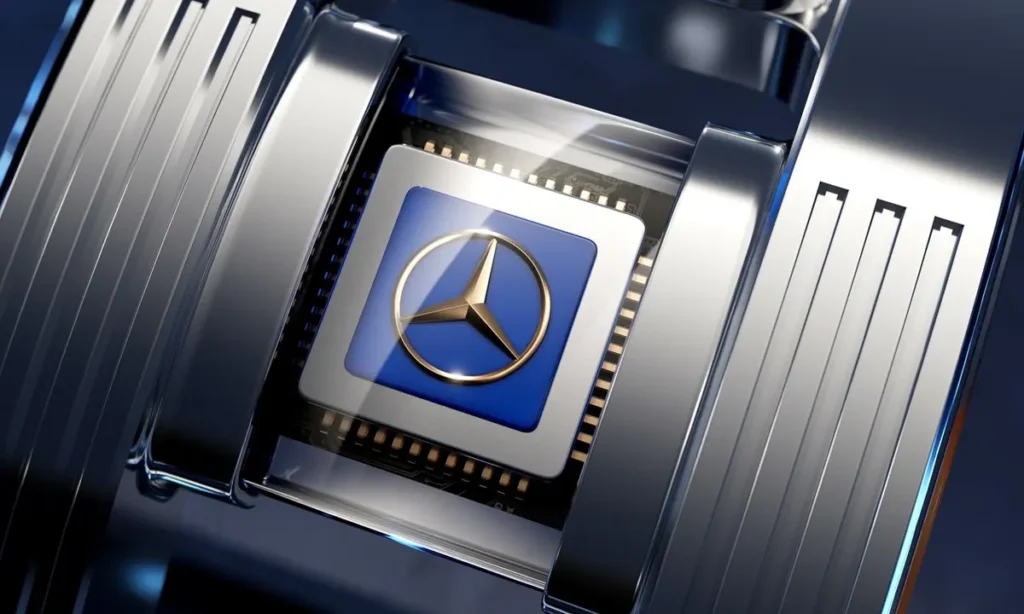
Another groundbreaking innovation is the inclusion of neuromorphic computing systems — processors inspired by the human brain that can perform tasks while consuming up to 90% less energy than traditional computer chips. This system enables real-time analysis of driving environments, improving autonomous driving capabilities while conserving battery life.
Mercedes also incorporates Level 4 autonomous driving potential, giving the Vision Iconic the ability to operate independently on highways. The car utilizes steer-by-wire technology, eliminating the mechanical link between the steering wheel and the front axle, while rear-axle steering enhances agility in urban environments.
Design Philosophy: Emotion Meets Engineering
The Vision Iconic isn’t about being the fastest or the most powerful. Instead, it’s about emotion — how a car can make you feel, both when driving and when simply gazing at it. Mercedes-Benz wants to remind the world that design and heritage are still essential in the electric revolution.
Where many EVs focus solely on minimalism, Mercedes takes the opposite route — celebrating detail, texture, and sensual form. The Vision Iconic’s presence evokes romance, evoking an era when cars were works of art, not just machines. Yet beneath that beauty lies advanced engineering and cutting-edge digital intelligence, proving that emotion and innovation can coexist in perfect balance.
Chart: Comparing Vision Iconic with Modern Luxury EVs
| Feature | Mercedes-Benz Vision Iconic | Typical Luxury EV (2025) |
| Powertrain | Fully electric, solar-aided | Electric |
| Energy Efficiency | Solar-integrated panels add ~12,000 km/year | No solar assist |
| Autonomous Capability | Level 4 potential | Level 2 or partial Level 3 |
| Interior Materials | Velvet, straw marquetry, mother-of-pearl | Leather, wood, metal |
| Design Inspiration | 1930s-1950s heritage meets future | Contemporary minimalism |
| AI Computing | Neuromorphic (90% lower energy use) | Conventional processors |
This comparison highlights Mercedes’ commitment not just to electrification, but to redefining what luxury electric mobility can mean — a blend of art, sustainability, and intelligence.
A Statement for Mercedes-Benz’s Future
For Mercedes-Benz, the Vision Iconic represents more than a show car — it’s a mission statement. As the automotive industry undergoes a seismic shift toward sustainability, brands must decide how to retain their identity while embracing the future. Mercedes’ answer is clear: by honoring its design DNA while pushing the boundaries of technology.
This concept also reflects the brand’s broader strategy: every future Mercedes EV will embody emotional design, digital craftsmanship, and ecological responsibility. The Vision Iconic is a tangible step toward that ideal, suggesting what future S-Class and EQ models may look like by the end of the decade.
Challenges and Real-World Feasibility
As mesmerizing as it is, the Vision Iconic remains a concept, which means not all of its technologies are ready for production. The solar integration, for instance, is still in experimental phases — its effectiveness depends on sunlight exposure and regional conditions. Likewise, neuromorphic computing and full Level 4 autonomy will require years of development, regulatory approvals, and real-world testing.
However, Mercedes has a track record of transforming concept ideas into production innovations. Features first seen on past Vision models, such as augmented reality displays and advanced driver assistance systems, eventually found their way into production vehicles like the EQS and S-Class. The Vision Iconic, therefore, is less a fantasy and more a forecast.
The Verdict: A Celebration of Time and Technology
The Mercedes-Benz Vision Iconic is an exquisite reminder that the future of luxury mobility need not be sterile or emotionless. It demonstrates that sustainability can coexist with grandeur, that technology can enhance rather than erase human craftsmanship, and that even in an autonomous age, beauty still matters.
In a market flooded with minimalist, tech-heavy EVs, Mercedes is reintroducing the art of romance into automotive design. The Vision Iconic doesn’t just show what’s next for electric cars — it redefines what it means to drive, feel, and dream.
Read: 2026 Lamborghini Temerario: A Bold Leap Into the Future of V10 Supercars
Frequently Asked Questions (FAQs)
Q1: Is the Mercedes-Benz Vision Iconic a production car?
No, it is currently a concept car. Mercedes-Benz uses it to preview future design directions and test emerging technologies for upcoming electric models.
Q2: What makes the Vision Iconic different from other EVs?
It combines vintage-inspired aesthetics with futuristic technologies like solar energy integration, neuromorphic computing, and Level 4 autonomous capability — setting it apart from today’s minimalist EV designs.
Q3: How much range can the solar panels actually add?
Under optimal conditions, the solar body panels could generate up to approximately 12,000 kilometers (7,450 miles) of range annually, supplementing the battery system.
Q4: What materials are used in the interior?
The cabin features deep-blue velvet upholstery, straw marquetry flooring, brass detailing, and mother-of-pearl trims — creating a handcrafted yet high-tech atmosphere.
Q5: When will Mercedes release a car inspired by this concept?
While no exact timeline is confirmed, design cues and technology from the Vision Iconic are expected to influence future luxury EV models later this decade.