Audi Concept C: The Future of Pure Driving Emotion and Minimalist Design
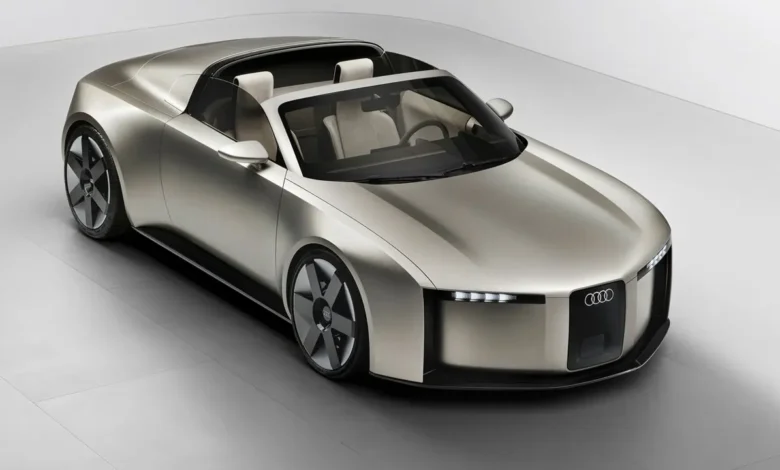
In a world where electric vehicles are increasingly defined by screens, software, and silent efficiency, Audi has chosen a different route. With the Audi Concept C, the German automaker rekindles something that many enthusiasts feared lost — emotion. Revealed in late 2025, this two-seat electric sports car is a striking blend of past inspiration and future ambition. It reimagines the excitement of the iconic Audi TT and the power of the R8, while ushering in a new era of “radical simplicity” in automotive design.
This is not just another futuristic concept meant to fill auto-show halls. The Audi Concept C is a statement — a vision of what electric sports cars should feel like: pure, tactile, and emotionally charged.
Gallery: Audi Concept C
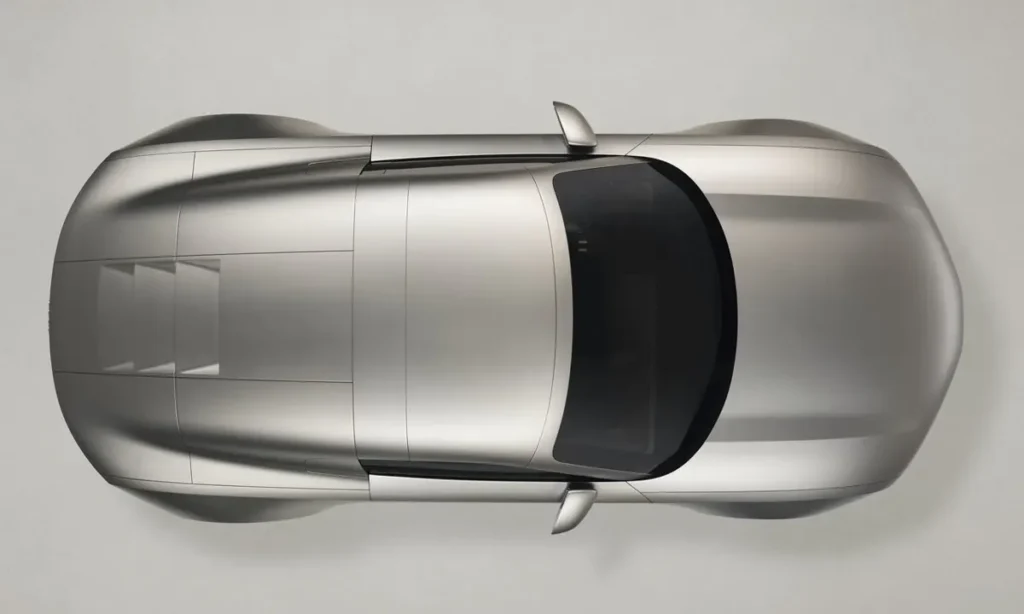
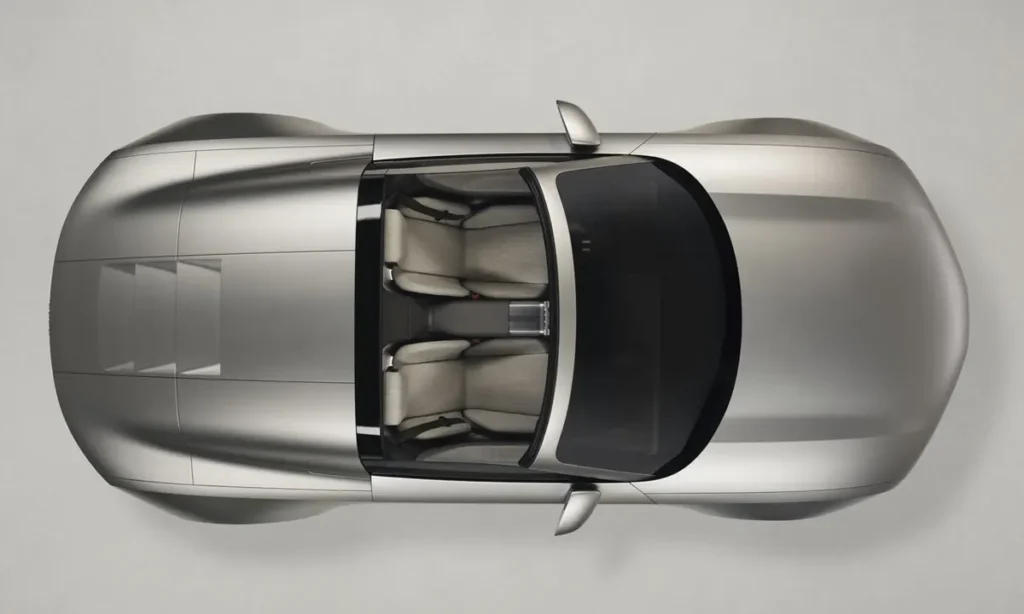
A Tribute to Audi’s Design Heritage
For decades, Audi has stood at the intersection of technology and design. From the groundbreaking Quattro rally cars of the 1980s to the elegantly restrained TT of the early 2000s, the brand has consistently challenged conventions. The Concept C continues that tradition by merging design minimalism with digital intelligence.
The car’s name pays homage to several Audi milestones — the Auto Union Type C from 1936, one of the brand’s most successful race cars, and the classic “C” series of coupe models that shaped Audi’s identity. However, the “C” in Concept C also stands for clarity, a keyword in Audi’s new design philosophy.
Marc Lichte, Audi’s head of design, describes the philosophy as “Radical Simplicity” — stripping away everything that doesn’t enhance the driving or aesthetic experience. “It’s not about adding more,” he says. “It’s about creating beauty through reduction.”
Exterior Design: Where Purity Meets Performance
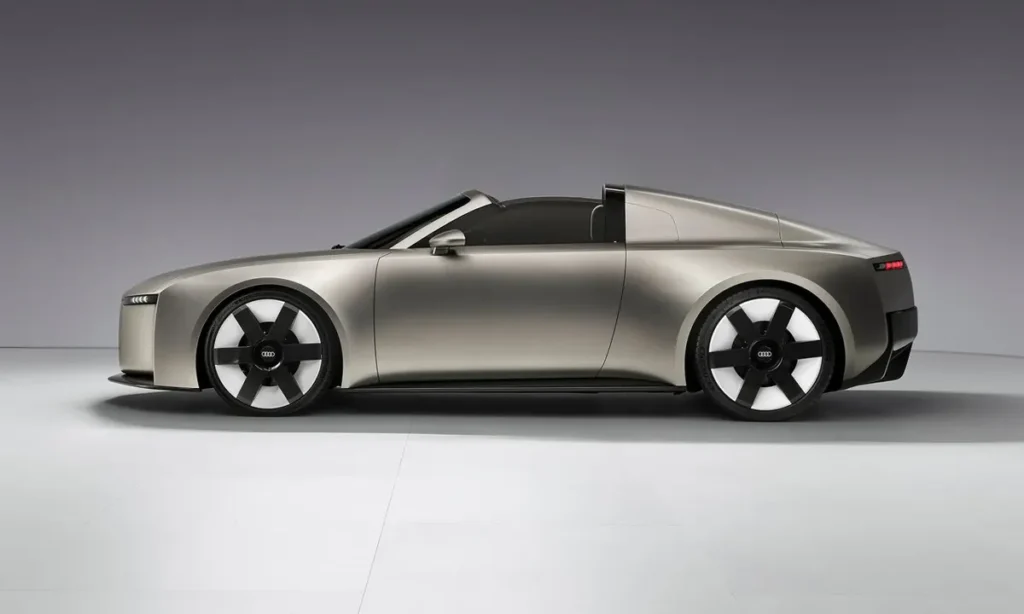
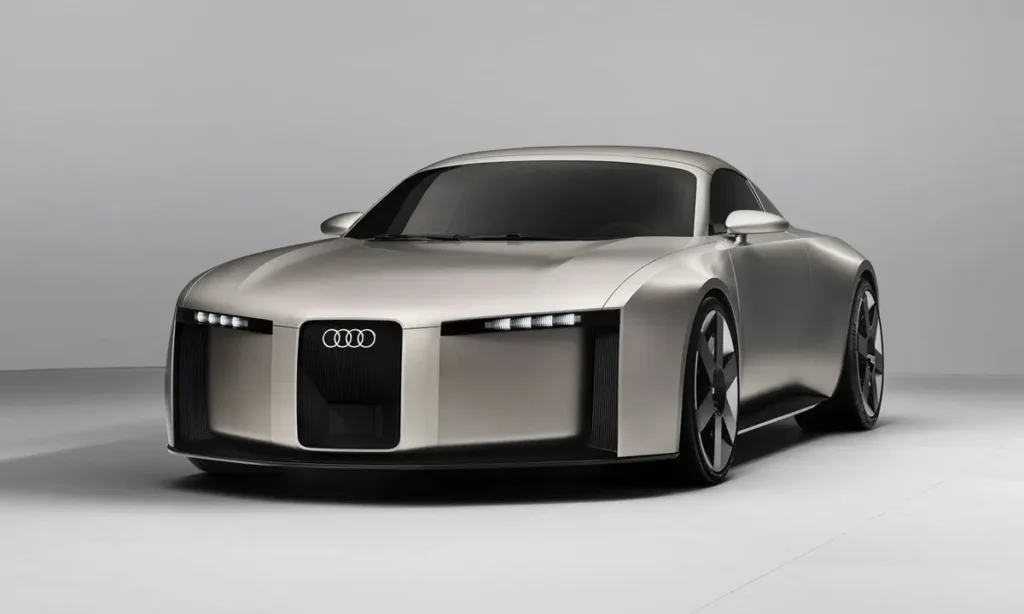
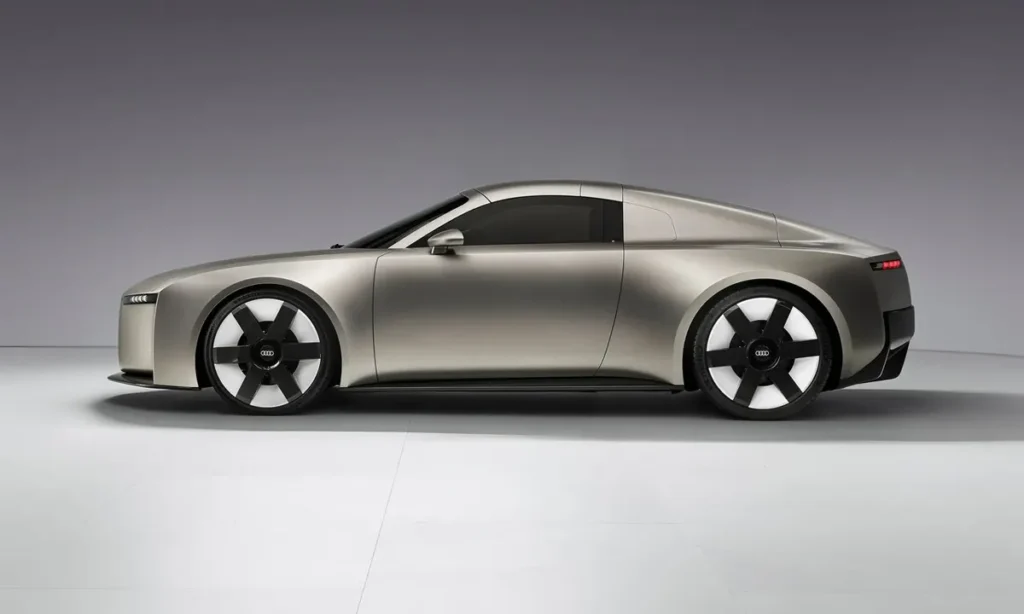
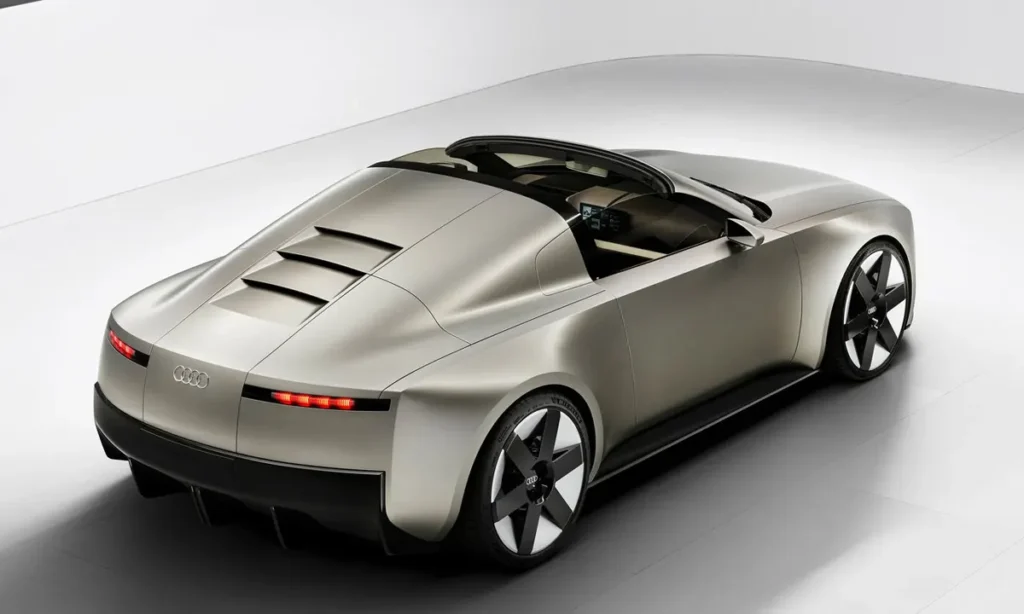
The Audi Concept C is immediately arresting. Its proportions are taut, athletic, and almost sculptural — every surface appears carved from a single piece of metal. Gone are the excessive creases and decorative elements found in many modern EVs. Instead, the body is defined by long, uninterrupted lines and bold geometric volumes.
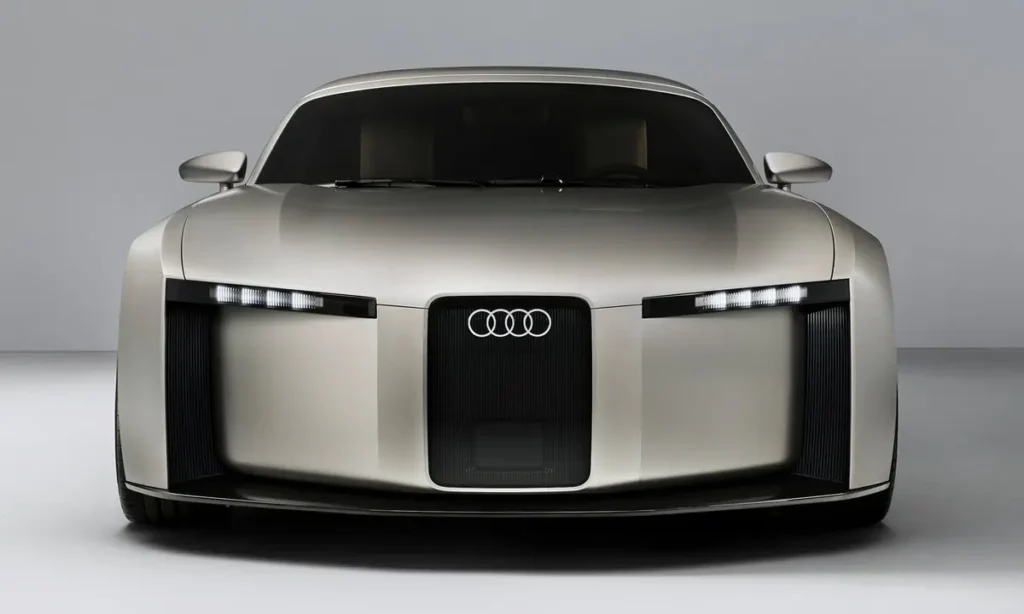
At the front, Audi’s signature single-frame grille is reimagined as a “Vertical Frame” — a minimalist architectural structure that emphasizes width and strength. Although the electric powertrain doesn’t require a large intake, the grille remains as a visual anchor, framed by ultra-slim LED light modules. Each headlight features four sharp, illuminated segments — a nod to Audi’s four rings — creating a new design motif that will appear in future models.
From the side, the Concept C looks compact yet powerful. Measuring roughly 178 inches in length and 77 inches in width, it strikes a balance between the compactness of the TT and the grandeur of the R8. The retractable roof transforms the coupe into an open-air roadster within seconds, blending performance and leisure seamlessly.
The rear end is equally dramatic. A full-width light bar integrates with subtle horizontal vents that replace the traditional rear window. The effect is futuristic yet clean, conveying both aerodynamics and intent. The wide stance and bold wheel arches emphasize the car’s rear-wheel-drive bias, giving it a planted, muscular look.
Interior: Digital Restraint, Emotional Connection
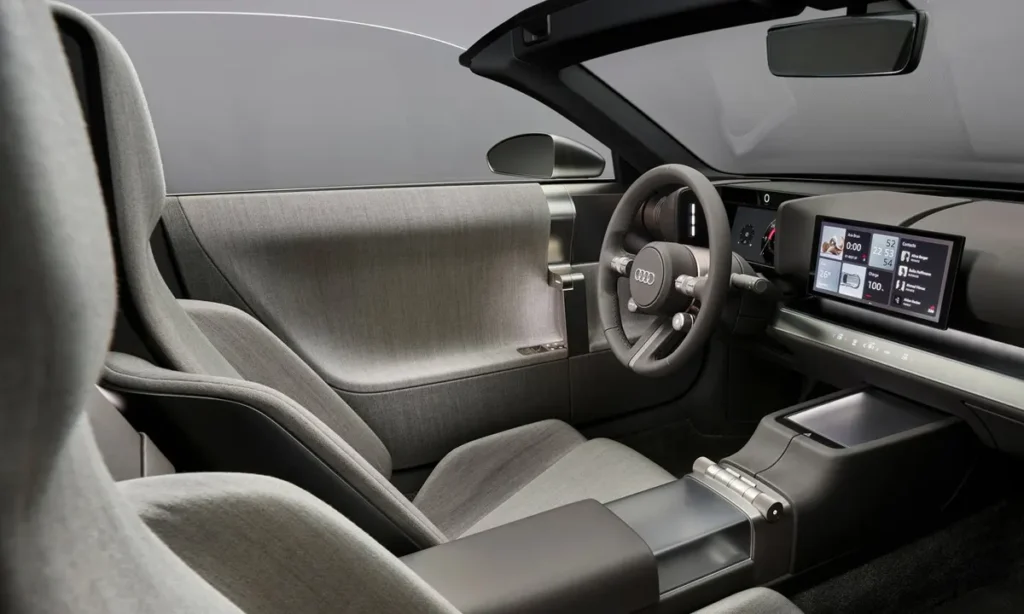
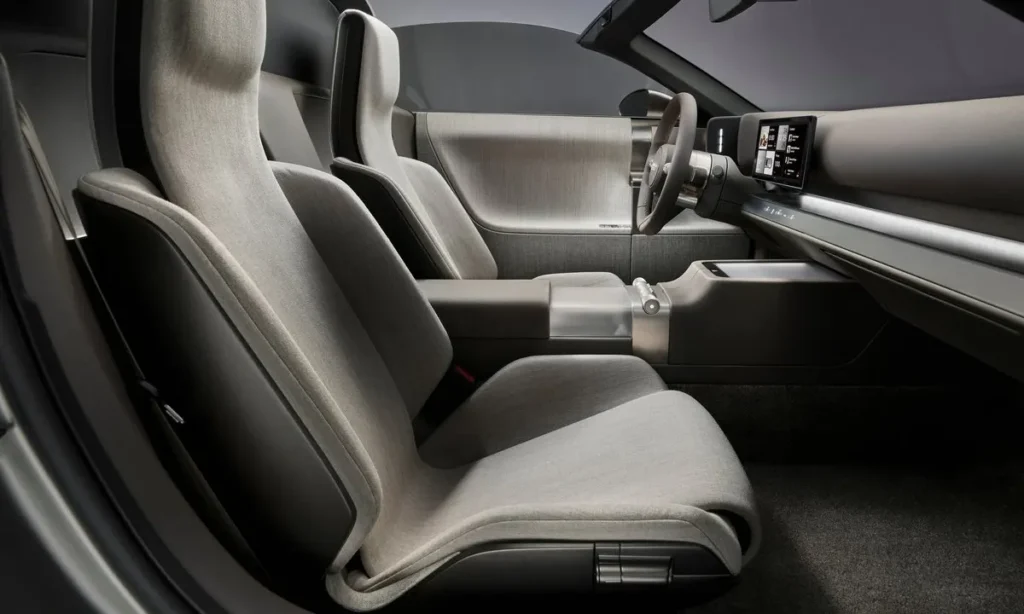
Step inside the Concept C, and you enter an environment that feels unlike any other electric vehicle on the market. Audi calls this approach “Shy Tech” — technology that hides in plain sight, serving the driver without dominating attention. In an age where dashboards are crowded with massive touchscreens, the Concept C returns to simplicity.
The cockpit is compact, symmetrical, and driver-focused. A 10.4-inch retractable display emerges only when needed, disappearing into the dashboard when not in use. The result is a cabin free from distraction — one that invites you to drive, not just tap.
Physical aluminum controls, precisely engineered to deliver Audi’s signature tactile “click,” control key functions such as climate, audio, and drive mode. The steering wheel is perfectly round — a deliberate choice to emphasize purity over trendiness. Behind it, a minimalist digital cluster provides essential data with crisp, legible graphics.
The materials echo the car’s design philosophy. Sustainable microfiber, polished aluminum, and matte-finish composites replace traditional leather and wood. The color palette is subdued — graphite, white, and silver — evoking sophistication and calm. It’s an environment where every detail feels intentional, and nothing is superfluous.
Performance Vision: Power Meets Precision
Although Audi has not disclosed detailed powertrain figures, the Concept C is confirmed to be fully electric. Engineers have hinted that it uses a mid-mounted battery system, optimizing balance and handling — a rare configuration in the EV world. This architecture allows for a low hood, aggressive stance, and ideal weight distribution.
While exact output remains undisclosed, insiders suggest that the Concept C could deliver between 350 and 450 horsepower, ensuring a dynamic yet accessible performance profile. Audi aims to make it a “driver’s EV,” with instant torque and precision handling rather than brute-force acceleration.
The car is built on Audi’s next-generation PPE (Premium Platform Electric) architecture, co-developed with Porsche. This platform supports ultra-fast charging, capable of replenishing 80% of the battery in under 25 minutes. Combined with aerodynamic efficiency, the Concept C could achieve a range of approximately 500 kilometers (310 miles) on a single charge.
Driving Philosophy: The Return of Emotion
At its core, the Concept C is about rediscovering the joy of driving. Audi recognizes that electric vehicles often lack the visceral feedback that made sports cars thrilling. To counter this, the Concept C integrates advanced torque vectoring, adaptive damping, and a simulated acoustic feedback system designed to convey road texture and acceleration through subtle sound cues — not artificial noise, but engineered resonance.
The steering system is purely mechanical in feel, despite being electrically assisted. Every turn, every input is intended to remind the driver of connection — the very essence of driving pleasure that many EVs have lost.
Audi’s engineers describe the Concept C as a car designed for “engagement, not isolation.” It’s not about autonomous luxury but about reclaiming the road as a sensory experience.
Chart: Audi Concept C vs. Traditional Sports EVs
| Feature | Audi Concept C | Typical Sports EV (2025) |
| Powertrain | Fully Electric (Mid-mounted battery) | Electric (floor-mounted battery) |
| Output Estimate | 350–450 hp (est.) | 300–400 hp |
| Design Philosophy | Radical Simplicity | Tech-driven complexity |
| Driving Focus | Emotional, tactile | Autonomous or luxury-oriented |
| Roof Type | Retractable hardtop | Fixed coupe |
| Range | ~500 km / 310 miles | 400–450 km average |
| Platform | PPE (Premium Platform Electric) | Mixed EV architectures |
| Interior Technology | Minimal, retractable display | Full-width screens |
Audi’s Strategy: A New Era of Clarity
The Audi Concept C marks a pivotal shift for the brand’s identity. Over the past decade, Audi’s design language had become more complex, blending aggressive geometry with digital exuberance. The Concept C reverses that trajectory.
This model is meant to redefine Audi’s creative direction for the electric era — one that values proportion, restraint, and timeless form. It also fills a crucial gap between the discontinued TT and the flagship R8. By introducing an emotionally engaging yet sustainable sports car, Audi hopes to reignite its connection with driving enthusiasts while maintaining its technological edge.
From a business perspective, the Concept C also signals a diversification strategy. As SUVs dominate sales, Audi recognizes the need to maintain its brand soul — and nothing represents that better than a lightweight, rear-driven, electric coupe that puts design and experience above all.
Production Outlook
While Audi officially calls the Concept C a “design study,” insiders confirm that a production model is planned for 2027. Executives suggest that the final version will remain remarkably close to the concept — with only minor modifications for safety and practicality. In their words, “the differences will be invisible from 50 meters away.”
If production proceeds as expected, the car will likely debut under a new name, potentially as the Audi e-tron C or Audi C2, and will be positioned between the TT and R8 in pricing and performance.
Challenges Ahead
Despite the overwhelming enthusiasm, challenges remain. The electric sports car segment is becoming competitive, with brands like Porsche, Alpine, and Polestar all preparing lightweight EV coupes. Additionally, the transition from concept to production often involves compromises — especially with retractable roofs and low-slung silhouettes that must meet safety standards.
Furthermore, balancing emotion and efficiency remains tricky in the EV age. Will the Concept C truly deliver on its promise of driver engagement, or will regulations and range anxiety dull its character? Only time — and the final production model — will tell.
Conclusion: A Spark of Audi’s Soul
The Audi Concept C isn’t just a futuristic design exercise — it’s a restoration project for Audi’s spirit. It brings back the passion that defined models like the TT and R8 while embracing the realities of an electric future. With its minimalist design, tactile interior, and emotional driving focus, it proves that electric cars don’t have to sacrifice soul for sustainability.
In an era dominated by autonomous pods and oversized SUVs, the Concept C stands out as a symbol of purity — proof that the love of driving still has a place in the electric age.
If Audi can stay true to this vision when production begins, the Concept C won’t just be another EV — it will be the car that redefines what it means to feel behind the wheel again.
Read: 2025 Aston Martin DB12: The New Benchmark for the Super Tourer Era
Frequently Asked Questions (FAQ)
Q1: Is the Audi Concept C going into production?
Yes. Audi has confirmed plans for a production version by 2027. It will retain most of the design and proportions seen in the concept.
Q2: What segment does it target?
It fills the gap between the Audi TT and R8, positioning itself as a mid-level electric sports car for driving enthusiasts.
Q3: What makes it different from other EVs?
The Concept C focuses on emotional design, tactile driving, and minimalist interiors — contrasting the tech-heavy approach of most electric vehicles.
Q4: How powerful is the Audi Concept C?
While final specs are undisclosed, early estimates suggest 350–450 horsepower, offering thrilling yet balanced performance.
Q5: When will it be available for purchase?
The production model is expected to arrive by 2027, likely under a slightly different name.