Callum C-X75: Jaguar’s Mid-Engine Supercar Reborn
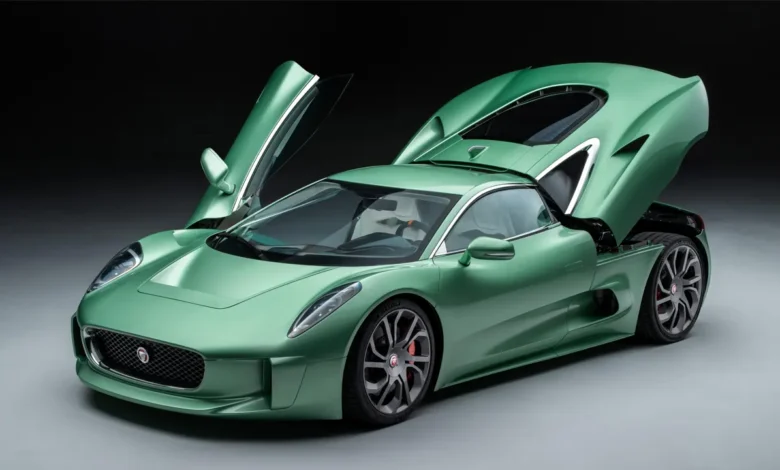
For every car that makes it to production, there are dozens that never do. Some fade quietly into history — others become legends. Few concept cars have captured imaginations quite like the Jaguar C-X75. First unveiled in 2010 as a futuristic hybrid supercar, it promised to take Jaguar into a new performance era. Yet, economic pressures shelved it before it reached the road.
Now, more than a decade later, the dream is back — reimagined by Ian Callum, the man who designed the original. His independent studio, Callum Design, has resurrected and reinvented the C-X75, transforming it from a lost concept into a tangible, road-legal mid-engine masterpiece.
The result is the Callum C-X75 — a stunning tribute to Jaguar’s innovation and a beacon of bespoke automotive craftsmanship.
Gallery: Callum C-X75
A Supercar That Never Was
The story of the Jaguar C-X75 is one of brilliance and heartbreak. It was unveiled at the 2010 Paris Motor Show, and it instantly set the automotive world ablaze. Here was a concept car that blended breathtaking design with revolutionary technology.
Jaguar envisioned it as the brand’s first hybrid hypercar — pairing micro gas turbines with four electric motors, capable of producing over 780 horsepower and achieving a top speed beyond 200 mph.
It wasn’t just a car; it was a statement — proof that Jaguar could stand shoulder-to-shoulder with Ferrari, McLaren, and Porsche in the supercar realm.
However, by 2012, Jaguar Land Rover scrapped the project. The world was still recovering from the global financial crisis, and spending millions to develop a hybrid supercar didn’t fit the economic reality.
Only a handful of prototypes were built in partnership with Williams Advanced Engineering — and though they never hit showrooms, the car went on to star in the 2015 James Bond film Spectre, solidifying its cult status among enthusiasts.
That could have been the end of the story — but Ian Callum had other ideas.
The Callum C-X75: A Legend Reimagined
Fast forward to 2025. Ian Callum, Jaguar’s former design director and the creative mind behind icons like the Jaguar F-Type and Aston Martin DB7, leads his own design firm: Callum Design.
In a move that blends nostalgia with innovation, Callum has taken the original C-X75 concept and rebuilt it from the ground up — not as a digital fantasy, but as a fully functional, road-ready supercar.
It’s more than a tribute; it’s a realization of what the C-X75 could have been if it had reached production.
Design: Where Heritage Meets Futurism
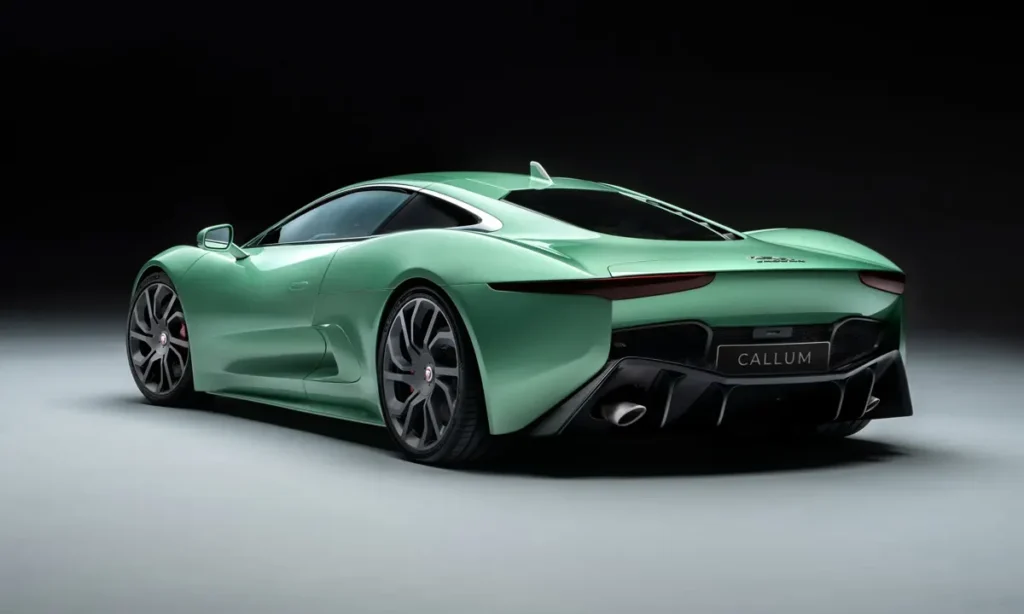
The Callum C-X75 is instantly recognizable, yet subtly different. It carries the DNA of the original concept, but with a maturity that reflects both design evolution and modern sensibilities.
Exterior Design
The body retains its low-slung silhouette, aggressive stance, and flowing aerodynamic lines, but the details have been refined for the real world. The front fascia features a wider grille with improved airflow management, while the LED headlights have been reshaped to accentuate its feline posture.
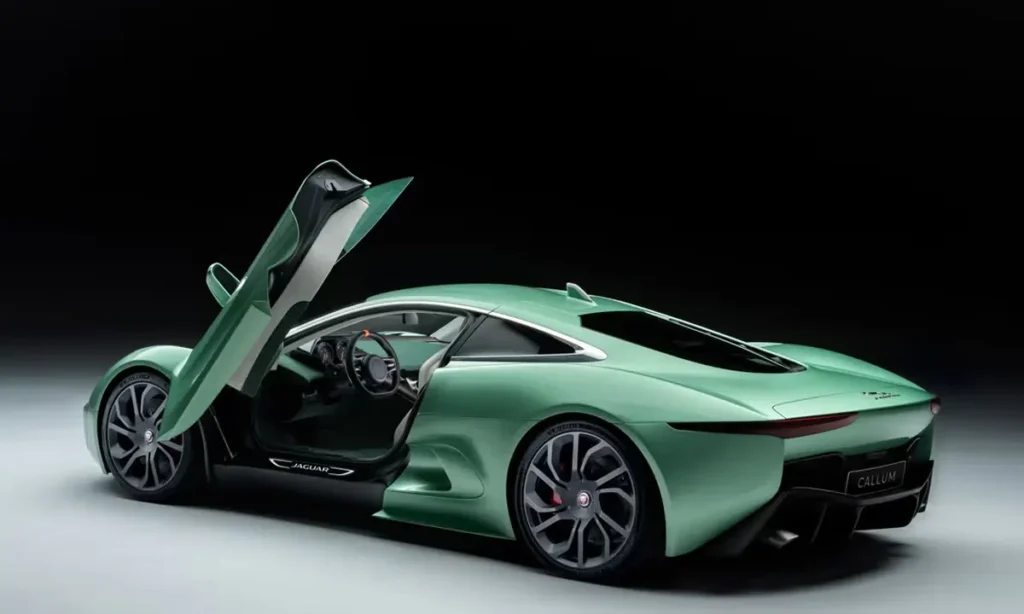
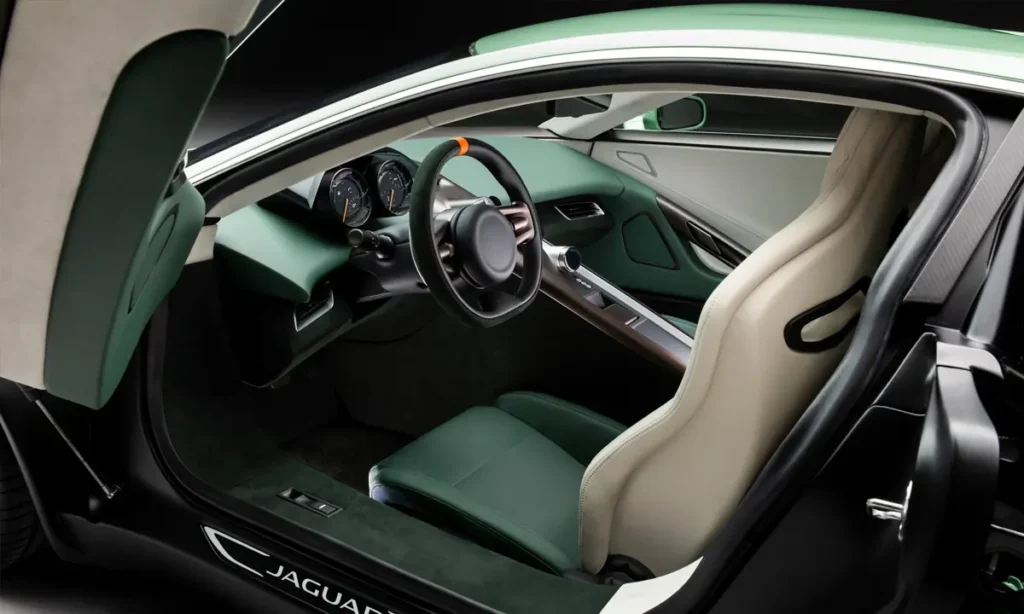
Butterfly-style doors open upward, revealing a sculpted carbon-fiber interior frame. The side profile flows effortlessly toward a tapering rear, where twin exhaust outlets sit beneath a functional active rear wing.
This design doesn’t just look stunning — it’s functional. Every curve, vent, and surface is engineered to enhance aerodynamics, stability, and cooling.
The C-X75’s proportions — wide hips, long wheelbase, and mid-mounted engine — place it firmly in the company of modern supercars like the McLaren 750S and Ferrari 296 GTB.
Interior Craftsmanship
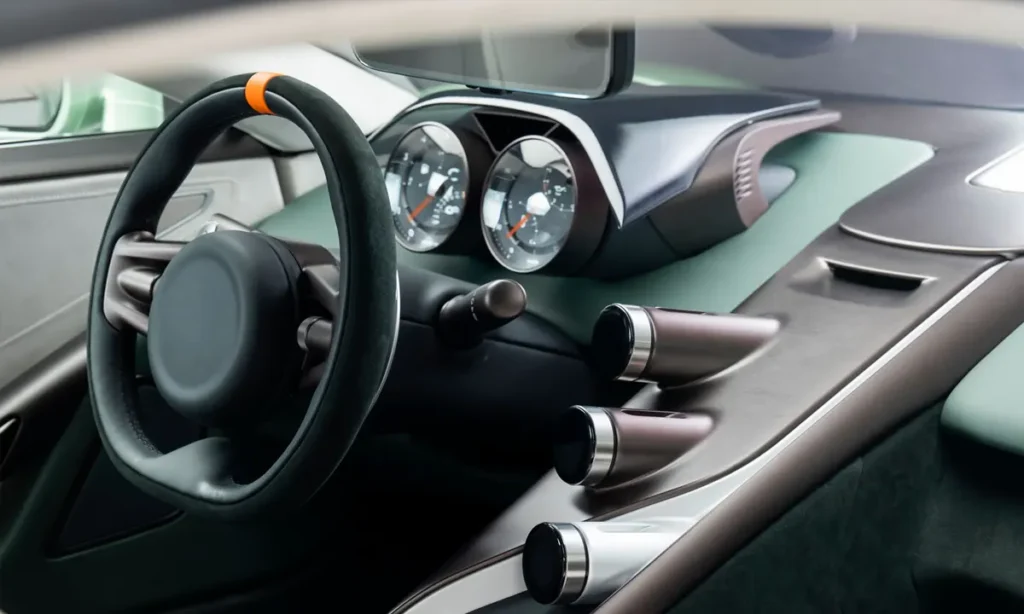
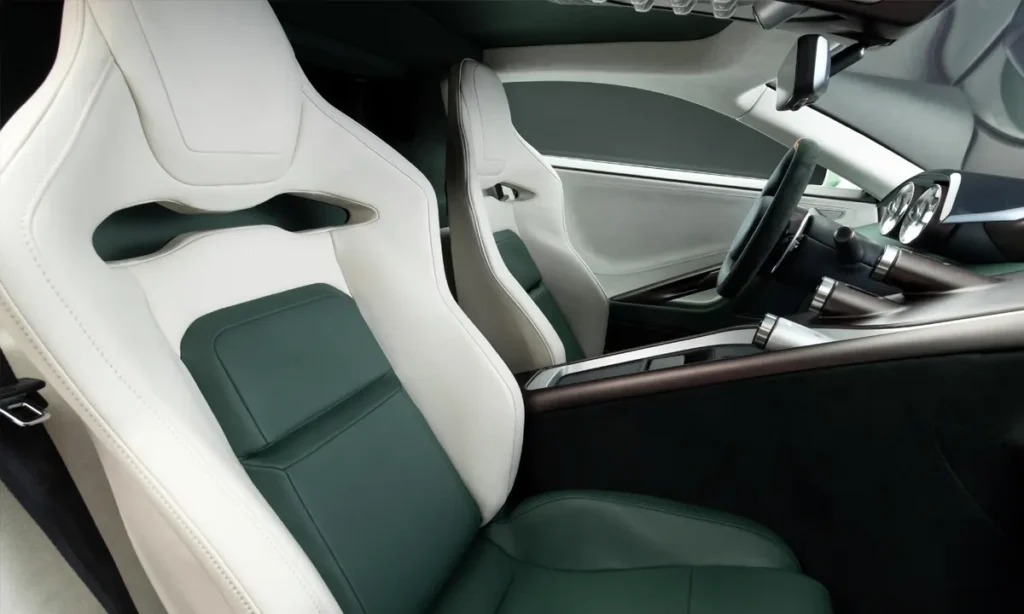
Inside, the Callum C-X75 blends simplicity with sophistication. The cockpit is minimal yet immersive, echoing the driver-focused purity of classic sports cars.
Hand-stitched leather, exposed carbon fiber, and machined aluminum surfaces define the interior aesthetic. The seats are lightweight yet supremely comfortable, tailored for both performance and long drives.
Unlike digital-heavy interiors seen in many modern supercars, Callum keeps the experience tactile — physical dials, analog switches, and driver-centric controls preserve the emotional connection between car and driver.
This balance between art and engineering embodies the spirit of British design excellence.
Engineering: Power Meets Precision
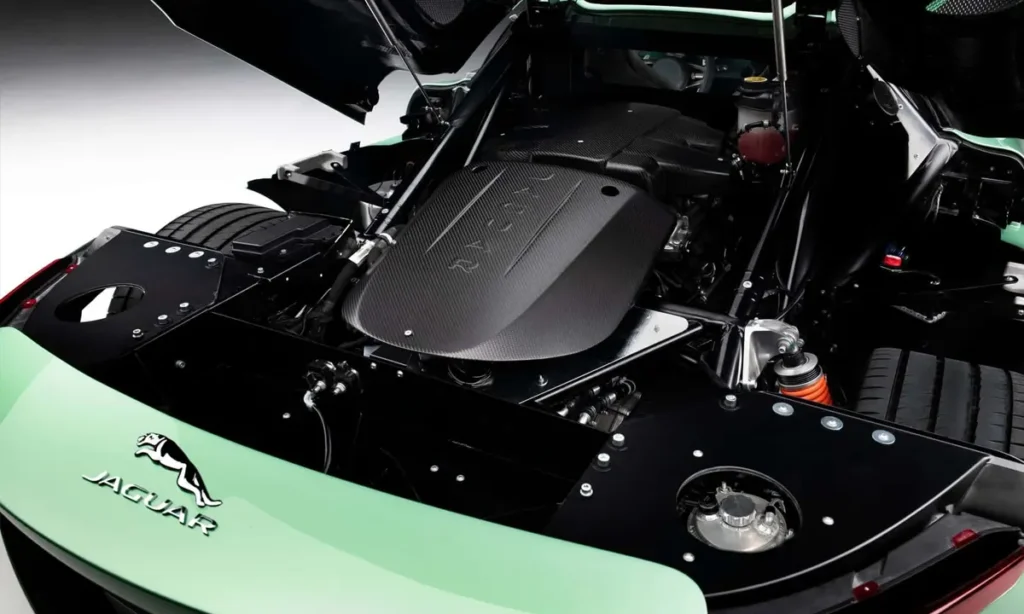
When Callum Design decided to bring the C-X75 back, they faced a choice: resurrect the concept’s complex turbine-hybrid system or modernize it with proven supercar hardware. The decision leaned toward realism without compromising excitement.
The new Callum C-X75 is powered by a supercharged 5.0-liter V8 — an evolution of the engine used in Jaguar’s F-Type R, tuned to deliver over 600 horsepower. Power is sent to the rear wheels through a seven-speed dual-clutch transmission, ensuring blistering shifts and precision control.
This configuration offers a blend of power and reliability, making the C-X75 not just beautiful, but genuinely drivable.
Performance Highlights
- Engine: Supercharged 5.0L V8
- Power Output: 600+ hp (est.)
- Transmission: 7-speed dual-clutch
- 0–60 mph: ~3.0 seconds
- Top Speed: ~200 mph (est.)
- Drive Layout: Mid-engine, rear-wheel drive
In addition, Callum Design introduced a custom exhaust system for a distinctive, symphonic roar — something missing from the silent hybrid concept.
Chassis and Handling
Built on a lightweight aluminum-carbon monocoque, the car features race-inspired suspension geometry, adaptive dampers, and active aerodynamics.
An integrated air brake improves stopping performance, while a hydraulic lift system ensures daily drivability over speed bumps and uneven roads.
Every element of the C-X75’s engineering serves one purpose: pure driving engagement.
Chart: Callum C-X75 – Technical Overview
| Category | Specification |
| Model | Callum C-X75 |
| Base Concept | Jaguar C-X75 (2010) |
| Engine | Supercharged 5.0L V8 |
| Power Output | 600+ horsepower |
| Transmission | 7-speed dual-clutch |
| Layout | Mid-engine, RWD |
| 0–60 mph | ~3.0 seconds |
| Top Speed | ~200 mph |
| Chassis | Aluminum-carbon hybrid |
| Production | One-off / limited bespoke builds |
Design Legacy: Jaguar DNA, Callum Precision
The C-X75’s rebirth is a masterclass in continuation design — a growing trend where designers revisit and reinterpret iconic concepts with modern engineering.
For Ian Callum, this project isn’t about nostalgia — it’s about closure.
“It was a car that deserved to exist,” Callum said in an interview. “We wanted to bring it back in a way that honored Jaguar’s spirit while making it truly driveable.”
That spirit — the long bonnet, the balanced haunches, the feline aggression — is unmistakable. The C-X75 embodies everything Jaguar once stood for: innovation, grace, and power.
But make no mistake — this is not a museum piece. The Callum C-X75 is a living, breathing machine built to be driven, not just admired.
The Cultural and Industry Significance
The Callum C-X75 is more than a beautiful car; it’s a symbol of a changing automotive landscape.
As major manufacturers move toward mass electrification, boutique studios like Callum Design represent a new era of artisan carmaking — where craftsmanship, personalization, and emotion take precedence over mass production.
For Jaguar’s Legacy
The C-X75 reminds the world of Jaguar’s once-daring ambition. It rekindles the brand’s association with innovation and performance at a time when its future direction is still taking shape in the EV era.
For Design Culture
The project also highlights a fascinating shift — designers reclaiming creative ownership of their visions. In bringing back his own design, Ian Callum joins a growing list of automotive legends who are reviving lost projects outside the corporate system.
Challenges and Triumphs
Reviving a concept car isn’t easy. Engineering a one-off to road-legal standards requires monumental effort — from safety compliance to drivability tuning.
Yet, Callum Design succeeded, blending artistry and practicality. The result is a vehicle that drives as well as it looks, turning the C-X75 from a cinematic fantasy into an automotive reality.
For collectors, this car represents a once-in-a-lifetime opportunity: a genuine continuation supercar crafted by the original designer himself.
Reception: Applause from Fans and Critics
Since its debut, the Callum C-X75 has received glowing reviews from automotive journalists and enthusiasts alike.
Top Gear called it “the Jaguar we should have had.”
MotorTrend described it as “a love letter to design, engineering, and what might have been.”
Collectors and design purists view it as both a rebirth and a benchmark — proof that passion can resurrect legends.
Final Thoughts: The Supercar That Refused to Die
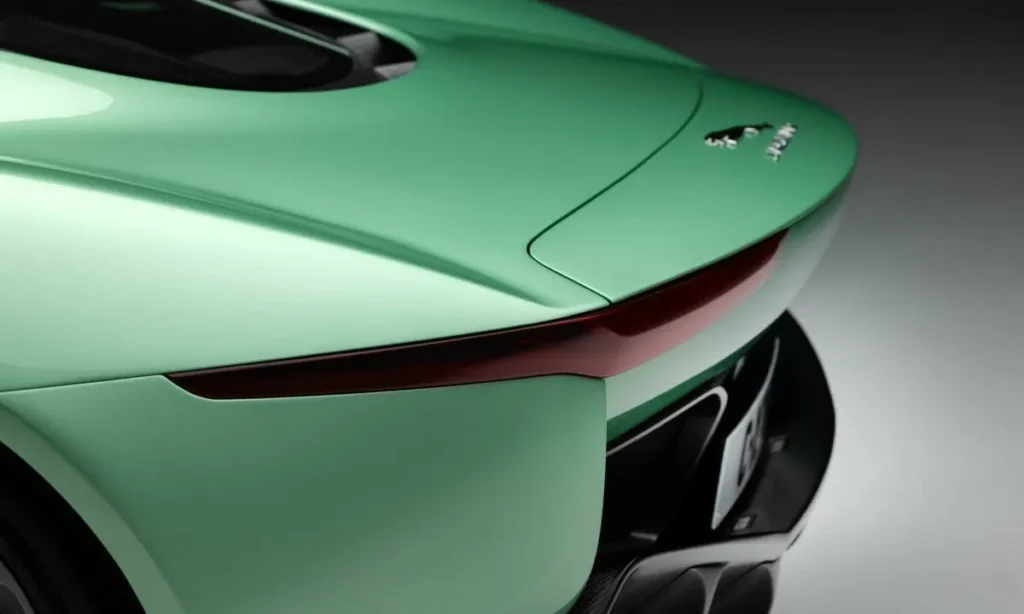
The Callum C-X75 is proof that great design never truly fades. More than a car, it’s a story of persistence — a reminder that vision and craftsmanship can outlast corporate limitations.
It’s the car Jaguar should have built, reborn by the man who first imagined it. The blend of British elegance, raw performance, and bespoke artistry makes the Callum C-X75 one of the most important one-offs of the decade.
In a world dominated by automation and mass production, the C-X75 stands as a symbol of what happens when passion drives creation. It’s not just a resurrection — it’s redemption.
Read: 2025 Ferrari 12Cilindri: A Glorious Farewell to the V12 Era
Frequently Asked Questions (FAQs)
Q1: What is the Callum C-X75?
The Callum C-X75 is a bespoke, road-legal supercar based on the original Jaguar C-X75 concept from 2010, recreated by designer Ian Callum’s studio.
Q2: Is the Callum C-X75 a Jaguar project?
No. It’s independently built by Callum Design, though it’s based on Callum’s original work during his tenure at Jaguar.
Q3: What engine powers the C-X75?
A supercharged 5.0-liter V8 engine producing over 600 horsepower, paired with a 7-speed dual-clutch transmission.
Q4: How fast is it?
The C-X75 accelerates from 0–60 mph in about 3.0 seconds and reaches a top speed near 200 mph.
Q5: How many will be built?
Currently, it’s a one-off bespoke build. However, Callum Design may create a few commissioned examples in the future.