Chevrolet Corvette E-Ray vs Porsche 911 GTS T-Hybrid: Hybrid Supercar Showdown of 2025
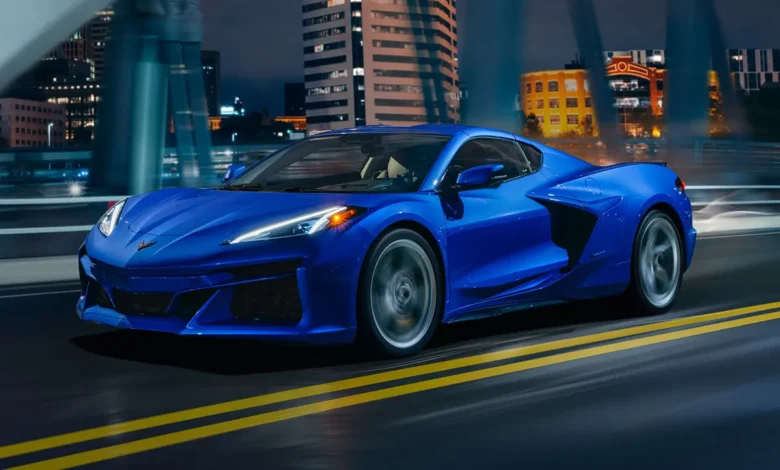
The performance car landscape is rapidly transforming. As the world transitions toward electrification, legendary names that once defined pure gasoline power are now embracing hybrid technology. Two standout contenders leading this revolution are the Chevrolet Corvette E-Ray and the Porsche 911 Carrera GTS T-Hybrid.
Both these machines combine the thrill of traditional performance with the intelligence of hybrid engineering, but they do it in entirely different ways. While the Corvette E-Ray injects electrified power into America’s most famous muscle sports car, the Porsche 911 GTS Hybrid refines its European legacy with precision and sophistication. Let’s dive into how these two “hybrid heroes” stack up in terms of design, technology, performance, driving feel, and overall value.
A New Era of Hybrid Performance
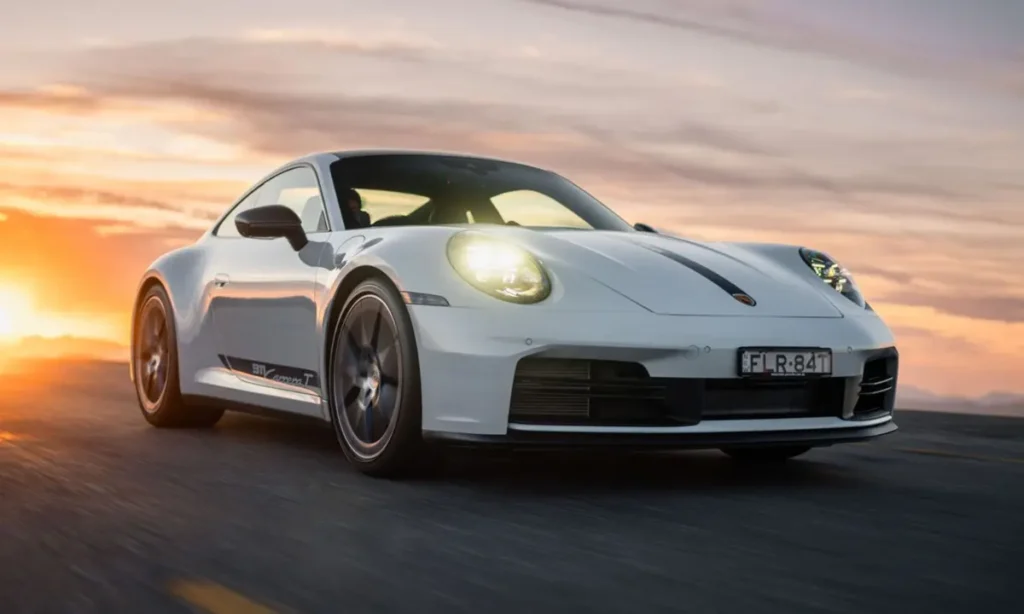
The automotive world is shifting gears. No longer is hybrid technology restricted to economy cars or efficiency-minded models. The latest generation of high-performance hybrids like the Corvette E-Ray and the Porsche 911 GTS T-Hybrid prove that electrification can enhance performance rather than dilute it.
The Corvette E-Ray represents Chevrolet’s first step into hybrid territory. As the brand’s first electrified and all-wheel-drive Corvette, it marks a monumental moment in the car’s seven-decade history. The Porsche 911 GTS T-Hybrid, on the other hand, showcases how a traditional rear-engine sports car can evolve gracefully, integrating electric assist to make an already legendary machine even sharper.
The Contenders: American Muscle vs German Precision
Chevrolet Corvette E-Ray
The Corvette E-Ray builds upon the C8 generation’s success. Under its sleek mid-engine body sits a 6.2-liter LT2 V8, delivering 495 horsepower to the rear wheels. The real magic, however, lies up front — an electric motor adds another 160 horsepower to the front axle, making it the first all-wheel-drive Corvette ever.
Together, these systems produce a combined 655 horsepower and an estimated 595 lb-ft of torque. The hybrid system draws energy from a small 1.9-kWh lithium-ion battery, designed not for range but for power bursts and instant torque delivery.
The result? The Corvette E-Ray rockets from 0 to 60 mph in just 2.5 seconds, making it one of the fastest production Corvettes ever built. Its quarter-mile time of 10.5 seconds is equally astonishing — numbers that rival far pricier European supercars.
Porsche 911 Carrera GTS T-Hybrid
The Porsche 911 GTS T-Hybrid carries an even greater burden of legacy. For decades, the 911 has represented precision and consistency — a sports car that evolves, not reinvents. The hybridized GTS variant uses a 3.6-liter turbocharged flat-six engine paired with an electric motor integrated into its transmission.
The total system output is around 532 horsepower and 449 lb-ft of torque, making it slightly less powerful than the Corvette but still blisteringly quick. Porsche’s hybrid system is unique — it uses an electric turbocharger, allowing immediate boost response and eliminating turbo lag. The small 1.9-kWh battery powers the electric components and can also provide short bursts of electric-only propulsion in specific conditions.
The GTS hybrid’s 0 to 60 mph sprint takes just 2.9 seconds, making it the quickest non-Turbo 911 ever built.
Performance Comparison Chart
| Specification | Chevrolet Corvette E-Ray | Porsche 911 GTS T-Hybrid |
| Engine | 6.2L Naturally Aspirated V8 | 3.6L Twin-Turbo Flat-Six |
| Electric Motor | Front Axle (160 hp) | Integrated with Transmission |
| Combined Output | 655 hp / 595 lb-ft | 532 hp / 449 lb-ft |
| Drivetrain | eAWD (Electric Front, Gas Rear) | Rear-Engine, Hybrid Assist |
| 0-60 mph | 2.5 seconds | 2.9 seconds |
| Battery | 1.9 kWh (Performance-Focused) | 1.9 kWh (Assistive Hybrid) |
| Transmission | 8-Speed Dual-Clutch | 8-Speed PDK |
| Price (Est.) | $105,000 (USD) | $160,000+ (USD) |
Technology & Engineering Philosophy
Both hybrids demonstrate how performance engineering can embrace electrification without losing soul. However, their philosophies differ dramatically.
Corvette’s Muscle Electrified
The Corvette’s hybrid system is a performance-first setup. There’s no plug-in capability, no long electric-only drive. Instead, the small battery focuses on delivering instant torque, improving traction, and enhancing acceleration. The electric front axle ensures superior grip, especially in corners or slippery conditions.
The car’s drive modes allow varied behavior — from stealthy electric starts in parking areas (“Stealth Mode”) to full hybrid thrust in “Track Mode.” The integration is seamless; the driver feels the car’s hybrid power as an extension of the V8, not a distraction.
Porsche’s Precision Electrified
Porsche’s hybridization is more surgical. The electric motor and turbocharger integration aren’t just about power but about response and refinement. The electric turbo eliminates lag entirely, creating linear acceleration. Moreover, Porsche’s system recovers and deploys energy intelligently, balancing efficiency and performance.
The GTS hybrid also benefits from a 48-volt mild-hybrid system, powering auxiliary components and smoothing gear changes. The result is a car that feels naturally aspirated in response but enhanced by electric torque. It’s hybrid technology disguised as pure mechanical brilliance.
Driving Experience: Heart vs Head
When behind the wheel, the two cars tell very different stories.
Corvette E-Ray Driving Feel
Driving the E-Ray is an event. The rumble of the V8, combined with the eerie silence of electric assist, creates a dual personality that’s thrilling and unexpected. Launching from a standstill, the electric motor hooks up instantly, eliminating wheelspin. The result is staggering acceleration — brutal, immediate, and confidence-inspiring.
The car’s eAWD system makes it usable year-round, and despite its power, it’s surprisingly composed. On twisty roads, the electric front end sharpens turn-in response, while the rear mid-engine layout maintains balance.
This is not just a faster Corvette — it’s a smarter one.
Porsche 911 GTS Hybrid Driving Feel
The Porsche 911 GTS T-Hybrid feels like evolution perfected. The electric assistance is so well-integrated that it’s barely noticeable — until you realize how incredibly responsive everything is. Power delivery is instant, the steering remains precise, and the chassis balance is exceptional.
Porsche engineers worked tirelessly to ensure the hybrid system doesn’t change the 911’s DNA. Even with the added hybrid weight, handling remains razor-sharp. It’s the kind of car that makes every drive feel surgically perfect.
If the Corvette thrills you with power, the Porsche seduces you with precision.
Design and Interior Quality
Corvette E-Ray
The E-Ray’s design screams supercar — low stance, wide haunches, and aggressive aerodynamics. Chevrolet retained the iconic Corvette flair but infused it with modern cues. Inside, the cabin is driver-centric with premium materials, a digital instrument cluster, and a high-quality infotainment system.
There’s also practicality: front and rear trunks offer usable cargo space, making it one of the most versatile supercars in its class.
Porsche 911 GTS Hybrid
The 911’s design remains timeless. Porsche follows the “if it isn’t broken, don’t fix it” approach. Subtle aerodynamic changes and hybrid badges distinguish it from its siblings. Inside, Porsche blends luxury and performance flawlessly — leather, aluminum, and intuitive controls all add up to an experience of understated sophistication.
The GTS models also feature sporty accents like Alcantara upholstery and performance seats, emphasizing their track-oriented nature.
Practicality and Daily Use
Both cars are surprisingly usable despite their supercar credentials.
The Corvette E-Ray offers comfort and visibility rare in this segment. The hybrid system even allows quiet starts in residential areas. Its AWD system means you can enjoy performance driving even in wet or cold conditions — something previous Corvettes struggled with.
The Porsche 911 Hybrid, on the other hand, maintains its reputation as the “everyday supercar.” It’s easy to drive, comfortable over long distances, and still practical enough for daily commutes or weekend trips. The smaller battery ensures there’s no major compromise in trunk space either.
Value for Money
This is where the Corvette E-Ray shines brightest. Starting at around $105,000, it offers supercar performance for nearly half the price of the Porsche. Its combination of raw power, hybrid technology, and American engineering makes it a compelling bargain.
The Porsche 911 GTS T-Hybrid, priced closer to $160,000–$170,000, commands a premium — justified by brand prestige, craftsmanship, and a heritage of perfection. It’s a machine for purists who value finesse over sheer output.
In essence, the Corvette is the accessible supercar, while the Porsche is the precision instrument for those who demand ultimate refinement.
Verdict: Two Paths to Hybrid Greatness
The Chevrolet Corvette E-Ray and Porsche 911 GTS T-Hybrid represent two philosophies of hybrid performance. One is bold and brash, the other meticulous and elegant. Both, however, signal that the hybrid era doesn’t mean the end of excitement — it’s a new chapter in performance evolution.
If you crave V8 thunder, brutal speed, and unbeatable value, the Corvette E-Ray is your car.
If you prefer refined dynamics, impeccable balance, and enduring prestige, the Porsche 911 Hybrid is unmatched.
In the end, these hybrid heroes prove one thing: performance and sustainability can coexist beautifully.
Read: Toyota Land Cruiser FJ 2026 Revives a Legend in Compact Form
Frequently Asked Questions (FAQ)
Q1. Are both cars plug-in hybrids?
No. Both are self-charging hybrids with small batteries designed for power assist, not electric range.
Q2. Which is faster, the Corvette E-Ray or the Porsche 911 GTS Hybrid?
The Corvette E-Ray is quicker in straight-line acceleration, achieving 0–60 mph in about 2.5 seconds compared to the Porsche’s 2.9 seconds.
Q3. Which offers better handling?
The Porsche 911 Hybrid provides more balanced and precise handling, while the Corvette excels in traction and raw speed.
Q4. Which one is more affordable?
The Corvette E-Ray is significantly more affordable, starting around $105,000, compared to the Porsche 911 Hybrid’s $160,000+ price tag.
Q5. What’s the main difference in hybrid systems?
The Corvette uses an electric motor for front-wheel drive and performance bursts, while Porsche uses electric assist for turbo response and smooth power delivery.