Pagani Utopia: The 864-HP V12 Hypercar That Defies the Future
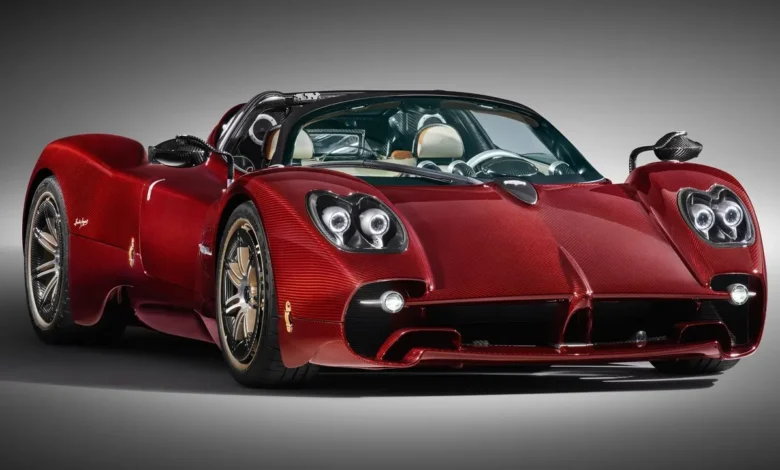
In a world increasingly dominated by hybridization, artificial intelligence, and touchscreens, Pagani Automobili has chosen to go against the current — to create something timeless, analog, and soulful. The result is the Pagani Utopia, the brand’s third hypercar after the legendary Zonda and Huayra.
Unveiled in 2022, the Utopia represents a philosophical statement from Horacio Pagani himself: true perfection isn’t found in complexity, but in simplicity. It’s a car that rejects automation in favor of artistry — a celebration of craftsmanship, emotion, and mechanical purity.
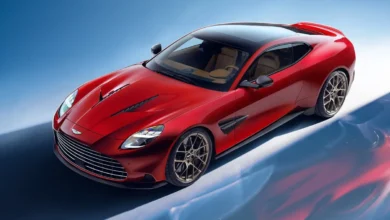
Gallery: Pagani Utopia
A New Chapter in Pagani’s Legacy
The Pagani Utopia marks the evolution of a lineage that began with the Zonda — a raw, visceral machine that redefined supercar aesthetics — and continued with the Huayra, which introduced aerodynamic intelligence and active dynamics.
With the Utopia, Pagani blends both eras. It takes the Zonda’s soul and the Huayra’s sophistication, refining them into something that feels timeless. The car’s very name, “Utopia,” captures this intent — a pursuit of an ideal that might never be fully achieved, yet is endlessly worth chasing.
In Horacio Pagani’s words:
“We wanted to create an object that was timeless, pure, and simple — where every piece had a purpose and a soul.”
Design Philosophy: Art Meets Engineering
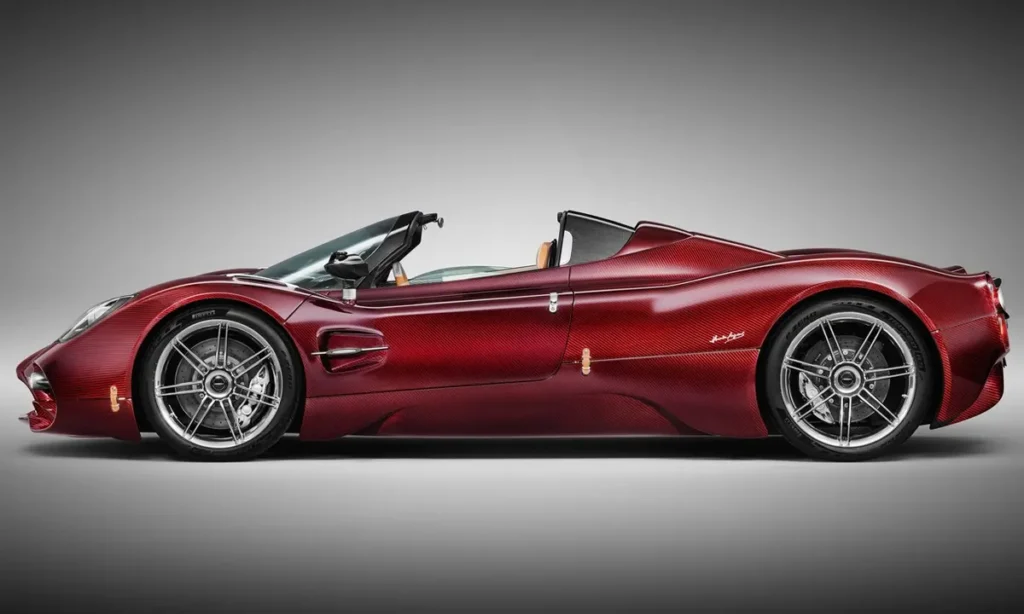
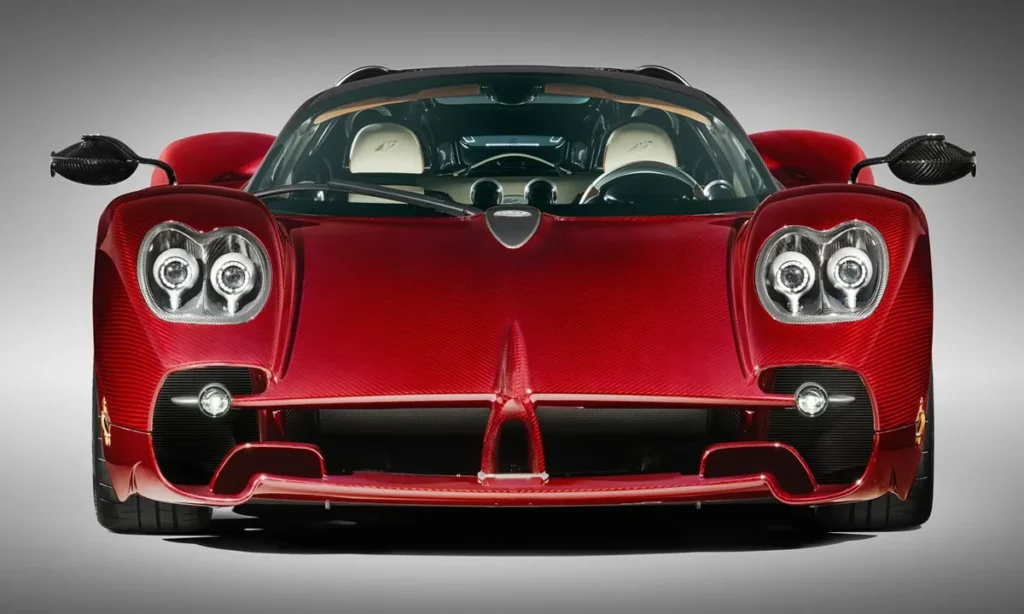
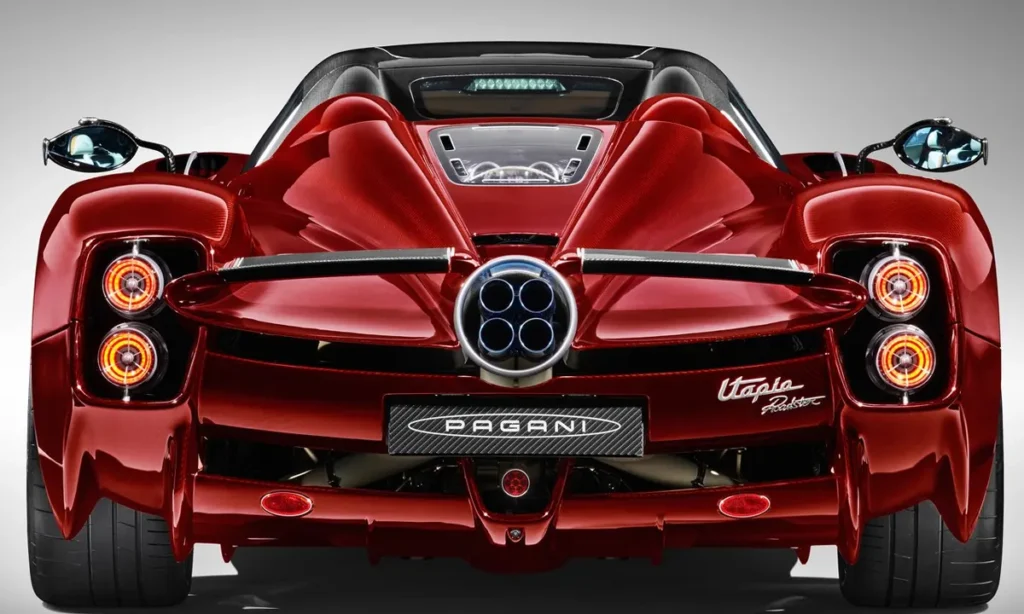
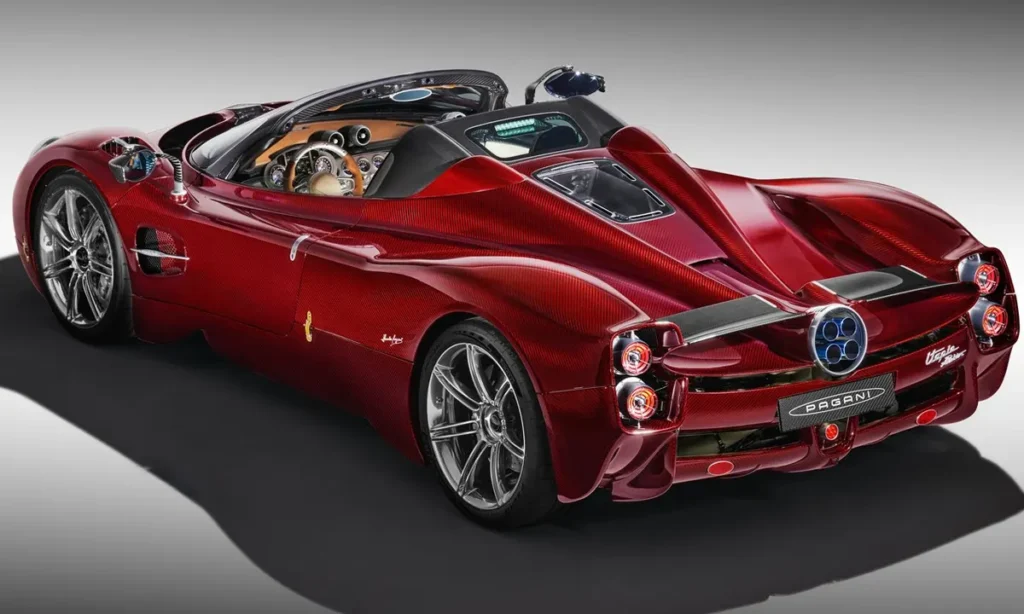
Pagani’s design language has always been sculptural, but the Utopia elevates it into an art form. It’s a car that looks hand-carved rather than computer-generated — a piece of moving sculpture inspired by 1960s Italian coachbuilding, infused with 21st-century technology.
Every surface of the Utopia flows with purpose. There are no aggressive wings or exaggerated vents — just elegant curves and harmonious proportions.
Key Design Highlights
- Carbon-Titanium Structure: The body is constructed from Pagani’s proprietary Carbo-Titanium HP62 G2 and Carbo-Triax HP62 composites — materials that combine the lightness of carbon fiber with the strength of titanium.
- Fluid Aerodynamics: Unlike the active aero of the Huayra, the Utopia’s aerodynamics are fixed — optimized through thousands of wind-tunnel hours to achieve perfect balance.
- Hand-Crafted Details: From exposed aluminum switchgear to the visible gear mechanism of the manual gearbox, every part is machined, not molded.
- Timeless Silhouette: A long bonnet, short rear overhang, and low-slung cockpit evoke grand touring cars of the past while maintaining Pagani’s futuristic identity.
The design is both nostalgic and revolutionary — a tribute to the golden era of motoring and a vision of what true automotive art can be.
Heart of a Legend: The AMG-Built V12
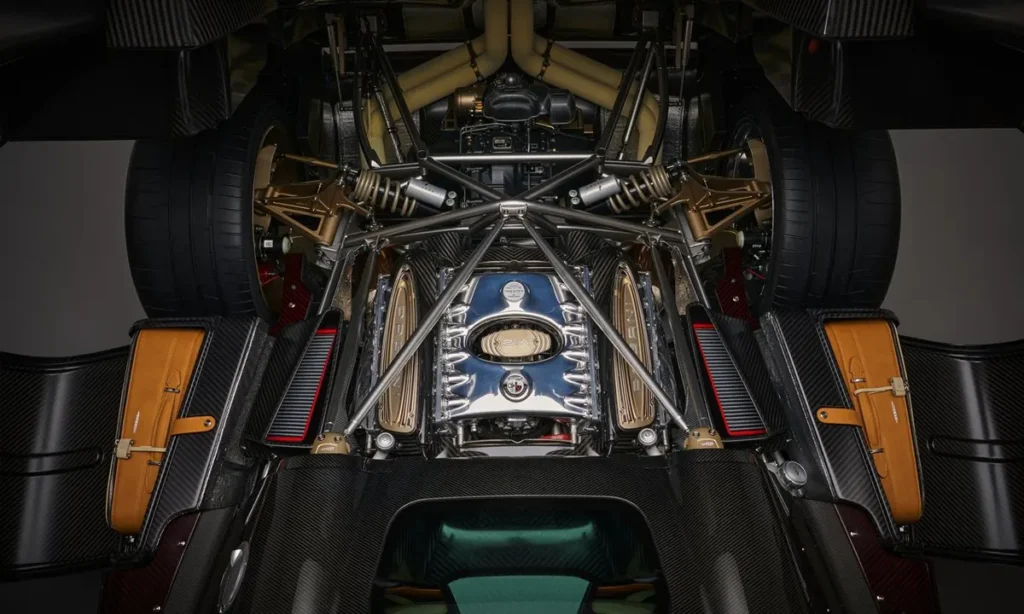
At the core of the Pagani Utopia lies a 6.0-liter twin-turbocharged V12 engine — built exclusively by Mercedes-AMG for Pagani. This powerhouse generates an astonishing 864 horsepower and 1,100 Nm (811 lb-ft) of torque.
What’s remarkable, however, is not just the numbers — it’s the delivery. Pagani worked closely with AMG engineers to tune the engine for immediacy, emotion, and mechanical response. Despite being turbocharged, it behaves and sounds like a naturally aspirated engine, revving freely to 6,700 rpm and delivering relentless linear thrust.
Engine Specifications
| Component | Detail |
| Engine Type | 6.0L Twin-Turbocharged V12 |
| Output | 864 hp @ 6,700 rpm |
| Torque | 1,100 Nm |
| Transmission | 7-Speed Manual or Automated Manual (Xtrac) |
| Drivetrain | Rear-Wheel Drive |
| Weight | 1,280 kg (Coupé) |
The Utopia is proof that the internal combustion engine still has a place in the modern world — when tuned for passion, not regulation.
Manual Transmission: A Rarity Reborn
Perhaps the most defining aspect of the Pagani Utopia is its manual gearbox — a true rarity in today’s hypercar landscape.
Buyers can choose between a 7-speed gated manual and a 7-speed automated manual (AMT) developed with Xtrac. Pagani insisted that a manual option was essential — not for nostalgia, but for emotional connection.
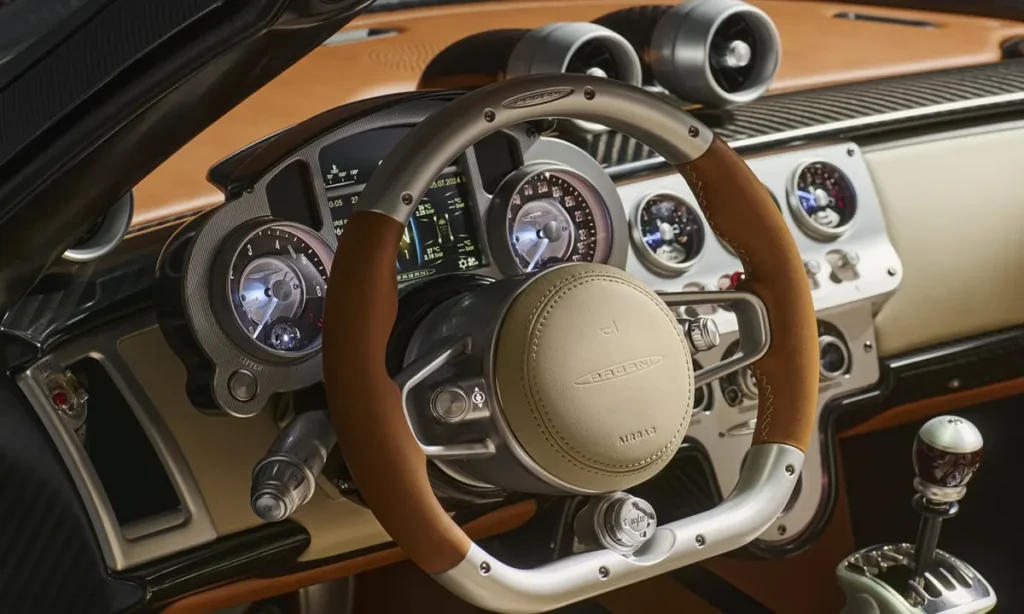
The polished aluminum gear lever sits proudly on the center console, its exposed linkage a work of mechanical art. Each shift offers tactile satisfaction — a reminder that driving is meant to be a dialogue between man and machine, not a software-managed simulation.
“The manual transmission isn’t a step backward,” says Pagani. “It’s a way to keep the human spirit at the center of the driving experience.”
Interior: The Analog Sanctuary
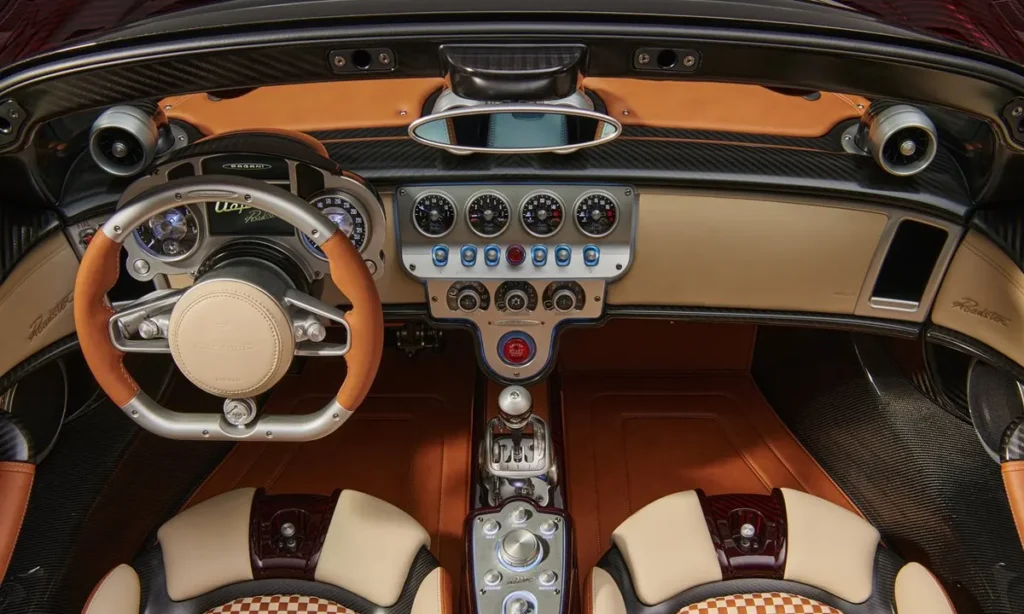
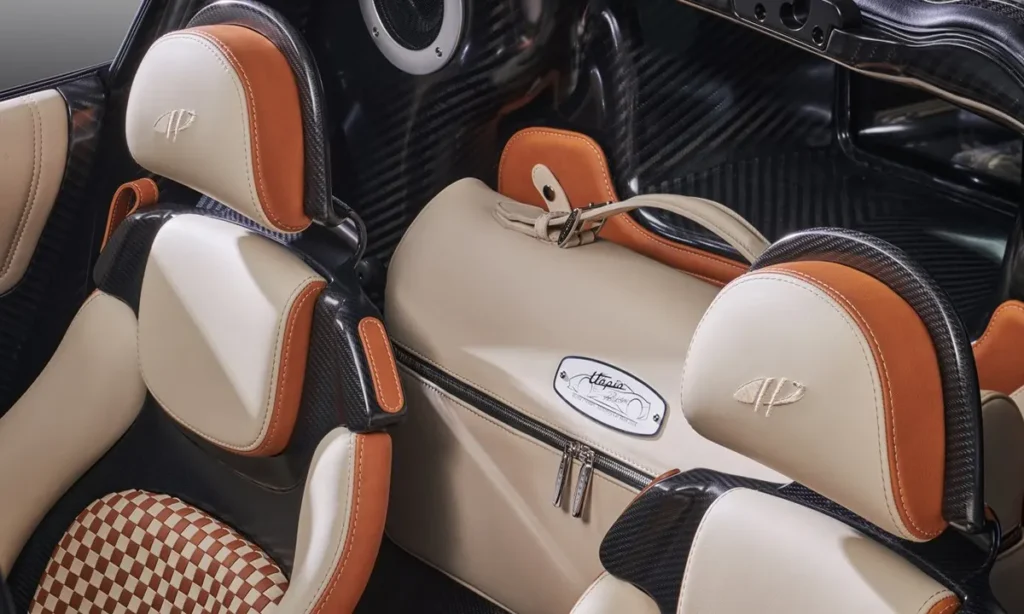
Step inside the Utopia, and you step into a world untouched by digital excess. Pagani has created what might be the most beautiful cockpit ever designed — a masterclass in craftsmanship and detail.
Interior Highlights
- Analog Dials: Instead of digital screens, you get precision-milled analog gauges with jeweled needles — inspired by high-end watchmaking.
- Machined Aluminum Controls: Every switch and knob is carved from solid metal, delivering a tactile response that no touchscreen can replicate.
- Leather and Alcantara: Hand-stitched by Italian artisans, the interior combines natural textures with minimal ornamentation.
- Minimal Screens: The Utopia features only a small driver information display — proof that simplicity can be more luxurious than technology overload.
Every inch of the cabin reflects Pagani’s obsessive attention to detail — even the pedals are sculpted aluminum pieces worthy of display in a museum.
Performance and Driving Dynamics
The Pagani Utopia isn’t just a work of art — it’s brutally capable on the road. Its combination of light weight, aerodynamic precision, and V12 power delivers staggering performance figures.
Performance Highlights
- 0–100 km/h (0–62 mph): ~3.1 seconds
- Top Speed: Over 350 km/h (217+ mph)
- Power-to-Weight Ratio: ~675 hp per tonne
- Brakes: Brembo carbon-ceramic discs with six-piston front calipers
- Suspension: Double-wishbone forged aluminum with electronically adjustable dampers
Despite its extreme numbers, what truly defines the Utopia is its feel. Steering feedback is hydraulic — raw and organic. The chassis communicates every nuance of the road. There are no artificial filters, no layers of electronics mediating your inputs.
It’s not the fastest Pagani ever built — but it’s certainly the most human.
Craftsmanship Beyond Compare
Every Pagani Utopia is built by hand at the company’s atelier in San Cesario sul Panaro, Italy. Production is limited to just 99 coupés and 130 roadsters, ensuring exclusivity and individuality.
No two cars are identical. Each owner can personalize nearly every element — from paint tone to instrument finish to exposed carbon pattern.
Even the key is a sculpted aluminum piece resembling a miniature model of the car itself — a small example of the obsessive artistry that defines Pagani.
Price and Availability
Exclusivity, craftsmanship, and artistry come at a price. The Pagani Utopia starts at approximately €2.5 million ($2.7 million USD) before taxes and customization.
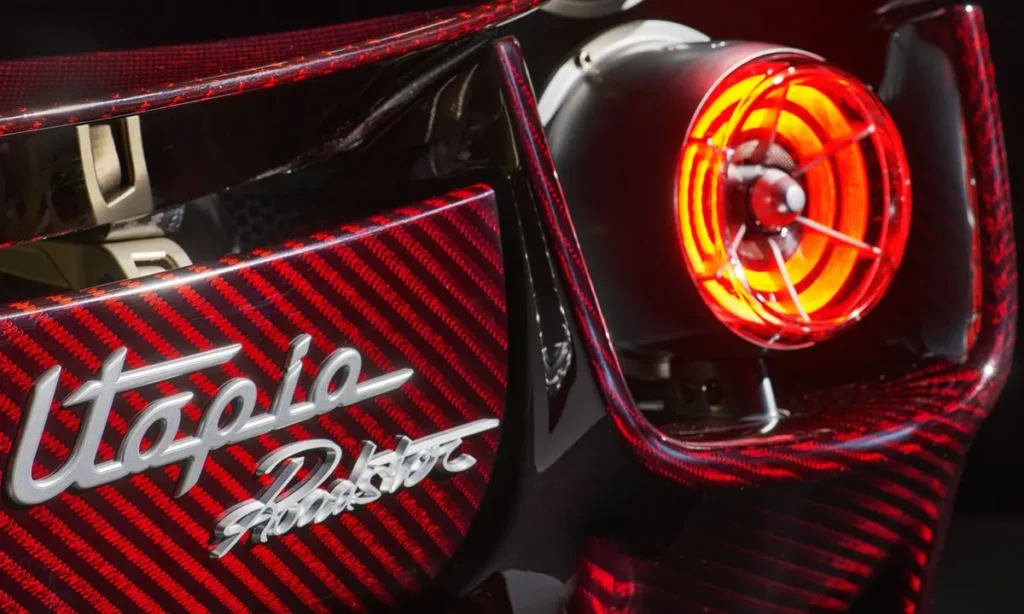
Every unit of the initial production run sold out within weeks of its reveal. The Utopia Roadster, unveiled in mid-2024, is expected to follow the same trajectory, appealing to collectors who value open-air drama paired with the symphony of a V12.
Pagani’s clientele includes a small circle of collectors, connoisseurs, and enthusiasts who view ownership less as a transaction and more as an entry into an art movement.
Rivals and Comparisons
The Pagani Utopia occupies a rare space — where performance meets philosophy. Yet, it inevitably draws comparisons with other hypercars of the modern era.
| Model | Engine | Transmission | Power | Drive | Price |
| Pagani Utopia | 6.0L V12 Twin-Turbo | 7-Speed Manual/AMT | 864 hp | RWD | ~$2.7M |
| Gordon Murray T.50 | 4.0L NA V12 | 6-Speed Manual | 654 hp | RWD | ~$3M |
| Ferrari Daytona SP3 | 6.5L NA V12 | 7-Speed DCT | 829 hp | RWD | ~$2.2M |
| Aston Martin Valkyrie | 6.5L Hybrid V12 | 7-Speed AMT | 1,160 hp | RWD | ~$3.5M |
Unlike its competitors, however, the Utopia rejects hybrid systems entirely, reaffirming Pagani’s belief that emotion cannot be electrified.
Why the Utopia Matters
In an age when cars are becoming more digital, the Pagani Utopia serves as a reminder of mechanical beauty.
It is not built to chase lap times, break records, or impress algorithms. It’s built to make people feel something. Every shift, every vibration, every throttle input is a sensory event.
For collectors, it’s an object of desire. For drivers, it’s an endangered species. For the automotive world, it’s a love letter to the past — written with the craftsmanship of the future.
Final Verdict: A Symphony of Emotion and Engineering
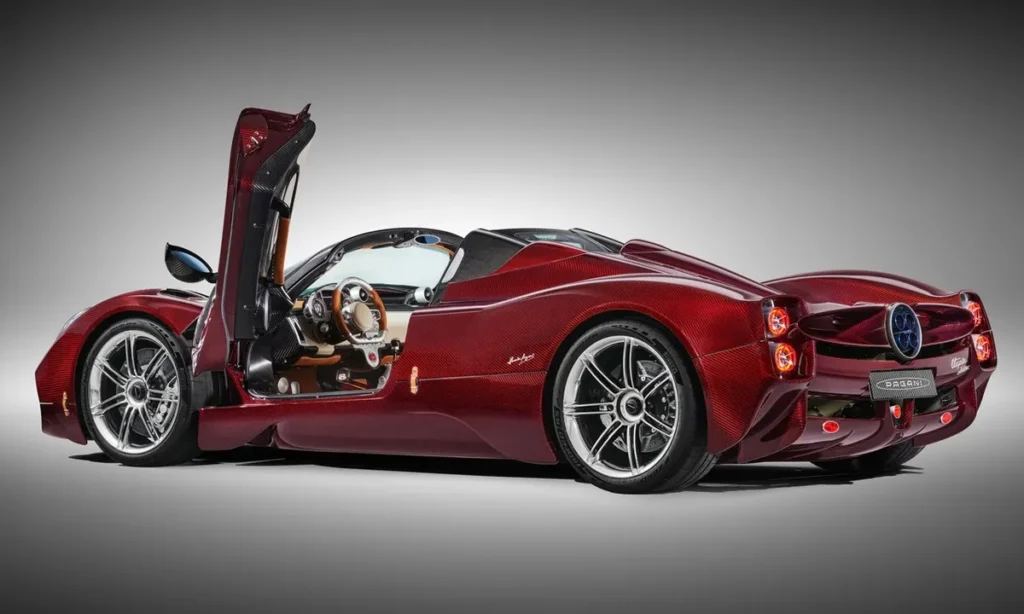
The Pagani Utopia stands as one of the last true analog hypercars — a creation that defies trends and celebrates the purity of driving.
It combines the elegance of fine art with the precision of aerospace engineering. Its V12 engine roars with passion, its manual gearbox connects you directly to the machine, and its design transcends time.
The Utopia isn’t just another hypercar. It’s a philosophy on wheels — an automotive utopia made real by Horacio Pagani’s unrelenting pursuit of beauty, function, and soul.
For those fortunate enough to experience it, the Utopia isn’t transportation — it’s transformation.
Read: Pagani Huayra R Evo Roadster: The Ultimate 900-HP Track Sculpture
Frequently Asked Questions (FAQ)
Q1: What engine does the Pagani Utopia use?
It’s powered by a 6.0L twin-turbocharged V12 developed by Mercedes-AMG exclusively for Pagani.
Q2: Is the Utopia hybrid or electric?
No. The Utopia is purely combustion-powered — no hybrid or electric assistance.
Q3: How much does it cost?
Starting price is around €2.5 million (approx. $2.7 million USD).
Q4: How many Utopias will be made?
Production is limited to 99 coupés and 130 roadsters.
Q5: Does it come with a manual transmission?
Yes — it offers both a 7-speed manual and a 7-speed automated manual (AMT).