2026 Hyundai Nexo: 826 KM Hydrogen SUV Rewrites the Future
As the automotive industry accelerates toward an electric future, most manufacturers have placed their bets on battery-electric vehicles. But Hyundai has chosen a bolder, cleaner, and more futuristic path — hydrogen power. The 2026 Hyundai Nexo stands at the forefront of this movement, proving that hydrogen fuel-cell vehicles (FCEVs) can be just as capable, luxurious, and practical as their electric or gasoline counterparts.
More than a car, the Nexo represents a vision — Hyundai’s vision of sustainable mobility beyond batteries. With a complete redesign, enhanced performance, and record-breaking efficiency, the 2026 Nexo isn’t just the next step for hydrogen technology — it’s the leap forward the world has been waiting for.
Gallery: 2026 Hyundai Nexo
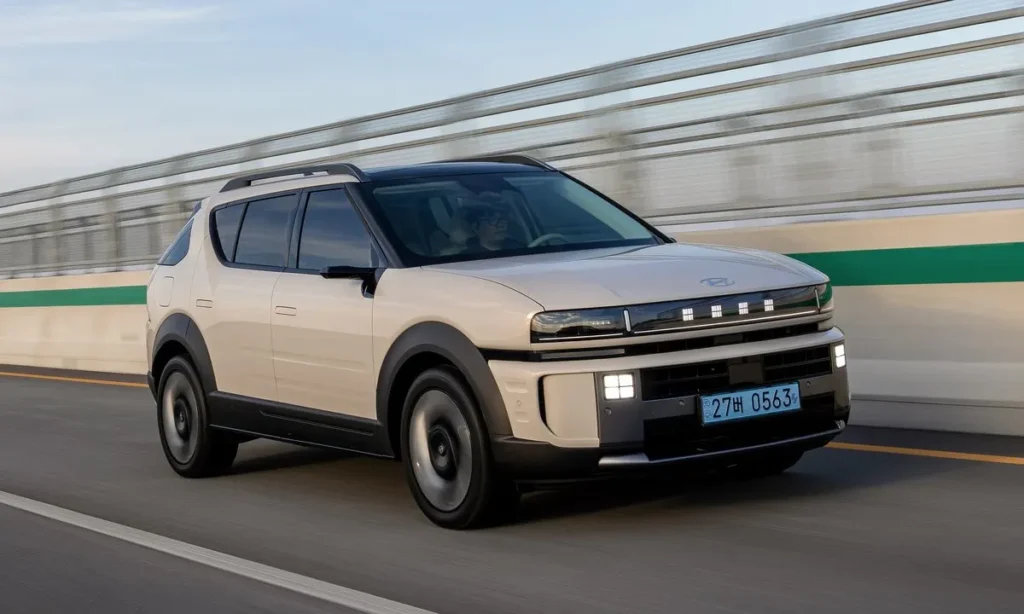
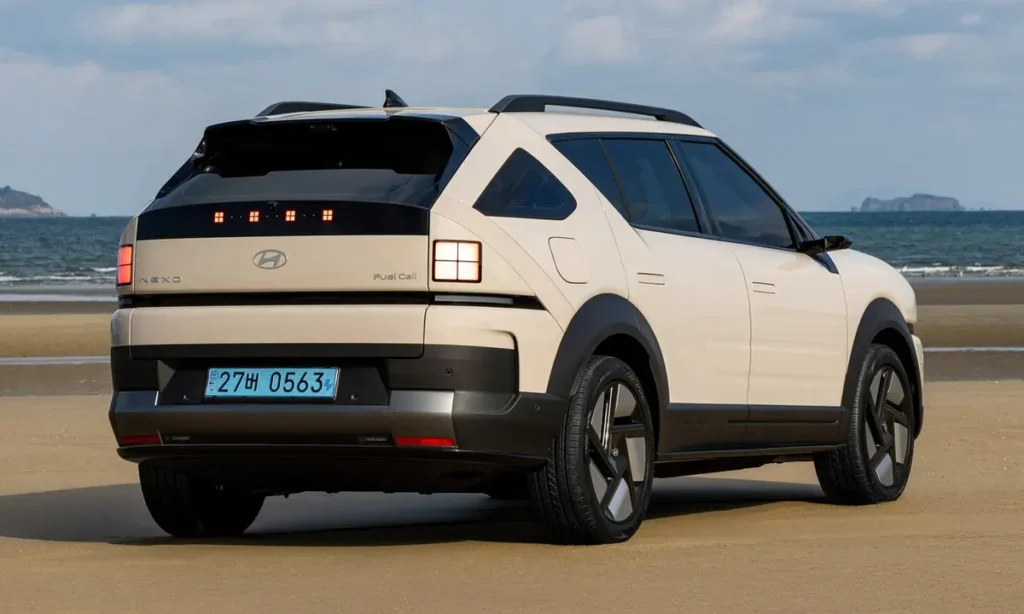
A New Chapter in Hyundai’s Hydrogen Story
When Hyundai launched the first-generation Nexo in 2018, it was one of the earliest hydrogen-powered SUVs available to the public. Fast forward to 2026, and the all-new Nexo takes everything Hyundai learned from its predecessors and amplifies it — more power, more range, faster refueling, and a design language that screams futuristic sophistication.
Hyundai’s vision has always been clear: to make hydrogen as practical as petrol. With countries like South Korea, Germany, and Japan investing heavily in hydrogen infrastructure, the Nexo is arriving at just the right time. It’s not just a niche science experiment anymore — it’s a polished, premium vehicle ready for the mainstream.
Design: Sculpted by Innovation
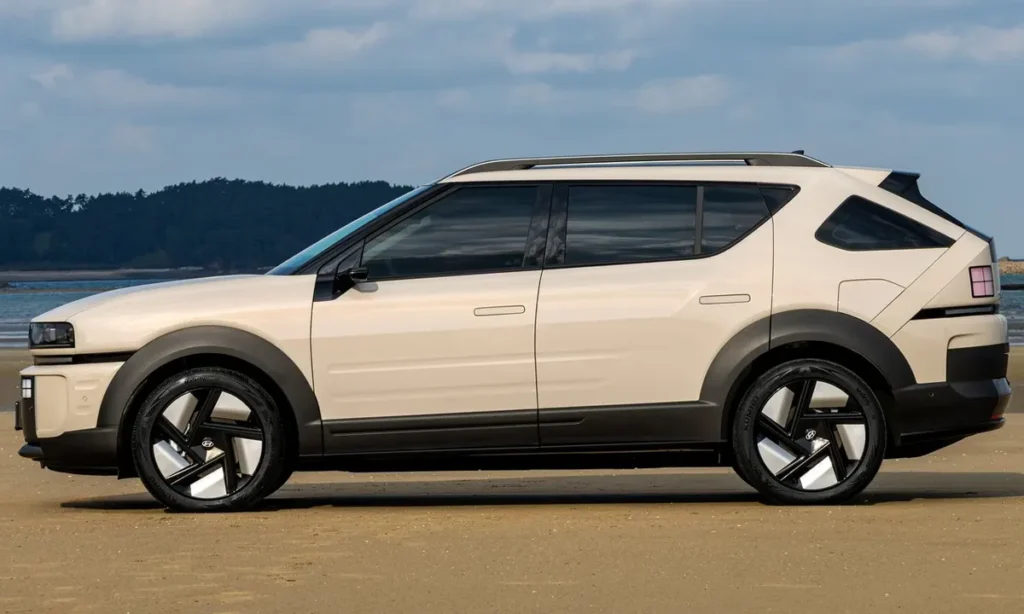
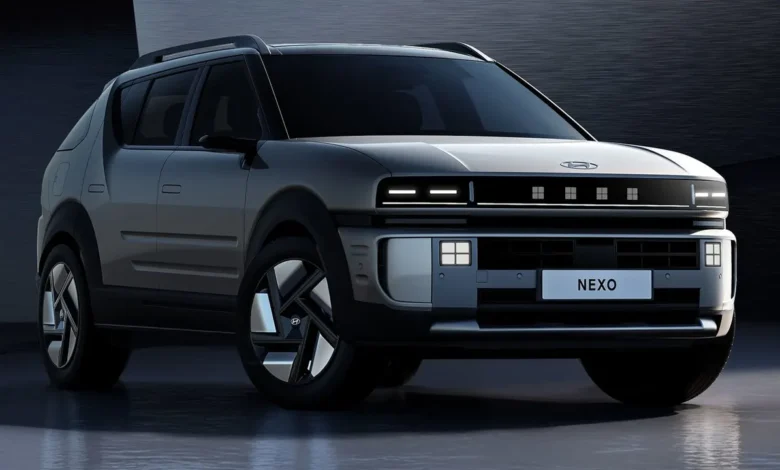
The 2026 Hyundai Nexo embodies Hyundai’s “Parametric Dynamics” design philosophy — a fusion of clean surfaces, technical precision, and aerodynamic efficiency. From every angle, it looks like a glimpse into the future of SUVs.
The front fascia features a seamless integration of LED headlights and an illuminated grille that gives it a distinctive identity. The grille design isn’t just for show — it channels air toward the hydrogen stack and battery system for cooling efficiency. Sleek, vertical DRLs run along the edges, emphasizing the car’s width and futuristic character.
The silhouette is smooth, with a coupe-like roofline and flush door handles that enhance aerodynamics. At the rear, a full-width LED light bar and a sculpted bumper complete the minimalist, tech-inspired design. Even the wheels are designed with aerodynamics in mind, reducing drag and improving efficiency.
The result? A design that’s equal parts science fiction and real-world engineering. The Nexo doesn’t shout for attention — it earns it quietly, confidently, and cleanly.
Interior: The Cabin of Tomorrow
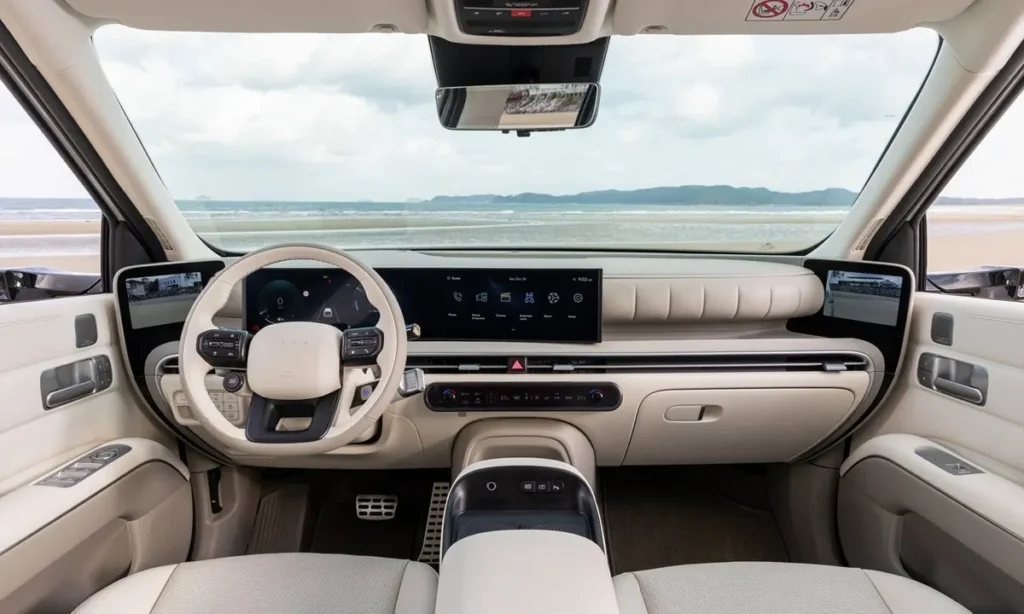
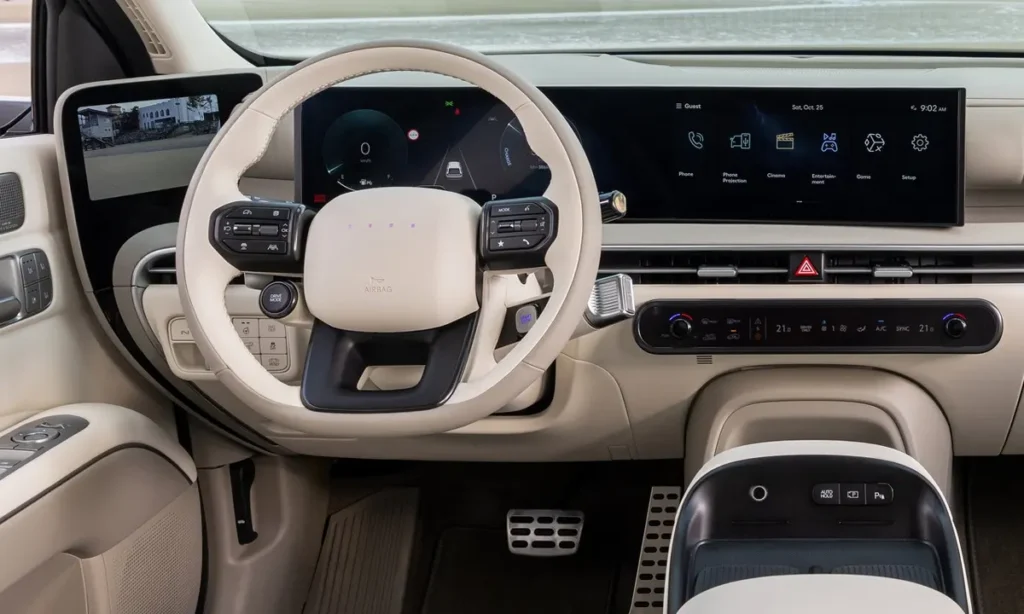
Step inside the 2026 Nexo, and you’re greeted by an atmosphere that blends sustainability with serenity. Hyundai has transformed the cabin into a technological sanctuary, emphasizing clean lines, sustainable materials, and intuitive design.
The dashboard is dominated by a wide dual-screen display — a 12.3-inch digital instrument cluster paired with a 14.5-inch infotainment touchscreen. The center console flows seamlessly into the dashboard, eliminating clutter and emphasizing openness.
Every material used has a purpose. Hyundai has incorporated eco-friendly materials like plant-based bio-plastics, vegan leather, and recycled textiles — aligning the interior’s sustainability with the car’s hydrogen mission. Ambient LED lighting adds a calming aura, while the panoramic sunroof floods the cabin with natural light.
The seats are both supportive and comfortable, offering heating, ventilation, and even massaging options on higher trims. The Mega Storage layout allows generous legroom and cargo flexibility — with a boot capacity of over 510 liters and up to 1,600 liters with the seats folded.
For passengers, the Nexo feels like a luxury SUV. For the driver, it feels like the cockpit of the future.
Powertrain: Clean Power, Powerful Performance
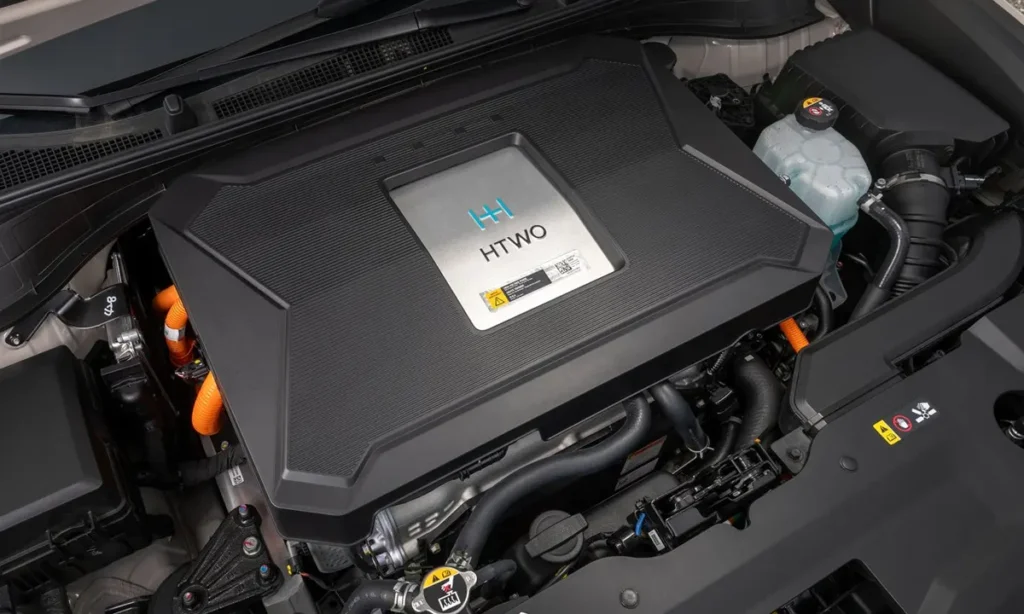
The heart of the 2026 Hyundai Nexo lies in its next-generation hydrogen fuel-cell powertrain — a technological masterpiece that combines performance with zero emissions.
The system consists of three hydrogen tanks, a fuel-cell stack, and an electric motor. The fuel-cell stack converts hydrogen and oxygen into electricity, which powers the motor and recharges the small onboard lithium-ion battery. The only byproduct? Water vapor.
Performance Figures:
- Electric Motor Output: 190 kW (258 horsepower)
- Torque: 400 Nm (295 lb-ft)
- 0–100 km/h (0–62 mph): 7.8 seconds
- Top Speed: 180 km/h (112 mph)
- Hydrogen Refueling Time: 5 minutes
- Range (WLTP): Up to 826 km (513 miles)
Hyundai’s engineers have refined the system for better efficiency and higher performance. The 2026 model offers 13% greater hydrogen storage capacity and 10% improved energy density in the fuel-cell stack compared to the previous generation.
On the road, the Nexo delivers smooth, linear acceleration with the effortless silence typical of electric vehicles. It feels confident and composed, whether navigating city streets or cruising long highways. The instant torque and whisper-quiet operation make every journey calm yet confident — a true hallmark of advanced mobility.
Range and Refueling: The Hydrogen Advantage
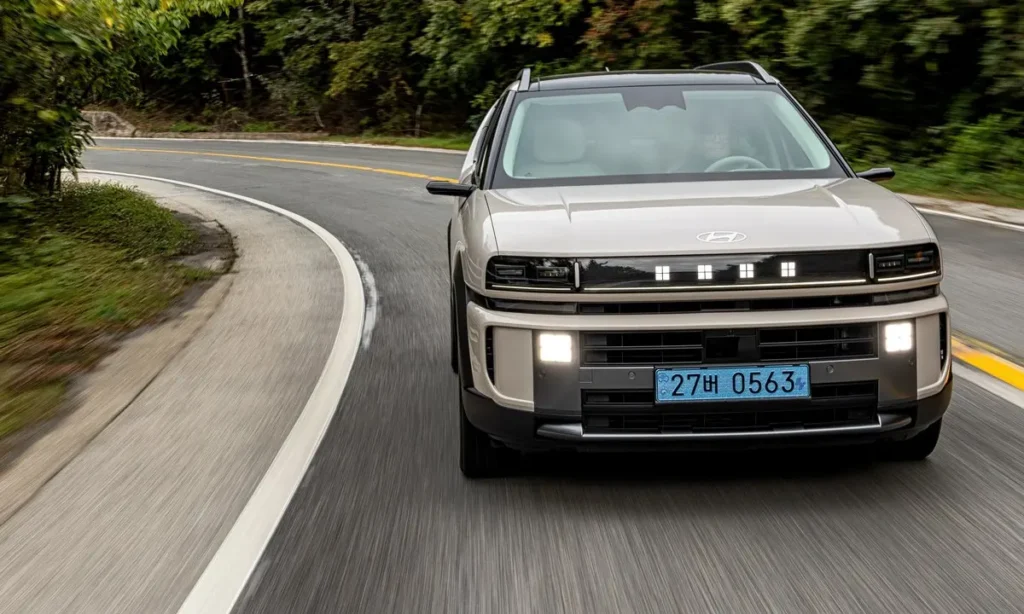
Range anxiety is one of the biggest concerns for EV owners — but not for Nexo drivers. With an impressive range of 826 kilometers (513 miles), the 2026 Nexo can outdistance most battery-electric vehicles on the market today.
And when it’s time to refuel, there’s no waiting for hours. Thanks to hydrogen technology, the Nexo’s three carbon-fiber tanks can be refilled in just five minutes — roughly the same time it takes to fill a gasoline SUV.
This combination of long range and quick refueling makes the Nexo the perfect bridge between traditional combustion vehicles and the all-electric future. For fleet owners, long-distance drivers, or environmentally conscious families, it offers the best of both worlds — zero emissions without compromise.
Driving Experience: Quiet Power and Confidence
Behind the wheel, the 2026 Hyundai Nexo feels remarkably composed and refined. Its chassis has been re-engineered with lightweight aluminum components and improved structural rigidity. The result is a smoother ride and more precise handling.
The low center of gravity, courtesy of the battery and hydrogen tanks being mounted under the floor, provides excellent stability through corners. The electric steering is light yet accurate, making city driving effortless.
Sound insulation is superb — with road, wind, and drivetrain noise virtually eliminated. The cabin remains whisper-quiet even at highway speeds, creating a sense of serenity rarely found in SUVs.
Hyundai has also fine-tuned its regenerative braking system, allowing drivers to adjust the braking intensity through paddle shifters — similar to electric vehicles. This not only improves control but also enhances efficiency by recovering energy during deceleration.
Safety and Technology
The 2026 Nexo is equipped with Hyundai SmartSense, the brand’s comprehensive suite of driver-assistance technologies.
Features include:
- Adaptive Cruise Control with Stop & Go
- Lane Following Assist
- Highway Driving Assist 2 (semi-autonomous driving capability)
- Forward Collision-Avoidance Assist
- Blind Spot View Monitor
- Parking Collision-Avoidance Assist
- Remote Smart Parking (allowing the Nexo to park itself)
The Nexo also supports over-the-air (OTA) updates, ensuring that safety and infotainment systems stay up to date long after purchase.
In addition, Hyundai integrates Vehicle-to-Load (V2L) capability — allowing owners to power external devices like laptops, camping equipment, or even charge another EV using the Nexo’s hydrogen power.
Sustainability Beyond the Drive
Hyundai’s commitment to sustainability goes beyond the vehicle itself. The 2026 Nexo is manufactured in facilities powered by renewable energy and designed to minimize waste throughout production.
Each component — from the hydrogen tanks to the upholstery — is created with recyclability and longevity in mind. The Nexo’s hydrogen system is built to last over 10 years or 160,000 kilometers before needing major servicing, further reducing its environmental impact.
Hyundai has also announced plans to make its entire hydrogen ecosystem carbon-neutral by 2035, with the Nexo serving as a cornerstone in that strategy.
Market Outlook and Competition
While the global EV market continues to grow rapidly, hydrogen technology is gaining traction — particularly in Asia and Europe. The 2026 Hyundai Nexo will first be available in South Korea, Germany, and select European markets, with expansion into North America and Australia expected by 2026–2027.
Its main competitors include the Toyota Mirai, Honda CR-V FCEV, and emerging hydrogen SUVs from brands like BMW and Renault. However, Hyundai’s proven experience in fuel-cell technology gives it a clear edge.
The biggest challenge remains infrastructure. While hydrogen stations are expanding, they are still limited in number. Yet, with global governments investing in clean energy networks, Hyundai’s long-term bet on hydrogen seems strategically sound.
In markets like India, the Nexo could play a crucial role in pilot hydrogen programs, corporate fleets, and government sustainability initiatives.
Final Verdict: A Glimpse Into the Future
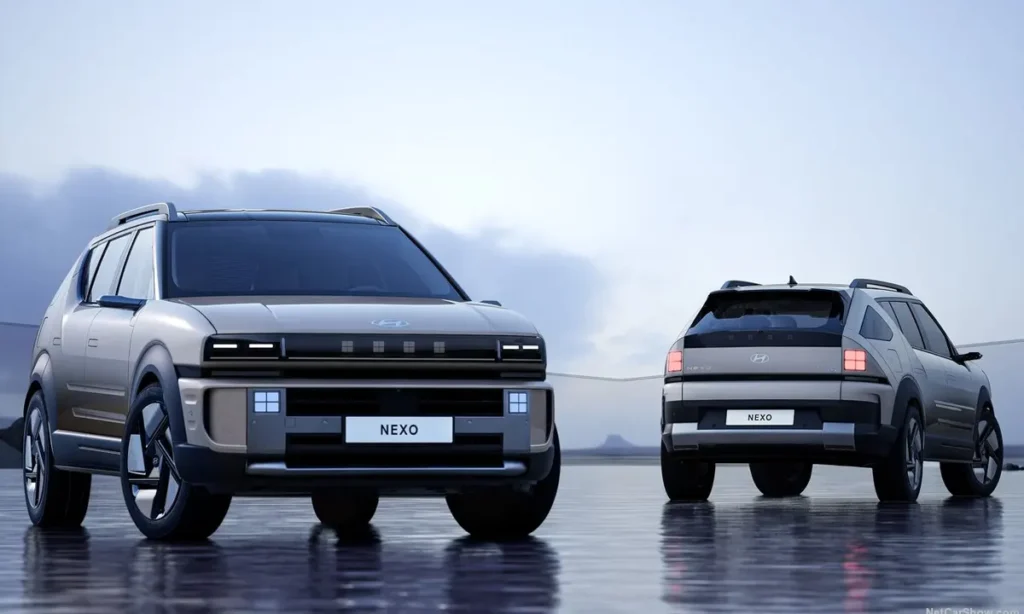
The 2026 Hyundai Nexo isn’t just a car — it’s a statement of what mobility can be. It proves that hydrogen isn’t a distant dream but a practical, powerful, and premium solution available today.
With a refined design, luxurious interior, remarkable 826 km range, and a refueling time of just five minutes, it solves many of the challenges that electric vehicles still face. It’s quiet, capable, eco-friendly, and future-proof.
For those living in regions with hydrogen infrastructure, the Nexo is arguably the most advanced zero-emission SUV money can buy. It delivers the convenience of gasoline, the efficiency of electric, and the conscience of sustainability — all in one beautifully engineered package.
The 2026 Nexo isn’t the future — it’s the present, reimagined.
Read: Toyota Corolla Concept: A Striking Glimpse into the Next-Generation Corolla
Frequently Asked Questions (FAQ)
Q1: What makes the 2026 Hyundai Nexo different from an electric car?
Unlike battery-electric vehicles, the Nexo uses hydrogen fuel cells to generate electricity, allowing for faster refueling and longer range.
Q2: How long does it take to refuel the Nexo?
It takes around five minutes to refill its hydrogen tanks — similar to refueling a gasoline car.
Q3: What is the range of the 2026 Nexo?
It offers up to 826 km (513 miles) of driving range on a full hydrogen tank.
Q4: Is the Nexo available in all countries?
Currently, it’s sold in regions with hydrogen refueling infrastructure, including South Korea, Germany, and parts of Europe.
Q5: How eco-friendly is the Nexo?
Extremely. The only emission is water vapor, and its materials and manufacturing process prioritize sustainability and recyclability.