Audi R26 Concept Unveiled: A Bold Vision of Audi’s Future Supercar
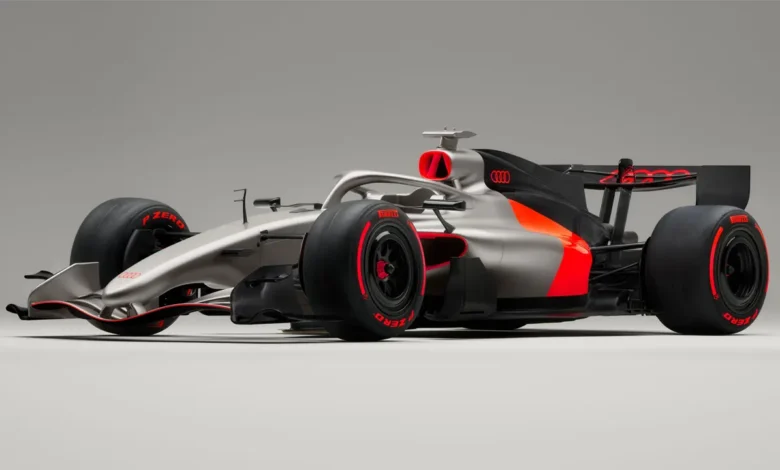
In the evolving landscape of high-performance automotive engineering, concept cars serve as powerful indicators of future design directions, technological goals and brand identity. The Audi R26 Concept stands as one of the most intriguing and imaginative design studies associated with Audi’s performance lineage. Although conceptual in nature, the R26 has generated widespread interest within enthusiast communities, design circles and future-focused automotive platforms due to its unique blend of engineering philosophy, avant-garde aesthetics and motorsport-inspired architecture. Positioning itself within a hypothetical space between the R8 supercar and Audi’s most advanced electric performance models, the R26 represents more than a simple styling exercise; it embodies Audi’s potential direction for integrating hybrid powertrains, lightweight materials and new aerodynamic principles.
While Audi’s contemporary performance lineup leans heavily on models such as the RS6 Avant, RS7 Sportback, RS e-tron GT and the now-legendary R8, the R26 Concept imagines what might happen if Audi were to combine its motorsport heritage with next-generation propulsion technologies. It explores possibilities for electrified high-performance drivetrains, track-ready architecture and sustainable materials without compromising on the brand’s core values of precision engineering and technological sophistication. This article dives deeply into the design language, engineering philosophy, performance expectations, interior environment, sustainability considerations, digital technology, driving dynamics and market positioning of the Audi R26 Concept, offering a rich and immersive narrative around one of the most compelling fictional concept platforms in the automotive sphere.
Gallery: Audi R26 Concept
Exterior Design Language and Aerodynamic Vision
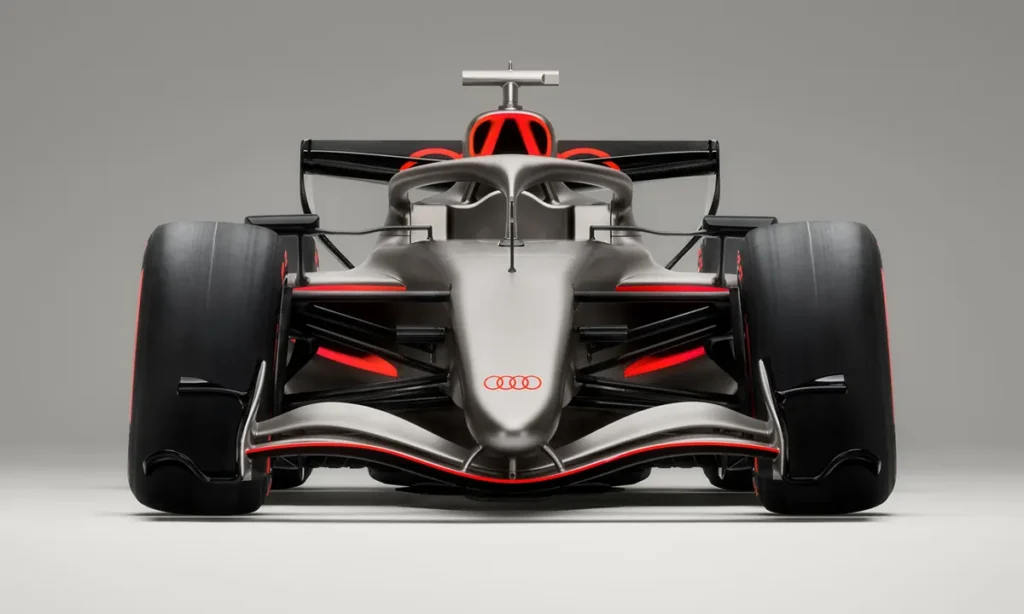
The exterior design of the Audi R26 Concept represents an evolutionary leap forward in Audi’s future design DNA. While the concept incorporates several recognisable Audi traits, such as the large Singleframe grille outline and sharp LED lighting signatures, the overall body sculpting pushes the boundaries of aerodynamic intelligence and futuristic aesthetics. The R26 Concept adopts an ultra-low stance, setting the tone for its track-focused nature. The elongated glasshouse tapers into a sleek teardrop shape, reducing drag and improving airflow around the cabin. The body panels appear carved by wind rather than drawn by traditional styling tools, resulting in a flowing, organic yet aggressive silhouette.
The front fascia is dominated by aerodynamic channels that guide airflow into central cooling modules and side-mounted radiators. The honeycomb textures and air-splitter geometry signal the high-performance intentions of the concept, while the adaptive LED matrix technology integrated into the headlights suggests future advancements in intelligent lighting systems. The sides of the R26 Concept reveal deep sculpted intakes that feed the engine bay and battery cooling systems, while the presence of active aero fins accentuates the functional design approach.
At the rear, a floating diffuser structure paired with a wide lightbar redefines Audi’s iconic lighting motif. The sculpted haunches and blade-like aerodynamic supports give the R26 Concept the appearance of a race-ready machine designed for both downforce and stability at high speeds. The use of carbon fibre, recycled composites and lightweight alloys further enhances the sense of technical mastery embedded in the concept’s exterior identity.
Chassis Engineering and Structural Framework
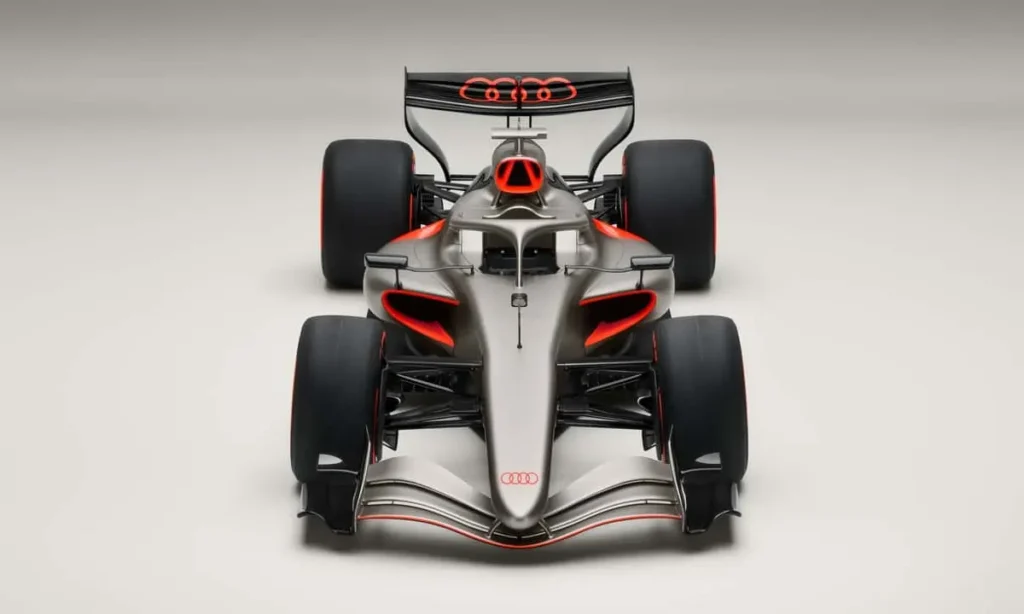
From a structural standpoint, the Audi R26 Concept embraces a combination of advanced materials and modular engineering. The chassis is envisioned as a carbon-fibre monocoque, a technology derived directly from motorsport disciplines such as endurance racing and Formula E. This monocoque provides significant torsional rigidity while reducing overall weight, enabling the R26 Concept to handle high loads, achieve sharper cornering response and maintain stability during aggressive driving.
In addition to carbon fibre, Audi’s engineers imagine the use of high-strength aluminium subframes, composite reinforcement beams and 3D-printed structural components that allow precision manufacturing while reducing material waste. These structural techniques are integral to the R26’s mission to fuse sustainability with peak performance. The suspension system is expected to incorporate active magnetorheological dampers, adaptive ride-height technology and multi-link geometry tuned for both track precision and everyday usability.
The R26 Concept also highlights Audi’s increasing focus on battery placement for hybrid-electric powertrains. Engineers envision a T-shaped battery pack integrated into the central spine of the chassis to maintain a low centre of gravity. This contributes to better weight distribution, improved agility and enhanced crash safety. The architecture serves as a foundation that future Audi performance platforms could adopt as electrification becomes ubiquitous in the industry.
Powertrain Philosophy and Performance Expectations

Although the Audi R26 Concept remains a design and engineering study, its proposed powertrain offers an exciting glimpse into Audi’s potential power strategy. The concept imagines a next-generation hybrid V6 or twin-turbocharged V8 paired with dual electric motors, resulting in an advanced all-wheel-drive system that combines the efficiency of electrification with the visceral excitement of internal combustion. The hybrid elements contribute instant torque delivery, while the petrol engine provides high-revving power and emotional auditory character.
The combined system output for the R26 Concept is envisioned to exceed 700 horsepower, placing it firmly within the realm of high-performance supercars. Electric motors positioned on the front axle allow precise torque vectoring for superior traction and cornering confidence. The petrol engine, mounted mid-ship, delivers weight optimisation and improved heat management. This hybrid configuration provides exceptional acceleration, rapid throttle response and sustained performance during track sessions.
The R26’s theoretical acceleration capabilities would likely challenge established benchmarks, with a projected 0–100 km/h time well below three seconds. A top speed surpassing 320 km/h would be feasible given the engine power, aerodynamic package and lightweight construction. Regenerative braking systems, high-efficiency battery cooling and advanced electronic control modules would manage the hybrid system seamlessly, ensuring optimal energy distribution and maximum driving engagement.
Interior Environment and Human-Machine Interaction
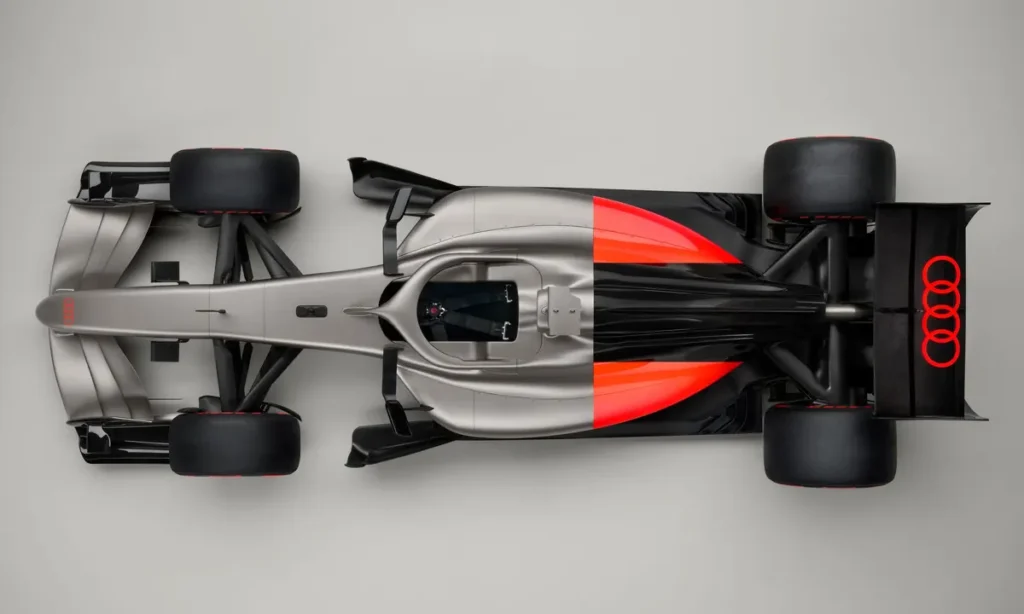
Inside, the Audi R26 Concept is imagined as a minimalist yet high-tech cockpit that accommodates advanced digital interfaces, racing-grade ergonomics and lightweight design. The interior integrates a blend of Alcantara, carbon fibre, recycled polymers and high-quality aluminium trim to create a futuristic yet purposeful environment. The driver-focused cockpit incorporates a narrow immersive display that stretches across the dash, providing real-time performance data, navigation overlays, driver-assist visuals and hybrid powertrain monitoring.
The steering wheel adopts an aviation-inspired rectangular shape, integrating haptic feedback surfaces, drive-mode toggles and digital touch points. The seats are designed as ultra-thin carbon-fibre shells with multi-layer padding that enhances comfort without sacrificing weight savings. The seating position is low and immersive, providing the driver with the sensation of being deeply embedded within the vehicle’s centre mass, reminiscent of motorsport seating geometry.
The R26 Concept imagines the use of augmented reality within the head-up display, projecting track lines, apex points, braking zones and performance telemetry directly onto the windshield. This transforms the driving experience into something more interactive, intuitive and visually dynamic. Audi’s signature MMI system evolves in the R26 Concept into a more compact, gesture-driven setup that prioritises distraction-free interaction.
Sustainability Principles and Material Innovation

In keeping with global trends and Audi’s own environmental mission, the R26 Concept envisions a high-performance platform that does not ignore ecological responsibility. The concept integrates recycled carbon fibre, plant-based polymers and lightweight alloys that reduce lifecycle emissions and minimise manufacturing waste. Electric powertrain components utilise energy-dense solid-state battery elements, providing improved efficiency and longevity over traditional lithium-ion systems.
The hybrid V6 or V8 engine makes use of sustainable fuels to reduce carbon output. In addition, Audi’s research into hydrogen-assisted combustion and electrified turbocharging is reflected in the R26 Concept’s projected engineering. Water-based paints, synthetic leather alternatives and energy-optimised climate systems contribute to a fully sustainable approach, making the R26 Concept not only a supercar of performance but also a vision of eco-conscious engineering.
Driving Dynamics and Handling Philosophy
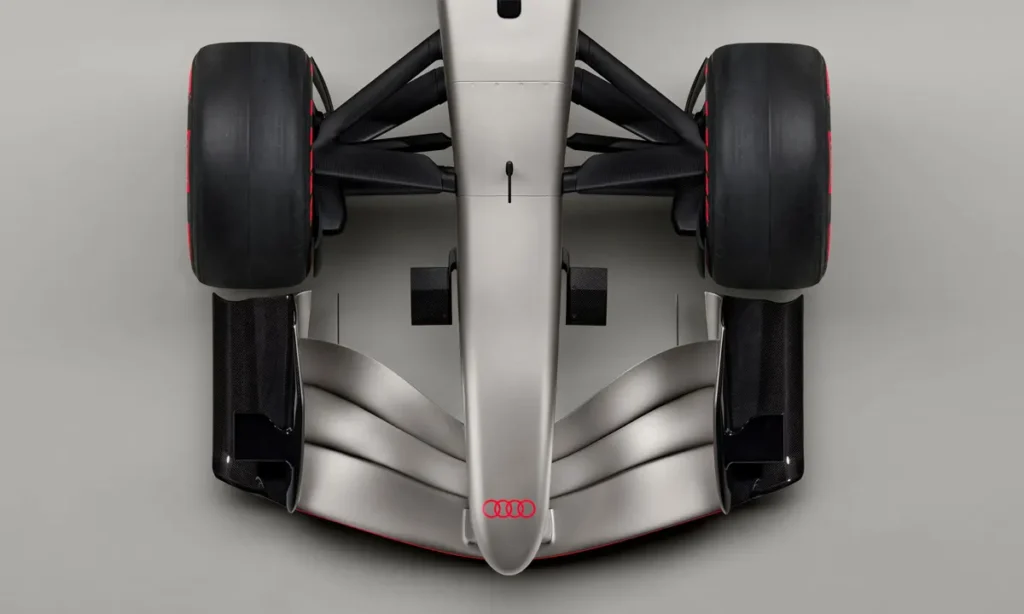
The Audi R26 Concept is envisioned to deliver a driving experience that blends raw mechanical performance with intelligent electronic control. Its all-wheel-drive hybrid system allows controlled power distribution across all four wheels, providing both stability and agility. During high-speed cornering, the active torque vectoring would direct power to the wheels that can utilise it most effectively, allowing razor-sharp handling and predictable grip.
The active aerodynamic systems are designed to adjust based on vehicle speed, braking intensity and cornering force. These include variable wings, automatically opening air ducts and flexible body elements that adapt to optimise downforce and minimise drag. This enhances not only high-speed performance but also braking stability and corner exit smoothness.
On the road, the suspension’s adaptive damping system delivers comfort in its relaxed modes, while transforming into a rigid, track-ready setup in dynamic modes. Electric-assist steering provides precision without artificial heaviness, and the hybrid system’s instant torque makes acceleration both thrilling and efficient. Whether carving mountain roads or navigating tight circuit sections, the R26 Concept embodies the dual-purpose ethos of Audi’s most capable performance vehicles.
Market Positioning and Strategic Significance
Although the Audi R26 Concept does not exist beyond speculative design, the philosophical significance of such a model is substantial for the Audi brand. As high-performance markets diversify and electrification reshapes consumer expectations, the R26 Concept demonstrates how Audi could blend heritage with innovation. Positioned hypothetically between the R8 and the RS e-tron GT, it would compete with hybrid supercars from McLaren, Ferrari and Porsche.
Its emphasis on hybridization rather than full electrification suggests an engineering philosophy that values balanced performance as the industry gradually transitions toward full EV technology. The R26 Concept would attract driving enthusiasts who still desire the emotional resonance of combustion engines while appreciating the benefits of electrification. As a halo model, it would influence the design, technology and engineering strategies of future Audi RS and e-tron models.
Read: Pagani Huayra R Evo Roadster: The Ultimate 900-HP Track Sculpture
Conclusion
The Audi R26 Concept stands as a bold and forward-thinking representation of what the next generation of Audi performance vehicles could embody. Its combination of striking aerodynamics, hybrid powertrain innovation, lightweight engineering, immersive interior design and sustainability principles positions it as a visionary performance machine. While the R26 remains a conceptual exploration rather than a production commitment, it provides a captivating lens through which enthusiasts can view Audi’s potential trajectory as the brand balances tradition with modernity.
In essence, the Audi R26 Concept is more than a hypothetical supercar. It is a distilled expression of future performance engineering, a canvas for technological ambition and a symbol of Audi’s continuous pursuit of excellence in the ever-evolving world of mobility.
Audi R26 Concept – Specifications Chart (Conceptual)
| Category | Specification |
| Powertrain | Hybrid V6 or Twin-Turbo V8 + Dual Electric Motors |
| Combined Power Output | Estimated 700+ hp |
| Drivetrain Layout | All-Wheel Drive (Quattro Hybrid) |
| Chassis | Carbon-Fibre Monocoque + Aluminium Subframes |
| Battery System | Solid-State Hybrid Battery (Conceptual) |
| 0–100 km/h | Estimated < 3 seconds |
| Top Speed | Estimated 320+ km/h |
| Aerodynamics | Active Aero System with Adaptive Wings and Vents |
| Interior | AR Head-Up Display, Carbon Shell Seats, Gesture MMI |
| Sustainability | Recycled Composites, Eco-Friendly Polymers |