2026 Nissan Pathfinder: A Modern, Tech-Forward Evolution of Nissan’s SUV
The Nissan Pathfinder has long been one of the most recognisable nameplates in the global SUV landscape, evolving from a rugged body-on-frame off-roader into a refined, three-row family vehicle engineered for comfort, practicality and capability. As the automotive industry accelerates toward electrification, enhanced safety technology and advanced digital interfaces, the upcoming 2026 Nissan Pathfinder is positioned to mark a major step forward for the brand. It is expected to reinforce its reputation for dependability while introducing fresh engineering concepts and modern design strategies that reflect Nissan’s long-term platform evolution. With increased competition from Toyota, Honda, Hyundai, Ford and Jeep, the 2026 Pathfinder arrives at a time when the midsize SUV category demands innovation, efficiency and premium comfort more than ever.
The 2026 Pathfinder will likely build upon the strengths of its predecessor but introduce enhancements across powertrain performance, interior packaging, aerodynamics, safety technologies and infotainment systems. Nissan’s design direction in recent years has focused heavily on dynamic proportioning, greater material quality and intuitive driver-assist features, all of which are expected to carry forward into the new Pathfinder. As a three-row SUV that appeals to families, adventurers and commuters, the Pathfinder must deliver versatility without sacrificing refinement. This article takes a detailed look at the anticipated design language, mechanical characteristics, fuel efficiency improvements, technology upgrades, cabin enhancements, handling capabilities, off-road functionality and market positioning expected from the 2026 Nissan Pathfinder.
Gallery: 2026 Nissan Pathfinder
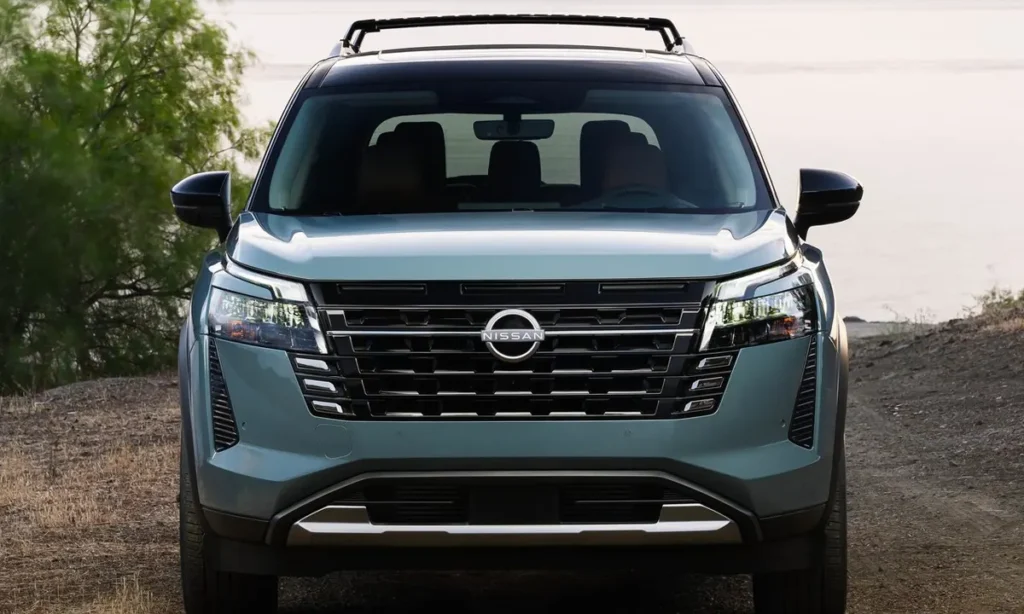
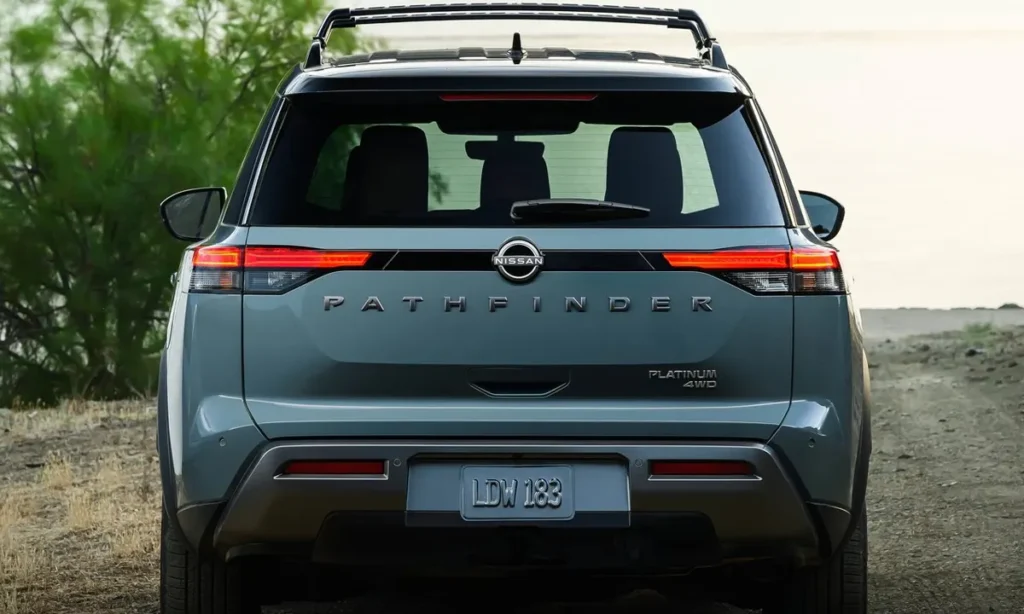
Exterior Design Evolution and Aerodynamic Refinement
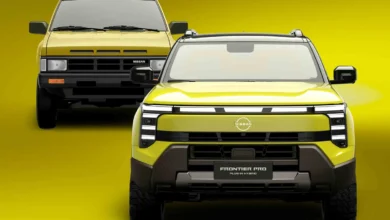
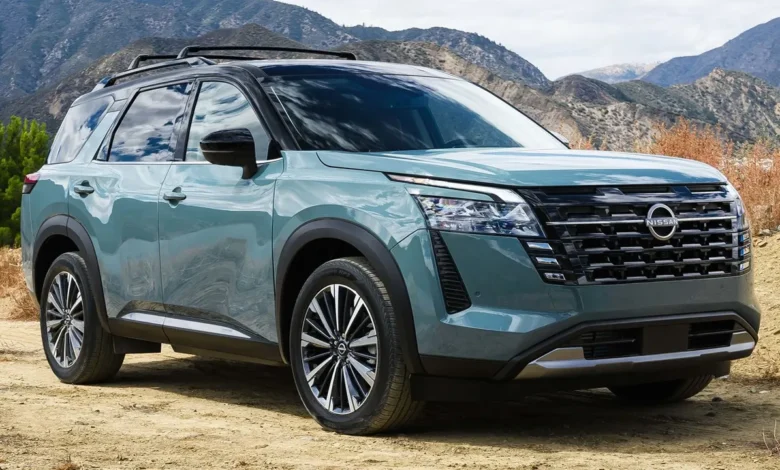
The 2026 Nissan Pathfinder is expected to embody a modernised exterior aesthetic that continues Nissan’s trend toward clean surfacing, sharper edges and athletic proportions. The previous model already embraced a more rugged stance compared to the curvier designs of earlier generations, and the new iteration will likely further this visual assertiveness. Nissan’s V-Motion grille design language, which has become a signature for the brand, is expected to appear in a more contemporary interpretation with a broader horizontal profile and slimmer LED headlights that extend toward the fenders. Integrated daytime running light signatures will provide a distinctive visual identity both during daylight and nighttime conditions.
Aerodynamics will play a substantial role in shaping the 2026 Pathfinder’s efficiency and noise-reduction efforts. Improvements such as active grille shutters, smoother underbody cladding and optimised roof contours are expected to reduce drag and contribute to quieter cabin acoustics. Wheelarch sculpting and body-panel contouring are also projected to enhance stability at highway speeds. The rear design may incorporate higher-mounted taillights, a more pronounced roof spoiler and reshaped tailgate surfaces engineered to streamline airflow. Functional details such as roof rails, tow hooks and potentially upgraded skid plates for off-road-oriented trims will give the Pathfinder both form and purpose.
Wheel options will likely range from 18-inch to 21-inch sizes depending on the variant, with premium trims receiving bolder wheel designs featuring aerodynamic channels and reduced rotational turbulence. The overall exterior identity of the 2026 Pathfinder is expected to be bold yet sophisticated, appealing equally to families seeking road presence and drivers wanting an SUV capable of mild off-road exploration.
Interior Design, Cabin Space and Material Quality
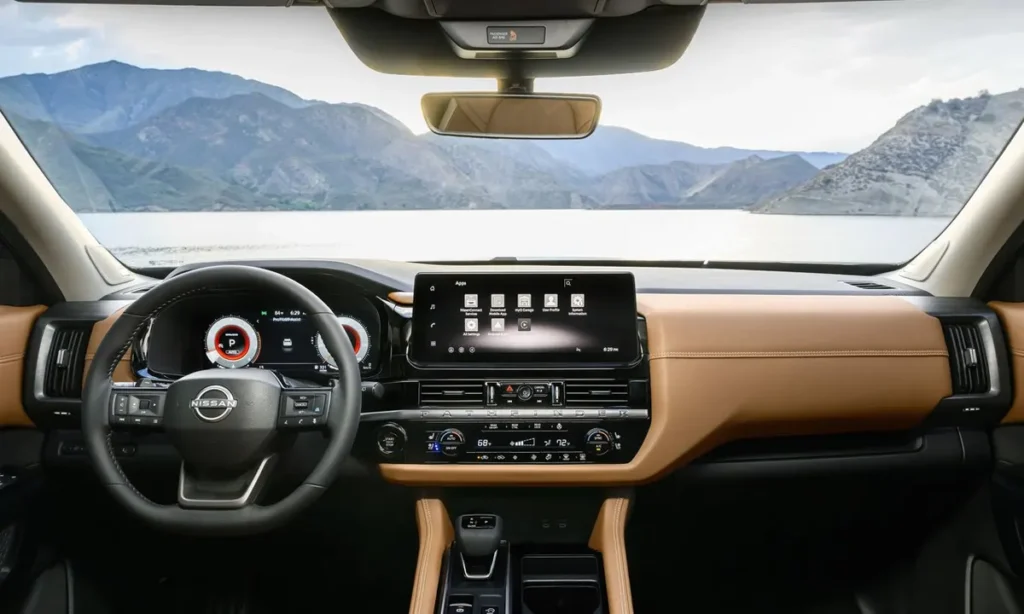
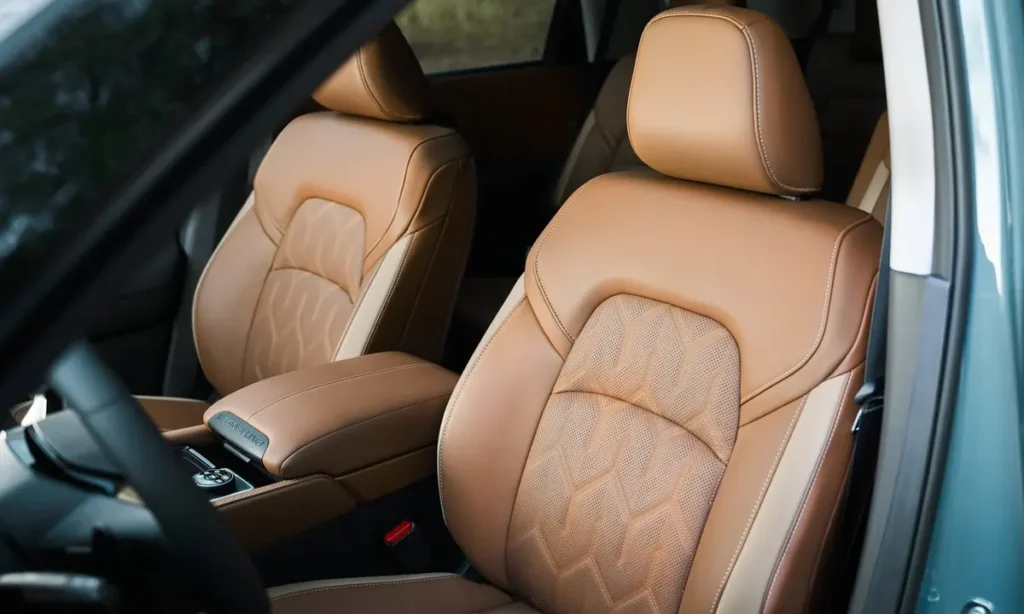
Inside the 2026 Nissan Pathfinder, significant refinements in material use, digital integration and overall ergonomics are anticipated. Nissan’s emphasis on premium interiors in recent models such as the Ariya and updated Rogue signals a broader shift toward elevating cabin environments across the portfolio. The Pathfinder’s interior will likely embrace a cleaner dashboard layout featuring a wider digital display, edge-to-edge infotainment integration and a centre console designed for enhanced practicality.
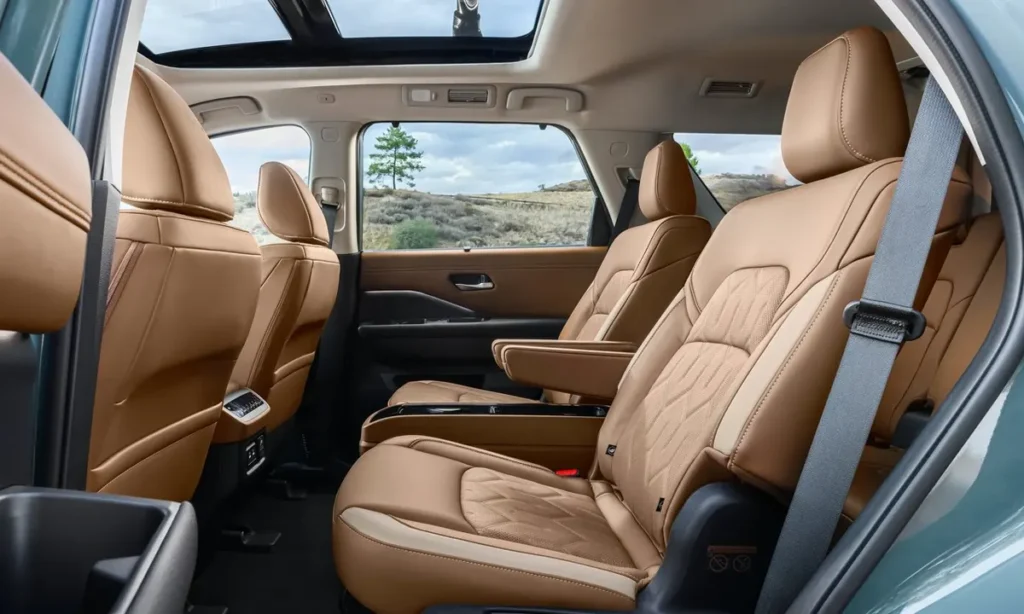
The new Pathfinder is expected to offer seating for seven or eight passengers depending on configuration. The second-row captain’s chairs, a popular feature in the outgoing model, will likely continue as an option for families seeking comfort and walk-through access to the third row. Improvements in seat cushioning, bolstering and material durability are expected to enhance long-distance comfort. Nissan may also integrate new sound-deadening materials within the doors, pillars and floor structure to provide a more luxurious acoustic environment.
The cabin will likely incorporate soft-touch surfaces, contrast stitching and upgraded trim finishes, such as brushed metal accents or wood-grain textures for higher trims. Ambient lighting may be expanded, offering customizable themes that enhance nighttime driving comfort. The third row, often a compromise in midsize SUVs, could receive additional headroom and footroom improvements due to reworked rear-suspension packaging and a more efficient cabin layout.
Cargo space is expected to remain competitive, with improved fold-flat capabilities and more intuitive seat-release mechanisms. Under-floor storage and updated load-space organisation tools will further enhance practicality. As families continue to demand vehicles that balance comfort with utility, the 2026 Pathfinder’s interior will be crucial to its success.
Infotainment, Connectivity and Digital Technology
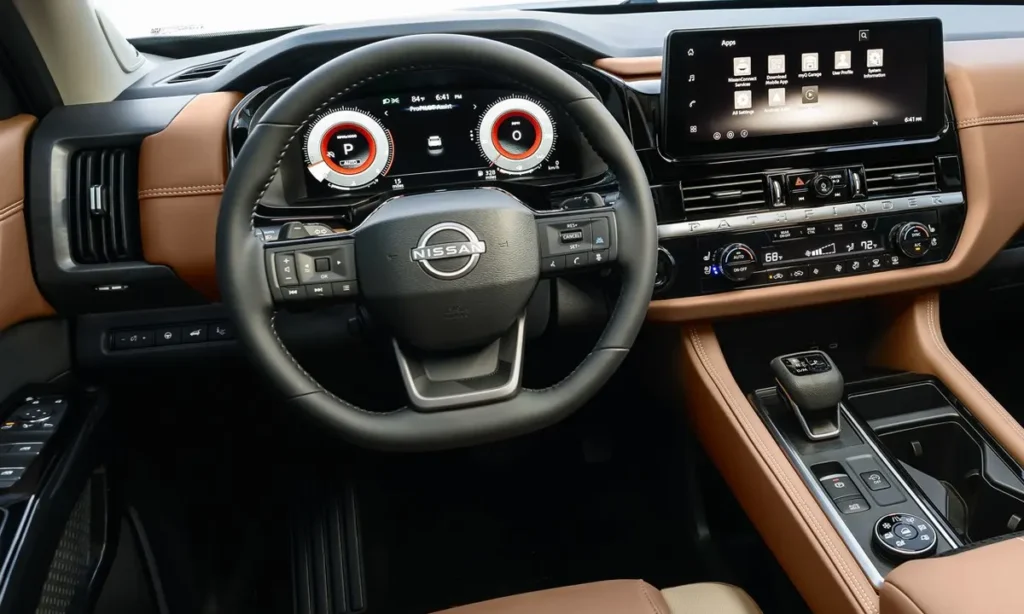
Nissan’s digital ecosystem has significantly evolved in recent years, and the 2026 Pathfinder will serve as a platform for the brand’s most advanced infotainment technologies. An expanded digital gauge cluster—potentially measuring up to 12.3 inches—will offer configurable layouts, navigation overlays and real-time driver-assist feedback. The central infotainment touchscreen is expected to increase in size, possibly reaching 14.5 inches in higher trims, running Nissan’s latest software architecture.
Wireless Apple CarPlay and Android Auto compatibility will likely come standard, along with wireless charging, Bluetooth multipoint connectivity and upgraded USB-C ports throughout all three rows. Premium trims may incorporate a high-fidelity Bose audio system with improved sound staging, subwoofer enhancements and cabin-specific equalisation tuning.
Advanced connectivity features such as integrated Amazon Alexa, Google-powered services, and over-the-air updates will help the Pathfinder remain future-ready. NissanConnect services may be upgraded to include remote start with climate control scheduling, vehicle health diagnostics, emergency assistance and cloud-linked navigation capable of forecasting traffic and weather in real time.
Digital safety technologies will expand significantly, with refined perception algorithms for pedestrian detection, lane guidance and collision avoidance. Nissan’s ProPILOT Assist 2.0 may be introduced with semi-autonomous lane-changing, adaptive cruise control with improved stop-and-go functionality and hands-off driving capabilities under certain highway conditions.
Powertrain Options, Electrification and Performance
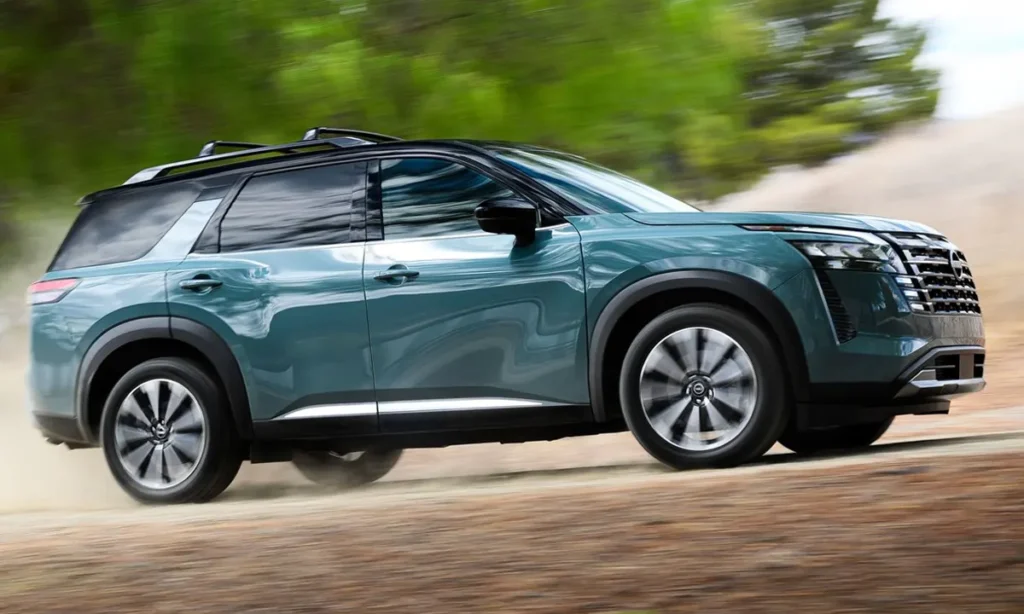
The 2026 Nissan Pathfinder is expected to build upon the outgoing model’s powertrain foundation but introduce electrification to improve fuel economy and performance. The existing 3.5-litre V6 is likely to continue as the core combustion engine but may be paired with a hybrid assistance system to increase torque delivery and reduce emissions. Nissan may implement technology similar to the e-POWER architecture seen in the Rogue and Qashqai, though adapted for a larger SUV platform.
A plug-in hybrid (PHEV) variant is also a strong possibility for 2026. This configuration would give Nissan an important competitive advantage as rival brands like Toyota, Hyundai and Jeep expand their electrified SUV offerings. A PHEV Pathfinder could deliver over 50 kilometres of electric-only range, suitable for daily commuting, while retaining strong towing capability.
Performance improvements will likely extend to the transmission system, with the nine-speed automatic transmission receiving software refinements for smoother shifting and quicker downshifts. All-wheel drive will remain an important part of the Pathfinder’s identity, with upgraded terrain-management modes tailored for off-road and inclement weather conditions. Towing capacity may increase beyond the current 6,000-pound benchmark depending on the hybrid system’s torque characteristics.
Nissan will focus on balancing efficiency and capability, ensuring the Pathfinder serves both eco-conscious buyers and families who require dependable power for camping, towing and recreational activities.
Ride Quality, Handling Characteristics and Off-Road Capability
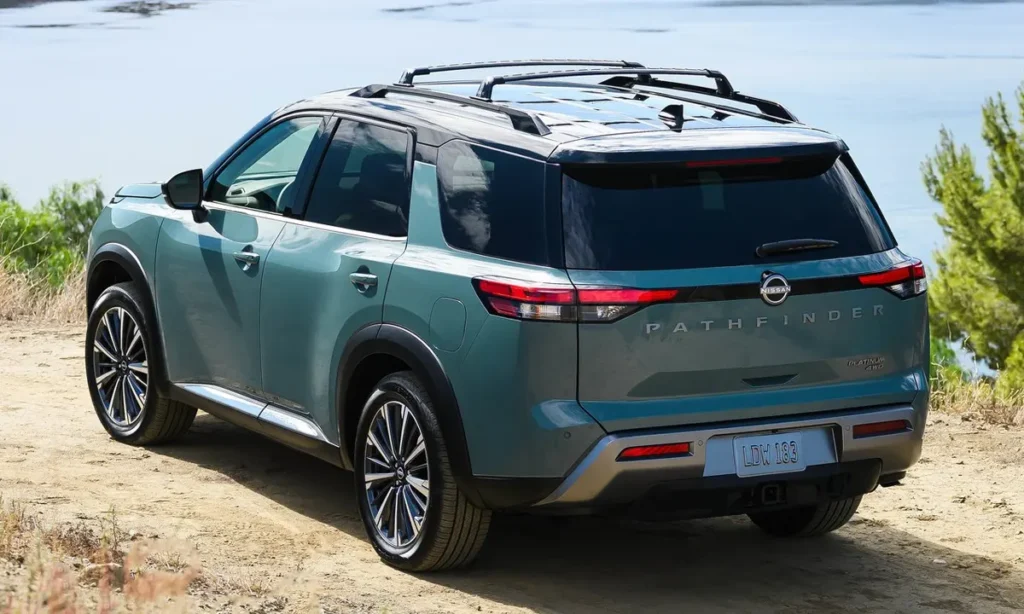
The 2026 Pathfinder’s chassis is expected to undergo stiffness improvements, revised suspension tuning and steering recalibration for better responsiveness. New adaptive damping systems may be introduced in upper trims, offering a wider range of ride settings. These enhancements will contribute to superior high-speed stability, reduced body roll and improved comfort during long journeys.
The Pathfinder’s off-road credibility will likely improve through enhanced AWD algorithms, hill-descent control refinements and specific drive modes for sand, mud, gravel and snow. Nissan could also integrate off-road camera views that assist drivers in navigating rough terrain. Ground clearance improvements and underbody protection will enhance the Pathfinder’s ability to tackle light to moderate off-road environments without compromising daily refinement.
Safety, Driver Assistance and Structural Improvements
In 2026, the Pathfinder is expected to introduce a stronger body structure built with more high-strength steel and better crumple-zone engineering. These enhancements will improve overall crashworthiness and reduce cabin intrusion in collision scenarios.
Nissan’s Safety Shield 360 suite will continue evolving, with improvements in automated emergency braking, blind-spot intervention, rear cross-traffic mitigation and lane-keeping assistance. More advanced sensors, higher-resolution radar mapping and multi-camera arrays will enable more accurate environmental interpretation, reducing false alerts while increasing effectiveness in complex driving conditions.
Enhanced parking assistance, 360-degree cameras with higher definition, automated parking and improved pedestrian safety systems will also feature prominently.
Market Positioning and Competitive Analysis
The midsize three-row SUV segment remains one of the most competitive in the automotive industry. The 2026 Pathfinder must contend with strong rivals such as the Toyota Highlander, Honda Pilot, Hyundai Palisade, Kia Telluride, Ford Explorer and Jeep Grand Cherokee L. Nissan’s challenge will be differentiating the Pathfinder through a combination of electrification, interior refinement, advanced safety technology and overall value.
The Pathfinder’s reputation for durability and long-distance comfort will remain key selling points. Nissan may also leverage attractive pricing structures, comprehensive warranties and strong dealer support to reinforce the model’s competitive position. As electrification becomes an expectation, not a luxury, the availability of a hybrid or plug-in hybrid Pathfinder will play a critical role in the model’s relevance.
Read: 2023 Audi RS Q8: The Super SUV That Redefines Luxury Power
Conclusion
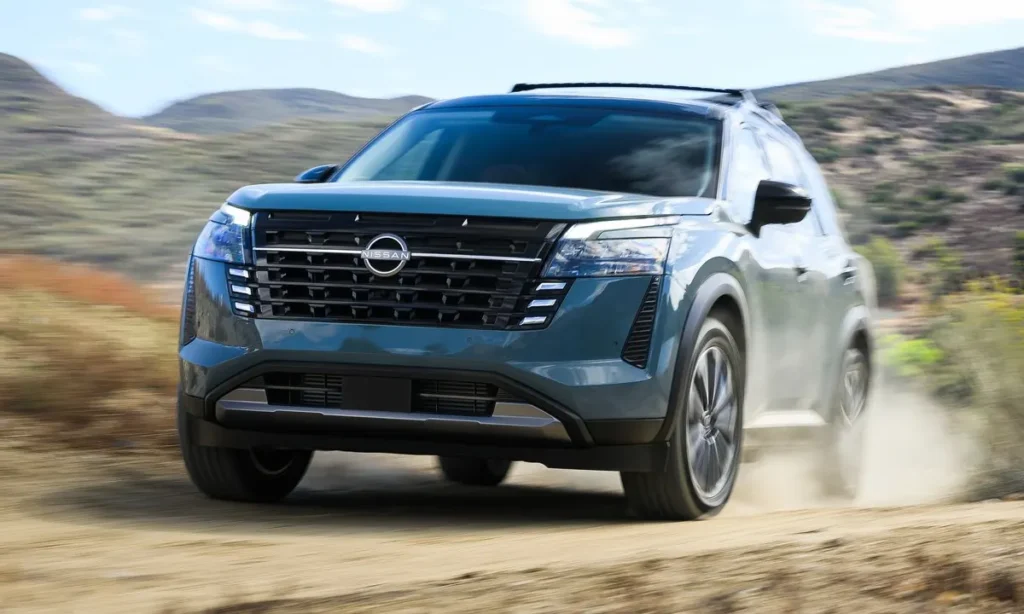
The 2026 Nissan Pathfinder represents an important evolutionary milestone for one of Nissan’s most enduring models. Blending refined design, modern technology, electrified powertrains and enhanced safety features, the newest Pathfinder aims to provide families with an elevated driving experience suited to modern lifestyles. Whether through improved efficiency, advanced infotainment, expanded digital driver assistance or enhanced comfort, the Pathfinder remains committed to delivering practicality and reliability. With an increasingly competitive midsize SUV market, Nissan’s approach to innovation will determine how successful the 2026 Pathfinder becomes in the years ahead. If early expectations are any indication, the model is poised to reinforce its legacy as a dependable, comfortable and technologically robust three-row SUV for a rapidly evolving automotive world.
2026 Nissan Pathfinder – Specifications Chart (Projected)
| Specification | Detail |
| Engine Options | 3.5-L V6 (revised), Hybrid & Possible PHEV |
| Transmission | 9-Speed Automatic |
| Drivetrain | FWD or AWD |
| Combined Power Output | 284–350 hp (estimated depending on hybrid system) |
| Electric-Only Range (PHEV) | Approx. 50–65 km (projected) |
| Fuel Economy | Improved by 10–20% over previous generation |
| 0–100 km/h | 6.5–7.5 seconds (estimated) |
| Seating Capacity | 7 or 8 passengers |
| Infotainment Display | 12–14.5 inches (variant-dependent) |
| Safety Suite | ProPILOT Assist 2.0, Safety Shield 360+ |
| Towing Capacity | Up to 6,000 lbs (expected) |
| Cargo Space | Improved with enhanced fold-flat seats |