Mitsubishi Elevance Concept: The Futuristic Electric SUV of Tomorrow
The Mitsubishi Elevance Concept represents one of the most dramatic and forward-thinking design statements ever produced by the Japanese manufacturer. As the global automotive market transitions toward electrified powertrains, enhanced digital ecosystems and multi-purpose mobility solutions, Mitsubishi finds itself in a strategic position to reinvent its identity. Historically known for rugged SUVs such as the Pajero, Montero, Outlander and Triton, along with its rally-bred Lancer Evolution lineage, Mitsubishi has long held a reputation for durability, dependable engineering and off-road capability. However, in recent years the company has shifted toward hybrid technology, efficient crossovers and practical family mobility. The Elevance Concept signals a return to boldness—an ambitious attempt to merge Mitsubishi’s heritage in adventure vehicles with a modern electrified design philosophy.
Unveiled as a future-forward mobility concept for the mid-2020s, the Elevance Concept explores the brand’s vision for a next-generation electric crossover that unites aerodynamic efficiency, rugged utility and advanced software integration. Mitsubishi intentionally combines styling cues from its historic off-roaders with futuristic sculpting influenced by aerospace and industrial architecture. The result is a concept vehicle that feels fresh, athletic and purposeful. The Elevance Concept is not merely a design study; rather, it is a technological platform previewing the brand’s upcoming electric models, including its EV-focused crossover lineup expected later in the decade.
Gallery: Mitsubishi Elevance Concept
The name “Elevance” symbolizes elevation, advancement and dynamic mobility. Mitsubishi envisioned a vehicle that adapts to urban environments as comfortably as it traverses demanding landscapes. Positioned as a mid-size electric SUV, the Elevance Concept is designed to offer long-range capability, sophisticated driver assistance, modular interior configurations and an intelligent AWD system built on Mitsubishi’s decades of 4×4 development expertise. It represents the company’s ambition to rise above its current crossover offerings and establish a stronger presence in the global electric adventure vehicle segment.
This extensive review examines the Mitsubishi Elevance Concept through multiple lenses—design philosophy, EV engineering, driving performance expectations, interior innovation, digital interface design, safety technologies, sustainability commitments and market positioning. As Mitsubishi prepares for its electric renaissance, the Elevance Concept provides a glimpse into the brand’s future.
Exterior Design: Where Aerodynamics Meet Adventure
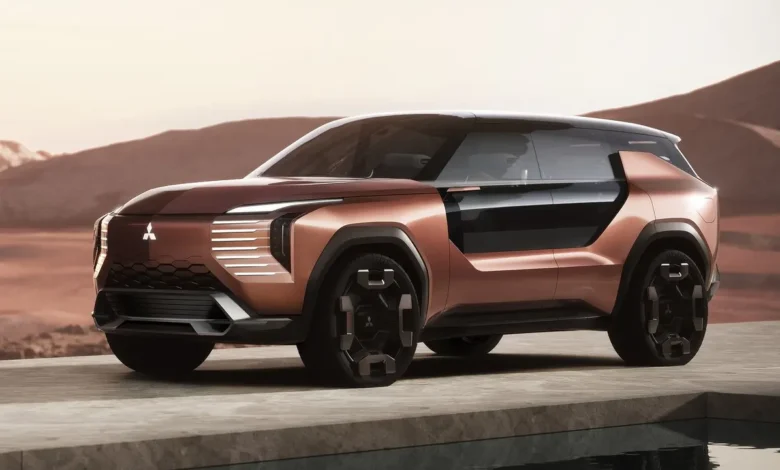
The exterior styling of the Mitsubishi Elevance Concept presents a dramatic evolution of the brand’s “Dynamic Shield” design language. The front fascia is sculpted with layered aerodynamic elements that maintain Mitsubishi’s signature shield motif while introducing sleek LED signatures that extend across the width of the vehicle. The grille is fully enclosed, as expected from a modern electric SUV, and the lighting bar is embedded within a crystalline housing that gives the concept a bold, futuristic identity. Large intakes beneath the lighting structure serve dual purposes: passive airflow management and cooling for the battery and electrical components.
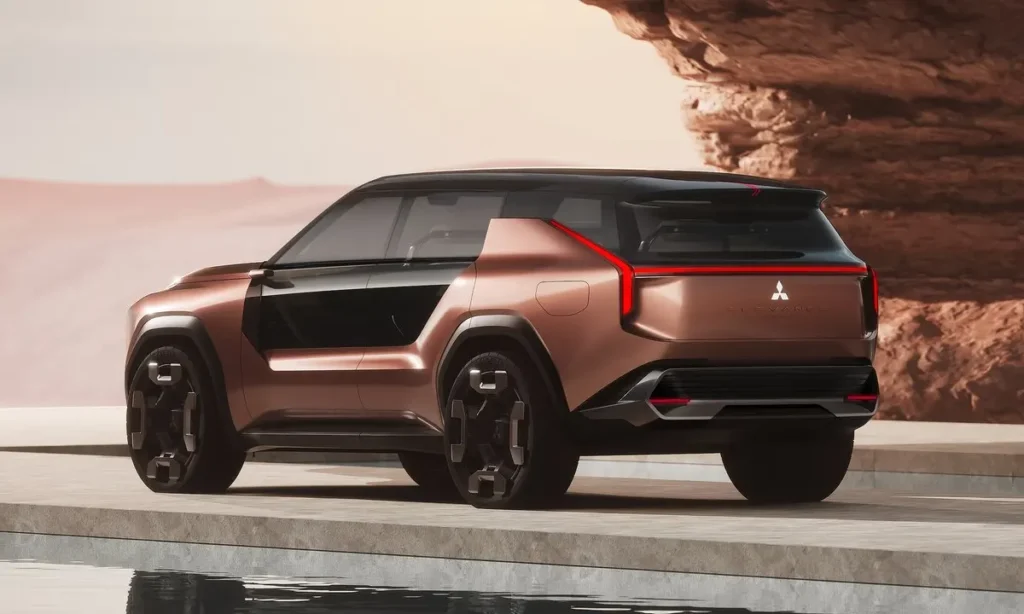
One of the defining traits of the Elevance Concept is the aerodynamic sculpting that flows from the front fenders along the side panels. Mitsubishi engineers integrated angular yet fluid body lines to reduce drag while preserving the muscular stance expected of an SUV. The side profile features a floating roof design, accentuated by blacked-out pillars and a sweeping greenhouse. The elevated beltline merges seamlessly into sculpted rear haunches, providing both visual strength and aerodynamic efficiency.
The Elevance Concept’s wheel arches are flared and reinforced, housing large, low-resistance all-terrain EV-optimized tires designed to operate both on pavement and rough surfaces. Mitsubishi hints that these wheels incorporate active aero vanes that adjust to cooling needs and vehicle speed, a feature commonly associated with high-efficiency EVs.
At the rear, the Elevance Concept showcases a cantilevered roof spoiler, full-width LED taillight blade, integrated recovery hooks and a sharply contoured bumper. The design communicates adventure-readiness while maintaining elegance and aerodynamic harmony. Mitsubishi’s approach is to fuse the practicality of an off-road SUV with the sleek future aesthetic required for its next generation of electric vehicles.
Electric Powertrain and Performance Engineering
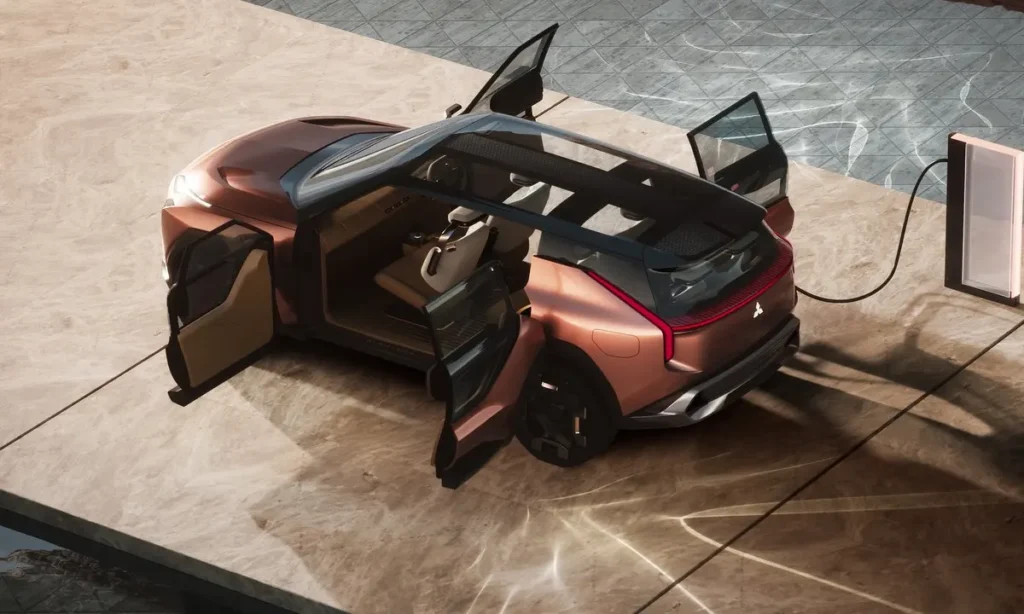
While the Elevance Concept is not yet a production-ready vehicle, Mitsubishi provides insight into its projected EV powertrain. Built around an advanced dual-motor electric configuration, the Elevance Concept incorporates Mitsubishi’s legendary Super All-Wheel Control (S-AWC) system adapted for electrification. Unlike conventional AWD systems, which rely on mechanical linkages, electric S-AWC uses dual motors—one on each axle—to achieve instantaneous torque vectoring and traction control. This allows the Elevance to deliver performance characteristics typically associated with sports crossovers, all while maintaining the surefooted stability of a rally-bred Mitsubishi.
Mitsubishi’s expected output for the Elevance Concept falls within the 300–350 horsepower range, with torque delivered instantly from zero RPM. The vehicle is engineered to accelerate quickly yet smoothly, optimizing efficiency rather than prioritizing raw performance metrics. The real highlight of the Elevance Concept is its range capability. Mitsubishi targets an estimated 450–500 kilometers of WLTP driving range, made possible through a high-density lithium-ion battery pack of approximately 85–90 kWh. Advanced thermal management ensures consistent performance across diverse climates, including extreme heat and cold—a hallmark of Mitsubishi’s engineering philosophy.
The Elevance Concept’s regenerative braking system delivers multiple user-selectable modes, ranging from light coasting to strong one-pedal driving. This capability improves range efficiency and provides greater control during off-road situations where slow, controlled descents are crucial. The vehicle also incorporates real-time terrain monitoring and adaptive torque management, enabling the Elevance Concept to distribute power intelligently depending on road conditions, elevation changes or surface grip.
Charging technology is designed to support high-power DC fast charging with 350 kW capability, allowing the Elevance to recover up to 80 percent charge in around 20 minutes. This positions the concept competitively within the next generation of EVs that prioritize quick energy replenishment and long-distance usability.
Chassis, Ride Quality and Off-Road Capability
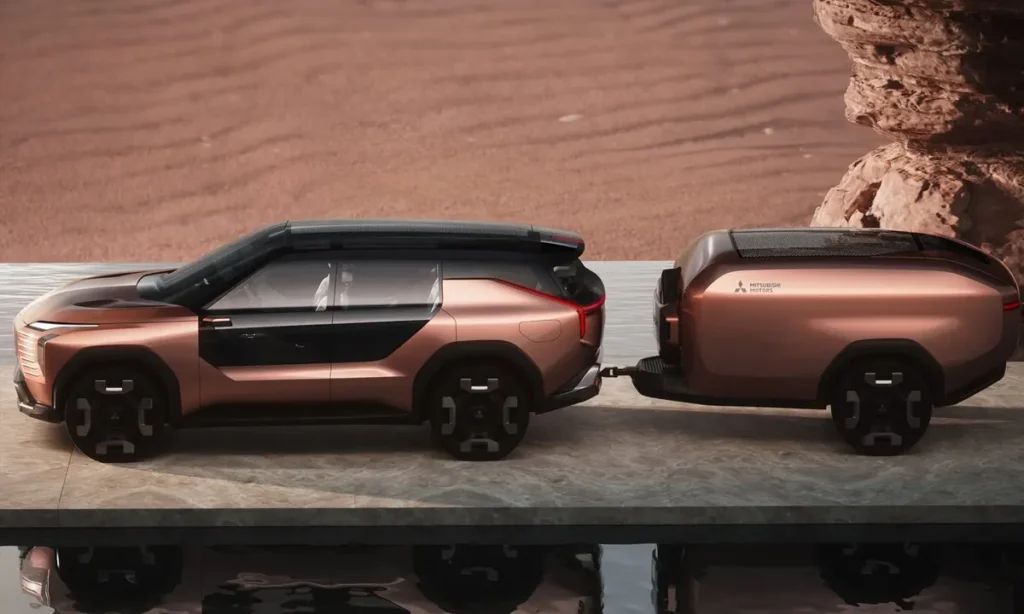
The Mitsubishi Elevance Concept builds upon the company’s history of robust 4WD architecture. The underbody design employs a reinforced skateboard chassis with integrated crash structures, battery shielding and optimized rigidity. This architecture improves body stiffness, enhances handling precision and protects vital components during off-road activity.
Mitsubishi equips the Elevance Concept with adaptive air suspension that can adjust ride height in real time. In standard driving situations, the suspension lowers the vehicle to enhance aerodynamic efficiency. During off-road use, the system raises ground clearance significantly, allowing the Elevance to tackle rough terrains such as rocky trails, deep ruts, sand dunes or snowy paths. The adaptive dampers adjust automatically through sensor-driven algorithms that monitor road vibrations, wheel slip and vertical motion.
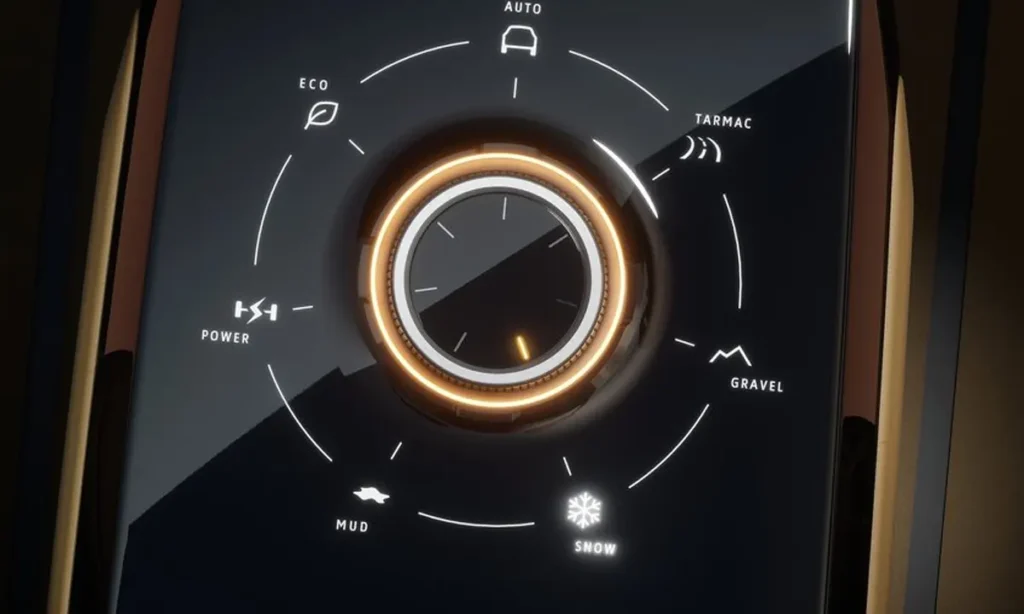
The S-AWC system, enhanced with electric torque vectoring, contributes to exceptional cornering stability. By distributing torque proactively, the Elevance Concept ensures balanced handling during dynamic driving while maintaining predictability and control on varying surfaces. Off-road drive modes include settings for mud, sand, gravel, snow and rock, each altering throttle response, torque distribution, suspension behavior and braking sensitivity. These modes highlight Mitsubishi’s enduring commitment to adventure-oriented vehicles even in the age of electrification.
Interior Architecture: A Fusion of Comfort, Technology and Modularity
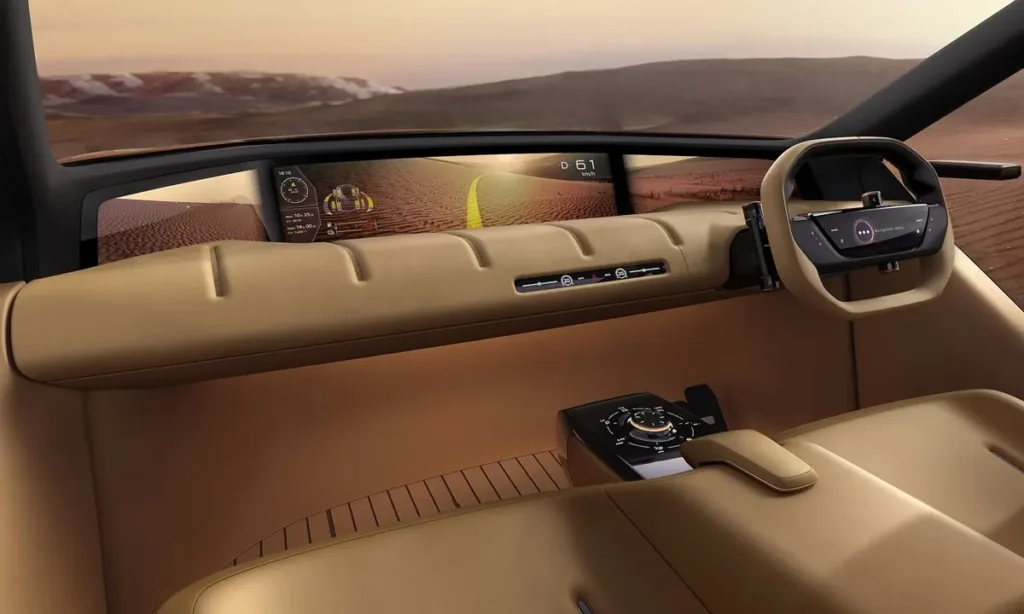
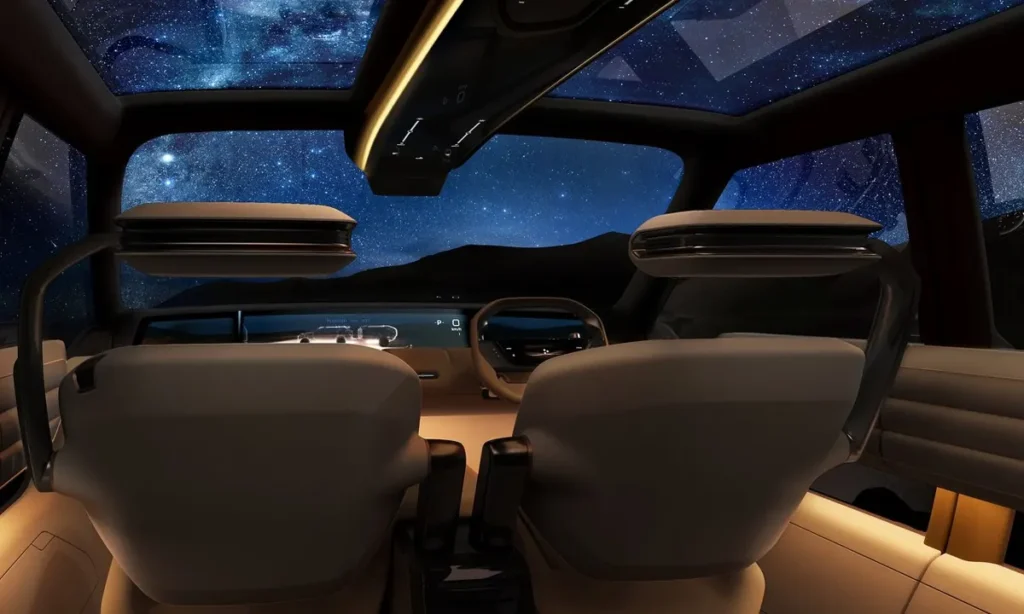
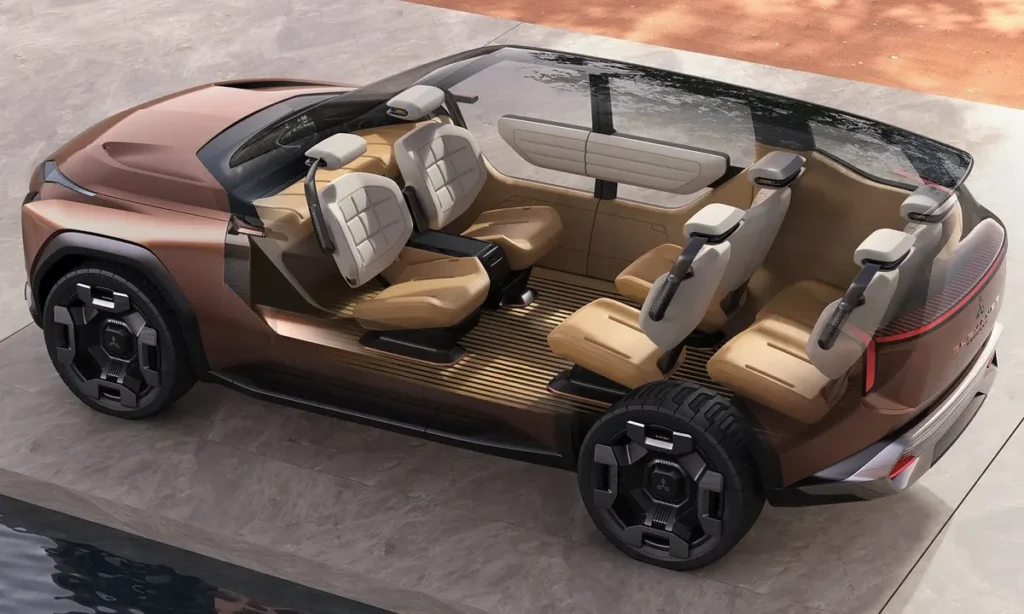
The interior of the Mitsubishi Elevance Concept embraces a futuristic ergonomic structure inspired by contemporary minimalism and advanced digital ecosystems. Mitsubishi reimagines its cockpit philosophy by integrating a panoramic curved display that extends from the driver’s side into the center console. This display functions as a primary interface for navigation, climate control, energy management and entertainment features. The user interface is customizable, featuring adaptive widgets, real-time EV metrics, smart routing algorithms and predictive energy consumption insights.
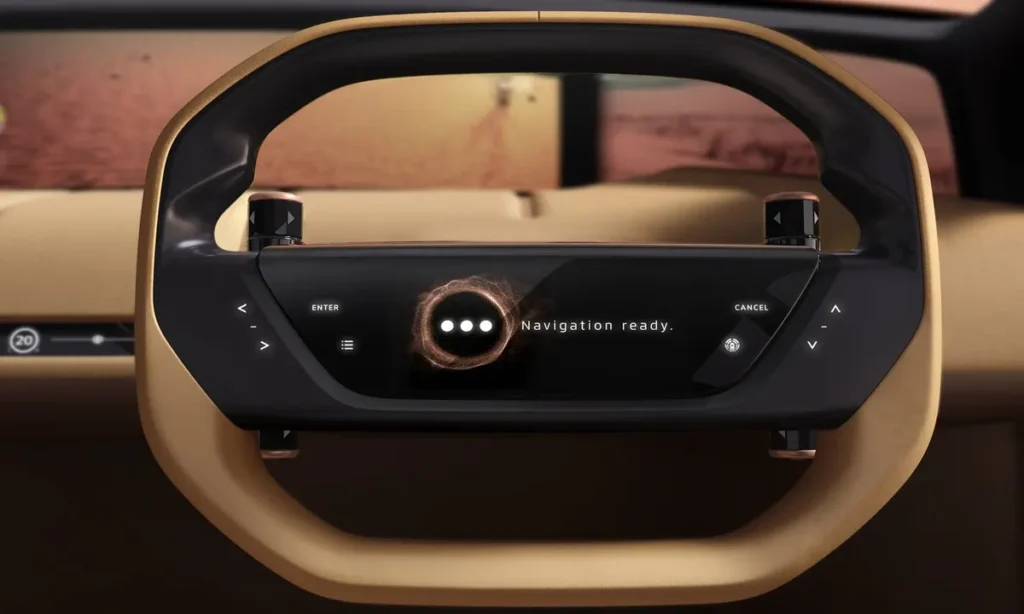
The steering module adopts Mitsubishi’s next-generation geometry, providing a compact shape that enhances visibility of the digital cluster. Haptic-touch elements replace many traditional physical buttons, creating a seamless and intuitive layout. Voice control, AI-driven personalization and gesture-based commands improve the overall user experience while reducing distraction.
The Elevance Concept’s cabin materials emphasize sustainability. Recycled fibers, bio-based polymers, vegan leather alternatives and responsibly sourced aluminum form the core of the interior architecture. Mitsubishi’s approach blends ecological responsibility with premium craftsmanship, delivering a cabin that feels both modern and environmentally conscious.
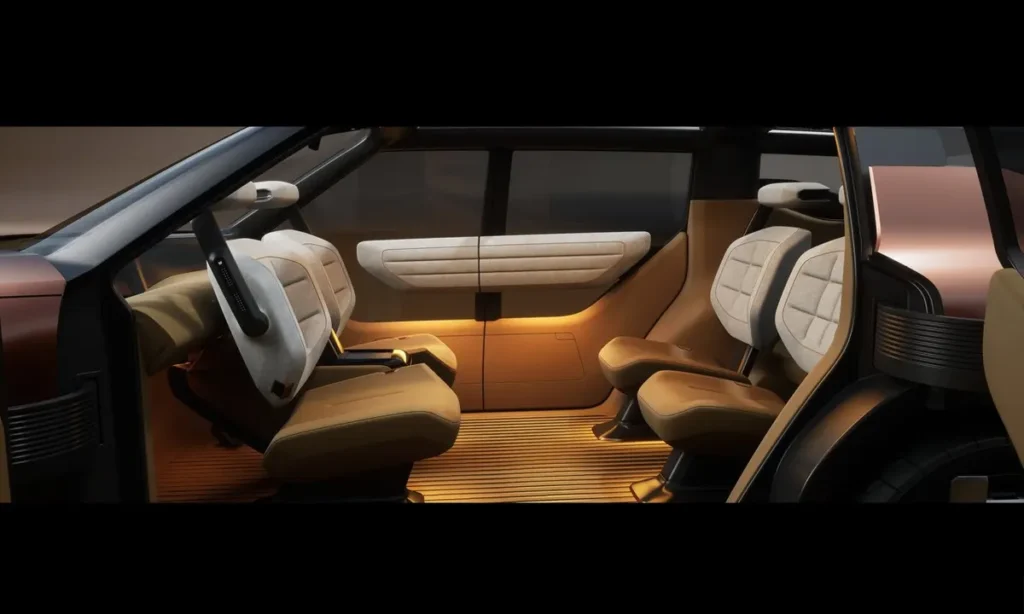
Passenger comfort is a highlight of the Elevance Concept. The seats feature zero-gravity ergonomic shaping inspired by aerospace engineering to minimize fatigue during long journeys. Climate zones are individualized, allowing each passenger to regulate airflow and temperature. Modular storage solutions, removable seatback panels and configurable cargo arrangements reflect Mitsubishi’s awareness of active lifestyle needs. Whether the driver is commuting in urban environments or embarking on weekend adventures, the Elevance Concept adapts effortlessly.
Technology, Connectivity and Smart Mobility Systems
Mitsubishi positions the Elevance Concept as a technological platform for its future connected vehicles. The concept features 5G-based communication systems, enabling real-time data exchange, cloud-assisted navigation and intelligent route planning based on traffic, weather or terrain conditions. Over-the-air updates ensure that software systems remain current, enabling the Elevance to gain new features over time.
The onboard AI system analyzes driving habits, predicts energy needs and enhances safety by monitoring surrounding vehicles, pedestrian behavior and environmental variables. This AI-driven system can also function as a personal mobility assistant, managing climate control, media playback, interior lighting and even cabin fragrance.
Autonomous capability is another component of the Elevance Concept. Mitsubishi envisions the concept supporting Level 3+ autonomy, allowing hands-off highway driving, automated lane changes and predictive hazard mitigation. The advanced sensor suite includes LIDAR, radar, ultrasonic sensors and deep-learning cameras that map the environment in real time.
Sustainability and Mitsubishi’s Future Vision
The Elevance Concept serves as a statement of Mitsubishi’s long-term sustainability strategy. Beyond electrification, the company emphasizes lifecycle responsibility, including sustainable material usage and eco-friendly production. Mitsubishi aims to reduce manufacturing emissions and create energy-efficient platforms, and the Elevance Concept demonstrates the direction of future lineup electrification and global compliance with emissions regulations.
Market Position and Competitive Landscape
The Mitsubishi Elevance Concept is designed to compete in a rapidly evolving electric SUV market dominated by models such as the Hyundai Ioniq 7, Kia EV9, Nissan Ariya+, Toyota bZ4X Off-Road Edition and Ford Explorer EV. Mitsubishi’s approach is distinct—more adventure-oriented, more modular and heavily influenced by off-road heritage. If the Elevance Concept becomes a production model, it could fill a unique niche in the EV market: an electric crossover designed for families who enjoy outdoor activities, road trips and weekend explorations.
Read: 2027 Kia Telluride Redefines Family Luxury with Hybrid Power
Conclusion
The Mitsubishi Elevance Concept represents a bold leap forward for the brand. It merges cutting-edge electrification with rugged utility and advanced digital intelligence. Whether it becomes a production vehicle or serves as a blueprint for upcoming EVs, the Elevance Concept symbolizes Mitsubishi’s renewed ambition in the global automotive landscape. With its combination of futuristic styling, adventure capability, sustainability focus and forward-thinking technology, the Elevance Concept positions Mitsubishi as a strong player in the coming generation of electric mobility.
Mitsubishi Elevance Concept – Specifications Chart
| Specification | Detail |
| Powertrain | Dual-Motor Electric AWD |
| Estimated Power | 300–350 hp |
| Torque | High Instant Electric Torque |
| Battery Capacity | 85–90 kWh (Projected) |
| Estimated Range | 450–500 km (WLTP) |
| Charging | 350 kW DC Fast Charging |
| Drivetrain | Electric S-AWC with Torque Vectoring |
| Suspension | Adaptive Air Suspension |
| Platform | Next-Gen EV Skateboard Architecture |
| Autonomy | Level 3+ (Projected) |
| Interior | Curved Digital Display, Eco-Materials |
| Seating | 5 |
| Terrain Modes | Multi-Surface Off-Road Programs |
| Wheels | EV-Optimized All-Terrain Wheels |
| Ground Clearance | Adjustable via Air Suspension |