2025 Audi RS7: How Fast Is It Really?
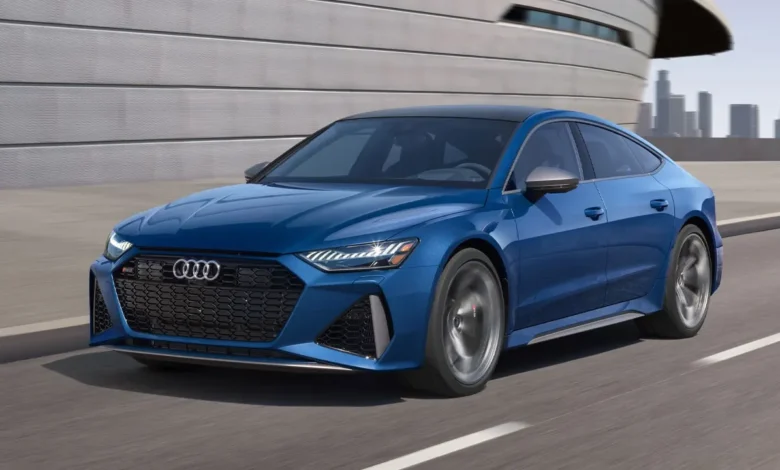
The 2025 Audi RS7 arrives as one of the most highly anticipated performance sedans of the decade, bringing with it a bold leap in engineering, hybrid-enhanced power and advanced aerodynamics that elevate its capabilities well beyond the outgoing model. At the heart of its development lies a single objective: to create the fastest, most responsive and most technologically advanced RS7 ever built. With the performance sedan landscape becoming increasingly competitive—thanks to rivals from BMW M, Mercedes-AMG, Porsche and even electrified super sedans—the new RS7 faces high expectations. Audi has therefore engineered the 2025 model with a comprehensive list of enhancements intended to deliver raw speed, relentless acceleration, and exceptional high-speed stability.
The RS7 has always occupied a unique place in Audi’s portfolio as a fusion of elegance and aggression. It remains a car that is both instantly recognizable and unmistakably powerful, showcasing muscular proportions while maintaining refinement and everyday usability. For 2025, Audi pushes the RS7 into a new performance bracket. The latest iteration adopts a hybridized twin-turbo V8 powertrain, redesigned induction components, upgraded cooling architecture and a recalibrated quattro all-wheel-drive system that allows the sedan to unleash its full potential on both road and track.
Read: 2025 Audi RS7
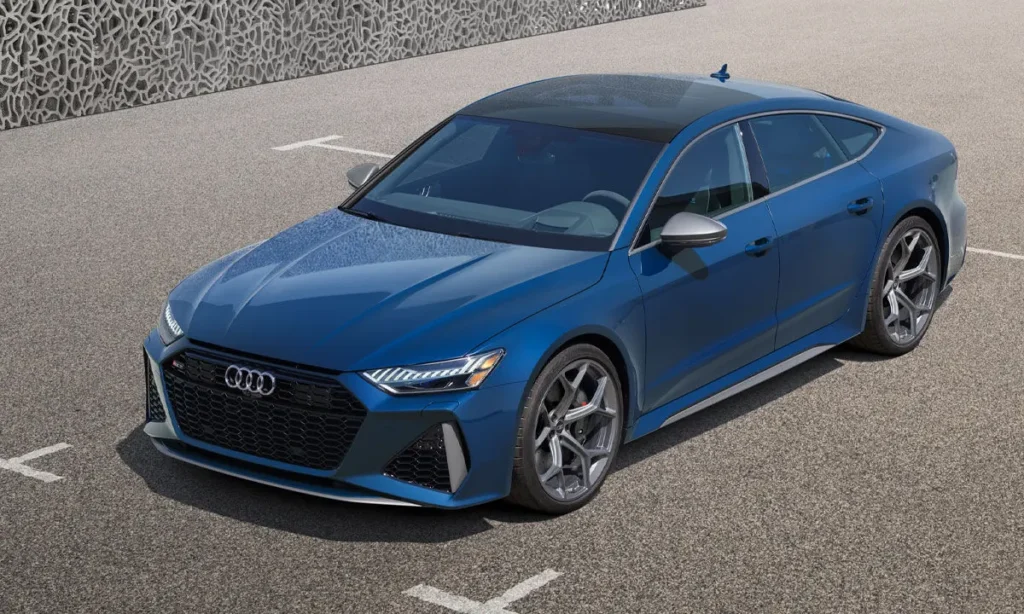
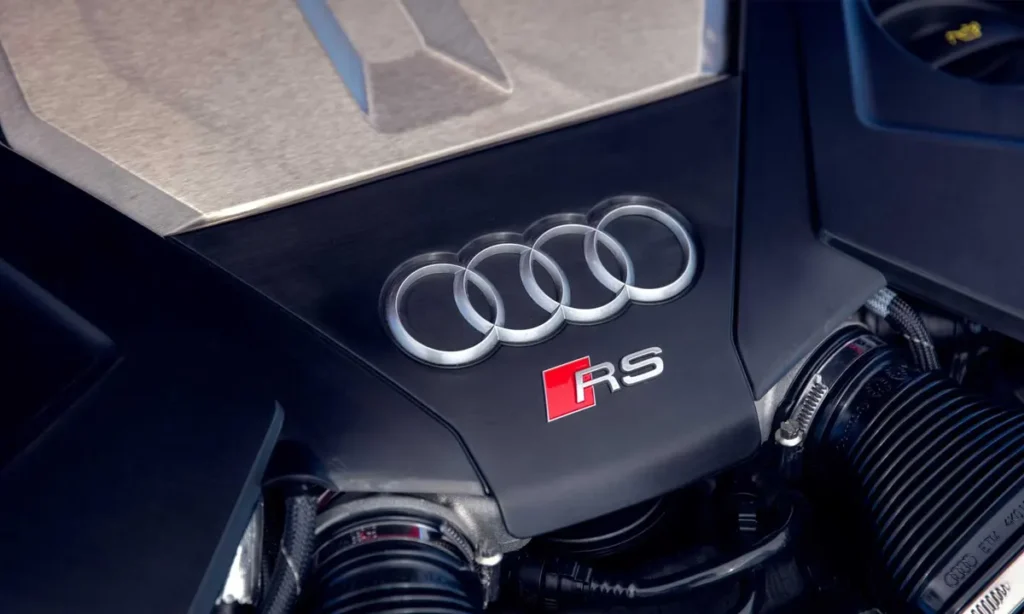
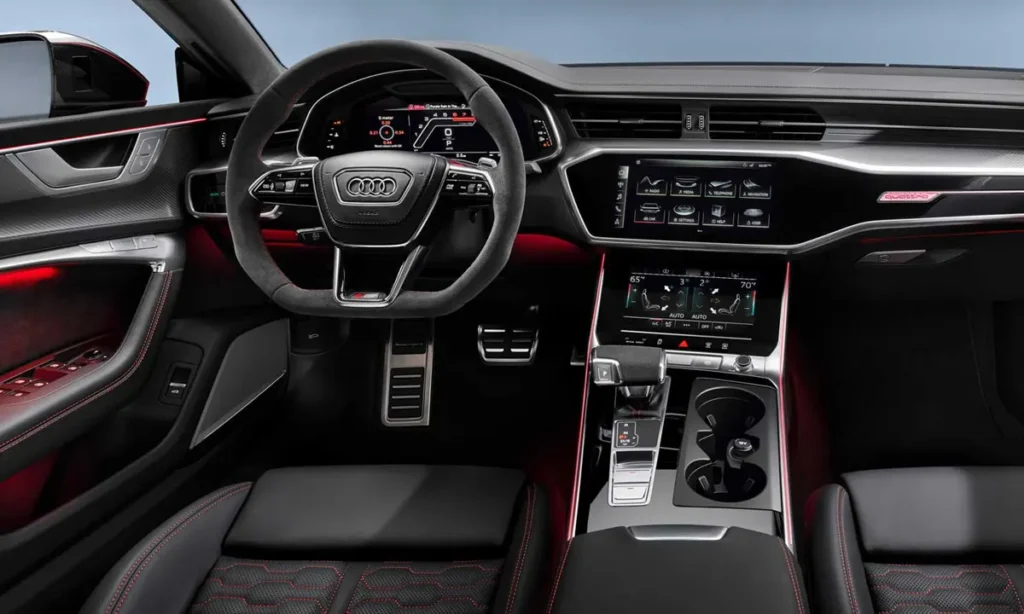
Understanding how fast the 2025 Audi RS7 is involves analyzing not only its acceleration numbers but also the deeper engineering that influences its responsiveness, aerodynamics, weight distribution and gearing. This article explores the RS7’s top speed, acceleration figures, powertrain details, torque delivery, chassis enhancements, high-speed stability and real-world performance across multiple driving environments. Whether considering straight-line capability, dynamic handling or long-haul stability, the new RS7 stands as a milestone for Audi Sport and a statement of what high-performance sedans can achieve.
A New Generation of Power: The Hybrid Twin-Turbo V8
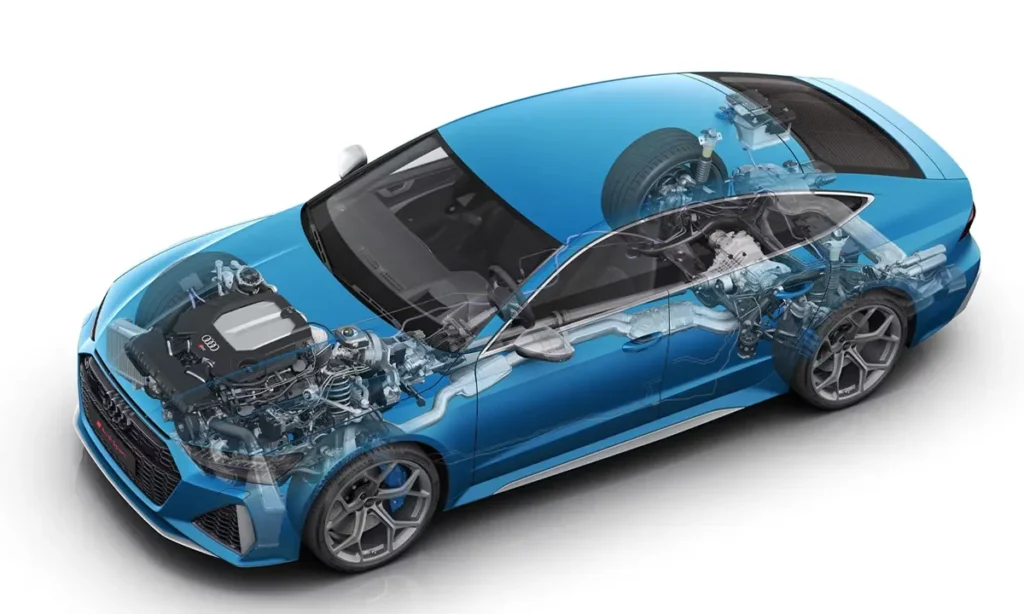
Central to the RS7’s increased speed is its revised 4.0-liter twin-turbocharged V8 engine paired with a performance-oriented hybrid system. This powertrain configuration aligns with Audi’s broader strategy to integrate electrification into its high-end performance models without sacrificing character. While the 2024 RS6 Avant GT provided hints about Audi’s future, the RS7 takes hybrid performance into a more usable and holistic direction.
The hybrid unit supplies additional torque fill and instant electric boost at low RPM. This eliminates lag and creates a sharper throttle response, enabling the RS7 to launch with a level of aggression rarely seen in large performance sedans. The combination of combustion and electric torque results in approximately 720 horsepower and around 900 Nm of torque. These numbers give the new RS7 a remarkable advantage over the previous generation, which produced 591 horsepower in its standard configuration.
The hybrid integration also improves thermal efficiency. A new dual-stage cooling system ensures sustained performance even during prolonged high-speed driving. Larger intercoolers and a reengineered oil circuit keep temperatures stable when the engine is pushed beyond typical road conditions into performance territory. The hybrid system’s energy management prioritizes power delivery during full-throttle acceleration, while regenerative braking channels kinetic energy into supplemental boost for repeated launches.
Audi’s focus on combining combustion emotion with electrified acceleration pays off significantly. The RS7 of 2025 does more than simply surpass its predecessors—it redefines what the RS brand can deliver.
Acceleration: Brutally Quick and Uncompromising
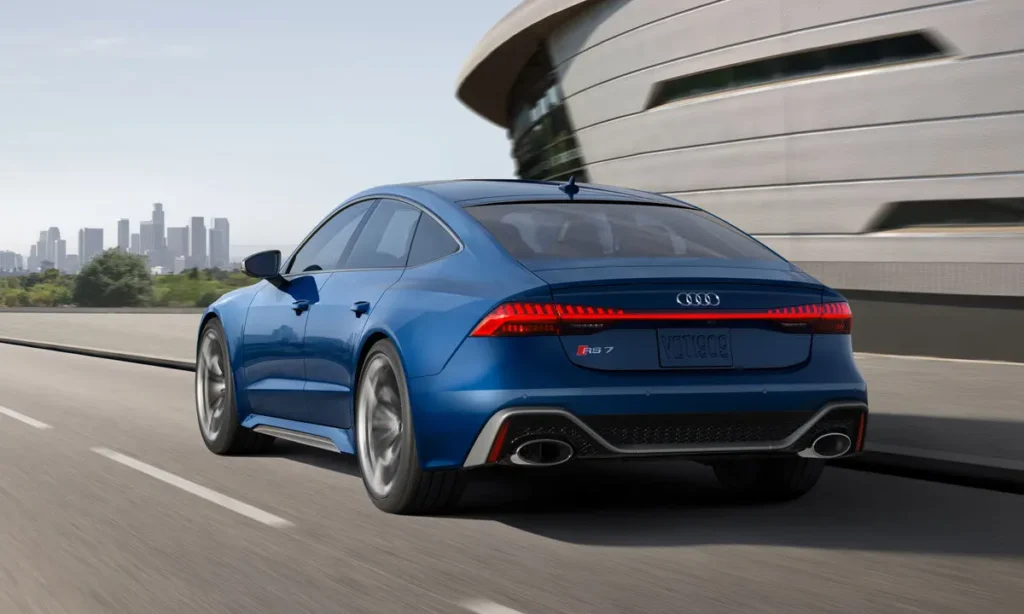
Acceleration is the clearest benchmark for understanding how fast the 2025 Audi RS7 truly is. Thanks to its performance hybrid system and refined all-wheel-drive launch dynamics, the RS7 accelerates from 0 to 100 km/h in around 3.1 seconds. In optimal conditions and with dynamic launch control parameters engaged, it can achieve times that dip into the high-2.9-second range, positioning it squarely among the fastest combustion-based sedans in the world.
From a rolling start, the RS7 is equally impressive. The instant electric torque combined with the V8’s powerband enables strong acceleration from almost any speed. The hybrid system provides immediate response when the driver demands sudden overtaking capability on highways or spirited acceleration on open country roads. The transmission downshifts cleanly, and the hybrid torque fill eliminates hesitation during mid-speed acceleration.
Audi’s engineers optimized the eight-speed Tiptronic transmission for shorter gear ratios in the lower gears, improving initial acceleration, while maintaining longer upper gears for high-speed cruising and fuel economy when operating the vehicle in more relaxed modes. The RS7 exhibits a relentless surge of power past 150 km/h, and its ability to continue pulling strongly well into triple-digit speeds elevates its real-world performance beyond merely quick 0–100 times.
Top Speed: Pushing the Limits of Aerodynamic Engineering
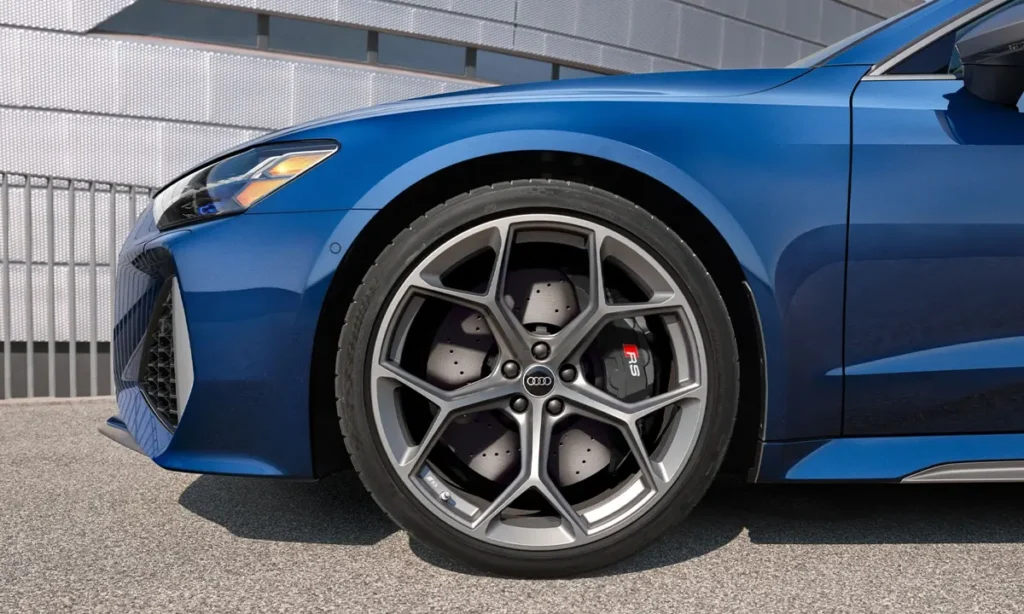
Officially, the 2025 Audi RS7 has a limited top speed of 250 km/h. However, with the optional RS Dynamic Package, the limit increases to approximately 280 km/h. For those who select the RS Dynamic Package Plus, the electronically controlled limit is raised further to an astonishing 305 km/h. This places the RS7 among the elite category of sedans capable of exceeding 300 km/h with factory specification and without requiring aftermarket tuning.
Achieving such high speeds requires a combination of power, aerodynamics and chassis stability. Audi revises the RS7’s aerodynamic profile for 2025 with a new front splitter, enhanced air curtains, an active rear spoiler and underbody aerodynamic sculpting. These improvements lower drag, increase stability and reduce front-end lift at high velocity. Airflow is managed more efficiently across the body, particularly around the wheel arches where turbulence can significantly impact stability.
The quattro system remains vital in managing power distribution during high-speed runs. The new clutch pack increases variability in torque transfer, enabling greater agility while maintaining composure. When cruising above 250 km/h, the car remains stable, planted and confident, feeling more like a grand tourer than a heavy performance sedan. This stability contributes not only to outright top speed but also to repeatable performance on long straightaways and high-speed circuits.
Chassis Enhancements: Precision at High Velocity
The revised chassis structure plays a significant role in the RS7’s overall speed capability. For the 2025 model, Audi reduces weight through selective use of aluminum, carbon fiber and reinforced composites. While the RS7 remains substantial in mass, Audi strategically lightens areas that impact handling and acceleration the most, such as unsprung components and structural reinforcements.
Adaptive air suspension returns but is re-tuned with a broader range. In its stiffest mode, the RS7 hunkers closer to the road, improving aerodynamics and reducing body roll during high-speed cornering. The car feels sharper and more controlled, resisting pitch and maintaining smooth transitions through fast sweepers. This dynamic stability contributes directly to its high-speed capability and driver confidence.
Rear-wheel steering enhances stability while providing agility at lower speeds. At high speed, the rear wheels turn subtly in the same direction as the front wheels, contributing to lane-change stability and improved cornering predictability. The RS7’s braking system—featuring optional carbon-ceramic brakes—ensures the car can slow from its impressive top speeds repeatedly without fade. Cooling channels and brake surfacing improvements help dissipate heat quickly, protecting brake performance during sustained aggressive driving.
Real-World Driving Performance: Everyday Speed and Usability
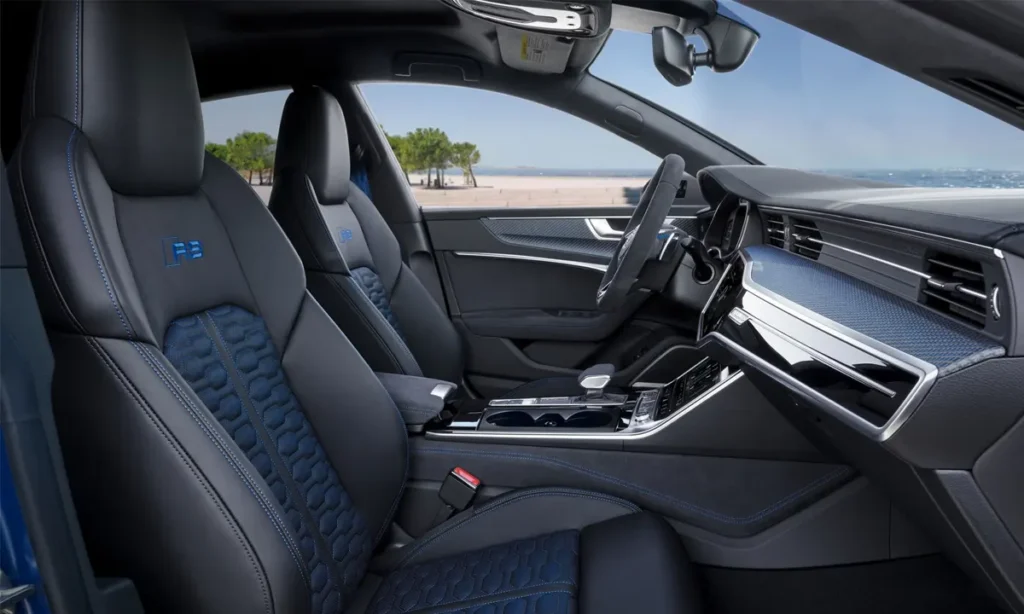
While headline figures like top speed and acceleration define performance on paper, real-world performance reveals the RS7’s value as both a daily driver and a performance machine. In urban environments, the hybrid system provides quiet, efficient movement at low speeds while offering immediate torque during quick maneuvers. The car switches from refined commuter to aggressive sport sedan instantly when prompted.
On highways, the RS7 exhibits extraordinary responsiveness. Passing power is instantaneous, enabling confident overtaking with minimal throttle input. At cruising speeds, the powertrain settles into a relaxed mode, leveraging the hybrid system to improve fuel efficiency and reduce strain on the engine. For long-distance journeys, the RS7 remains one of the most stable and comfortable high-performance sedans available.
On twisty mountain roads, the RS7 behaves with surprising agility for its size. The quattro system, adaptive suspension and rear-wheel steering work seamlessly to provide precision and control, enabling drivers to carry speed confidently through corners.
Read: 2025 Porsche 911 GT3 Touring Ocelot: The Purest Evolution of the GT3
How the RS7 Compares with Rivals
The 2025 RS7 competes directly with vehicles like the Mercedes-AMG GT 63 S E Performance, BMW M8 Competition Gran Coupe and Porsche Panamera Turbo E-Hybrid. Each car offers formidable performance, but the RS7’s blend of hybrid assistance, quattro traction and refined comfort gives it a unique identity.
Its ability to merge brutal acceleration with everyday usability makes it one of the most compelling options for drivers seeking both practicality and performance.
2025 Audi RS7 – Performance & Specifications Chart
| Specification | Detail |
| Engine | 4.0-L Twin-Turbo V8 + Performance Hybrid System |
| Total Power | ~720 hp |
| Total Torque | ~900 Nm |
| Transmission | 8-Speed Tiptronic Automatic |
| Drivetrain | Quattro All-Wheel Drive |
| 0–100 km/h | ~3.1 seconds |
| 0–200 km/h | ~10.5 seconds |
| Top Speed (Standard) | 250 km/h |
| Top Speed (Dynamic Package) | ~280 km/h |
| Top Speed (Dynamic Plus) | ~305 km/h |
| Weight | ~2,200 kg (varies by spec) |
| Brakes | Steel (Standard) / Carbon-Ceramic (Optional) |
| Rear-Wheel Steering | Yes |
| Suspension | Adaptive Air Suspension (RS-Tuned) |
| Aerodynamics | Active Rear Spoiler, Optimized Air Curtains, Underbody Airflow |
| Hybrid Assistance | Instant Torque Fill, Regenerative Energy, Performance Boost |