2026 Genesis G70 Review: A Refined and Powerful Luxury Sports Sedan
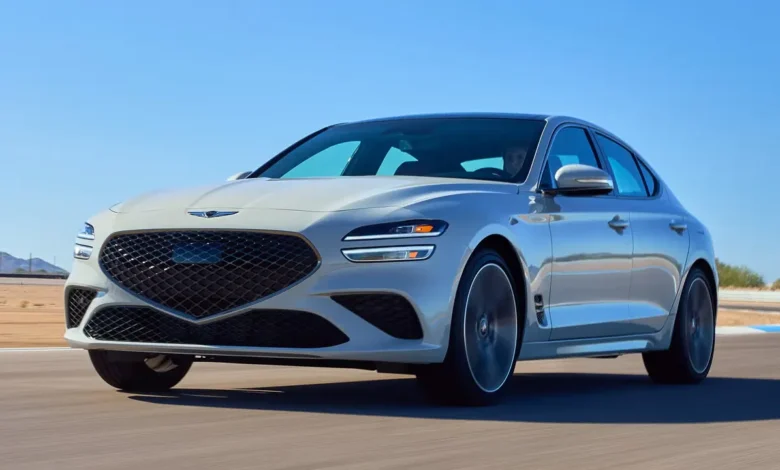
The 2026 Genesis G70 marks a pivotal moment for the South Korean luxury brand as it further establishes itself within the competitive premium sports-sedan segment. As consumers increasingly pivot toward SUVs and crossovers, Genesis has doubled down on creating a distinctive sedan that blends engaging performance, refined luxury and advanced technology. The 2026 G70 represents the next evolution of this vision—a model that balances everyday usability with dynamic driving character, all wrapped in the refined styling and elevated credentials of the Genesis marque. With improvements across powertrain, chassis, interior quality and digital systems, Genesis aims to challenge the dominant incumbents such as the BMW 3 Series, Audi A4 and Mercedes-Benz C-Class. The G70 is no longer the newcomer—it’s a fully formed contender.
From the outset, Genesis has positioned the G70 as the expressive heart of its brand identity: the sedan that reflects driving pleasure, design ambition and brand-defining quality. The 2026 update amplifies those traits while addressing what modern luxury customers expect: intuitive connected technology, refined cabin materials, generous standard features and stronger driver-assistance systems. While not abandoning the performance roots—rear-wheel drive variants, potent turbo engines and manual gearbox options remain—the 2026 G70 blends them into a more polished, more globally competitive package. The result is a luxury sports sedan that offers a compelling combination of emotion and reason for buyers looking for a premium alternative outside the German-luxury mainstream.
Gallery: 2026 Genesis G70
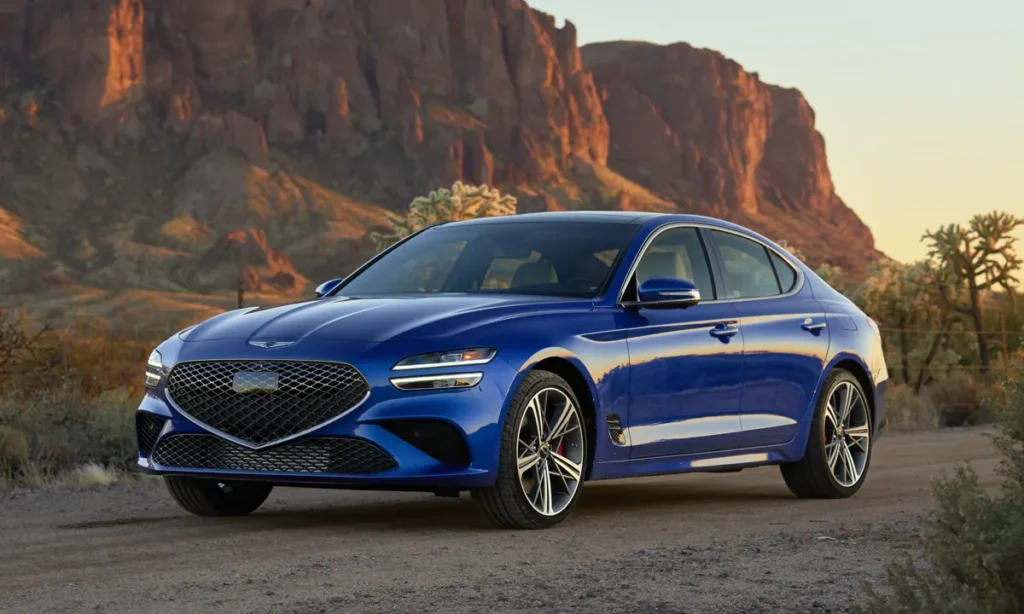
Design Evolution: Sophisticated, Sporty and Distinctively Genesis
On the exterior, the 2026 Genesis G70 evolves rather than revolutionises, retaining the sculptural proportions and ‘Athletic Elegance’ design language that have distinguished the model from day one. The hood remains elegantly long, the cabin area compact and the rear-wheel drive proportions evident in the short front overhang, muscular rear haunches and crisp shoulder line. Genesis designers have refined details: the crest-style grille now features a deeper mesh pattern, the signature quad crest badges are subtly refined and the standard LED lighting elements adopt sharper shapes with dynamic DRL (daytime running light) animations. These small touches elevate the presence without altering the core silhouette that G70 enthusiasts appreciate.
The side profile benefits from new alloy wheel designs (ranging from 18 to 20-inch sizes depending on trim) and flush integration of aerodynamic elements such as subtle side skirts and rear diffuser flanges. Genesis uses purposeful design cues to reinforce the sporty intent: the rear fenders flare slightly more aggressively, the wheel arches are more pronounced and the ride height is subtly lowered in sport-oriented trim levels to enhance the planted stance. From the rear, the G70’s taillights now adopt a continuous ribbon of light across the decklid in higher trims, giving the sedan additional visual width and reinforcing its premium identity at night. The twin dual-exhaust outlets (in the higher output versions) add a functional flourish and a clear performance hint.
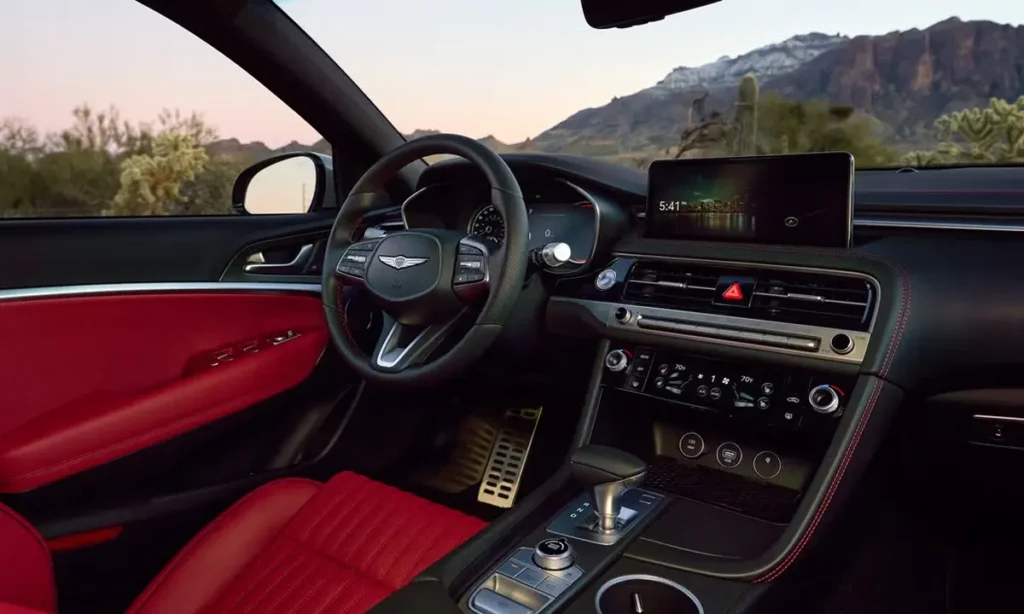
Inside the 2026 G70, the design ethos is refined, luxurious and driver-focused. The cockpit highlights horizontal surfaces, a floating centre console and premium materials such as open-pore wood, satin-finish metal trim and optional Nappa leather with contrast stitching. The sport seats in the performance trim are deeply bolstered but still deliver long-distance comfort. Genesis has improved sound insulation, reduced cabin noise and upgraded its HVAC system to deliver a quieter, more refined ride experience. Ambient lighting, upgraded infotainment screens and refined ergonomics reflect the brand’s desire to deliver a luxury experience on par with the established German competitors—while still offering intrinsic value.
Powertrain & Chassis: Performance with Precision
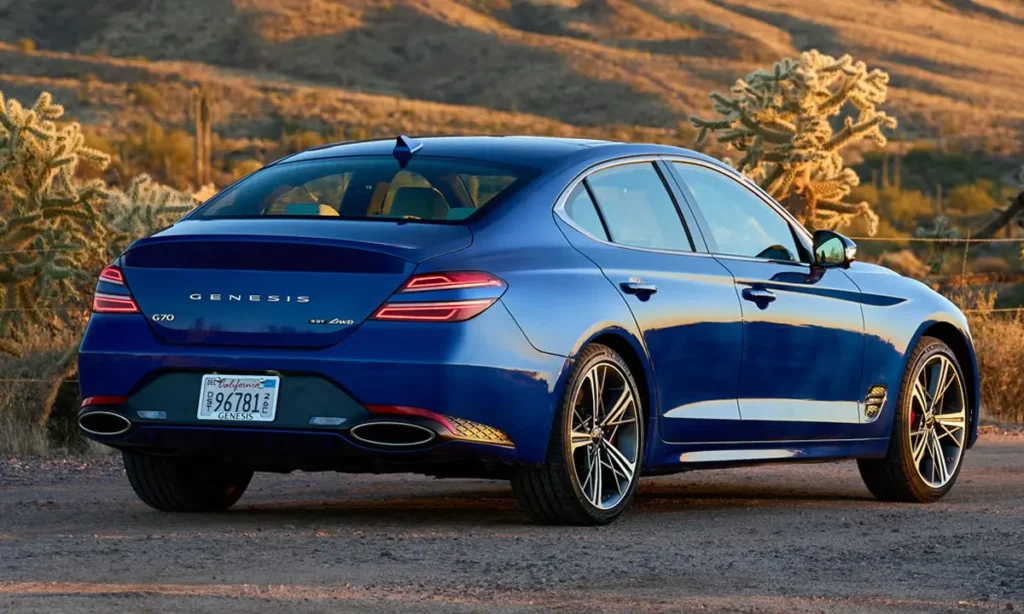
Under the bonnet, the 2026 Genesis G70 offers multiple powertrain configurations to suit a range of driver profiles—from daily commuter to performance enthusiast. The base engine remains a 2.0-litre turbocharged four-cylinder delivering strong mid-range torque, smooth response and respectable fuel economy. For those seeking elevated performance, a newly tuned 3.3-litre twin-turbo V6 powers the top variants with output approaching 400 horsepower and significantly improved acceleration. The rear-wheel drive platform may be complemented by an optional all-wheel drive system for greater traction in inclement conditions.
Transmission duties are handled by an eight-speed automatic, which has been refined for quicker shifts, smoother responses and better mapping under various drive modes. In certain markets, Genesis may offer a six-speed manual for the purists—a rare offering in the segment that adds differentiation for driving enthusiasts. The chassis has also undergone refinement: adaptive dampers are now standard on higher trims, providing a firmer dynamic feel when required while still delivering comfort on urban streets and highways. The steering calibration has been refined for better feedback and quicker responses, especially when the driver selects Sport or Performance driving modes.
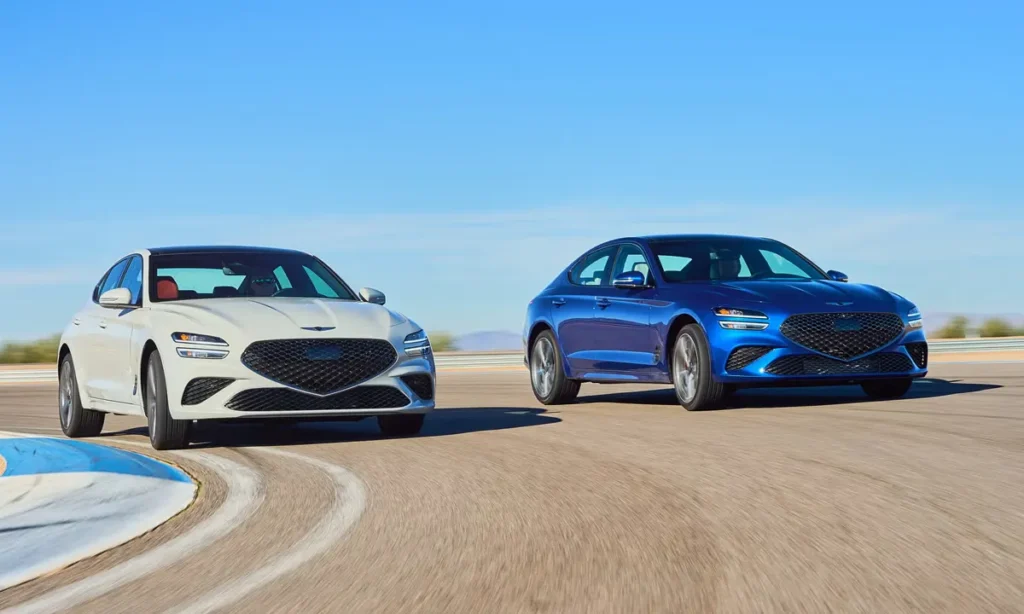
Genesis’s dynamic control systems—such as Electronic Stability Control (ESC), torque vectoring (in AWD models) and variable transmission mapping—are integrated seamlessly to provide both confidence and engagement. The 2026 G70, especially in its sport-oriented trims, showcases sharper turn-in, better mid-corner composure and reduced body roll compared to its predecessor. Braking systems have been upgraded with larger rotors and improved pedal feel, reinforcing the vehicle’s sporty credentials while retaining all-day usability. The combination of refined powertrain, sharpened chassis and modern tech renders the G70 not just competitive—it feels mature.
Technology & Connectivity: Luxury-Grade Innovation
In the 2026 Genesis G70, technology takes centre stage without overshadowing the driving essence. The car features a new 14.5-inch infotainment touchscreen integrated into the dashboard, running the latest Genesis software with faster processing, smoother graphics and improved voice-control responsiveness. Connectivity is comprehensive: wireless Apple CarPlay and Android Auto are standard, a cloud-based real-time navigation system is included, and over-the-air updates ensure the vehicle’s software remains current long after purchase. Genesis also offers an integrated digital key, vehicle-to-smartphone remote services and driver-performance telemetry in sport trims.
The driver display is fully digital, featuring crisp graphics and configurable modes including ‘Sport’, ‘Luxury’ and ‘Snow’. In performance trims, drivers can access launch-control data, g-force meters and lap-time records via the display interface. Parking and manoeuvring are assisted by a 360-degree camera system, adaptive smart parking assist and highway driving assist features that align the Genesis with the best in luxury technology. Additionally, the G70 benefits from advanced driver-aid systems including adaptive cruise control, lane-centering, intersection-auto brakes and high-precision highway pilot functionality, bringing strong safety and convenience credentials.
Comfort & Practicality: Luxury Meets Everyday Use

While the G70 focuses on sportiness, Genesis has not compromised on comfort and usability. Rear-seat space, though not as generous as large sedans, offers good legroom and headroom for its segment. The seat backs fold in a 60/40 split to enhance cargo flexibility, and a large boot (trunk) cavity complements the sedan’s practicality. The ride quality in normal mode is composed, absorbing urban imperfections while delivering a quiet environment—helped by improved insulation and reduced chassis noise. Premium grades include features such as ventilated front seats, heated rear seats, heated steering wheel, premium Bang & Olufsen audio system and ambient lighting—making the G70 comfortable and refined for everyday journeys and long drives alike.
Maintenance intervals are competitive in class, and Genesis offers strong warranty coverage which enhances ownership confidence. Build quality feels thoughtful and premium—solid switchgear, refined materials and tight panel gaps — delivering tangible evidence that Genesis is stepping into the upper-end of luxury-sedan territory. Ownership benefits such as complimentary servicing years, concierge support and high-class dealer experience add to the premium positioning.
Read: Genesis Magma GT: The High-Performance Luxury Coupe That Redefines Korean Automotive Excellence
Why the 2026 G70 Matters: Value, Performance and Brand Ambition
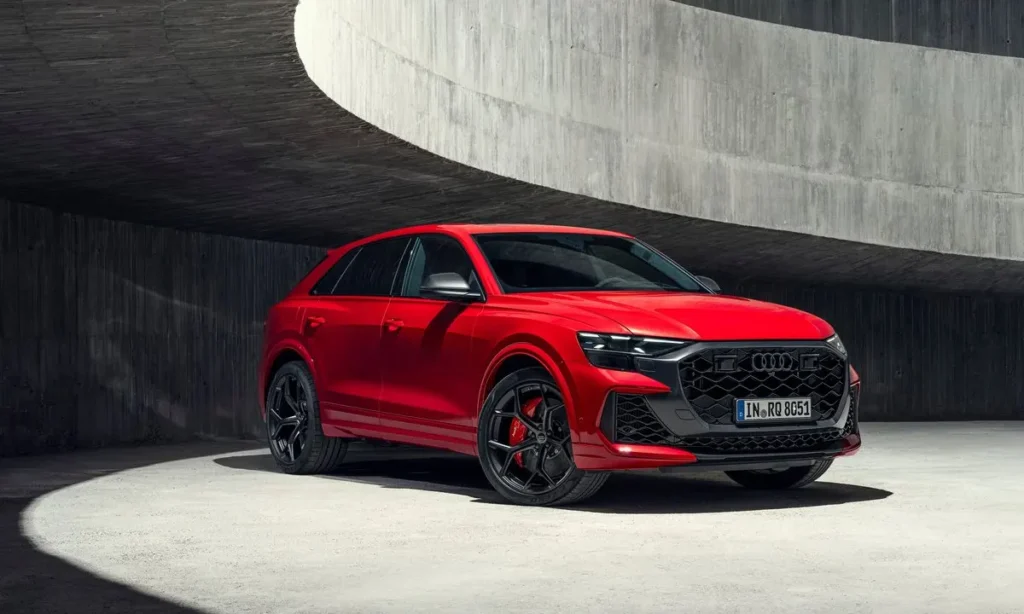
The 2026 Genesis G70 is more than just a car—it’s a strategic instrument for Genesis to challenge the status quo in luxury. While many luxury marques veer toward SUV-only line-ups, Genesis continues to invest in a genuine sports sedan which matters to enthusiasts. From a value proposition perspective, G70 often undercuts German rivals in price, offering similar performance and luxury with stronger standard equipment—making it an attractive alternative for discerning buyers. The bold styling, strong warranties and refined technology bolster the value argument significantly.
Performance-oriented buyers now have fewer mid-size sport sedan choices than before, and the G70 shrewdly captures that niche with credible dynamics and a unique brand story. For luxury buyers wanting something distinctive and capable, the G70 offers both substance and personality. At the same time, Genesis is reinforcing its brand identity through this model—highlighting design leadership, engineering standards and customer service that support premium positioning.
The 2026 Genesis G70 – Specifications & Performance Chart
| Category | Specification |
| Engine (Base) | 2.0-litre Turbocharged Four-Cylinder |
| Engine (Top) | 3.3-litre Twin-Turbo V6 |
| Horsepower (Approx) | 250 hp (Base) / ~400 hp (Top) |
| Torque (Approx) | ~350 Nm (Base) / ~550 Nm (Top) |
| Transmission | 8-Speed Automatic (Manual optional in some markets) |
| Drivetrain | Rear-Wheel Drive (Standard) / All-Wheel Drive (Optional) |
| 0-100 km/h | ~5.2 seconds (Top Variant) |
| Top Speed | ~250 km/h (Approx, Top Variant) |
| Suspension | Front: MacPherson Strut, Rear: Multi-Link with Adaptive Dampers |
| Steering | Electric Power Steering with Variable Assist |
| Brakes | Ventilated Disc Front/Rear (Larger Discs in Sport Trim) |
| Infotainment | 14.5-inch Touchscreen, Wireless Apple CarPlay & Android Auto |
| Driver Assistance | Adaptive Cruise, Lane Centreing, Highway Pilot, 360-Degree Camera |
| Seating | Up to 5 Adults, Performance Seats optional |
| Boot Capacity | Approx. 350-370 litres (Segment estimate) |
| Warranty | 5 Years/Unlimited km (Region Dependent) |
| Build Standard | Premium Materials, Open-Pore Woods, Aluminium Trim |