The 2025 Toyota Hilux 9th Gen Reinvents Toughness for the Future
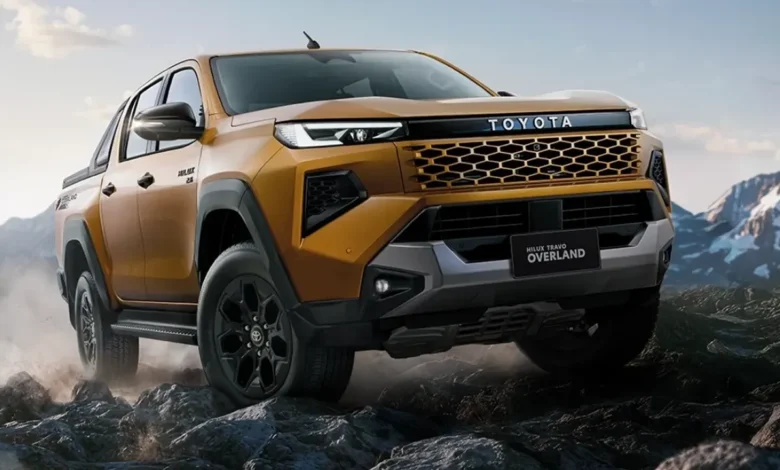
For decades, the Toyota Hilux has been a symbol of endurance — from African deserts to Australian outback, from military convoys to mountain villages. It’s the vehicle that has survived everything from volcanoes to Arctic snowstorms, earning its legendary status as one of the toughest pickups ever made.
Now, with the debut of the 9th-generation Toyota Hilux, unveiled globally in November 2025, Toyota is rewriting that legacy once again — this time for an electrified and connected future. The new Hilux blends the brand’s legendary durability with bold new styling, advanced technology, and multiple powertrain options — including hybrid and fully electric variants.
Gaallery: The 2025 Toyota Hilux
A New Chapter in the Hilux Story
The new-generation Hilux, internally coded AN220, is more than just an update — it represents Toyota’s global “multi-pathway” approach to mobility. That means customers can choose what suits their market and lifestyle best: a diesel, mild hybrid, fully electric (BEV), and eventually even a hydrogen fuel-cell variant.
Toyota’s engineers have managed to retain the Hilux’s body-on-frame construction, ensuring the ruggedness that has defined the pickup for more than five decades. But this time, they’ve combined that toughness with modern engineering, improved comfort, and a design language that looks ready for the next decade.
Design: Bold, Modern, and Functional
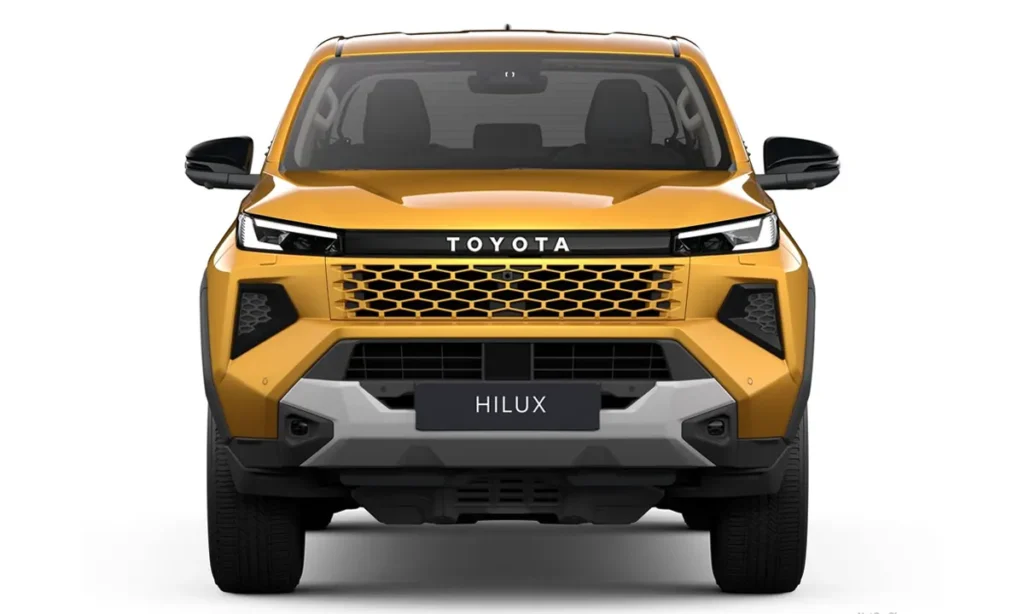
The 9th-generation Hilux adopts a design philosophy Toyota calls “Cyber Sumo” — a balance of power and precision. It’s unmistakably a Hilux, but sharper, more aerodynamic, and visually more upscale.
Exterior Upgrades
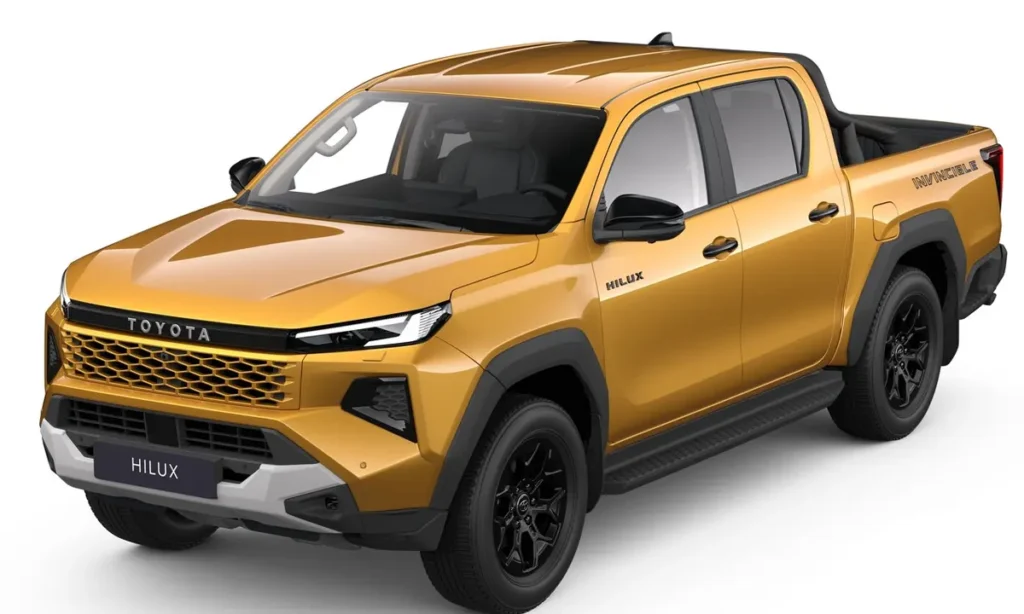
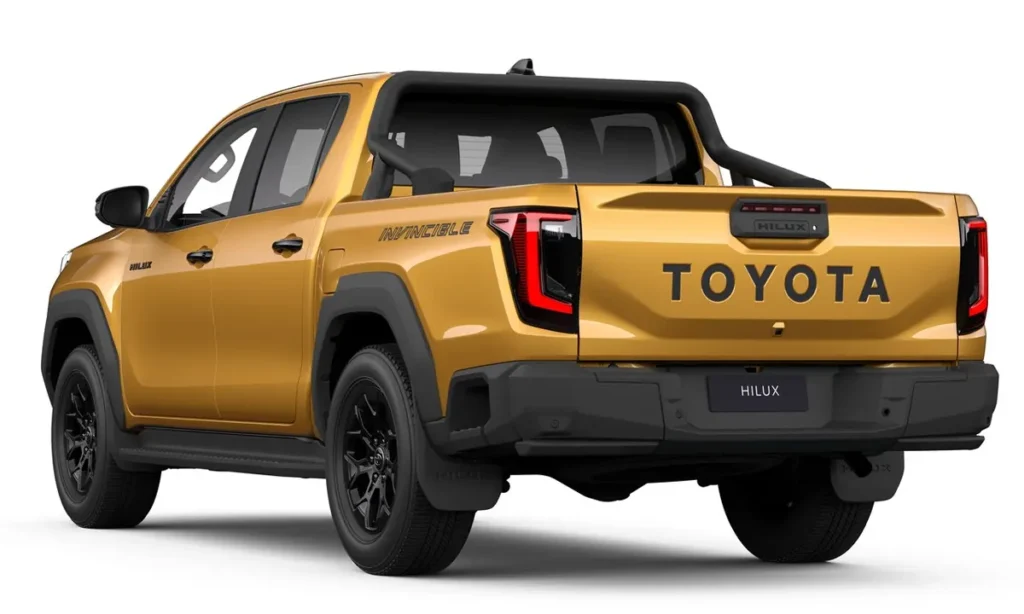
At first glance, the new Hilux looks wider, taller, and more confident than ever. Its new grille design features interlocking hexagonal patterns flanked by slim LED headlights, giving it a futuristic face. The fenders are muscular, the stance broader, and the high ground clearance gives it an imposing road presence.
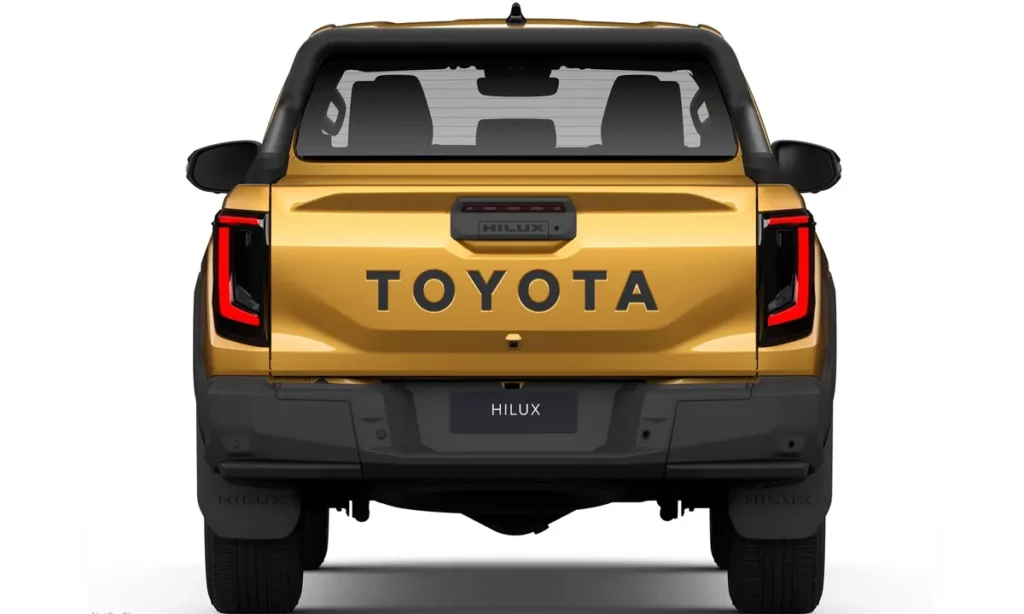
At the rear, Toyota has integrated C-shaped LED taillights and a more sculpted tailgate. The cargo bed is redesigned for better utility, featuring integrated side steps for easier access and tie-down points for securing loads — a thoughtful touch for both commercial and adventure use.
The BEV version (Hilux Electric) even gets unique styling elements — a closed-off grille, aerodynamic bumpers, and distinctive blue accents that mark its electric identity.
Rugged Yet Refined
While most pickups focus on toughness, the 9th-gen Hilux manages to add a layer of sophistication. The body panels are more fluid, and the overall drag coefficient has improved, resulting in better efficiency. Toyota has clearly taken cues from its global design language used in models like the Land Cruiser 300 and Tacoma.
Powertrain Options: The Hilux Goes Multi-Pathway
Perhaps the most revolutionary change in this generation is under the skin. Toyota has engineered the new Hilux to support multiple propulsion systems — a first for any pickup in its class.
1. Diesel and Mild Hybrid (48V)
At its core remains the tried-and-tested 2.8-liter 1GD-FTV turbo-diesel engine, producing 204 hp and 500 Nm of torque. However, Toyota has integrated a 48-volt mild-hybrid system that provides smoother start-stop operation, better low-speed response, and improved fuel economy.
This setup doesn’t just make the truck more efficient — it makes it quieter, smoother, and more refined, ideal for both work and urban driving.
2. All-Electric (BEV) Hilux
The most headline-grabbing version, however, is the Hilux BEV — Toyota’s first-ever electric pickup. It’s powered by a 59.2 kWh lithium-ion battery pack, driving dual e-motors with a combined output of 144 kW (196 hp).
Toyota claims a range of 300 km (WLTP), with quick-charging capability through DC fast chargers. The electric Hilux retains its ladder-frame construction but has been re-engineered to accommodate underfloor batteries and e-Axles for better balance and durability.
The BEV version maintains a payload capacity of around 715 kg and a towing limit of up to 1,600 kg, ensuring that capability isn’t sacrificed in the name of sustainability.
3. Hydrogen Fuel-Cell (FCEV) – Coming Soon
In addition to diesel and electric, Toyota is already developing a hydrogen fuel-cell Hilux, based on technology derived from the Mirai sedan. Expected to debut around 2028, this version promises long range, fast refueling, and zero emissions — ideal for markets like Australia and the UK.
Interior: A More Premium, Tech-Driven Cabin
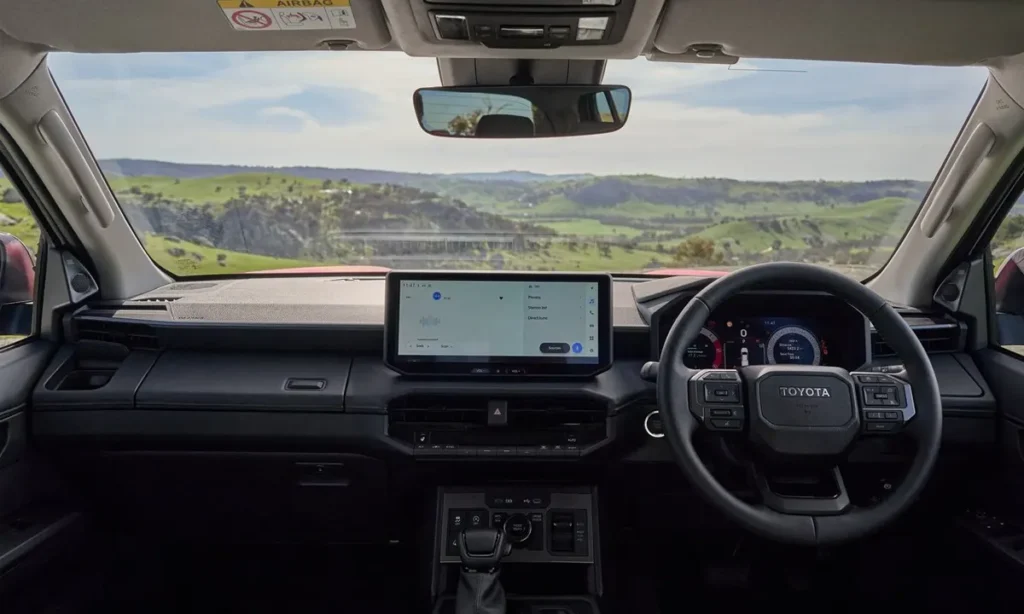
Inside, the Hilux has undergone a complete transformation. Gone is the utilitarian interior of older models; in its place is a cabin that rivals SUVs in comfort and technology.
Modern Dashboard & Infotainment
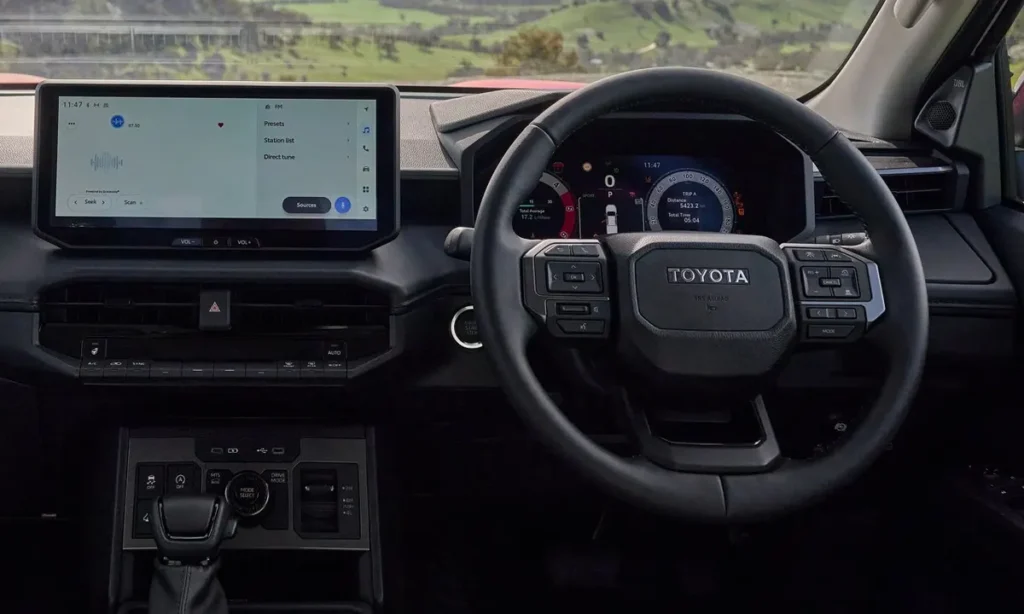
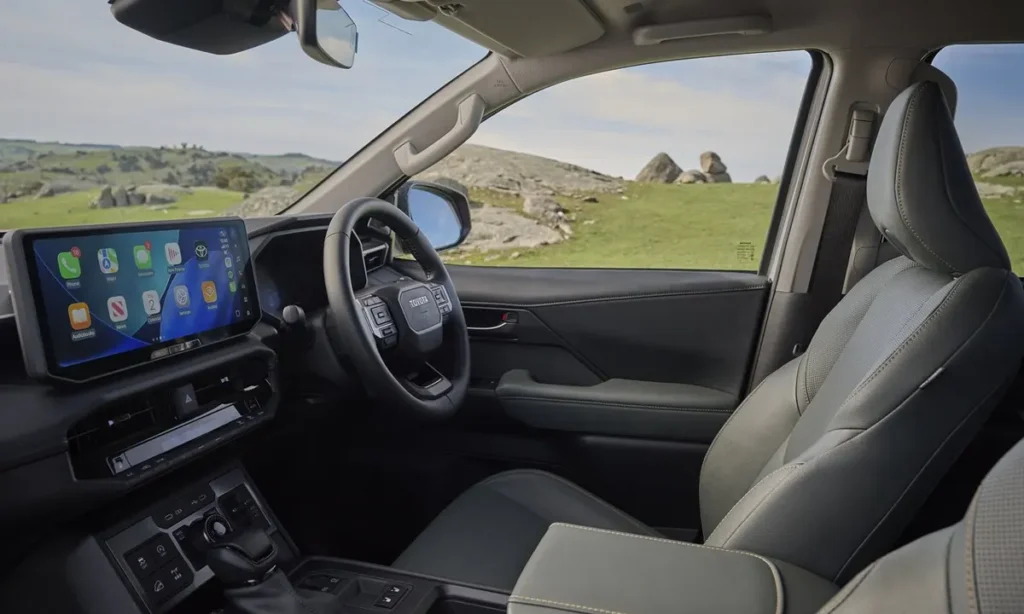
The dashboard features a large 12.3-inch touchscreen with Toyota’s latest Smart Connect interface, supporting wireless Apple CarPlay, Android Auto, and cloud-based navigation. A 10-inch digital driver display provides configurable readouts for off-road data, EV range, or trip stats.
Comfort and Materials
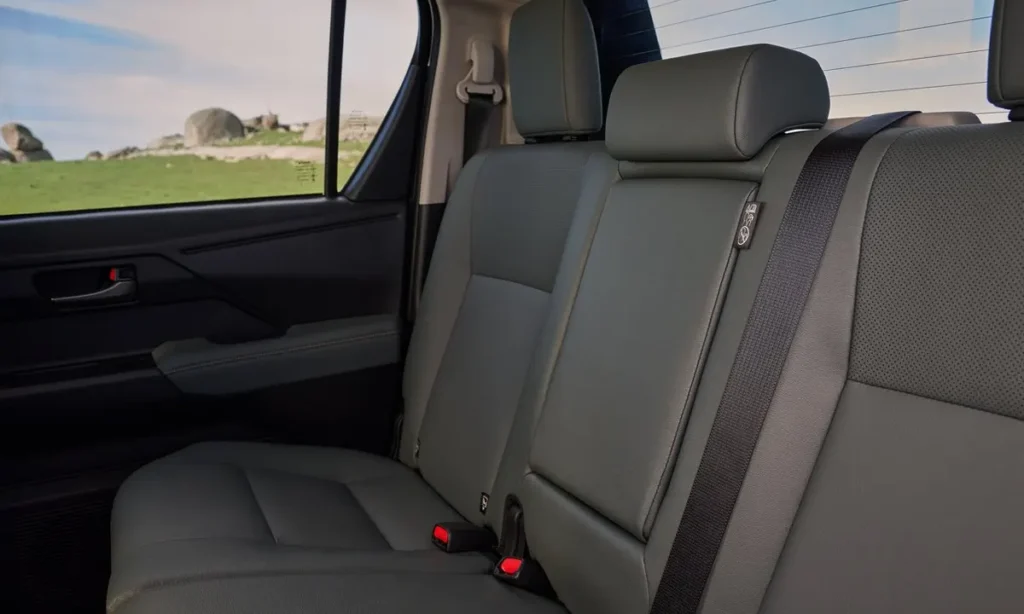
Toyota has used soft-touch materials across the dashboard and door panels, and higher trims offer leather upholstery, ventilated seats, and ambient lighting. Rear passengers benefit from more legroom, thanks to the truck’s increased wheelbase (now 3,085 mm).
Despite the upgrades, Toyota hasn’t compromised on practicality — washable surfaces, sturdy switchgear, and plenty of storage cubbies ensure it still feels like a working truck.
Performance and Off-Road Capability
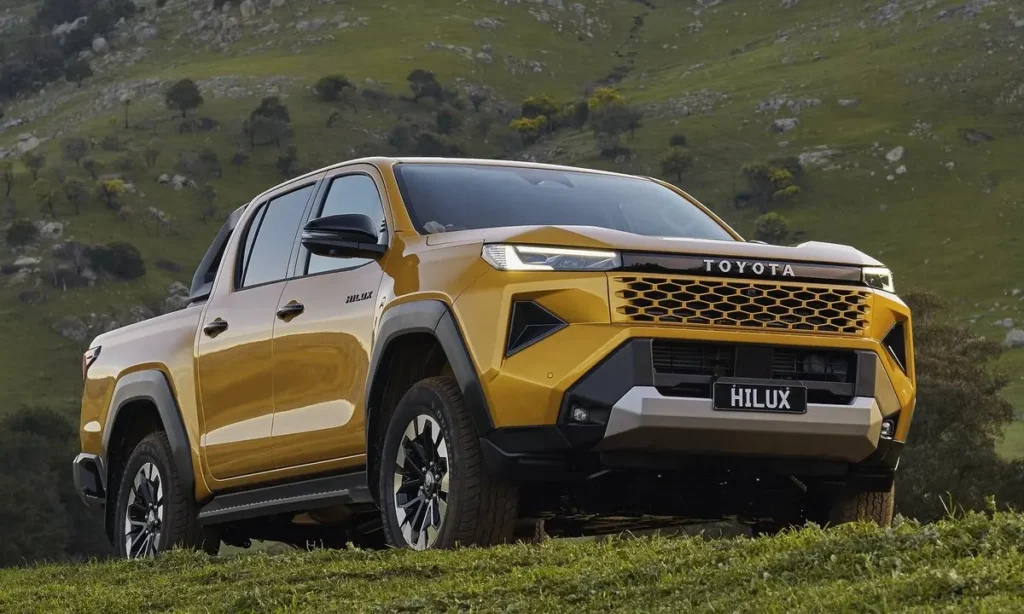
The new Hilux continues its legacy as a go-anywhere machine. Engineers have strengthened the frame and upgraded the suspension system to deliver both durability and comfort.
Improved Ride and Handling
The suspension setup now includes new multi-link rear coils for better ride quality without losing payload capacity. Steering is lighter, more precise, and assisted by electric power steering (EPS), making city driving easier.
Off-Road Features
The Hilux continues to be one of the most capable off-roaders in its class, with features such as:
- Electronic locking rear differential
- Crawl control & hill descent assist
- Selectable 4WD modes (2H, 4H, 4L)
- 700 mm wading depth
- Upgraded approach and departure angles
Even the electric Hilux has been tuned to handle off-road terrain, with its battery pack sealed for water and dust resistance.
Dimensions and Practicality
| Specification | 2025 Hilux 9th Gen (Approx.) |
| Length | 5,320 mm |
| Width | 1,855 mm |
| Height | 1,815 mm |
| Wheelbase | 3,085 mm |
| Ground Clearance | 210 mm |
| Payload | Up to 1,000 kg (ICE) / 715 kg (BEV) |
| Towing Capacity | Up to 3,500 kg (ICE) / 1,600 kg (BEV) |
| Battery Capacity (BEV) | 59.2 kWh |
| Range (BEV) | 300+ km (WLTP) |
These numbers show that the new Hilux balances traditional utility with modern-day efficiency.
Safety and Technology
Safety has always been a strong point for Toyota, and the 9th-gen Hilux pushes that even further.
The truck features Toyota Safety Sense 3.0, which includes:
- Pre-Collision System with Pedestrian Detection
- Adaptive Cruise Control
- Lane Tracing Assist
- Blind Spot Monitoring
- Rear Cross Traffic Alert
- 360° Surround Camera
Additionally, Toyota has incorporated driver fatigue monitoring, traffic sign recognition, and auto emergency braking, making it one of the safest pickups on the market.
Global Significance and Market Outlook
The Hilux isn’t just another vehicle; it’s a cultural icon. With over 21 million units sold globally since 1968, it’s a crucial part of Toyota’s global lineup.
The 9th-generation model will be produced in Thailand, South Africa, and Argentina — the same plants responsible for global supply of the outgoing generation. This allows Toyota to keep production costs manageable while tailoring each market’s needs — from diesel 4x4s in Africa to electric pickups in Europe.
India and Emerging Markets
In India, where the Hilux launched in limited numbers in 2022, this new generation could mark a turning point. If Toyota can locally assemble hybrid or diesel versions, it could appeal to both lifestyle buyers and commercial users.
As EV charging infrastructure improves, even the electric Hilux could find a niche among eco-conscious fleet owners.
Price and Launch Timeline
While official prices vary by region, early estimates suggest:
- Base Diesel / 4×2 variants: starting around $35,000 (₹32 lakh)
- Hybrid and Electric versions: likely between $45,000–$60,000 (₹45–55 lakh) depending on specifications.
The 9th-generation Hilux will roll out globally in mid-2026, with hybrid versions expected to lead the launch lineup, followed by electric and fuel-cell variants.
Chart: Toyota’s Powertrain Strategy for the Hilux
| Powertrain Type | Launch Year | Output | Range | Target Market |
| 2.8L Diesel + 48V Hybrid | 2025 | 204 hp | 12–15 km/l | Asia, Africa |
| Battery Electric (BEV) | 2026 | 196 hp | 300+ km | Europe, Oceania |
| Fuel Cell (Hydrogen FCEV) | 2028 | 180 hp (est.) | 600+ km | UK, Japan |
Final Verdict: The Future of Toughness
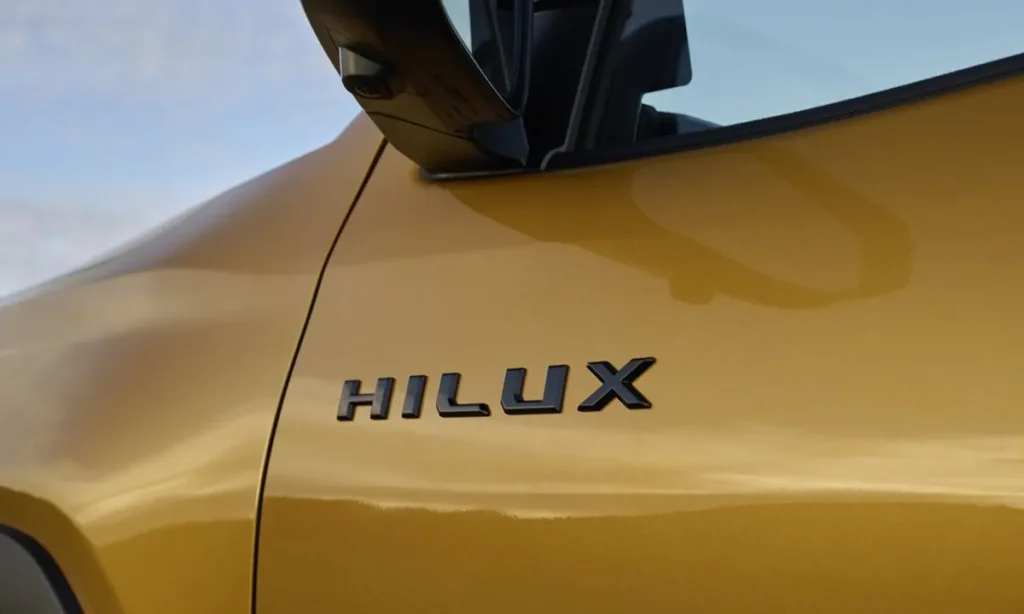
The 2025 Toyota Hilux 9th Generation proves that evolution doesn’t mean abandoning tradition. It retains everything that made the Hilux a global icon — reliability, strength, and go-anywhere spirit — while adding technology, comfort, and sustainability for the future.
Whether it’s powering through mountain roads, towing heavy loads, or silently cruising in electric mode, the new Hilux is more versatile than ever. It’s not just the toughest truck on earth — it’s now one of the smartest.
Read: Nissan Xterra Project X Reimagines Off-Road Power with a V8
Frequently Asked Questions (FAQ)
Q1: When will the 9th-generation Toyota Hilux launch?
The global rollout begins in mid-2026, with hybrid and diesel versions launching first.
Q2: Will the new Hilux have an electric version?
Yes. Toyota will offer a fully electric BEV Hilux with a 59.2 kWh battery and 300 km range.
Q3: Is the Hilux still body-on-frame?
Yes. Despite its modernization, it continues to use a strong body-on-frame platform for maximum durability.
Q4: Will it come to India?
Toyota is expected to bring the hybrid and diesel versions to India, depending on demand and pricing feasibility.
Q5: What makes the 9th-gen Hilux special?
It’s the first Hilux to combine traditional toughness with electrification, offering diesel, hybrid, electric, and fuel-cell options.