BMW X7 vs Audi Q7, Which One Should You Buy?
From Twin-Turbocharged V8 Power and a 90-Cubic-Foot Cargo Hold to an Award-Winning Interior, Seven-Passenger Practicality and a $23,000 Price Advantage — Two of Germany's Finest Three-Row Luxury SUVs Face Their Most Direct and Most Honest Comparison
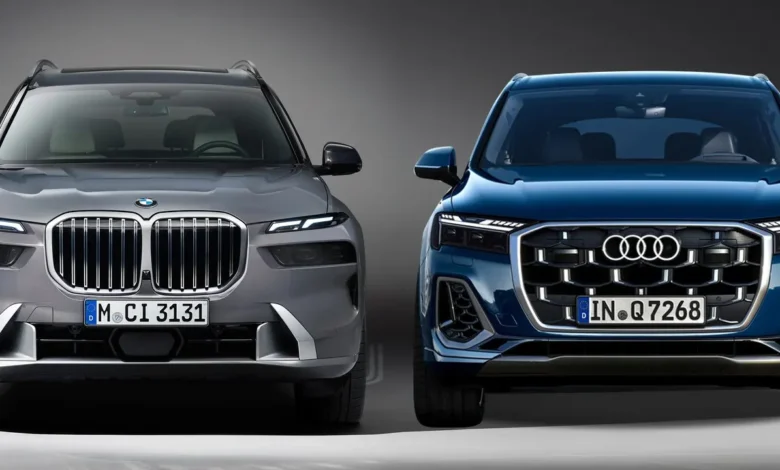
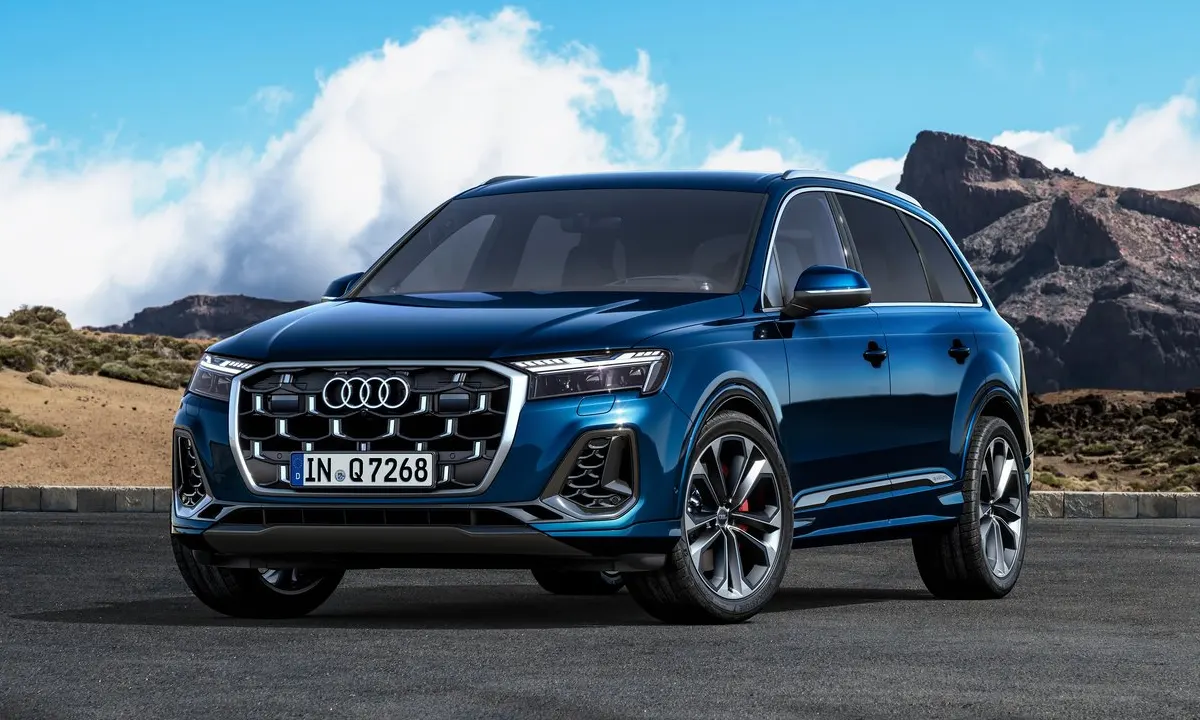
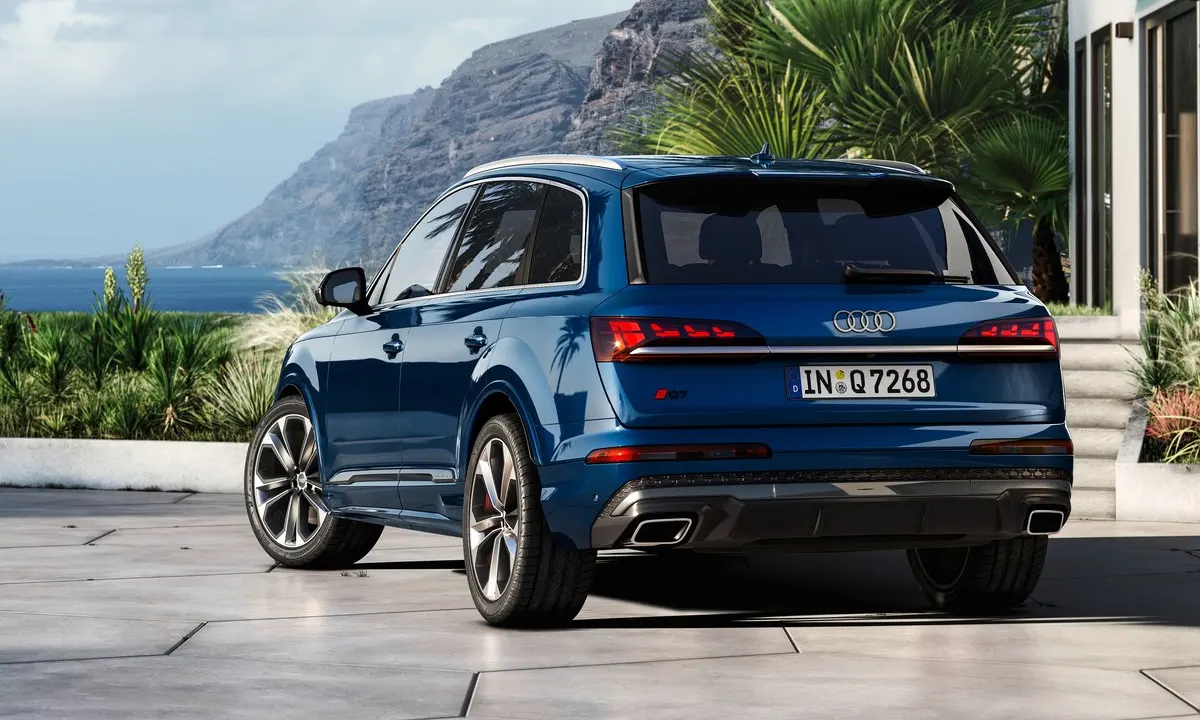
Few decisions in the premium automotive market are as genuinely difficult — or as frequently misunderstood — as the choice between the BMW X7 and the Audi Q7. From the outside, both appear to occupy similar territory: German engineering, three rows of seating, premium interior materials, strong performance credentials and enough technology to satisfy the most demanding connected-car buyer. Dig deeper and the two cars reveal themselves to be meaningfully different in character, in intended use and in the specific kind of luxury they deliver with greatest conviction. The BMW X7 is BMW’s largest and most prestigious SUV — a flagship product that prioritises athletic character, bold design, rear-biased performance and the kind of driving engagement that has always distinguished BMW’s SUV lineup from its peers. The Audi Q7 is a midsize three-row luxury crossover that has been steadily, intelligently refined across two generations to deliver a supremely polished, beautifully integrated and genuinely family-oriented ownership experience at a price point considerably below the X7’s — and with a new generation confirmed for arrival in the near future that will bring it into the most modern competitive alignment the nameplate has seen since 2017.
Gallery: BMW X7 vs Audi Q7
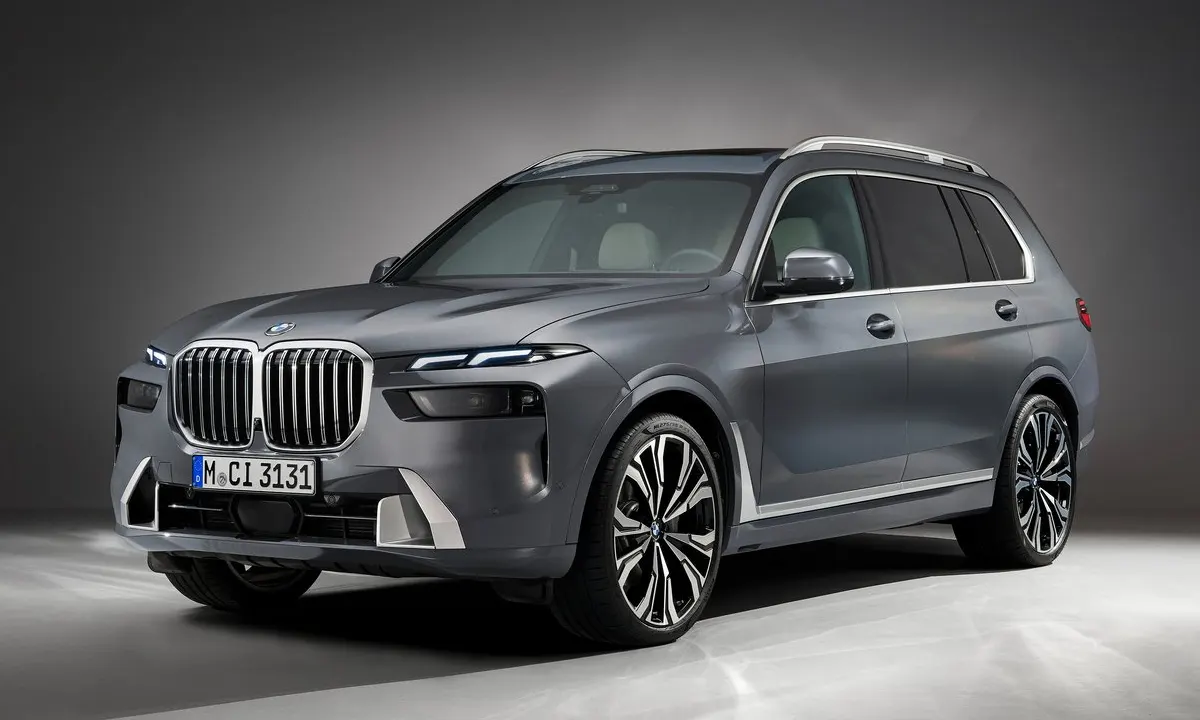
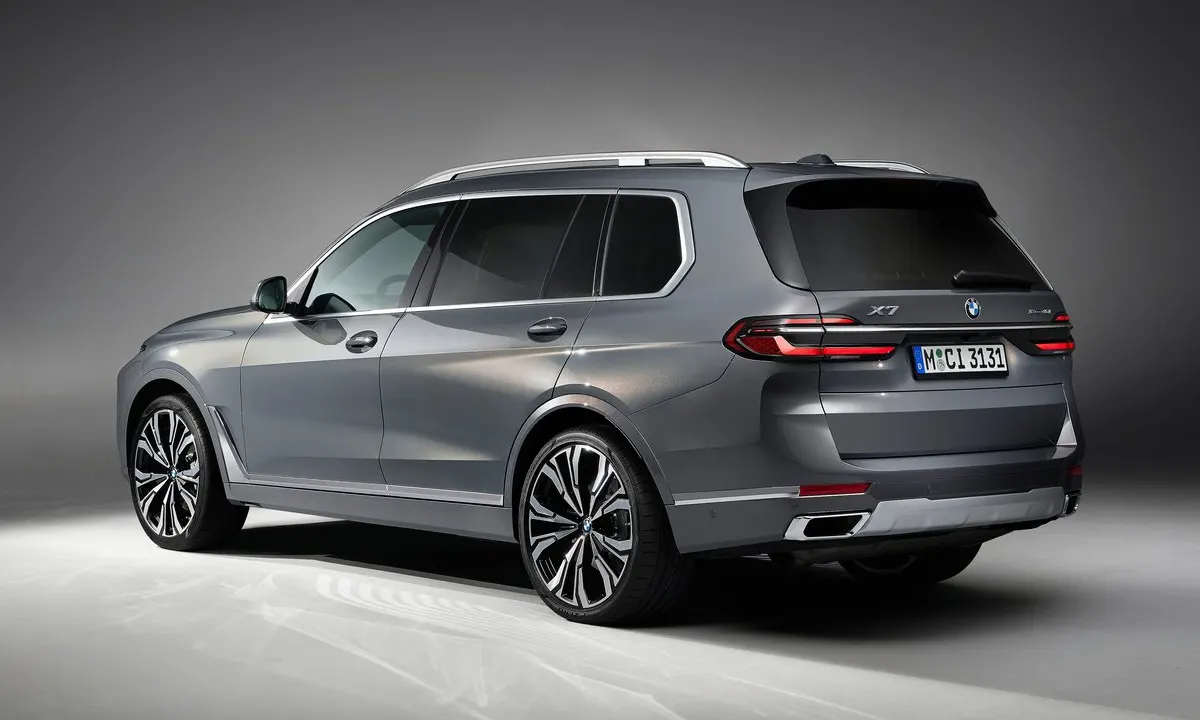
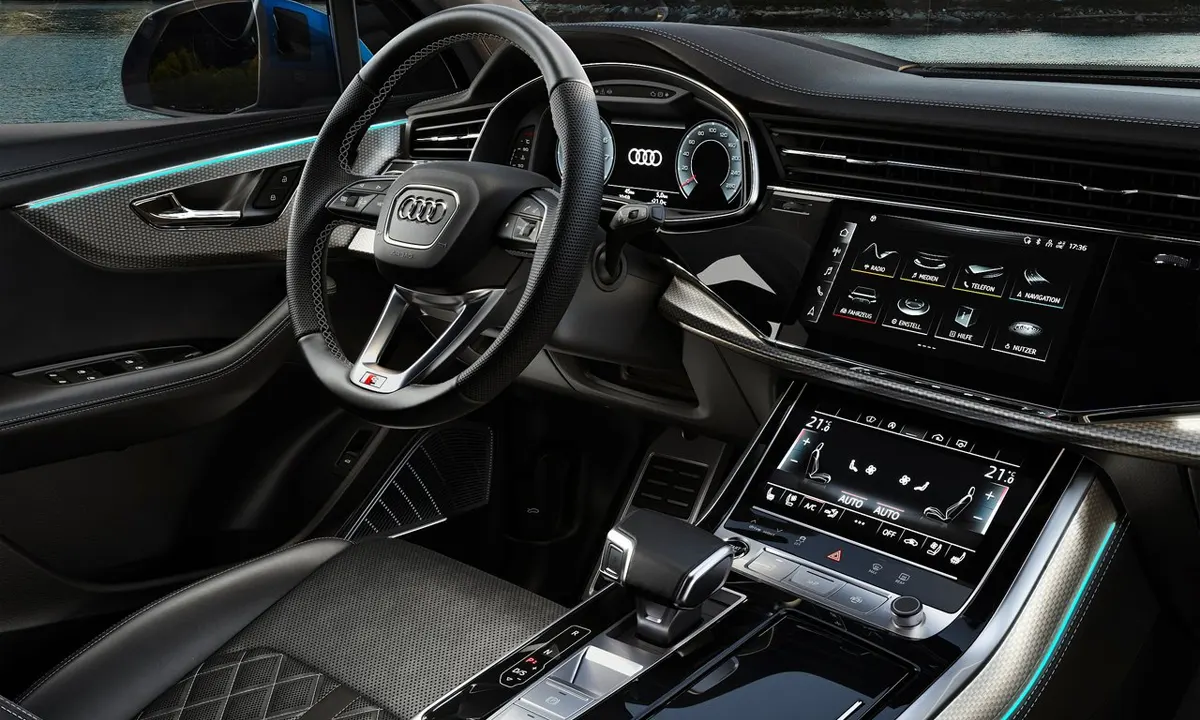
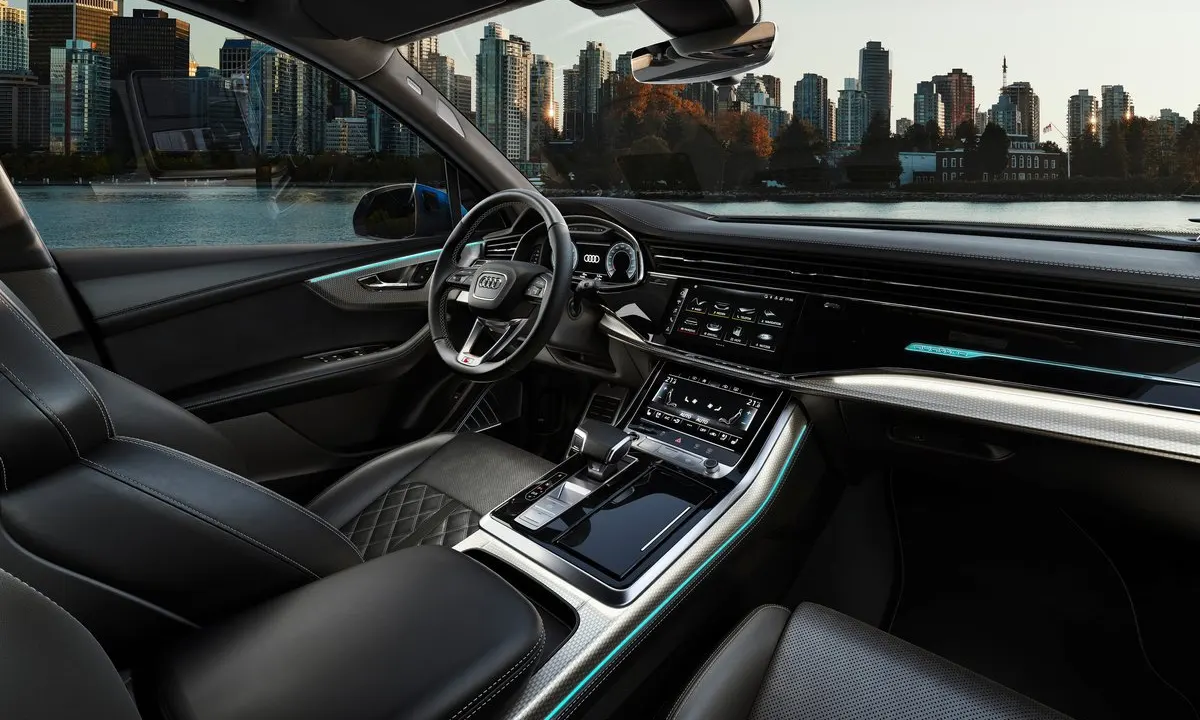
Choosing between them requires understanding not just what each car does well in isolation, but which car does the things that matter most to the specific buyer making the decision. This comparison examines every relevant dimension — size, power, driving character, interior quality, technology, practicality, reliability, pricing and the specific buyer profiles that each vehicle serves most compellingly — to produce the clearest and most honest answer to one of luxury motoring’s most common questions.
Size and Segment: A Critical Distinction That Changes Everything
The first and most practically significant distinction between the BMW X7 and Audi Q7 is one that buyers frequently underestimate before experiencing both cars in person: the X7 is a full-size luxury SUV, while the Q7 is a midsize luxury crossover. In their respective segments, both are excellent performers — but the segment distinction matters considerably, and the choice between them should begin with an honest assessment of which vehicle’s physical scale best serves the buyer’s real-world requirements.
The BMW X7 measures approximately 203 inches in overall length with a wheelbase of 122.2 inches — dimensions that place it in direct competition with the Mercedes-Benz GLS rather than with the Q7, which sits closer in footprint to the BMW X5. That additional size translates into meaningfully more interior volume: the X7 provides 90.4 cubic feet of maximum cargo capacity with both rear rows folded, 48.6 cubic feet behind the second row and 12.8 cubic feet behind the third. The Q7, by comparison, provides 69.6 cubic feet of maximum cargo space with both rows folded and 35.7 cubic feet behind the third row — approximately 23 percent less total cargo volume at maximum capacity. For buyers who regularly transport large items, undertake extended family road trips or tow substantial loads — the X7 is rated for up to 7,500 pounds — this dimensional advantage is meaningful and not replicated by the Q7 regardless of how well its cabin is organised.
The Q7, at 199.0 inches in length, is not a small vehicle, and its three-row architecture is competitive within its midsize segment. However, the third-row experience in the Q7 is limited — best suited to younger passengers rather than adults — and the second-row legroom of approximately 38 to 40 inches places it behind what many rival midsize SUVs provide. The X7 shares the same challenge in its third row, where 33.3 inches of legroom is tight for adults on longer journeys, but the car’s greater overall scale and longer wheelbase provide modestly more usable accommodation in the rearmost positions than the Q7 can match.
Powertrain: Muscle Meets Efficiency
Both the BMW X7 and Audi Q7 offer multiple powertrain choices that serve different buyer profiles, but the character and output of the engines available in each car reflect each brand’s different priorities for vehicles at this price point.
The 2026 BMW X7 is available in three configurations. The xDrive40i, which will be the choice of the majority of buyers, is powered by BMW’s celebrated B58 3.0-litre turbocharged inline-six — a mild-hybrid unit producing 375 horsepower and 398 lb-ft of torque, paired with an eight-speed automatic transmission and standard xDrive all-wheel drive. In independent testing, this engine covers the 0-60 mph sprint in approximately 5.6 seconds — a figure that is genuinely impressive for a vehicle of the X7’s mass — while returning a combined fuel economy figure of approximately 22 to 23 mpg in real-world driving. The X7 M60i steps up to a twin-turbocharged 4.4-litre V8 producing 523 horsepower and 553 lb-ft of torque, reducing the 0-60 mph time to approximately 4.5 seconds. At the pinnacle sits the Alpina XB7, with 631 horsepower, 590 lb-ft of torque and a claimed 0-60 time of 3.9 seconds — performance that rivals dedicated sports cars while carrying seven passengers and all their luggage.
The 2026 Audi Q7 is offered with two engines. The Q7 45 employs a turbocharged 2.0-litre four-cylinder producing 261 horsepower — a capable unit that provides adequate performance for everyday driving but positions itself as an efficiency-first choice rather than a performance statement. The Q7 55, which is the trim level most buyers gravitating toward an Audi in this segment will find more satisfying, uses a 3.0-litre turbocharged V6 with 335 horsepower, 369 lb-ft of torque and a 48-volt mild-hybrid system that improves fuel efficiency without complicating the ownership experience. Towing capacity with the V6 reaches an impressive 7,700 pounds — actually surpassing the X7’s 7,500-pound maximum and providing a practical capability that the Q7’s midsize positioning might not immediately suggest. Both Q7 engines use an eight-speed automatic transmission and Audi’s legendary quattro all-wheel drive system as standard.
The power advantage clearly belongs to the BMW in every tier of comparison — the xDrive40i’s 375 horsepower surpasses the Q7 55’s 335 horsepower, and the X7’s V8 option has no direct Q7 equivalent outside of the SQ7’s twin-turbocharged V8 at a significant price premium. For buyers who prioritise performance as a primary consideration, the X7 is the stronger choice across every trim level. For buyers who regard the V6 Q7’s 335-horsepower output as fully sufficient for their needs — which it is for the majority of real-world driving scenarios — the Q7 55 provides confident, refined acceleration that earns no complaints in daily use.
Driving Dynamics: BMW’s Signature vs Audi’s Serenity
The driving character of these two vehicles reflects, with remarkable consistency, each brand’s philosophical approach to the question of what a premium large SUV should feel like in motion. The BMW X7 drives like a BMW — meaning it handles with an agility and precision that its size makes theoretically improbable, rewards committed driving through corners with genuine feedback and composure, and maintains the kind of driver engagement that buyers who cross-shopped the X7 against rivals like the Mercedes GLS consistently identify as the X7’s most distinctive quality.
The X7’s air suspension, which manages ride height and damping rate continuously, achieves a balance between handling sharpness and ride comfort that reviewers consistently describe as the segment’s finest. The steering is accurate and progressively weighted, providing enough feedback to make the driver feel connected to what the front wheels are doing without becoming demanding or fidgety at highway speeds. In Sport mode, the X7 transforms from a composed family hauler into a genuinely engaging performance machine — a transformation that the size and mass of the vehicle makes genuinely surprising each time it occurs.
The Audi Q7’s dynamic character is different in emphasis and intention, but not inferior in execution. Where the BMW prioritises engagement, the Audi prioritises serenity — a ride quality that filters road imperfections with impressive smoothness, a cabin environment that remains quiet and composed regardless of road surface, and a handling character that is capable and planted without being demanding or sporty. The Q7’s optional adaptive air suspension — standard on the Prestige trim and newly standard on Premium Plus for 2026 — represents a meaningful refinement over the standard suspension and delivers the ride quality that buyers expect from a vehicle at this price point. The quattro all-wheel drive system operates with seamless effectiveness in all weather conditions, inspiring confidence without requiring driver input or conscious management.
For buyers whose priority is the most rewarding driving experience in this comparison, the BMW X7 wins clearly. For buyers who prioritise the most effortlessly comfortable and refined long-distance experience, the distinction narrows considerably, and personal preference will determine the outcome.
Interior Quality and Technology: Germany’s Two Finest Approaches
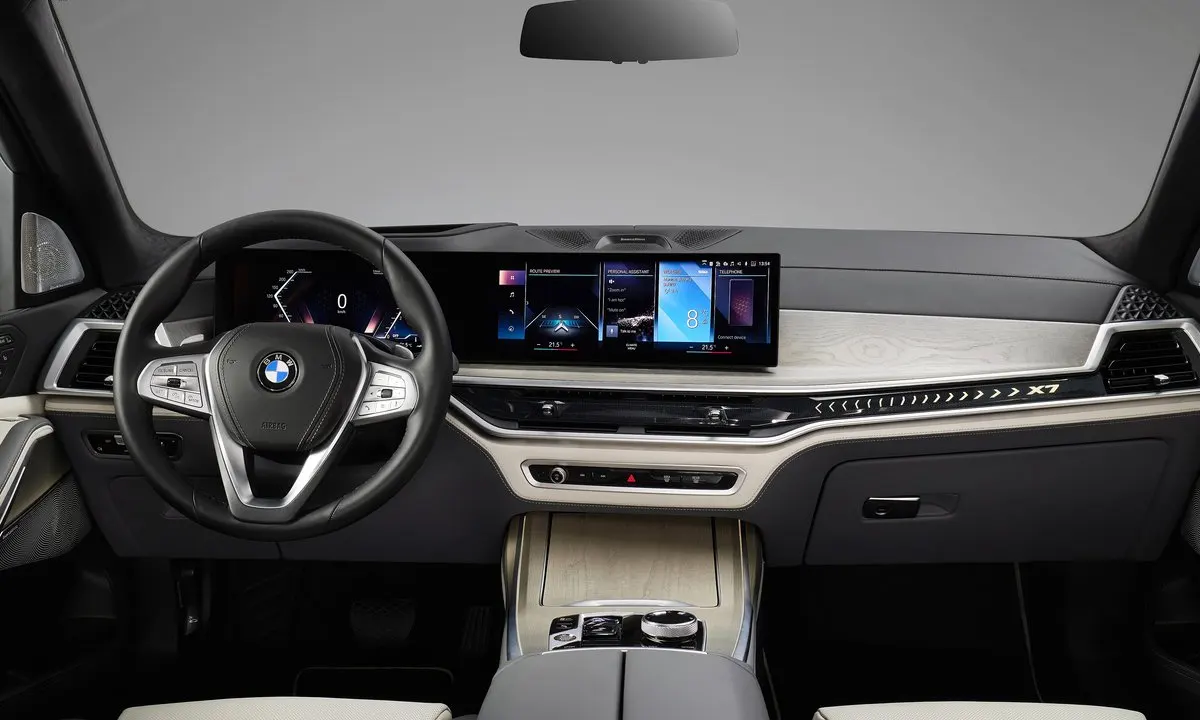
Both the BMW X7 and Audi Q7 deliver interior environments of exceptional quality — though the specific approach each takes to creating that quality reflects the same philosophical differences that govern their exterior design and driving character. Inside the X7, BMW’s Curved Display combines a 12.3-inch digital instrument cluster with a 14.9-inch infotainment touchscreen in a single flowing visual panel that creates an interior architecture of genuine drama and modernity. Standard Sensafin upholstery in the xDrive40i provides a premium synthetic material that holds up well to daily use, with optional Merino leather providing a step up in tactile quality and the full Merino leather package delivering what BMW describes as the closest thing to a bespoke interior available in a production SUV without visiting an Alpina or M division dealer.
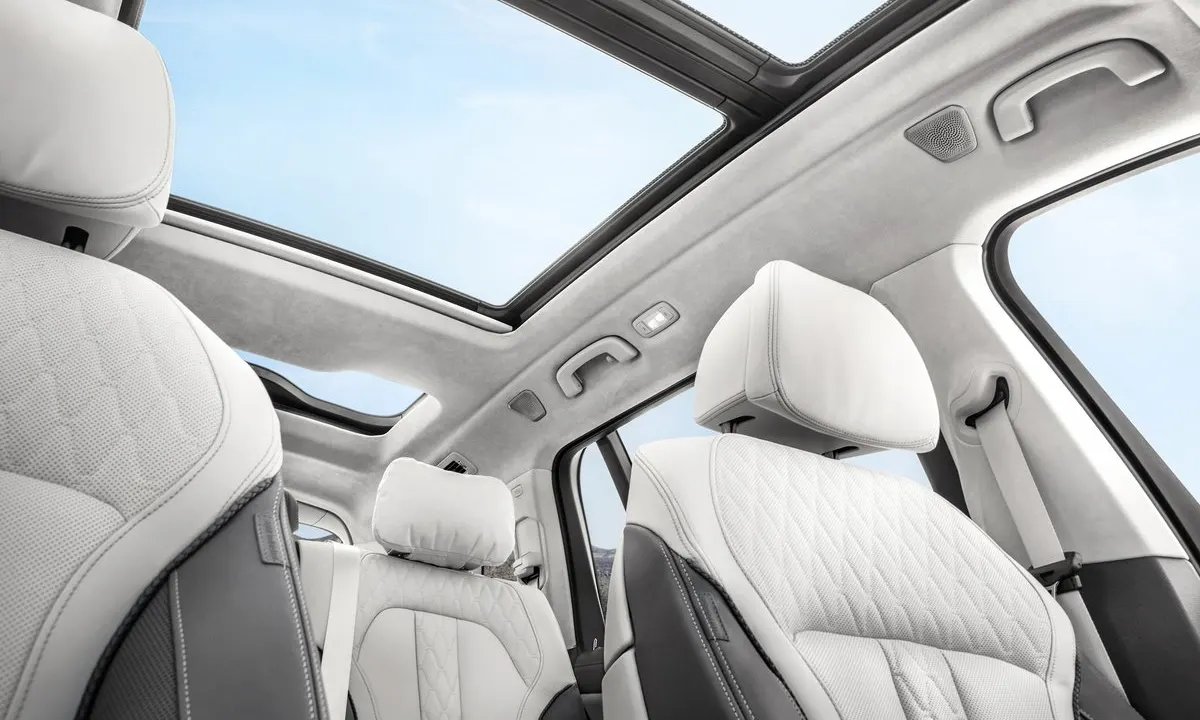
The optional five-zone climate control, massaging front seats and Panoramic Sky Lounge LED roof — which creates an illuminated effect across the entire panoramic glass surface and contributes to a sense of cabin height and airiness that photographs cannot fully communicate — elevate the X7’s interior from excellent to genuinely spectacular. The optional Bowers and Wilkins Diamond surround sound system, while not standard, represents one of the finest in-vehicle audio installations at this price point.
The Audi Q7’s interior makes its case through the quality of its materials and the precision of its construction rather than through dramatic visual gestures. The Virtual Cockpit Plus digital instrument display, the triple-screen central layout combining a 10.1-inch infotainment display with a separate climate control screen, and the flat-surfaced dashboard architecture create an interior that Consumer Guide’s reviewer described as one that creeps up on you — one that does everything so well that nothing seems outstanding until time spent with it reveals the depth of its quality. The standard Bang and Olufsen sound system on Premium Plus and above trims provides audio quality that is genuinely impressive at the Q7’s price point, and the individual contour seats with massage function available on the Prestige trim deliver long-distance comfort that competes directly with the X7’s equivalent specification.
Reliability, Warranty and the Ownership Cost Picture
This is the dimension of the comparison that produces the most clearly differentiated picture between the two vehicles, and it is one that buyers with long-term ownership intentions should weigh carefully. The 2026 BMW X7 carries an Edmunds expert rating of 7.2 out of 10 and a U.S. News score of 8.8 out of 10 — both strong results in a competitive segment. BMW provides a four-year/50,000-mile basic warranty with three years of complimentary maintenance included, a provision that meaningfully offsets the typical service costs of the first ownership period.
The Audi Q7’s reliability picture is more nuanced. RepairPal assigns the Q7 a reliability rating of 2.5 out of 5, ranking it 14th out of 20 in the luxury full-size SUV category — a below-average score that reflects the repair frequency and cost data from surveyed owners across multiple model years. The U.S. News predicted reliability score of 66 out of 100 for the 2025 model places it in the Fair category — below average by that publication’s scale. However, Kelley Blue Book’s consumer reliability rating of 4.4 out of 5 from actual 2026 Q7 owners tells a more favourable story, with 75 percent of surveyed owners recommending the vehicle. The Q7’s five-year cost of ownership as calculated by Kelley Blue Book sits at $92,205 — a competitive figure that reflects reasonable insurance, maintenance and fuel costs for the segment. Audi’s inclusion of three years of complimentary scheduled maintenance on all Q7 trims from 2026 — alongside four years of roadside assistance — reduces the effective ownership cost during the initial period and partially addresses the reliability concerns raised by third-party data sources.
The Price Verdict: $23,000 Is a Real Number
The 2026 BMW X7 xDrive40i starts at $86,700. The 2026 Audi Q7 55 TFSI Premium Plus — the trim level that most closely matches the X7’s standard specification in practical terms — starts at approximately $63,500. That difference of approximately $23,000 is not a rounding error or an artifact of comparing incompatible specifications. It represents a genuine, structurally established price gap between two well-equipped luxury three-row SUVs from two of the world’s most respected manufacturers, and it changes the terms of the comparison in ways that cannot be set aside.
For buyers who can comfortably accommodate either price and for whom the BMW’s larger footprint, stronger performance across every powertrain tier and superior driving dynamics are the primary decision factors, the X7 is the correct choice — and it delivers on those qualities with the conviction and consistency that its premium justifies. For buyers who prioritise the Audi’s lower entry price, its highly refined and beautifully constructed interior, its sufficient-for-most-purposes V6 performance, its impressive 7,700-pound towing capacity and the knowledge that a fully redesigned new-generation Q7 with modern platform architecture is arriving imminently and will offer a used-market opportunity for current-generation buyers within a few years, the Q7 presents a compelling and honest value proposition that the X7’s specification advantage cannot fully neutralise.
The answer to which one you should buy is the one that serves the specific version of luxury family motoring you actually intend to practice — and both of these cars are excellent enough that either answer is a genuinely good one.
Read: Skip the Maybach? Here Are the Best Ultra-Luxury Alternatives Under $150,000 in 2027
BMW X7 vs Audi Q7 — Head-to-Head Specifications Chart
| Category | 2026 BMW X7 xDrive40i | 2026 Audi Q7 55 TFSI Premium Plus |
| Segment | Full-Size Luxury SUV | Midsize Luxury Crossover SUV |
| Engine (Base Recommended) | 3.0L Turbo Inline-Six (B58) | 3.0L Turbo V6 (48V Mild-Hybrid) |
| Horsepower | 375 hp | 335 hp |
| Torque | 398 lb-ft | 369 lb-ft |
| Engine Upgrade Option | V8 — 523 hp (M60i) / 631 hp (Alpina XB7) | V8 — 500 hp (SQ7 — Separate Model) |
| Transmission | 8-Speed Automatic | 8-Speed Automatic |
| Drivetrain | BMW xDrive AWD | Audi quattro AWD — Standard |
| 0–60 mph | 5.6 seconds (xDrive40i) / 4.5 sec (M60i) | ~5.8 seconds (V6) |
| Top Speed (Limited) | 130 mph (155 mph optional) | 130 mph |
| Towing Capacity | Up to 7,500 lbs | Up to 7,700 lbs (V6) |
| Fuel Economy (Combined) | 22–23 mpg (xDrive40i) | 20 mpg (V6) |
| Suspension | 2-Axle Air Suspension — Standard | Adaptive Air Suspension (Standard — Prem. Plus 2026) |
| Rear-Wheel Steering | Not Standard | Available (Prestige) |
| Seating | 7 (Standard) / 6 (Optional Captain’s Chairs) | 7 |
| Second-Row Legroom | 37.6 inches | ~38–40 inches |
| Third-Row Legroom | 33.3 inches | 33.3 inches |
| Cargo (Behind 3rd Row) | 12.8 cu ft | 14.2 cu ft |
| Cargo (Behind 2nd Row) | 48.6 cu ft | 35.7 cu ft |
| Cargo (Maximum) | 90.4 cu ft | 69.6 cu ft |
| Overall Length | ~203 inches | 199.0 inches |
| Wheelbase | 122.2 inches | 117.9 inches |
| Infotainment Screen | 14.9-inch Curved Display | 10.1-inch Touchscreen + Climate Screen |
| Instrument Cluster | 12.3-inch Digital | 12.3-inch Audi Virtual Cockpit Plus |
| Standard Audio | Harman Kardon | Bang and Olufsen (17 Speakers — Prem. Plus) |
| Optional Audio | Bowers and Wilkins Diamond | Bang and Olufsen (23 Speakers — SQ7) |
| Wireless CarPlay/Android Auto | Standard | Standard |
| Standard Upholstery | Sensafin Synthetic Leather | Leather |
| Optional Upholstery | Merino Leather / Full Merino | S Sport Leather / Valcona Leather |
| Hands-Free Driving | Available (Driving Assist. Prof. Package) | Available (Adaptive Cruise Assist) |
| Parking Assistance | Standard Park Assist Professional (2026) | Available — Self-Parking System (Prestige) |
| Basic Warranty | 4 Years / 50,000 Miles | 4 Years / 50,000 Miles |
| Complimentary Maintenance | 3 Years (Included) | 3 Years / 30,000 Miles (Audi Signature Care — 2026) |
| Roadside Assistance | 4 Years | 4 Years / Unlimited Miles |
| RepairPal Reliability Rating | Above Segment Average | 2.5 / 5 — Below Average |
| U.S. News Score | 8.8 / 10 | Pending 2026 Update |
| Edmunds Expert Rating | 7.2 / 10 | 6.0 / 10 |
| KBB Consumer Reliability | — | 4.4 / 5 (Owner-Reported) |
| Next Generation Status | Final Year of Current Gen (2026) | New Gen Confirmed — Arriving Next Year |
| Starting MSRP (Entry Engine) | $86,700 (xDrive40i) | $63,295 (Q7 45 / Four-Cylinder) |
| Starting MSRP (V6 Recommended) | $86,700 (Inline-Six = Base) | ~$63,500 (Q7 55 Premium Plus) |
| Price Gap | — | Q7 by ~$23,200 |
| Assembly | Spartanburg, SC, USA | Bratislava, Slovakia |