Why the 2026 Mercedes-Benz GLC EV Is the Electric SUV That Every Rival Needed to Fear Most
Purpose-Built MB.EA Platform, 800-Volt Architecture With 330 kW Charging, S-Class-Derived Airmatic Suspension, AI-Powered MBUX Technology and a Striking New Design Language Make the All-Electric GLC the Most Technologically Ambitious Compact Luxury SUV Ever Produced
The 2026 Mercedes-Benz GLC EV is, by almost every commercial measure, the most important vehicle in the brand’s current lineup. It is the model that Mercedes-Benz sells in the greatest volume, the nameplate that most completely defines the brand’s identity for millions of buyers worldwide and the vehicle whose success or failure carries the most immediate and most consequential implications for the brand’s financial performance and market positioning. When Mercedes-Benz decided that the GLC would be the vehicle to introduce its new generation of purpose-built electric architecture to the compact luxury SUV segment — replacing the EQ sub-brand’s approach of adapted platforms with a clean-sheet electric design conceived from the outset specifically for battery-electric operation — the decision reflected both the magnitude of the commercial stakes and the depth of the engineering investment the brand was prepared to make. The 2026 Mercedes-Benz GLC with EQ Technology is the result of that investment, and it is one of the most comprehensively engineered and most ambitiously specified compact electric SUVs ever brought to production.
Gallery: 2026 Mercedes-Benz GLC EV
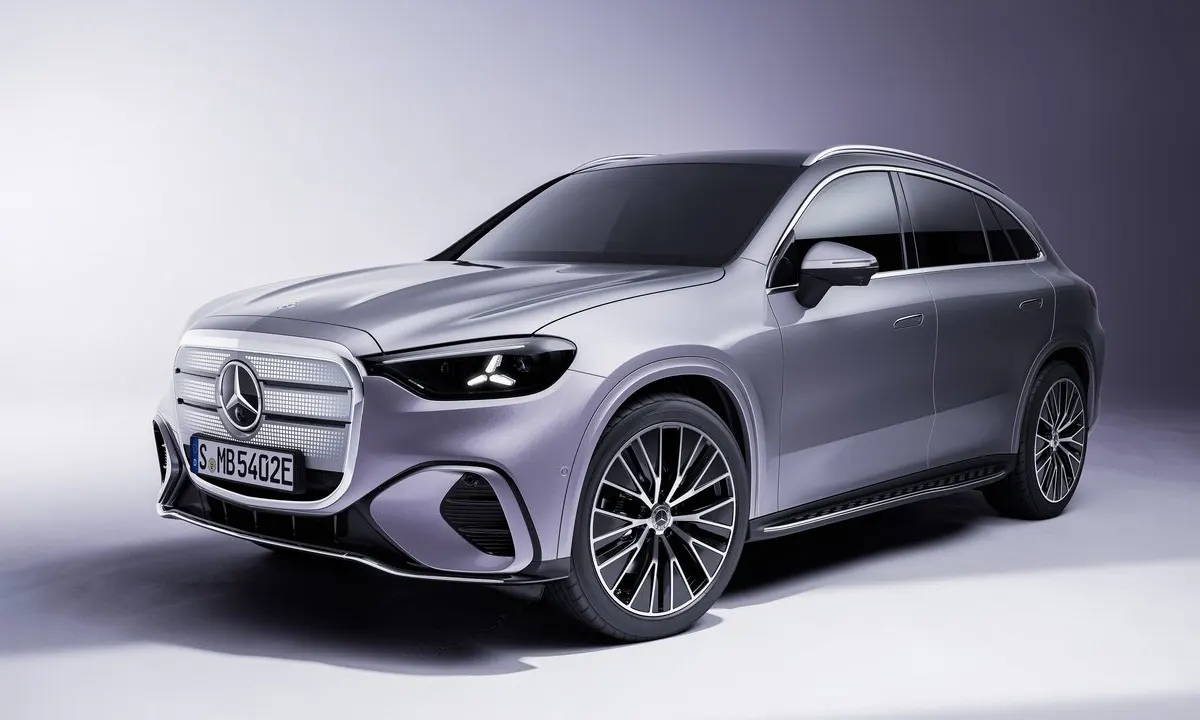
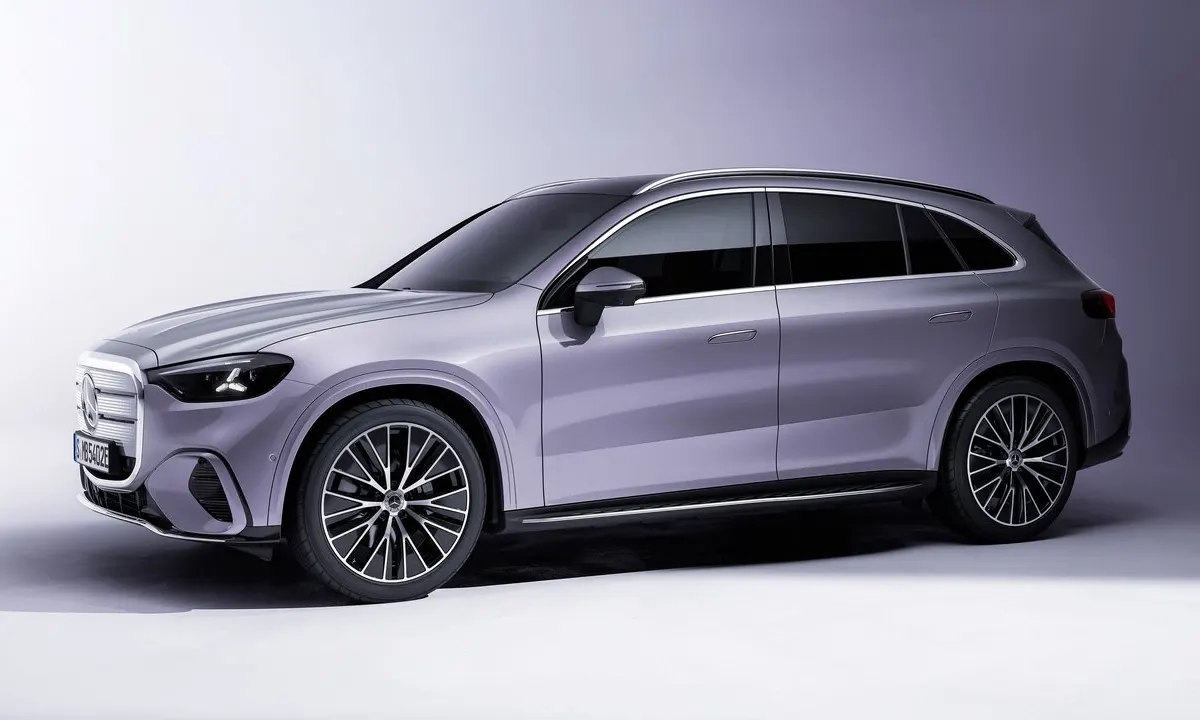
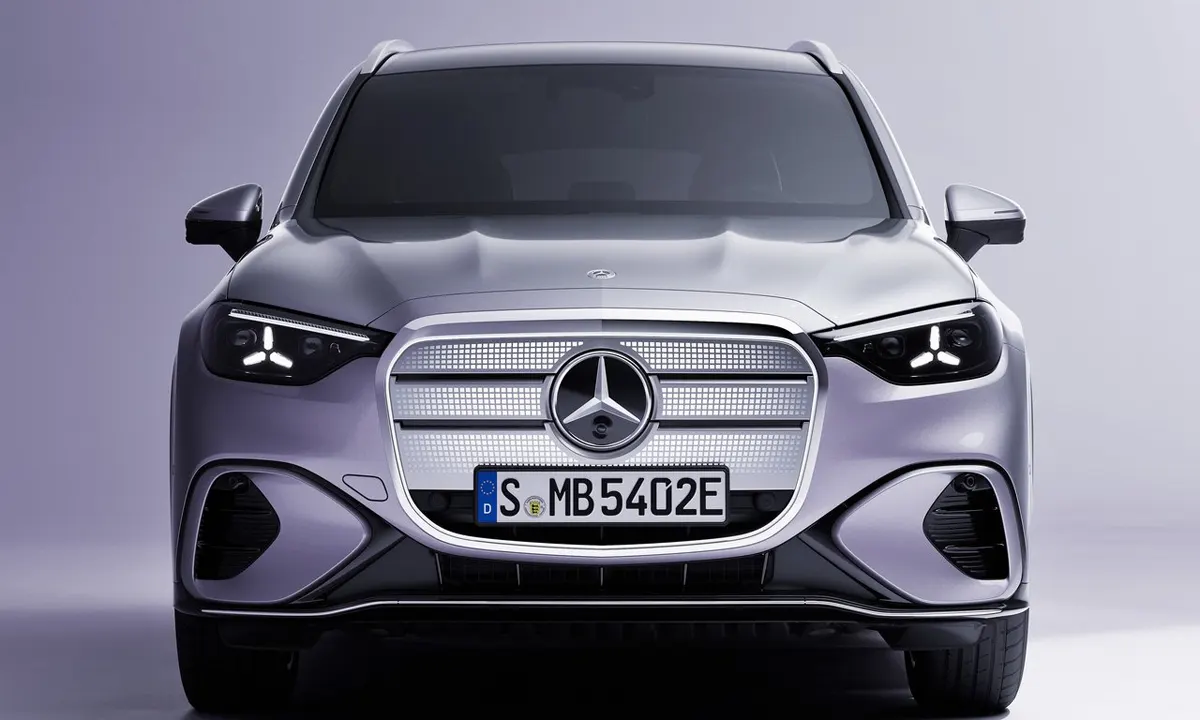
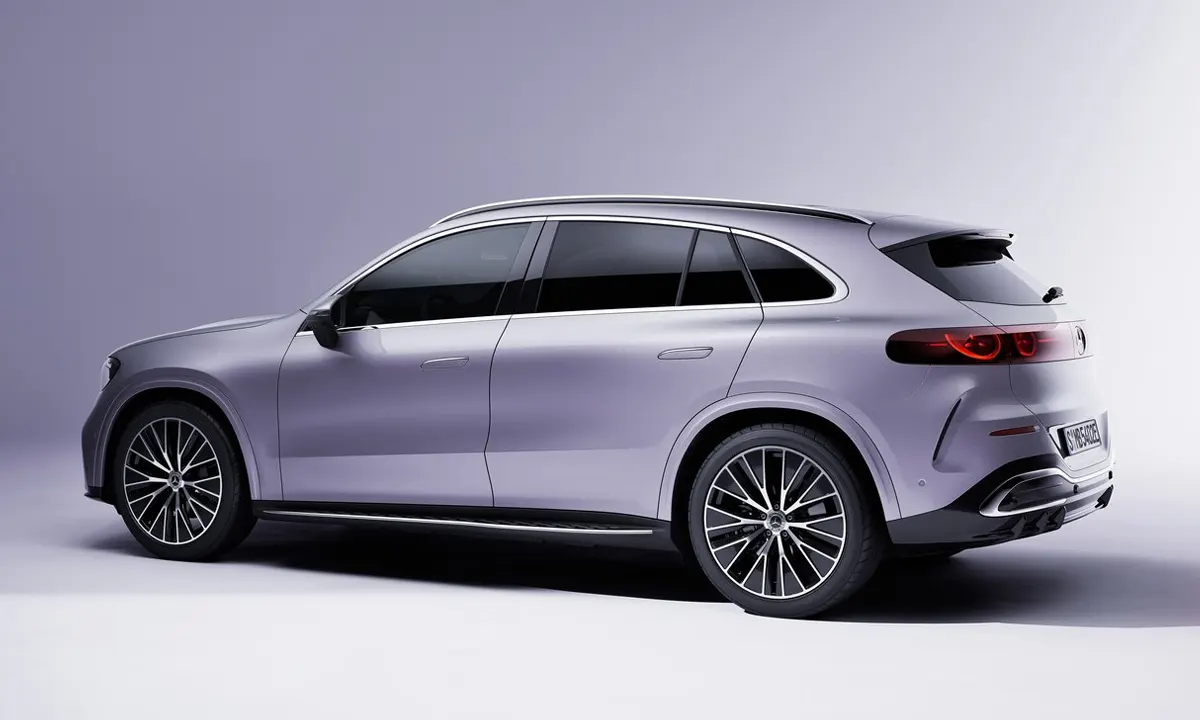
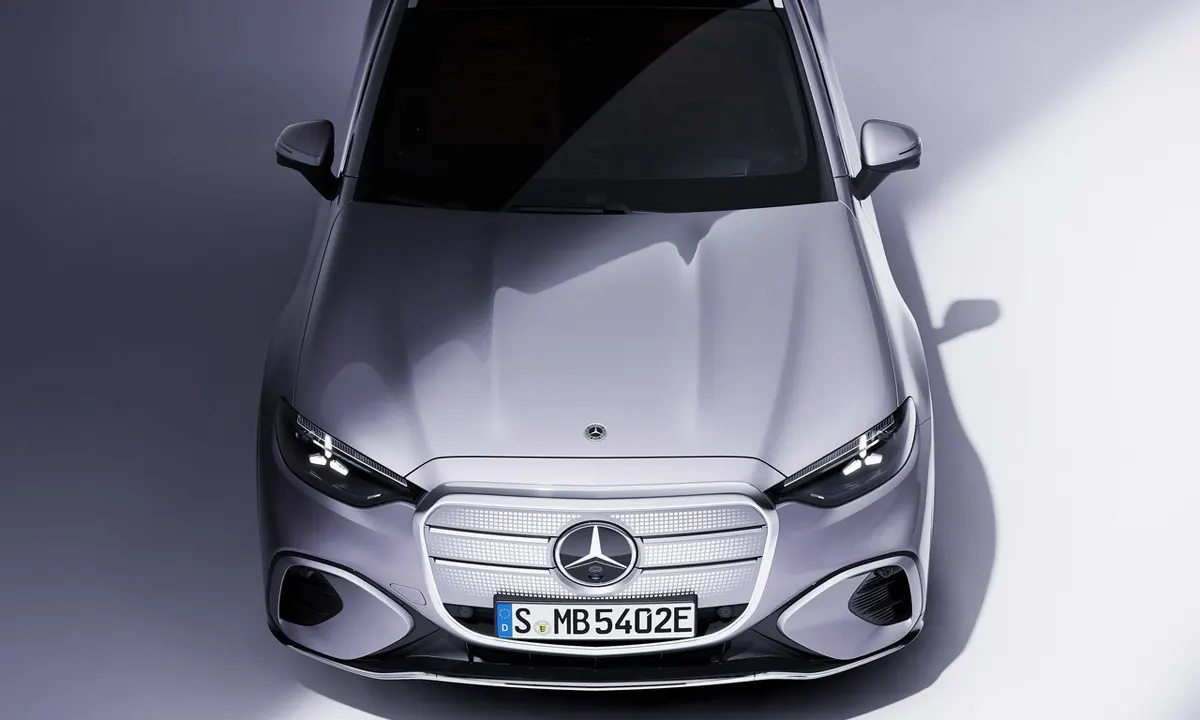
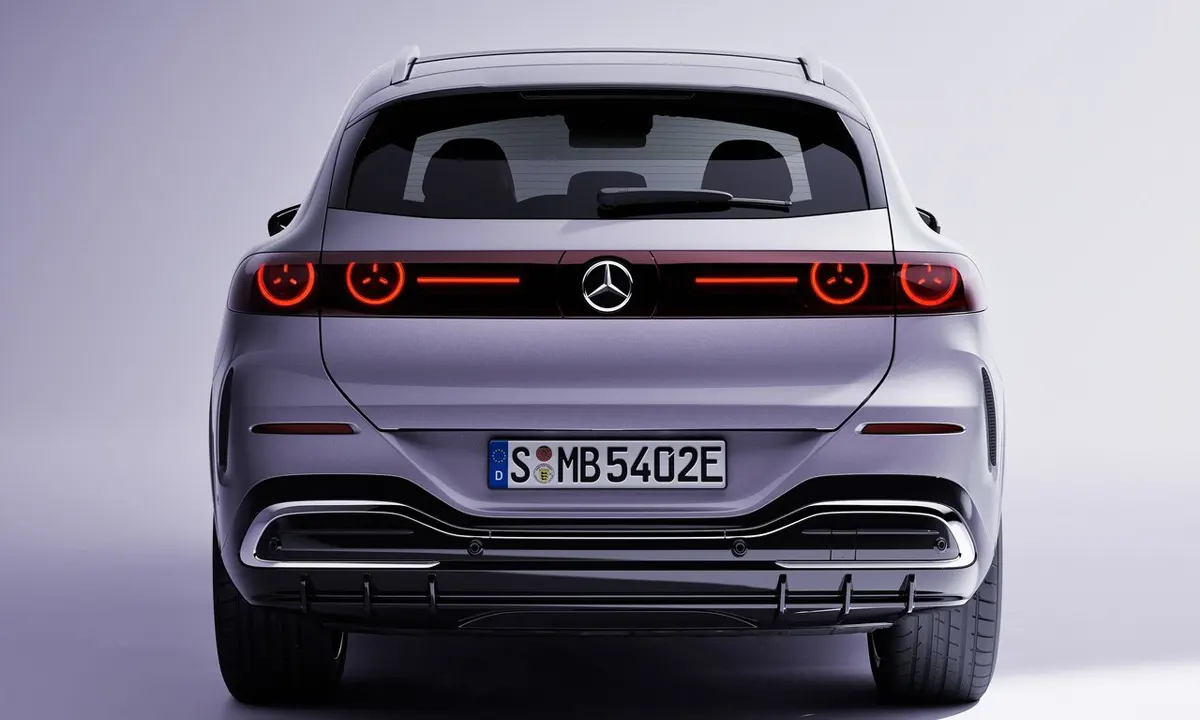
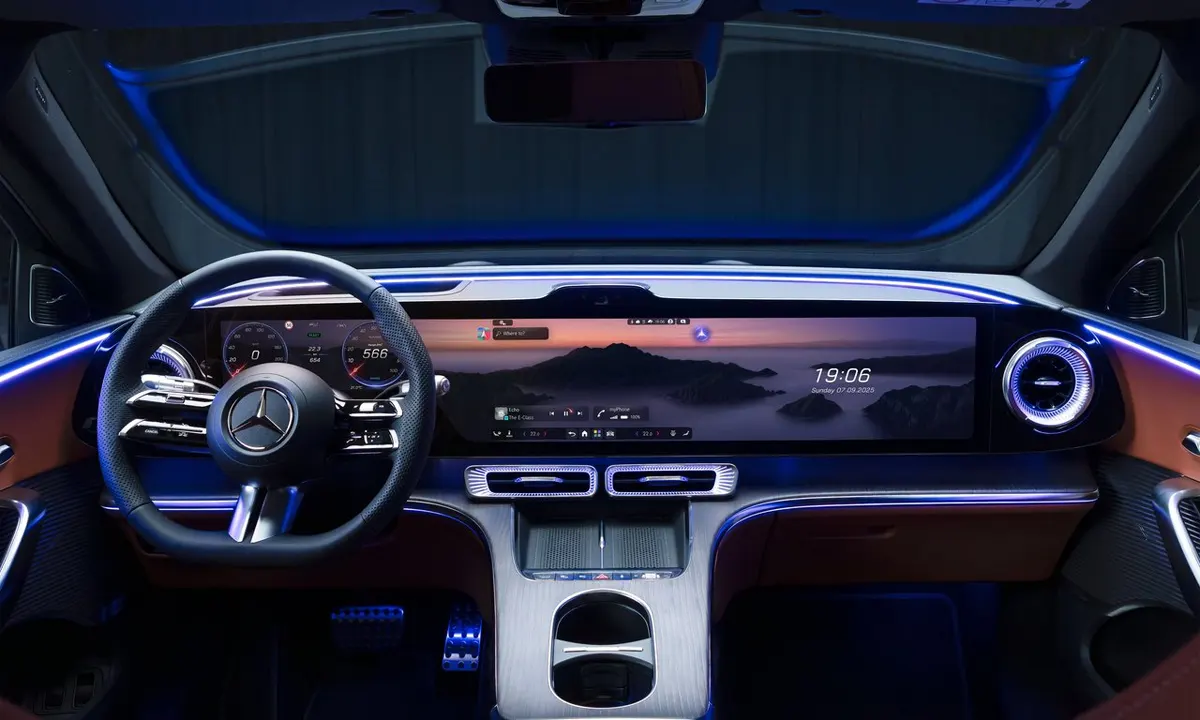
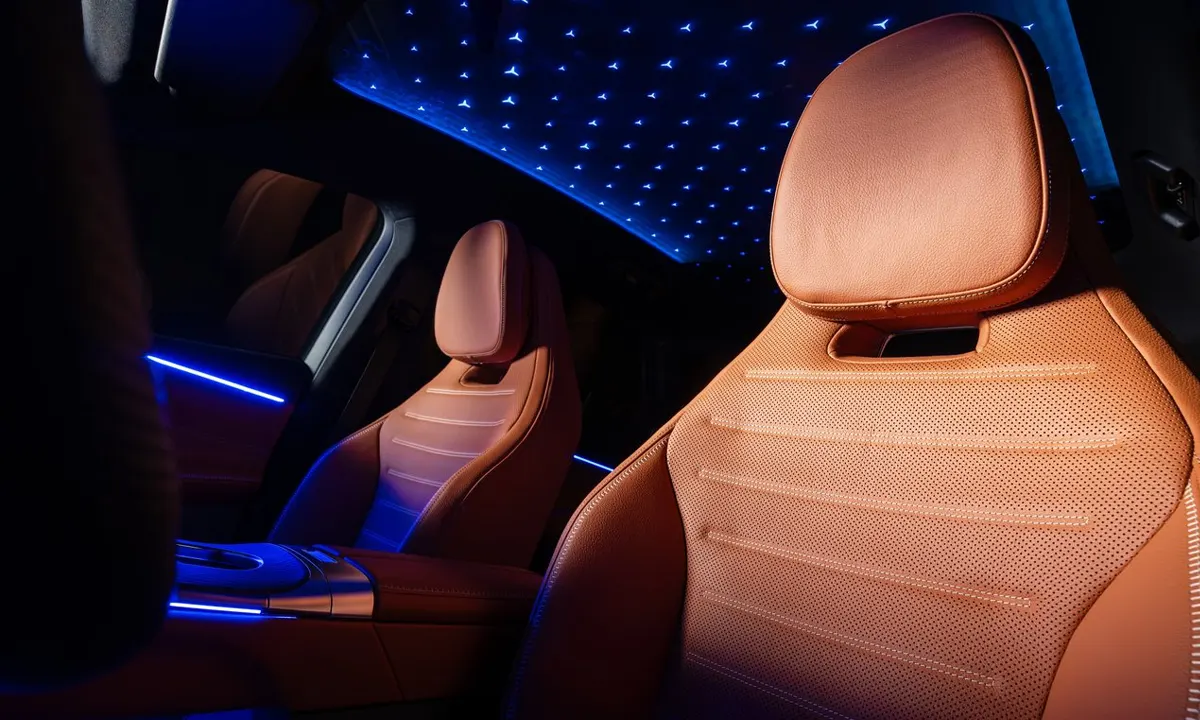
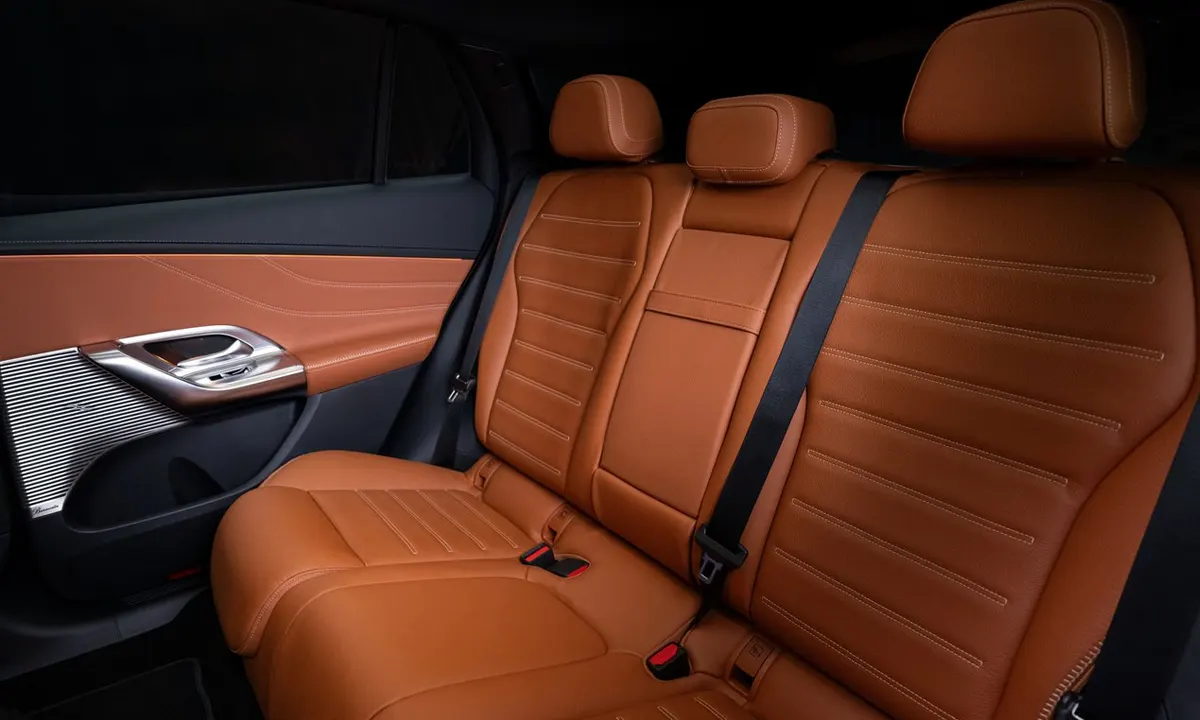
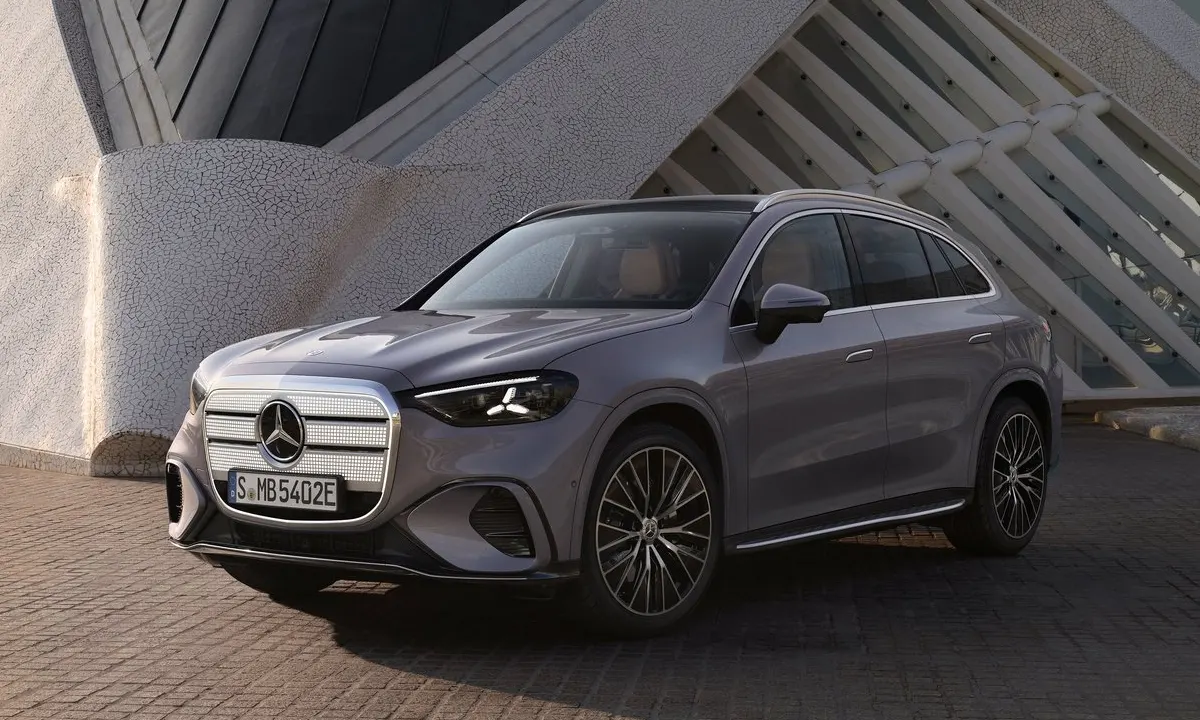
Built on Mercedes-Benz’s new MB.EA dedicated electric architecture — a platform developed entirely independently of the combustion GLC’s underpinnings and shared with no existing Mercedes-Benz model — the GLC EV arrives in the United States market in the second half of 2026 with a 94-kilowatt-hour battery, 800-volt charging architecture capable of accepting up to 330 kilowatts, an estimated real-world range approaching 320 miles on the EPA cycle, a 39.1-inch pillar-to-pillar Hyperscreen powered by artificial intelligence from both Microsoft and Google, and a dual-motor all-wheel-drive GLC 400 4MATIC variant producing 483 horsepower from the launch specification. The vehicle represents not merely a new model but a new strategic direction for Mercedes-Benz’s electric vehicle programme — one that prioritises genuine engineering excellence over the cautious adaptation that characterised the brand’s first generation of EQ products, and that positions the GLC EV as a direct and credible challenger to the Audi Q6 e-tron, the Porsche Macan Electric and the BMW iX3 for supremacy in the most competitive and most rapidly expanding segment of the premium automotive market.
A Design That Boldly Defines Mercedes-Benz’s Electric Future
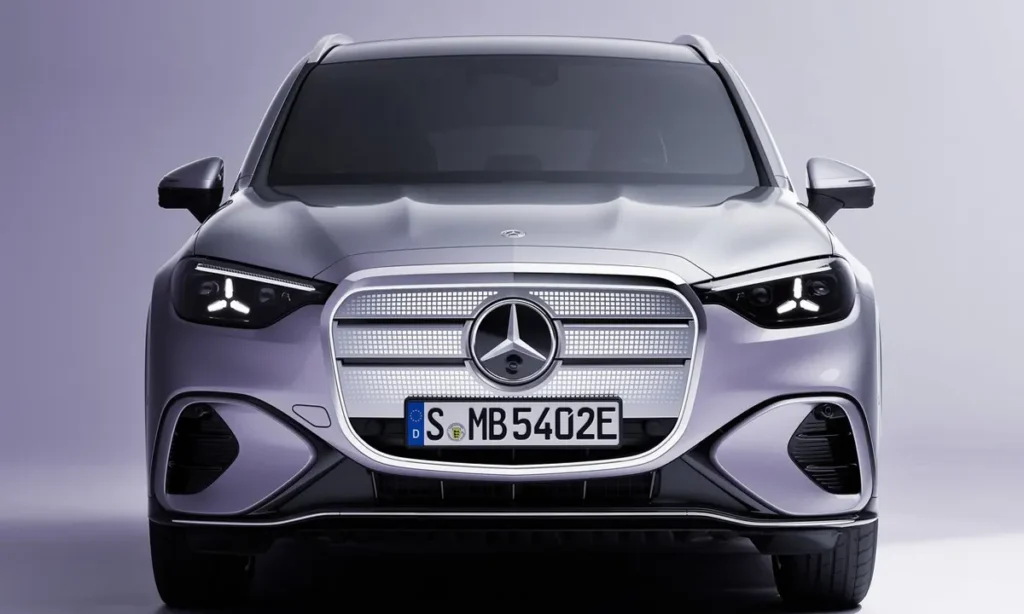
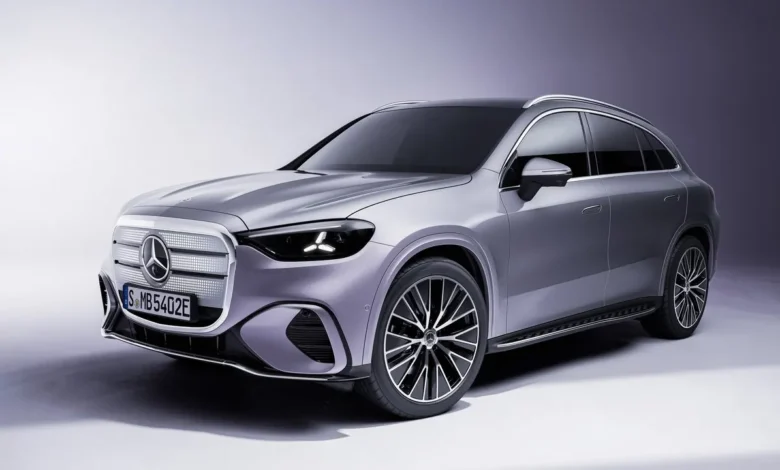
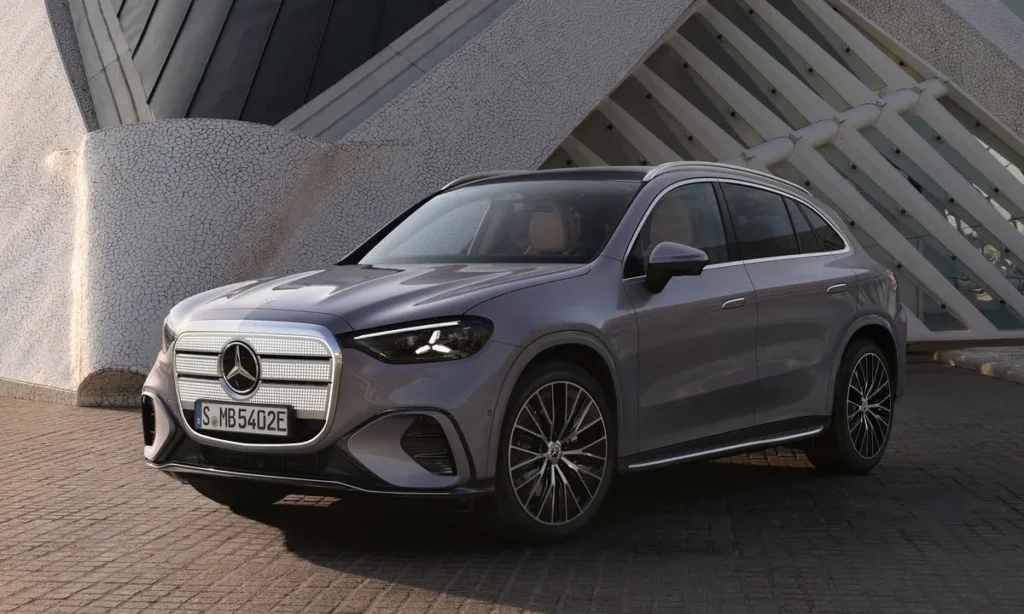
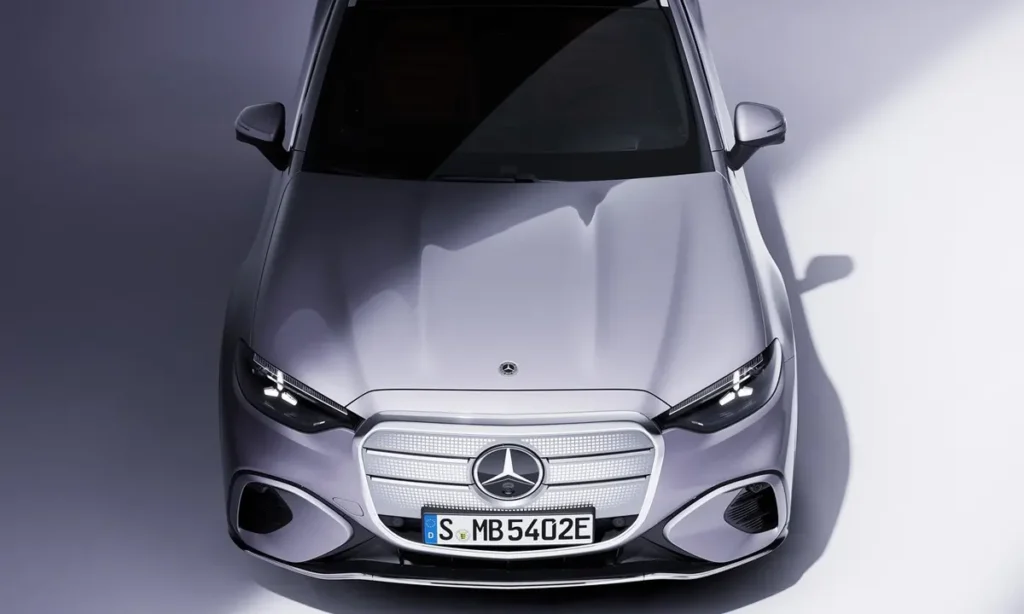
The exterior design of the 2026 Mercedes-Benz GLC EV is the most discussed, the most deliberately distinctive and the most consequential aesthetic statement the brand has made in the electric vehicle space since the introduction of the EQS. Mercedes-Benz’s designers have made a deliberate and fully committed return to the brand’s classical design heritage — specifically the large, upright, prominent front grille that defined Mercedes-Benz luxury saloons across multiple generations — reinterpreting it in a thoroughly contemporary and thoroughly electric form. The result is an SUV whose front fascia commands attention and divides opinion in equal measure, which is precisely what a design of genuine conviction tends to do, and which is entirely appropriate for a vehicle intended to establish Mercedes-Benz’s electric aesthetic identity for the decade ahead.
The grille panel at the heart of this new design language incorporates 942 individual polycarbonate segments, each backlit by a matrix of 140 LED units, creating an illuminated surface effect that transforms the car’s front face from daytime to nighttime with a dramatic and unmistakable character. The illuminated grille is available in multiple animation modes — including patterns that can be customised by the owner — and creates a night presence that is unlike any other vehicle in the compact luxury SUV segment. Flanking the grille, the headlight clusters adopt rounded forms with triangular daytime running light elements that echo the grille’s geometric language, creating a visual coherence across the front fascia that rewards closer inspection with an increasing appreciation of its compositional deliberateness.
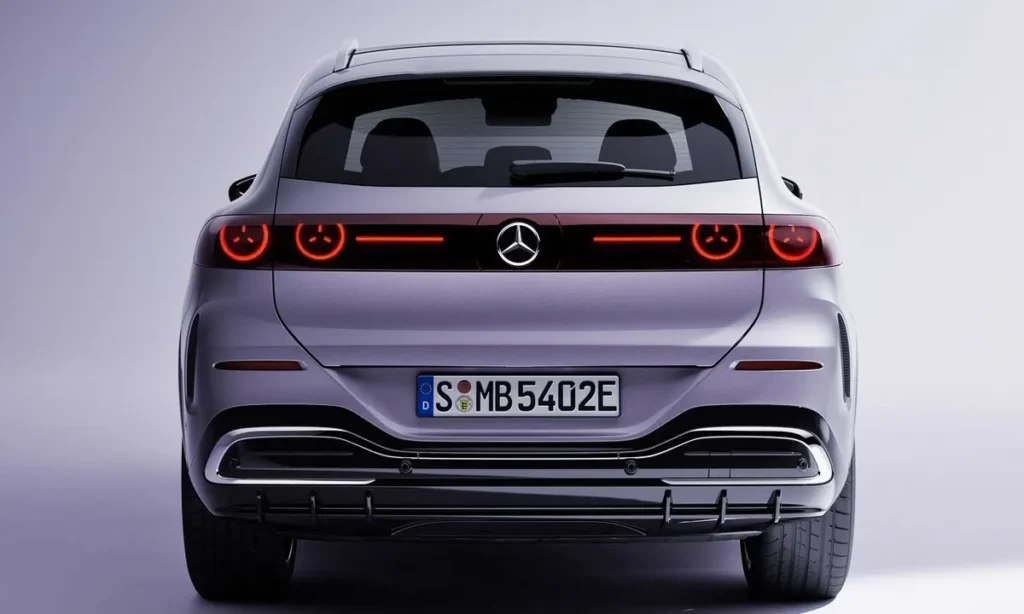
The profile of the GLC EV is significantly smoother and more aerodynamically resolved than the combustion model it sits alongside in the Mercedes-Benz lineup. Flush door handles are standard, body panel transitions are tightly controlled and the overall silhouette achieves a drag coefficient that contributes meaningfully to the car’s range performance. The MB.EA platform’s longer wheelbase — extending approximately 50 millimetres beyond the equivalent combustion GLC despite the two vehicles measuring essentially the same overall length — is visually expressed through a slightly longer and more graceful glasshouse that gives the GLC EV a more elegant proportion than its immediate exterior dimensions might suggest. At the rear, elongated horizontal taillights wrap around the body with a three-dimensional sculptural quality, housing an integrated light bar that creates a strong and recognisable signature in the rearview mirrors of following traffic. The optional AMG Line styling package adds sportier bumper treatments, more prominent side sill extensions and 21-inch AMG alloy wheels that give the GLC EV a more assertive and more performance-oriented road presence.
The MB.EA Platform: Engineering Excellence From a Clean Sheet
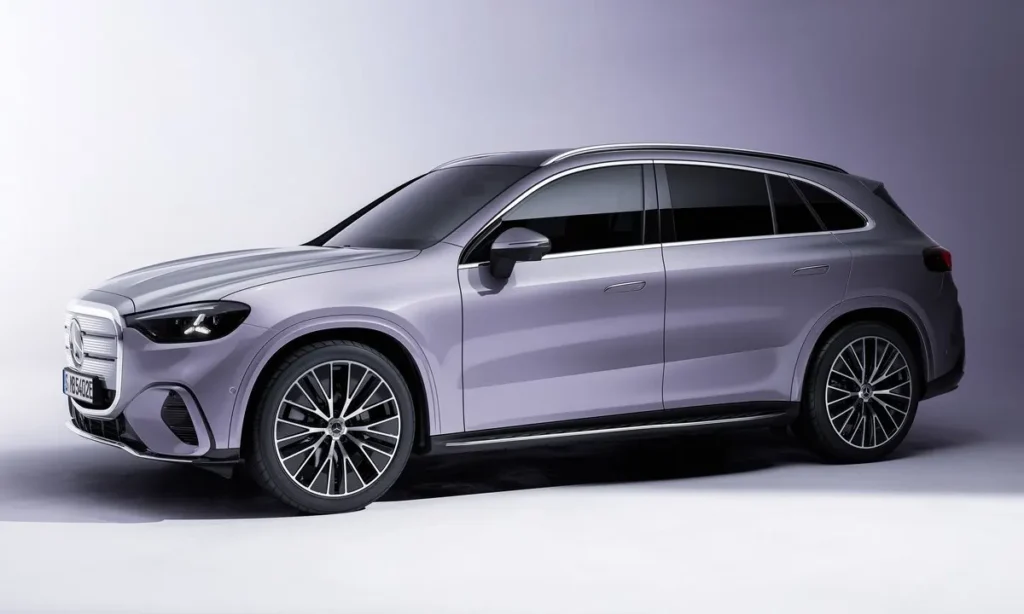
The engineering foundation of the 2026 Mercedes-Benz GLC EV is its purpose-built MB.EA architecture — a platform developed entirely for battery-electric compact and midsize SUVs without any of the packaging constraints, thermal management compromises or structural accommodations that adapted combustion platforms inevitably impose on electric vehicle development. Building from a clean sheet has allowed Mercedes-Benz’s engineers to optimise every dimension of the GLC EV’s underpinning for electric operation — placing the battery pack at the lowest possible position within the floor structure to minimise the vehicle’s centre of gravity, maximising interior volume relative to overall exterior dimensions through the elimination of a conventional transmission tunnel and packaging the electric motor or motors, power electronics and thermal management systems with a efficiency and compactness that generates the interior space dividends that buyers and passengers directly experience.
The results of this clean-sheet approach are immediately and measurably apparent in the GLC EV’s interior dimensions. Despite the new model measuring essentially the same 4.85 metres in overall length as the combustion GLC, the MB.EA platform’s dedicated electric architecture delivers approximately 50 millimetres of additional rear legroom and 46 millimetres of increased rear headroom compared to the outgoing combustion variant. These are genuinely significant gains — not the marginal improvements that can be extracted from platform sharing — and they transform the rear passenger experience from merely adequate to genuinely comfortable for adult passengers of above-average height. A 3.5-cubic-foot front trunk, enabled by the absence of a combustion engine in the front overhang, provides additional cargo utility that the combustion GLC cannot offer. The rear cargo area extends to 570 litres — 50 litres more than the competing BMW iX3 — ensuring that the GLC EV’s practical credentials match its technological and luxury ambitions.
The rear axle incorporates a two-speed automatic transmission — a mechanical arrangement that provides an optimal gear ratio for maximum acceleration from rest while switching to a taller ratio at highway speeds to reduce motor operating speed, improve electrical efficiency and extend range. This two-speed arrangement, increasingly common in premium electric vehicles from Porsche and Mercedes-Benz’s own performance lineup, represents a meaningful engineering investment over single-speed configurations and contributes to the GLC EV’s ability to deliver strong performance without the disproportionate energy consumption that brute-force single-ratio electric powertrains impose at sustained highway speeds. The front motor on all-wheel-drive variants incorporates a disconnect mechanism that physically uncouples it from the drivetrain during steady-state cruising when rear-wheel drive is sufficient, eliminating the drag and energy consumption of an unnecessarily engaged front motor and contributing meaningfully to the car’s real-world range under mixed driving conditions.
800-Volt Architecture and 330 kW Charging: The Fastest-Charging Compact Luxury EV Available
The 2026 Mercedes-Benz GLC EV’s 800-volt electrical architecture is one of its most practically significant engineering achievements and one of the most compelling commercial differentiators separating it from competitors whose 400-volt systems impose meaningful limitations on charging speed and thermal management under repeated fast-charging cycles. The 800-volt system operates at twice the electrical potential of conventional 400-volt architectures, enabling the same power transfer at half the current — a physical relationship that dramatically reduces heat generation within the charging cable, power electronics and battery cells during high-speed charging events, improving both charging speed and long-term battery health simultaneously.
The peak charging rate of 330 kilowatts that the GLC EV’s 800-volt system enables is the highest of any compact luxury SUV currently in production, and its practical implications are substantial. Under optimal conditions at a compatible 800-volt charging station, the GLC EV can recover approximately 160 miles of range in approximately 10 minutes — a replenishment rate that effectively eliminates charging anxiety for the majority of real-world travel scenarios and reduces the time investment of long-distance charging stops to a level that competes meaningfully with conventional refuelling. At the 400-volt charging stations that comprise the majority of the current public charging infrastructure in the United States, the GLC EV achieves approximately 100 miles of range recovery in 15 to 20 minutes — a competitive performance that reflects the system’s ability to adapt its charging behaviour to available infrastructure without sacrificing usability. Home charging through the standard 7.4-kilowatt AC onboard charger replenishes the full 94-kilowatt-hour battery from 10 to 100 percent in approximately 14 to 15 hours — a timeline appropriate for overnight charging that ensures the car begins each day with a full charge under typical ownership patterns.
The 94-kilowatt-hour lithium-ion battery pack — of which the full usable capacity delivers the range performance that Mercedes-Benz’s testing validated — achieves a real-world efficiency figure of approximately 4.3 miles per kilowatt-hour in mixed driving conditions, according to independent European assessments. The WLTP-cycle range figure of 443 miles that Mercedes-Benz achieved during European certification testing is specific to the more generous European test protocol and will translate to a lower figure under the EPA’s more conservative testing methodology — independent analysts estimate the EPA range will fall in the region of 320 miles, a figure that places the GLC EV competitively within the premium compact electric SUV segment and ahead of the combustion GLC 350e plug-in hybrid’s 54-mile electric range by an enormous margin.
Power, Performance and Dynamic Refinement
The 2026 Mercedes-Benz GLC EV launches in the United States market in GLC 400 4MATIC specification — the dual-motor all-wheel-drive variant that provides the complete expression of the car’s performance capabilities from the outset of its American availability. The dual-motor configuration produces 483 horsepower and 596 pound-feet of torque — outputs that place the GLC 400 4MATIC firmly in sports SUV performance territory, with a zero to 60 miles per hour time of approximately 4.4 seconds that significantly betters the combustion GLC 300’s 5.8-second capability and approaches the AMG GLC 43’s 4.1-second benchmark. A rear-wheel-drive GLC 300+ variant, producing 369 horsepower from a single motor, will follow in early 2027 — offering greater range efficiency and a lower entry price for buyers whose priority is maximum real-world range over peak performance.
The chassis engineering that surrounds the MB.EA platform’s powertrain architecture is among the most sophisticated ever applied to a compact luxury SUV. The optional Airmatic air suspension — a system derived directly from the S-Class’s renowned adaptive air ride — provides electronically controlled variable ride height and continuously adjustable damping across a range that encompasses both the long-distance touring comfort that GLC owners expect and the body motion control that the car’s performance outputs demand under spirited driving conditions. An intelligent suspension control system incorporating a Car-to-X communication function allows the GLC EV to receive road surface condition data from other equipped vehicles ahead — adjusting damping character proactively for approaching potholes or deteriorated road surfaces before the car encounters them rather than reacting after the fact. A separate ride height management system integrates with Google Maps navigation data, automatically adjusting the car’s ground clearance based on the upcoming road conditions predicted by mapping information — raising the suspension for rough surface approaches and lowering it for optimised aerodynamic efficiency on smooth highway sections.
The braking system deploys brake-by-wire technology that integrates regenerative and friction braking with exceptional transparency and progressive feel — two qualities that earlier electric vehicles’ regenerative braking systems frequently struggled to achieve simultaneously. The regenerative braking system’s energy recovery contributes meaningfully to real-world range in urban driving conditions, and the adjustable regeneration intensity allows drivers to configure the system’s behaviour from light recuperation that maintains conventional coasting feel to strong one-pedal driving functionality that allows urban journeys to be managed almost entirely through throttle modulation. The overall handling character that results from the combination of the MB.EA platform’s low centre of gravity, the Airmatic suspension’s adaptive capability and the all-wheel-drive torque vectoring’s precise distribution is one of composed, planted confidence — a car that feels significantly smaller and more agile in motion than its specifications and competitor comparisons might suggest, and that rewards drivers who explore its dynamic limits with a composure and predictability that builds confidence rather than demanding caution.
The 39.1-Inch Hyperscreen: The Most Ambitious In-Car Technology in the Segment
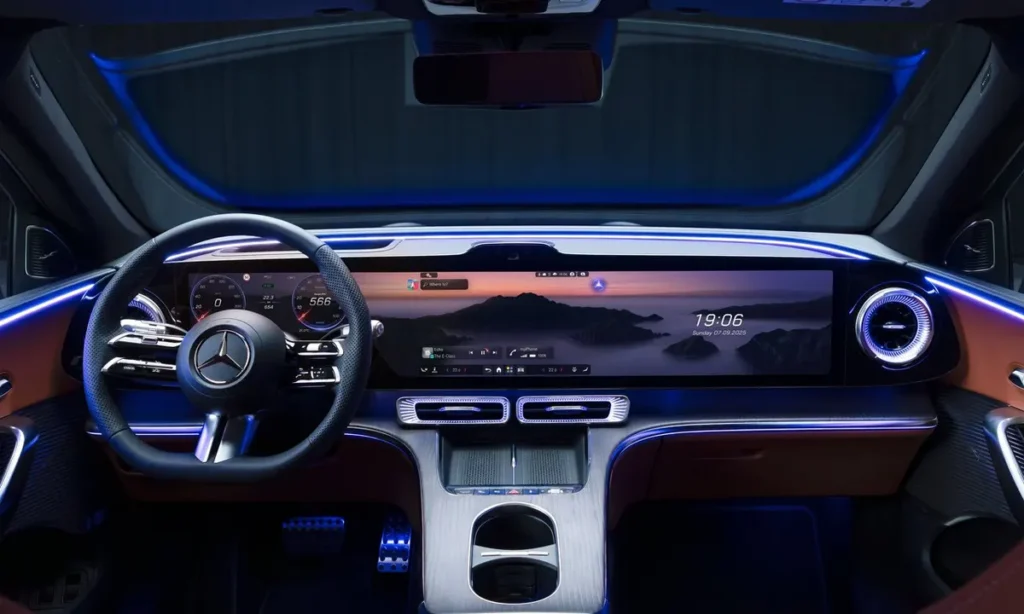
The interior technology of the 2026 Mercedes-Benz GLC EV is the most comprehensive and the most ambitiously conceived of any compact luxury SUV currently in production, anchored by the optional pillar-to-pillar Hyperscreen that Mercedes-Benz has developed as the centrepiece of its new MB.OS software platform. The Hyperscreen spans the full 39.1-inch width of the GLC EV’s dashboard — integrating a 10.25-inch digital instrument cluster, a 14-inch central touchscreen and a 14-inch front passenger display into a single seamless glass surface of extraordinary visual drama. The system is powered by the MB.OS operating system — Mercedes-Benz’s proprietary vehicle software architecture developed entirely in-house — and incorporates artificial intelligence systems from both Microsoft and Google that enable natural language interaction, predictive vehicle behaviour adaptation and a level of software intelligence and continuous improvement capability that over-the-air updates will progressively enhance throughout the car’s ownership life.
The visual rendering quality of the Hyperscreen’s displays is exceptional, with graphics generated by the Unity game engine — the same rendering platform used by the most visually advanced video game productions — creating an interface of unprecedented visual richness that transforms the act of interacting with the car’s systems from a functional task into a genuinely engaging experience. The MBUX Zero Layer interface philosophy, which surfaces the most relevant information and controls contextually based on location, time of day, recent usage patterns and the current driving situation, reduces the navigational depth required for frequently used functions while maintaining access to the full breadth of the system’s capabilities without overwhelming the driver with information. Physical switches have been retained for the most frequently used climate control functions — a pragmatic decision that addresses one of the most consistent criticisms of touchscreen-only interfaces in modern vehicles — while the touchscreen manages the less frequently accessed functions that benefit from the flexibility and visual richness of a display-based interface.
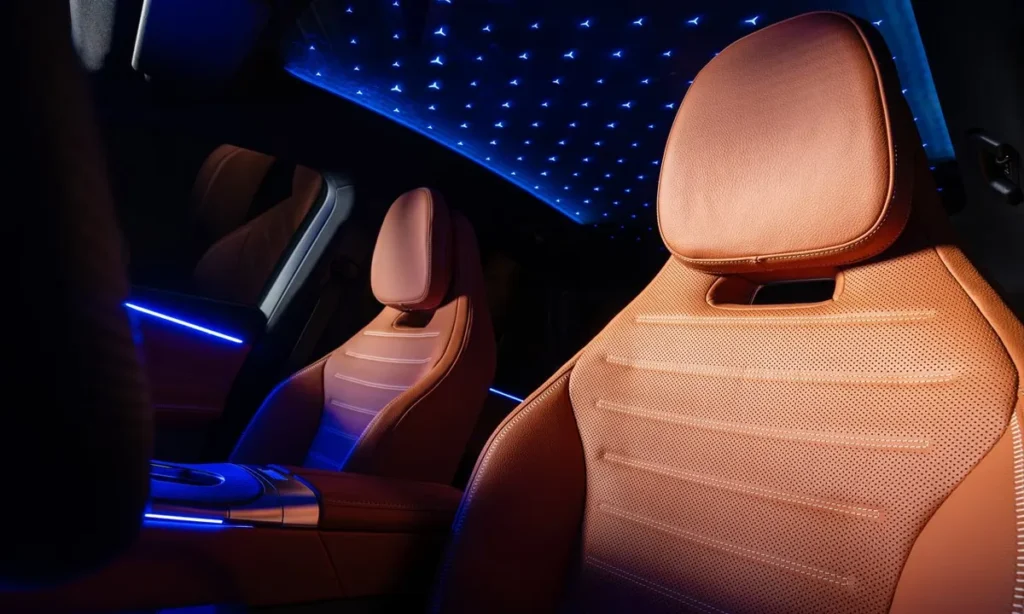
Standard-specification GLC EV models without the Hyperscreen receive a more conventional but still highly capable dual-screen arrangement comprising a 12.3-inch digital instrument cluster and a 14-inch central display — a configuration that provides full access to the MB.OS platform’s capabilities without the additional front passenger display. The optional Burmester premium sound system, available across the GLC EV range, delivers audio performance of a quality commensurate with the car’s overall luxury positioning — a 15-speaker, 710-watt configuration whose spatial imaging and tonal quality represent among the finest factory audio systems available in any compact luxury SUV. A standard full-length panoramic glass roof with electrically adjustable shading — divided into independently controllable sections — is provided as standard equipment across all GLC EV trim levels, a specification decision that compares favourably with rivals who reserve panoramic roof provisions for higher-specification trims or charge premium optional prices.
Safety Technology, Driver Assistance and a New Standard for Active Protection
The 2026 Mercedes-Benz GLC EV’s safety and driver assistance architecture is built around the MB Drive sensor suite — a comprehensive perception system incorporating ten cameras, five radar sensors and twelve ultrasonic sensors that provides 360-degree environmental awareness of exceptional resolution and accuracy. Standard active safety equipment across the range includes forward collision warning with automatic emergency braking, traffic sign recognition, adaptive cruise control with stop-and-go capability, lane departure warning and rear cross-traffic alert — a comprehensive baseline that ensures every GLC EV buyer receives meaningful active protection regardless of trim level selection.
The optional advanced driver assistance package adds lane centring and steering assist, automatic lane change functionality and a semi-autonomous highway driving capability that reduces driver workload during extended motorway journeys. A surround-view camera system with transparent hood functionality — projecting a virtual view through the vehicle’s front structure to reveal the terrain directly beneath the front wheels — enhances off-road confidence and urban manoeuvring ability simultaneously. Automatic park assist with remote parking functionality allows the car to enter and exit parking spaces autonomously, managed through the Mercedes Me smartphone application for situations where the driver prefers to stand outside the vehicle during the manoeuvring process. The comprehensive winter testing programme that Mercedes-Benz conducted in sub-zero Arctic conditions — validating the thermal management system’s multi-source heat pump across ambient temperatures as low as minus 40 degrees Celsius — provides meaningful reassurance for buyers in northern markets whose electric vehicle range concerns are most acute during cold weather operation.
Competitive Positioning and the Case for the GLC EV
The 2026 Mercedes-Benz GLC EV enters a compact electric luxury SUV segment that has never been more competitive, more technologically sophisticated or more demanding of genuine product excellence. The Audi Q6 e-tron — itself a purpose-built electric platform vehicle — offers slightly less claimed range but an equally sophisticated charging architecture and Audi’s characteristic interior quality. The Porsche Macan Electric provides a more driving-focused and more dynamically engaging experience at a comparable price point. The BMW iX3, arriving with its own new platform and a claimed range figure that exceeds the GLC EV’s European specification, represents the most direct competition in terms of brand comparability and buyer overlap.
Against each of these alternatives, the GLC EV argues its case most powerfully through the breadth and ambition of its technology specification, the genuinely exceptional real-world charging speed that its 330-kilowatt 800-volt architecture enables, the interior space advantage delivered by its clean-sheet platform and the extraordinary visual drama of the Hyperscreen that no competitor currently offers at any price within the segment. The standard full-length panoramic roof, the AI-powered MB.OS platform and the S-Class-derived Airmatic suspension option collectively create an ownership experience of a quality and comprehensiveness that reflects Mercedes-Benz’s understanding that the compact luxury SUV segment’s most demanding buyers will not accept any meaningful compromise in exchange for electrification. With US market availability expected in the second half of 2026 at a price premium over the combustion GLC’s $50,800 base — with initial GLC 400 4MATIC estimates suggesting a starting price in the region of $65,000 to $70,000 — the GLC EV positions itself as a compelling and technically uncompromising choice for premium electric SUV buyers who want the most complete and most ambitiously engineered product the segment currently offers.
The Electric GLC Has Arrived — and It Was Worth the Wait
The 2026 Mercedes-Benz GLC EV is the electric vehicle that Mercedes-Benz’s commercial position in the compact luxury SUV segment demanded, and it is a vehicle of sufficient engineering ambition, technological sophistication and luxury quality to justify the expectation that position creates. It combines a purpose-built electric architecture with genuine interior space dividends, the fastest charging speed in its class, an AI-powered technology suite of extraordinary capability, the optional refinement of S-Class-derived suspension and the visual drama of a design that makes no apology for its distinctive character. It is, across every dimension of its specification, a vehicle that takes the electric compact luxury SUV format seriously — and one that the segment’s most demanding buyers will find serious enough in return to make it the most complete and most compelling choice available when it arrives in American showrooms in the second half of 2026.
Read: Mercedes-AMG GT Black Series Delivers Extreme Track Performance
2026 Mercedes-Benz GLC EV – Specifications & Performance Chart
| Category | Specification |
| Vehicle Type | All-Electric Compact Luxury SUV (BEV) |
| Platform | MB.EA (Purpose-Built Electric Architecture) |
| Available Variants | GLC 300+ (RWD) / GLC 400 4MATIC (AWD) |
| GLC 300+ Power | 369 hp / 372 lb-ft Torque (Single Motor, RWD) |
| GLC 400 4MATIC Power | 483 hp / 596 lb-ft Torque (Dual Motor, AWD) |
| Rear Axle Transmission | 2-Speed Automatic |
| Front Motor | Disconnecting (Efficiency Mode Available) |
| 0–60 mph (GLC 400 4MATIC) | Approx. 4.4 Seconds |
| Battery Capacity | 94.0 kWh |
| WLTP Range (EU Cycle) | 443 Miles |
| Estimated EPA Range | Approx. 320 Miles |
| Electrical Architecture | 800-Volt |
| Max DC Fast Charge Rate | 330 kW |
| Range Added in 10 Minutes | Approx. 160 Miles (Ideal Conditions) |
| 10–80% DC Charge Time | Under 25 Minutes |
| AC Home Charge (7.4 kW) | 10–100% in 14–15 Hours |
| Suspension | Airmatic Air Suspension (Optional, S-Class Derived) |
| Suspension Intelligence | Car-to-X Road Data + Google Maps Height Management |
| Infotainment Standard | 12.3-in Cluster + 14-in Central Touchscreen |
| Hyperscreen (Optional) | 39.1-in Pillar-to-Pillar (Three Displays) |
| Operating System | MB.OS (AI via Microsoft and Google) |
| Audio System | Burmester 15-Speaker 710W (Optional) |
| Panoramic Roof | Full-Length (Standard on All Trims) |
| Front Grille | 942-Dot Backlit LED Matrix (Illuminated) |
| Frunk Capacity | 3.5 Cubic Feet |
| Boot Capacity | 570 Litres |
| Rear Legroom Gain vs GLC | +50mm |
| Rear Headroom Gain vs GLC | +46mm |
| Wheelbase | Extended vs Combustion GLC |
| Overall Length | 4.85 Metres |
| Safety Sensors | 10 Cameras / 5 Radar / 12 Ultrasonic |
| Launch Trim (US) | GLC 400 4MATIC |
| Estimated Starting MSRP (US) | Approx. $65,000–$70,000 |
| US Market Availability | Second Half of 2026 |
| Assembly | Bremen, Germany |