2026 Nissan Rogue Plug-in Hybrid Review – Intelligent Electrified SUV
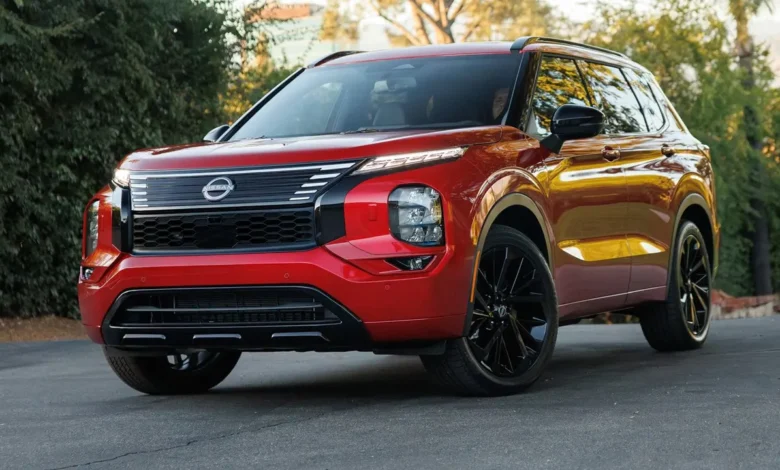
The 2026 Nissan Rogue Plug-in Hybrid enters the compact SUV segment as one of Nissan’s most significant advancements in electrified mobility. Building on the Rogue’s long-standing reputation for practicality, comfort and efficiency, the plug-in hybrid variant represents a major technological milestone that aligns with Nissan’s broader vision for an electrified future. As consumer demand for sustainable mobility grows, the 2026 Rogue Plug-in Hybrid emerges as a forward-thinking solution designed to bridge the gap between traditional gasoline power and full electric mobility, offering the freedom of extended electric driving combined with the confidence of long-range hybrid capability. This latest chapter in the Rogue story blends innovation with familiarity, ensuring that the model remains a leader in one of the most competitive SUV categories on the market.
The compact crossover segment continues to evolve rapidly, with manufacturers racing to introduce hybrid and plug-in hybrid variants to satisfy stricter emissions guidelines and rising consumer interest in environmentally conscious technologies. Nissan approaches this shift with a mature perspective shaped by years of working with electric vehicles through the pioneering Leaf. The 2026 Rogue Plug-in Hybrid draws from that expertise while maintaining the comfort, space and versatility that have made the Rogue a top seller across North America. By offering electric-only driving capability, an improved cabin experience and an efficient powertrain, Nissan has positioned the Rogue PHEV as a well-balanced offering for commuters, families and environmentally aware buyers.
Gallery: 2026 Nissan Rogue
A Refined and Modern Exterior Design
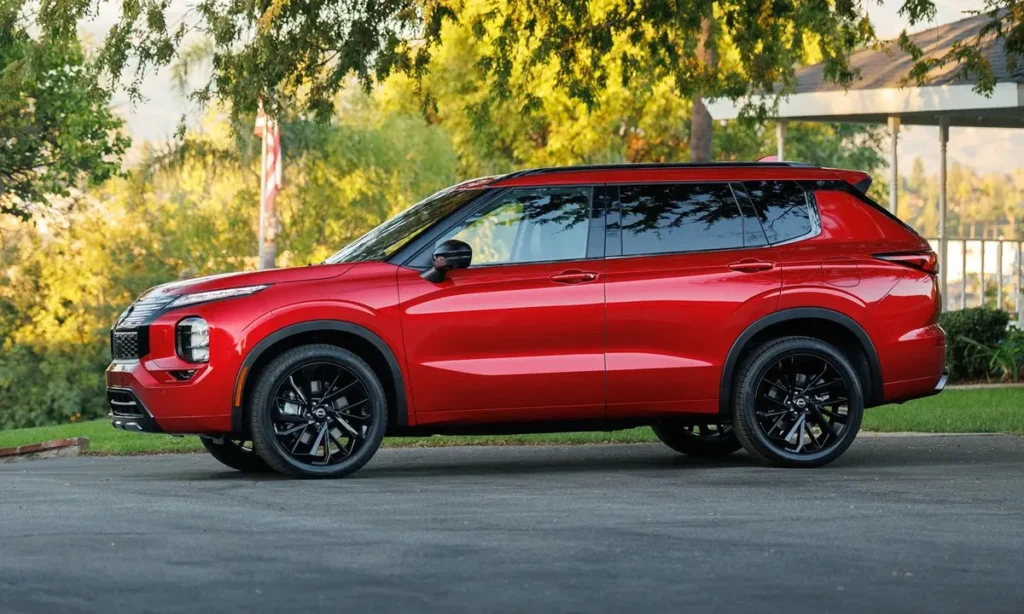
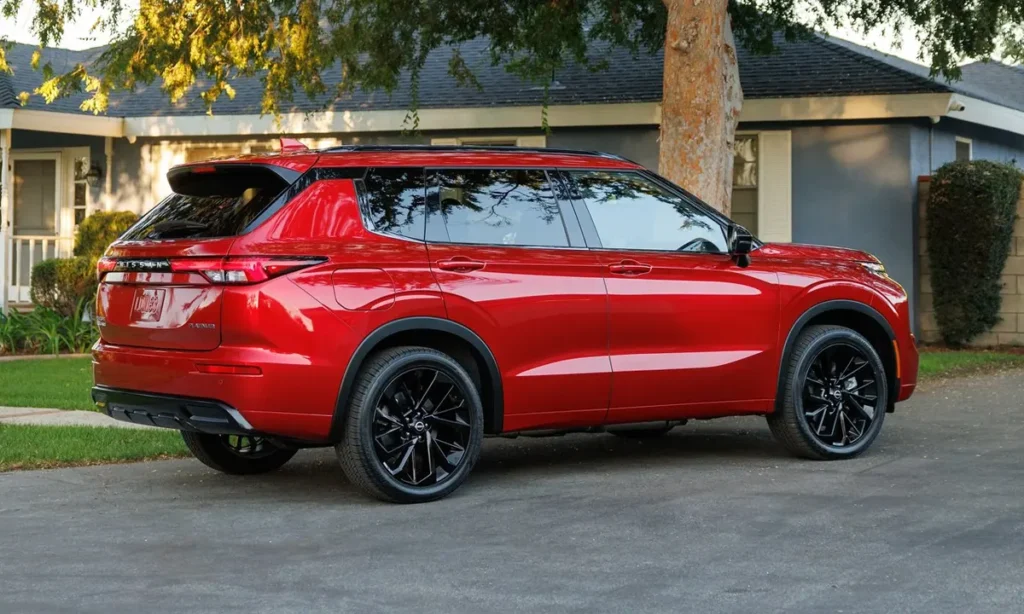
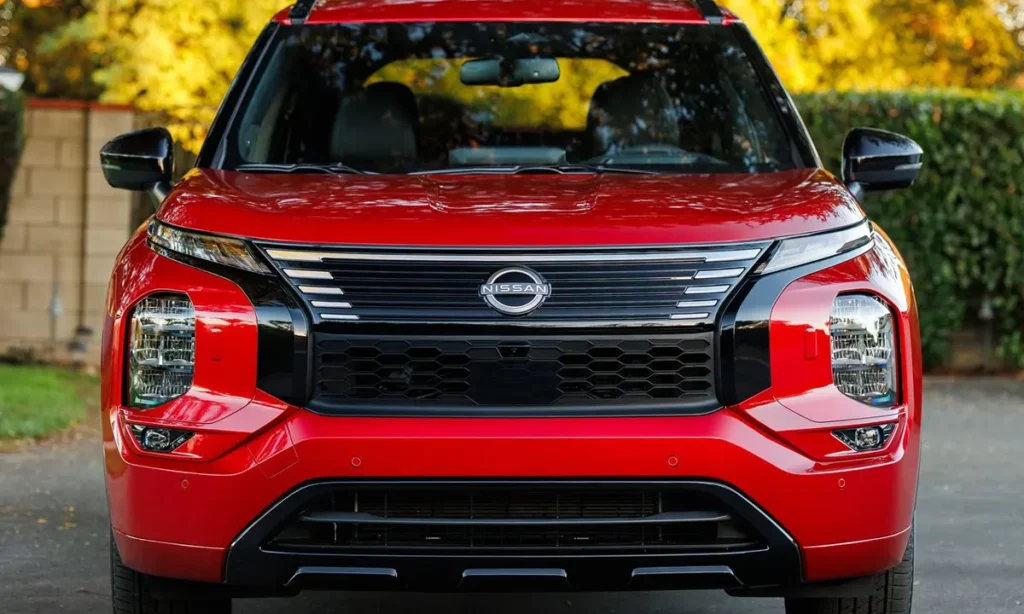
The exterior design of the 2026 Nissan Rogue Plug-in Hybrid reflects a more confident and mature aesthetic direction. Nissan’s latest design philosophy embraces sharper lines, bolder geometric forms and an elevated sense of premium craftsmanship. At the front, the Rogue PHEV features a refined interpretation of the V-Motion grille with a more streamlined, aerodynamic approach. The grille integrates a new pattern and a slightly recessed emblem that houses sensors for advanced safety systems. Slimmer LED headlights incorporate micro-optic elements that deliver stronger illumination while adding a futuristic visual identity.
The hood adopts stronger character lines that create a more muscular appearance, directing airflow around the A-pillars to enhance both quietness and aerodynamic efficiency. The side profile maintains the Rogue’s familiar compact proportions but introduces a sleeker silhouette made possible by optimized roof arcs, blacked-out pillars and re-sculpted door panels. Plug-in hybrid badging is positioned tastefully along the fenders, distinguishing this electrified variant without overwhelming its design.
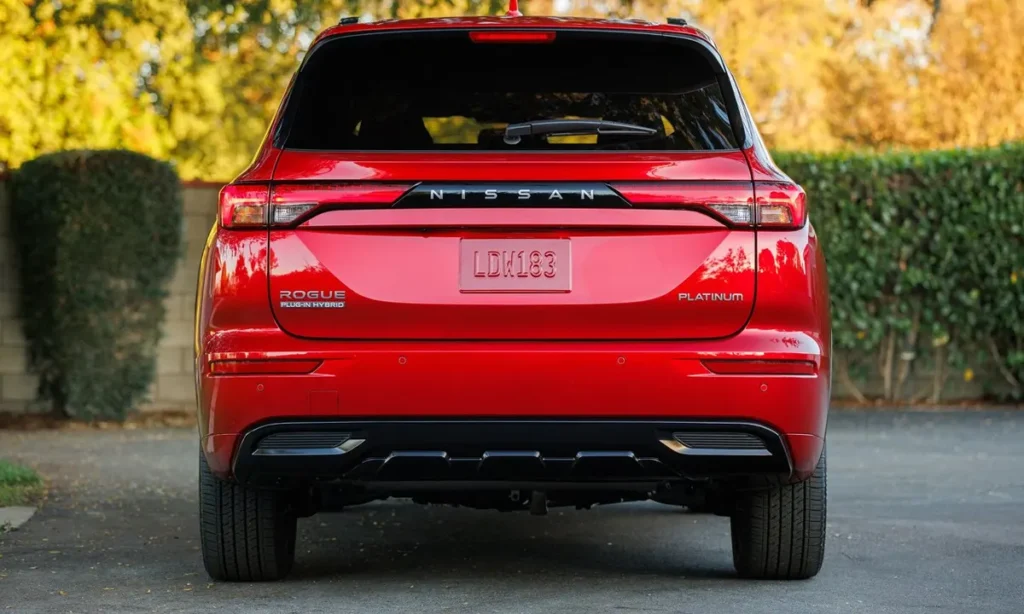
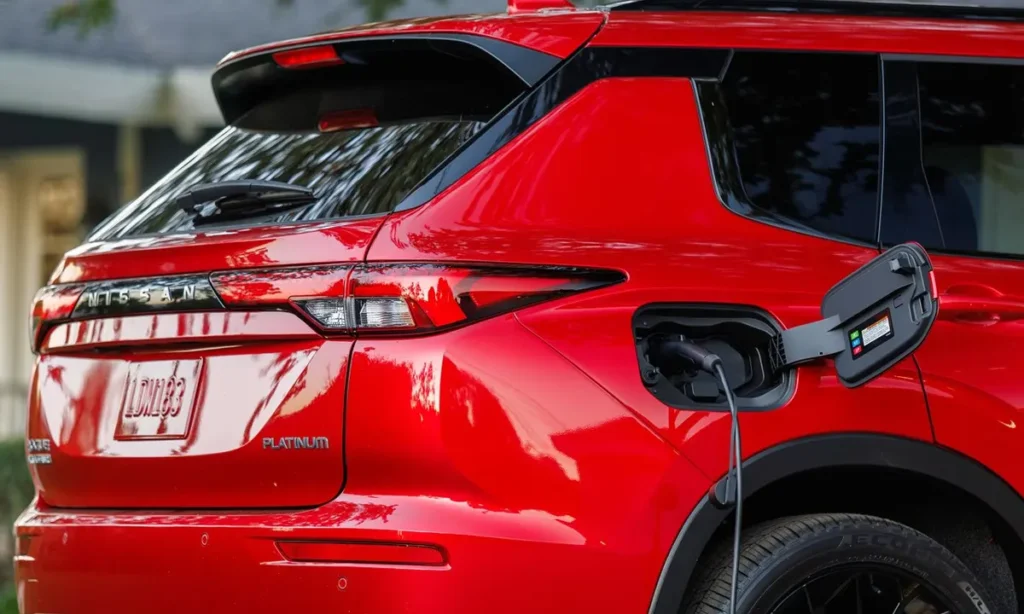
At the rear, the 2026 Rogue Plug-in Hybrid features redesigned LED taillights with a more angular lighting signature. The liftgate has been refined with cleaner surfacing, while the rear bumper incorporates aerodynamic elements that reduce turbulence and improve highway stability. The charging port is located toward the front left fender, allowing for easier access at both home and public charging stations. With these refinements, the Rogue PHEV introduces a sportier, more contemporary appearance that signals Nissan’s continued push toward electrified premium design.
An Advanced Plug-in Hybrid Powertrain
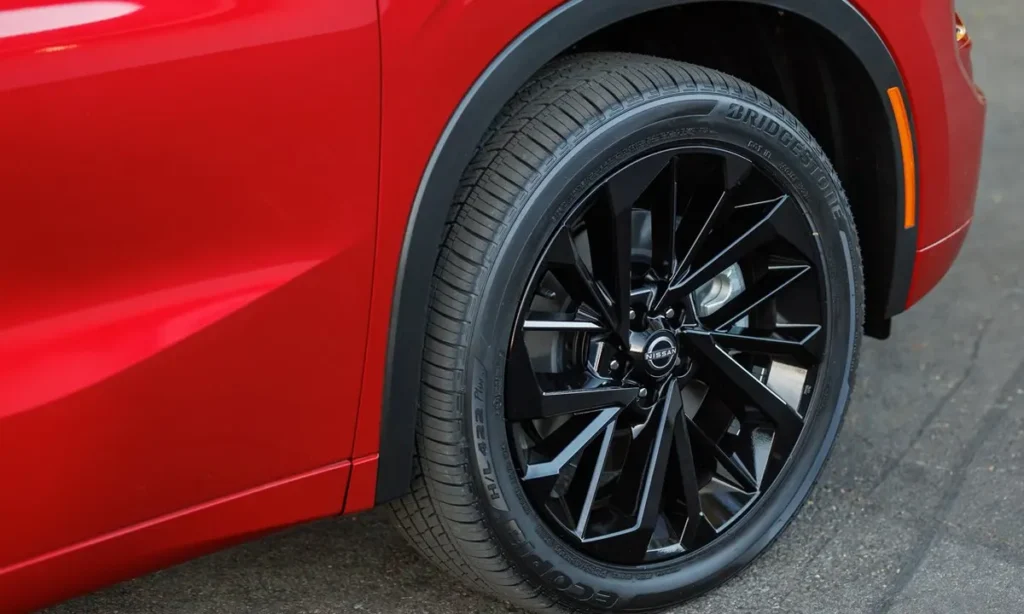
The heart of the 2026 Rogue Plug-in Hybrid is its newly developed plug-in hybrid powertrain, which combines an efficient gasoline engine with a high-output electric motor and a lithium-ion battery designed for extended electric-only driving. Nissan’s innovative engineering approach results in a powertrain that delivers smooth acceleration, improved torque delivery and a quiet driving experience—especially during EV mode operation.
While Nissan has not confirmed exact output figures, industry expectations suggest a combined system power in the range of 200–250 horsepower, enabling confident highway merging and city maneuverability. The electric motor provides immediate torque, making the Rogue PHEV feel responsive from a standstill, while the gasoline engine supports longer journeys and supplies additional power when road conditions demand it.
The most important enhancement is the electric-only driving capability. With a battery designed to offer an estimated electric range of 50–70 kilometers, the Rogue PHEV is capable of handling many daily commutes without consuming any fuel. This allows owners to drive emissions-free in urban environments while relying on hybrid mode during long-distance travel. Regenerative braking technology recovers energy during deceleration, contributing to improved efficiency and extending the life of the battery charge.
The plug-in hybrid system also supports multiple driving modes—including EV, Hybrid, Sport and Eco—allowing drivers to tailor the experience to their preferences and road conditions. Whether prioritizing electric-only driving, maximizing efficiency or seeking a more engaging dynamic response, the 2026 Rogue Plug-in Hybrid delivers a powertrain that is adaptable and future-ready.
A More Confident and Comfortable Driving Experience
The 2026 Rogue Plug-in Hybrid seeks to elevate the driving experience with enhanced ride comfort, improved body control and more responsive steering dynamics. Nissan engineers have recalibrated the suspension system to accommodate the weight distribution of the plug-in hybrid battery while maintaining the smoothness and stability that Rogue owners expect. The result is a more balanced and refined ride, whether navigating urban speed bumps or cruising on the open highway.
Sound insulation has been optimized, particularly to complement the quiet operation of the electric motor. The cabin remains serene during EV mode, emphasizing the premium comfort that Nissan has worked to achieve with this generation. Revised dampers, strengthened suspension mounting points and an upgraded electric power steering system contribute to improved handling precision and a more engaging driving feel.
All-wheel drive remains available on the 2026 Rogue Plug-in Hybrid, enabling confident traction across diverse weather conditions. The system intelligently manages power delivery between wheels, providing greater stability in rain, snow or gravel. Drivers who frequently venture into harsher environments will appreciate the enhanced confidence provided by an AWD system tuned for PHEV operation.
A Digital and Comfort-Oriented Interior
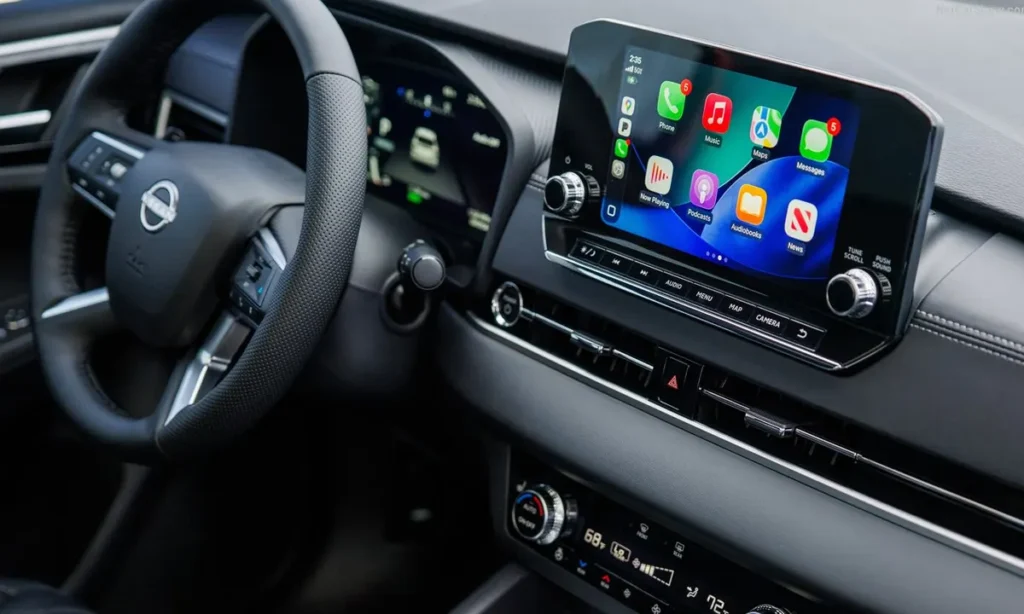
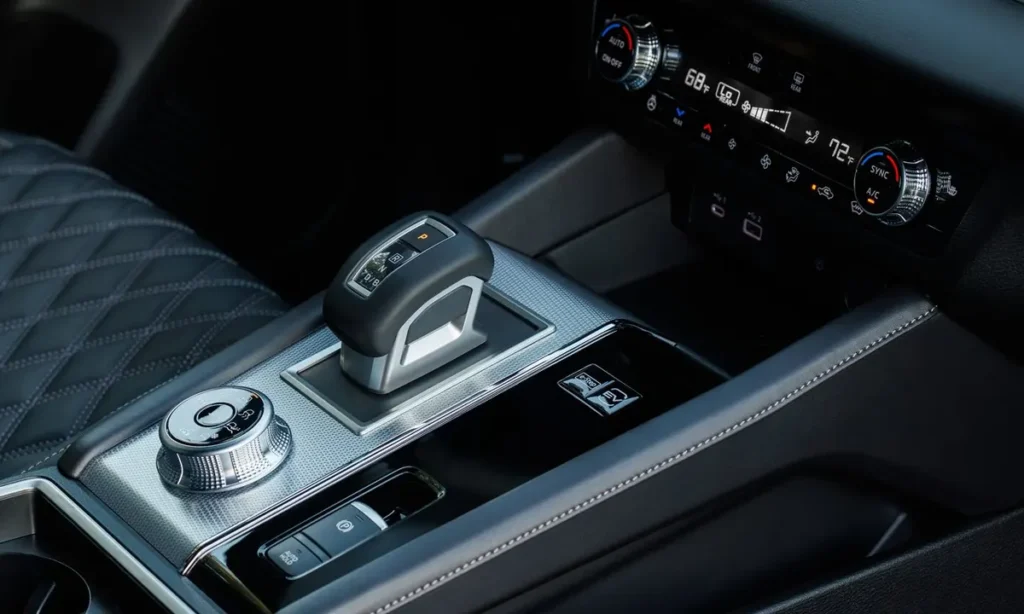
Inside the 2026 Nissan Rogue Plug-in Hybrid, the cabin reflects a shift toward greater digital simplicity, improved ergonomics and refined material quality. Nissan places an emphasis on creating a welcoming and technologically advanced environment for both drivers and passengers. The dashboard layout has been redesigned to create a more open and minimalist aesthetic, with a focus on intuitive access to essential controls.
A new high-resolution touchscreen infotainment system serves as the centerpiece of the cabin. It offers faster responses, a more user-friendly interface and improved graphics clarity. Wireless Apple CarPlay and Android Auto come standard, allowing seamless smartphone connectivity. The digital instrument cluster provides customizable displays, presenting essential information on EV range, hybrid energy flow, fuel levels and driving data.
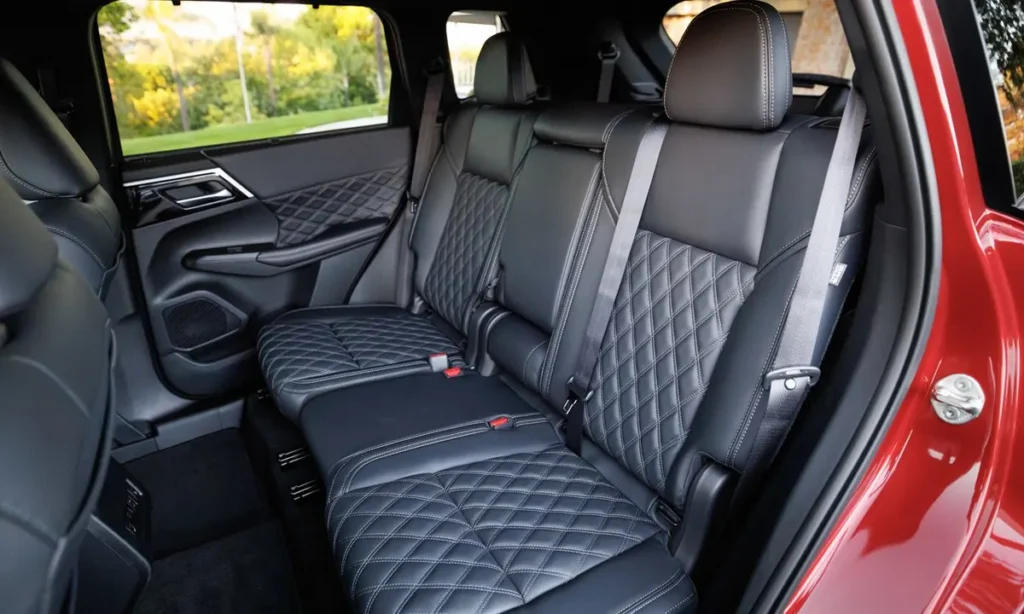
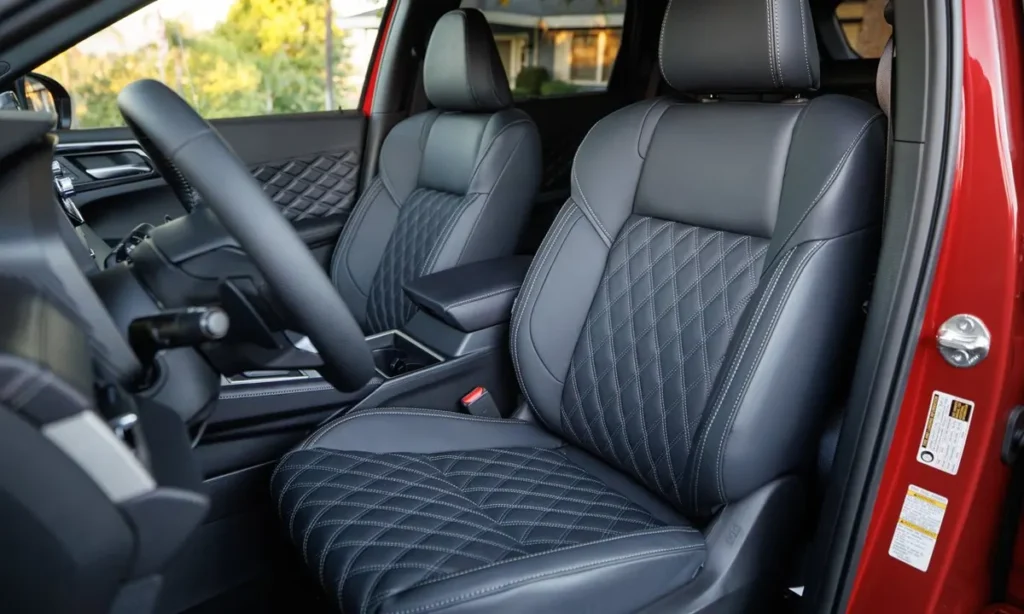
Comfort is a priority in the Rogue PHEV, with upgraded seating featuring enhanced cushioning, improved lumbar support and high-quality fabric or leather options depending on trim. Nissan’s Zero Gravity front seats continue to be a highlight, designed to reduce fatigue during long journeys. The rear seats offer generous legroom and a reclining function to enhance comfort for passengers. The trunk maintains strong cargo capacity despite the inclusion of the hybrid battery, thanks to clever packaging solutions and a reorganized floor structure.
Material quality has been elevated throughout the cabin with soft-touch panels, refined stitching and improved surface textures. Ambient lighting and acoustic enhancements further contribute to a premium driving environment.
Advanced Technology, Connectivity and Safety
Safety and connectivity are foundational pillars of the 2026 Rogue Plug-in Hybrid. Nissan has equipped the model with the latest version of Nissan Safety Shield 360, updated with improved sensors and enhanced processing capabilities. This includes features such as forward emergency braking, pedestrian detection, blind-spot warning, rear cross-traffic alert, lane departure warning and intelligent driver alertness monitoring.
More advanced trims introduce additional safety technologies such as ProPILOT Assist 2.0, offering semi-autonomous driving capabilities on supported highways. This system combines adaptive cruise control, lane-centering capabilities and advanced mapping data to maintain smooth, consistent vehicle behavior even in dense traffic. The Rogue PHEV leverages improved radar, cameras and ultrasonic sensors to create a more predictive and reactive safety system.
Connected services include remote start, charging status monitoring, climate pre-conditioning, live navigation traffic data and over-the-air updates that ensure the Rogue remains technologically relevant over time. These digital enhancements build a comprehensive ownership experience that extends beyond the vehicle itself.
A Sustainable and Versatile SUV for the Modern Era
The 2026 Nissan Rogue Plug-in Hybrid represents an important step toward Nissan’s long-term electrification goals. It offers buyers a practical way to reduce emissions while maintaining flexibility for long drives and varied travel demands. For urban commuters, the electric-only driving capability significantly reduces fuel consumption and improves sustainability. For families, the Rogue continues to deliver the space, comfort and versatility that have defined the model’s long-standing appeal.
By combining efficient electrification, sophisticated technology and a modernized design, the Rogue PHEV emerges as a compelling choice for buyers seeking to transition into electrified mobility without the limitations of full EV ownership. It serves as one of Nissan’s flagship electrified offerings, delivering a forward-looking SUV designed for the realities of contemporary driving.
Read: 2026 Jeep Recon Reinvents the Electric Off-Road SUV
2026 Nissan Rogue Plug-in Hybrid – Specifications & Performance Chart
| Category | Specification |
| Powertrain | Plug-in Hybrid (Gas Engine + Electric Motor) |
| Combined Power | Estimated 200–250 hp |
| Electric Range | Estimated 50–70 km |
| Battery | Lithium-Ion Plug-in Battery |
| Transmission | Automatic e-CVT / Hybrid-Optimized |
| Drivetrain | FWD Standard, AWD Available |
| 0–100 km/h | Approx. 7.5–8.5 seconds (estimated) |
| Fuel Efficiency | Significantly Improved vs Gas Model |
| Charging | Level 1 & Level 2 Charging Support |
| Regeneration | Strong Regenerative Braking System |
| Seats | Two-Row or Three-Row (market-dependent) |
| Infotainment | High-Resolution Touchscreen, Digital Cluster |
| Connectivity | Wireless CarPlay & Android Auto |
| Safety | Nissan Safety Shield 360 + ProPILOT Assist |
| Cargo Capacity | Optimized with PHEV Battery Packaging |
| Platform | Updated CMF-C Architecture |