2026 Porsche Macan Facelift: What Is New and What Is Improved?
Revised Exterior Styling With Four-Point DRL Signature Lighting, Enhanced Interior Technology Including an Upgraded Curved Display Architecture, Refined Powertrain Calibration Across Both Electric and Combustion Variants, Improved Charging Performance on the Electric Macan and Suspension Tuning Refinements That Address the First-Generation Model's Ride Quality Criticisms — The 2026 Porsche Macan Facelift Is Not a Reinvention. It Is a Precise and Considered Improvement of a Compact Performance SUV That Was Already Among the Best in Its Class
There is a particular discipline required to improve something that is already very good — a discipline more demanding in some respects than the creative freedom of starting from a blank sheet of paper. When a vehicle has established itself as the dynamic benchmark of its segment, as the Porsche Macan has across every generation of its production life since the original model’s introduction in 2014, the improvement mandate is simultaneously more constrained and more scrutinised than the development of an entirely new product. Every change must justify itself against the existing standard, every addition must enhance rather than complicate and every refinement must be legible to the owners and press evaluators who know the previous car’s character with sufficient intimacy to detect alterations measured in millimetres and milliseconds. The 2026 Porsche Macan facelift has been developed within exactly these constraints — and the result is a compact performance SUV that addresses its predecessor’s genuine shortcomings with precision, enhances its acknowledged strengths with restraint and arrives in showrooms as a more complete, more technologically current and more dynamically polished product than the already impressive model it refines.
Gallery: 2026 Porsche Macan Facelift
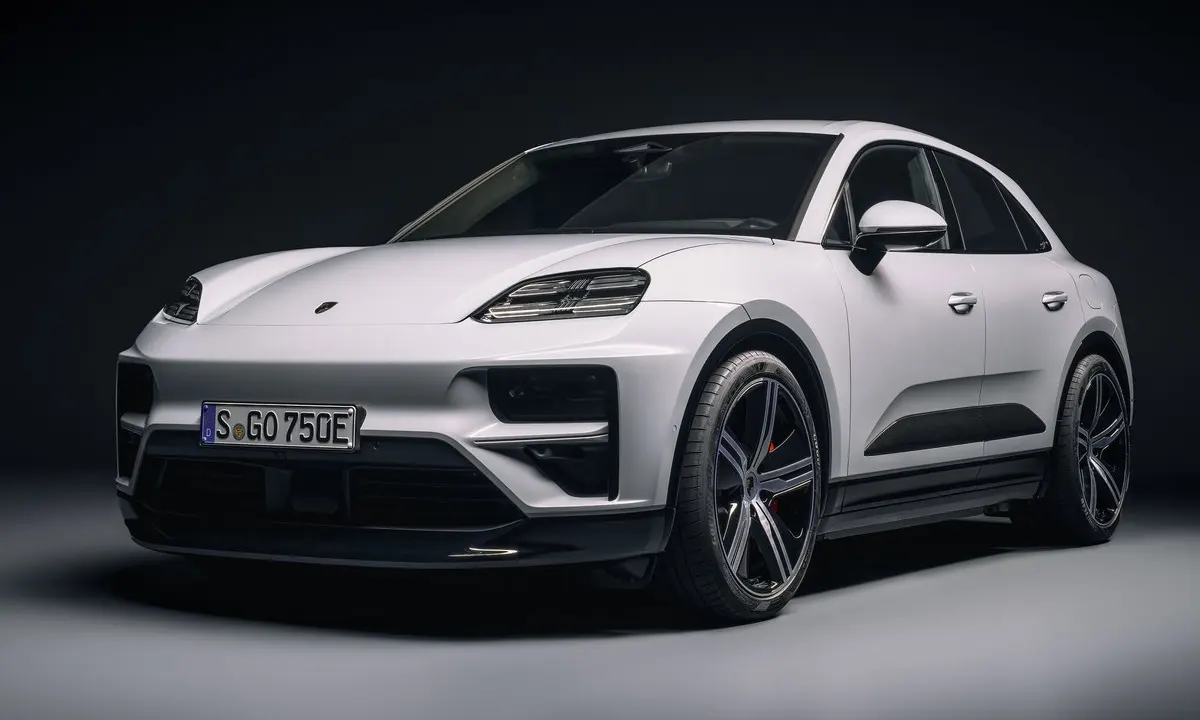
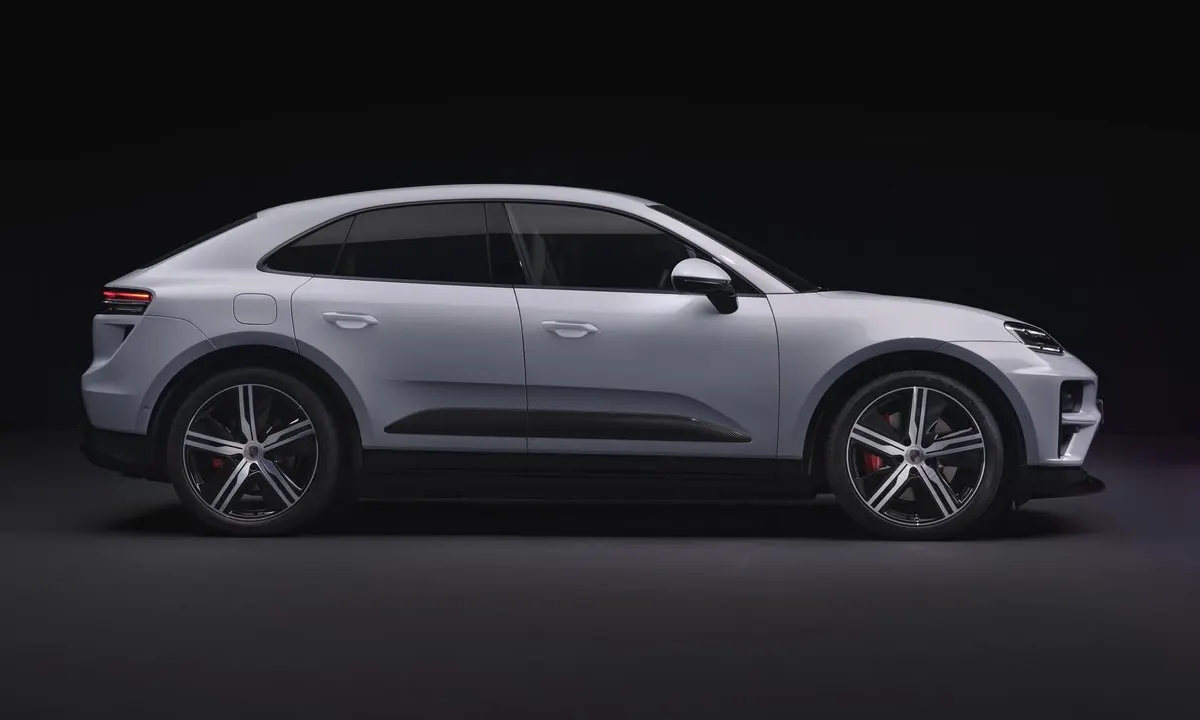
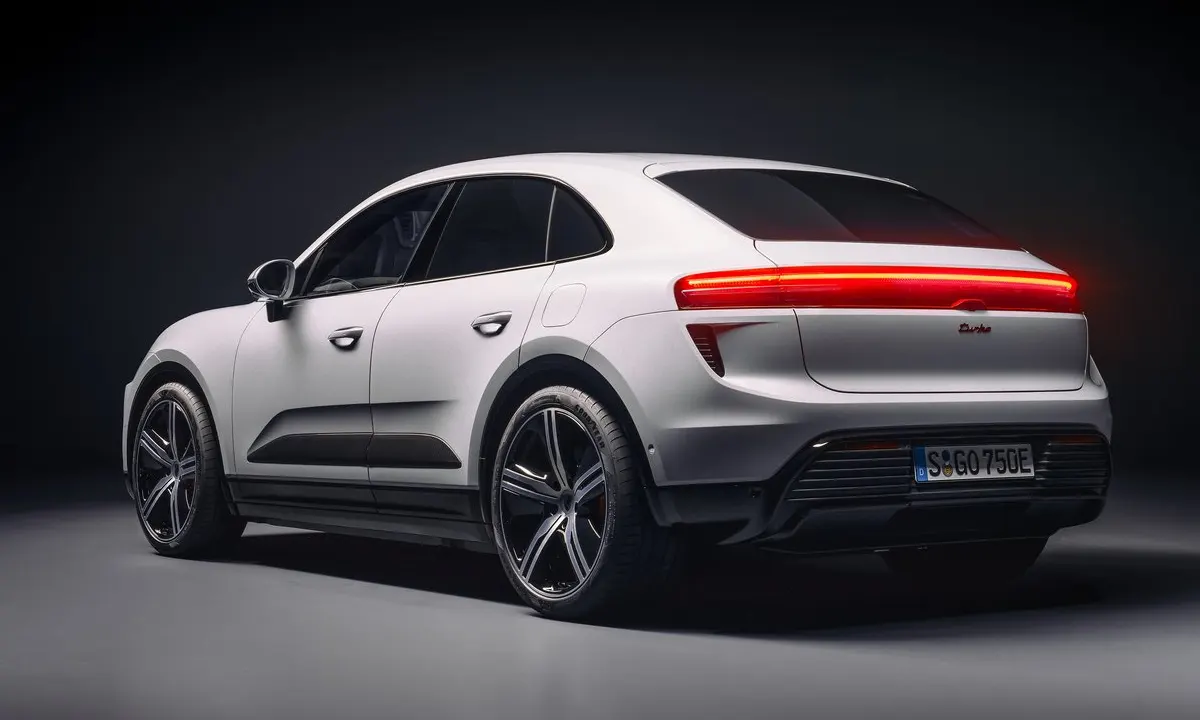
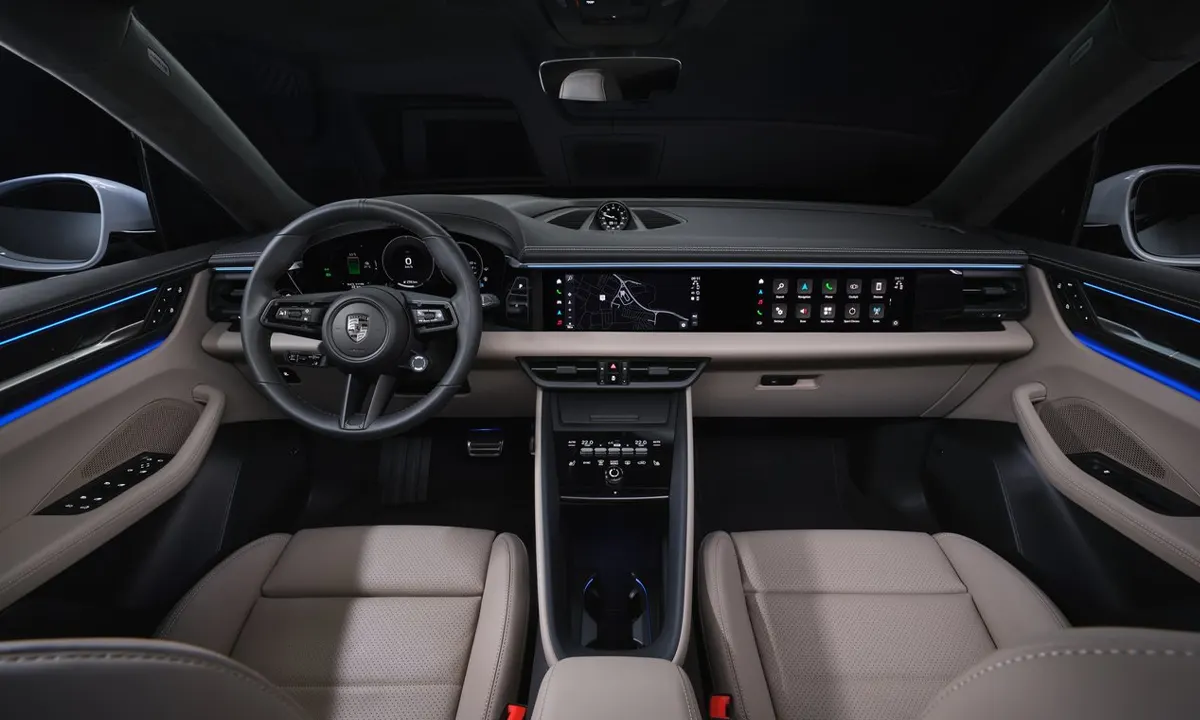
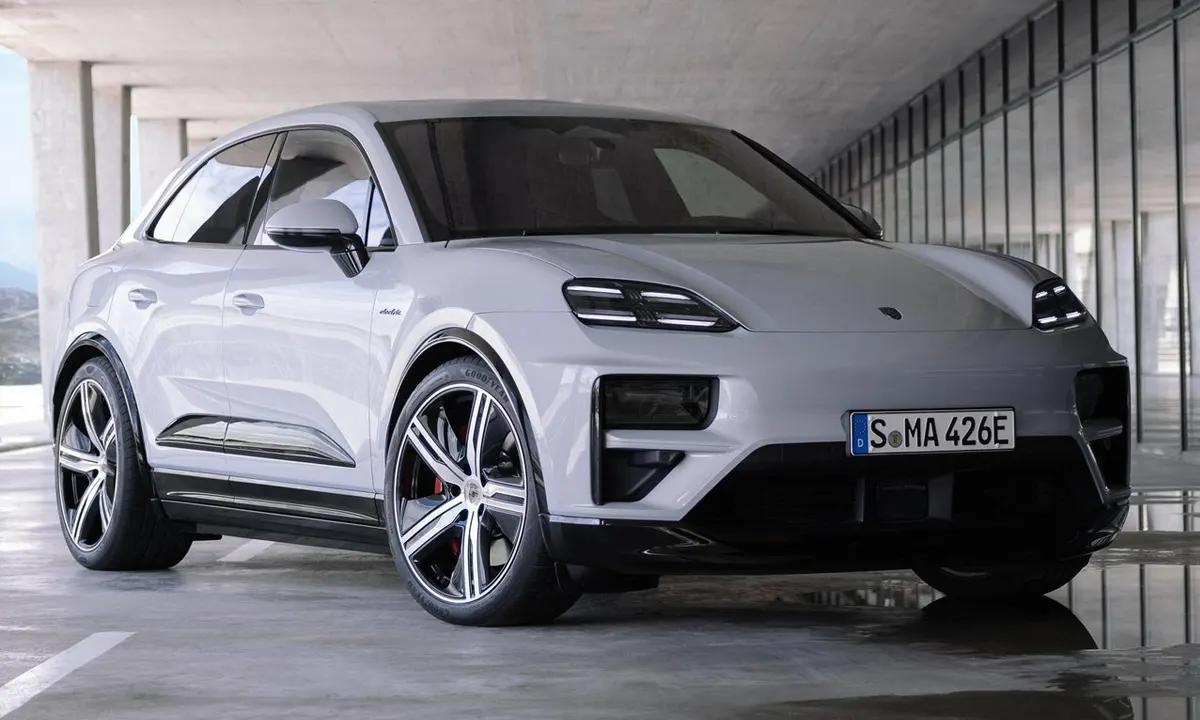
The Macan occupies a position of unusual strategic importance within Porsche’s product portfolio — as the entry point to the brand’s SUV lineup, the highest-volume model in the range and the vehicle through which more buyers experience Porsche ownership for the first time than through any other product in the catalogue. Getting the facelift right matters commercially as well as reputationally, in a compact performance SUV segment that has grown more competitive across every dimension during the Macan’s current generation production run.
Exterior Updates: Precision Over Revolution
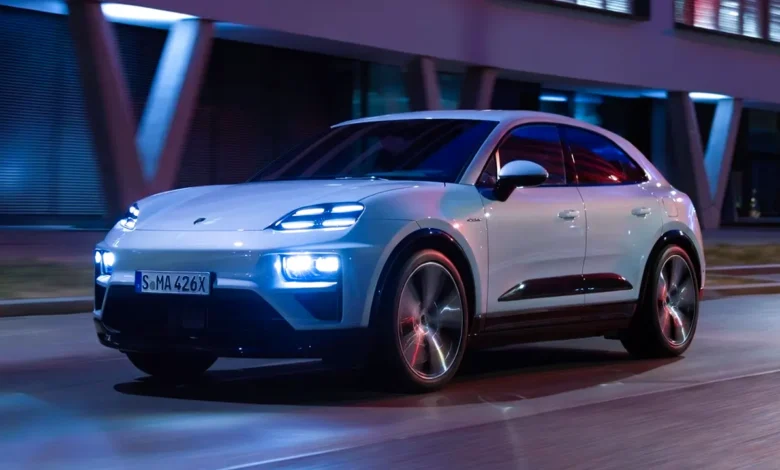
The 2026 Macan facelift’s exterior changes follow the philosophy that has characterised Porsche’s approach to mid-cycle updates across its model history — targeted refinements that sharpen the car’s visual identity and bring its design language current without disrupting the proportional harmony that the original design established. The most immediately visible change is the adoption of the four-point daytime running light signature at the front — a lighting architecture that Porsche has progressively introduced across its lineup and that provides the 2026 Macan with a visual family connection to the Taycan and the 911’s current generation that the outgoing model’s lighting treatment did not achieve as cohesively.
The front bumper receives revised lower air intake geometry — simultaneously improving the car’s aerodynamic efficiency and providing a visual emphasis on width and stance that the previous bumper’s more conservative treatment did not deliver with equivalent conviction. The redesigned intake surrounds on higher specification variants adopt a darker finish that reduces visual complexity and creates a more purposeful, more focused front-end presentation without the addition of decorative elements that would compromise the Macan’s characteristically clean design.
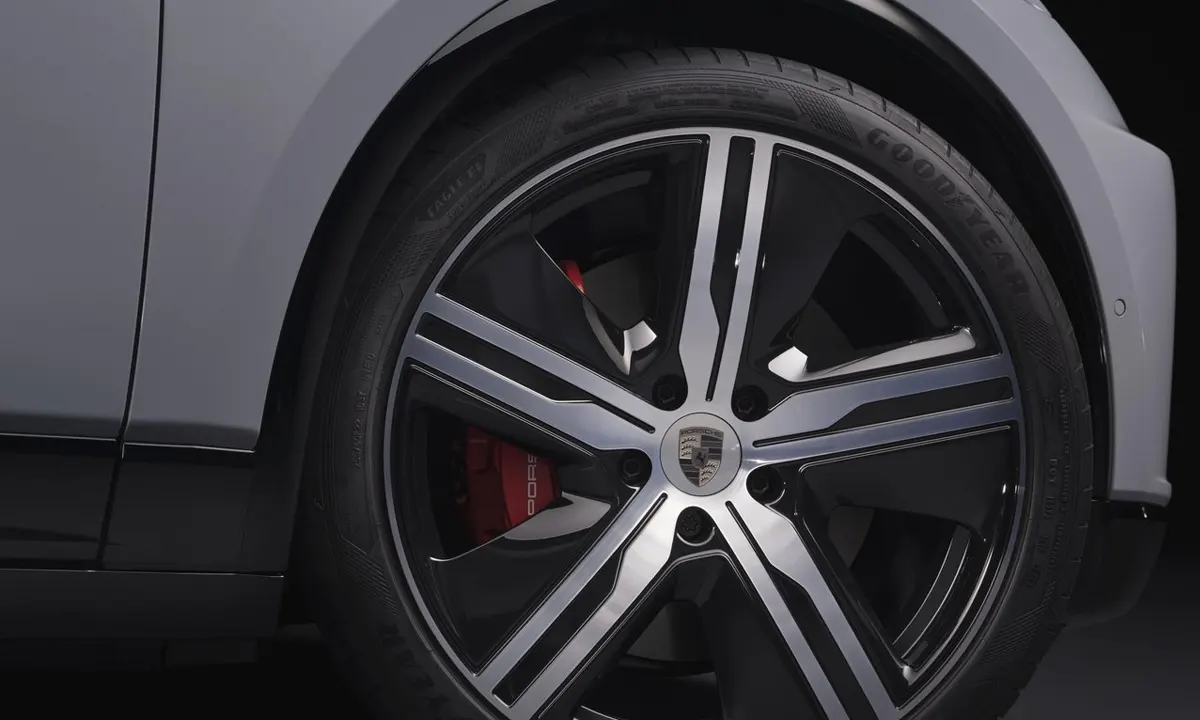
At the rear, the light bar connecting the two tail lamp clusters — a design element that has become a signature of Porsche’s current design direction across multiple models — receives revised internal graphics that distinguish the facelifted car from its predecessor at a glance while maintaining the visual continuity with the broader Porsche range that the connected light bar architecture provides. New wheel designs across the range, ranging from 19 to 21 inches depending on specification level, provide additional visual differentiation between the facelifted model and the outgoing car while offering aerodynamic efficiency improvements on the variants where drag reduction contributes meaningfully to electric range figures.
Interior and Technology: The Most Substantial Improvements
The 2026 Macan facelift’s most consequential and most comprehensively developed improvements are concentrated in the interior — where a revised technology architecture addresses the criticisms that automotive journalists and owners directed at the first-generation model’s infotainment integration, and where material and detail quality upgrades reinforce the premium positioning that Porsche’s pricing demands.
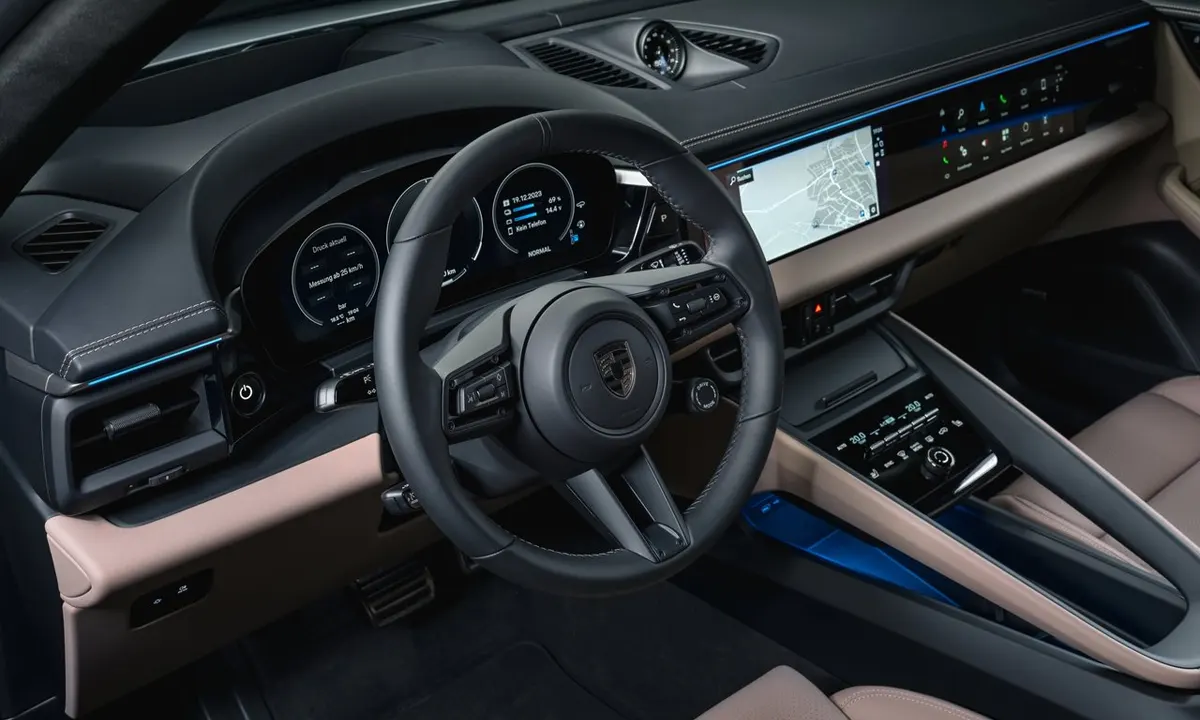
The centrepiece of the interior revision is an upgraded curved display architecture that integrates the instrument cluster and the central infotainment screen in a more seamlessly unified visual presentation than the previous generation’s separate screen arrangement achieved. The new display system runs Porsche’s latest software platform — an evolution of the operating system introduced on the Cayenne and Panamera that offers improved response speed, more intuitive menu organisation and a home screen layout whose customisation depth allows drivers to configure the information hierarchy to their individual preferences rather than accepting a manufacturer-determined default arrangement.
The passenger display — a feature carried over from the previous Macan Electric — receives revised content capability in the facelifted model, expanding the range of applications and media functions accessible to the front passenger without affecting the driver’s display or requiring driver interaction to manage. The physical control layout retains the haptic touch panel architecture that Porsche introduced on the current generation — a decision that reflects Porsche’s commitment to the cleaner aesthetic that the elimination of traditional buttons enables, while the software improvements address the response time and feedback criticisms that the haptic system attracted from evaluators accustomed to conventional physical controls.
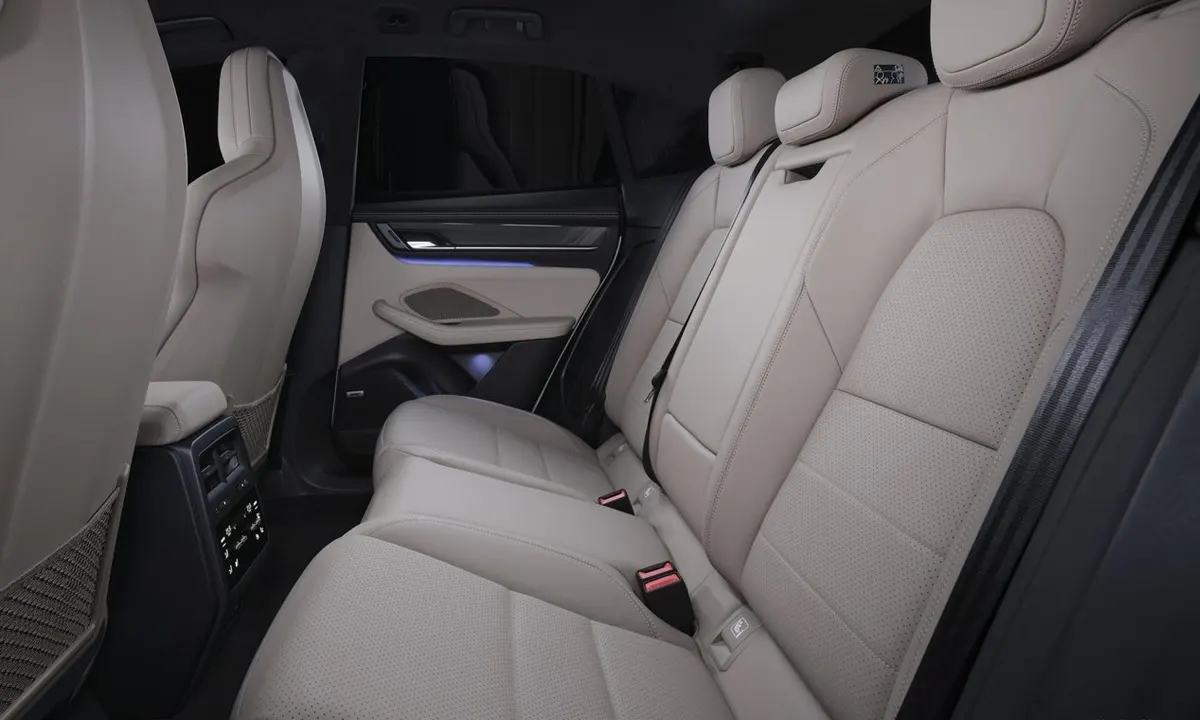
Material upgrades across the interior focus on the surfaces that occupants interact with most directly — the steering wheel rim, the centre console armrest and the door panel upper sections — where revised leather treatment and stitching detail elevate the tactile quality that premium SUV buyers assess during extended ownership more reliably than any specification comparison. The ambient lighting system receives additional colour options and a revised intensity control that allows more subtle daytime use alongside the more dramatic nighttime configurations that the previous system offered.
Powertrain Refinements: Electric and Combustion Updates
The 2026 Macan facelift is offered in both the fully electric Macan Electric configuration and the combustion-powered Macan T, Macan S and Macan GTS variants — and both powertrain families receive updates that improve their real-world performance without altering the fundamental engineering architecture that has established each variant’s character.
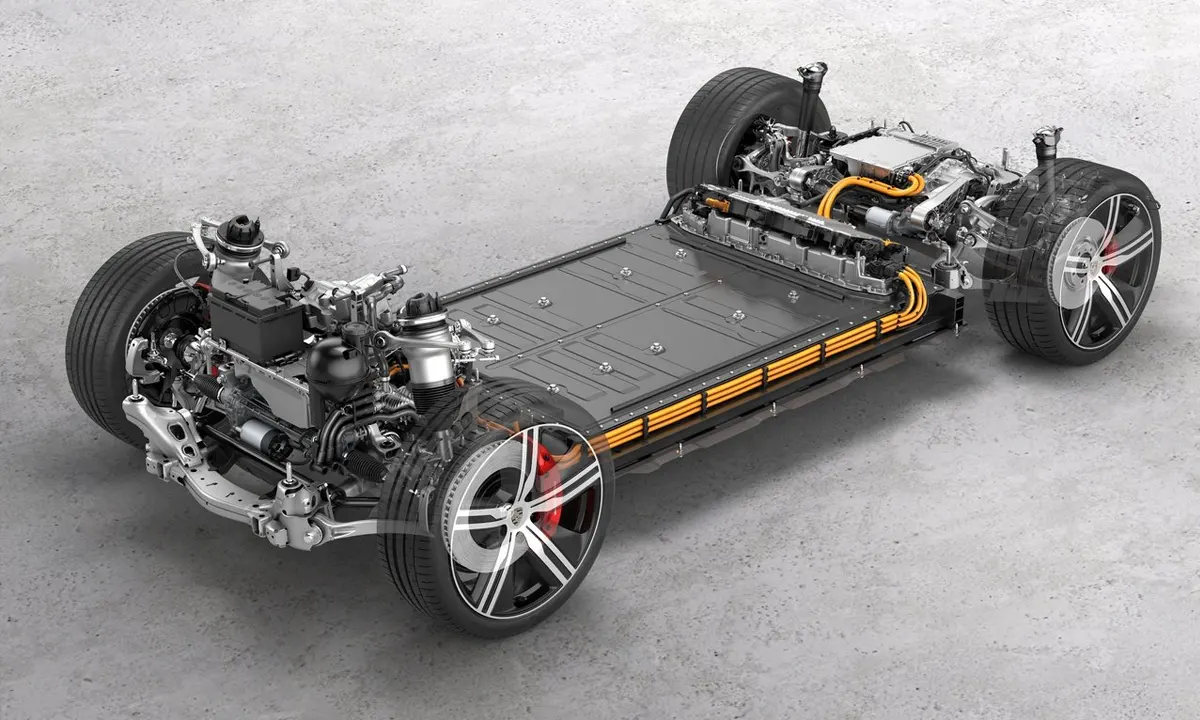
The Macan Electric receives the most technically substantive powertrain update of the facelift programme. Peak DC fast charging capability is increased to 270 kilowatts on the Macan 4S Electric and Macan Turbo Electric variants — an improvement over the previous model’s 270-kilowatt maximum that reduces the time required for a ten to eighty percent state of charge replenishment to approximately 21 minutes under optimal conditions. The battery management software receives updated thermal pre-conditioning logic that more aggressively prepares the battery pack for fast charging when navigation guidance to a charging station is active — reducing the frequency of arrival at charging stations with a battery pack whose temperature has not been optimised for maximum charging rate acceptance.
The dual-motor Macan 4S Electric and Macan Turbo Electric variants receive revised motor control software that improves torque vectoring precision — the system’s ability to distribute power between the front and rear axles with the speed and accuracy that dynamic driving situations demand. The revised calibration produces a more immediate response to steering input and a more progressive transition between understeer-limiting front torque application and rear-biased performance driving configurations that experienced drivers will detect and appreciate across a range of driving conditions from damp urban roads to dry circuit environments.
The combustion Macan variants — whose continued presence in the lineup reflects both the ongoing customer demand for petrol-powered compact performance SUVs and the regulatory environments of markets where the electric alternative’s charging infrastructure remains insufficiently developed for universal adoption — receive revised engine management calibration that improves low-end torque response across the 2.0-litre four-cylinder and 2.9-litre twin-turbocharged V6 applications. The PDK dual-clutch transmission’s shift mapping receives updates that reduce the frequency of gear hunting in partial-throttle urban driving — a behavioural characteristic that a proportion of current owners identified as the most noticeable daily-use imperfection in an otherwise well-calibrated drivetrain.
Chassis and Dynamics: Addressing the Ride Quality Conversation
The original Macan’s ride quality — particularly on larger wheel sizes and in the firmer suspension configurations associated with the GTS and Turbo variants — attracted consistent criticism from evaluators who found the car’s dynamic precision compromised in daily driving conditions by a firmness that exceeded what the compact performance SUV context requires. The 2026 facelift addresses this criticism directly through revised damper calibration across the adaptive air suspension variants and through updated spring and anti-roll bar rates on fixed suspension configurations.
The revised adaptive suspension calibration introduces a new Comfort Plus mode — positioned below the existing Comfort setting in the damper firmness hierarchy — that provides a genuinely compliant low-speed ride quality suitable for urban surfaces without the dynamic vagueness that excessively soft suspension calibration imposes at higher speeds. The Sport and Sport Plus modes retain the firmness levels that Porsche’s engineers and the performance-oriented portion of the Macan ownership community consider appropriate for the car’s sporting mission — maintaining the dynamic capability that the Macan’s reputation demands while expanding the daily-use comfort envelope that the Comfort Plus addition provides.
The electric power steering calibration receives minor weighting adjustments that increase on-centre feel in Comfort mode without affecting the steering weight in Sport and Sport Plus configurations — a nuanced revision that addresses owner feedback suggesting the previous model’s comfort-mode steering was insufficiently connected relative to what Porsche’s brand positioning implies.
Read: The True Cost of Owning a 2027 Mercedes-Maybach S-Class Nobody Talks About
What the 2026 Macan Facelift Means for the Compact Performance SUV Segment
The 2026 Porsche Macan facelift arrives in a compact performance SUV segment that has grown meaningfully more competitive across the current model’s production run — with the BMW X3, Mercedes-Benz GLC, Audi Q5 and a growing roster of electric alternatives from established and emerging manufacturers all presenting stronger competitive cases than their predecessors managed when the current Macan generation was introduced.
Against this strengthened competition, the facelifted Macan’s combination of updated technology, improved charging performance on electric variants, refined ride quality and sharpened visual identity maintains the competitive positioning that Porsche’s pricing and brand reputation demand — while the combustion variants’ continued availability ensures that buyers in markets where electric vehicle infrastructure does not yet support confident long-distance travel are not forced into a powertrain choice that their real-world circumstances cannot accommodate.
The 2026 Macan facelift is not the most dramatic product update in the compact performance SUV segment’s recent history. It is something more valuable — a precise, evidence-based improvement of a vehicle whose strengths were already substantial, delivered with the engineering discipline and attention to owner feedback that distinguishes a manufacturer genuinely committed to continuous improvement from one content to coast on an established reputation until the next full model cycle demands attention.
2026 Porsche Macan Facelift — What Is New at a Glance
| Category | Update / Improvement |
| Front Lighting | Four-Point DRL Signature (New) |
| Front Bumper | Revised Lower Intake Geometry |
| Rear Lighting | Updated Light Bar Internal Graphics |
| Wheel Range | 19–21 Inch (New Designs) |
| Display System | Upgraded Curved Integrated Architecture |
| Infotainment Software | Latest Porsche OS — Faster / More Customisable |
| Passenger Display | Expanded Application Capability |
| Interior Materials | Revised Leather / Stitching on Key Touch Points |
| Ambient Lighting | Additional Colours / Refined Intensity Control |
| EV Peak Charging | Up to 270 kW (Macan 4S / Turbo Electric) |
| EV Charge Time (10–80%) | Approx. 21 Minutes |
| Battery Pre-Conditioning | Improved Navigation-Triggered Logic |
| Torque Vectoring | Revised Motor Control Software |
| Combustion Engine Calibration | Improved Low-End Torque Response |
| PDK Shift Mapping | Reduced Urban Gear Hunting |
| Suspension — New Mode | Comfort Plus (Below Previous Comfort Setting) |
| Adaptive Damper Calibration | Revised for Improved Daily Ride Quality |
| Steering Calibration | Increased On-Centre Feel in Comfort Mode |
| Starting MSRP (Estimated) | From Approx. $62,000 (US Market) |
| On Sale | 2026 Model Year |