2026 Toyota Highlander vs Volkswagen Atlas: Which SUV Wins the Battle?
The midsize three-row SUV segment is one of the most competitive in the automotive world, and for good reason — families want practicality, power, safety, and sophistication all in one package. Two giants that consistently stand out are the 2026 Toyota Highlander and the 2026 Volkswagen Atlas.
Both SUVs offer spacious interiors, refined styling, and impressive performance. However, while they share some similarities, they cater to very different buyers. The Highlander emphasizes Toyota’s hallmark reliability and all-weather capability, while the Atlas focuses on European-inspired design, passenger space, and cutting-edge technology.
So, when it comes down to the 2026 Toyota Highlander vs 2026 Volkswagen Atlas, which SUV is the better buy? Let’s dive deep into their design, performance, features, and real-world usability to help you decide which one fits your lifestyle best.
Design and Exterior Appeal: Rugged Japanese Elegance vs Bold German Practicality
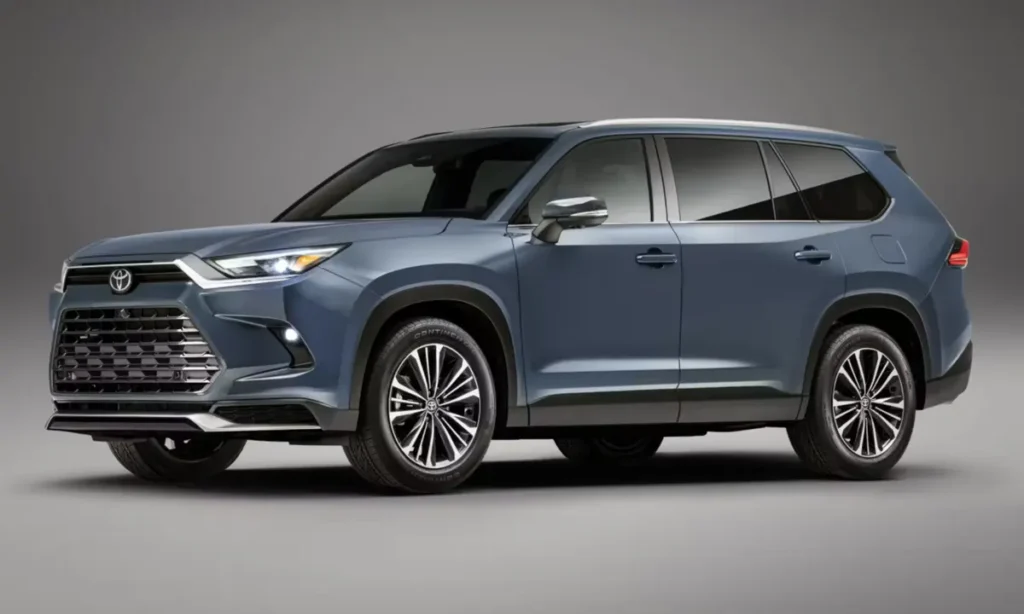
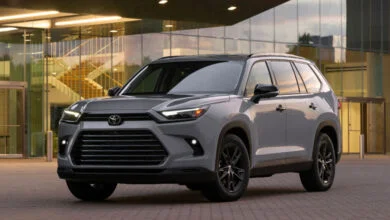
At first glance, the 2026 Toyota Highlander presents a bold yet conservative design language. Toyota’s signature sculpted body lines, aggressive LED headlamps, and redefined front grille exude confidence and modernity. For 2026, Toyota introduces subtle updates — a sharper front fascia, slimmer lighting, and enhanced aerodynamic efficiency — creating a family SUV that looks as good as it performs.
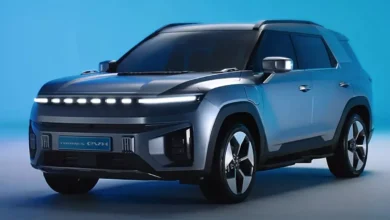
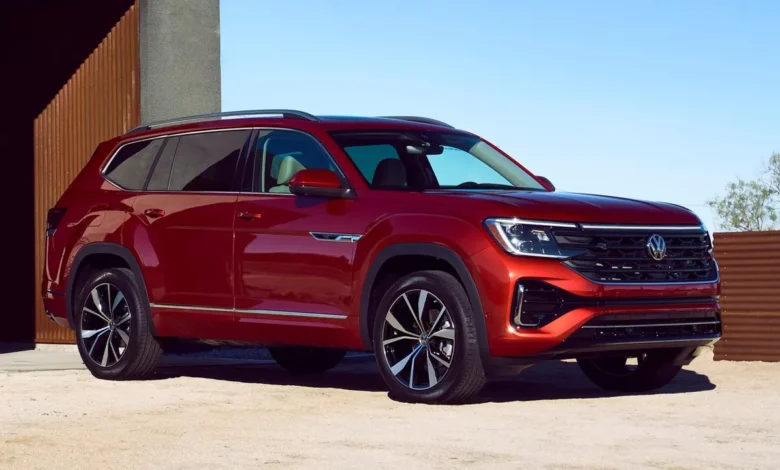
By contrast, the 2026 Volkswagen Atlas takes a boxier, more utilitarian approach to design. Its squared-off silhouette, prominent front end, and crisp LED lightbar across the grille showcase European precision with American proportions. The Atlas is notably larger in every dimension, giving it a commanding road presence.
The Highlander’s design favors sophistication and sleekness, appealing to families and professionals who prefer understated elegance. The Atlas, on the other hand, is for those who love a bold, upright SUV with a sense of space and strength.
Verdict:
If you value sleek styling and aerodynamic refinement, the Highlander takes the edge. If you want a bolder, more truck-like SUV that dominates the road, the Atlas wins.
Interior and Comfort: Refined Comfort vs Spacious Practicality
Toyota Highlander: Tech Meets Tranquility
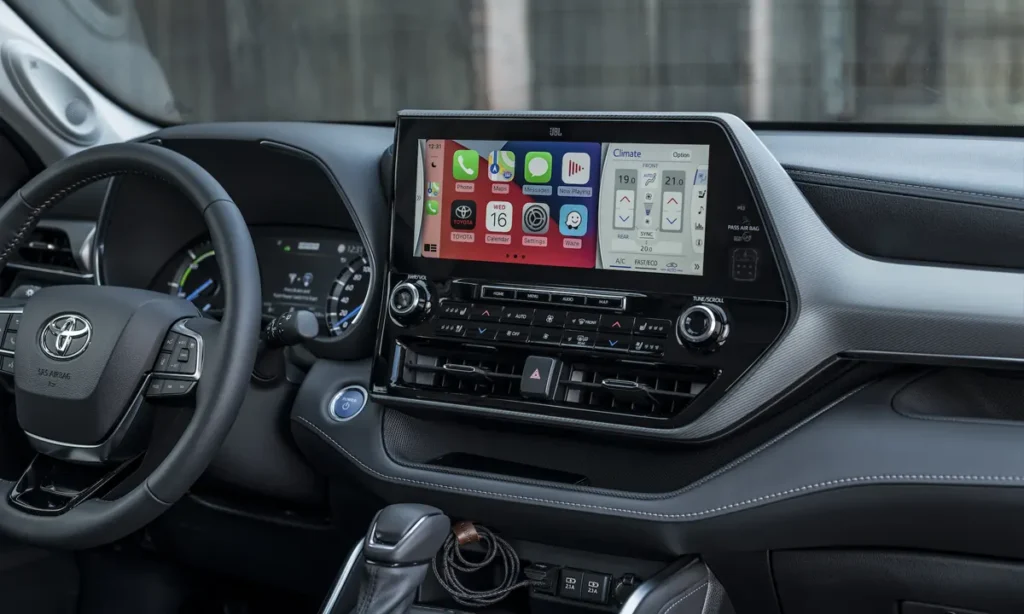
Inside the 2026 Highlander, Toyota has taken luxury to new heights. The cabin features premium soft-touch materials, contrast stitching, and woodgrain accents, giving it a near-Lexus level of sophistication. The center console houses a large 12.3-inch touchscreen with Toyota’s latest infotainment system, offering Apple CarPlay, Android Auto, and cloud-based navigation.
Higher trims come with features like heated and ventilated seats, a digital driver display, a head-up display, and an upgraded JBL audio system. The seating is supportive and comfortable, ideal for long family trips.
However, the third row is best suited for children or short adults. Toyota has prioritized second-row comfort and trunk space over rear-most legroom, which can be limiting for full-size families.
Volkswagen Atlas: Built for Space and Utility
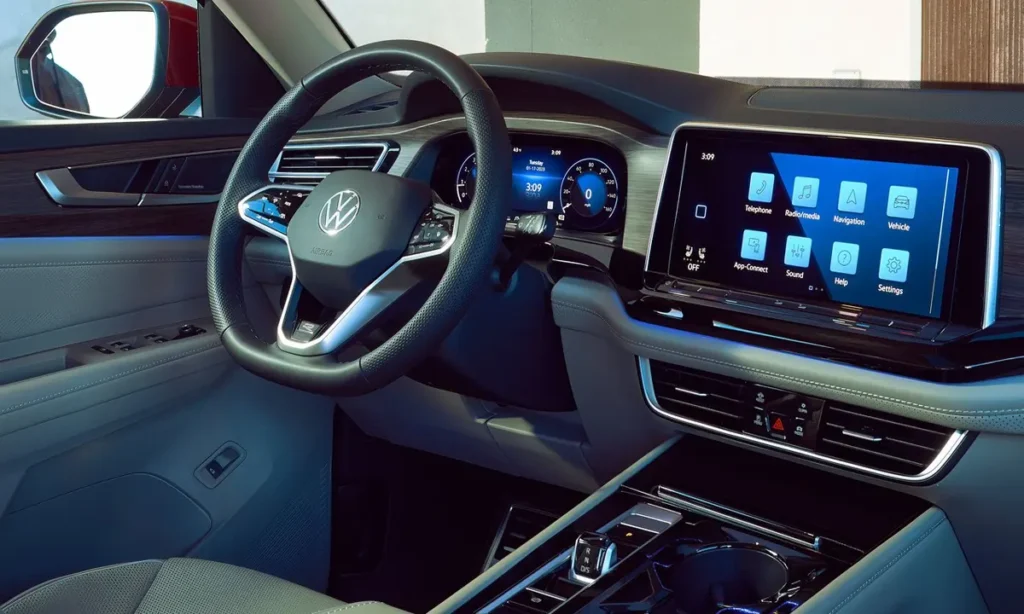
The 2026 Volkswagen Atlas truly shines in interior space. Its cabin layout is more open and practical, designed with large families in mind. Volkswagen’s minimalistic design language results in clean surfaces and intuitive controls, while the materials — though less plush than the Highlander’s — are durable and solid.
The Atlas features a 12-inch infotainment display and Volkswagen’s Digital Cockpit Pro, allowing for multiple customization options. The seats are wide, supportive, and perfect for longer road trips. Importantly, the third row in the Atlas offers class-leading legroom, making it suitable for adults — a significant advantage over the Highlander.
Cargo space is another win for Volkswagen. With all seats folded, the Atlas offers up to 96.8 cubic feet of storage, compared to the Highlander’s 84.3 cubic feet.
Verdict:
For maximum space and third-row usability, the Atlas dominates. For luxury feel and refinement, the Highlander wins.
Performance and Powertrain: Efficiency Meets Strength
Both SUVs rely on turbocharged four-cylinder engines for 2026, but their execution differs slightly.
Toyota Highlander Powertrain
Under the hood, the Highlander features a 2.4-liter turbocharged four-cylinder engine that produces 265 horsepower and 310 lb-ft of torque. Mated to an 8-speed automatic transmission, this setup provides smooth acceleration and impressive fuel efficiency.
For 2026, Toyota made a bold move — all Highlander trims now come standard with all-wheel drive (AWD), enhancing traction and safety in all conditions. This shift makes it especially appealing for drivers in snowy or rainy climates.
Towing capacity remains solid at 5,000 pounds, ensuring that weekend adventures with boats or trailers are easily manageable.
Volkswagen Atlas Powertrain
The 2026 Atlas uses a 2.0-liter turbocharged four-cylinder engine delivering 269 horsepower and 273 lb-ft of torque, paired with an 8-speed automatic. While the difference in power is negligible, the Atlas feels slightly more responsive off the line, thanks to its torque curve and efficient gearing.
The Atlas offers both front-wheel drive (FWD) and 4Motion all-wheel drive (AWD) options, giving buyers flexibility. Towing capacity is also rated at 5,000 pounds, putting it on equal footing with the Highlander.
Fuel Economy
The Highlander is expected to deliver around 24 MPG combined, while the Atlas ranges between 22–25 MPG depending on drivetrain configuration.
Verdict:
The Highlander edges ahead in efficiency and AWD confidence. However, the Atlas counters with smoother responsiveness and more drivetrain flexibility.
Technology and Infotainment: Smarts vs Simplicity
The 2026 Toyota Highlander takes a technology-forward approach, offering an array of driver-assist and infotainment features. The Toyota Safety Sense 3.0 suite comes standard, including:
- Adaptive Cruise Control
- Lane Departure Alert with Steering Assist
- Road Sign Recognition
- Pre-Collision System with Pedestrian Detection
- Automatic High Beams
The user interface is sleek and modern, and the optional head-up display enhances the driving experience. The Highlander also supports remote start, over-the-air updates, and digital key access via smartphone integration.
The Volkswagen Atlas, meanwhile, focuses on user simplicity and connectivity. The IQ.DRIVE safety suite includes Adaptive Cruise Control, Lane Assist, and Traffic Jam Assist. The infotainment system is intuitive, though some users find Volkswagen’s touch-based controls less tactile than Toyota’s physical buttons.
Both SUVs integrate seamlessly with Apple CarPlay and Android Auto, but Toyota’s newer infotainment platform feels more refined and visually appealing.
Verdict:
The Highlander wins for innovation and ease of use, while the Atlas scores for intuitive design and solid connectivity.
Driving Experience: Smooth vs Strong
Behind the wheel, the two SUVs offer distinct driving personalities.
The 2026 Toyota Highlander focuses on smoothness and composure. Its suspension tuning is softer, providing a cushioned ride ideal for families. The steering is light yet precise, and cabin insulation is excellent, minimizing road noise.
The Volkswagen Atlas delivers a more commanding drive. Its wider track and firm suspension make it feel planted and stable at highway speeds. While ride comfort is slightly firmer than the Highlander’s, it feels more confident on curves and long journeys.
Verdict:
The Highlander wins for comfort and refinement, while the Atlas appeals to drivers who enjoy a sturdier, more dynamic feel.
Safety and Reliability: Toyota’s Proven Legacy
When it comes to reliability, Toyota’s reputation speaks for itself. The Highlander consistently ranks among the most dependable midsize SUVs, backed by excellent resale value and long-term durability. Toyota’s Safety Sense 3.0 gives it a technological edge as well.
Volkswagen, on the other hand, has improved its reliability significantly in recent years, and the Atlas now enjoys a solid reputation for build quality. Its 4-year/50,000-mile warranty is also more generous than Toyota’s 3-year/36,000-mile coverage.
Verdict:
The Highlander wins for reliability and peace of mind, while the Atlas provides longer warranty coverage.
Pricing and Trims: Value vs Versatility
The 2026 Toyota Highlander starts at around $46,700, thanks to its standard AWD and premium standard features. Higher trims like the Limited and Platinum exceed $55,000, adding luxury features such as ventilated seats and panoramic sunroof.
The 2026 Volkswagen Atlas, meanwhile, starts closer to $39,995 for the base trim, with top trims like the SEL Premium R-Line reaching about $55,000. The lower entry price gives it an advantage for buyers seeking a premium feel without breaking the bank.
Verdict:
The Atlas offers more affordability and space per dollar, while the Highlander delivers better standard equipment and AWD value.
Final Verdict: Which SUV Wins the Battle?
Choosing between the 2026 Toyota Highlander and the 2026 Volkswagen Atlas ultimately depends on your priorities.
- If you want bulletproof reliability, premium comfort, and all-weather AWD standard, the 2026 Toyota Highlander is the clear winner. It’s an SUV built for families who value longevity, comfort, and peace of mind.
- If you crave maximum space, adult-friendly third-row seating, and more value per dollar, the 2026 Volkswagen Atlas shines. It’s ideal for larger families who need extra room and prefer European design flair.
Both SUVs are leaders in their class, but they serve slightly different audiences. The Highlander is the refined, dependable all-rounder; the Atlas is the spacious, tech-savvy family cruiser.
In short:
👉 Choose the Highlander for reliability and all-weather confidence.
👉 Choose the Atlas for space and affordability.
Either way, you’ll be driving one of 2026’s best three-row family SUVs.
Read: The 2025 Toyota Hilux 9th Gen Reinvents Toughness for the Future
Frequently Asked Questions (FAQ)
Q1: Which SUV offers more cargo space?
The Volkswagen Atlas offers up to 96.8 cubic feet, while the Highlander provides about 84.3 cubic feet.
Q2: Which SUV is more fuel efficient?
The Highlander offers a slightly better combined fuel economy of 24 MPG, compared to the Atlas’s 23–25 MPG range.
Q3: Does the Toyota Highlander come with AWD?
Yes — for 2026, all Highlander trims come with standard AWD.
Q4: What is the towing capacity of both SUVs?
Both can tow up to 5,000 pounds when properly equipped.
Q5: Which SUV is more reliable?
The Highlander has a long-standing reputation for reliability, while the Atlas offers a longer factory warranty.