2026 Toyota Prius Review: The Evolution of the World’s Most Famous Hybrid
A Landmark 25th Anniversary in America, 194 Horsepower From the Fifth-Generation Toyota Hybrid System, 57 mpg Combined, a Nightshade Special Edition and the Most Driver-Engaging Prius in the Model's Entire History Confirm That the World's Most Famous Hybrid Has Grown Into Something Genuinely Worth Wanting
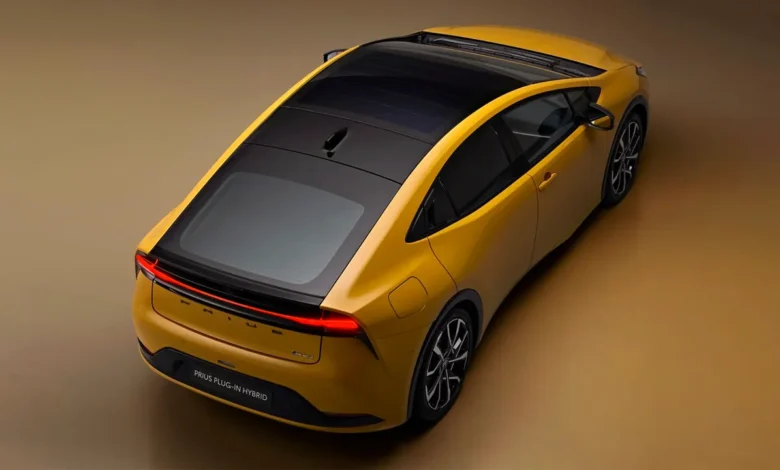
There are very few cars in automotive history that have changed the world in a manner sufficiently decisive and sufficiently durable that the car’s name becomes the generic term for an entire category of technology. The Toyota Prius is one of them. In the same way that the word hoover entered the English language as a synonym for vacuum cleaner regardless of which brand’s product you were using, the word Prius entered the automotive vernacular as a synonym for hybrid car — the default cultural reference point for an entire powertrain philosophy that Toyota invented for the mass market in 1997 and has spent the intervening twenty-eight years refining into the most technologically mature and commercially proven electrified propulsion system in the world. The 2026 Toyota Prius marks the silver anniversary of the model’s American debut — twenty-five years since the car first arrived in United States dealerships and began the slow, patient, ultimately overwhelming work of convincing the American public that electrified motoring was not merely possible but genuinely desirable.
Gallery: 2026 Toyota Prius Review
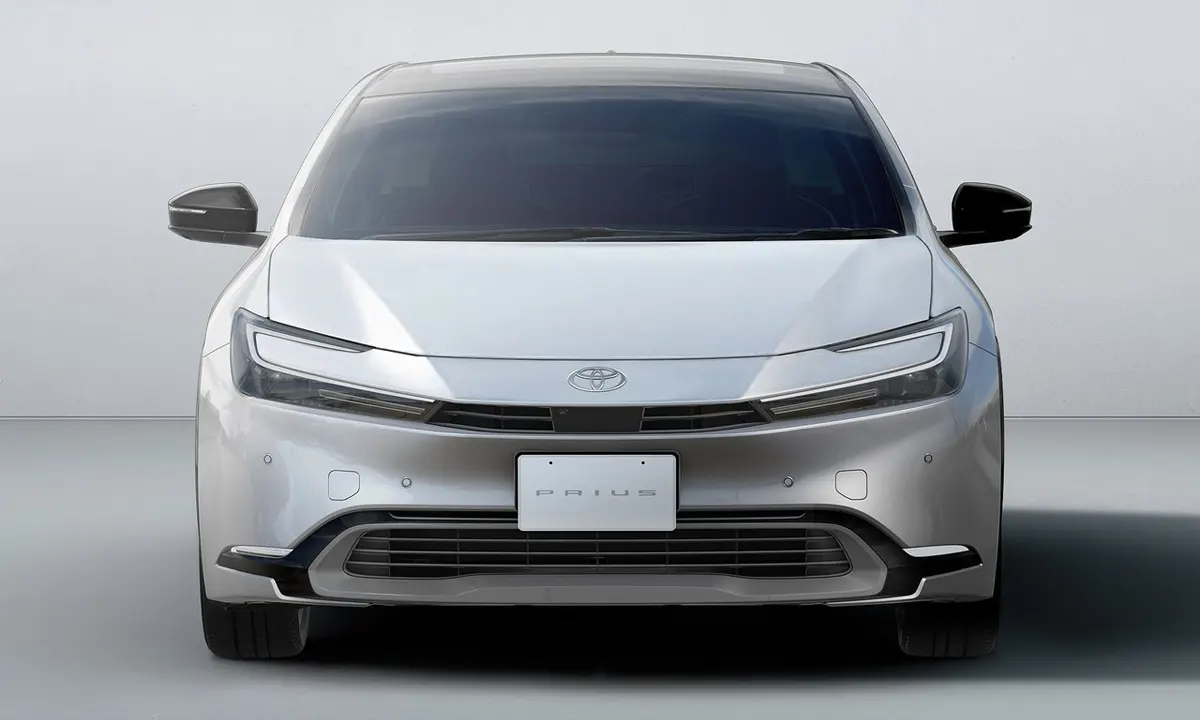
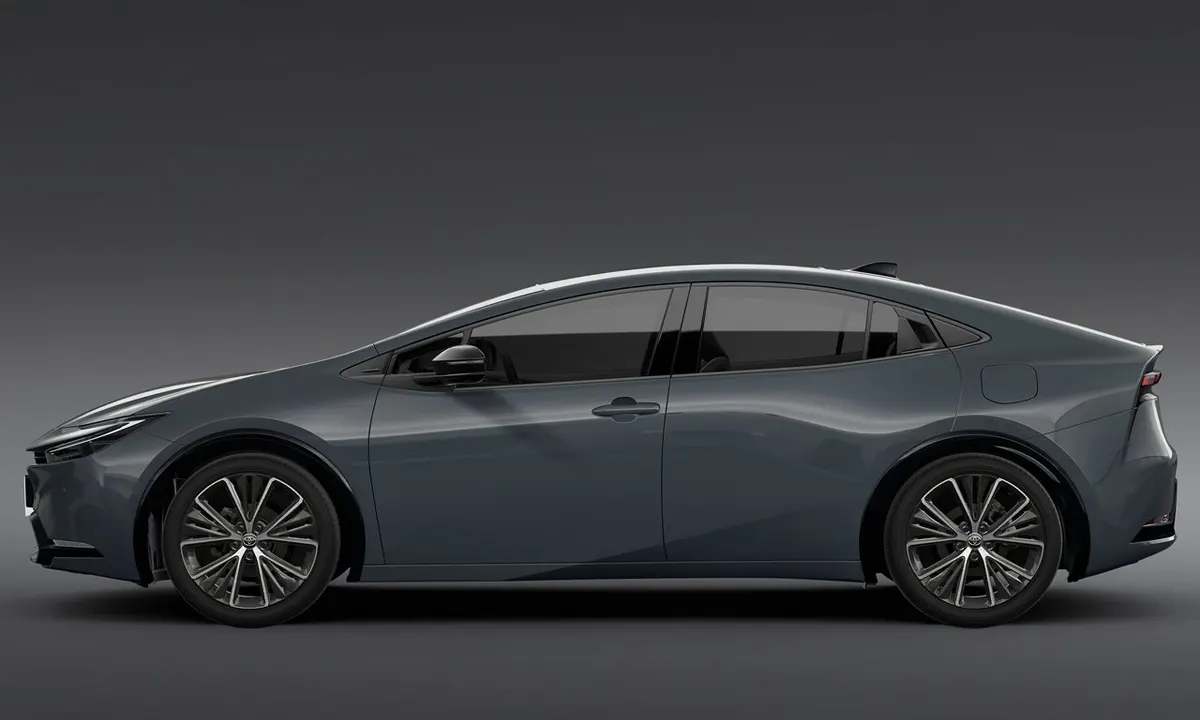
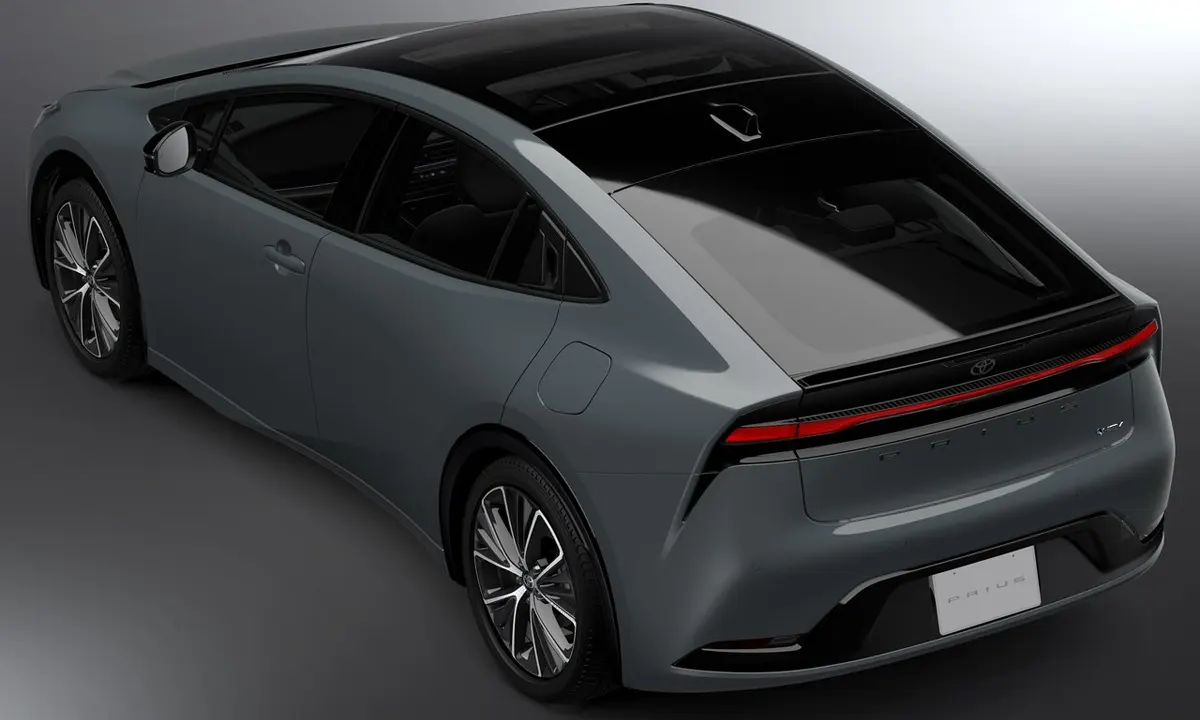
What makes the anniversary meaningful beyond its symbolic dimension is the quality of the car that bears the nameplate in 2026. The fifth-generation Prius, introduced in the 2023 model year and carried forward in refined form to the 2026 model, is not the Prius of popular memory — not the boxy, buzzing, virtuous-but-dreary hybrid appliance that gave the nameplate both its environmental credibility and its cultural stigma in equal measure. It is a genuinely handsome, genuinely engaging and genuinely capable vehicle that competes with the compact hatchback segment’s best offerings on dimensions that previous Prius generations would never have dared enter. Whether it is unambiguously the right choice for every buyer who walks into a Toyota showroom is a question this review addresses with complete honesty. What is unambiguous is that the 2026 Prius is the finest version of the most historically significant hybrid car in the world, and it deserves to be understood on its own current merits rather than the accumulated weight of its predecessors’ reputation.
The Design Transformation That Changed Everything
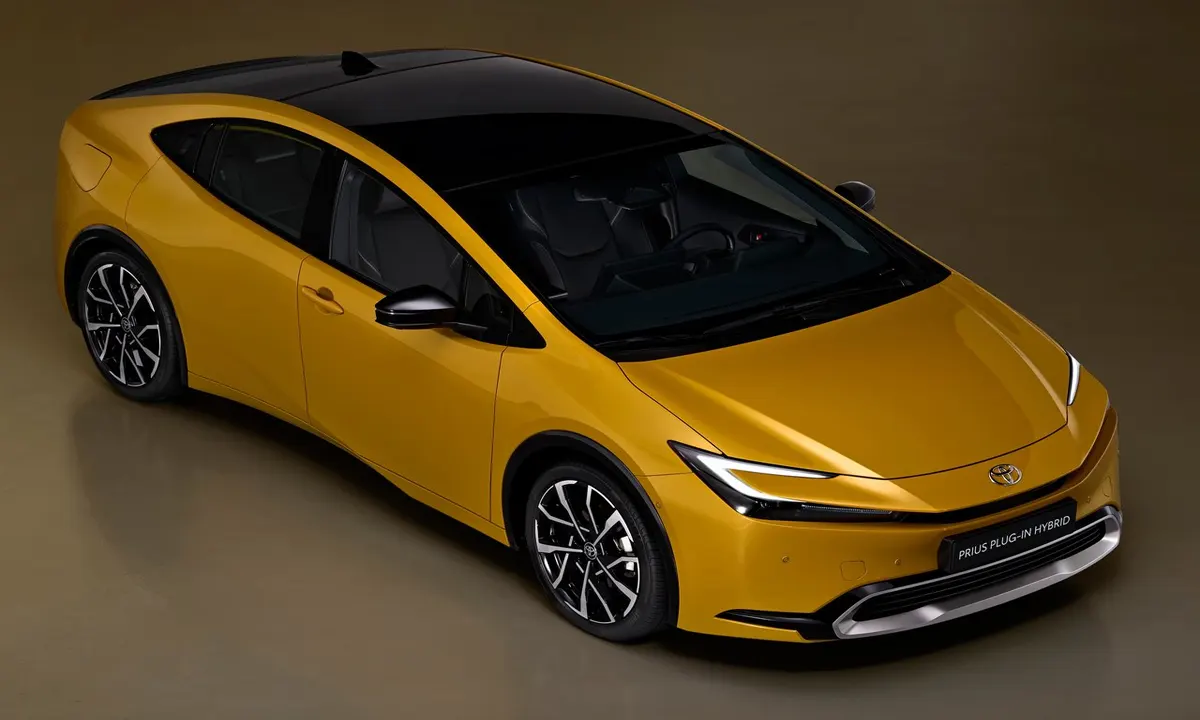
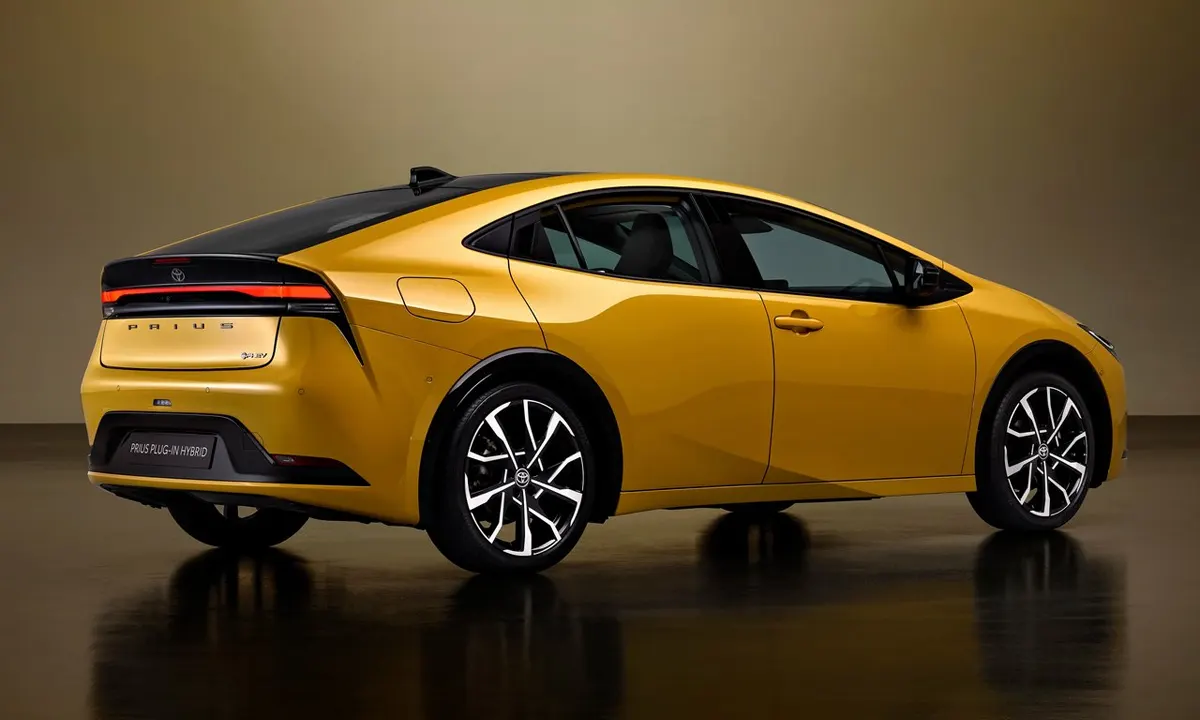
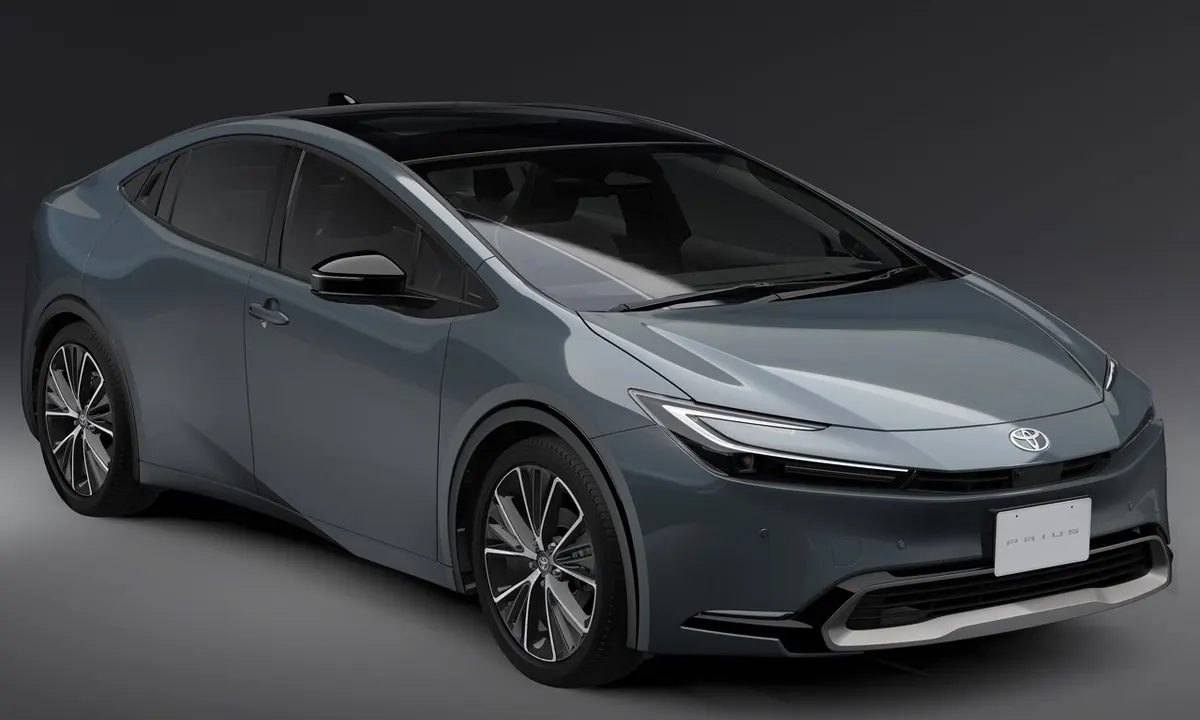
The single most consequential thing that happened to the Prius in its current fifth generation was a design transformation so radical and so successful that it effectively retired the old cultural narrative around the model. Where the fourth-generation Prius was defined by polarising, function-led styling that prioritised its aerodynamic coefficient above visual appeal, the current fifth-generation car is defined by what Top Gear described as a bonnet-to-windscreen slope that a Lamborghini would be proud of — a proportional boldness that sits 50mm lower than its predecessor and creates a wedge-shaped, tensely surfaced profile that communicates genuine design intent rather than functional pragmatism.
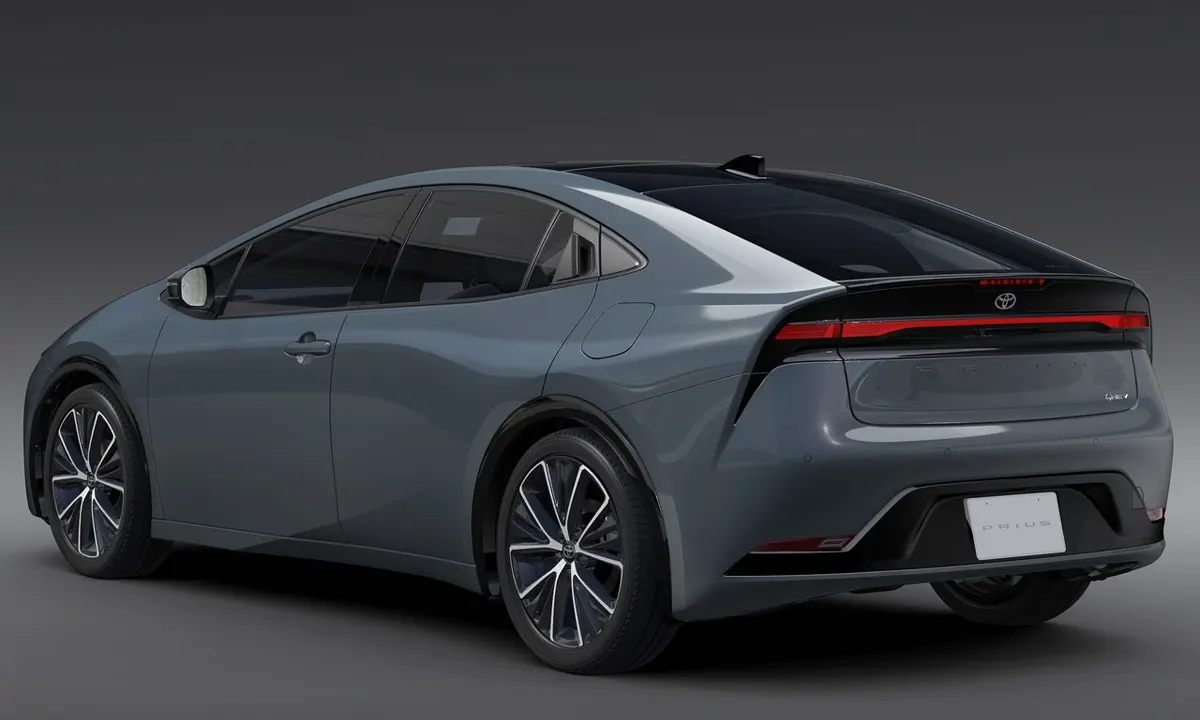
The 2026 Prius carries this fifth-generation design without modification, and it remains as striking as it was at launch. The low roofline, the cat-eye LED headlamp signature, the rising belt line and the muscular rear fender treatment give the car a visual self-confidence that previous Prius generations never possessed and that translates into genuine kerb appeal rather than the apologetic presence that the earlier cars projected. It is a design that works in the same compositional register as the best European hatchbacks — compact, taut and resolved — while producing a surface character that is unquestionably and specifically Toyota.
The Nightshade Edition, introduced in the 2025 model year and carried forward for 2026, adds a further layer of visual character to the standard car’s already impressive styling. Black wheels, black body trim elements and carbon fibre-finish interior accents create a darker, more assertive aesthetic that suits the Prius’s current proportions well, and the exclusive exterior colours available on the Nightshade — including the vivid Karashi shade that reviewers have responded to with memorably divided opinions — ensure the edition maintains the visual distinctiveness that justifies its existence in the lineup. On 19-inch wheels standard from the XLE trim upward, the 2026 Prius fills its arches with a visual substance that completes the athletic design brief convincingly.
The Powertrain: Fifth-Generation Hybrid System, 57 MPG, 194 Horsepower
The 2026 Toyota Prius is powered by Toyota’s fifth-generation Hybrid Synergy Drive system — a 2.0-litre four-cylinder petrol engine paired with a permanent magnet electric motor, drawing from a lithium-ion battery pack that has been optimised for both energy density and weight reduction compared with the nickel-metal hydride units used in earlier generations. The combined system output of 194 horsepower represents a meaningful increase over the fourth-generation Prius’s 121-horsepower total, and it is a figure that genuinely changes the character of the driving experience. Toyota quotes a 0-60 mph time of 7.2 seconds for front-wheel drive models and 7.0 seconds for AWD — figures that represent a dramatic improvement over the 10.2-second sprint delivered by the previous generation and that place the current Prius in credible company with conventional petrol hatchbacks of similar engine displacement.
The fuel economy returns are the most immediately impressive figures in the 2026 Prius’s specification sheet. The EPA rates the base LE front-wheel-drive model at 57 miles per gallon combined — a figure that leads the non-plug-in hybrid compact car segment by a meaningful margin and that translates into a range of approximately 600 miles from a single tank of fuel, depending on driving conditions. The XLE and Nightshade trims on 19-inch wheels return 52 mpg combined, and the Limited achieves 50 mpg combined — still exceptional figures that confirm the fifth-generation Hybrid Synergy Drive’s development maturity. The available AWD system, which uses a dedicated rear electric motor rather than a mechanical driveshaft connection, adds traction confidence in adverse weather without meaningfully compromising fuel economy. The AWD Prius returns 49 mpg combined — a figure that most AWD competitors of any powertrain type cannot approach.
The CVT transmission deserves the same honest assessment that reviewers have applied consistently since the fifth generation’s launch: it manages the powertrain’s energy flow with excellent smoothness during steady-state driving, allowing the Prius to operate in electric-only mode for extended periods at low and moderate speeds and transitioning between combustion and electric operation with an imperceptibility that Toyota’s three decades of hybrid system refinement have made possible. Under hard acceleration, the CVT’s characteristic drone — the engine spinning to a fixed point while the car accelerates beneath it — is more audible than in comparable vehicles with conventional automatic transmissions, and it remains the single most frequently cited objection to the Prius’s driving experience from reviewers who spend extended time with the car. It is a real limitation, not a minor annoyance, and buyers who regularly drive with urgency or who particularly value acoustic refinement during acceleration will find it more intrusive than those whose driving patterns are predominantly steady and moderate.
The Prius PHEV: 40 Electric Miles and 220 Combined Horsepower
The 2026 Prius Plug-in Hybrid — previously sold under the Prius Prime nameplate — represents the most technologically advanced expression of the fifth-generation Prius family and the version that most directly addresses the argument that the standard hybrid’s 57 mpg, impressive as it is, leaves meaningful efficiency on the table for drivers with access to home charging. The PHEV adds a second electric motor and a 16.6 kWh lithium-ion battery capable of approximately 40 miles of all-electric driving — a range sufficient for the majority of urban commutes to be completed entirely without combustion engine use. The combined system output increases to 220 horsepower with the second motor’s addition, and the performance improvement is immediately apparent to drivers transitioning from the standard hybrid: throttle responses sharpen, the acceleration off the line gains conviction and the car’s highway overtaking capability becomes genuinely confident rather than merely adequate.
Consumer Guide’s reviewer, who spent a week with the 2026 Prius PHEV Nightshade, described the car’s hybrid operation transition as evidence of Toyota’s mastery — noting that the refinement of the handoff between electric and combustion operation was such that most consumers would be unaware it had occurred. This observation captures something important about what the PHEV Prius delivers: not the technological theater of visible electric operation with noticeable mode changes, but the invisible, seamless competence of a system so mature in its engineering that it has essentially disappeared into the background of the driving experience. The 0-60 mph time of 6.5 seconds for the PHEV represents a further improvement over the standard hybrid, and the combination of electric efficiency, expanded range and improved performance creates a compelling case for the PHEV as the version most buyers should seriously consider once the additional cost is weighed against the running cost savings that regular charging enables.
For 2026, the PHEV lineup expands by one trim level with the addition of the Nightshade Edition, bringing the dark-themed aesthetic to the plug-in variant for the first time. The Nightshade PHEV, which carries a test vehicle price of approximately $41,304 in the Consumer Guide evaluation, represents a near-complete luxury and equipment specification for a compact hybrid hatchback at its price point — leather seating, heated and ventilated front seats, an available 12.3-inch infotainment screen, wireless Apple CarPlay and Android Auto, and the full Toyota Safety Sense 3.0 active safety suite.
Interior and Technology: Honest Assessment of Strengths and Weaknesses
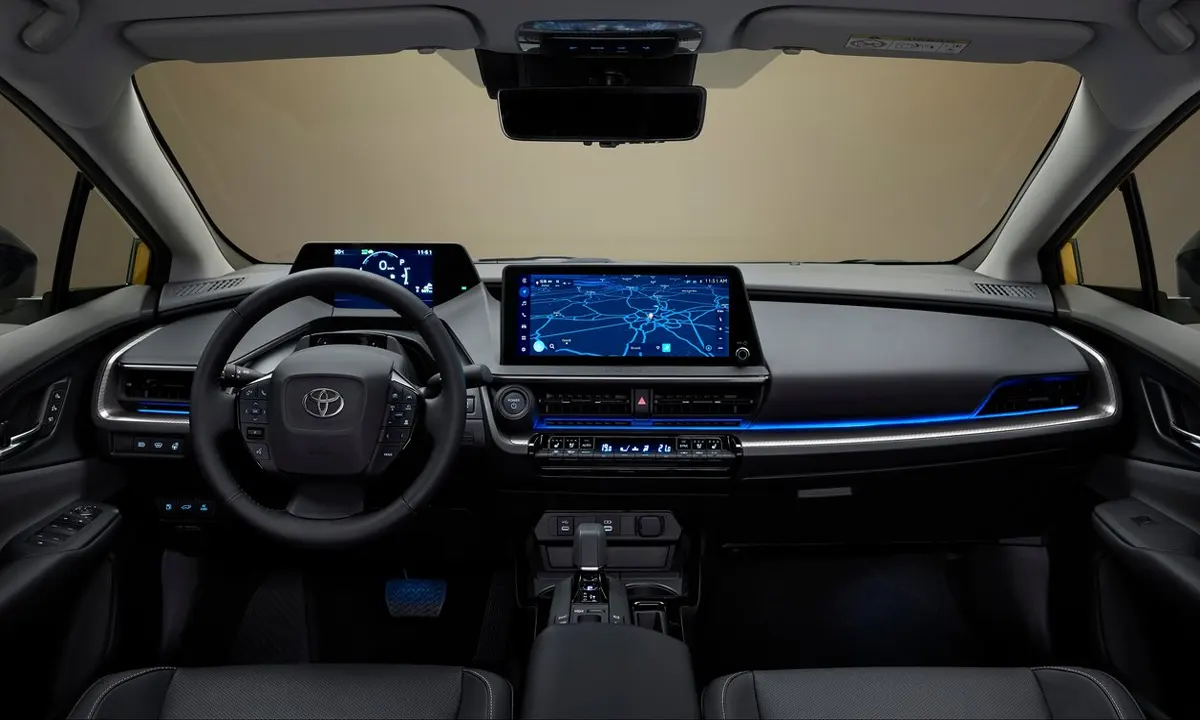
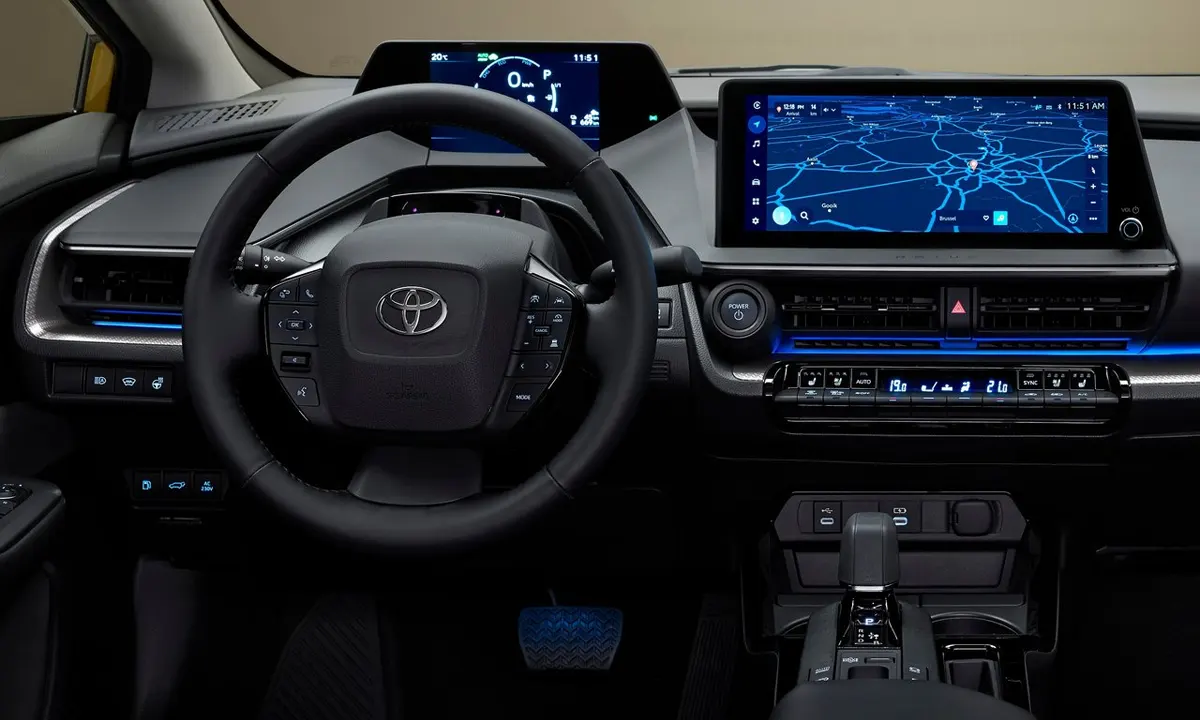
The 2026 Prius’s interior presents both genuine achievements and genuine limitations that deserve equal acknowledgement. On the positive side, the cabin architecture of the fifth-generation car is a significant improvement over its predecessor — the driver-facing gauge cluster is a genuinely creative design solution that places critical driving information closer to the driver’s natural line of sight, the centre console layout is logically organised, and the available dual-zone climate control and heated front seats provide comfort that previous generations made buyers feel mildly guilty for expecting in a virtue-signalling efficiency product.
The available 12.3-inch infotainment touchscreen — standard on the Limited and available on XLE and Nightshade for an additional $735 — is a meaningful upgrade over the base 8-inch unit and one that most buyers will find worth the investment given the amount of daily interaction the system receives. Wireless Apple CarPlay and Android Auto are standard from the XLE trim, and the six USB ports provided across the cabin reflect a genuine understanding of how contemporary families travel. The Toyota Audio Multimedia system, running the standard connectivity suite, is responsive and intuitive by the standards of mainstream market vehicles, though it lacks the visual polish and feature depth of the premium infotainment systems found in European competitors at higher price points.
The limitations are equally real. Rear headroom suffers from the swept roofline that gives the car its visual appeal — adult rear passengers of average height will find the ceiling line intrusive on longer journeys, and the recommendation to consider a Toyota Camry or Honda Accord for buyers who regularly carry adult rear passengers is an honest one. Forward visibility is compromised by long A-pillars and a windscreen angle that creates blind spots particularly troublesome during parking and slow manoeuvres. The gauge cluster’s positioning, while conceptually interesting, can be partially obscured by the steering wheel for taller drivers depending on individual anatomical variation — a limitation that reviewers have noted consistently and that Toyota’s next-generation development will need to address. Cargo capacity behind the rear seats stands at 23.8 cubic feet on LE models, reducing to 20.3 cubic feet on upper trims due to battery packaging — competitive but not class-leading figures.
Safety, Reliability and the Ownership Case
The 2026 Toyota Prius received a five-star overall NHTSA crash safety rating in all tested categories, with a four-star rollover resistance score — a strong result that confirms the fifth-generation car’s structural integrity. The IIHS awarded the 2025 Prius its Top Safety Pick+ designation — the highest available rating from that organisation — and the 2026 model is expected to maintain that standard given the absence of structural changes between the two model years. Toyota Safety Sense 3.0 is standard across all 2026 Prius trims, providing pre-collision system with pedestrian and cyclist detection, radar-linked adaptive cruise control, lane departure alert with steering assist, automatic high beams, blind-spot monitoring with rear cross-traffic alert, safe exit assist and traffic jam assist as a comprehensive standard safety package. The inclusion of Proactive Driving Assist — which can apply gentle braking and steering corrections to help the driver avoid potential hazard situations — reflects Toyota’s broader push toward active accident prevention rather than purely reactive emergency response.
Reliability is where the Prius’s ownership case is most strongly supported by evidence rather than brand reputation alone. The Prius family’s powertrain — in various generations of the Hybrid Synergy Drive — has accumulated more real-world miles across more diverse operating environments than any other hybrid system in the world, and the failure rate data from this accumulated operating experience is among the most compelling in the automotive industry. Toyota’s hybrid battery warranty of ten years or 150,000 miles provides the long-term ownership confidence that the technical record fully supports. Buyers who purchase a 2026 Prius with the expectation of keeping it for a decade or more are making a decision that is supported by the most extensive hybrid reliability dataset available from any manufacturer in the segment.
Read: Toyota GR Supra Finally Goes Pure No More BMW DNA
2026 Toyota Prius — Specifications and Details Chart
| Category | 2026 Toyota Prius LE / XLE / Nightshade / Limited |
| Body Style | Five-Door Hatchback |
| Engine | 2.0-Litre Four-Cylinder |
| Hybrid System | Fifth-Generation Toyota Hybrid Synergy Drive |
| Combined System Output | 194 hp (196 hp — Some Trim Combinations) |
| Transmission | CVT (E-CVT) |
| Drivetrain Options | FWD (Standard) / AWD (Available All Trims) |
| AWD System | Electric Rear Motor — No Driveshaft |
| 0–60 mph (FWD) | 7.2 seconds |
| 0–60 mph (AWD) | 7.0 seconds |
| Fuel Economy — LE FWD | 57 mpg Combined (City / Hwy: 57 / 56) |
| Fuel Economy — XLE/Nightshade | 52 mpg Combined |
| Fuel Economy — Limited | 50 mpg Combined |
| Fuel Economy — AWD | 49 mpg Combined |
| Estimated Range (LE) | ~600 miles |
| PHEV Battery Capacity | 16.6 kWh |
| PHEV Electric Range | ~40 Miles |
| PHEV Combined Output | 220 hp |
| PHEV 0–60 mph | 6.5 seconds |
| Curb Weight | 3,164 lbs |
| Wheelbase | 108.3 inches |
| Length | 181.1 inches |
| Width | 70.2 inches |
| Height | 56.3 inches |
| Coefficient of Drag | 0.27 Cd |
| Cargo Capacity (LE) | 23.8 cu ft |
| Cargo Capacity (Upper Trims) | 20.3 cu ft |
| Standard Infotainment | 8-inch Touchscreen |
| Available Infotainment | 12.3-inch Touchscreen (XLE/Nightshade: $735 / Limited: Standard) |
| Connectivity | Wireless Apple CarPlay and Android Auto (XLE and above) |
| USB Ports | 6 |
| Standard Safety | Toyota Safety Sense 3.0 (TSS 3.0) |
| NHTSA Rating | 5 Stars Overall (4 Stars Rollover) |
| IIHS Rating (2025) | Top Safety Pick+ |
| Hybrid Battery Warranty | 10 Years / 150,000 Miles |
| Basic Warranty | 3 Years / 36,000 Miles |
| Powertrain Warranty | 5 Years / 60,000 Miles |
| Trim Levels | LE, XLE, Nightshade Edition, Limited |
| Nightshade Exclusives | Black Wheels, Black Body Trim, Carbon Fibre Interior Accents, Unique Colours |
| Starting MSRP (LE) | $28,550 (Edmunds) / $29,745 Including Destination |
| Starting MSRP (Limited) | $35,565 / $36,760 Including Destination |
| PHEV Starting MSRP | ~$33,450 (LE PHEV) / ~$41,304 (Nightshade PHEV Test Car) |
| U.S. Model Debut | 2001 (25th Anniversary in 2026) |
| Assembly | Toyota City, Aichi, Japan |