2026 Toyota RAV4 vs 2026 Honda CR-V Reliability Test. Which Compact SUV Will Last Longer?
From Hybrid Battery Warranties and Owner Satisfaction Scores to Repair Costs, Build Quality and Long-Term Ownership Data — a Comprehensive Reliability Comparison of the Two Best-Selling Compact SUVs in America
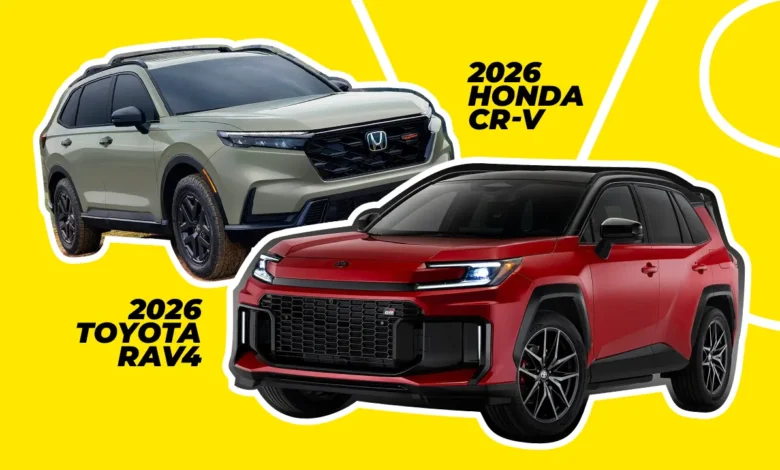
When two of the most popular compact SUVs in America go head-to-head on the single most important factor for long-term car ownership, the conversation deserves more than a simple scorecard. Reliability is not merely a manufacturer’s promise or a warranty duration printed in a brochure — it is the cumulative product of engineering decisions made years before a car reaches the showroom, manufacturing quality standards applied on the production floor, powertrain architecture choices, software development maturity and the depth of real-world owner experience that informs each successive generation’s improvements. The 2026 Toyota RAV4 and 2026 Honda CR-V are not simply the two best-selling compact SUVs in the United States — they are, in many respects, the two most carefully engineered, most exhaustively tested and most long-term proven compact crossovers on the market today. Both have earned their sales leadership positions through decades of demonstrated reliability. Both arrive for 2026 with meaningful updates that affect how their long-term dependability should be assessed. Understanding the differences between them — and those differences are real, nuanced and consequential — is the purpose of this comparison.
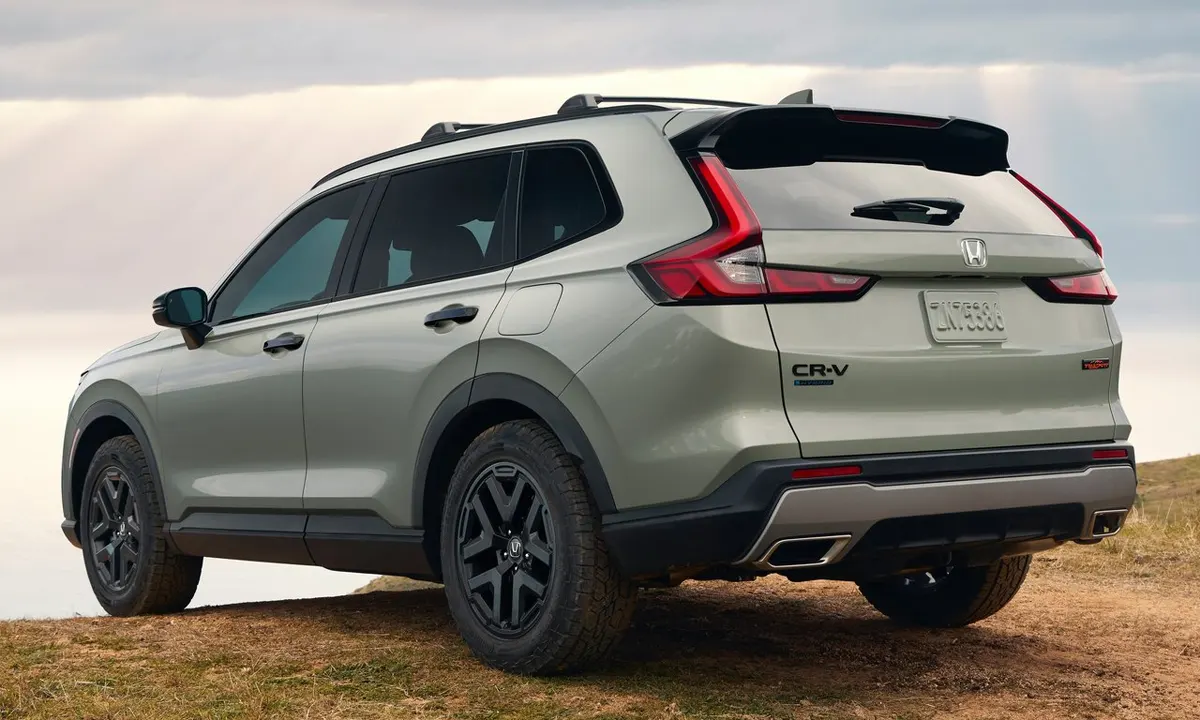
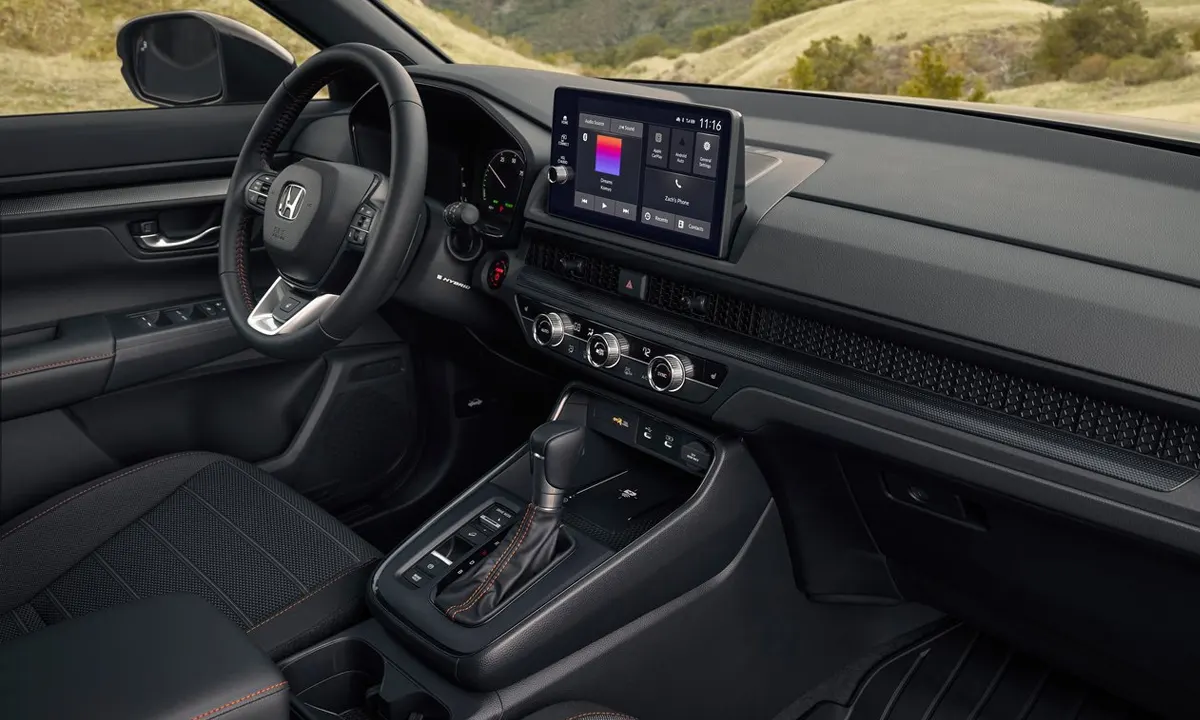
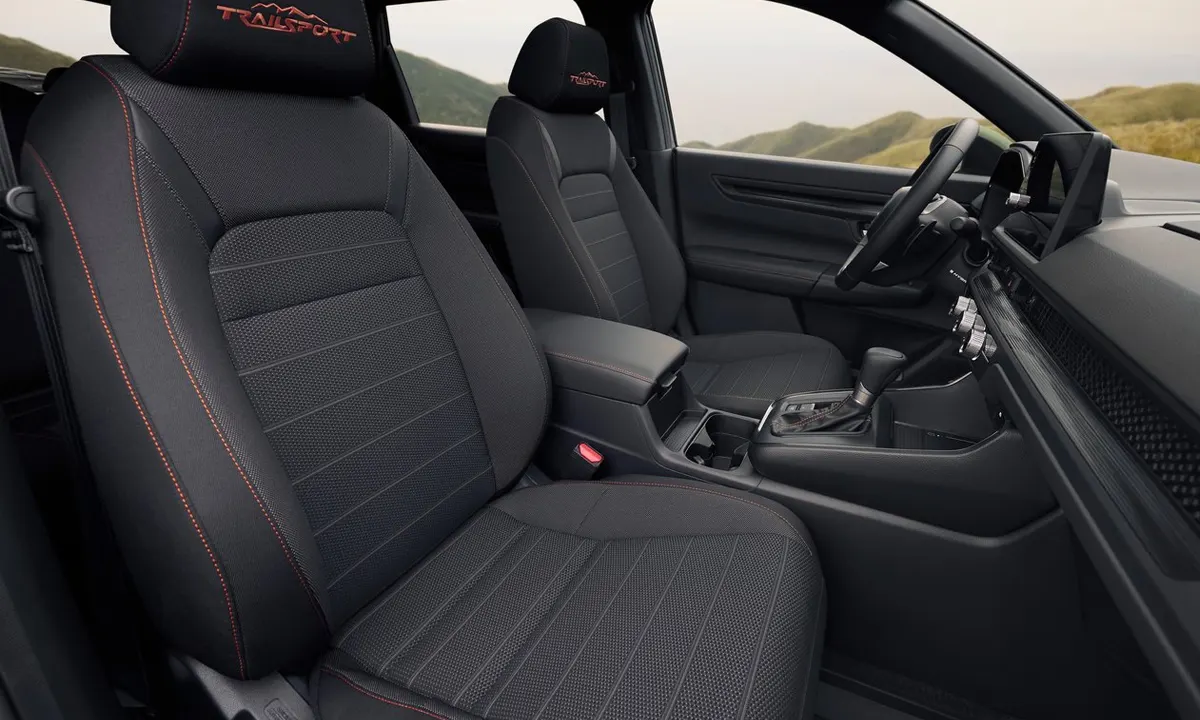
Gallery: 2026 Toyota RAV4 vs 2026 Honda CR-V
The Reliability Verdict at a Glance
Before examining the deeper engineering and ownership data that underlies each vehicle’s reliability story, it is worth establishing where the two models stand in the formal reliability assessments produced by the industry’s most authoritative sources. Consumer Reports, whose reliability predictions are based on actual owner survey data from hundreds of thousands of vehicles and represent the most comprehensive long-term ownership database in the automotive industry, predicts that the 2026 Toyota RAV4 will perform above average in reliability compared to the broader new car market — a prediction grounded in the previous generation RAV4’s strong track record and Toyota’s consistently high brand-level reliability scores. For the 2026 Honda CR-V Hybrid, Consumer Reports also expects above-average reliability performance relative to the new car market overall, basing that prediction on data from the 2024, 2025 and 2026 model years combined.
U.S. News and World Report assigns the 2026 Honda CR-V a predicted reliability score of 83 out of 100 — a rating that falls in the “Great” category on their scale, which reserves scores of 91 to 100 for “Best” performers. The 2026 CR-V Hybrid receives the same 83-out-of-100 predicted reliability score. RepairPal, which bases its ratings on the actual cost, frequency and severity of unscheduled repairs drawn from real service data, awards the Honda CR-V a 4.5 out of 5 reliability rating and ranks it sixth out of 29 vehicles in the compact SUV segment — a strong result that reflects the Honda’s well-documented low repair cost profile. The NHTSA five-star overall crash safety rating adds a further dimension of confidence to the CR-V’s ownership proposition, though safety ratings and reliability ratings measure different things and should not be conflated.
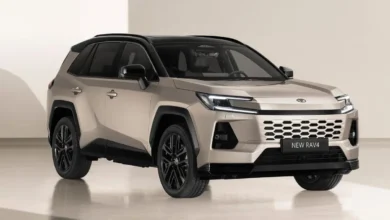
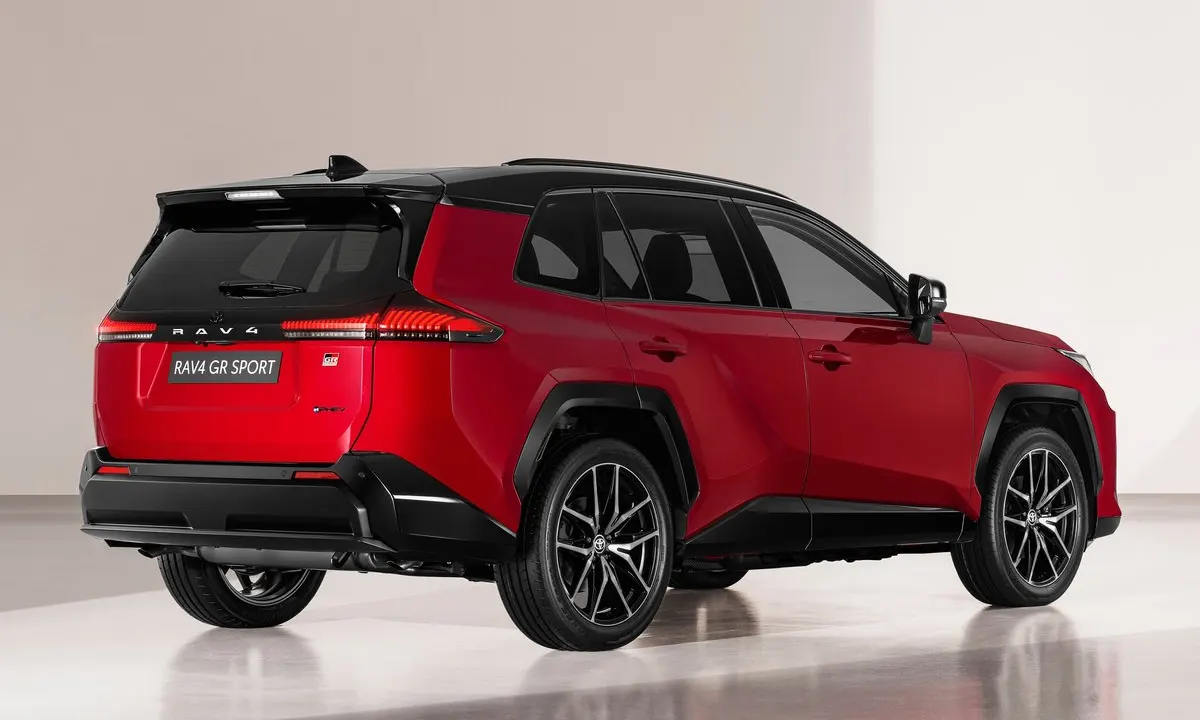
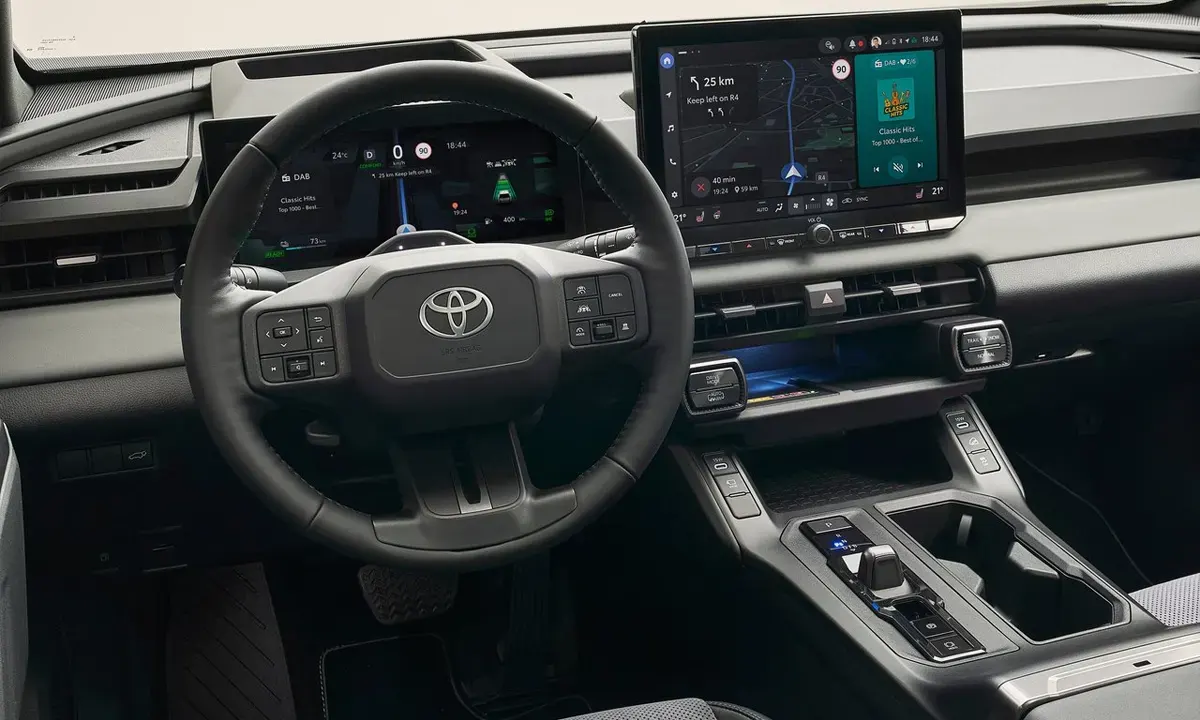
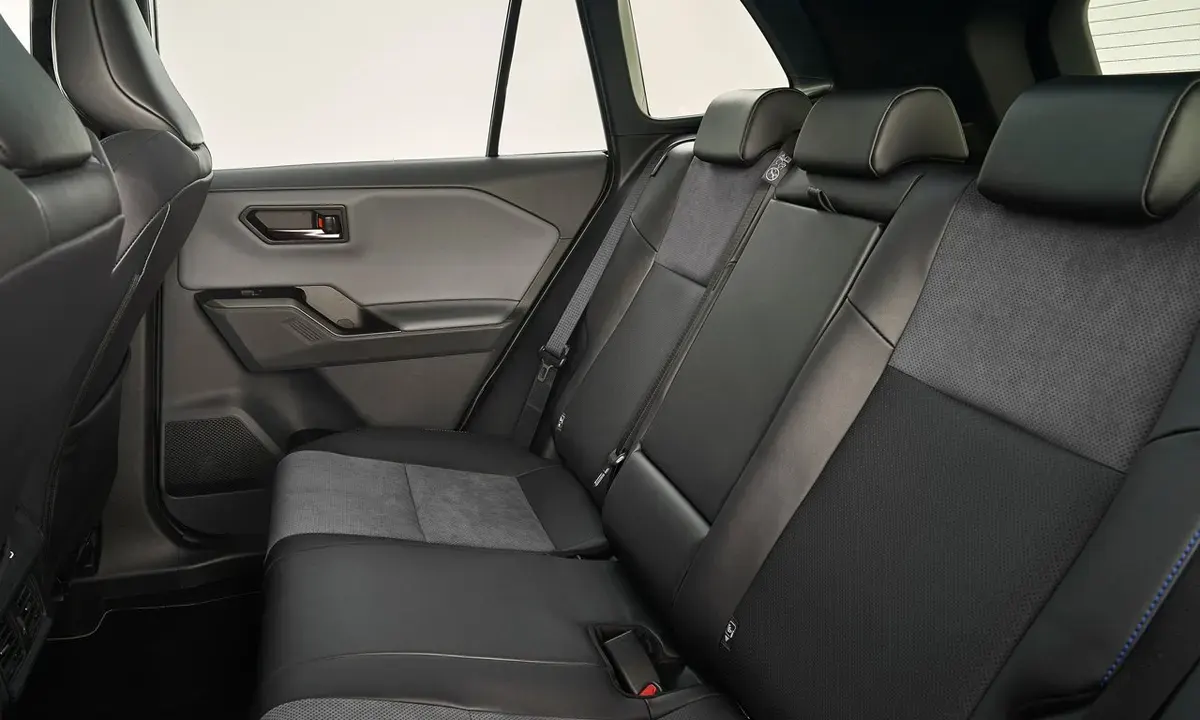
The 2026 RAV4 presents a different analytical challenge. As a completely redesigned sixth-generation model for 2026 — with a new all-hybrid powertrain lineup, the Arene software platform, Toyota Safety Sense 4.0 and a comprehensively overhauled infotainment system — the formal long-term reliability data that would be available for a carry-over model does not yet exist for this generation. Edmunds rates the 2026 RAV4 at 8.1 out of 10 following real-world testing, and Consumer Reports notes that the redesigned model’s build quality appears solid in pre-production evaluation. However, the reliability prediction for the 2026 RAV4 draws heavily on the previous generation’s impressive track record and on Toyota’s brand-level reliability scores — both of which are among the highest in the industry — rather than on accumulated owner data for the new generation specifically.
Toyota RAV4: The Reliability Reputation That Changed Everything
The Toyota RAV4’s reliability reputation is one of the most thoroughly documented and consistently demonstrated in the modern automotive industry. The previous generation of the RAV4 Hybrid — which the 2026 model replaces and from whose data much of the 2026’s reliability prediction is drawn — earned widespread recognition as one of the most dependable compact SUVs on the market, with owner satisfaction surveys consistently reflecting high rates of repeat purchase intent and low rates of unplanned repair expenditure. Toyota’s hybrid system, which the brand has been refining and deploying across its lineup since the Prius first appeared in 1997, carries a depth of real-world validation that very few electrified powertrains in the industry can match. The Atkinson-cycle naturally aspirated engines paired with electric motor assistance in Toyota’s hybrid systems are known for their mechanical simplicity relative to turbocharged alternatives, contributing to a lower probability of powertrain-related reliability issues over time.
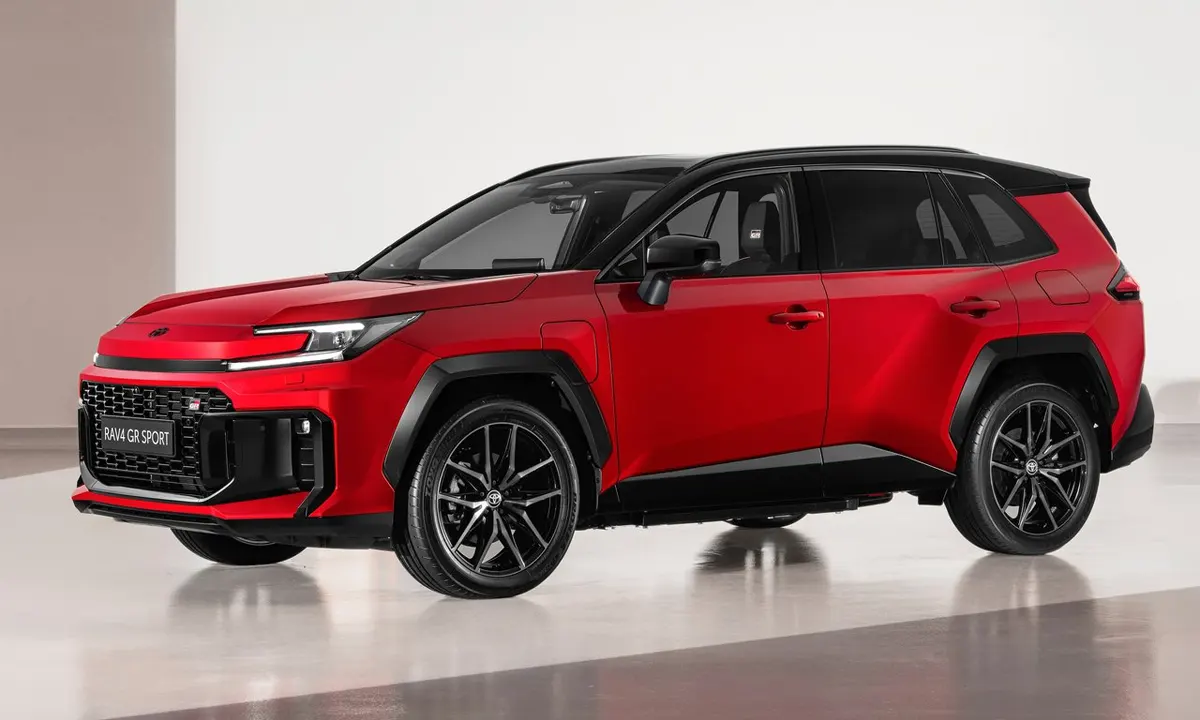
The 2026 RAV4 takes that proven hybrid foundation and builds upon it with a 2.5-litre four-cylinder engine producing 226 horsepower in front-wheel drive configuration and 236 horsepower in all-wheel drive form — achieved through the addition of a third electric motor at the rear axle rather than a mechanical driveshaft, a mechanically elegant solution that eliminates a significant source of potential drivetrain wear compared with conventional all-wheel drive systems. Toyota covers the 2026 RAV4 with a three-year/36,000-mile basic warranty and a five-year/60,000-mile drivetrain warranty — figures that are standard for the segment. The hybrid-specific powertrain components receive eight years or 100,000 miles of coverage, and the hybrid battery is separately warranted for ten years or 150,000 miles — the longest hybrid battery warranty in this comparison and one of the most generous in the compact SUV segment overall. For buyers making a long-term ownership decision, a ten-year battery warranty is not merely a reassuring figure — it is a meaningful statement of manufacturer confidence in the durability of the system.
The 2026 RAV4 introduces Toyota’s Arene software platform and a new 5G-connected infotainment system — the first deployment of this technology across the Toyota lineup. New software platforms represent a potential reliability variable regardless of the automaker’s track record, as first-deployment technology carries inherent uncertainty that established systems do not. Reviewers who have spent extended time with the new infotainment system generally regard it positively for speed and navigation clarity, though the move to fully digital climate controls has been noted as a departure from the large, intuitive physical dials that made the previous RAV4’s cabin controls uniquely accessible in all conditions.
Honda CR-V: The Dependability Champion With Some 2026 Nuances
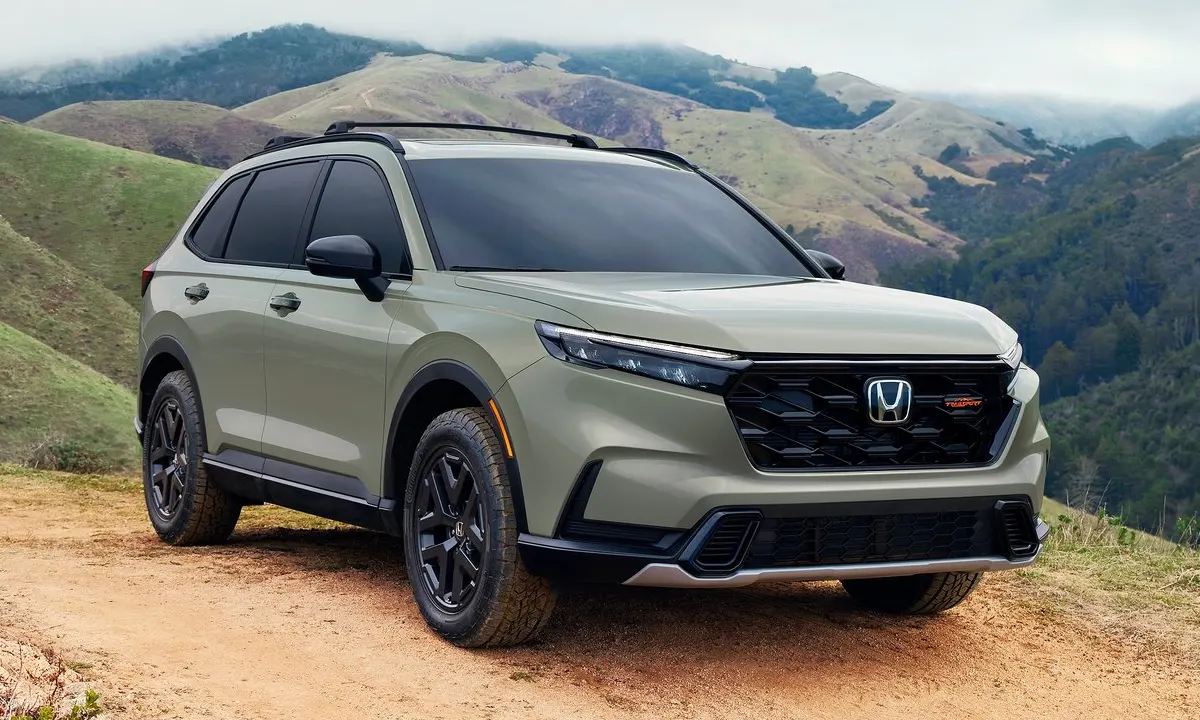
The Honda CR-V’s reliability story is equally impressive in its headline figures and equally nuanced in its detail. The CR-V has been one of the most consistently reliable compact SUVs in the American market across multiple generations, and the sixth-generation model introduced in 2023 maintained that tradition with solid owner satisfaction and low reported incidence of significant mechanical issues. RepairPal’s 4.5-out-of-5 reliability rating and sixth-place ranking among 29 compact SUVs confirm the CR-V’s standing as an above-average performer in long-term dependability, and the 2026 model’s U.S. News predicted reliability score of 83 out of 100 — described as “Great” — reinforces that assessment with data drawn from multiple research sources.
However, the 2026 CR-V Hybrid’s Consumer Reports reliability data introduces a layer of nuance that prospective buyers deserve to understand. Real owner reports gathered through Consumer Reports’ subscriber survey for the 2026 CR-V Hybrid identify several early ownership concerns, most notably a widespread software issue affecting the CarPlay text message reading function — a problem that multiple owners report being unable to resolve through dealership service. Additionally, some owners of the 2026 CR-V Hybrid Sport L trim report an audible high-pitched electric whine from the rear of the vehicle within the first week of ownership, an issue that had not been resolved at the time reports were submitted. These are the kinds of early-ownership teething issues that frequently affect new and refreshed models and that may be addressed through over-the-air software updates or dealer service campaigns, but they represent real reported experiences rather than theoretical risks.
Honda covers the 2026 CR-V with a three-year/36,000-mile limited warranty and a five-year/60,000-mile powertrain warranty — identical coverage to the RAV4 in these categories. The hybrid battery and electric drive components receive an eight-year/100,000-mile warranty, two years shorter than the RAV4’s ten-year battery coverage. Honda also provides five years of corrosion protection warranty and one year of complimentary maintenance — the latter a feature not offered by Toyota. The CR-V Hybrid’s 2.0-litre four-cylinder hybrid system produces 204 horsepower in Hybrid form and 247 lb-ft of torque, with fuel economy reaching up to 40 mpg combined for front-wheel drive models and 37 mpg with all-wheel drive — numbers that represent excellent real-world efficiency for daily ownership.
Long-Term Ownership Costs: Where the Numbers Really Matter
Reliability is inseparable from the cost of ownership it produces, and both the RAV4 and CR-V deliver strong results in this dimension. RepairPal’s data on the Honda CR-V confirms a low annual repair cost profile relative to the compact SUV segment average, contributing directly to the car’s strong reliability rating and making it a financially prudent long-term ownership choice. The RAV4’s previous generation equivalent demonstrated similarly low ownership costs, with Toyota’s hybrid system requiring no transmission fluid changes, no alternator maintenance and reduced brake pad wear due to the regenerative braking system’s ability to handle the majority of low-speed deceleration demands.
The fuel economy comparison between the two models is also meaningful for long-term cost of ownership. The 2026 RAV4 Hybrid returns up to 44 mpg combined in front-wheel drive form and 42 mpg in all-wheel drive — figures that represent the best fuel economy in the compact SUV segment by a meaningful margin and that Toyota confirmed in real-world testing. The CR-V Hybrid’s 40 mpg combined for front-wheel drive and 37 mpg for all-wheel drive are excellent results in their own right, but the RAV4 maintains a consistent four-to-five-mpg advantage in fuel economy that accumulates into meaningful fuel cost savings over a five-year ownership period for drivers covering typical annual mileage.
Safety Technology and Its Role in Long-Term Reliability Confidence
Both the 2026 RAV4 and 2026 CR-V arrive with comprehensive standard active safety technology packages that reflect each brand’s commitment to protecting occupants and reducing the likelihood of accident-related repair costs. The RAV4 introduces Toyota Safety Sense 4.0 — the most advanced iteration of Toyota’s active safety suite — as standard across the entire lineup. TSS 4.0 incorporates improved automatic emergency braking with pedestrian, cyclist and intersection detection, an enhanced head-up display, advanced blind-spot monitoring, a proactive driving assist system and Toyota’s lane tracing assistance. The CR-V’s standard Honda Sensing suite provides forward collision warning with automatic emergency braking, lane departure alert, adaptive cruise control, blind-spot warning and rear cross-traffic alert — a similarly comprehensive package that reviewers consistently describe as well-calibrated and unintrusive in operation. The 2026 CR-V receives a five-star overall NHTSA crash safety rating, while IIHS data for the 2026 RAV4 generation is pending given the model’s recent introduction.
Which Should You Choose for Long-Term Reliability?
For buyers whose primary concern is long-term reliability confidence grounded in the deepest available track record of engineering maturity, the 2026 Toyota RAV4 presents the stronger case. Toyota’s hybrid technology has been refined across nearly three decades of continuous production, the previous generation’s reliability data is outstanding, and the ten-year hybrid battery warranty provides the most substantial long-term powertrain protection available in this comparison. The new generation’s software platform represents the one area of uncertainty — first-deployment technology always carries some degree of unknown — but Toyota’s overall engineering conservatism and its demonstrated commitment to powertrain durability make the RAV4 the safest bet for buyers planning to keep their SUV for ten or more years.
For buyers who value a proven current-generation reliability record combined with excellent build quality, low annual repair costs and a strong predicted reliability score from multiple authoritative sources, the 2026 Honda CR-V Hybrid remains one of the finest compact SUVs available. Its 4.5-out-of-5 RepairPal rating, 83-out-of-100 U.S. News predicted reliability score and the CR-V’s multi-generational reputation for dependability make it a genuinely compelling choice. Buyers should be aware of the early-ownership software and NVH reports from 2026 CR-V Hybrid owners, however, and would be well served to confirm whether these issues have been addressed through software updates before committing to a purchase.
Both vehicles are exceptional long-term reliability propositions by the standards of the broader automotive market. Choosing between them ultimately depends on whether a buyer places greater weight on the deepest possible hybrid engineering track record — in which case the RAV4 wins decisively — or on a combination of current-generation dependability data, lower starting price on the non-hybrid version, and the CR-V’s consistently strong reputation as one of America’s most trusted compact SUVs.
Read: 2026 Lexus LC 500: The Last of the Great Naturally Aspirated Grand Tourers
2026 Toyota RAV4 vs 2026 Honda CR-V — Reliability Comparison Chart
| Category | 2026 Toyota RAV4 | 2026 Honda CR-V Hybrid |
| Consumer Reports Reliability | Above Average (Predicted) | Above Average (Predicted) |
| U.S. News Predicted Reliability | Pending (New Generation) | 83 / 100 — Great |
| RepairPal Reliability Rating | — | 4.5 / 5 — Ranked 6th of 29 |
| NHTSA Safety Rating | Pending 2026 Data | 5 Stars Overall |
| Engine (Hybrid) | 2.5L 4-Cyl Hybrid | 2.0L 4-Cyl Hybrid |
| Horsepower (FWD Hybrid) | 226 hp | 204 hp |
| Torque (Hybrid) | — | 247 lb-ft |
| Fuel Economy (FWD Hybrid) | Up to 44 mpg Combined | Up to 40 mpg Combined |
| Fuel Economy (AWD Hybrid) | Up to 42 mpg Combined | Up to 37 mpg Combined |
| Transmission | CVT | CVT (e-CVT) |
| Basic Warranty | 3 Years / 36,000 Miles | 3 Years / 36,000 Miles |
| Powertrain Warranty | 5 Years / 60,000 Miles | 5 Years / 60,000 Miles |
| Hybrid Battery Warranty | 10 Years / 150,000 Miles | 8 Years / 100,000 Miles |
| Corrosion Warranty | — | 5 Years / Unlimited Miles |
| Complimentary Maintenance | No | 1 Year / 12,000 Miles |
| Active Safety Suite | Toyota Safety Sense 4.0 | Honda Sensing (Standard) |
| Infotainment | Arene Platform — 10.5″ or 12.9″ | 9″ or 10.2″ Touchscreen |
| Wireless CarPlay and Android Auto | Standard | Standard (2026 Update) |
| AWD System | Electric Motor (No Driveshaft) | Mechanical AWD |
| Starting Price (Hybrid) | $33,350 | $35,630 |
| Starting Price Advantage | RAV4 by ~$2,280 | — |
| Cargo (Behind Rear Seats) | 37.8 cu ft | 33.2 cu ft (Hybrid) |
| Cargo (Maximum) | 70.4 cu ft | — |
| Known Early Owner Issues | Software (New Platform) | CarPlay Text Bug, Rear Electric Whine |
| Assembly | Georgetown, KY, USA | East Liberty, OH, USA |
| Trim Levels (Hybrid) | LE, SE, XLE Premium, Woodland, XSE, Limited (6 Trims) | Sport, Sport L, TrailSport, Sport Touring (4 Trims) |