2027 BMW i1: The Electric Hatch That Could Change Everything
In the fast-evolving world of electric mobility, BMW is preparing to enter an entirely new segment — one that could redefine what a luxury compact hatchback means in the EV era. Enter the BMW i1, the brand’s upcoming all-electric entry model.
Expected to arrive in 2027, the BMW i1 will become the gateway to BMW’s electrified Neue Klasse platform, introducing cutting-edge technology, premium design, and attainable luxury to a new generation of urban drivers.
While the world has come to associate BMW’s electric innovation with models like the i4, i7, and iX, the i1 marks a turning point — a smaller, smarter, and potentially one of the most exciting cars BMW has made in years.
A New Era for BMW: Compact Luxury Goes Electric
For decades, BMW has built its reputation on sporty driving dynamics and premium craftsmanship. Now, it’s extending those values into the electric age with the Neue Klasse (New Class) — a next-generation EV platform designed from scratch for efficiency, technology, and flexibility.
The i1 will be the first compact EV to benefit from this all-new architecture, marking the brand’s most significant technological shift since the 1960s.
BMW executives have hinted that the i1 is being designed to appeal to younger buyers, particularly those in dense urban markets like Europe and Asia — where compact size, style, and sustainability matter as much as performance.
Design: The Return of a Compact Icon
BMW is famous for crafting cars that look powerful yet precise, and the i1 will be no exception.
Exterior: Clean, Compact, and Distinctively BMW
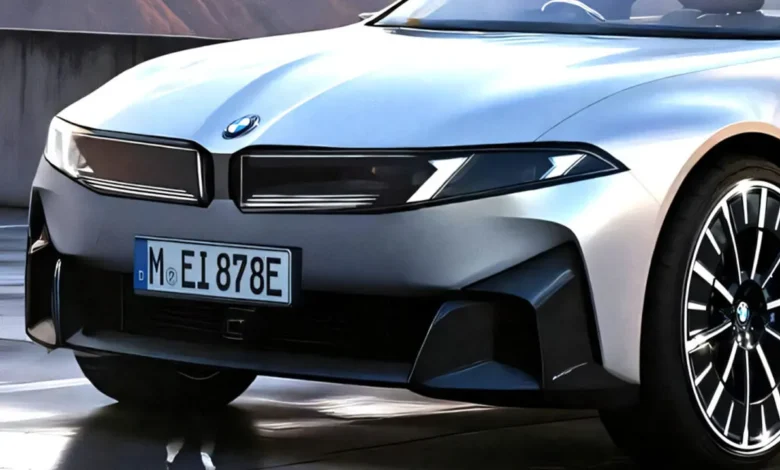
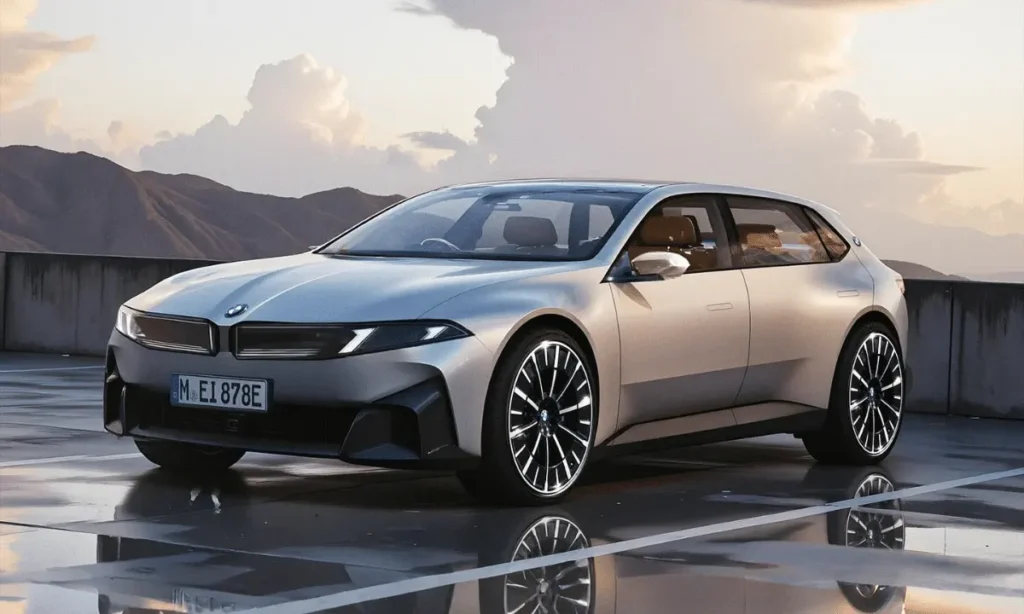
While official photos remain under wraps, renderings and prototypes suggest a clean, minimalist design inspired by the Neue Klasse concept cars previewed earlier this year.
Expect a hatchback silhouette that blends futuristic smoothness with BMW’s timeless athleticism.
Distinct features will likely include:
- A closed kidney grille that serves as a sensor housing for driver-assistance systems.
- Ultra-slim LED headlamps with BMW’s new light signature.
- Aerodynamic surfaces and flush door handles to maximize efficiency.
- A high rear deck and short overhangs for a sporty, urban profile.
The goal? To create a car that feels as youthful and fresh as the original 1 Series — but built entirely for the electric age.
Interior: Minimalist Meets Premium
Inside, BMW is expected to continue its design evolution with a cabin that is driver-focused yet digital-first.
The i1’s interior will likely feature:
- A curved digital display merging the instrument cluster and infotainment screen.
- Sustainable materials, including recycled fabrics and leather alternatives.
- A compact center console with haptic controls and minimal buttons.
- Optional ambient lighting and configurable themes.
BMW’s new iDrive 10 system, introduced in the iX and i7, is expected to make its way to the i1 with wireless Apple CarPlay, Android Auto, and over-the-air software updates.
The design will emphasize lightness, visibility, and openness — perfect for city life.
Powertrain and Platform: Neue Klasse Revolution
At the heart of the BMW i1 lies the Neue Klasse platform, a next-generation EV architecture that redefines how BMW builds electric cars.
Platform Highlights
- Modular Design: The platform supports front-, rear-, and all-wheel drive configurations.
- Next-Gen Battery: BMW’s new cylindrical battery cells promise 20% more energy density and up to 30% faster charging.
- 800-Volt System: Enables rapid DC charging and improved efficiency, allowing the i1 to charge from 10–80% in about 25 minutes.
- Lightweight Materials: Extensive use of aluminum and composites reduces overall mass, improving range and handling.
Performance Expectations
While official specifications remain undisclosed, insiders suggest that the i1 will launch in two or three configurations, likely including:
- i1 eDrive20: Single motor, front-wheel drive, ~200 hp.
- i1 xDrive30: Dual motor, all-wheel drive, ~270–300 hp.
- Battery Range: Between 350–450 km (217–280 miles) per charge depending on variant.
BMW aims to combine everyday practicality with signature “sheer driving pleasure.” With instant torque, a low center of gravity, and precise chassis tuning, the i1 promises to deliver performance that feels authentically BMW — even in electric form.
Charging and Efficiency: Smarter Energy Management
BMW’s new-generation 6th-gen eDrive technology will power the i1, featuring improved motors, electronics, and software integration.
- Fast Charging: Expect 150 kW+ DC capability for rapid top-ups.
- Bidirectional Charging: Allows the i1 to act as an energy storage device — powering homes or feeding electricity back into the grid.
- Regenerative Braking: Advanced control systems will capture more kinetic energy than previous models, extending range.
With these innovations, BMW aims to make the i1 not just an efficient car — but an intelligent energy partner.
Target Audience: The New Generation of Urban BMW Drivers
The BMW i1 will target young professionals, city dwellers, and eco-conscious enthusiasts seeking premium electric mobility without the high price of larger models like the i4 or iX.
This demographic values connectivity, sustainability, and design over raw horsepower — but BMW plans to offer both style and substance.
In many ways, the i1 is the spiritual successor to the original 1 Series hatchback — compact, agile, and surprisingly luxurious — but with the advantage of being fully electric.
Pricing and Positioning: The Affordable Premium EV
BMW’s strategy with the i1 is clear — make electric luxury attainable.
Industry estimates place the i1’s starting price around €35,000–€40,000 in Europe (roughly $38,000–$42,000 USD).
That would put it squarely in competition with:
- Volkswagen ID.3
- Mercedes EQA
- Volvo EX30
- Tesla Model 2 (expected)
Unlike most of these, however, the i1 will focus on delivering true BMW handling and craftsmanship in a smaller, more efficient package.
Market Strategy: Global but Focused
BMW’s rollout strategy for the i1 will begin in Europe, where demand for premium compact EVs is highest.
After the initial European launch in late 2027, BMW may expand the model to markets like:
- Japan
- South Korea
- India (2028)
- Australia
Emerging markets are becoming increasingly important to BMW’s long-term EV strategy, especially as governments push electrification policies and urban EV adoption grows.
In India, the i1 could serve as a smaller, more affordable sibling to the iX1, catering to tech-savvy buyers who want a luxury electric experience in a compact footprint.
Safety and Technology: Future-Ready Innovation
The i1 will feature BMW’s latest ADAS (Advanced Driver Assistance Systems) suite, with semi-autonomous capabilities.
Expect features such as:
- Adaptive Cruise Control with Stop & Go
- Lane Keeping Assist and Steering Assist
- Autonomous Emergency Braking
- 360° Parking Cameras
- Highway Driving Assistant (Level 2 autonomy)
Built with a new digital architecture, the i1’s software will support over-the-air updates, ensuring continuous improvement and new feature rollouts long after purchase.
Environmental Commitment: Built for a Greener Future
The i1 isn’t just electric — it’s a showcase of BMW’s sustainability commitment.
BMW has pledged to reduce CO₂ emissions by 40% by 2030, and the i1 will play a major role in achieving that goal.
The vehicle will be produced using:
- 100% renewable energy at BMW’s new Debrecen, Hungary plant.
- Low-impact materials, including recycled aluminum and plastics.
- Vegan interiors, avoiding animal-based products.
Even the battery supply chain will emphasize ethical sourcing and full traceability, aligning with BMW’s circular economy goals.
Competitive Landscape: A Growing EV Battlefield
| Model | Power (hp) | Range (km) | Starting Price (USD) | Drivetrain |
| BMW i1 (expected) | 200–300 | 350–450 | $38,000–$42,000 | FWD / AWD |
| Volkswagen ID.3 | 201 | 425 | $39,000 | RWD |
| Volvo EX30 | 268 | 442 | $36,000 | RWD / AWD |
| Mercedes EQA | 288 | 402 | $47,000 | AWD |
| Tesla Model 2 (expected) | 250 | 400 | $35,000 | RWD |
The i1 is expected to deliver a balance of performance and prestige unmatched by most rivals — offering both luxury appeal and driving fun.
Why the BMW i1 Could Be a Game-Changer
The upcoming i1 represents BMW’s pivot to mass-market electrification — not through compromise, but innovation.
Its combination of compact size, digital sophistication, and authentic BMW driving DNA could make it the brand’s most influential EV since the i3.
Where the i3 was experimental, the i1 is evolutionary — a model built to scale globally while staying true to the brand’s essence.
Final Thoughts: Small Car, Big Impact
As automakers rush toward electrification, BMW is approaching the transition with precision, discipline, and design flair.
The 2027 BMW i1 isn’t just a smaller EV — it’s a symbol of BMW’s adaptability, a bridge between heritage and the future.
With its compact form, advanced platform, and sustainable build, the i1 may well redefine what a “premium small car” can be in the electric age.
If BMW gets the formula right, the i1 could indeed be — as enthusiasts suggest — “the coolest thing BMW has done in years.”
Read: Lexus Sport Concept Reveals the Electrified Future of Luxury Driving
Frequently Asked Questions (FAQ)
Q1: When will the BMW i1 launch?
BMW is expected to debut the i1 in late 2027, following the Neue Klasse sedan’s 2026 release.
Q2: What platform underpins the i1?
The i1 will ride on BMW’s all-new Neue Klasse EV platform, designed for flexibility and efficiency.
Q3: What is the expected range?
Between 350–450 km (217–280 miles), depending on configuration.
Q4: What will the BMW i1 cost?
Estimated starting price: around €35,000–€40,000 (USD $38,000–$42,000).Q5: Who are its main competitors?
Volkswagen ID.3, Volvo EX30, Mercedes EQA, and the upcoming Tesla Model 2.