2027 Chrysler Pacifica Must Beat the Toyota Sienna and Win Back Family Buyers
A Critical Redesign Moment for the Vehicle That Defined the Modern Minivan Category — New Stellantis Platform Architecture, Deeper Electrification, Modernised Interior Technology and a Design Direction That Must Convince American Families That the Minivan Still Has a Future Worth Choosing Over the Three-Row SUV Alternative
2027 Chrysler Pacifica Review: There is no vehicle category in the American automotive market whose relationship with its own identity is more complicated than the minivan — and there is no model whose responsibility for sustaining that category’s relevance is heavier than the Chrysler Pacifica. The minivan is a Chrysler invention in the most literal sense. The original Dodge Caravan and Plymouth Voyager of 1984 did not enter an existing category — they created one, defining a form of family transportation whose practicality, sliding door convenience and interior versatility set a standard that the subsequent decades of three-row SUV proliferation have never fully surpassed on pure functional terms, even as they have comprehensively surpassed it on desirability, social perception and sales volume.
Gallery: 2027 Chrysler Pacifica
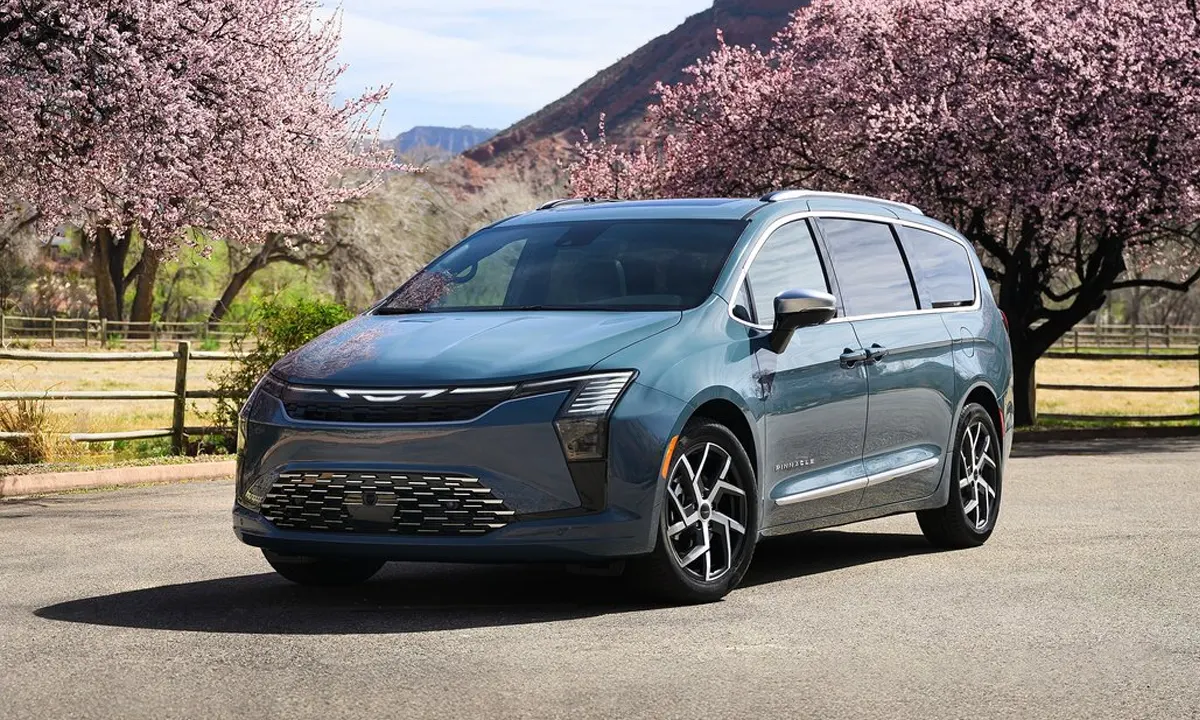
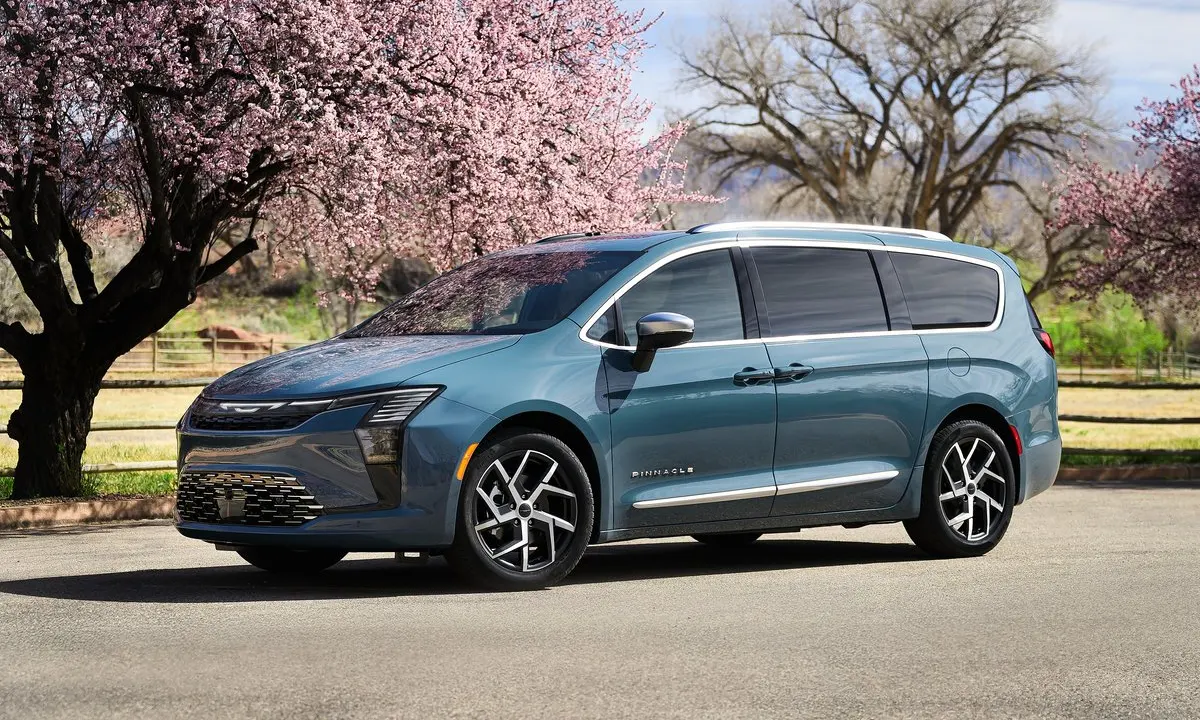
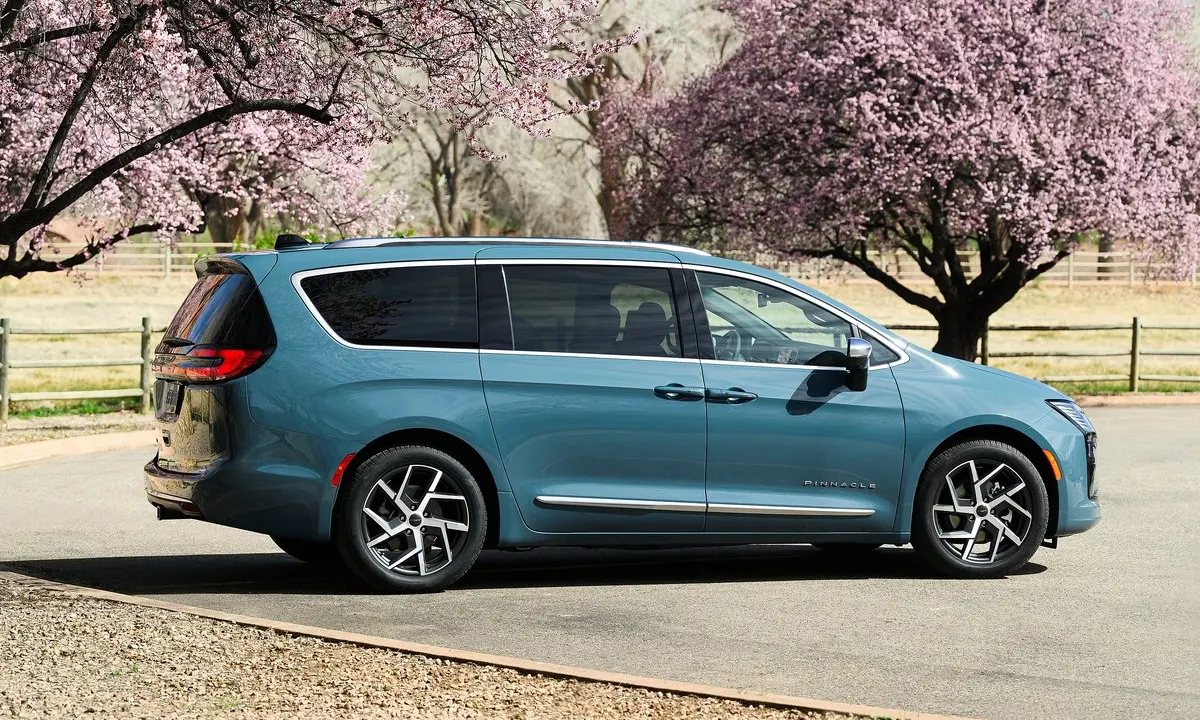
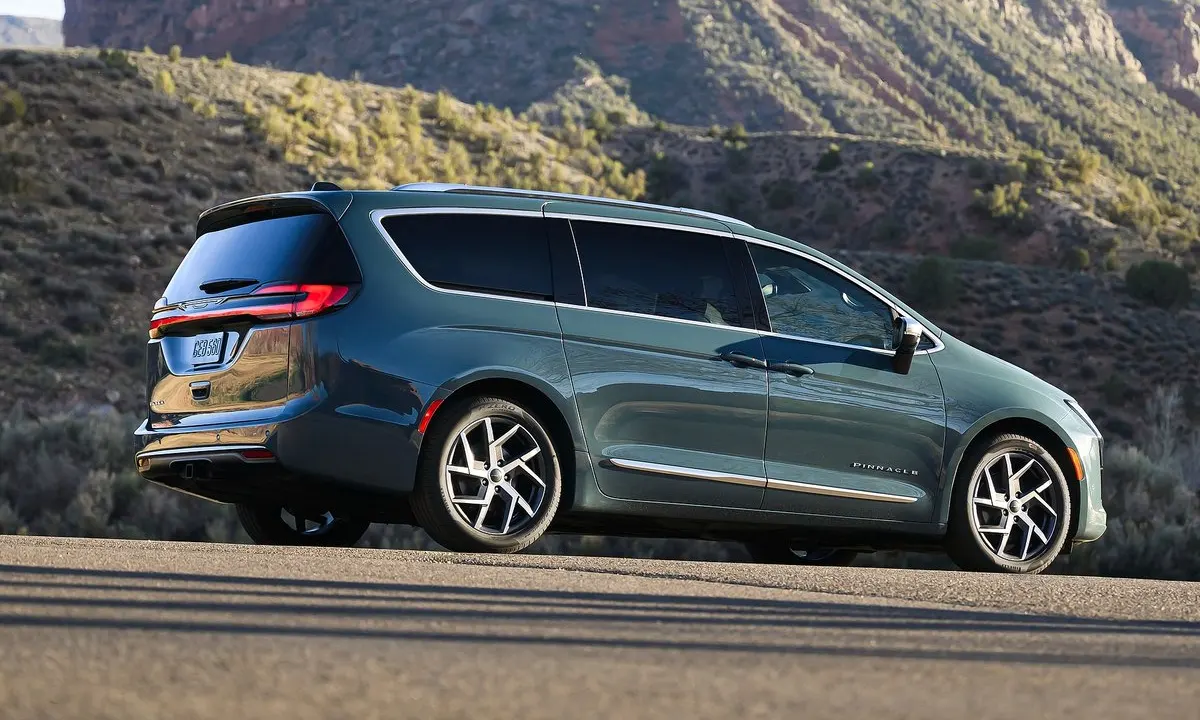
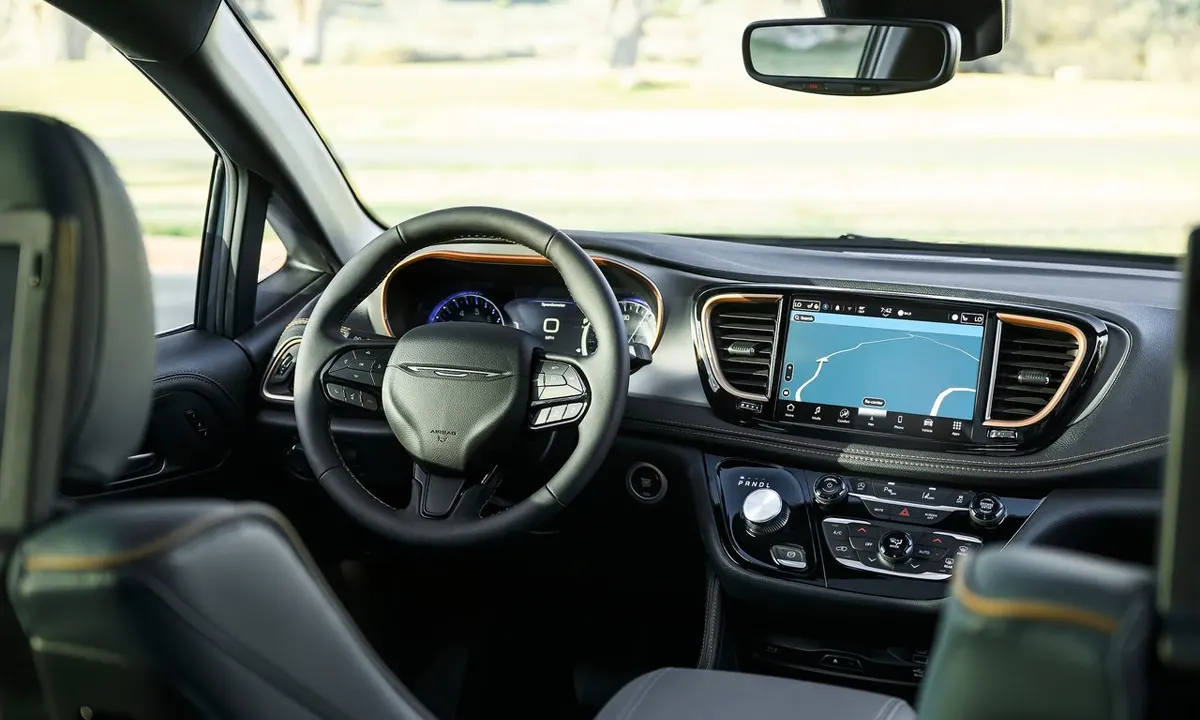
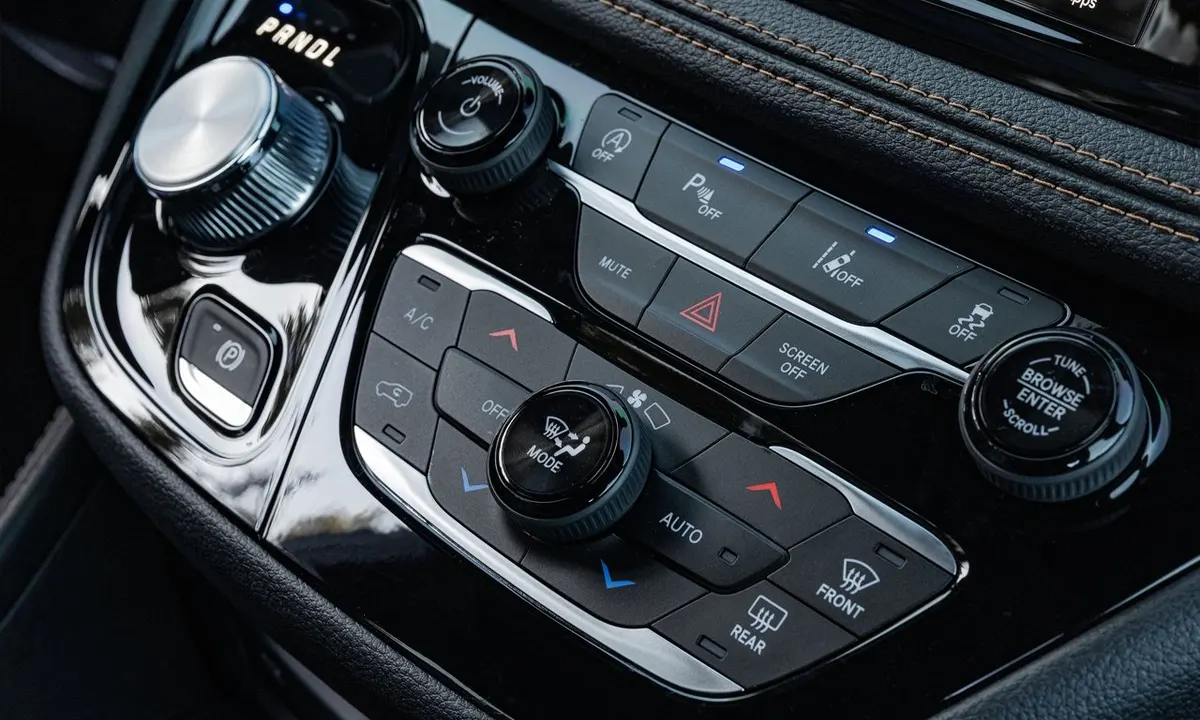
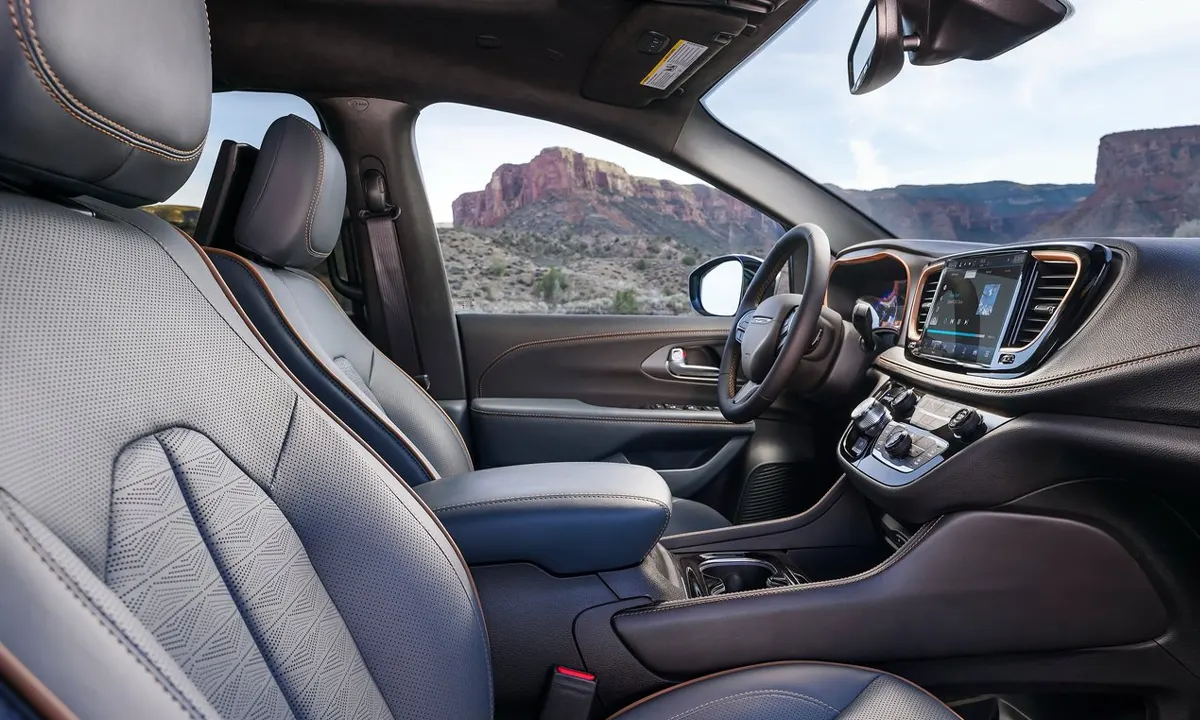
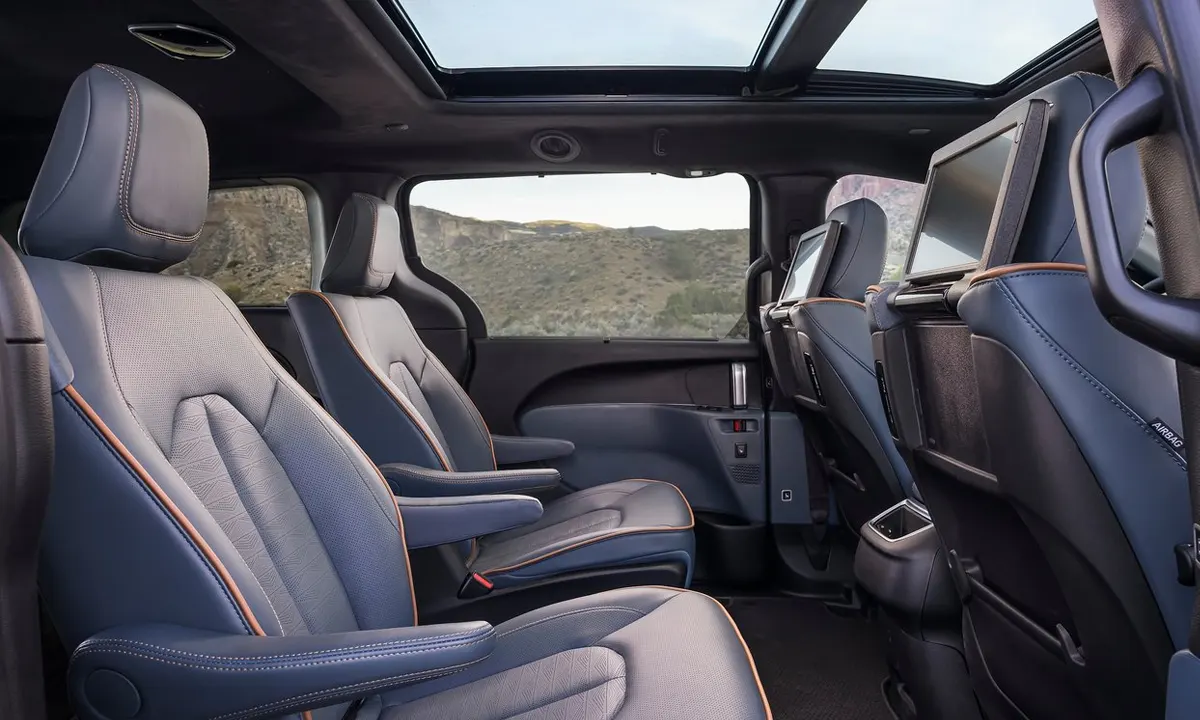
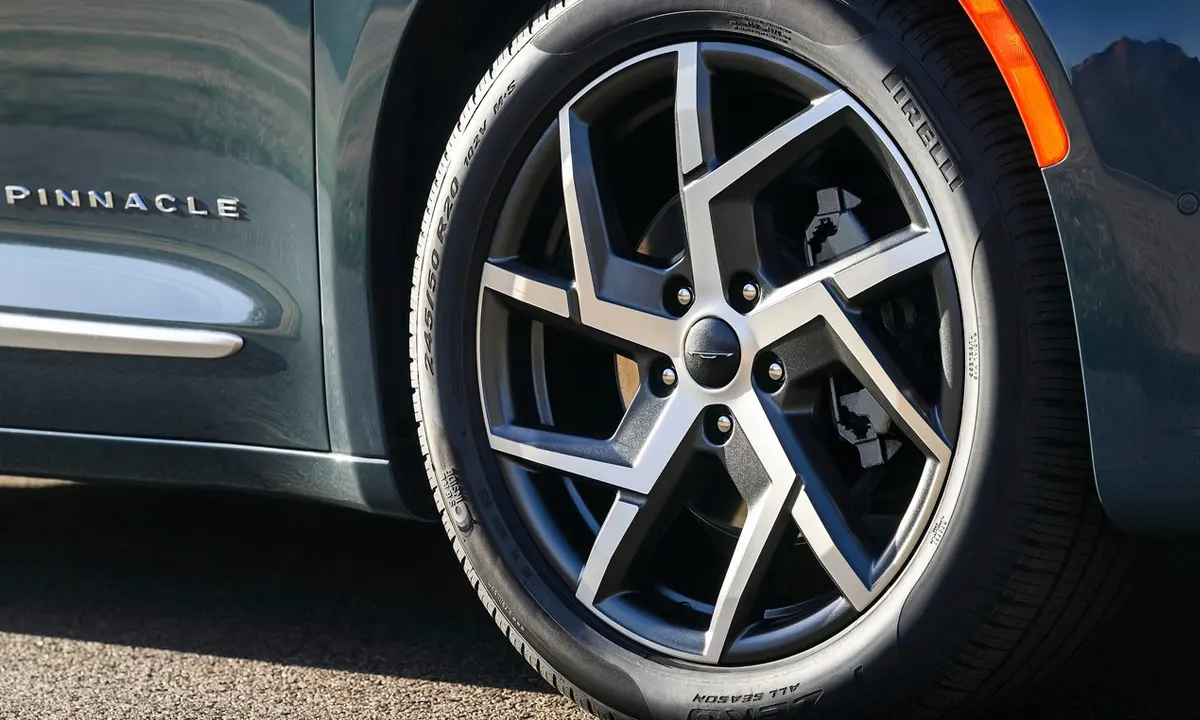
The Chrysler Pacifica carries that heritage into a competitive landscape that the minivan’s inventors could not have anticipated — a market in which the Kia Carnival and the Toyota Sienna represent the only remaining mainstream alternatives, in which the three-row SUV has captured the imagination and the purchase orders of the family buyers who might once have considered a minivan without social hesitation, and in which Stellantis must decide what the Chrysler Pacifica needs to become in order to remain a commercially viable and culturally relevant choice for the American families who represent its entire reason for existence. The 2027 Chrysler Pacifica is expected to represent that decision made manifest — a redesign whose scope, ambition and execution will determine whether the vehicle that invented the modern minivan can write a new chapter convincing enough to attract families whose reference points are the Telluride, the Palisade and the Atlas rather than the Caravan and the Town and Country.
The Competitive Reality That the 2027 Pacifica Must Confront
Understanding what the 2027 Pacifica must accomplish requires understanding the competitive environment it enters with clear-eyed honesty rather than the optimism that manufacturer product planning departments professionally cultivate. The minivan segment in the American market has contracted from its late 1990s peak of approximately 1.5 million annual sales to a current volume that represents a fraction of that figure — a contraction driven by the three-row SUV’s rise and sustained by a cultural perception of minivan ownership as a concession to practicality rather than a positive lifestyle choice that family buyers make with enthusiasm.
Within this contracted segment, the Toyota Sienna’s move to an exclusively hybrid powertrain architecture for the 2021 model year represented a strategic masterstroke — combining the minivan’s inherent practicality advantages with an efficiency credential that no three-row SUV hybrid could match on a per-passenger-mile basis, and doing so in a vehicle whose Toyota reliability reputation eliminated the ownership anxiety that the Pacifica’s more mixed long-term quality history has generated in some buyer cohorts. The Kia Carnival’s value positioning and improving quality perception have added competitive pressure from below the Sienna’s price point. Against these two well-positioned alternatives, the Pacifica must find a differentiated proposition that justifies its existence in the segment on terms beyond the plug-in hybrid powertrain that the current Pacifica Hybrid offers — an advantage that the Sienna’s superior conventional hybrid efficiency and the Carnival’s lower purchase price have partially neutralised in the family buyer’s total value calculation.
Platform and Architecture: The Foundation the 2027 Redesign Requires
The most consequential decision in the 2027 Chrysler Pacifica’s development programme is the platform architecture that will underpin it — because the current Pacifica’s underlying structure, which traces its lineage to the original 2017 model year introduction, has reached the limits of the development investment that incremental refinement can justify. Stellantis’s STLA platform family — developed across four variants covering the dimensional and performance requirements of vehicles from the STLA Small application in compact cars to the STLA Frame architecture in body-on-frame truck and SUV applications — provides the technological foundation from which the 2027 Pacifica’s development is expected to draw.
The STLA Medium platform, which underpins the new Jeep Wagoneer S and is expected to serve multiple Stellantis group vehicles across the mid-size segment, provides the architecture most relevant to the Pacifica’s dimensional and powertrain requirements. Its native compatibility with 400-volt and 800-volt electrical architectures enables both conventional plug-in hybrid and pure electric powertrain applications without the compromise packaging solutions that retrofitting electrification onto a platform designed primarily for combustion powertrains requires — a structural advantage that would allow the 2027 Pacifica to offer both PHEV and full electric variants from a shared platform without the weight, efficiency and packaging penalties that the current generation’s electrification approach imposes.
Exterior Design: The Styling Shift That Must Change the Conversation
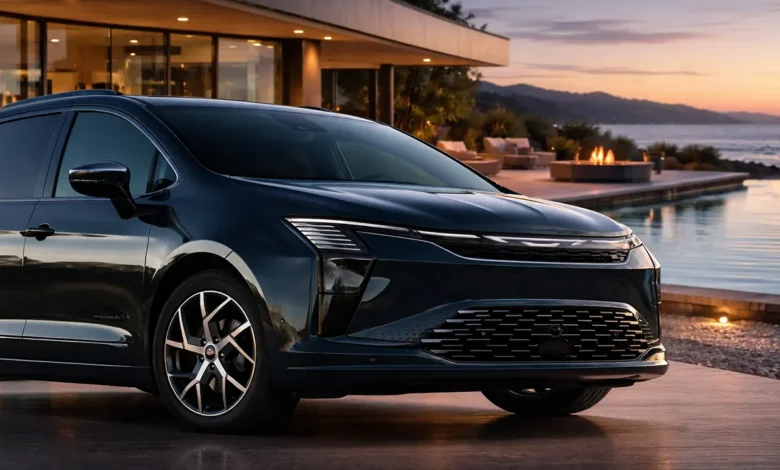
The 2027 Chrysler Pacifica’s exterior design carries a responsibility that transcends the conventional parameters of automotive styling — because the minivan’s cultural challenge is as much a perception problem as a practical one, and the design direction that the 2027 generation adopts must work actively against the associations that have made minivan ownership feel like a concession rather than a choice. The current Pacifica’s design has been widely credited as the most successful attempt to give a minivan genuine visual appeal — its sculpted surfacing, its confident front fascia and its avoidance of the boxy visual clichés that made earlier minivan generations so susceptible to cultural mockery established a visual standard that the 2027 redesign must surpass rather than merely maintain.
Stellantis design language in its most current form — as expressed in the Jeep Wagoneer S concept, the updated Ram heavy-duty lineup and the Chrysler Airflow concept that provided an early indication of the brand’s electrification aesthetic direction — suggests a design vocabulary of confident surfaces, strong horizontal light bar elements and a front fascia treatment that communicates technological advancement rather than conventional family vehicle conservatism. Applied to the Pacifica’s minivan proportions with the restraint and family buyer accessibility that the model’s market positioning requires, this design language could produce a 2027 exterior that advances the genre’s visual credibility rather than simply maintaining the current generation’s relatively successful approach.
The sliding rear door mechanism — the minivan’s most practically significant feature advantage over three-row SUVs and one whose implementation quality directly determines daily usability satisfaction — is expected to receive engineering refinement in the 2027 generation that improves both the speed and the acoustic quality of the door’s operation, addressing the rattle and lag complaints that the current generation’s mechanism has generated in owner reliability surveys.
Interior and Technology: Where the Minivan’s Practical Advantage Must Be Amplified
The 2027 Chrysler Pacifica’s interior represents the arena in which the minivan format’s inherent structural advantages over the three-row SUV — greater floor space, lower step-in height, wider sliding door aperture, more accessible third-row seating, superior second and third-row headroom — can be expressed most convincingly as reasons to choose the minivan rather than apologise for it. Stellantis’s STLA SmartCockpit technology platform — the digital architecture that provides over-the-air update capability, Amazon Fire TV integration, advanced voice control and a unified software environment across the brand’s connected vehicle portfolio — is expected to arrive in the 2027 Pacifica as the most significant technology advancement the model has received since its 2017 introduction.
The screen architecture anticipated for the 2027 interior reflects the industry’s broader movement toward larger, higher-resolution displays integrated into a more coherent visual environment — with a central touchscreen of 12 inches or larger expected alongside a configurable digital instrument cluster and an available head-up display that projects navigation and driver assistance information onto the windscreen in a manner that reduces the driver’s need to redirect attention from the road. Amazon Fire TV integration — already offered in the current Pacifica and representing one of the few technology features that the minivan category has pioneered ahead of the three-row SUV segment — is expected to expand in capability and content availability in the 2027 generation, reinforcing the rear passenger entertainment case that minivans make more convincingly than any SUV alternative.
Stow ‘N Go seating — Chrysler’s patented second-row seat folding system that allows the middle row to disappear flush into the floor without removal, producing a flat cargo surface that no three-row SUV can replicate — is expected to continue as the 2027 Pacifica’s most practically significant and most defensible feature advantage. The engineering investment required to maintain Stow ‘N Go compatibility while transitioning to the new platform architecture represents one of the 2027 development programme’s most challenging packaging requirements — but the feature’s value in the family buyer’s consideration process makes its preservation non-negotiable from a competitive positioning standpoint.
Powertrain Strategy: Electrification as Competitive Necessity
The 2027 Chrysler Pacifica powertrain strategy is expected to represent the most comprehensive electrification commitment the model has offered since the Pacifica Hybrid introduced plug-in capability in 2017 — extending the available powertrain options to encompass a refined conventional hybrid, an enhanced plug-in hybrid with substantially improved electric range and potentially a full battery electric variant that would position the Pacifica as the first American-branded electric minivan in the mainstream market.
The conventional hybrid option — anticipated as a new addition to the lineup and targeted specifically at the Toyota Sienna Hybrid’s dominant fuel economy position — would combine a four-cylinder engine with an integrated motor and a non-plug-in battery system to produce combined fuel economy figures competitive with the Sienna’s 36 MPG combined. The plug-in hybrid variant is expected to offer an extended electric range approaching 50 miles — nearly double the current Pacifica Hybrid’s EPA-rated 32 miles — reflecting both the larger battery capacity that the STLA platform architecture enables and the competitive pressure from the growing expectation that PHEV vehicles should provide sufficient electric range to cover the majority of daily family driving without combustion engine engagement.
A full battery electric Pacifica — potentially branded as the Pacifica EV and drawing on the STLA Medium platform’s native electric vehicle capability — would represent the boldest statement available to Chrysler about the minivan’s relevance in an electrifying automotive landscape, combining the format’s practical advantages with the operating economics of pure electric power in a vehicle specifically engineered for the daily routines of American family life.
Safety and Driver Assistance: Meeting the Modern Standard
The 2027 Chrysler Pacifica is expected to introduce a comprehensive driver assistance suite that addresses the current generation’s increasingly dated safety technology provision — adopting Stellantis’s latest sensor fusion architecture to deliver automatic emergency braking with pedestrian, cyclist and intersection detection, adaptive cruise control with lane centring, blind-spot monitoring with active intervention and a surround-view camera system whose resolution and integration quality match the segment’s current best practice rather than the standard that was acceptable at the current generation’s introduction.
IIHS Top Safety Pick Plus designation — which the current Pacifica has pursued with mixed success across its model years — represents an anticipated target for the 2027 programme, reflecting both the safety engineering investment that the new platform enables and the competitive necessity of matching the Toyota Sienna’s strong safety rating performance in the family minivan consideration process.
2027 Chrysler Pacifica: Anticipated Specifications
| Category | Expected Specification |
| Platform | STLA Medium (Anticipated) |
| Body Style | Full-Size Minivan |
| Seating Capacity | Seven or Eight Passengers |
| Base Powertrain | 3.6-Litre Pentastar V6 (Updated) |
| Hybrid Option | Conventional Hybrid (New — Anticipated) |
| PHEV Option | Pacifica Hybrid (~50 Mile EV Range Est.) |
| EV Option | Pacifica EV (Full Electric — TBC) |
| Transmission | 9-Speed Automatic |
| Drivetrain | Front-Wheel Drive Standard / AWD TBC |
| Infotainment | STLA SmartCockpit — 12-Inch+ Screen |
| Rear Entertainment | Amazon Fire TV (Enhanced) |
| Signature Feature | Stow ‘N Go Second-Row Seating |
| Driver Assistance | Stellantis SafetyShield 360 (Enhanced) |
| Expected Reveal | Late 2026 |
| On-Sale Date | 2027 Model Year |
| Est. Starting MSRP (US) | ~$40,000 |
| Est. Pacifica Hybrid MSRP | ~$52,000 |
| Assembly | Windsor, Ontario, Canada |
The Minivan That Must Prove the Format Still Has a Future
The 2027 Chrysler Pacifica arrives at the most consequential moment in the minivan’s American market history — a moment when the format’s survival as a commercially meaningful category depends on a vehicle that can make the case for the sliding door, the Stow ‘N Go floor and the low step-in height not as consolation prizes for buyers who could not afford or did not want an SUV, but as genuine advantages that rational, informed family buyers choose with conviction and recommend without embarrassment. The platform advancement, the electrification depth, the technology ambition and the design direction that the 2027 redesign is expected to deliver represent Stellantis’s most complete answer yet to the question that the three-row SUV has been asking the minivan for two decades — and the quality of that answer will determine whether the vehicle category that Chrysler invented in 1984 reaches its fiftieth anniversary with a future worth celebrating.