2027 Kia EV3 Comes to America. Everything You Need to Know About Kia’s Most Accessible Electric SUV
A Sub-30,000 Dollar Entry Point, Over 300 Miles of EPA-Estimated Range, a Full-Size Interior Packaged in Compact Dimensions and the Most Significant Mainstream Electric Vehicle Launch Kia Has Attempted in the American Market — The EV3 Is the Car That Could Change How America Thinks About Affordable Electric Mobility
2027 Kia EV3 Review: There are vehicles whose arrival in a market represents more than a product launch — vehicles whose price point, capability combination and brand positioning carry the potential to shift the terms of an entire segment’s competitive conversation. The Kia EV3’s introduction to the American market for the 2027 model year is one of those moments. In a domestic electric vehicle landscape that has oscillated between the premium end anchored by Tesla and the value end populated by vehicles whose range limitations, interior quality shortcomings and brand perception challenges have prevented them from achieving the mainstream adoption their pricing suggests they should command, the EV3 arrives as a proposition that addresses the specific combination of barriers — range anxiety, purchase price, interior quality and brand confidence — that independent consumer research consistently identifies as the reasons American families have not yet converted their SUV purchase consideration into an electric vehicle transaction.
Gallery: 2027 Kia EV3
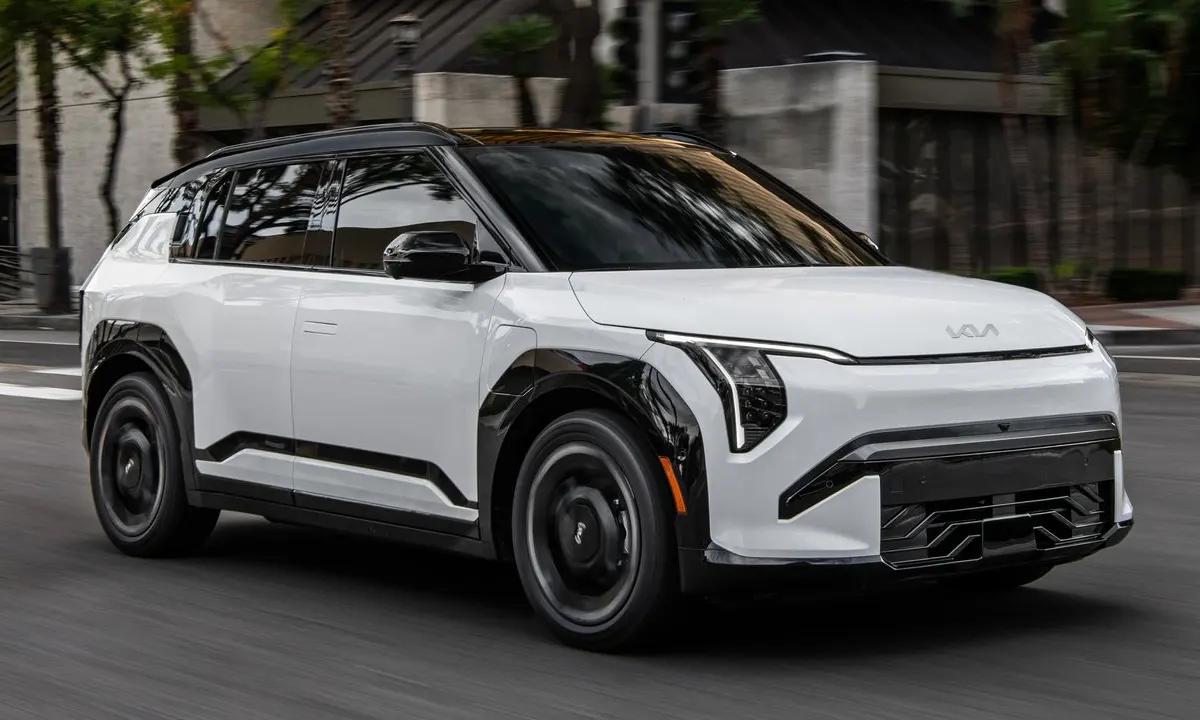
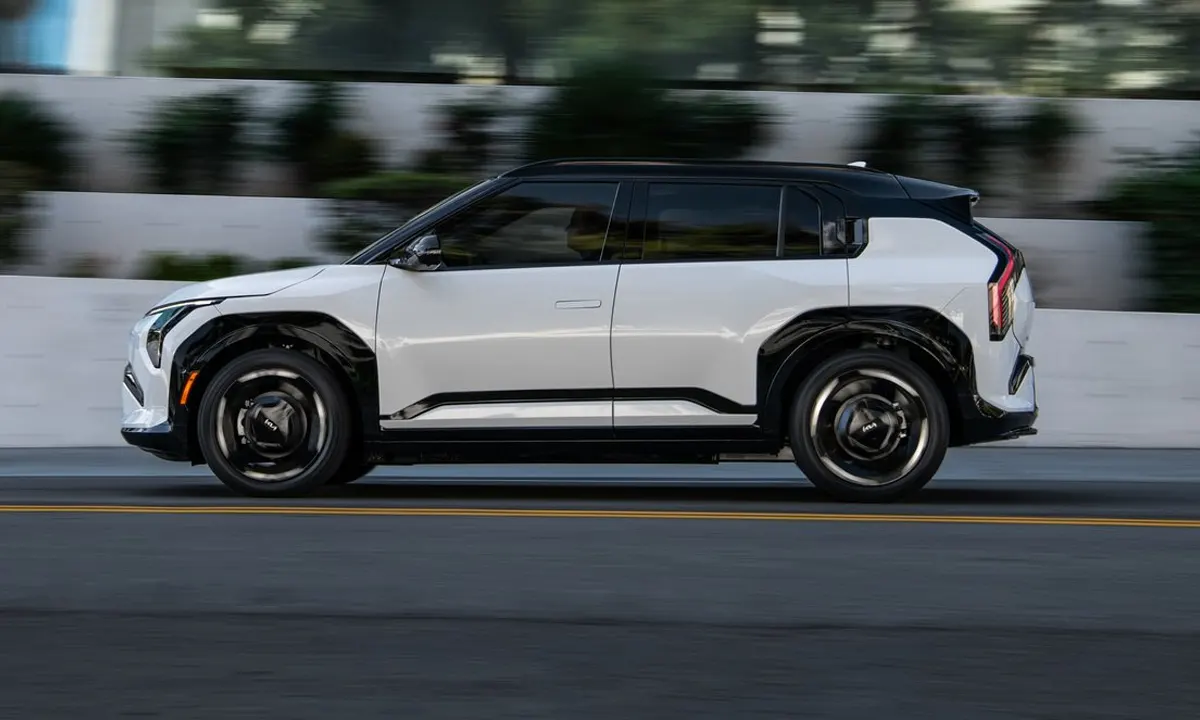
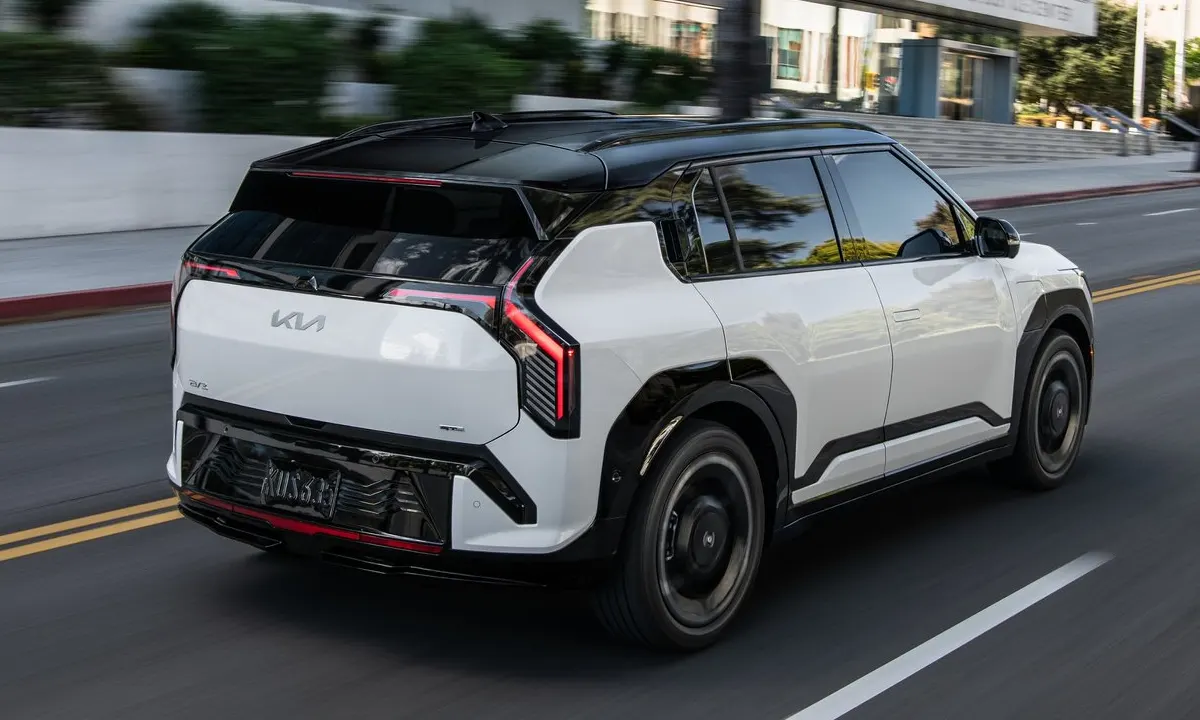
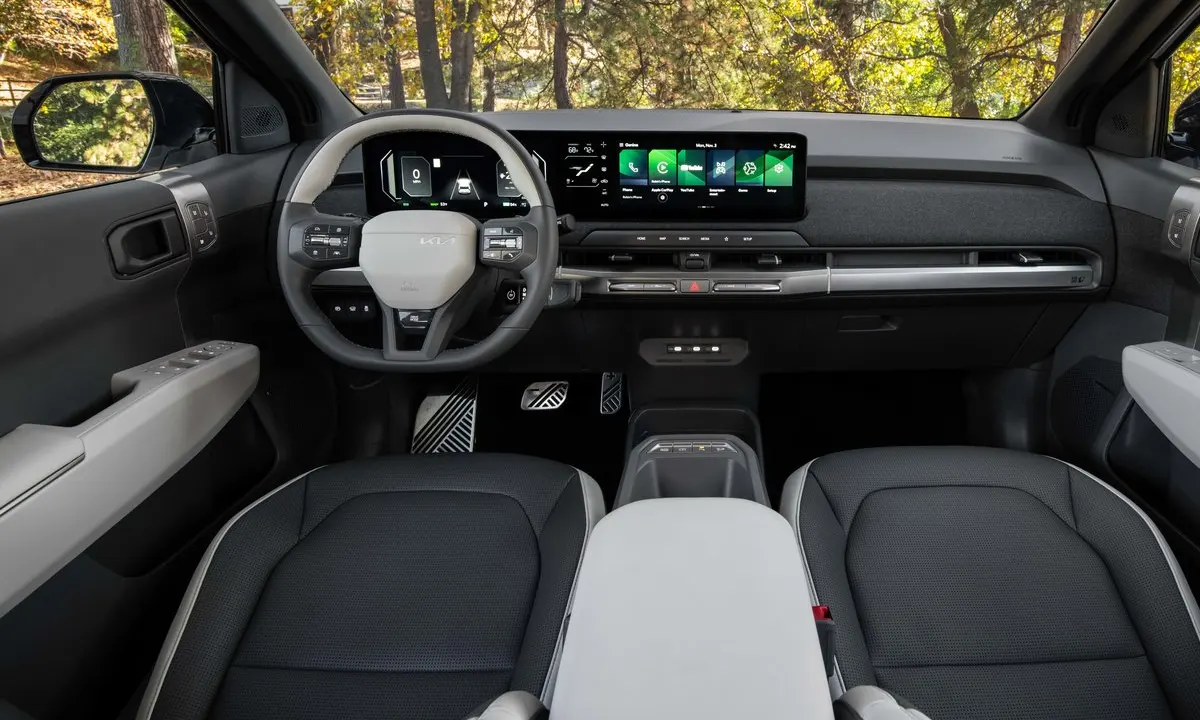
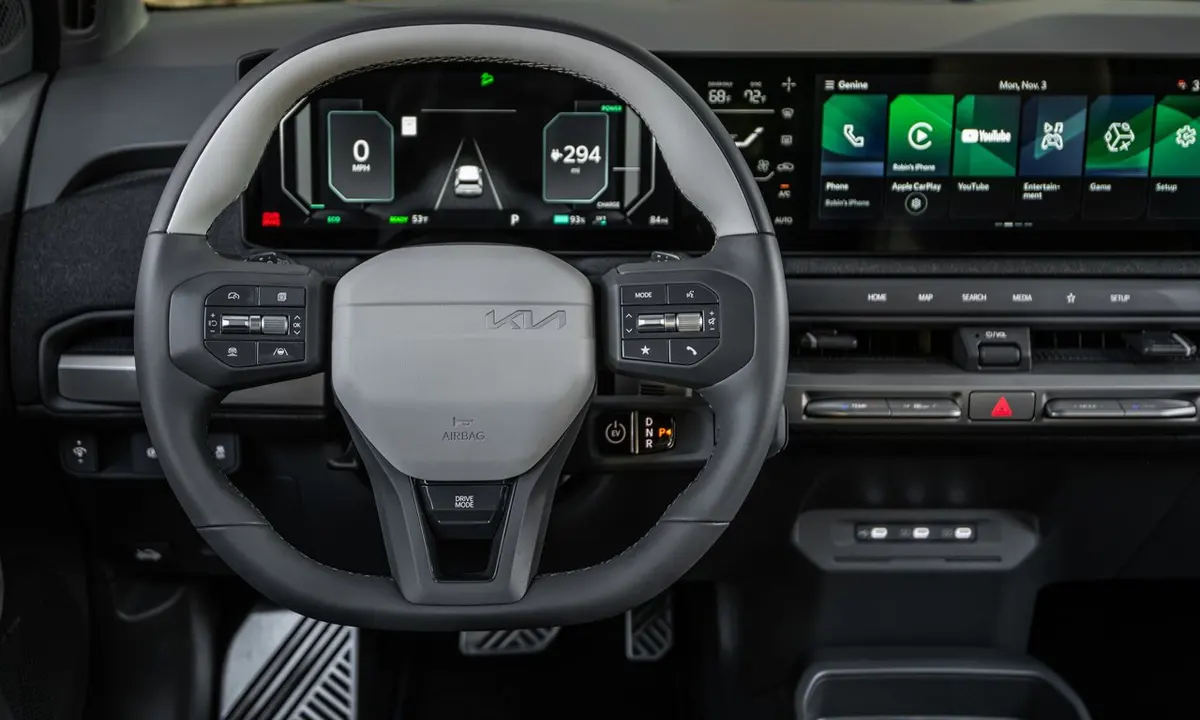
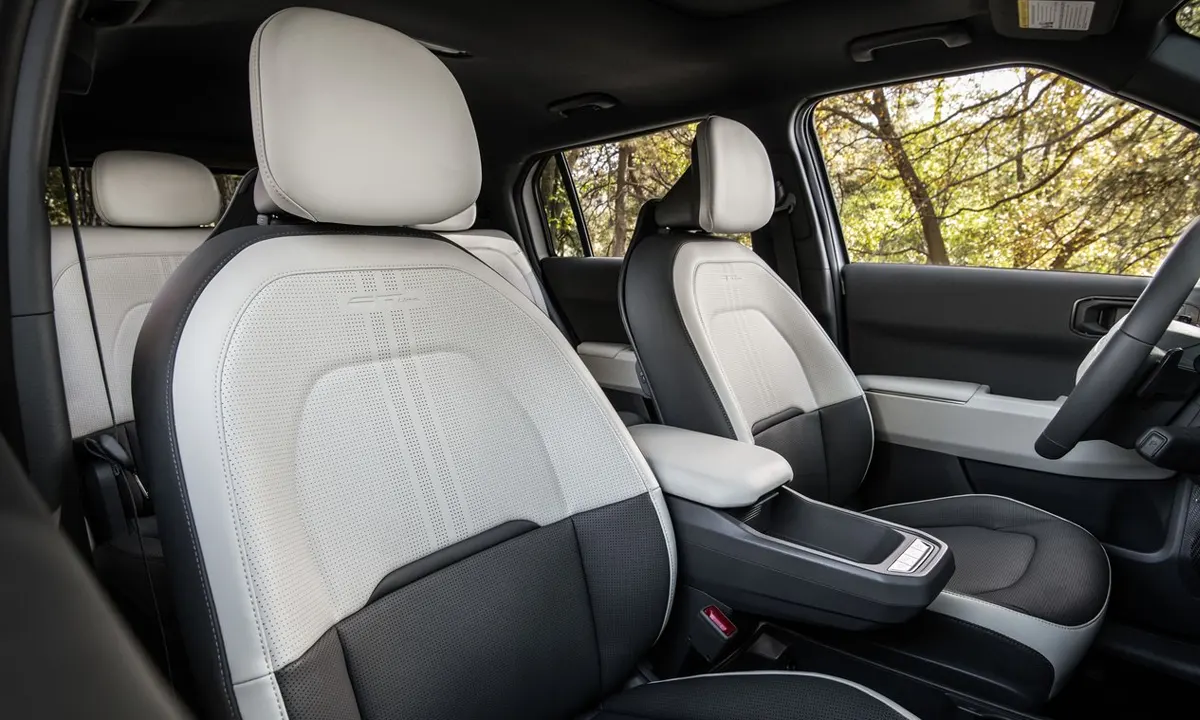

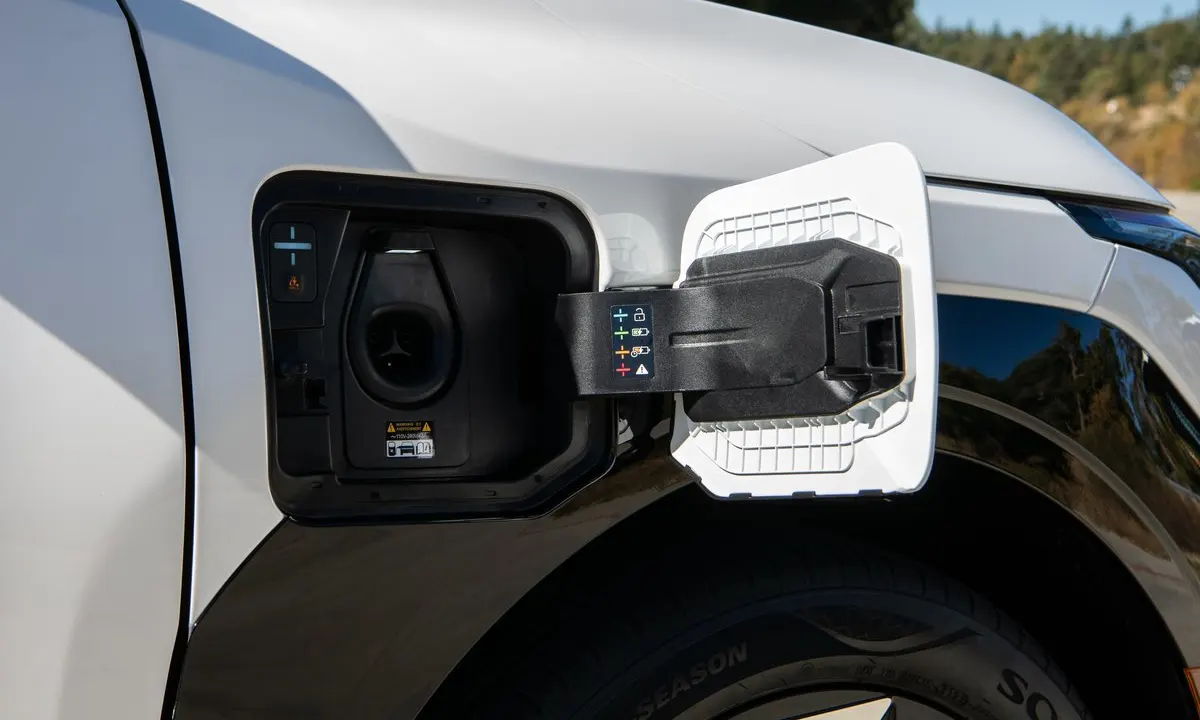
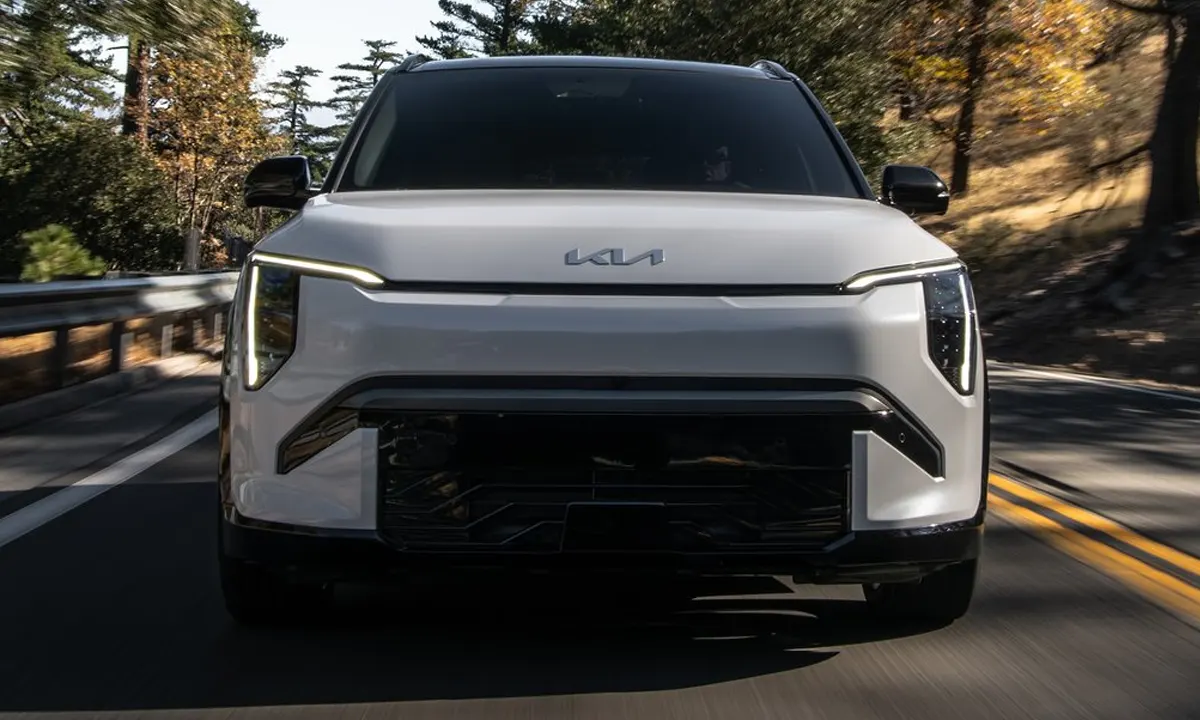
Kia’s EV3 has been on sale in South Korea and in European markets since 2024, accumulating the real-world ownership data, the charging infrastructure experience and the long-distance driving evidence that allows the American market introduction to proceed with a specificity of knowledge about the vehicle’s actual performance that concept-to-market launches cannot offer. What the American buyer receives in 2027 is not a vehicle whose range estimates are theoretical projections — it is a vehicle whose 300-plus mile range capability has been validated across climates, driving patterns and road types that the EPA’s testing cycle approximates but does not fully replicate. That validation is among the most commercially significant advantages the EV3 brings to a market where range anxiety remains the single most frequently cited barrier to electric vehicle purchase consideration among family SUV buyers.
Why the EV3’s American Arrival Is Strategically Significant for Kia
Kia’s electric vehicle strategy in the American market has, until the EV3’s introduction, been concentrated at price points that restrict its addressable market to buyers whose household income and vehicle budget place them above the mainstream family SUV consideration set. The EV6 and EV9 have demonstrated that Kia can produce electric vehicles of genuine quality and capability — but at starting prices that begin above 40,000 and 55,000 dollars respectively, they address a buyer whose financial profile differs meaningfully from the family considering a Toyota RAV4, a Honda CR-V or a Kia Sportage as their primary household vehicle.
The EV3’s anticipated American starting price of approximately 28,000 to 32,000 dollars — before the federal tax credit that qualified buyers can access under the Inflation Reduction Act’s provisions for vehicles assembled in North America — positions it within the purchase price range of the mainstream compact SUV buyer for the first time in Kia’s electric vehicle history. If the EV3’s North American assembly qualification for the federal tax credit is confirmed — a determination that depends on battery supply chain sourcing requirements that Kia’s manufacturing and procurement strategy is specifically structured to satisfy — the effective purchase price for eligible buyers falls to a range that makes the electric vehicle calculation competitive with the total ownership cost of equivalent conventional SUVs for the first time without requiring the buyer to accept meaningful compromises in range, interior quality or brand confidence.
Exterior Design: The EV3’s Visual Identity in the American Market
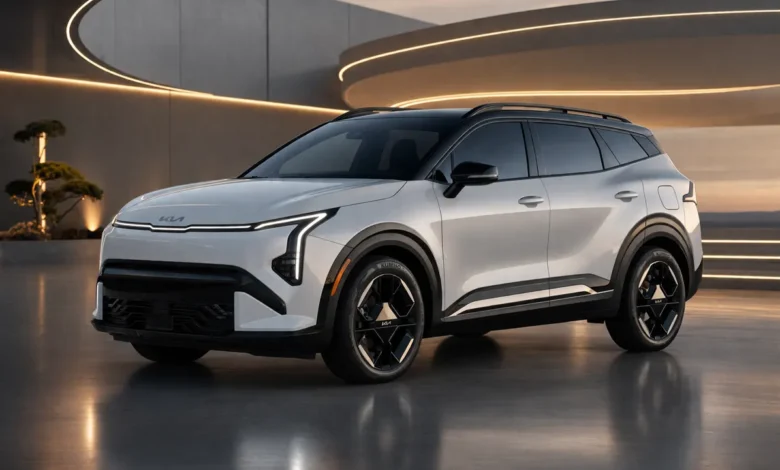
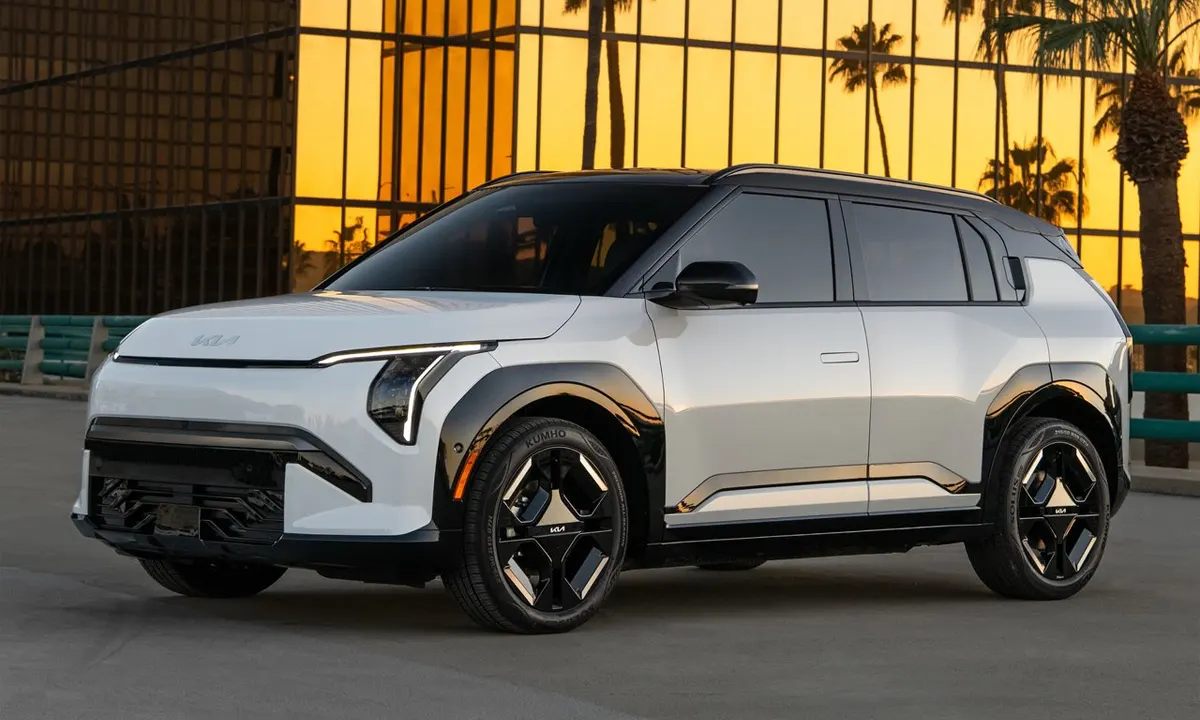
The Kia EV3’s exterior design translates the brand’s Opposites United design philosophy into compact SUV proportions with an assurance that makes clear the design team understood they were creating a vehicle whose appearance must work as hard as its specifications to attract buyers whose previous electric vehicle consideration had been deterred by the aesthetic conservatism that affordable EV design has historically imposed. The EV3’s closed front fascia — liberated from the grille opening that combustion engine cooling requires and used instead as a design surface for the star map LED light signature that identifies Kia’s electric vehicle family — communicates the vehicle’s powertrain identity immediately and confidently without the apologetic styling approach that treats the absence of conventional automotive features as a design constraint rather than a design opportunity.
The body’s upright proportions — maximising interior volume within compact exterior dimensions through the flat floor architecture that the EV3’s dedicated electric vehicle platform provides — produce a vehicle that reads taller and more spacious than its overall length suggests, a visual quality whose honesty is confirmed when the doors open to reveal an interior whose dimensions exceed what the exterior footprint would predict. Wheel designs of up to 19 inches in diameter on higher specification variants provide the visual presence that compact EV proportions require to avoid the slightly undersized appearance that smaller wheel-to-body ratios impose, while the available two-tone colour combinations — pairing a contrasting roof colour with the body finish — offer the personalisation that Kia’s research identifies as a significant purchase motivator among the younger buyer demographic that the EV3’s price point most directly addresses.
Platform and Interior: Where the EV3’s Most Impressive Achievement Lives
The 2027 Kia EV3’s most genuinely surprising quality — confirmed by the European and Korean press evaluations that have accumulated since the model’s 2024 launch in those markets — is the interior space that its dedicated electric vehicle platform delivers within exterior dimensions comparable to a Kia Sportage or a Toyota Corolla Cross. The EV-dedicated platform’s flat floor, the absence of a transmission tunnel and the optimised wheelbase-to-overall-length ratio that electric vehicle packaging enables combine to produce rear passenger legroom and headroom figures that consistently surprise occupants whose expectations are calibrated against the compact SUV segment’s conventional packaging constraints.
The cargo area — benefiting from both the flat floor’s load space efficiency and a front trunk that the EV3’s motor packaging provides in the nose of the vehicle — offers total storage volume that exceeds most competitors in the compact SUV segment regardless of powertrain type. The frunk, though modest in volume, provides a genuinely useful storage space for charging cables, wet weather gear and the smaller items whose accommodation in the main cargo area would consume space more valuably used for larger items — a practical convenience whose availability Kia has specifically designed into the EV3 rather than treating as an incidental consequence of the packaging layout.
The interior design reflects Kia’s current generation aesthetic — the panoramic curved display assembly combining a 12.3-inch digital instrument cluster with a 12.3-inch central infotainment screen in a single sweeping visual unit, the sustainable material choices that Kia’s environmental positioning motivates across the EV3’s seat fabrics and interior trim surfaces, and the physical control retention for climate and audio functions that the brand’s owner feedback data identifies as a consistent preference among buyers who find fully touchscreen-dependent interfaces less satisfying in daily use than mixed physical and digital control environments.
Powertrain and Range: The Numbers That Make the Mainstream Case
The 2027 Kia EV3’s powertrain specification for the American market is expected to centre on the long-range battery variant — a 81.4 kWh battery pack paired with a single rear-mounted electric motor producing approximately 201 horsepower and 188 pound-feet of torque — whose EPA range estimate of over 300 miles positions it above the threshold that consumer research identifies as the point at which range anxiety ceases to be a primary purchase barrier for the majority of American family SUV buyers. The significance of this figure in the American market context cannot be overstated — because 300 miles of EPA-rated range is not merely a specification milestone but a psychological threshold whose crossing changes the nature of the electric vehicle ownership conversation from one about limitation management to one about everyday capability.
Real-world range performance in the Korean and European markets — where the EV3 has accumulated owner experience across urban, motorway and mixed driving conditions in climates ranging from Scandinavian winter to Mediterranean summer — confirms that the vehicle’s EPA estimate translates into genuine daily usability across the varied American driving patterns that the test cycle approximates. Motorway driving at American interstate speeds produces range figures modestly below the EPA estimate — as physics demands of any electric vehicle — but within the range that allows confident long-distance family travel with the DC fast charging infrastructure that Kia’s charging network partnerships provide access to.
DC fast charging capability of up to 135 kilowatts — accepting a charge that takes the battery from 10 to 80 percent in approximately 29 minutes under optimal conditions — positions the EV3 competitively within the compact electric SUV segment’s charging speed benchmark range and provides the practical fast charging performance that American road trip patterns require. The vehicle-to-load bidirectional charging capability — enabling the EV3 to power external devices, camping equipment, home appliances during outages and, where grid connection equipment is installed, the owner’s home — extends the vehicle’s utility beyond transportation into the energy management role that electric vehicle ownership increasingly encompasses.
Technology and Connectivity: The Kia Connect Ecosystem Arrives Fully Formed
The 2027 Kia EV3’s technology provision reflects the maturity that Kia’s connected vehicle development has reached across the EV6 and EV9 ownership experience — arriving in the American market as a fully developed ecosystem rather than the first-generation connected vehicle proposition that requires over-the-air updates to resolve the interface and connectivity shortcomings that characterise some competitors’ initial American market electric vehicle introductions.
Kia Connect’s over-the-air update capability — delivering software improvements, range estimation algorithm refinements and new feature additions across the ownership period without requiring dealer visits — provides the long-term ownership quality improvement that electric vehicle buyers have come to expect from the category’s software-defined vehicle leaders. Remote climate conditioning — pre-cooling or pre-heating the cabin while the vehicle remains connected to a charging source, preserving battery range by performing the cabin temperature management on grid power rather than battery power — is standard across the EV3 range and represents one of the practical quality-of-life features whose daily relevance in extreme American climate conditions becomes immediately apparent to owners transitioning from conventional SUVs.
The navigation system’s charging-integrated route planning — automatically incorporating DC fast charging stops into long-distance route calculations based on real-time battery state, current traffic conditions and charging station availability data — removes the manual range management calculation that early electric vehicle ownership required and that represented one of the most significant practical deterrents to buyer confidence in the category’s accessibility for families planning longer journeys.
Safety: The Full Suite That Kia’s Mainstream Positioning Demands
The 2027 Kia EV3’s safety provision reflects the standard that Kia’s Drive Wise active safety suite has established across the EV6, EV9 and the broader model range — delivering forward collision avoidance assist with pedestrian, cyclist and junction turn detection, lane keeping assist, blind spot collision avoidance assist, rear cross traffic collision avoidance assist, driver attention warning and highway driving assist as standard equipment across the EV3 range rather than restricting the full suite to premium specification variants.
IIHS Top Safety Pick Plus performance — which Kia’s structural engineering investment and the Drive Wise suite’s consistent Superior front crash prevention ratings have delivered across multiple model lines — is an anticipated outcome for the production EV3 whose platform architecture, restraint system design and active safety provision are drawn from the same engineering philosophy that has produced those ratings for its corporate siblings. The EV3’s dedicated electric vehicle platform’s structural characteristics — with the battery pack’s floor-mounted positioning contributing to a lower centre of gravity and a more uniform mass distribution than combustion engine vehicles achieve — provide inherent structural advantages in side impact and rollover scenarios that the crashworthiness ratings are expected to reflect.
Read: Kia EV5 Introduces a Bold New Electric SUV for the Future
2027 Kia EV3 Anticipated US Specifications
| Category | Expected Specification |
| Platform | E-GMP (Electric Global Modular Platform) |
| Body Style | Compact Electric SUV |
| Seating Capacity | Five Passengers |
| Battery Capacity | 81.4 kWh (Long Range) |
| Motor Configuration | Single Rear Motor |
| Motor Output | ~201 hp / 188 lb-ft |
| Drivetrain | Rear-Wheel Drive (Standard) |
| EPA Range Estimate | 300+ Miles (Anticipated) |
| DC Fast Charging | Up to 135 kW |
| 10–80% Charge Time | ~29 Minutes (DC Fast) |
| Bidirectional Charging | V2L Standard |
| Infotainment | 12.3-Inch + 12.3-Inch Curved Dual Display |
| Over-The-Air Updates | Standard |
| Driver Assistance | Kia Drive Wise — Full Suite Standard |
| Est. Starting MSRP (US) | ~$28,000–$32,000 |
| Federal Tax Credit | Up to $7,500 (If Qualified) |
| Effective Price (Post Credit) | ~$20,500–$24,500 (Est.) |
| Expected On-Sale Date | 2027 Model Year |
| Assembly | TBC — North America Qualification Under Evaluation |
The Electric SUV That Makes the Mainstream Conversion Argument
The 2027 Kia EV3’s American market introduction represents the most complete answer to the mainstream electric vehicle adoption challenge that any manufacturer has yet offered at a price point accessible to the family buyer whose next SUV purchase decision is the one the American automotive industry’s electric transition depends upon. Its 300-plus mile range eliminates the barrier that range anxiety creates. Its sub-30,000 dollar starting price — reduced further by the federal tax credit that North American assembly qualification provides — positions it within the financial reach of the buyer currently considering a Kia Sportage, a Honda CR-V or a Toyota RAV4 without requiring the total cost of ownership calculation that justifies more expensive electric alternatives. Its interior quality, technology provision and safety credentials meet the standards that Kia’s broader model range has established as the expectation rather than the aspiration. The EV3 does not ask the American family buyer to compromise. It asks them to reconsider — and it provides every reason they need to answer that question differently than they have before.