2027 Mercedes-Benz GLE: The Midsize Luxury SUV That Refuses to Cede Its Benchmark Status
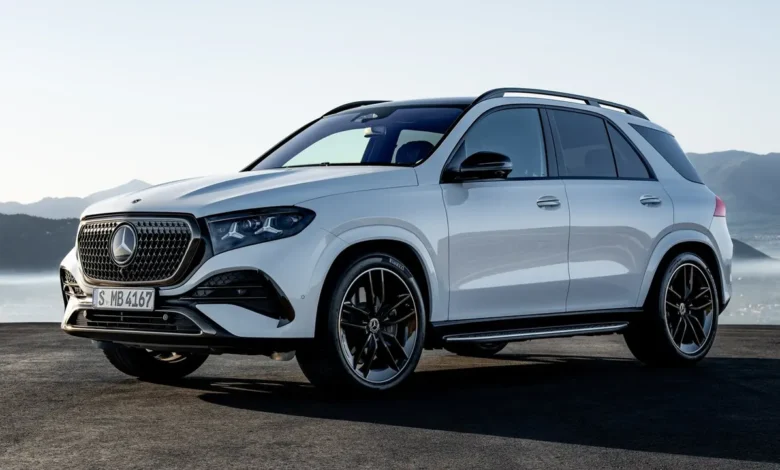
2027 Mercedes-Benz GLE: There is a particular challenge that faces any manufacturer whose flagship midsize luxury SUV has achieved the commercial dominance that the Mercedes-Benz GLE currently enjoys in its segment — the challenge of knowing when, and how deeply, to update a product that is already outselling everything around it. The GLE recorded its best sales year in the model’s entire history in 2025, making the decision to invest in more than 3,000 new or revised components for the 2027 model year either an act of admirable proactive ambition or a demonstration of the engineering confidence that comes from a manufacturer so certain of its product’s fundamental quality that it can afford to spend development resource on refinement rather than rescue. The 2027 GLE is the fourth-generation platform’s second significant update in four years — a refresh frequency that speaks to the pace at which Mercedes-Benz is evolving its design language, technology platform and powertrain architecture simultaneously, and one that brings the GLE into alignment with the brand’s newest products in ways that the previous update could only partially achieve.
Gallery: 2027 Mercedes-Benz GLE
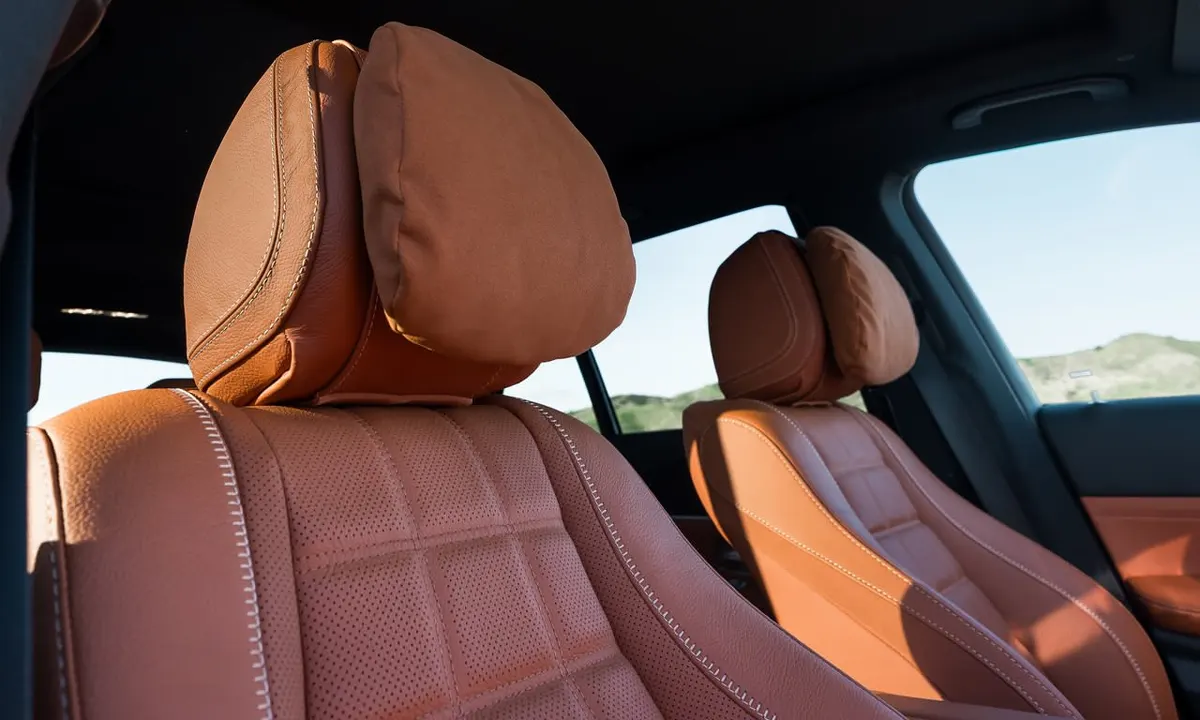
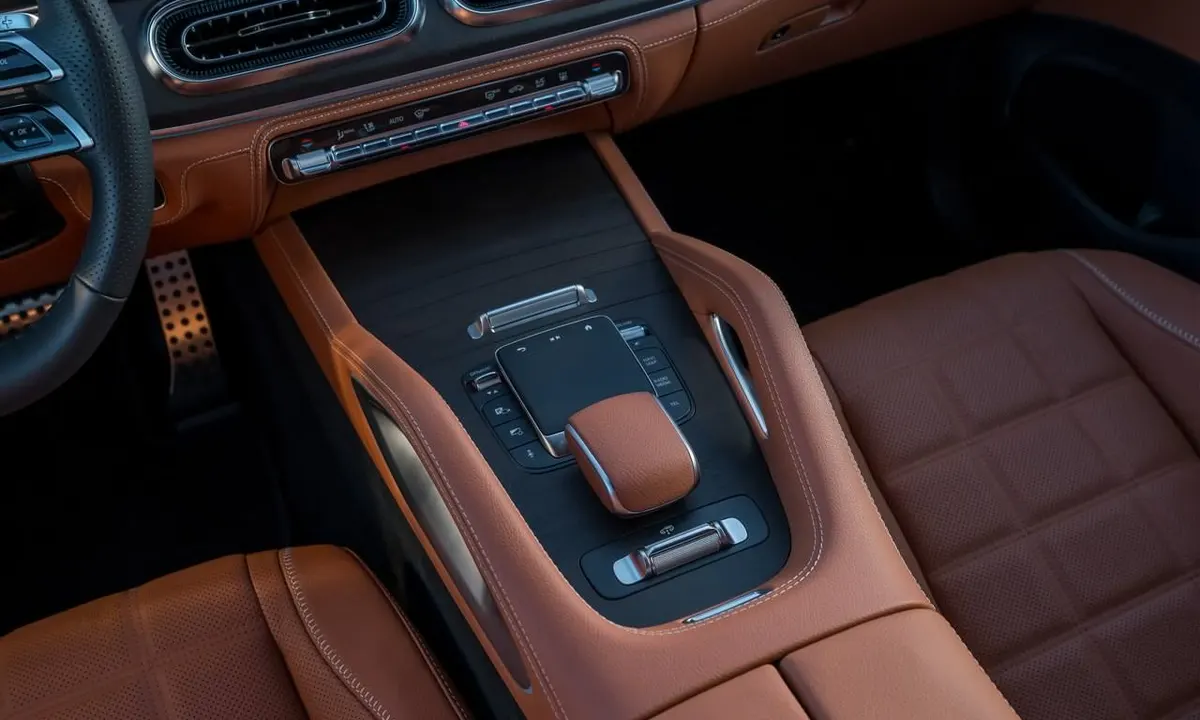
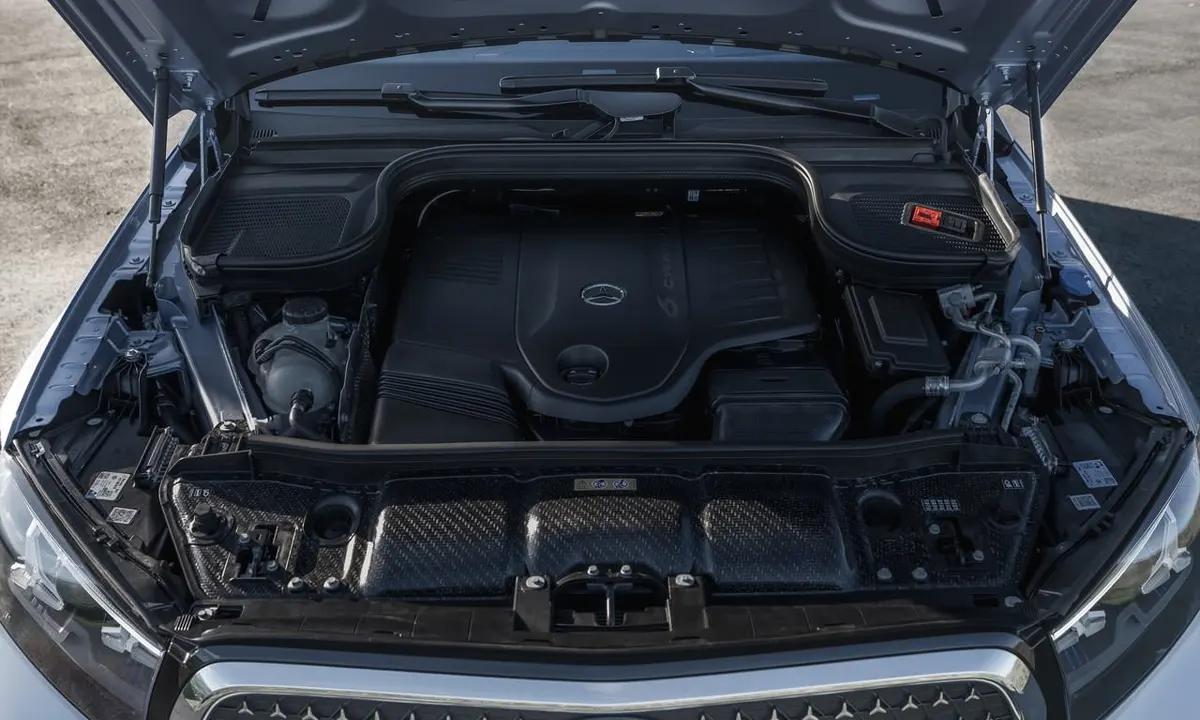
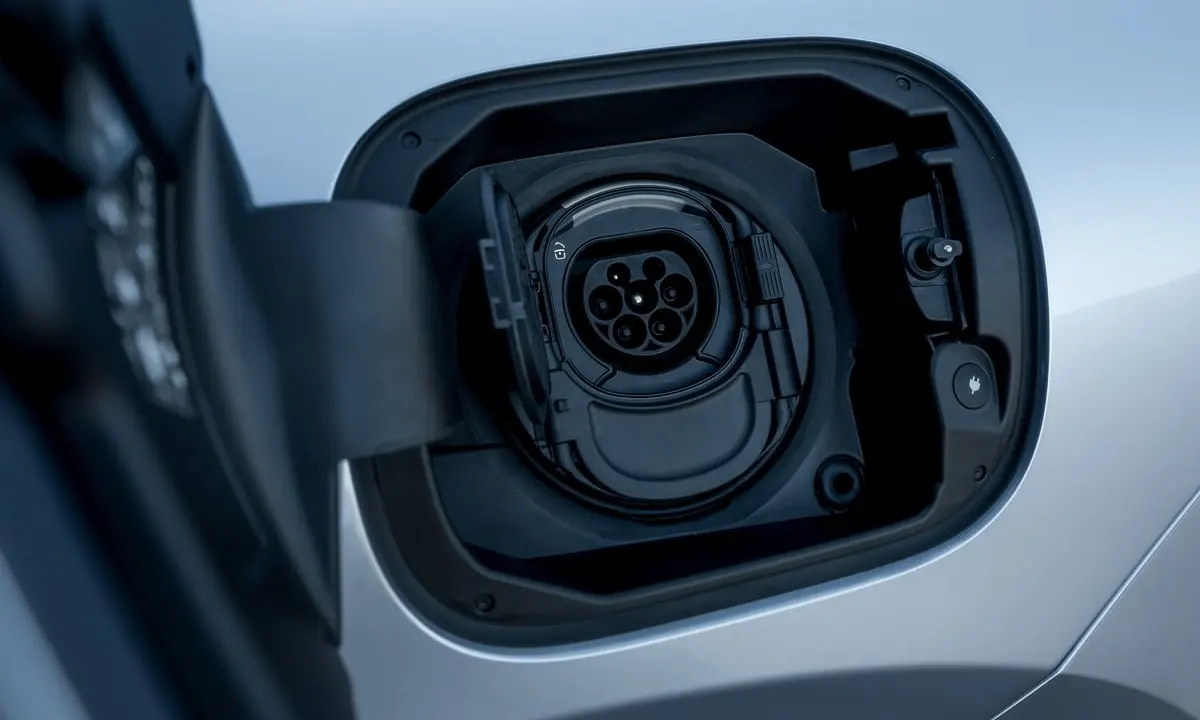
A Design Language That Makes the Three-Pointed Star Its Dominant Visual Theme
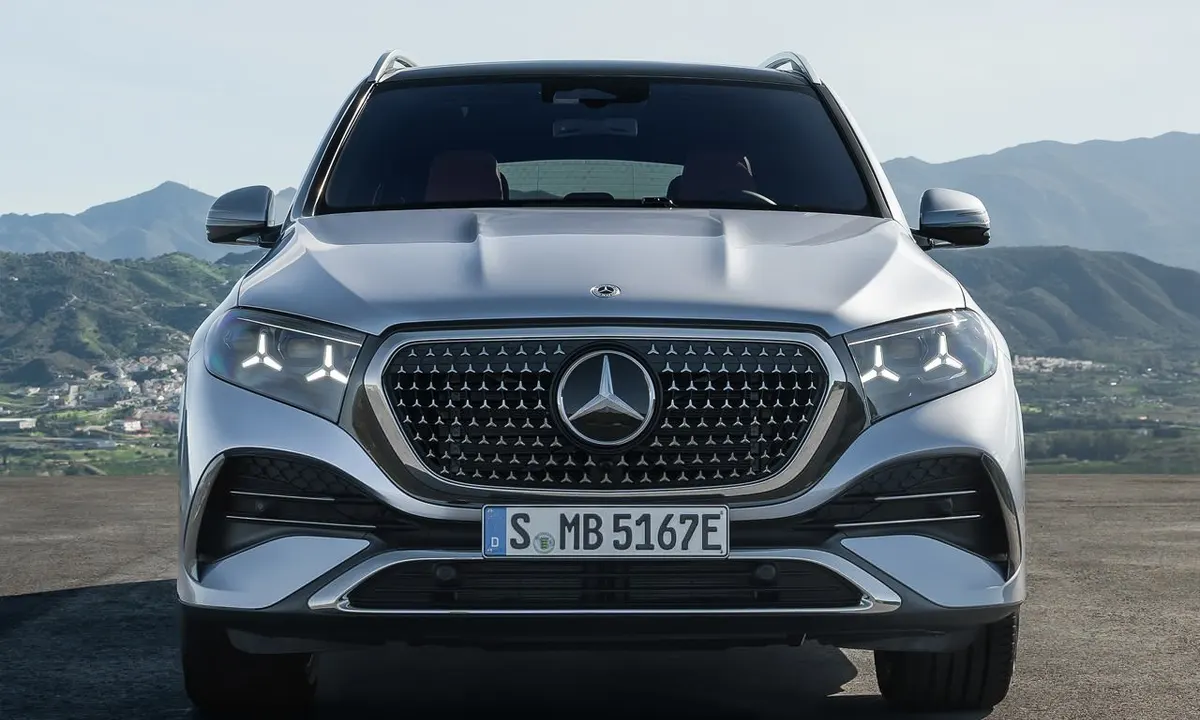
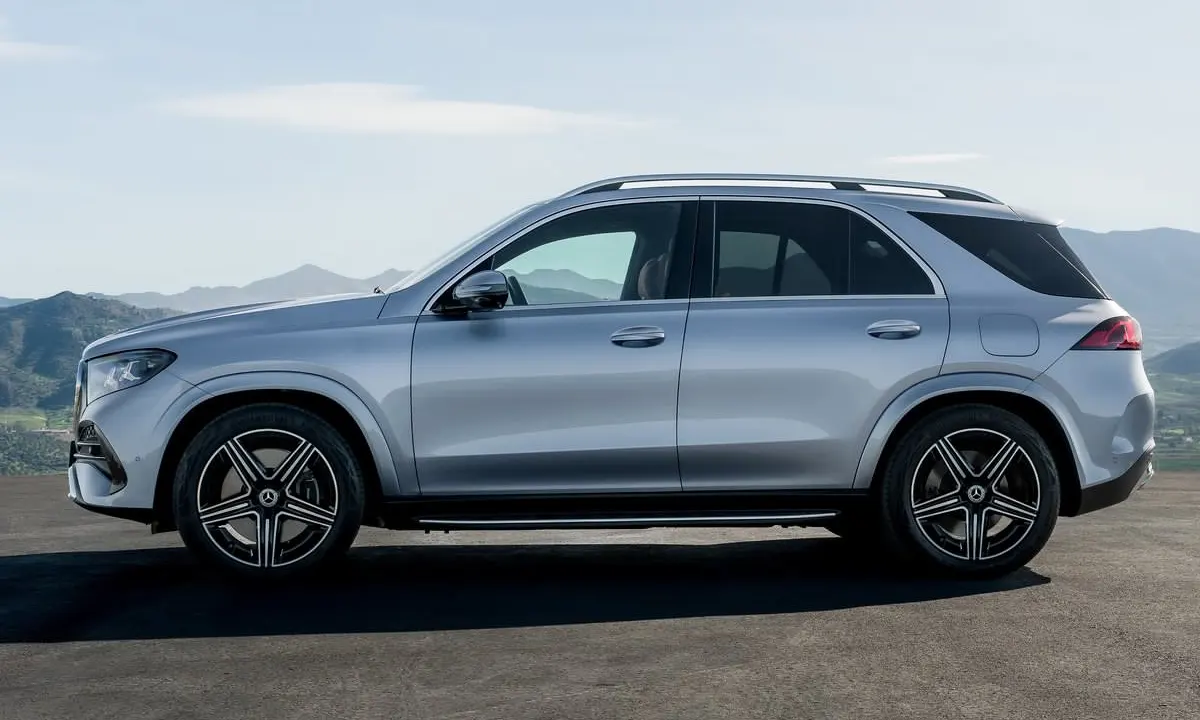
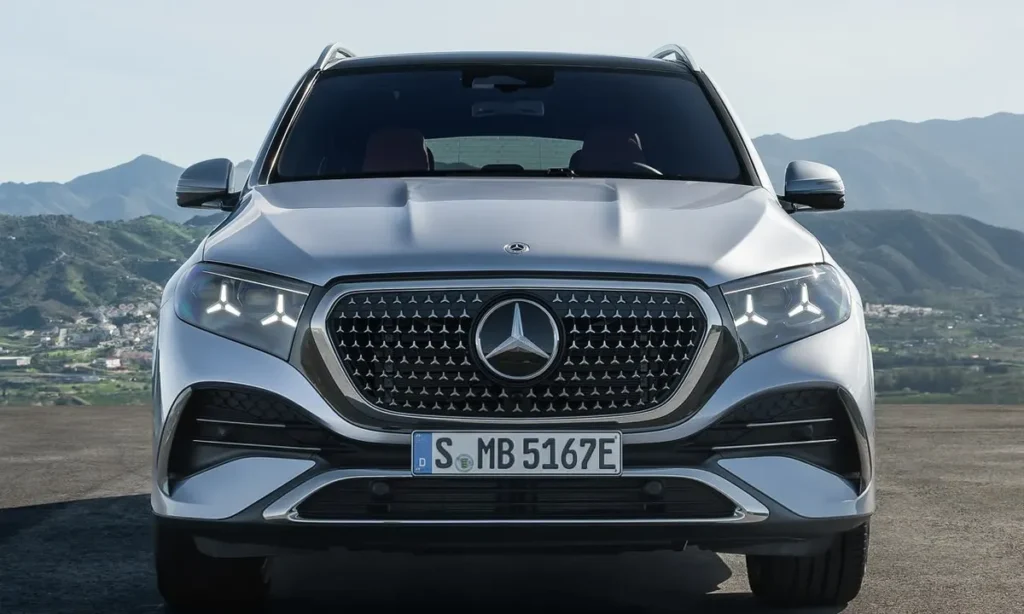
The most immediately discussed and most divisive aspect of the 2027 GLE’s exterior update is the comprehensive integration of the three-pointed star motif into virtually every surface where a designer could reasonably argue for its presence. The headlamps carry star-shaped daytime running light signatures that repeat the motif established in the brand’s newest products, including the S-Class and E-Class, and whose high-resolution micro-LED execution — part of the updated Digital Light technology that offers a 40 percent larger light field than the previous generation at up to 50 percent lower energy consumption — gives the star graphic a precision and visual impact that lower-resolution lighting technology could not have delivered. The radiator grille has been enlarged and surrounded by a chrome frame whose centre accommodates an illuminated Mercedes-Benz star — a detail that will strike some observers as the brand’s most confident statement of identity and others as the visual equivalent of signing your name twice on the same document.
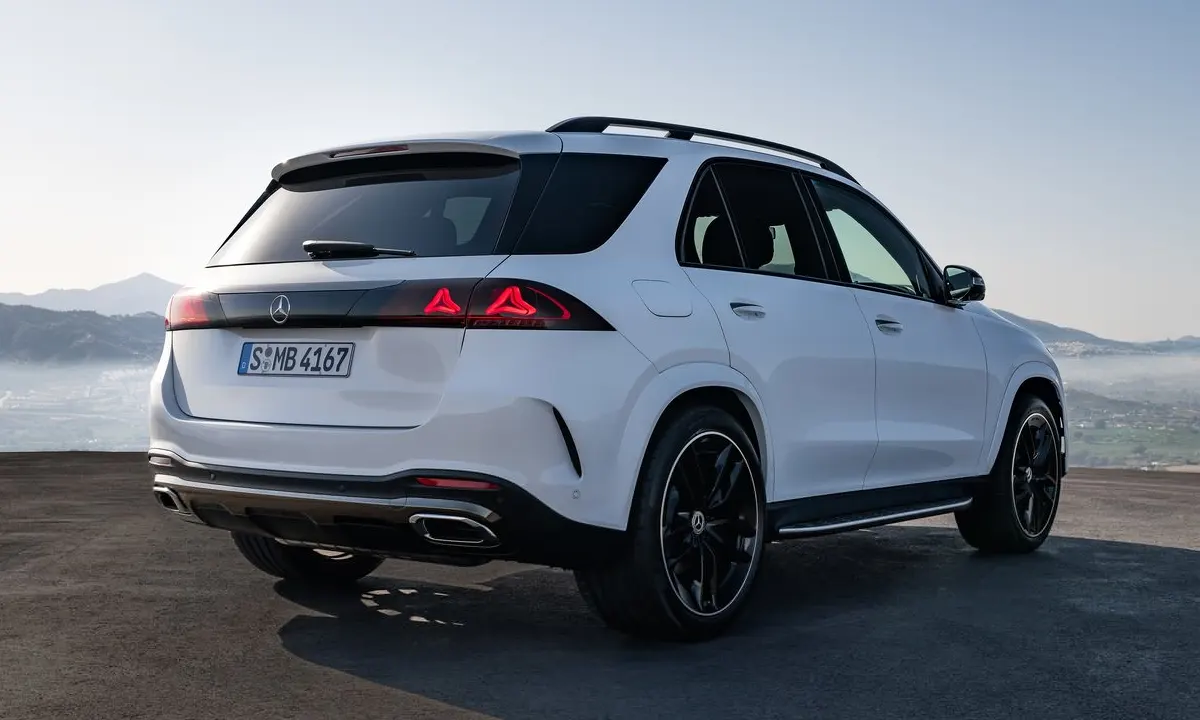
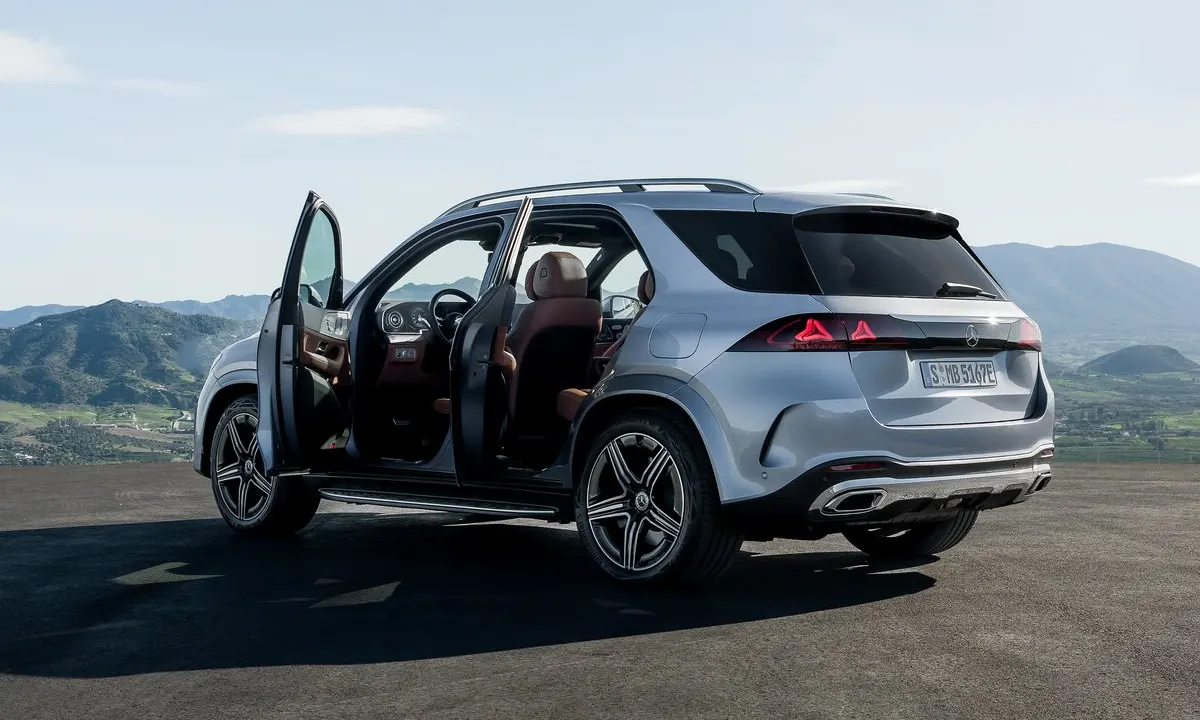
At the rear, two star-shaped motifs appear within each taillight unit, continuing the theme with a consistency whose discipline is more apparent when the car is viewed from a distance than in close-up photography. A dark bar connecting the two taillight units across the full width of the tailgate creates a visual width emphasis that distinguishes the 2027 GLE’s rear profile from the outgoing model, though this element has been omitted on the GLE Coupe variant, whose cleaner and sportier rear treatment benefits from the restraint. New exterior colour options include Dark Petrol and Manufaktur Patagonia Red Metallic, the latter being a deeply saturated shade in the Manufaktur palette that provides a visual richness appropriate to the GLE’s market positioning. Four new 20-inch wheel designs complete an exterior update whose breadth — new front bumper, revised fascia, updated lighting front and rear, new grille treatment, new colours and new wheels — represents a more comprehensive exterior revision than the term midcycle refresh might imply.
The MBUX Superscreen Interior and the Technology Transformation It Delivers
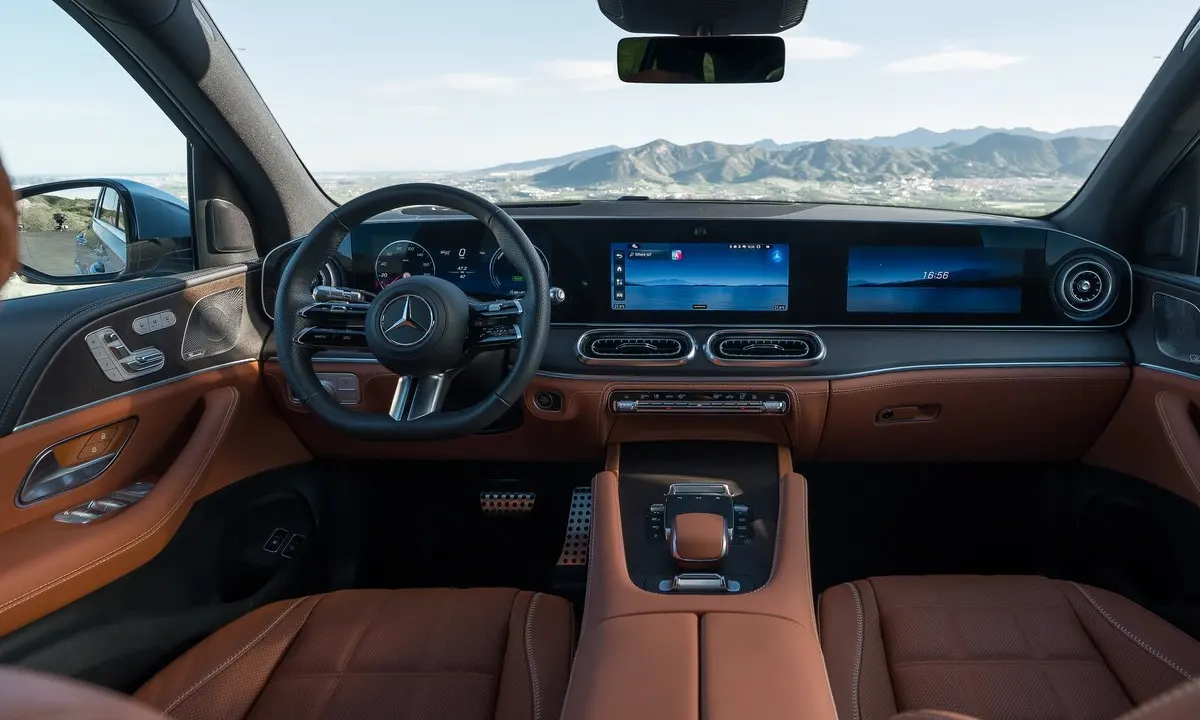
If the exterior update is the 2027 GLE’s most visually prominent change, the interior’s adoption of the MBUX Superscreen is its most functionally significant. The Superscreen consolidates what were previously separate display units into a single continuous glass panel spanning the full width of the dashboard, within which three individual 12.3-inch touchscreens are integrated — a digital instrument cluster on the driver’s left, a central infotainment display in the centre and a dedicated front passenger entertainment screen on the right. The visual effect of this arrangement is of a single wide display surface rather than three discrete units, an impression sustained by the flush mounting and uniform glass finish that treats the entire panel as one object rather than an assembly of components. Round air vents integrated at both ends of the Superscreen panel complete a dashboard architecture whose horizontal emphasis and technological ambition align the GLE’s interior with the brand’s newest model generation rather than with the segment standard established when the current platform was introduced.
The operating system powering this hardware is the new Mercedes-Benz Operating System — MB.OS — running the fourth generation of the brand’s MBUX infotainment platform. The AI-driven voice assistant within this system draws on partnerships with Microsoft, Google and OpenAI’s ChatGPT framework to deliver a conversational interaction capability that allows natural-language commands rather than requiring the driver to memorise specific trigger phrases or menu structures. The system is hosted on a water-cooled central processing unit designed for long-term software longevity — a hardware architecture decision that Mercedes-Benz has made with explicit acknowledgement of the criticism that previous-generation infotainment hardware aged prematurely relative to the vehicles around it, and that the 2027 GLE’s technology platform should remain competitive well into the model’s extended lifecycle. Over-the-air update capability ensures that software improvements can be delivered without dealer visits throughout the ownership period. Practical interior material updates include ARTICO man-made leather on the upper dashboard, revised oval-format centre vents replacing the previous square units, and an expanded trim palette incorporating new wood and aluminium finishes.
A Powertrain Range From Turbocharged Four to 577-Horsepower AMG Hybrid
The 2027 GLE’s powertrain range spans four distinct specifications whose breadth reflects the model’s responsibility to serve a buyer population with genuinely diverse performance priorities, from the pragmatic efficiency-conscious purchaser of the entry GLE 350 to the performance enthusiast whose requirements the AMG GLE 53e exists to satisfy. At the base of the lineup, the GLE 350 retains its 2.0-litre turbocharged four-cylinder producing 255 horsepower and 295 pound-feet of torque — numbers unchanged from the outgoing model, though Mercedes-Benz specifies that a new electric compressor has improved the engine’s throttle response at lower engine speeds, addressing the characteristic delay between pedal input and power delivery that defines the turbocharged four-cylinder experience in traffic conditions.
The GLE 450 mid-range variant continues with a revised 3.0-litre mild-hybrid inline-six producing 375 horsepower and 413 pound-feet of torque with a claimed zero-to-sixty time of five seconds flat — a specification whose combination of six-cylinder refinement and mild-hybrid efficiency makes it the sweet spot of the range for the majority of buyers who do not require the performance extremes available above it. The GLE 580 4Matic represents the most significant powertrain development story in the standard range, with its twin-turbocharged 4.0-litre V8 now producing 530 horsepower and 553 pound-feet of torque — increases of 20 horsepower and 15 pound-feet over the outgoing specification — courtesy of a new flat-plane crankshaft design, revised injection system, optimised intake camshaft geometry and improved cylinder head porting. This engine’s mechanical character is meaningfully different from the cross-plane unit it replaces, with the flat-plane configuration delivering a higher-revving, more acoustically engaging power delivery that owners whose experience of the previous V8 had been competent but unremarkable will notice immediately.
The performance headline of the entire 2027 GLE range belongs, however, to the Mercedes-AMG GLE 53e HYBRID — a plug-in hybrid system pairing the new 3.0-litre turbocharged inline-six with a 181-horsepower electric motor for a combined system output of 577 horsepower and 553 pound-feet of torque. This represents a power increase of 148 horsepower over the outgoing AMG GLE 53, a figure substantial enough to transform the car’s performance character rather than merely improve upon it. The zero-to-sixty time of 4.4 seconds is 0.5 seconds quicker than the predecessor — a meaningful gain at this performance level — and a top speed of 155 miles per hour is electronically limited. In all-electric mode, the GLE 53e is capable of 87 miles per hour, though the electric-only range figure varies by driving conditions and battery state. AMG-specific visual identification — its own radiator grille design, quad exhaust outlets, AMG Performance steering wheel and AMG-specific display graphics — distinguishes the 53e from the standard GLE range with the visual clarity that the performance differential between them justifies.
Driver Assistance, Suspension Intelligence and the City Pro Capability
The 2027 GLE’s driver assistance suite, rebranded as MB.DRIVE, operates through a sensor array of ten exterior cameras, up to five radar sensors and twelve ultrasonic sensors whose combined coverage supports a range of assisted-driving scenarios from urban parking manoeuvres to semi-autonomous highway driving. The parking assistance system has been substantially improved — now capable of identifying unmarked parking spaces rather than relying exclusively on clearly defined white-line bays, and able to execute parking manoeuvres at approximately 60 percent higher speed than the outgoing system without compromising precision. A forthcoming City Pro mode promises point-to-point assisted urban driving capability that will be made available via over-the-air update after the model’s initial launch — a software addition whose delivery after sale rather than at launch is a demonstration of the MB.OS platform’s genuine update architecture rather than a purely theoretical capability.
The suspension system on air suspension-equipped models gains cloud-based car-to-X communication that both transmits and receives road surface information from other equipped Mercedes-Benz vehicles — effectively creating a continuously updated map of bumps, surface irregularities and road hazards that allows the AIRMATIC adaptive damping system to prepare for known road imperfections before the wheel reaches them. This predictive capability represents a meaningful development over reactive adaptive suspension systems, whose response is initiated by wheel contact rather than anticipated before it, and whose benefit in terms of ride quality is demonstrable rather than theoretical for drivers who regularly travel familiar roads shared by other GLE owners.
Read: BMW X7 vs Audi Q7, Which One Should You Buy?
2027 Mercedes-Benz GLE Powertrain Specification Summary
| Variant | Engine | Output | 0–60 mph |
| GLE 350 4Matic | 2.0L Turbocharged I4 Mild-Hybrid | 255 hp / 295 lb-ft | ~6.5 seconds |
| GLE 450 4Matic | 3.0L Turbocharged I6 Mild-Hybrid | 375 hp / 413 lb-ft | 5.0 seconds |
| GLE 580 4Matic | 4.0L Twin-Turbo V8 Mild-Hybrid | 530 hp / 553 lb-ft | 4.4 seconds |
| AMG GLE 53e HYBRID | 3.0L I6 + 181 hp Electric Motor | 577 hp / 553 lb-ft | 4.4 seconds |
The Benchmark Reasserted
The 2027 Mercedes-Benz GLE’s comprehensive update — spanning exterior design, interior technology, powertrain performance and driver assistance capability simultaneously — makes an argument for the model’s continued segment leadership that is more persuasive for being comprehensive rather than selective. A manufacturer willing to invest in more than 3,000 new or revised components on a product that is already the best-selling vehicle in its brand’s American lineup is not correcting deficiencies but advancing an advantage, and the confidence that posture requires is itself a statement about the GLE’s competitive position. Whether the star motif saturation of the new exterior design language resolves into a coherent and enduring identity or crosses the line into brand signature overstatement is a question that individual buyers will answer according to their own aesthetic sensibility. What is not a matter of opinion is the engineering substance of the update — the flat-plane V8, the 577-horsepower AMG plug-in hybrid, the Superscreen interior, the predictive cloud suspension and the AI-driven operating system collectively make the 2027 GLE the most technically complete version of a platform that has been refining itself since the fourth generation’s 2019 introduction. The GLE arrives at dealers later in 2026, and the segment will need to respond.