2027 Subaru Getaway Review: This Compact Adventure Wagon That Fills the Gap No Other Subaru Could
Standard Symmetrical All-Wheel Drive, Boxer Engine Efficiency, Genuine Ground Clearance and the Outdoor Capability That Only Subaru Delivers in a Compact Wagon Body That Does Everything the Outback Does in a Smaller, More Nimble and More Affordable Package
There are moments in a manufacturer’s product planning history when a new model arrives that feels less like a strategic calculation and more like an inevitability — a vehicle whose existence answers a question that the brand’s most loyal buyers have been asking for years without quite knowing how to articulate it. The Subaru Getaway is that vehicle. In a lineup that spans the compact Crosstrek, the mid-size Outback and the three-row Ascent, the Getaway occupies a position that Subaru’s American market data had long identified as underserved — the space between the Crosstrek’s relatively modest ground clearance and cargo capacity and the Outback’s larger footprint and higher starting price, populated by buyers who want the Outback’s adventure credentials in a body that parks more easily, costs less to purchase and maintains the compact wagon proportions that the Outback’s SUV-adjacent styling has gradually moved away from across successive generational updates.
Gallery: 2027 Subaru Getaway
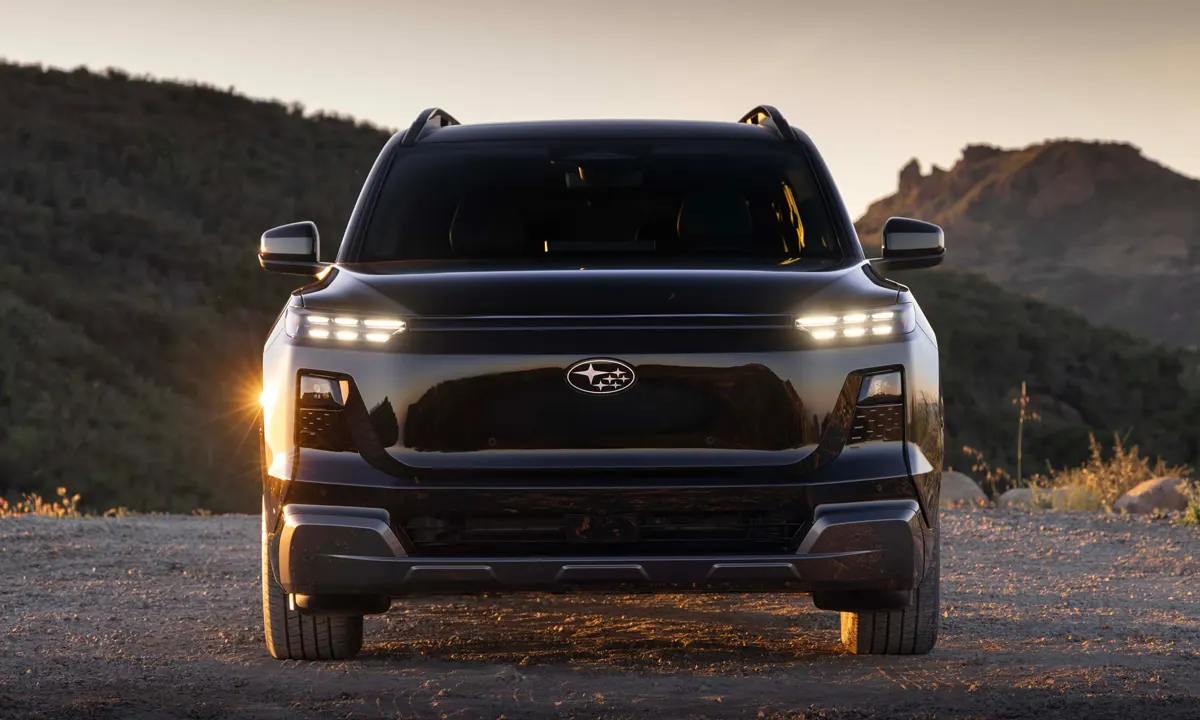
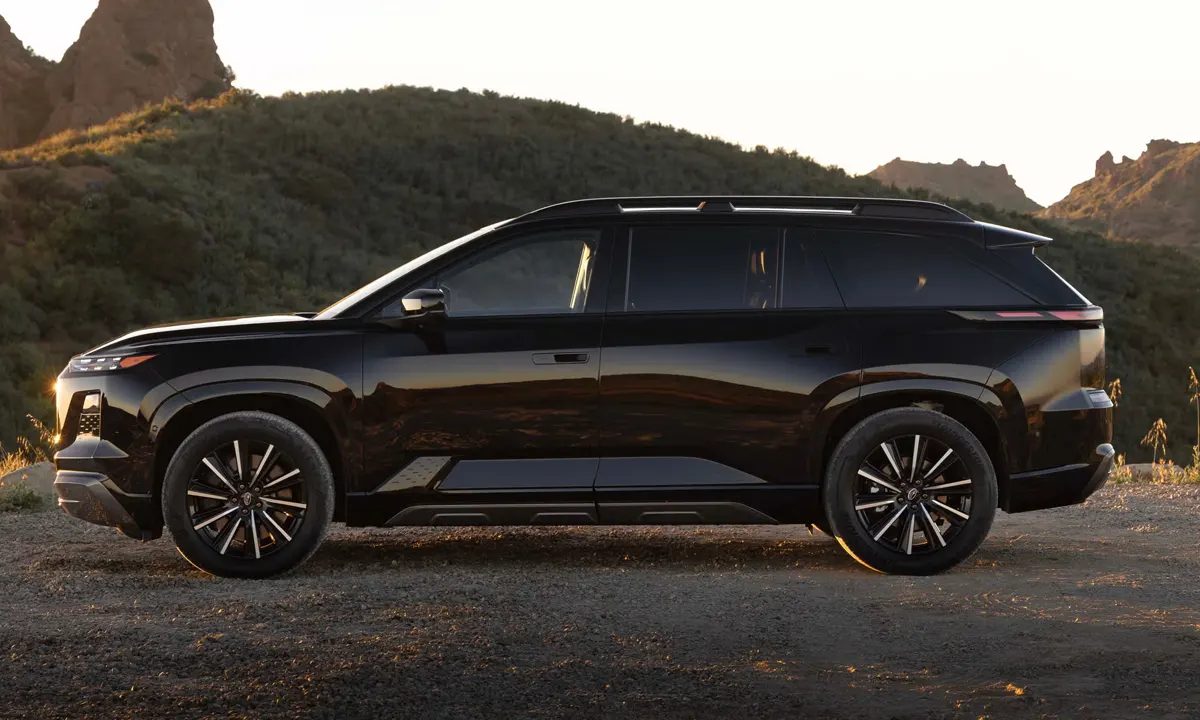
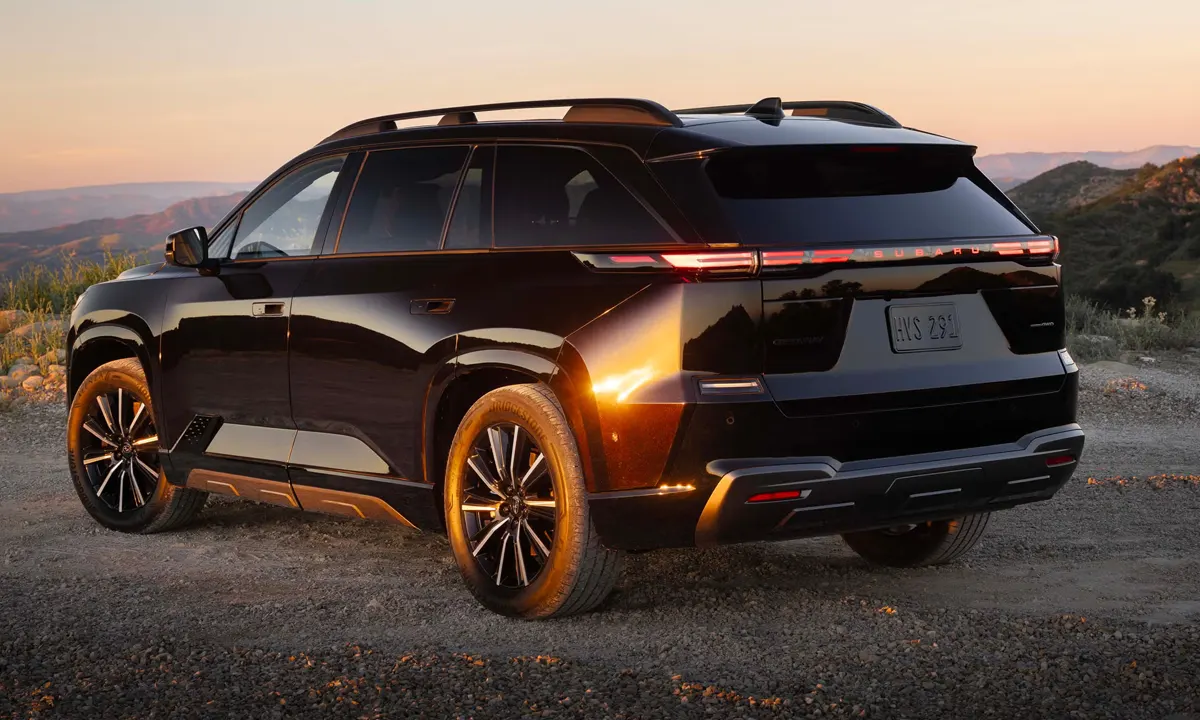
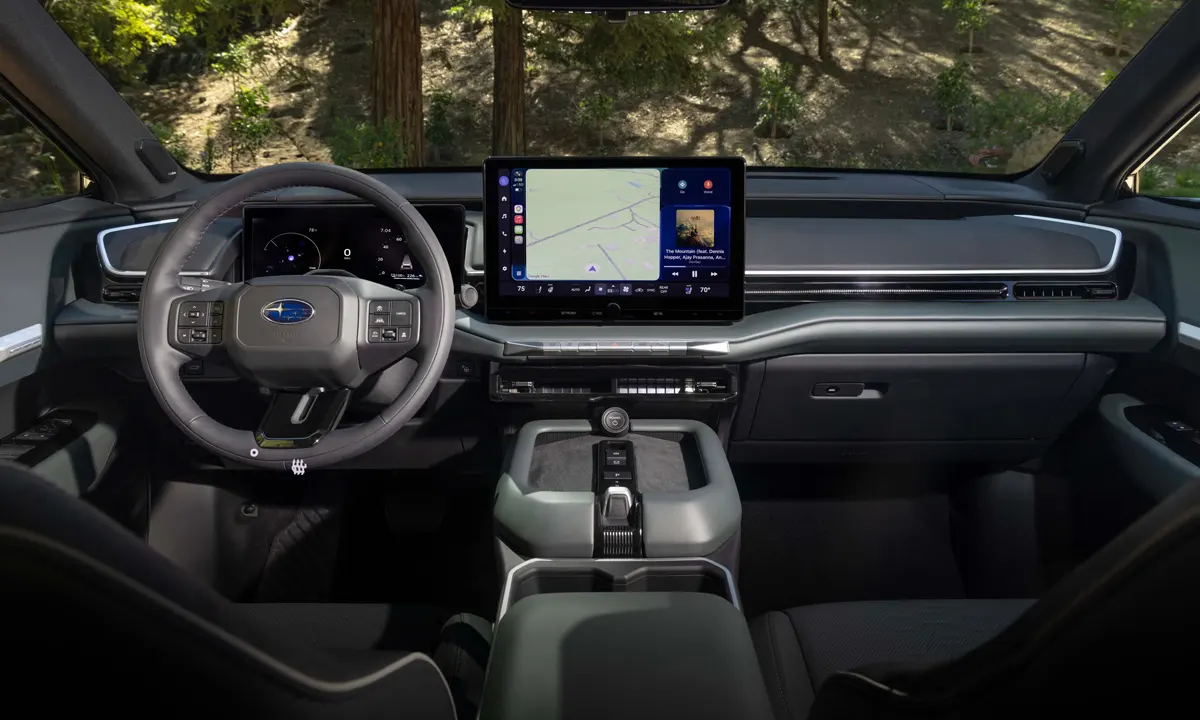
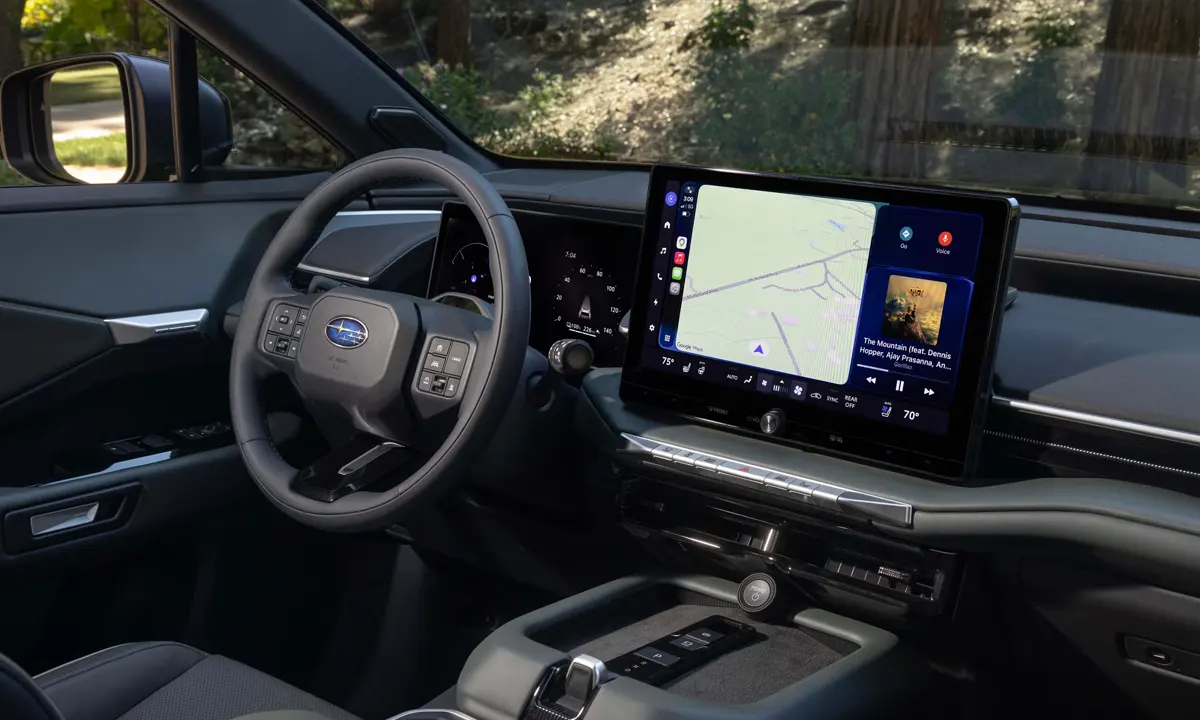
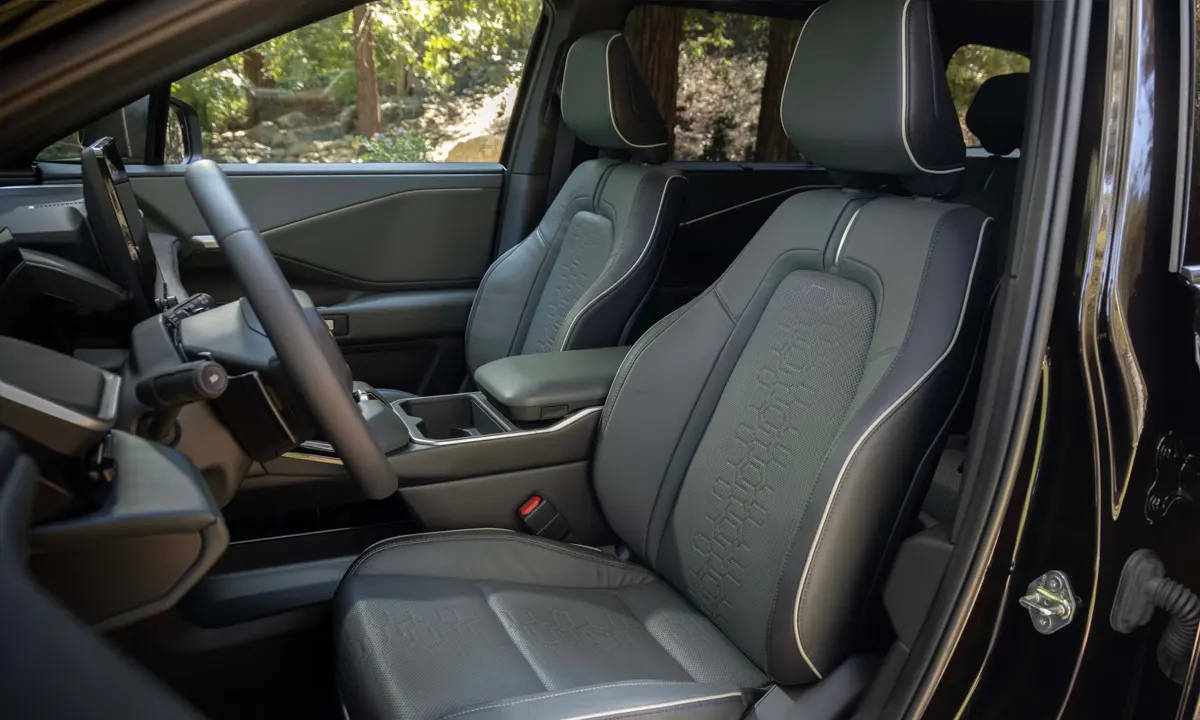
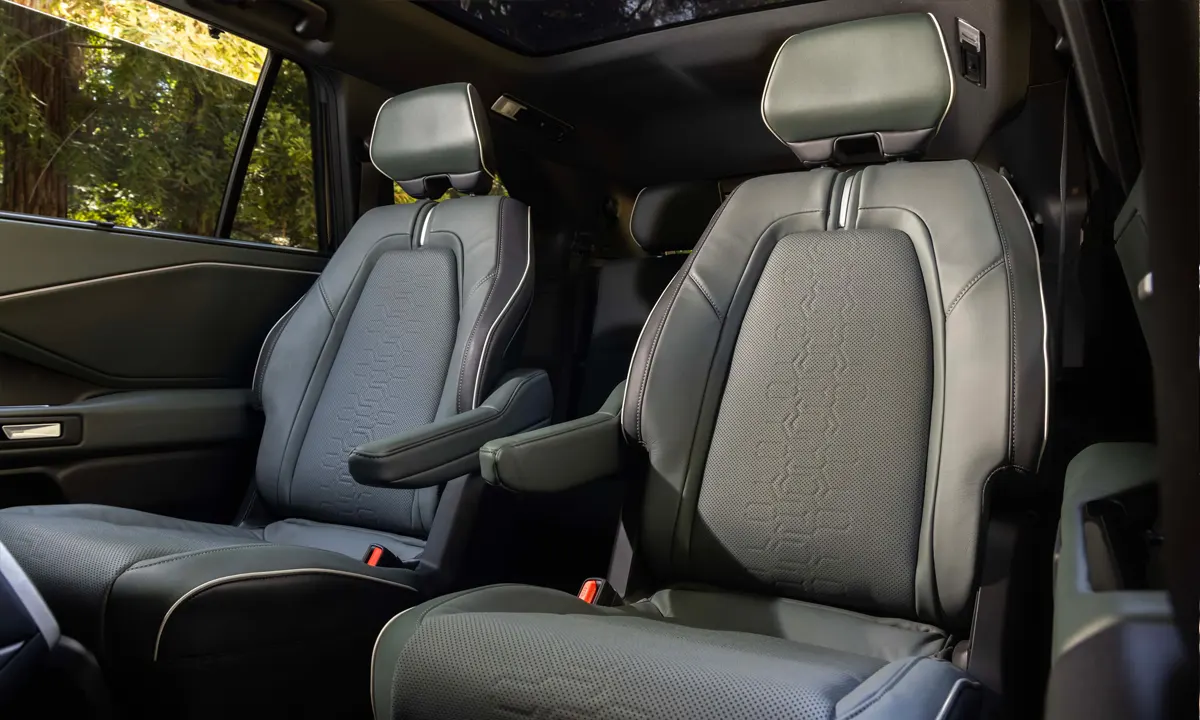
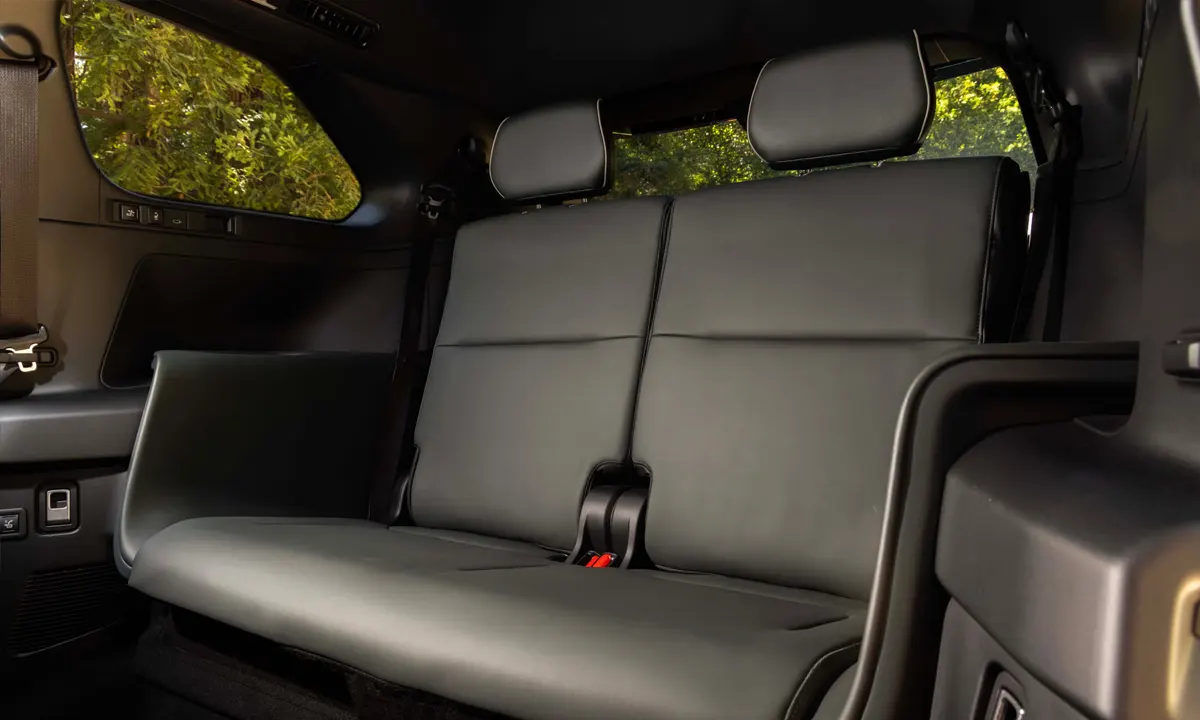
The 2027 Subaru Getaway arrives as a production reality following its concept reveal that generated a response among Subaru’s owner community disproportionate to its modest dimensions — confirming that the appetite for a genuine compact adventure wagon with standard all-wheel drive, meaningful ground clearance and Subaru’s outdoor lifestyle positioning existed in volumes that justified the development investment. What follows is a comprehensive account of what the 2027 Getaway is expected to deliver — drawing on the production model’s confirmed specifications, the concept’s established design direction and the platform architecture whose characteristics define the vehicle’s fundamental capability envelope.
Why the Getaway Fills a Gap That No Other Subaru Could
The American compact wagon segment has contracted dramatically from the volumes it sustained in the 1990s and early 2000s — but within that contraction, a specific buyer profile has persisted whose requirements no current mainstream manufacturer has addressed with the completeness that Subaru’s brand identity and engineering philosophy uniquely position it to provide. This buyer wants a vehicle shorter and lighter than the Outback, more practical and more capable than the Crosstrek, genuinely competent in light off-road and outdoor environments without the complexity and fuel consumption of a dedicated off-road vehicle, and available with the all-wheel drive system that makes it relevant across the full range of American weather conditions and terrain types that its adventure-oriented buyer will actually encounter.
The Crosstrek partially addresses this profile — but its wagon-SUV hybrid proportions, its 8.7 inches of ground clearance and its cargo volume place it below the threshold that buyers transitioning from the Outback or arriving from a competitor’s mid-size wagon find acceptable. The Outback fully addresses the capability requirements but exceeds the dimensional and price parameters that the compact buyer segment demands. The Getaway positions itself precisely in the gap between these two models — longer and more capable than the Crosstrek, shorter and more affordable than the Outback — in a body style whose wagon proportions communicate the practicality and outdoor orientation that Subaru’s buyers respond to more genuinely than the SUV-crossover aesthetic that most of the brand’s competitors employ.
Exterior Design: The Wagon Form Given Adventure Credentials
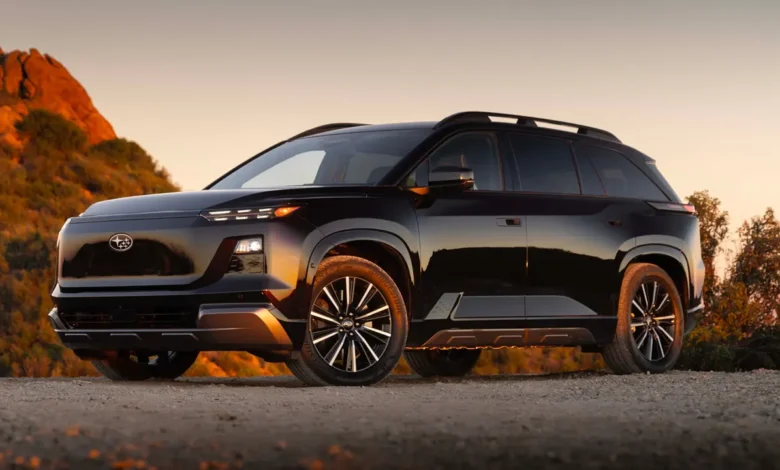
The Subaru Getaway’s exterior design is among the most immediately readable new vehicle designs in the current compact segment — a statement of intent whose wagon roofline, raised ride height, protective cladding and rugged detailing communicate the vehicle’s outdoor positioning with a directness that neither requires nor depends on the inflated proportions that crossover and SUV body styles use to make similar statements. The production design’s evolution from the concept retains the extended roofline that provides the cargo volume advantage over the Crosstrek while avoiding the taller overall height of the Outback — producing a vehicle whose centre of gravity sits lower than an equivalent-sized crossover and whose aerodynamic efficiency benefits from the wagon body’s inherently more streamlined profile.
The wheel arch cladding — finished in a contrasting dark grey material that provides both visual ruggedness and genuine protection against the stone chips, mud and trail debris that the Getaway’s intended use generates — frames alloy wheels whose design reflects the balance between lightweight construction and off-road visual credibility that Subaru’s design team has calibrated specifically for the adventure buyer rather than the urban lifestyle market that more polished wheel designs address. Front and rear skid plates — standard equipment rather than an optional accessory requiring dealer fitment — communicate immediately that the Getaway’s ground clearance is intended for genuine use rather than visual suggestion.
The roof rail system — integrated into the Getaway’s design from the outset rather than added as an afterthought — provides the mounting point for the cargo management equipment, roof tents, kayak carriers and bicycle mounts that Subaru’s buyer data confirms are among the most frequently purchased accessories across the Crosstrek and Outback ownership populations. The roof’s flat, wide surface maximises the usable area for these accessories while the wagon roofline’s gradual slope provides the aerodynamic transition that prevents the wind noise and fuel economy penalties that abrupt roof terminations impose on more conventionally proportioned wagons.
Platform and Dimensions: The Goldilocks Position Between Crosstrek and Outback
The 2027 Subaru Getaway is built on the Subaru Global Platform that underpins the current Crosstrek, Impreza, Forester and Outback — the modular architecture that Subaru introduced progressively across its lineup from 2016 onward and that delivers the torsional rigidity, crash energy management and ride quality characteristics that the brand’s safety and driving refinement standards require. The Getaway’s application of the SGP uses a wheelbase and overall length positioned between the Crosstrek and the Outback — producing interior dimensions that provide genuine adult rear passenger accommodation and cargo volume meaningfully greater than the Crosstrek’s without approaching the Outback’s larger footprint.
Ground clearance of approximately 8.7 to 9.1 inches — consistent with the Crosstrek’s specification and representing a meaningful improvement over the wagon-based competitors whose car-derived platforms limit their ride height to figures that foreclose genuine light off-road capability — provides the capability envelope appropriate to the Getaway’s adventure wagon positioning without the approach and departure angle compromises that greater ride height would impose on the vehicle’s on-road aerodynamic and handling characteristics. The SGP’s low centre of gravity — an inherent characteristic of the platform’s horizontally opposed engine layout and its flat underbody architecture — combines with this ground clearance to produce a vehicle that is both genuinely capable on unsealed surfaces and meaningfully more composed on paved roads than vehicles achieving equivalent ground clearance through raised suspension geometry alone.
Powertrain: The Boxer Hybrid Combination That Defines the Getaway
The 2027 Subaru Getaway’s powertrain is expected to pair Subaru’s 2.5-litre horizontally opposed four-cylinder Boxer engine — in the naturally aspirated form used across the Crosstrek and Forester rather than the turbocharged application of the Outback XT — with the mild hybrid system that Subaru’s e-Boxer architecture provides, delivering an efficiency improvement over the conventional naturally aspirated application that reduces the Getaway’s running cost without the purchase price premium of a full hybrid or plug-in hybrid system.
The e-Boxer system’s electric motor — integrated into the transmission and powered by a small lithium-ion battery recharged through regenerative braking — provides a degree of electric assistance at low speeds and during the initial acceleration phase where the Boxer engine’s naturally aspirated character produces its most modest output, smoothing the power delivery and improving the real-world fuel economy that the EPA’s test cycle measurements do not fully capture across the varied terrain and driving conditions that Getaway owners will actually experience. Combined system output in the region of 150 to 160 horsepower provides adequate performance for the Getaway’s intended use profile — a vehicle whose buyers prioritise capability, efficiency and the quality of the outdoor experience over outright acceleration performance.
Subaru’s symmetrical all-wheel drive system — the architecture that the brand has refined across decades of production and whose mechanical layout provides a more balanced torque distribution than the electronically managed clutch-based systems that competitors offer — is standard across the Getaway range without exception. The absence of a front-wheel-drive base variant is not a cost-cutting oversight but a deliberate product positioning decision that reflects Subaru’s understanding of its buyer — a person who chose Subaru precisely because of the all-weather, all-terrain confidence that symmetrical AWD provides, and for whom a front-wheel-drive option would represent a dilution of the brand promise rather than an accessible entry point.
The X-Mode terrain management system — available on Getaway variants equipped with the appropriate specification level — provides the electronic terrain assistance that translates the powertrain’s capability into confident performance on loose gravel, snow-covered trails, muddy forest tracks and the moderately challenging unpaved surfaces that adventure wagon buyers actually encounter, without the complexity and weight of the dedicated four-wheel-drive systems that more extreme off-road applications require.
Interior: Practical, Durable and Genuinely Outdoors-Ready
The Subaru Getaway’s interior reflects a design philosophy whose priorities are ordered differently from the luxury-adjacent approach that has infiltrated even mainstream compact vehicles over the preceding decade — placing genuine material durability, practical storage provision, washable surface areas and adventure-ready utility above the visual luxury cues and premium material appearances that buyers of the Getaway’s intended profile find less relevant than the confidence of knowing their vehicle’s interior will withstand the demands of the activities they pursue with it.
The cargo area — extended by the wagon roofline into a volume meaningfully greater than the Crosstrek’s and configured with the low load floor that the SGP’s flat underbody enables — accommodates the equipment that Getaway buyers carry as a matter of course: camping gear, mountain bikes with the rear seats folded, surfboards, ski equipment and the accumulated provisions of weekend outdoor adventures whose logistics the Getaway is specifically designed to simplify. The water-resistant seat materials and the rubberised cargo area flooring are not options requiring upgrade from a base specification — they are standard equipment whose inclusion reflects Subaru’s understanding that the Getaway buyer will use their vehicle for the activities its marketing imagery depicts rather than confining it to the school run and the supermarket car park.
The StarTex upholstery material — familiar to Crosstrek Wilderness and Outback Wilderness owners as the water-repellent, highly durable seating surface that Subaru developed specifically for its outdoor-oriented trim levels — is expected to feature prominently across the Getaway range, extending the material’s practical benefits to a model whose entire product concept aligns with the use case it was developed to address. The infotainment system — Subaru’s Starlink multimedia platform with an 11.6-inch portrait-oriented touchscreen in higher specification variants — provides the connected technology capability that buyers transitioning from the Crosstrek or Forester will recognise, updated with the wireless Apple CarPlay and Android Auto integration and the over-the-air update capability that the current platform generation enables.
Safety: EyeSight Across the Range Without Exception
The Subaru Getaway’s safety provision reflects the brand’s long-standing commitment to making its most sophisticated driver assistance technology available across the full model range rather than restricting it to higher specification variants whose purchase price creates a barrier between entry-level buyers and the full safety technology capability the manufacturer offers. EyeSight — Subaru’s stereo camera-based driver assistance suite encompassing automatic emergency braking with pedestrian and cyclist detection, adaptive cruise control, lane departure warning and lane sway warning — is standard across every Getaway trim level, ensuring that the IIHS safety ratings the system’s performance earns reflect the vehicle that every buyer actually receives regardless of where they enter the range.
The Getaway’s IIHS Top Safety Pick Plus performance — which Subaru’s consistent investment in EyeSight’s standard fitment and its structural engineering has delivered across the Crosstrek, Forester and Outback model lines — is an anticipated outcome for the production Getaway whose platform, restraint system architecture and driver assistance provision are drawn from the same engineering foundation that has produced those ratings for its platform siblings.
Read: 2027 Infiniti QX65 Review. The FX Spirit Is Finally Back and It Brought Everything With It
2027 Subaru Getaway Anticipated Specifications
| Category | Expected Specification |
| Platform | Subaru Global Platform (SGP) |
| Body Style | Compact Adventure Wagon |
| Seating Capacity | Five Passengers |
| Engine | 2.5-Litre Horizontally Opposed Boxer Four |
| Hybrid System | e-Boxer Mild Hybrid (Anticipated) |
| Est. Combined Output | ~150–160 hp |
| Transmission | Lineartronic CVT |
| Drivetrain | Symmetrical AWD (Standard — All Variants) |
| Ground Clearance | ~8.7–9.1 Inches (Est.) |
| Terrain System | X-Mode (Available) |
| Infotainment | Subaru Starlink — 11.6-Inch Touchscreen |
| Driver Assistance | EyeSight (Standard — All Variants) |
| Roof Rails | Integrated — Standard |
| Skid Plates | Front and Rear — Standard |
| Seating Material | StarTex Water-Repellent (Standard / Higher Trims) |
| Expected Reveal | 2026 |
| On-Sale Date | 2027 Model Year |
| Est. Starting MSRP (US) | ~$28,000–$30,000 |
| Assembly | Gunma, Japan |
The Adventure Wagon That Subaru Was Always Going to Build
The 2027 Subaru Getaway is not a speculative product — it is the answer to a question that Subaru’s own buyer data, owner community feedback and the competitive gap between the Crosstrek and the Outback had been generating for long enough that the brand’s product planners needed only the platform readiness and the development resource to act on what the evidence had been telling them. The Getaway’s wagon body, standard symmetrical AWD, adventure-ready interior, e-Boxer efficiency and EyeSight safety provision across the full range combine to create the compact adventure vehicle that Subaru’s most loyal buyers recognise immediately as the vehicle they wanted the brand to build — and that the broader family of outdoor-oriented, practically minded, value-conscious buyers will discover as the compact adventure wagon that no other manufacturer is currently positioned to offer with equivalent conviction, credential or authenticity.