5 Reasons Why the Porsche 911 Is Still Better Than Most Supercars
From Six Decades of Rear-Engine Mastery and a Flat-Six That Revs Beyond Human Expectation to Daily Usability That Rivals a Luxury Saloon, Reliability That Shames Its Italian Competition and a Resale Value That Turns Ownership Into an Investment — The Porsche 911 Does Not Merely Compete With Supercars. It Redefines What Competing With Them Should Mean
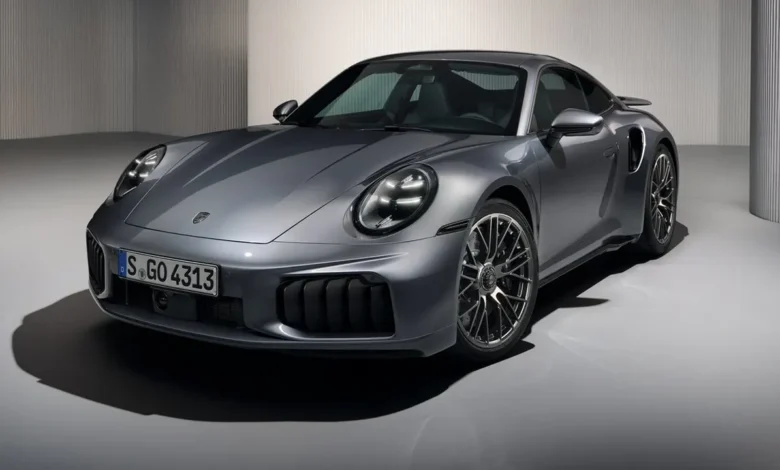
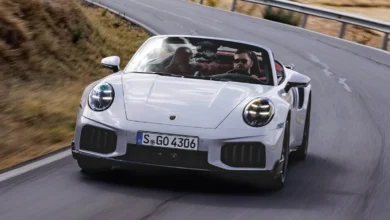
The supercar landscape of 2026 is the most spectacular, the most technologically advanced and the most aggressively competitive in the history of the performance automobile. Mid-engine carbon-fibre missiles from Lamborghini and Ferrari produce more than 800 combined horsepower. McLaren builds track weapons of such aerodynamic sophistication that their road car applications are genuinely constrained by tyre technology rather than chassis capability. Electric hypercars deliver torque figures that make traditional performance metrics temporarily meaningless. And through all of this spectacle, through every generation of Italian drama and British engineering theatre, one car has maintained its position at the very summit of the performance car world not by being the loudest or the most dramatic or the most technologically ostentatious but by being the best — the most consistently accomplished, the most completely rewarding and the most honestly excellent performance automobile available at its price point or, in many assessments, at any price point whatsoever. The Porsche 911 is that car. It was that car in 1964 when it replaced the 356, it was that car in 1989 when Porsche rebuilt its reputation on the 964’s back and it is unambiguously, comprehensively and convincingly that car in 2026. Here are five reasons why.
Gallery: Porsche 911
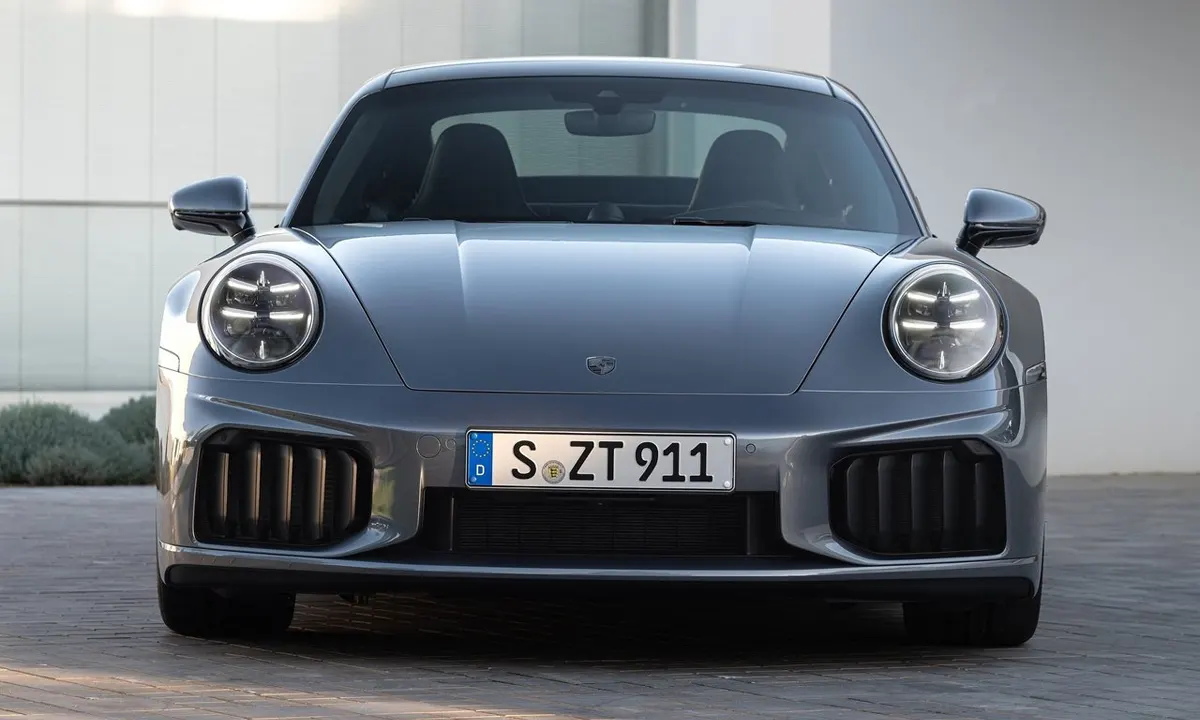
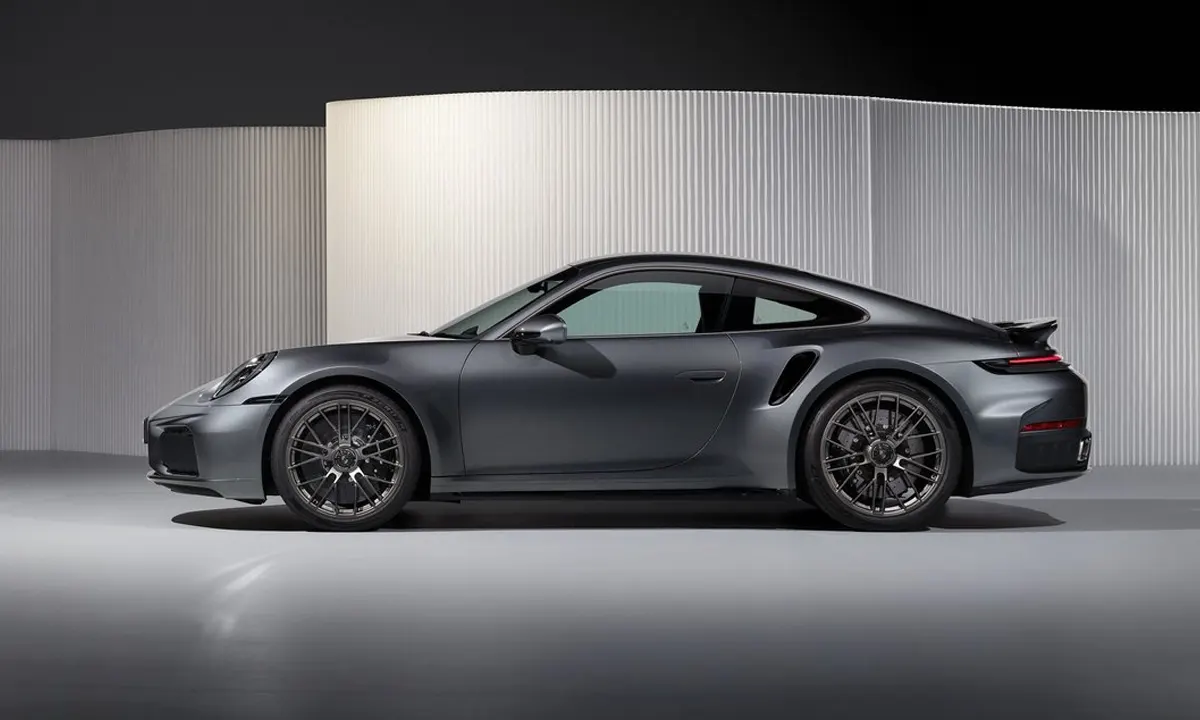
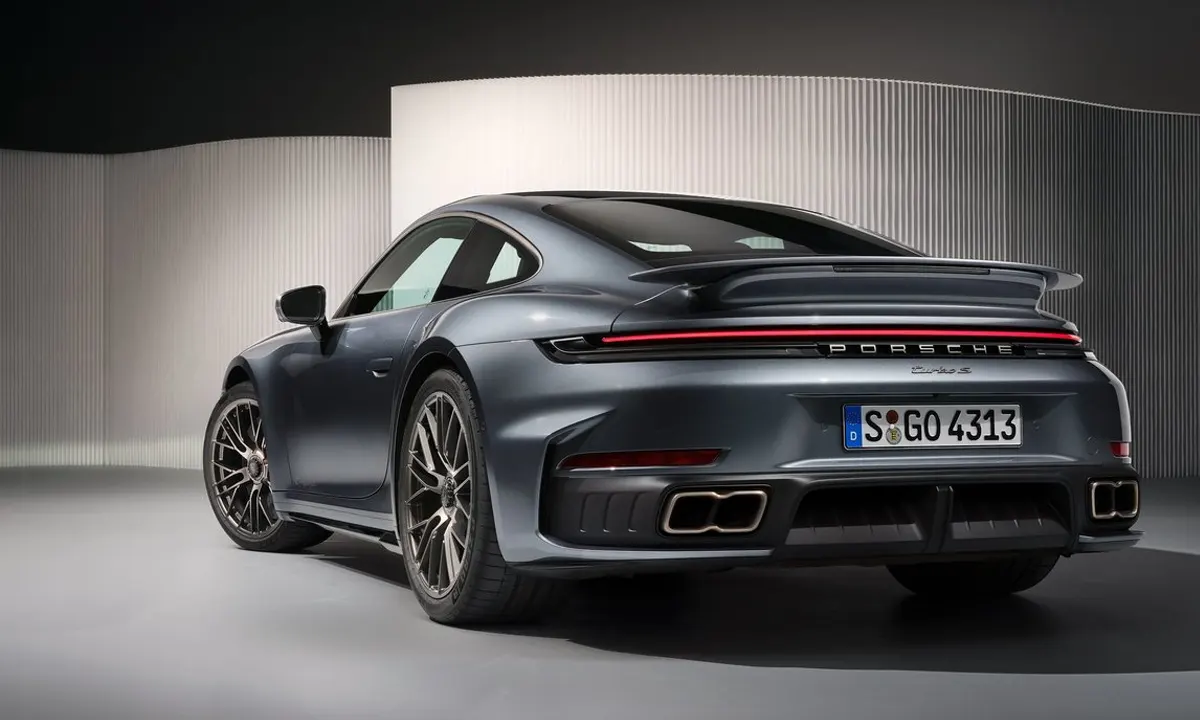
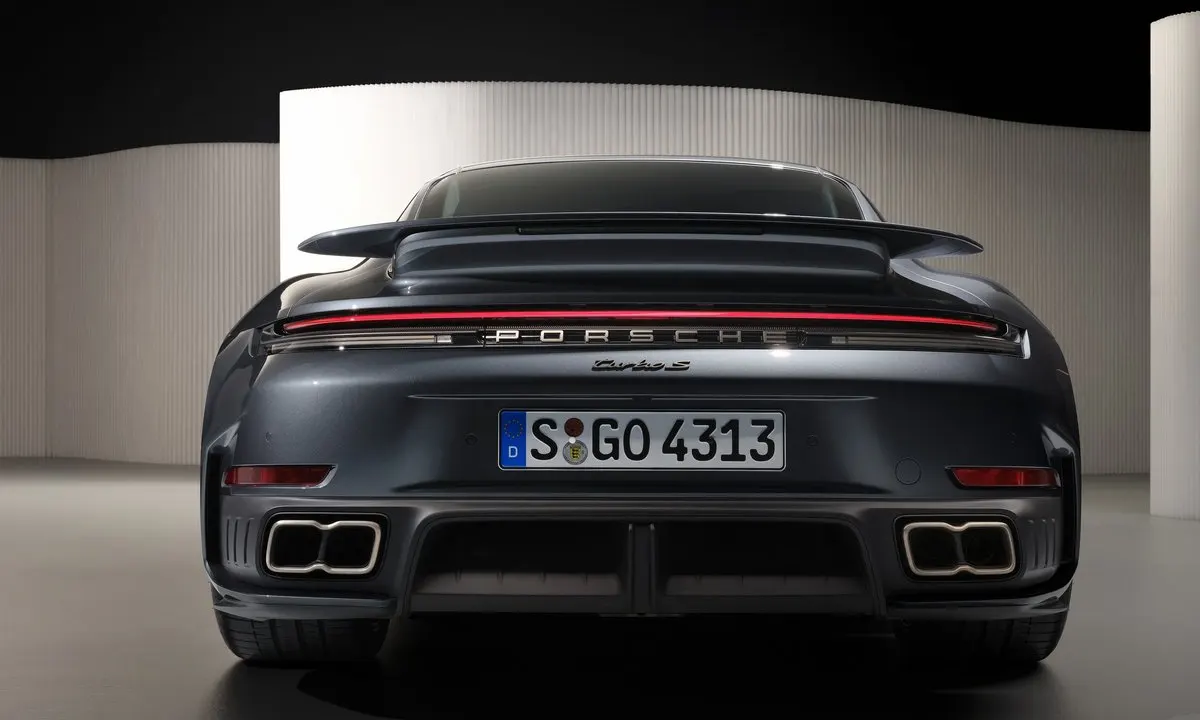
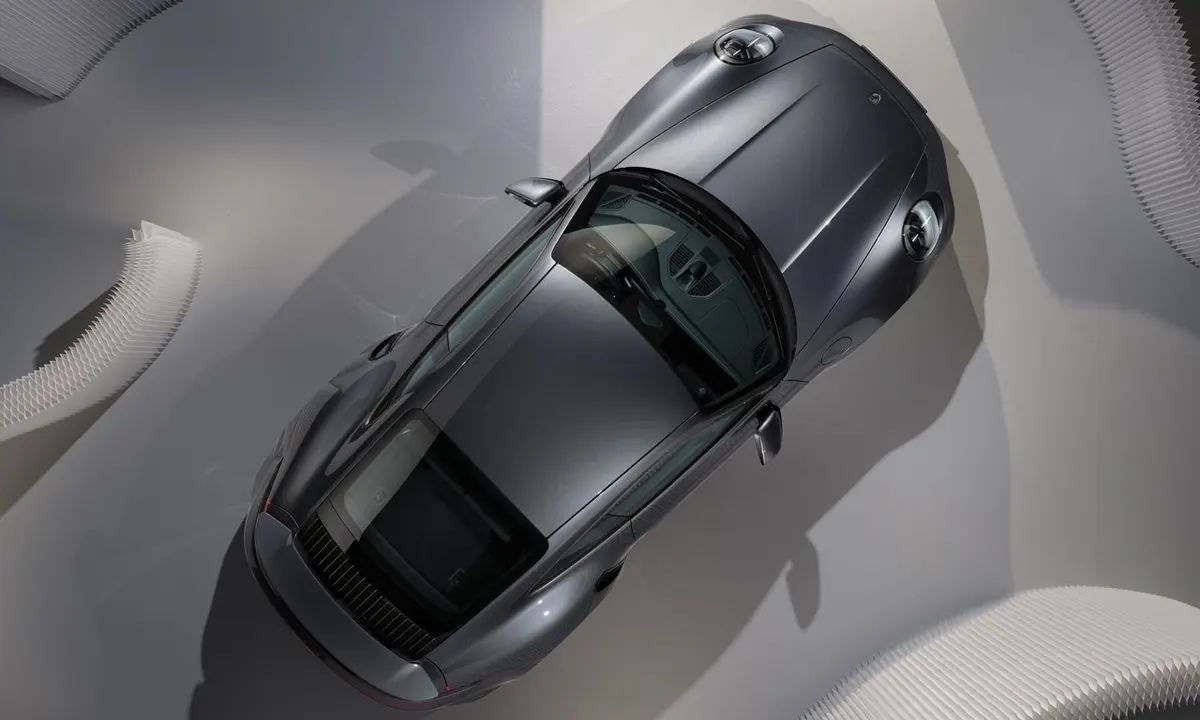
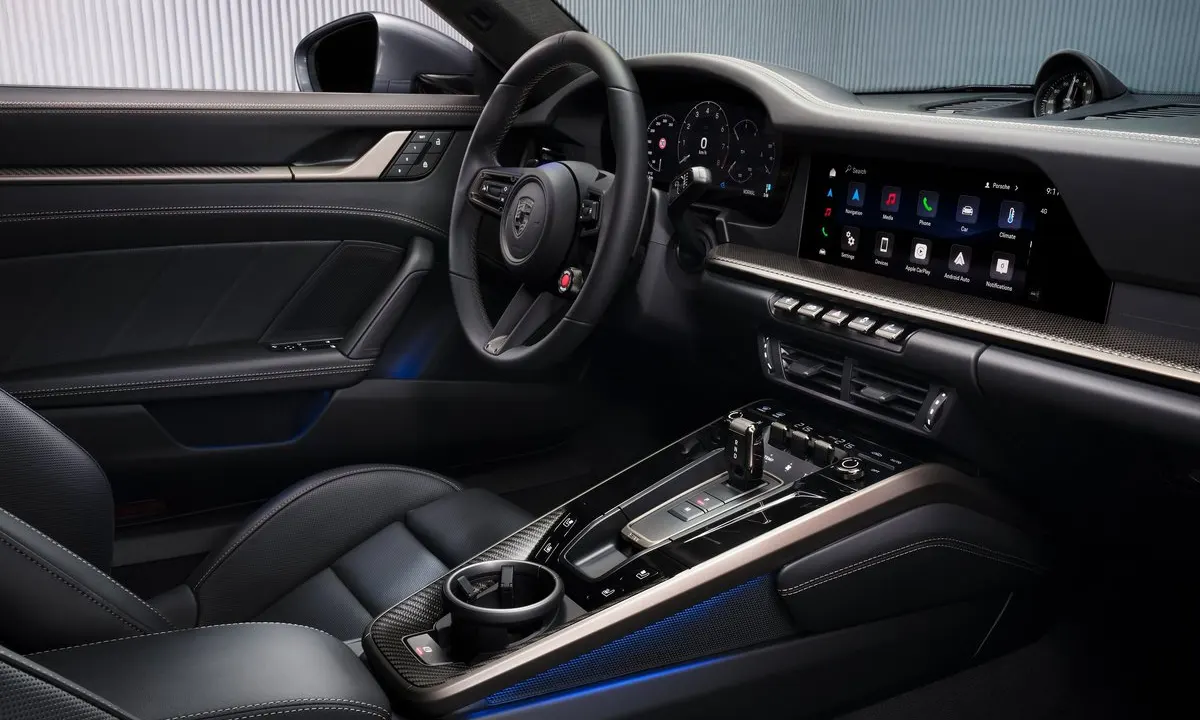
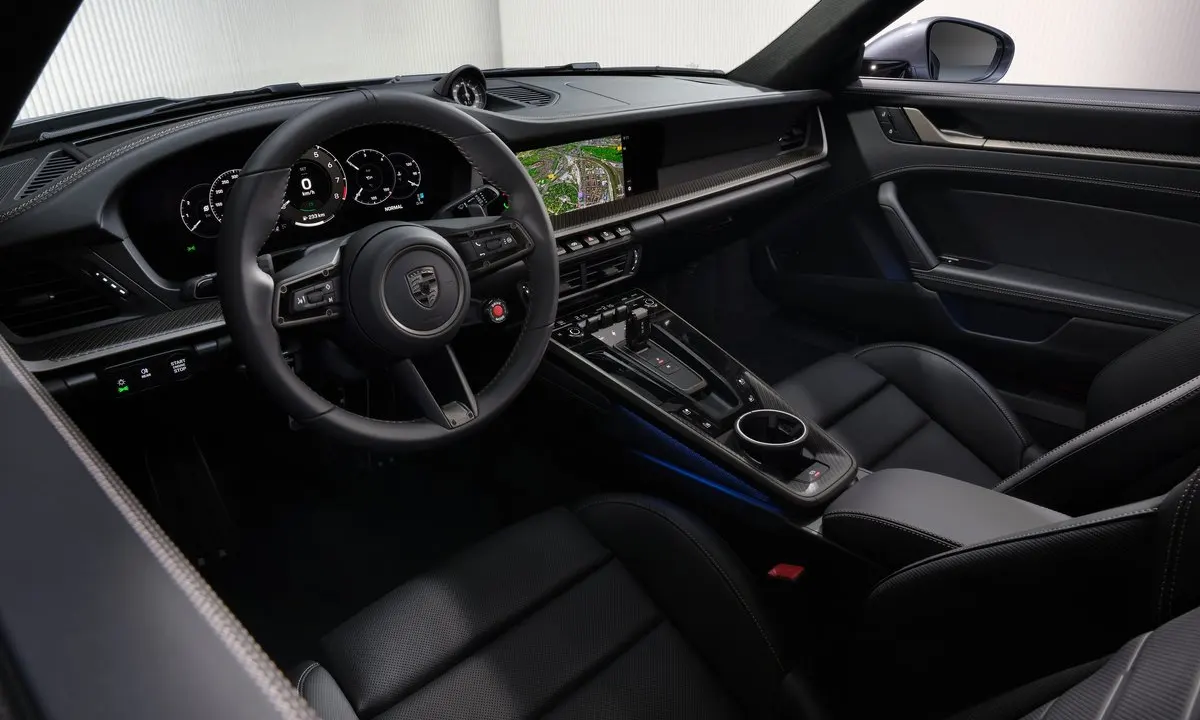
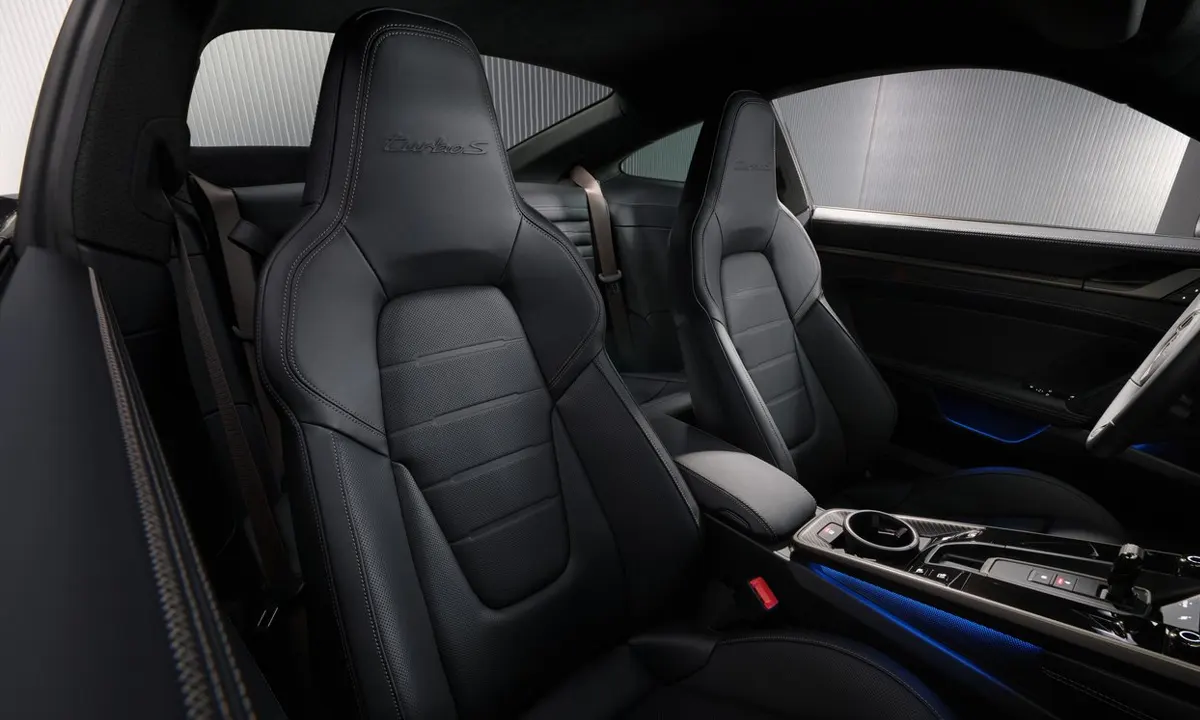
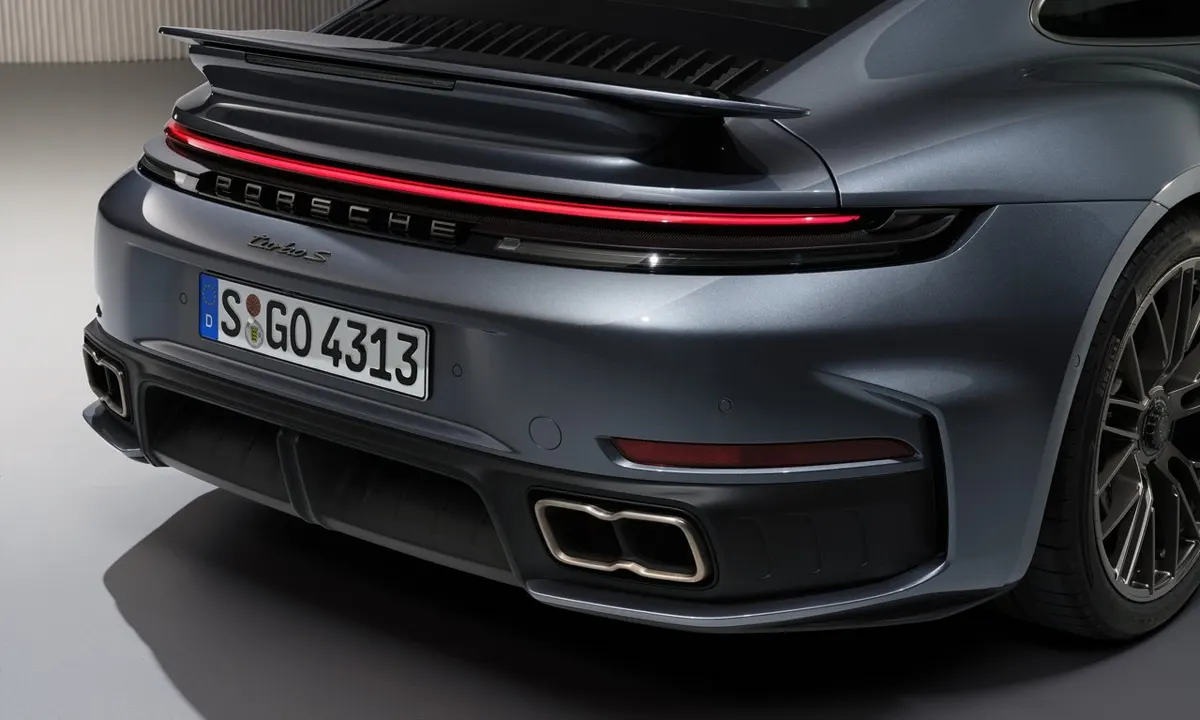
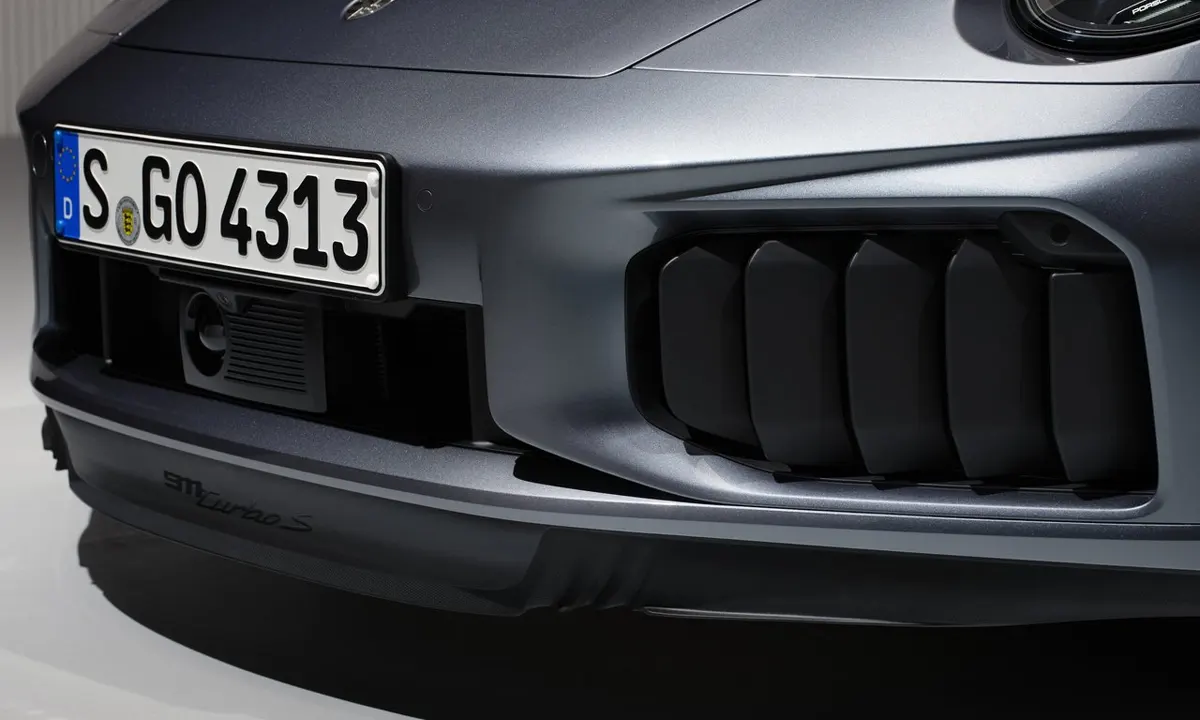
Reason One: Six Decades of Rear-Engine Development That No Competitor Can Buy or Copy
The fundamental engineering advantage that the Porsche 911 possesses over every mid-engine supercar rival it faces — and virtually all of its performance competitors from Lamborghini, Ferrari, McLaren and Mercedes-AMG are mid-engine configurations — is not one that any amount of engineering resource can purchase in the short or medium term. It is the accumulated knowledge, the chassis refinement and the dynamic wisdom of sixty-plus years of continuous development of a single vehicle layout that Porsche’s engineers understand more completely and more intimately than any other engineering team on Earth understands anything. The rear-engine layout that Ferdinand Porsche’s team chose for the original 911 in 1963 was, in the context of that era’s engineering understanding, considered a compromise — a weight distribution and centre of mass configuration that created handling challenges whose management required constant engineering attention. Every generation of 911 engineering since has addressed those challenges with increasing sophistication, and the result in 2026 is a vehicle whose rear-engine layout — once feared and once criticised — is now the source of dynamic qualities that no mid-engine alternative can replicate.
The traction advantage of a rear-engine car — its driven wheels bearing the weight of the engine directly above them — provides a contact patch loading advantage at the moment of acceleration that mid-engine and front-engine layouts cannot match. The feel and communication of a 911 at the limit, where the rear axle’s loading and its relationship to available grip can be sensed by an attentive driver with a resolution and an immediacy that Ferrari’s and Lamborghini’s mid-engine configurations cannot provide at equivalent speeds, is the product of this layout’s specific dynamic character — one that Porsche has refined to such completeness that the 992 generation’s handling rewards skilled drivers with a depth and a transparency of communication that is genuinely unique in the current sports car market. No competitor has sixty years of the same lesson. The 911 does not share this advantage. It simply possesses it — and the gap between sixty years of development and five or ten years of mid-engine refinement is not one that engineering budget alone can close.
Reason Two: The Flat-Six Engine Is a Mechanical Masterpiece That Defines Performance Fidelity
Every automotive journalist who has driven a current 911 GTS or GT3 in 2026 has arrived at a similar conclusion through their own independent route — the Porsche flat-six is the engine against which the emotional character of every other performance powertrain is ultimately and inevitably measured. The base Carrera’s 3.0-litre twin-turbocharged flat-six produces 394 horsepower with a power delivery whose linearity, whose throttle response and whose mechanical refinement is consistently described as the standard of the turbocharged sports car engine class. The GTS’s 3.6-litre naturally aspirated flat-six, deployed in the GT3 and GT3 RS, revs to 9,000 rpm and delivers its 510 horsepower with the instantaneous, uninterrupted, mechanical directness of a race engine whose every revolution communicates something meaningful to the driver — a quality that turbocharged competitors of equivalent or greater power cannot replicate because the fundamental physics of boost pressure buildup interposes a measurable delay between driver input and engine response that the naturally aspirated flat-six simply does not experience.
The flat-six’s horizontally opposed configuration provides the lowest possible engine centre of gravity compatible with its displacement — a packaging advantage that contributes directly to the 911’s handling balance and whose benefits compound across the full range of dynamic demands the car faces. The engine’s mechanical sound signature, which builds from a purposeful mechanical idle to a high-frequency, metallic-edged howl at the upper reaches of its rev range, is one of the most celebrated acoustic experiences in the current automotive world — an engine voice that is unmistakably, immediately and emotionally Porsche in a way that no badge on any rival’s engine cover can substitute for or replicate. Car and Driver’s independent testing of the 2025 Carrera T found a braking distance from 60 miles per hour of just 98 feet — shorter than the Chevrolet Corvette Z06 by six feet, despite the Corvette outweighing the 911 by nearly 300 pounds. Lateral grip of 1.10g on the skidpad, also exceeding the Corvette Z06’s 1.06g figure, confirms that the 911’s mechanical excellence extends across every performance metric, not merely the powertrain ones.
Reason Three: Daily Usability That Makes Every Other Supercar Feel Punitive
The characteristic that most decisively separates the Porsche 911 from the majority of supercars in the current market — including many whose performance credentials are technically superior to the standard 911’s — is the completeness and the genuineness of its daily usability. Understanding what this actually means in practice requires experiencing both sides of the comparison: a week in a 911 Carrera and a week in a mid-engine Italian supercar whose equivalent performance specification costs a comparable or greater amount. The conclusions of every automotive journalist who has made this comparison honestly and specifically are consistent and clear. The 911 is the car you can drive to work on a rainy Tuesday without anxiety. It is the car that fits in a standard parking space, provides outstanding forward and lateral visibility for a performance car whose ride height and window area are dramatically less compromised than a mid-engine alternative’s, accommodates two carry-on suitcases in its front trunk and two briefcases in the rear seat area and whose adaptive suspension provides a genuinely comfortable ride over imperfect urban road surfaces when configured in its most compliant mode.
The 911 Carrera 4S, which adds all-wheel drive to the core Carrera specification, provides the all-weather traction confidence that owners in northern and mountainous American states require for year-round use — a practical capability that renders it genuinely usable as a sole or primary vehicle in weather conditions that most supercars demand garage time to avoid. The cabin’s dual-zone automatic climate control, its 10.9-inch infotainment touchscreen with wireless Apple CarPlay and its available 18-way adaptive sport seats provide luxury car comfort standards within a sports car that costs and performs at supercar levels. No Lamborghini Huracán or Ferrari Roma at a comparable price provides this breadth of daily usability without meaningful compromise in at least one of the dimensions — ride quality, visibility, parking ease, cargo capacity or all-weather capability — that the 911 addresses simultaneously and completely.
Reason Four: Reliability That Its Competition Cannot Match Across Any Meaningful Timeframe
The Porsche 911’s reputation for mechanical reliability — earned through decades of consistent performance in owner surveys, long-term test programmes and the rigorous assessment of independent organisations including Consumer Reports and J.D. Power — is the competitive advantage that the 911’s Italian competitors have most consistently and most conspicuously failed to match across the entire modern era of performance car production. Lamborghini and Ferrari produce extraordinary machines of genuine engineering ambition and emotional intensity. They also, as the consistent evidence of long-term ownership surveys confirms, produce vehicles whose maintenance requirements, unexpected repair frequencies and dealer service dependencies place meaningful financial and logistical burdens on their owners that the 911’s ownership profile does not impose at comparable severity.
The 992 generation Porsche 911 has received above-average reliability assessments in every independent survey that has evaluated it with sufficient sample size to produce statistically meaningful conclusions. The PDK dual-clutch transmission — one of the most praised automatic gearboxes in any production vehicle — has demonstrated exemplary long-term durability across the 991 and 992 generation’s combined production history, with no systematic failure modes emerging across hundreds of thousands of units and tens of millions of accumulated operating miles. The latest 992.2 generation’s T-Hybrid system — integrating a belt-driven electric motor with the existing PDK and the brand’s 400-volt electrical architecture — was developed using evolutionary rather than revolutionary engineering principles, ensuring that the hybrid hardware’s long-term reliability benefits from the proven foundation of the mechanical systems it supplements rather than replacing them with entirely new and less developed alternatives. For buyers whose ownership horizon extends beyond the warranty period — and whose financial exposure to unexpected repair bills is a real rather than theoretical concern — the 911’s reliability advantage over its Italian competitors translates directly and measurably into long-term total cost of ownership savings of meaningful magnitude.
Reason Five: Resale Value That Transforms Ownership Into a Long-Term Financial Proposition
The Porsche 911’s resale value performance is the final and, for many buyers, the most practically significant advantage it holds over most supercar competitors — a dimension of ownership economics that is less immediately exciting than lap times or exhaust notes but whose financial implications across a typical ownership period can be substantial enough to transform the 911’s cost of ownership from a pure expense into something approaching a rational investment. Most supercars depreciate at rates that reflect their exotic character, their maintenance complexity and the relatively narrow market of buyers qualified to purchase, insure and operate them at the asking prices their condition commands. The 911 depreciates at rates that consistently and meaningfully underperform the broader luxury sports car market — retaining its value across typical five-year ownership periods at rates that Car and Driver, Edmunds and CarEdge identify as among the strongest in the premium sports car segment.
Certain 911 variants — the GT3, GT3 RS, GT3 Touring and limited-edition models including the Dakar and the recently announced 911 S/T — have, in specific market conditions and for defined periods following their production, appreciated above their original purchase prices while remaining in private ownership. This performance is not universal and is not guaranteed by purchase — collector car markets are subject to sentiment shifts and economic conditions that no individual buyer can fully control or predict. What it does demonstrate, however, is the depth and the breadth of the market demand for the 911 across its production range — a demand whose consistency over sixty years of production is the most persuasive available evidence that the 911 is not merely a performance car but a permanent fixture of the automotive world’s most enduring and most deeply held enthusiast convictions. Buying a 911 in 2026 is not merely purchasing a supercar-grade performance experience. It is purchasing a piece of automotive history whose appreciation by the market has never, across any extended period in the car’s sixty-year production life, been seriously in question.
Read: Used Porsche 911 Buying Guide. Everything You Need to Know Before Purchasing in US
The 911 vs. Its Supercar Rivals at a Glance
| Category | Porsche 911 Carrera GTS | Ferrari Roma | Lamborghini Huracán Evo |
| Starting MSRP | $148,050 | $222,620 | $261,274 |
| Engine Configuration | Rear-Mounted Flat-Six | Mid-Front V8 | Mid-Mounted V10 |
| Horsepower | 473 hp | 612 hp | 631 hp |
| 0–60 mph | 3.0 Seconds | 3.3 Seconds | 2.9 Seconds |
| Rear Seats | Yes (Usable for Small Adults) | Yes (Very Limited) | No |
| Front Trunk | Yes (4.6 cu ft) | Yes (Limited) | No |
| All-Season Capability | Yes (Carrera 4 AWD) | No (RWD Only) | Yes (AWD) |
| Visibility (Journalist Rating) | Excellent for Segment | Below Average | Below Average |
| 5-Year Depreciation | 20–30% (Approx.) | 35–45% (Approx.) | 40–50% (Approx.) |
| Reliability (KBB Consumer) | 4.2 / 5.0 | Not Rated (Small Sample) | Not Rated |
| Manual Gearbox Availability | Yes (Carrera T / GT3) | No | No |
| Development Lineage | 60+ Years Continuous | New Generation | 10 Years |