Afeela 1 Sedan Is Officially Dead. Inside Story of How Honda’s EV Strategy Collapse Killed Sony’s Most Ambitious Automotive Dream
Honda's $15.8 Billion EV Write-Down, Trump Tariffs, a Crowded Luxury Electric Market and the Collapse of a Shared Technology Platform Combine to End One of the Most Talked-About and Most Technologically Adventurous Electric Car Projects of the Past Decade
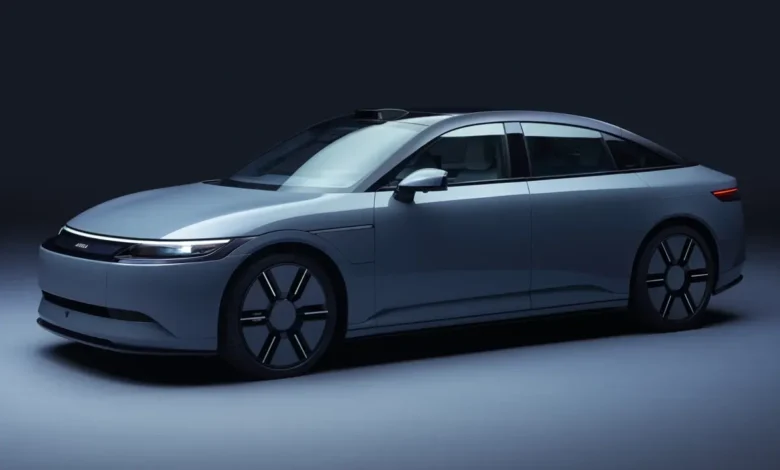
On March 25, 2026 — just four days after Sony Honda Mobility celebrated the grand opening of a brand-new Afeela delivery studio in Torrance, California — the company made one of the most abrupt and most consequential announcements in recent automotive history. The Afeela 1 electric sedan, a vehicle that had been under development since the joint venture’s founding in September 2022, that had been formally unveiled as a production-intent model at CES 2025 with a starting price of $89,900 and reservations already accepted from California buyers, and that had advanced to pre-production status at Honda’s East Liberty Auto Plant in Ohio, was canceled. Effective immediately. So was the second Afeela model — an electric SUV that had been shown as a concept at CES 2026 in January, with an intended production date of 2028. Neither vehicle will ever reach a customer. The $200 refundable reservation deposits placed by prospective buyers are being returned in full. And the joint venture that Sony Group Corporation and Honda Motor Company established with such ambition, such optimism and such a genuinely compelling vision of what a software-defined luxury electric vehicle could be in the hands of two of Japan’s most technologically capable companies has been placed under strategic review, its future direction undefined and its near-term relevance to the electric vehicle market effectively nullified.
Gallery: Afeela 1
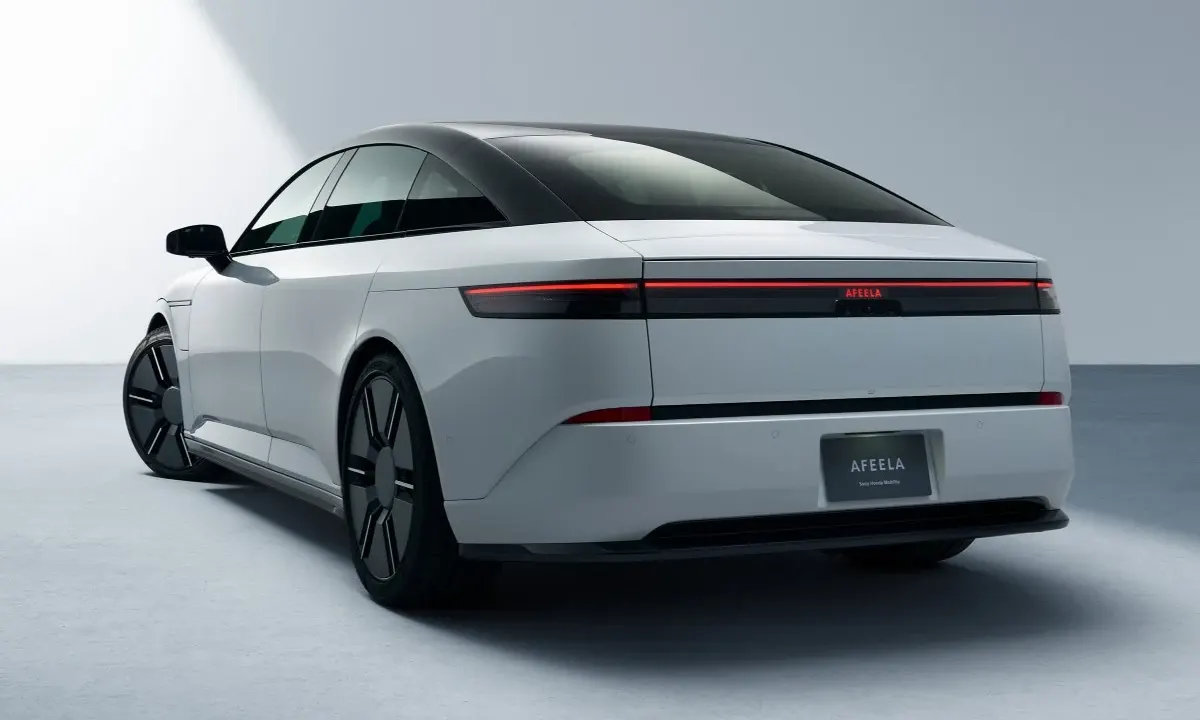
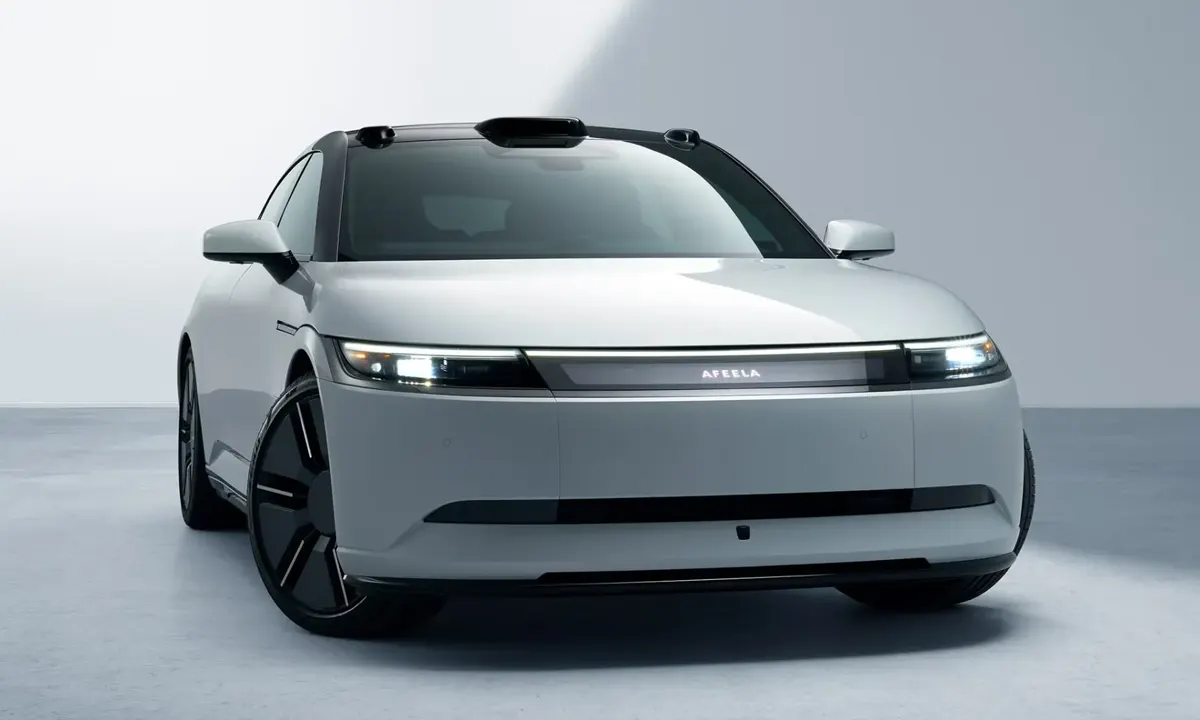
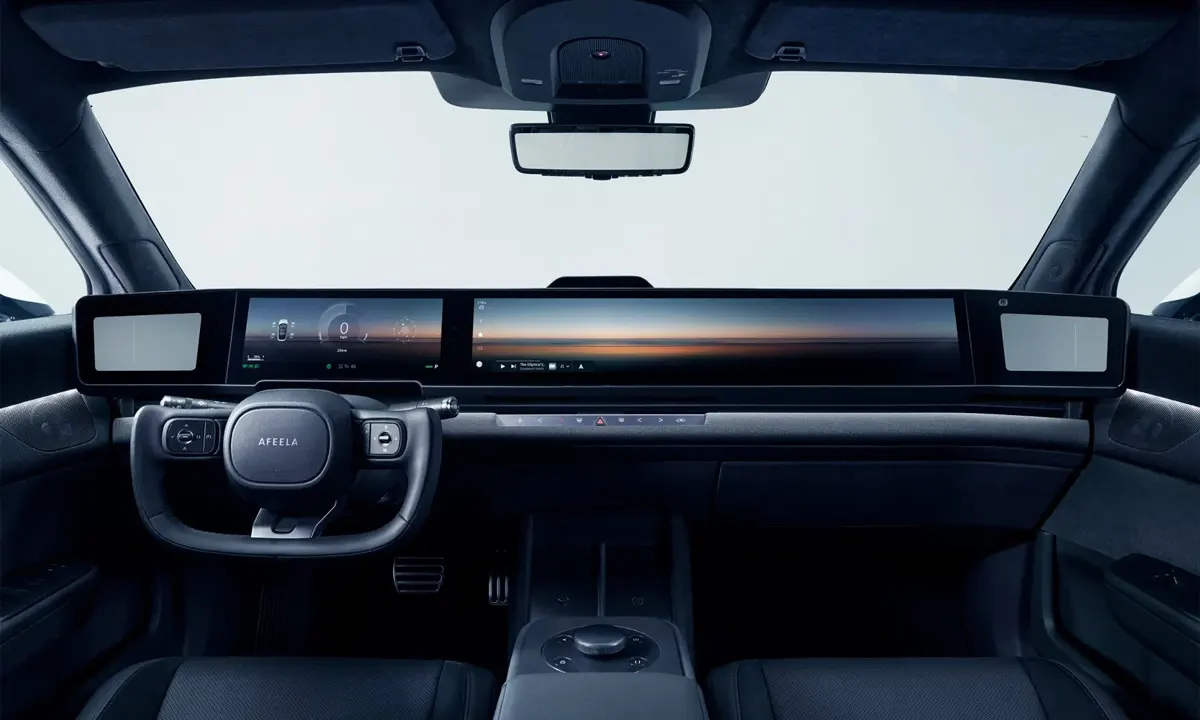
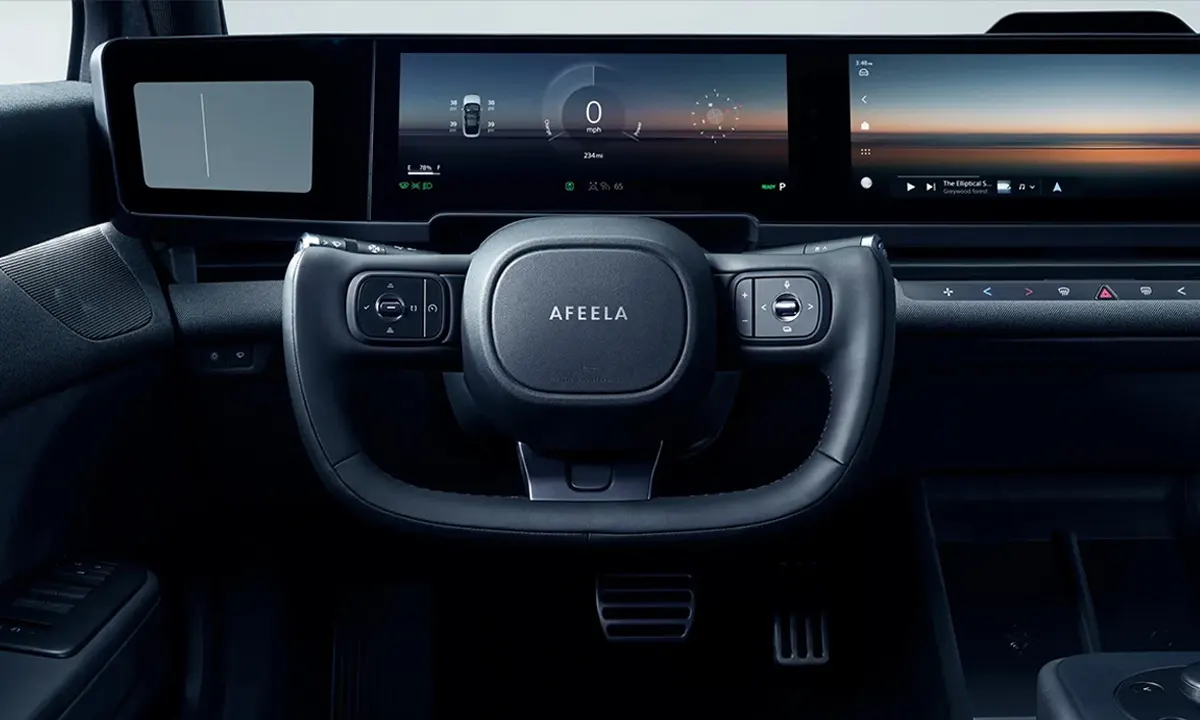
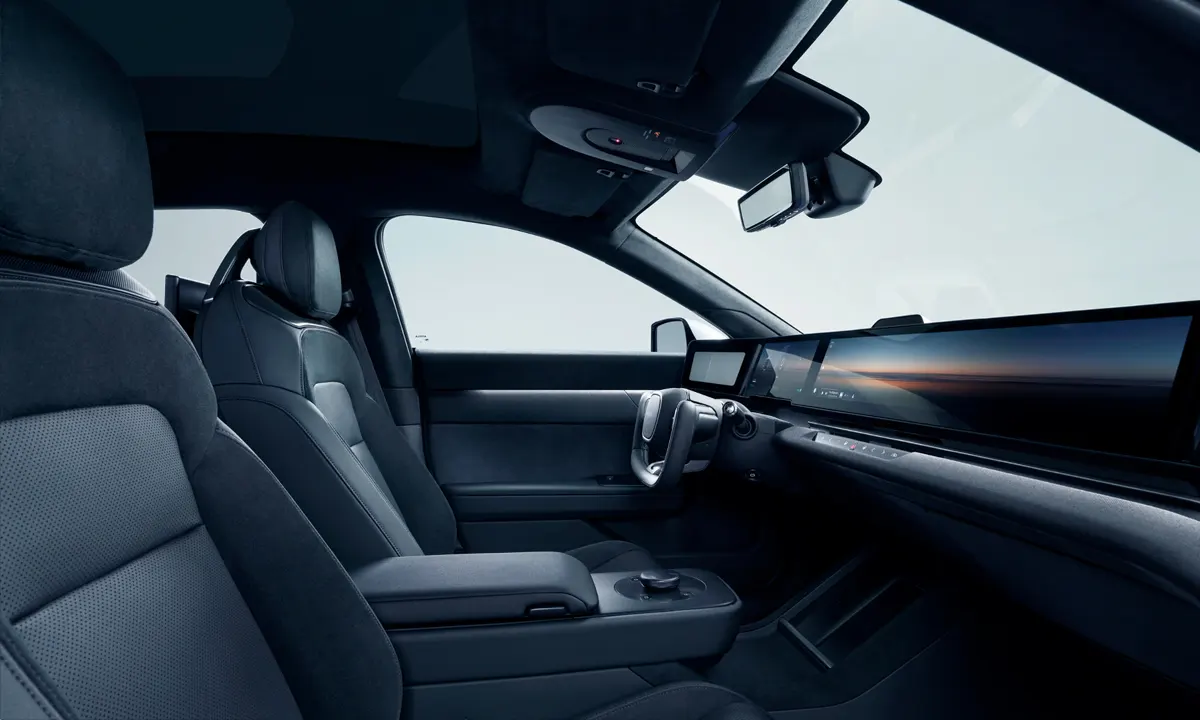
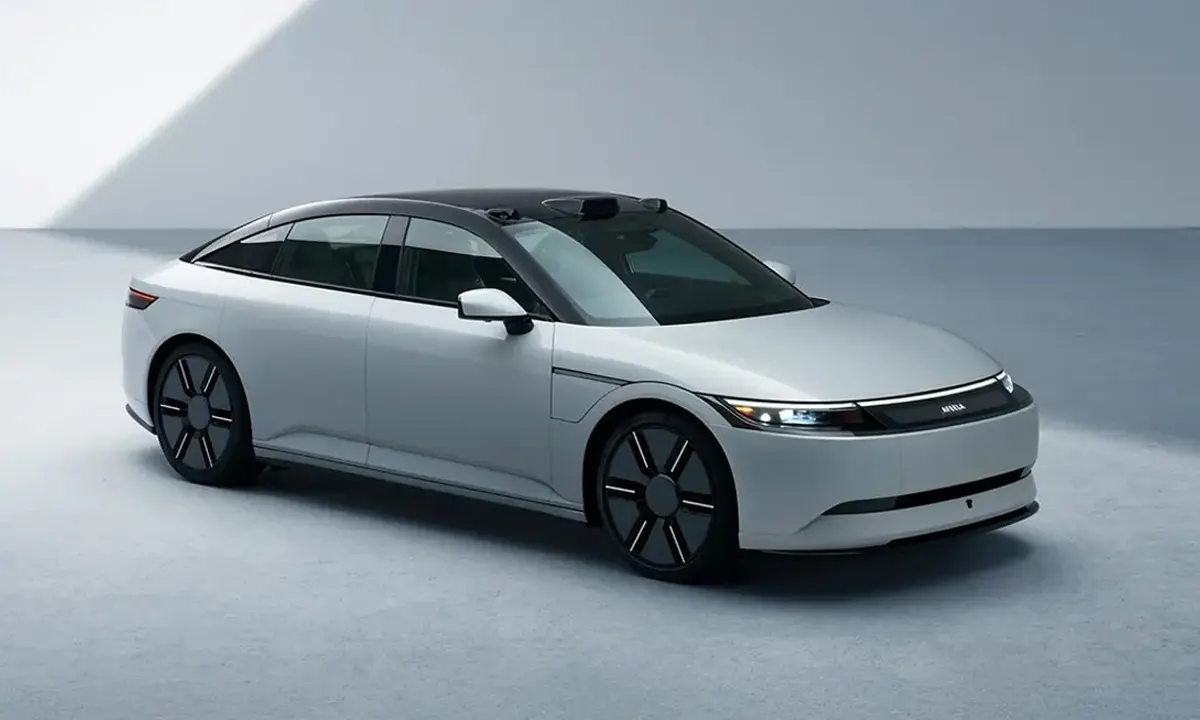
The cancellation of the Afeela 1 is not simply the failure of a single product programme. It is the collapse of an entire philosophy of electric vehicle development — one that believed the fusion of consumer electronics expertise, gaming technology and traditional automotive manufacturing capability could produce a luxury EV that would compete credibly with Tesla, Lucid and Mercedes-Benz at the premium end of the American market. Understanding how a project of such ambition, such resources and such technological sophistication arrived at complete cancellation in less than four years requires examining the chain of decisions, market realities and strategic miscalculations that accumulated around the Afeela programme from its earliest stages through the final announcement that brought it to its premature conclusion.
The Vision: Where Sony’s Entertainment Empire Met Honda’s Manufacturing Mastery
The origins of the Afeela programme can be traced to January 2020, when Sony unveiled its Vision-S concept at the Consumer Electronics Show — a functional prototype electric sedan built on a Magna-supplied platform that was designed to showcase Sony’s imaging technology, audio engineering and artificial intelligence capabilities in an automotive context. The Vision-S was technologically extraordinary for a consumer electronics manufacturer’s first automotive foray, incorporating a dashboard-spanning display, 360-degree audio and a suite of 33 sensors that gave the vehicle a sensory awareness capability that most production cars of the era could not approach. When Sony announced a formal joint venture with Honda in March 2022, combining Sony’s software, entertainment and sensor expertise with Honda’s decades of automotive manufacturing experience and its established manufacturing infrastructure in the United States, the logic of the partnership seemed compelling and commercially viable in ways that Sony’s independent automotive ambitions never quite did.
The Afeela brand was unveiled at CES 2023, and the production version of the Afeela 1 sedan debuted at CES 2025 with specifications that reflected the joint venture’s ambitions clearly and comprehensively. The car was positioned as a software-defined vehicle of the most thorough kind — equipped with 40 sensors in total, encompassing 18 cameras, one LiDAR unit, nine radar sensors and twelve ultrasonic sensors, providing an autonomous driving sensor suite of extraordinary completeness for a production road car at this price point. Inside, the cabin was built around the concept of mobility as a creative entertainment space — featuring a panoramic dashboard display powered by Unreal Engine, the graphics platform that drives the most visually advanced video game productions, and an Afeela Personal Agent AI system that responded to natural language commands to manage the car’s functions, entertainment systems and connected services through conversational interaction. PlayStation integration was available, and Sony’s entertainment ecosystem — music, video, gaming — was woven into the ownership experience in ways that reflected the company’s understanding of how consumers engage with entertainment technology.
The Afeela 1 was offered in two trim levels: the Origin at $89,900 with deliveries planned for 2027, and the Signature at $102,900 — the launch specification intended to begin California deliveries by the end of 2026. Both variants used a single all-wheel-drive powertrain with an estimated 300-mile range on a full charge and a 150-kilowatt maximum DC fast charging capability — specifications that were competitive without being class-leading in a market that had moved rapidly in the direction of longer range, faster charging and more accessible pricing since the Afeela programme’s original concept was defined in 2022.
The Collapse: Honda’s Strategic Reversal and a $15.8 Billion Write-Down
The proximate cause of the Afeela 1’s cancellation is traceable to a single announcement made by Honda Motor Company on March 12, 2026 — thirteen days before the joint venture confirmed the cancellation of both Afeela models. Honda revealed a sweeping and dramatic reversal of its electric vehicle strategy, canceling the 0 Series Sedan, the 0 Series SUV and the Acura RSX revival — three models that had been announced, developed and, in the case of the 0 Series, publicly celebrated as the centrepiece of Honda’s American EV strategy for the decade ahead. The financial consequences of this reversal were staggering: Honda announced it would book charges of up to 2.5 trillion Japanese yen — approximately $15.8 billion — as a direct consequence of abandoning these programmes. The company cited United States tariff policy under the Trump administration’s trade agenda, waning consumer demand in key markets and intensifying price competition from Chinese electric vehicle manufacturers as the primary drivers of the strategic reassessment.
The direct connection between Honda’s EV strategy collapse and the Afeela cancellation was both immediate and irreversible. The Afeela 1 and its planned SUV successor were both designed to share a dedicated electric vehicle platform that Honda had committed to developing and providing to the joint venture as part of the foundational assumptions of Sony Honda Mobility’s business plan. When Honda canceled that platform alongside its own 0 Series models, the technological foundation on which both Afeela vehicles depended ceased to exist. Sony Honda Mobility acknowledged this reality directly in its March 25 announcement, stating that it would be unable to utilise certain technologies and assets that were originally planned to be provided by Honda and that the fundamental assumptions of the joint venture’s business operations had been irreversibly altered. Without the Honda platform, there was no viable path to bring either Afeela model to market as originally planned — and the cost and timeline required to develop an alternative platform from scratch would have been commercially prohibitive for a joint venture whose entire strategic rationale rested on Honda’s manufacturing backbone.
The Wider Context: A Market That Had Moved Against the Afeela
The honest assessment of the Afeela 1’s market position at the time of its cancellation reveals that even if Honda’s platform had remained available and the joint venture had proceeded with production, the car would have faced commercial challenges of considerable severity. The American luxury electric sedan market had evolved dramatically between 2022, when the Afeela programme was conceived, and 2026, when it was terminated. At $89,900 to $102,900, the Afeela 1 competed directly with the Tesla Model S — a vehicle whose performance credentials, charging network infrastructure and brand recognition gave it commanding advantages — alongside the Lucid Air, whose range figures and charging speed significantly exceeded the Afeela 1’s 300-mile range and 150-kilowatt charging rate, and the Mercedes-Benz EQS, which offered the backing of one of the world’s most established luxury automotive brands alongside its technological specification.
The Afeela 1’s competitive differentiation rested primarily on its software ecosystem, its Sony entertainment integration and its sensor suite — capabilities that were genuinely impressive in the context of their development timeline but that, by 2026, were no longer the sole preserve of a Sony-backed electric vehicle. Tesla’s own software capabilities, Rivian’s adventure-focused ecosystem and the increasingly sophisticated in-car technology of BMW, Mercedes-Benz and Hyundai’s Genesis brand had all advanced to the point where the Afeela’s technology proposition, while distinctive, was no longer the paradigm-shifting competitive advantage that the joint venture’s founders had anticipated when they conceived the programme in 2022. The broader American EV market had simultaneously shifted toward more value-conscious purchasing behaviour — driven in part by the Trump administration’s retreat from federal EV purchase incentives — making the $89,900 to $102,900 price bracket considerably more difficult to sustain for a brand without established heritage, proven reliability records or the dealer and service network infrastructure that traditional automotive manufacturers provide.
The pre-production activity at Honda’s East Liberty plant in Ohio, which had commenced in the autumn of 2025 to prepare for Afeela 1 production, represents perhaps the starkest illustration of how advanced the programme was at the moment of its termination. This was not a concept that was canceled before engineering work began or a prototype that was withdrawn before production tooling was ordered. It was a vehicle in the final stages of preparation for customer deliveries — a car that had been shown, sat in and evaluated by prospective buyers at six Afeela studio showrooms across California, whose reservation list had been actively growing and whose delivery studio in Torrance had been formally opened with celebration just four days before the cancellation was announced. The timing of the Torrance studio opening, in retrospect, serves as one of the more poignant ironies of the Afeela story — a moment of institutional optimism that preceded the project’s termination by less than a working week.
What Remains: A Joint Venture Without a Product and a Future Without Definition
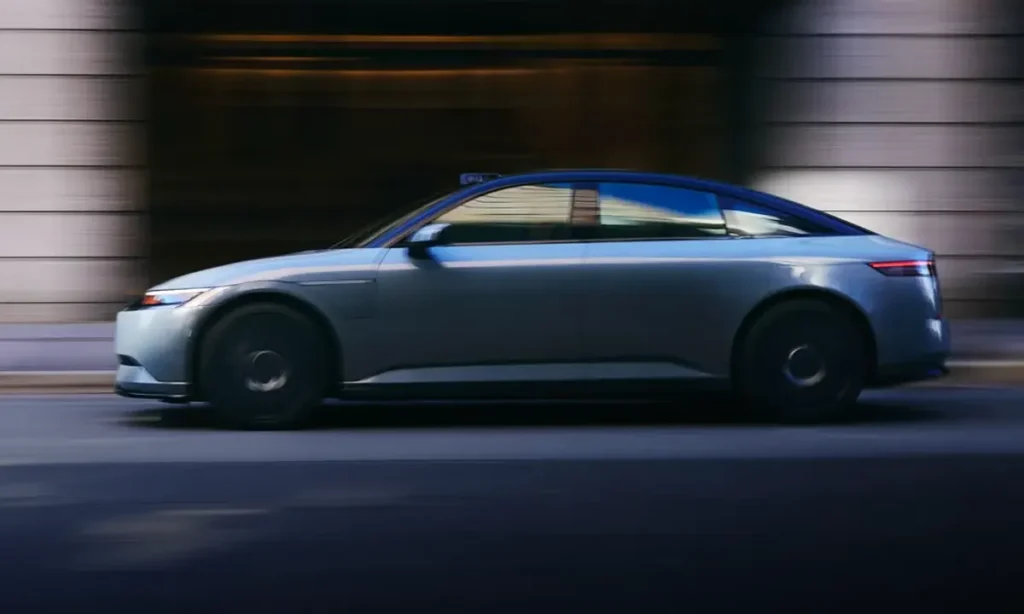
The cancellation of both Afeela models does not, by the formal statements of both Sony and Honda, represent the dissolution of the Sony Honda Mobility joint venture itself. Both companies have confirmed that they intend to continue discussions regarding the future business direction of the venture and have committed to announcing their mid- to long-term positioning at the earliest possible opportunity. The nature of that future direction is, at the time of writing, entirely undefined — and the credibility of any new product announcement from a joint venture that has just abandoned its entire product portfolio in pre-production circumstances will require careful and patient restoration before the automotive press and the buying public extend it the benefit of the doubt that the Afeela brand’s original announcement received.
The $15.8 billion in charges that Honda is absorbing across its broader EV programme cancellations places the Afeela cancellation within a pattern of industry-wide EV strategy reassessment that is not exclusive to Japanese manufacturers. Ford, General Motors, Ram and several other American and European manufacturers have scaled back or discontinued electric vehicle programmes in the face of the same combination of market realities — tariff pressure, slower-than-projected consumer adoption and the relentless pricing pressure applied by Chinese manufacturers — that ultimately undid the Afeela project. The Afeela 1’s cancellation is, in this sense, both a specifically Japanese story about a joint venture’s strategic vulnerability to its founding partner’s platform decisions and a broadly automotive story about the consequences of committing to electric vehicle programmes whose commercial viability is contingent on market conditions that the automotive industry’s long development cycles cannot reliably predict.
What the Afeela 1 will be remembered for — in the unavoidable retrospective that automotive history inevitably applies to ambitious projects that fail to reach production — is the clarity and the completeness with which it articulated a vision of what a software-defined luxury electric vehicle could be. The PlayStation integration, the Unreal Engine displays, the conversational AI agent and the 40-sensor autonomous driving suite were genuine achievements of product definition, even if the commercial and strategic foundations beneath them proved insufficient to sustain their journey to production. The Afeela 1 was, in every meaningful sense, a car before it was a car — a vision of mobile entertainment and connected luxury that deserved to be tested against the judgement of the market it was designed to serve. That the market will never have that opportunity is the Afeela programme’s most genuine and most enduring loss.
Read: Xiaomi Vision GT Concept Reveals a Stunning Futuristic Electric Hypercar
Afeela 1 Sedan – Key Facts at a Glance
| Category | Detail |
| Joint Venture | Sony Honda Mobility Inc. (SHM) |
| Founded | September 2022 |
| Parent Companies | Sony Group Corporation / Honda Motor Co., Ltd. |
| Brand Unveiled | CES 2023 (January 5, 2023) |
| Production Version Unveiled | CES 2025 (January 8, 2025) |
| Cancellation Announced | March 25, 2026 |
| Cancellation Reason | Honda’s EV Strategy Reversal (March 12, 2026) |
| Honda EV Write-Down | Up to $15.8 Billion (¥2.5 Trillion) |
| Planned Production Location | Honda East Liberty Auto Plant, Ohio |
| Pre-Production Status at Cancellation | Active (Fall 2025 Commenced) |
| Planned Deliveries (Signature) | Mid–Late 2026 (California) |
| Planned Deliveries (Origin) | 2027 |
| Signature Trim Price | $102,900 |
| Origin Trim Price | $89,900 |
| Reservation Fee | $200 (Refundable – Full Refunds Confirmed) |
| Powertrain | All-Wheel Drive (Single Configuration) |
| Estimated Range | Approx. 300 Miles |
| Max DC Charging Rate | 150 kW (NACS Port) |
| Sensor Suite | 40 Total (18 Cameras / 1 LiDAR / 9 Radar / 12 Ultrasonic) |
| Dashboard Display | Panoramic – Powered by Unreal Engine |
| AI System | Afeela Personal Agent (Natural Language) |
| Gaming Integration | PlayStation (Sony Ecosystem) |
| Second Model (SUV) | Shown CES 2026 – Planned 2028 – Also Canceled |
| US Showroom Studios | 6 (California) |
| Torrance Delivery Studio | Opened March 21, 2026 (Four Days Before Cancellation) |
| SHM Future | Under Strategic Review – Future Direction Undefined |
| Art Car Collaborations | Matt Copson / Hajime Sorayama (March 2026) |