Who Wins? Same Platform Different Universe. BMW 7 Series vs 2027 Mercedes-Maybach S-Class
One Starts at $106,875 and Wins Every Value Argument With Bowers and Wilkins Audio, a 31-Inch Theater Screen and Hands-Free Highway Driving. The Other Starts at $210,000 and Makes Every One of Those Arguments Feel Temporarily Irrelevant the Moment You Slide Into the Rear Seat
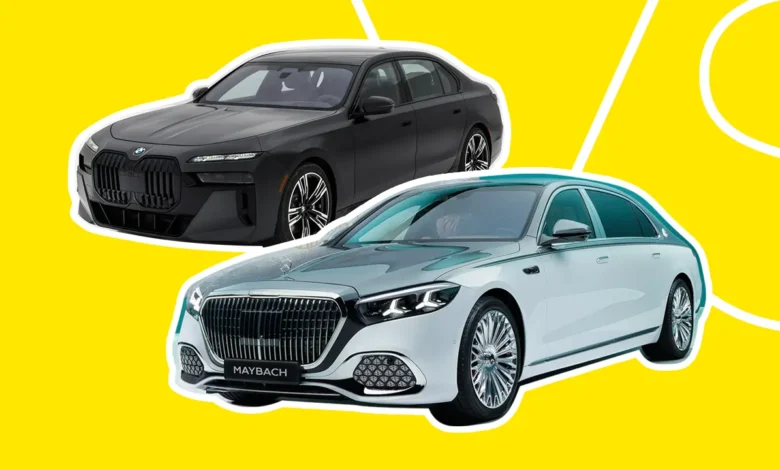
The 2025 and 2026 BMW 7 Series and the 2027 Mercedes-Maybach S-Class share the same fundamental market ambition — to provide their buyers with the finest expression of German full-size luxury sedan engineering available at the moment of purchase. They share a comparable wheelbase philosophy, a comparable commitment to rear passenger comfort, comparable infotainment sophistication and a comparable conviction that the full-size luxury sedan remains one of the automotive world’s most meaningful and most rewarding product propositions in an era increasingly dominated by SUVs and electric crossovers. And that is approximately where the similarities between these two extraordinary automobiles conclude — because in every dimension that separates adequate luxury from genuine opulence, the 2027 Mercedes-Maybach S-Class operates in a universe so distinct from the BMW 7 Series that the price gap between them, which begins at approximately $110,000 and expands rapidly as both vehicles are specified, does not feel like the result of marketing strategy or brand positioning. It feels like an honest and accurate reflection of the difference between what each car actually is and what it actually does. This comparison does not declare a winner. It explains, honestly and completely, why the question of which car is better depends entirely on which buyer is asking — and why both answers, in their respective contexts, are entirely correct.
Gallery: BMW 7 Series vs 2027 Mercedes-Maybach S-Class
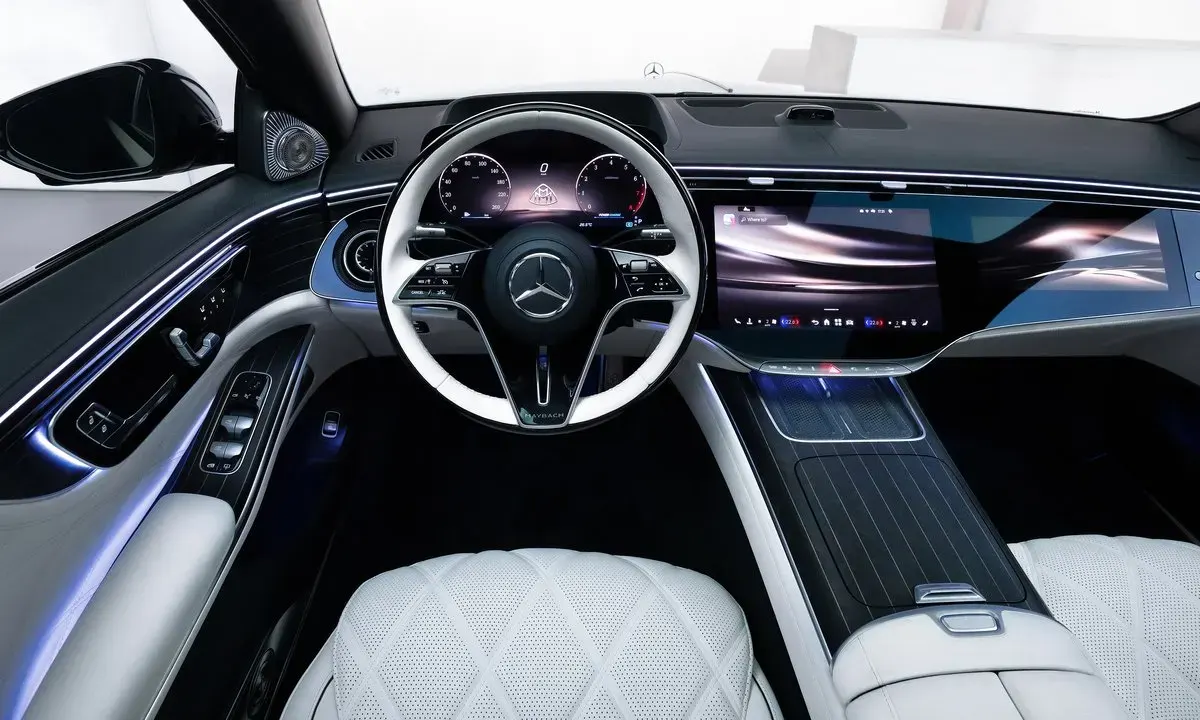
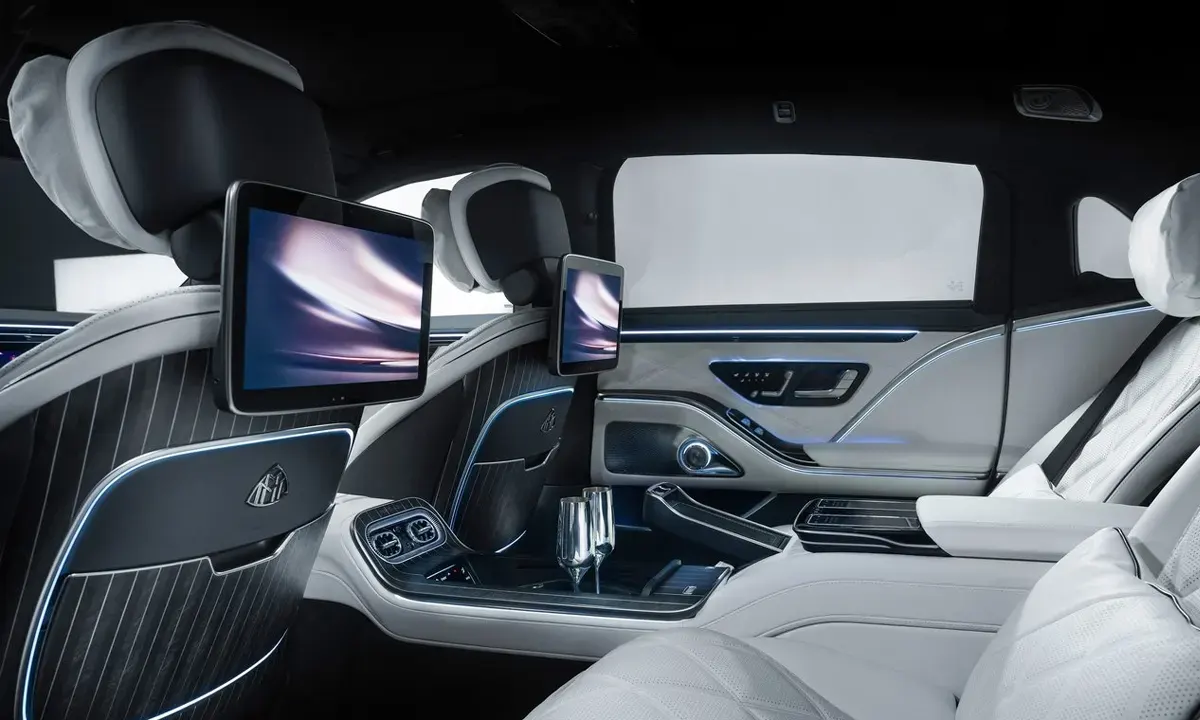
The Starting Point: Two German Flagships at Very Different Altitudes
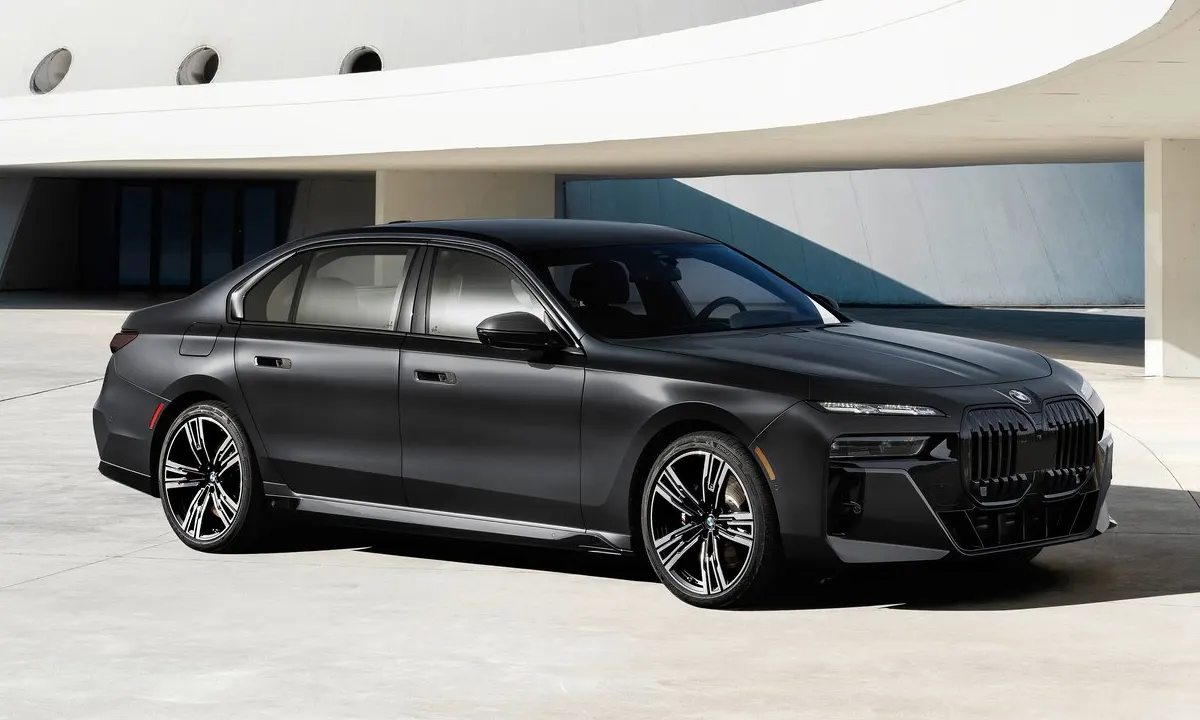
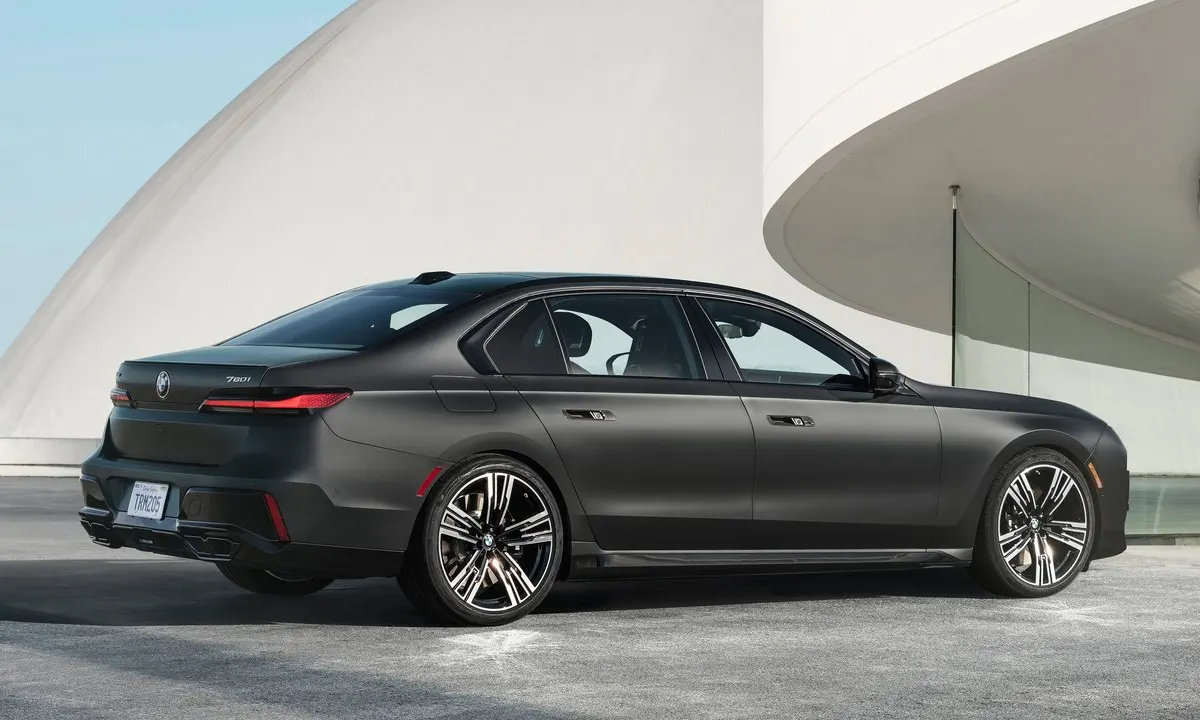
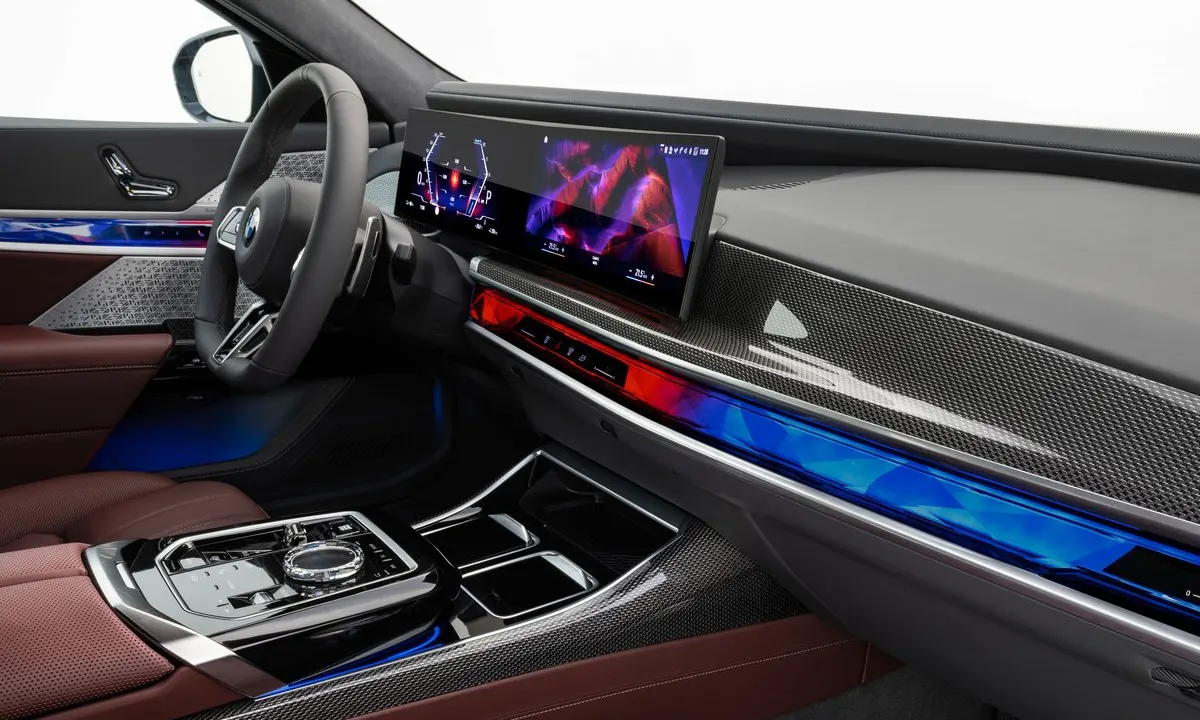
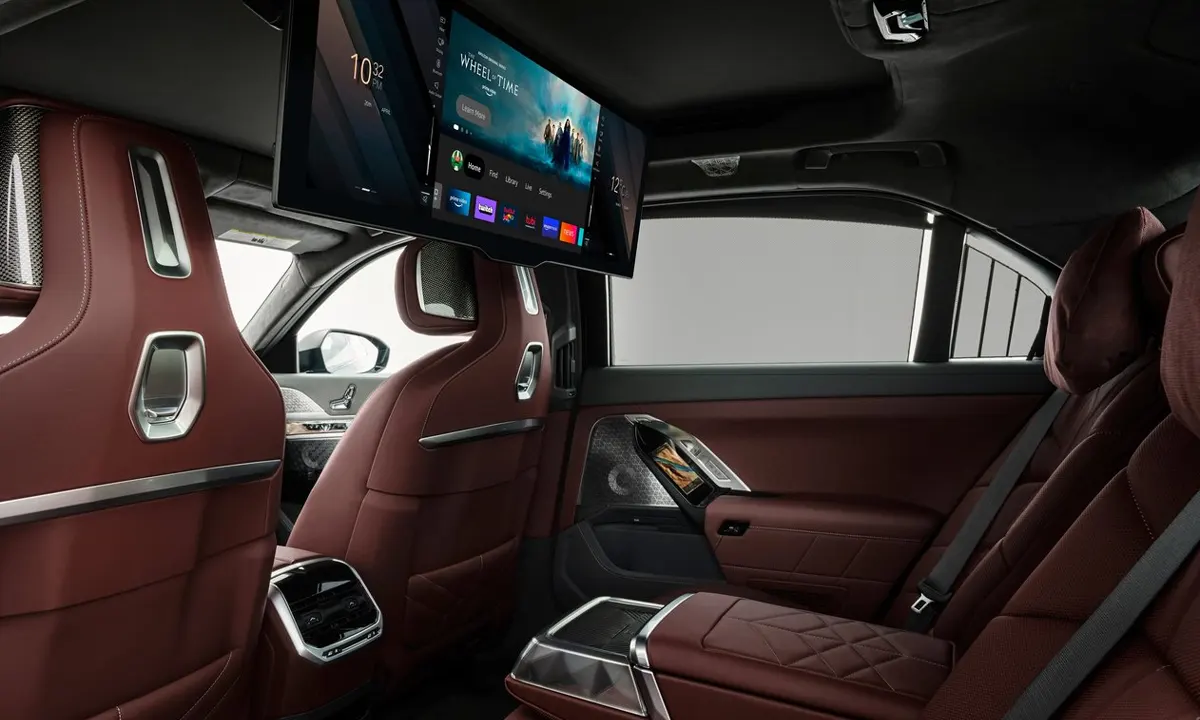
The BMW 7 Series in its current G70 generation is, by any reasonable standard, one of the finest large luxury sedans in the world. Starting at $106,875 for the eDrive50 in the United States and rising to $168,500 for the M70 xDrive — with its 650-horsepower dual-motor electric drivetrain that makes it the most powerful BMW production car ever manufactured — the 7 Series range encompasses a breadth of powertrain, technology and capability that no single competitor in its segment can match at comparable price points. The BMW i7 xDrive60’s 536-horsepower dual-motor configuration reaches 60 miles per hour in 4.5 seconds and delivers 311 miles of EPA-rated electric range. The optional 31-inch 8K Theater Screen — deployed from the headliner above the rear passengers — provides a rear entertainment experience whose sheer visual drama has no equivalent in any production vehicle at this price. The Bowers and Wilkins Diamond Surround Sound System, with 36 speakers and 1,965 watts, represents among the finest factory-fitted audio systems ever offered in a production car. The hands-free highway driving capability through BMW’s Highway Assistant, available at the comparatively modest price of a $2,500 package addition, provides a degree of autonomous driving assistance that buyers of vehicles three times the price cannot always access as standard or near-standard equipment. The 7 Series, in short, is an extraordinary car. It is also, in the specific and carefully defined context of what the Maybach provides, the more accessible option in a comparison where accessibility is the operative word.
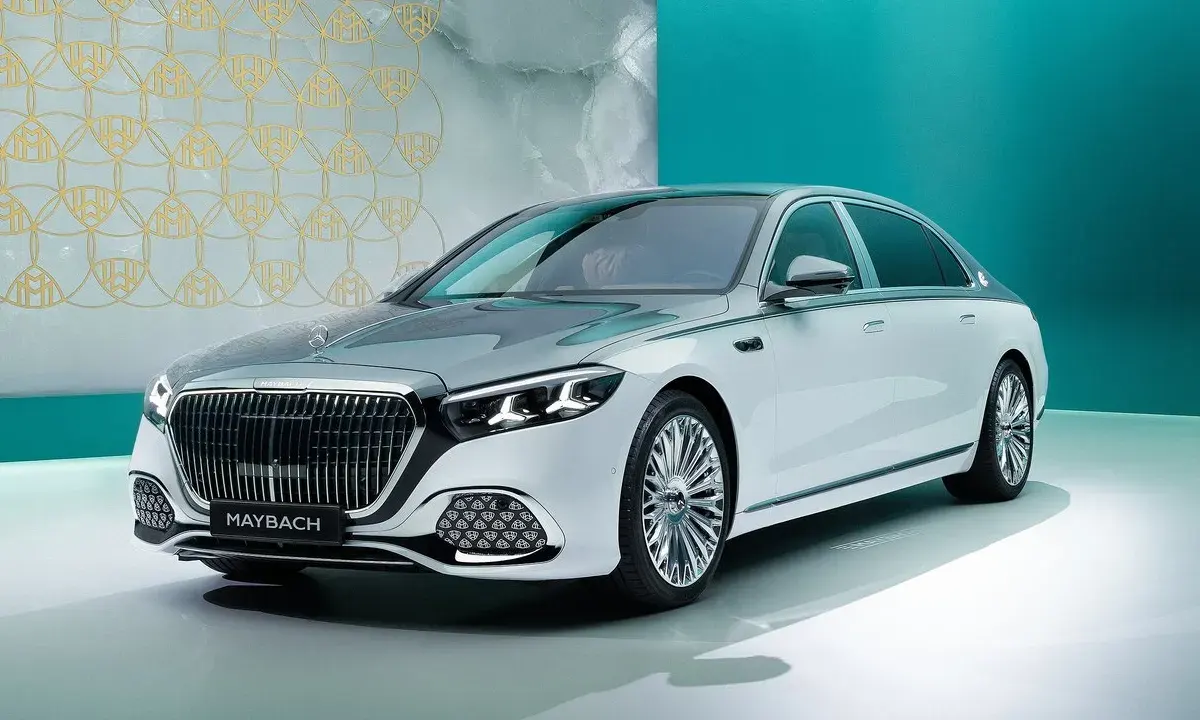
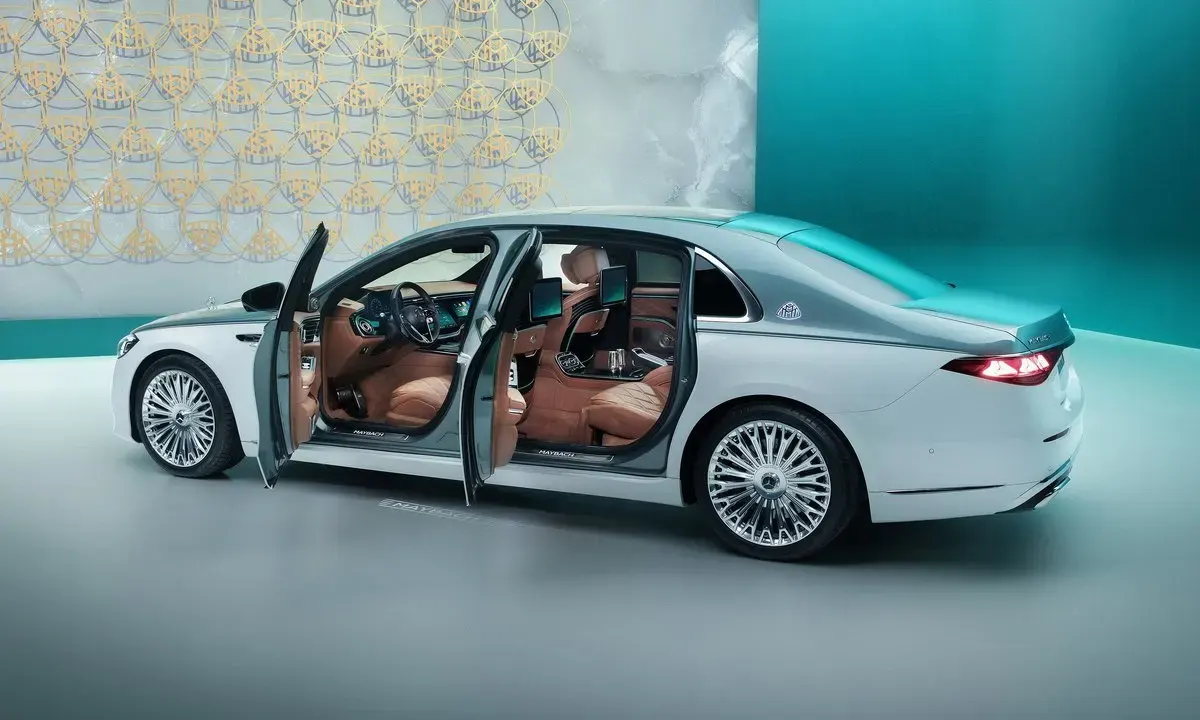
The 2027 Mercedes-Maybach S-Class starts above $210,000 for the S580 4MATIC and rises above $248,000 for the V12-powered S680 — before the Maybach’s extraordinary personalisation programme adds a collection of individually modest but collectively substantial additional costs that can, in the hands of a buyer genuinely engaged with the options catalogue, approach the price of a well-specified 7 Series in their sum alone. The Maybach’s 7.1-inch wheelbase extension over the standard long-wheelbase S-Class — delivered entirely as additional rear legroom rather than boot space or front overhang — creates a rear passenger environment of such dimensional generosity that a comparison with the 7 Series’ already-spacious rear cabin reveals itself immediately and unmistakably in the dimensions that matter most to rear occupants. The 43.5-degree seat recline angle that extends simultaneously with a powered ottoman to support the rear passenger’s legs completely is not a feature available in the BMW 7 Series at any price. The 13.1-inch rear touchscreens with integrated rear-facing cameras for video conferencing are not offered in the 7 Series. The silver-plated Robbe and Berking champagne flute set is not a BMW option. And the Car-to-X predictive AIRMATIC suspension — which reads the road surface from cloud data transmitted by preceding vehicles and adjusts its damping proactively before each wheel reaches a given imperfection — is a technology that the 7 Series’ own excellent air suspension, for all its genuine accomplishment, does not replicate. These are not marginal differences. They are the differences between a magnificent luxury sedan and a rolling private sanctuary — between a car that rewards its occupants generously and one that considers their comfort its single and absolute priority.
The Technology Debate: Where the 7 Series Challenges and Where It Concedes
BMW’s technology leadership in the large luxury sedan segment is genuine and, in several specific dimensions, unquestioned. The 7 Series’ optional 31-inch Theater Screen is, in terms of sheer rear entertainment spectacle, the most dramatically proportioned rear display available in any production vehicle — larger than the Maybach’s 13.1-inch individual screens in absolute terms and providing a cinematic experience whose scale no competitor’s rear screen arrangement can match. The iDrive 8.5 operating system represents one of the most mature, most capable and most consistently praised infotainment platforms in the current luxury market, combining a 14.9-inch central touchscreen with a 12.3-inch digital instrument cluster in BMW’s Curved Display architecture. The hands-free highway driving capability — available at $2,500 — represents a price-to-capability value proposition that the Maybach’s comparable MB Drive Assist Pro system, delivered through the far more comprehensive and far more expensive MB.OS operating system, cannot match for pure cost efficiency.
The Maybach responds to these technology advantages with several of its own that the 7 Series cannot approach regardless of specification. The MB.OS operating system — with its triple-AI voice assistant powered simultaneously by ChatGPT 4o, Microsoft Bing and Google Gemini — represents a conversational intelligence and contextual awareness capability that BMW’s voice assistant, for all its capability, does not currently match in raw AI sophistication. The MBUX Superscreen, standard across all 2027 Maybach specifications, presents a triple-display dashboard architecture beneath a single seamless glass panel that is visually and technically distinct from and more comprehensive than the BMW’s dual-screen Curved Display. The rear video conferencing capability — integrated into the standard rear screen provision through rear-facing cameras — serves a business utility that the 7 Series Theater Screen, optimised for entertainment, does not address. And the over-the-air improvement trajectory of the MB.OS platform, whose generative AI capabilities will deepen progressively throughout the ownership period, provides a technology future-proofing provision that makes the Maybach’s considerable technology investment more durable across a long ownership timeline than its specification at delivery alone communicates.
The Driving Experience: Where BMW Leads and Where the Maybach Doesn’t Follow
The BMW 7 Series is a car whose driver engagement credentials are taken seriously and whose dynamic accomplishments are genuinely impressive for a vehicle of its dimensions and luxury positioning. The rear-wheel steering system — standard on the 7 Series — reduces the car’s effective turning radius to the dimensions of a compact car at low speeds while adding high-speed stability during motorway lane changes. The M70 xDrive’s 650 horsepower through dual electric motors reaches 60 miles per hour in 3.4 seconds, making it genuinely, measurably and thrillingly quick in a manner that no variant of the Maybach prioritises or, in its standard specification, approaches. The 7 Series in Sport mode reveals a handling precision and a directional responsiveness that communicates BMW’s engineering culture with complete clarity — this is a car that was designed by engineers who understand that the driver’s experience matters, and they have delivered a chassis and a steering system that reward engagement with the depth of feedback that distinguishes BMW’s products from most of the competition in this segment.
The 2027 Mercedes-Maybach S-Class, by deliberate and philosophically principled design, does not engage with this conversation. Its suspension is calibrated for rear passenger serenity, not driver satisfaction. Its steering weight is chosen for the comfort of hands resting on it rather than the feedback of a driver attacking a corner. Its throttle response is smooth and linear rather than urgent and immediate because the occupant most likely to be applying throttle in a Maybach is a professional driver whose priority is the smoothest possible progression rather than the most rewarding. The MAYBACH driving mode — selectable from the rear passenger interface — specifically optimises every dynamic parameter of the vehicle for the benefit of the person behind the front seats rather than the person in them. This is not a failure of the Maybach’s engineering. It is its most complete and most coherent engineering expression — a car that has decided, unequivocally and without apology, whose experience matters most and has calibrated every system accordingly.
The Personalisation Chasm: 165 Colours vs. 400 Combinations
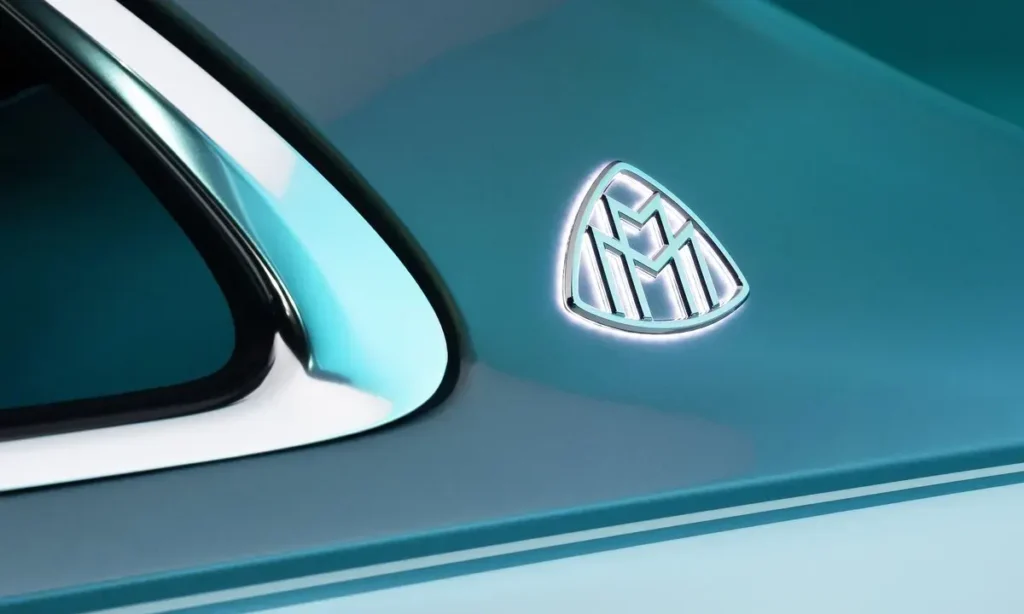
The BMW 7 Series offers an impressive 165 exterior paint colour options — a figure that exceeds the Mercedes standard S-Class’s 21 exterior colours dramatically and that reflects BMW Individual’s genuine commitment to personalisation within the premium segment. The Maybach’s response is not merely more extensive but categorically different in its scope and its ambition — over 150 exterior paint options, over 400 interior colour combinations, four new two-tone upholstery pairings for 2027, a Made to Measure programme that extends specification beyond catalogued options and a Sonderanfertigungen commission service whose only constraint is the client’s imagination and willingness to engage with the process. The BMW 7 Series’ Individual programme is genuinely impressive and genuinely broad. The Maybach’s MANUFAKTUR programme operates in a different category of personalisation depth that the 7 Series, at its price point, neither attempts nor needs to match.
The Rear Seat Reality: Where the Gap Becomes a Chasm
To sit in the rear of a well-specified BMW 7 Series with the Luxury Rear Seating Package — reclining seats, ventilated cushions, heated surfaces, footrest and 13.1-inch individual screens — is to experience genuinely excellent large luxury sedan rear accommodation. The quality of the Merino leather, the precision of the climate management and the overall sense of considered comfort are entirely consistent with a $106,875 to $168,500 vehicle and meaningfully better than most competitors at this price can approach. To sit in the rear of a 2027 Mercedes-Maybach S-Class, with the seat reclined to 43.5 degrees, the Ottoman extended fully beneath the front seat, the 13.1-inch screen at the ideal viewing angle, the Maybach-exclusive Amethyst Glow ambient lighting surrounding you and the Car-to-X suspension managing the road surface through cloud-connected predictive intelligence, is to experience something qualitatively and comprehensively different — not a better version of the same experience but an entirely different category of experience whose relationship to the 7 Series’ rear accommodation is similar to the relationship between business class and economy on a long-haul flight. Both are comfortable. One has been designed, at every level of detail, to make comfort its single and absolute priority.
Read: The W12 Is Gone and the Bentley Continental GT Is More Powerful Than Ever, Here Is Why
Head-to-Head at a Glance
| Category | BMW 7 Series i7 xDrive60 | 2027 Mercedes-Maybach S680 |
| Starting MSRP (US) | $124,200 | Above $248,000 |
| Powertrain | Dual-Motor EV – 536 hp | Twin-Turbo V12 – 621 hp |
| 0–60 mph | 4.5 Seconds | 4.3 Seconds |
| EPA Range | 311 Miles Electric | N/A (V12 Combustion) |
| Wheelbase Advantage Over Base | Standard | +7.1 Inches (All Rear Legroom) |
| Rear Seat Recline | Available (Luxury Package) | 43.5 Degrees with Full Ottoman |
| Rear Entertainment | Optional 31-Inch 8K Theater Screen | 13.1-Inch Each / Video Conferencing |
| Predictive AI Suspension | No | Yes (Car-to-X AIRMATIC) |
| Infotainment AI | BMW Voice Assistant | Triple AI: ChatGPT + Bing + Gemini |
| Driver Engagement | Excellent (Sport Mode) | Not a Priority |
| Exterior Colour Options | 165 (BMW Individual) | 150+ (Maybach MANUFAKTUR) |
| Interior Colour Combinations | Extensive Individual Programme | 400+ Combinations |
| Self-Levelling Wheel Centres | No | Yes (Floating Maybach Star) |
| Standard Rear Screens | No (Optional) | Yes – Standard |
| Champagne Flutes Included | No | Yes (Silver-Plated, Optional) |
| Hands-Free Highway Driving | Yes ($2,500 Package) | Yes (MB Drive Assist Pro) |
| Three-Year Complimentary Maintenance | Yes | No |
| Best For | Driver and Passenger in Equal Measure | The Passenger, Without Reservation |
The Verdict: Two Right Answers to the Same Question
The BMW 7 Series and the 2027 Mercedes-Maybach S-Class are both correct answers to the question of what a full-size German luxury sedan should be in 2027 — they are simply correct answers to entirely different versions of that question. The BMW 7 Series is the right choice for buyers who want to be driven and to drive, who want technology leadership alongside genuine dynamic engagement, who want the finest rear entertainment screen in the segment alongside the hands-free highway driving capability that makes long-distance solo journeys genuinely restful, and who want the remarkable value proposition of three years of complimentary maintenance included with a vehicle whose starting price is $106,875. The 2027 Mercedes-Maybach S-Class is the right choice for buyers for whom the front seat is occupied by someone else, for whom the rear seat’s recline angle and ottoman extension are non-negotiable requirements rather than pleasant optionals, for whom the car’s cloud-connected AI suspension’s ability to read the road before they reach it represents a meaningful quality-of-life improvement and for whom the V12’s seamless, unhurried power delivery is not an indulgence but an expectation. The price gap between them is large. The gap in what they provide is larger. And the buyer who understands precisely which side of that gap they inhabit will make the right decision every single time.