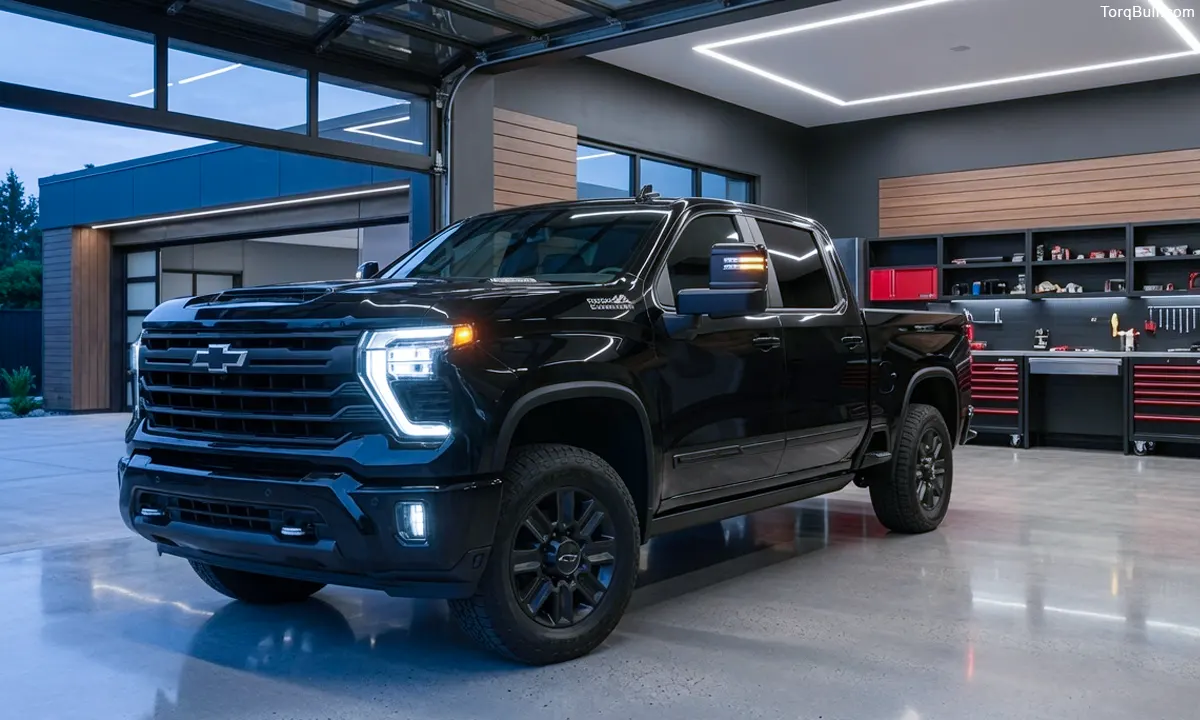
- The 2026 Chevrolet Silverado earns strong reliability ratings and currently has no reported recalls or owner complaints.
- With proper maintenance, many Silverados reach 200,000–300,000 miles, and some owners have documented trucks exceeding 400,000 miles.
- While the latest model shows encouraging reliability, buyers should be aware that the 2024 Silverado experienced a higher number of recalls and complaints, particularly involving powertrain and electrical systems.
The Chevrolet Silverado’s long-term ownership story is best understood through two distinct lenses that must be evaluated separately to form an accurate picture: the nameplate’s impressive overall durability record — capable of reaching 200,000 to 300,000 miles with proper maintenance, with some examples surpassing 400,000 miles — and the meaningful variation in reliability that exists between specific model years, where a 2024 model with 9 recalls and 367 complaints stands in dramatic contrast to a 2026 model with zero recalls and zero complaints. This variation is not a contradiction but a pattern of improvement that informed buyers must understand to make the most financially rational Silverado purchase. This complete review covers every relevant long-term ownership dimension from reliability scores through maintenance requirements, documented failure patterns and the model year guidance that most specifically protects extended ownership confidence.
The Current Reliability Trajectory: From 2024 Challenges to 2026 Excellence
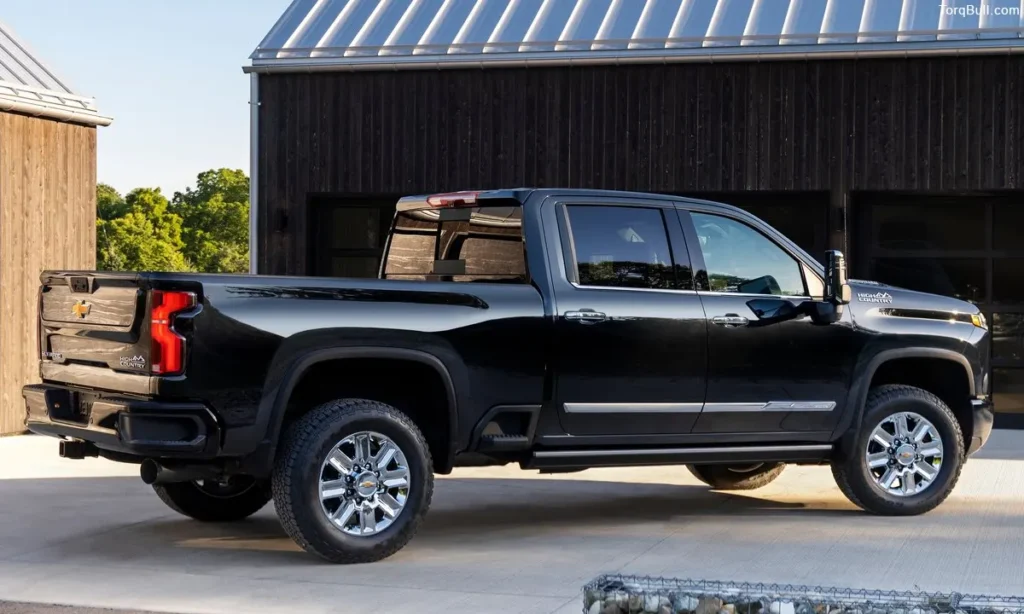
The Chevrolet Silverado’s reliability trajectory across its most recent production years tells the most practically relevant story for any current or prospective buyer — a trajectory that moves from meaningful challenge in 2024 through significant improvement in 2025 to the clean record of the 2026 model.
The 2024 Silverado is rated 73 out of 100 — Good — with 9 NHTSA recalls and 367 owner complaints including 8 crash-related severity signals. The most commonly reported problem areas in 2024 production are powertrain concerns accounting for 93 complaints, electrical system concerns accounting for 81 complaints and engine concerns accounting for 73 complaints. This complaint volume and recall activity represents the most active quality concern period for the current Silverado generation.
The 2025 Silverado earns 85 out of 100 — Excellent — with only 1 recall and 76 owner complaints. This represents one of the most dramatic single-year reliability score improvements available in the full-size pickup segment — reducing complaints from 367 in 2024 to 76 in 2025 and reducing recalls from 9 to 1. JD Power specifically named the 2025 Silverado America’s Number One Full-Size Pickup for initial quality — measuring problems new owners find in the first 90 days — and Most Dependable Full-Size Pickup — tracking issues owners experience over three years. These are the two most widely cited JD Power truck quality designations, and the Silverado earning both in the same year represents the strongest single-year quality validation available from an independent assessment.
The 2026 Silverado earns 85 out of 100 — Excellent — with zero recalls and zero owner complaints on file at the time of assessment. This perfect early production record is the strongest reliability signal available for any Silverado model year and continues the quality trajectory that the 2025 model established.
Read: Best Chevrolet Silverado Trim for Value 2026. Finding the Sweet Spot Between Price and Features
Long-Term Durability: The 200,000 to 400,000-Mile Capability
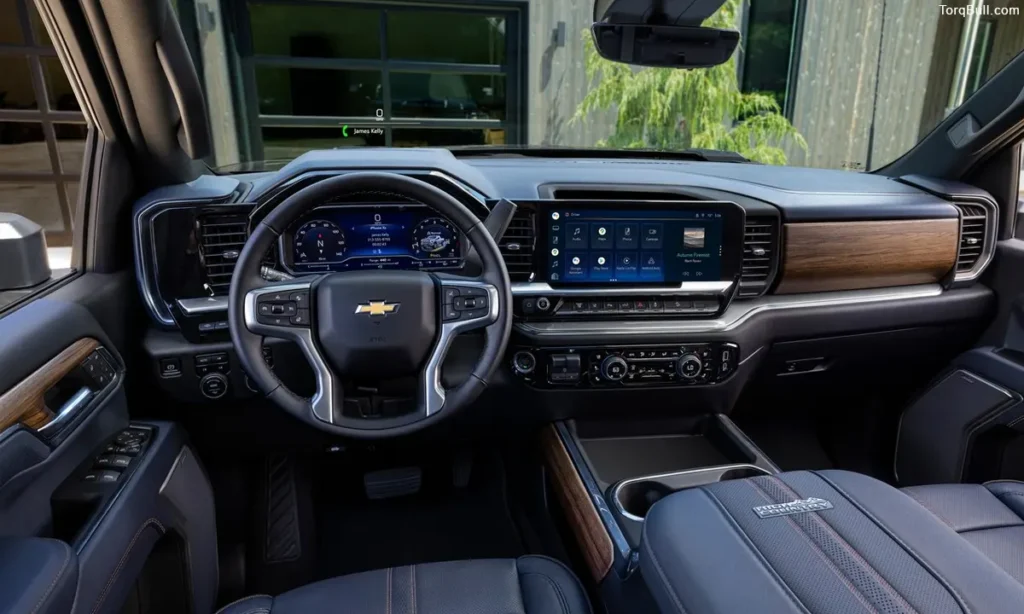
The Chevrolet Silverado’s long-term mechanical durability record — separate from the reliability scores that measure the first three years of ownership quality — is one of the full-size truck segment’s strongest documented capability claims.
Silverados can last between 200,000 and 300,000 miles with proper care, with some examples surpassing 400,000 miles. Heavy-duty models tend to outlast the 1500 versions due to their more robust drivetrain components, but the 1500’s documented multi-generation longevity across the lifetime of the nameplate establishes the platform’s fundamental durability credentials as genuine rather than aspirational.
The GMT800-generation Silverados — produced from 1999 through 2006 — represent the nameplate’s most comprehensively documented high-mileage benchmark. The simple 5.3-litre engines with solid, durable iron blocks that were inexpensive to repair produced the generation that most consistently reaches the 300,000 to 400,000-mile range in owner accounts — establishing the foundation for the Silverado’s durability reputation that subsequent generations have maintained despite introducing more complex engine architectures.
The TurboMax 2.7-litre four-cylinder engine that characterises many 2022 and newer Silverados represents the most important long-term durability variable in the current generation — a higher-technology application whose long-term durability track record is still accumulating across the owner population. One verified owner of a 2025 Silverado with the TurboMax specifically praises the massive 430 pound-feet of torque available from 1,500 RPM and confidence handling 6,500-pound trailers on mountain grades — the positive owner experience that high-mileage TurboMax accounts will build upon as the current generation accumulates real-world data.
The Documented Failure Patterns: What Long-Term Owners Monitor

Understanding the specific failure modes that Silverado ownership most commonly produces allows buyers and current owners to address potential concerns proactively rather than reactively — the approach that most directly extends both the vehicle’s reliable service life and its total ownership cost predictability.
Powertrain concerns are the most consistently documented problem category across 2024 production and the specific area that the 2025 and 2026 quality improvements most directly addressed. For current-generation TurboMax owners specifically, the maintenance discipline documented earlier in this series — 5,000-mile full-synthetic oil changes, carbon cleaning at 60,000 to 80,000-mile intervals, post-tow idle cool-down routine — is the practical implementation of the maintenance approach that produces positive high-mileage outcomes.
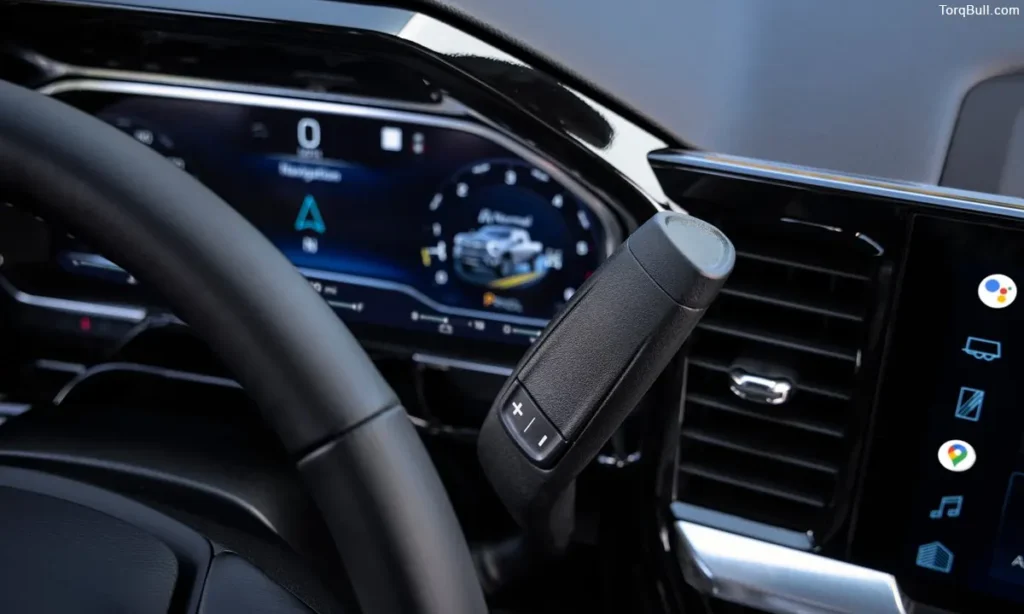
Electrical system concerns are the second most commonly documented problem category in the 2024 production data — 81 complaints across sensor, control module and connectivity categories that reflect the Silverado’s increasing technology integration in ways that produce both enhanced daily capability and additional potential electronic failure points. The 13.4-inch infotainment screen with Google built-in connectivity and the 12.3-inch digital gauge cluster that LT and higher trims provide are the specific technology investments that the most current Silverado generation makes — investments that produce daily ownership satisfaction and that the 2025 and 2026 production quality improvements appear to have largely resolved through software refinement.
Brake wear is the most predictable long-term maintenance concern — specifically for owners who use the Silverado for towing or frequent stop-and-go driving, where the additional load and deceleration demand accelerates brake pad and rotor wear beyond the rates that passenger car driving produces. Front brake pad replacement on a work-duty Silverado at 25,000 to 35,000 miles is not unusual — the predictable consequence of operating a 4,500-pound truck under sustained load conditions that compress the maintenance interval relative to light-duty applications.
Suspension components at high mileage — specifically ball joints, tie rod ends and front-end geometry components — accumulate wear from the Silverado’s heavy curb weight and road impact loading in a way that requires monitoring and periodic replacement across the 80,000 to 150,000-mile range for owners who drive regularly on rough roads or who use the truck for off-road access.
Read: Chevrolet Silverado Family Truck Review. Can a Full-Size Pickup Replace an SUV?
Chevrolet Silverado Reliability by Model Year — Complete Reference Chart
| Model Year | Reliability Score | Recalls | Owner Complaints | Primary Concerns | Recommendation |
| 2026 | 85 out of 100 (Excellent) | 0 | 0 | None recorded | Highest confidence; recommended |
| 2025 | 85 out of 100 (Excellent) | 1 | 76 | Engine (17), Powertrain (16), Electrical (13) | Recommended; JD Power Number One |
| 2024 | 73 out of 100 (Good) | 9 | 367 | Powertrain (93), Electrical (81), Engine (73) | Use caution; verify all recalls completed |
| 2023 | 75 out of 100 (Good) | Above 2025 | Above 2025 | Powertrain and electrical | Good option; verify recalls |
| 2019 | 64 out of 100 (Worst recent) | Worst recent production year | Avoid for extended ownership | ||
| Cross-generation average | 78 out of 100 (Good) | Powertrain and electrical systemic | Model year selection critical | ||
| Durability record | 200,000 to 400,000 miles documented | Maintenance discipline determines outcome |
Read: Chevrolet Silverado Payload Capacity Test. Is It Built for Serious Work?
The Maintenance Discipline That Produces 200,000-Mile Outcomes
Every Silverado that appears in the owner community’s high-mileage accounts shares a consistent maintenance profile — not the result of luck or exceptional engineering but of deliberate service adherence that the trucks reward with reliability proportional to the care invested.
The 2025 Silverado owner who specifically praises the TurboMax engine’s towing confidence credits the result to regular maintenance in their account — a characterisation of the relationship between service discipline and outcome that the most reliably maintained high-mileage Silverados universally confirm. Regular oil changes, tyre rotations, brake inspections and following the manufacturer’s recommended service for engine, transmission and drivetrain keep the Silverado running well across the model years that the JD Power assessment specifically validates.
For the turbocharged TurboMax specifically, the disciplined oil change interval of 5,000 miles — not extending to the maximum reading the oil life monitor might permit — is the maintenance decision that most directly protects the engine’s long-term reliability. The turbocharger’s oil quality dependence is non-negotiable in a way that the naturally aspirated alternatives forgive more generously. Owners who treat the TurboMax like a conventional engine and stretch oil changes to 10,000 miles produce the outcomes that populate the horror stories — while owners who maintain strict 5,000-mile intervals with the manufacturer’s specified full-synthetic oil produce the 100,000-plus mile positive accounts.