Ferrari Luce EV: The Prancing Horse Ignites the Electric Era With 1,000 Horsepower and a Vision of Pure Light
Bespoke 880-Volt Platform, Jony Ive-Designed Interior and Formula 1-Derived Electric Motors Define Ferrari's Most Significant Automobile in Decades
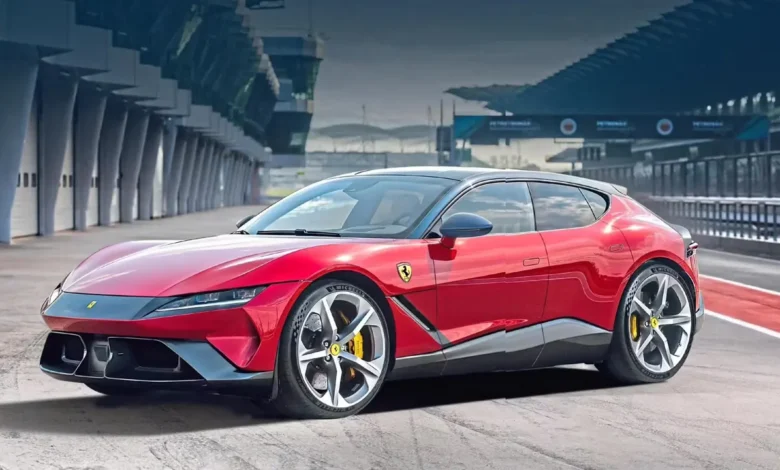
There are moments in automotive history that mark genuine turning points — the introduction of the Ferrari 250 GTO, the arrival of the mid-engine 308, the birth of the Enzo. The Ferrari Luce stands in that company. Named after the Italian word for “light,” the Luce is Ferrari’s first fully battery-electric production automobile, and it represents far more than a powertrain swap or a concession to regulatory pressure. It is a declaration of intent from Maranello — a statement that Ferrari will enter the electric era entirely on its own terms, with its own technology, its own philosophy and its own uncompromising standard of emotional engagement. For a brand whose identity has been inseparable from the sound, fury and mechanical theater of the combustion engine, the Luce is the most consequential and the most carefully considered automobile Ferrari has produced in decades.
Gallery: Ferrari Luce EV:
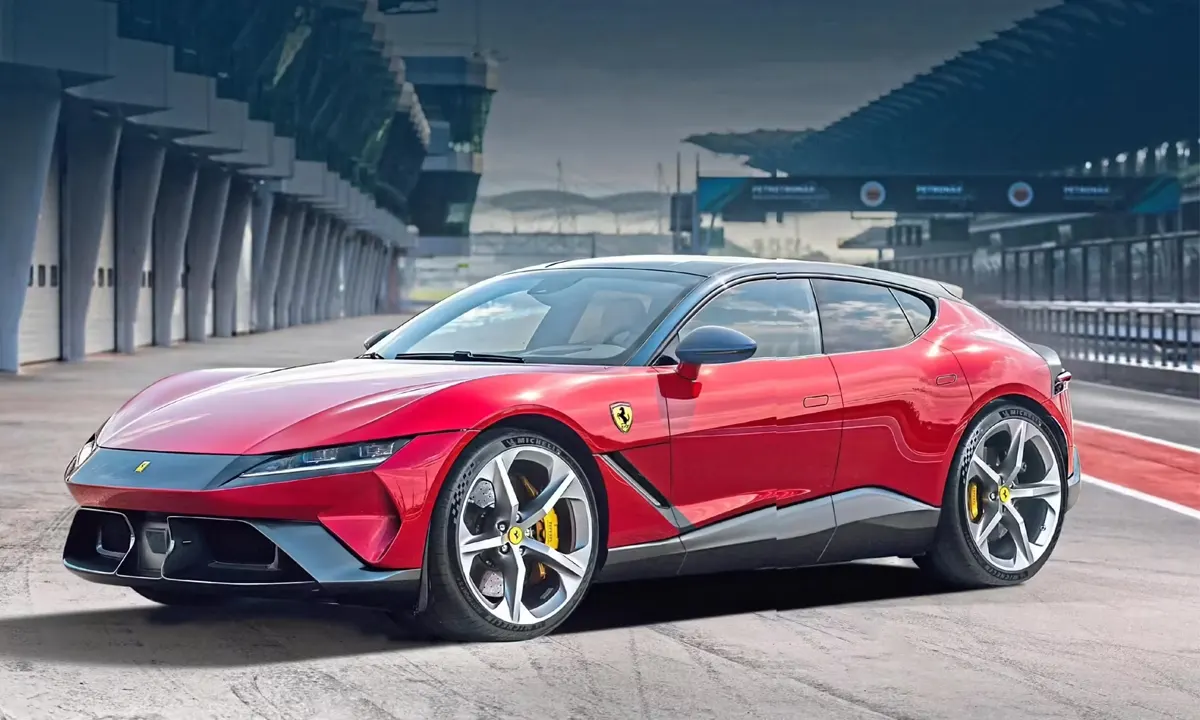
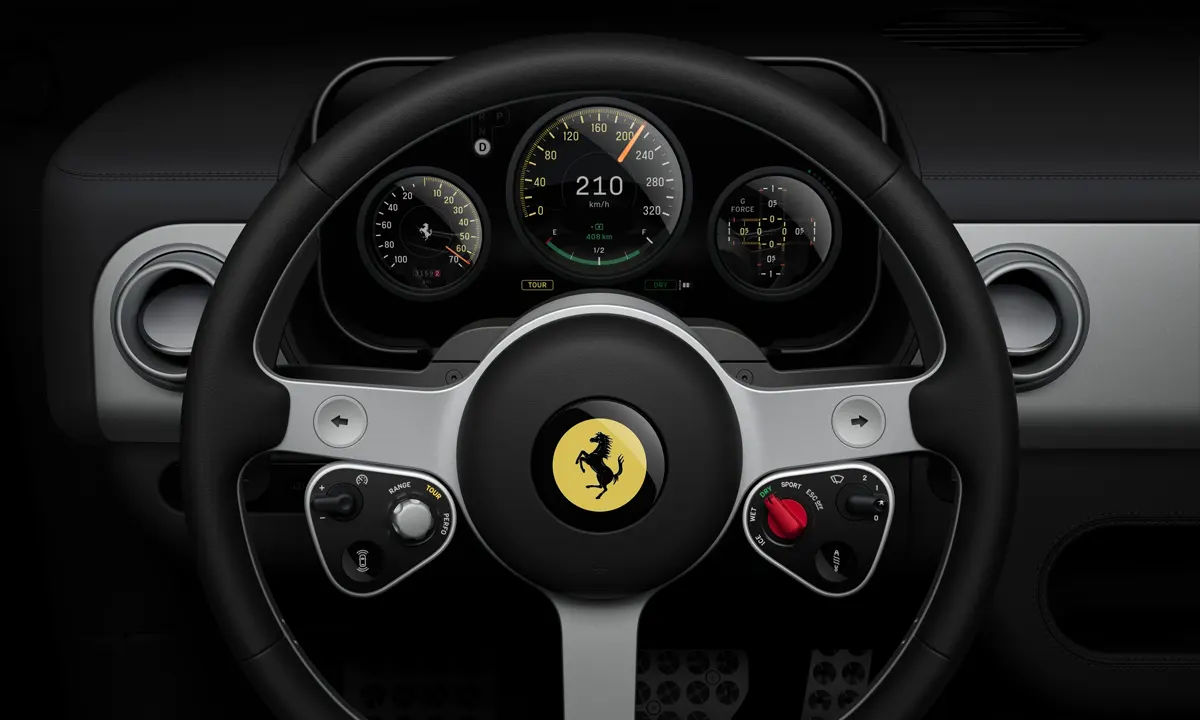
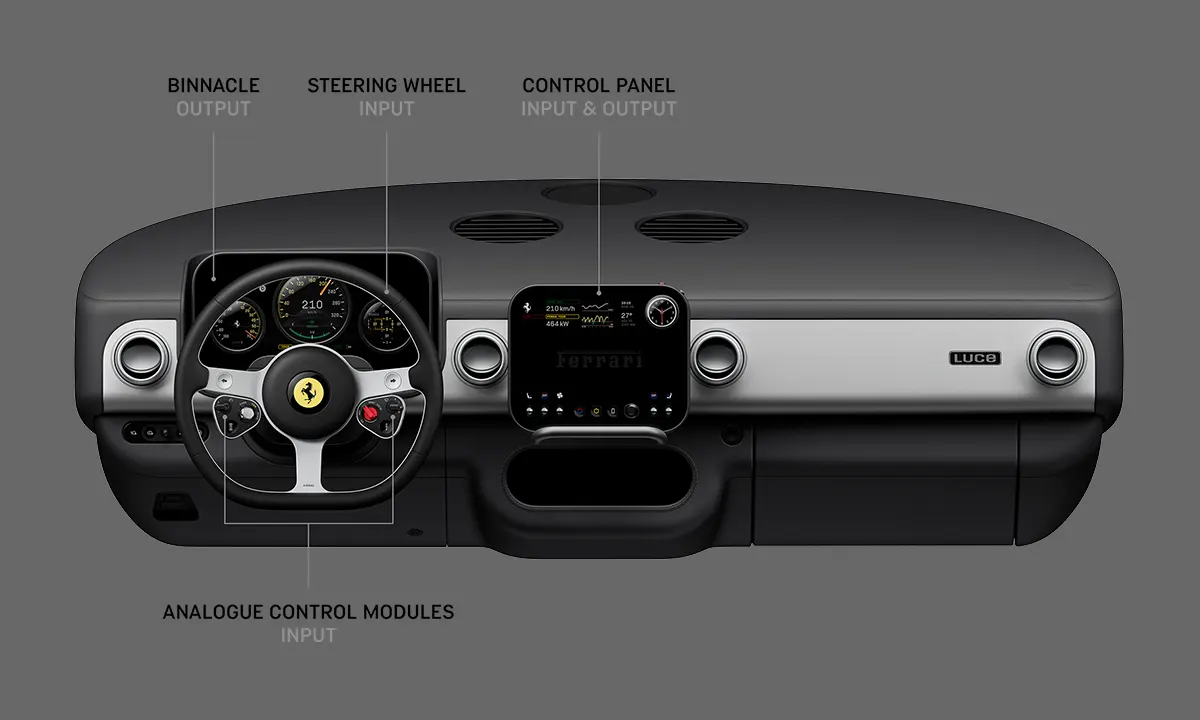
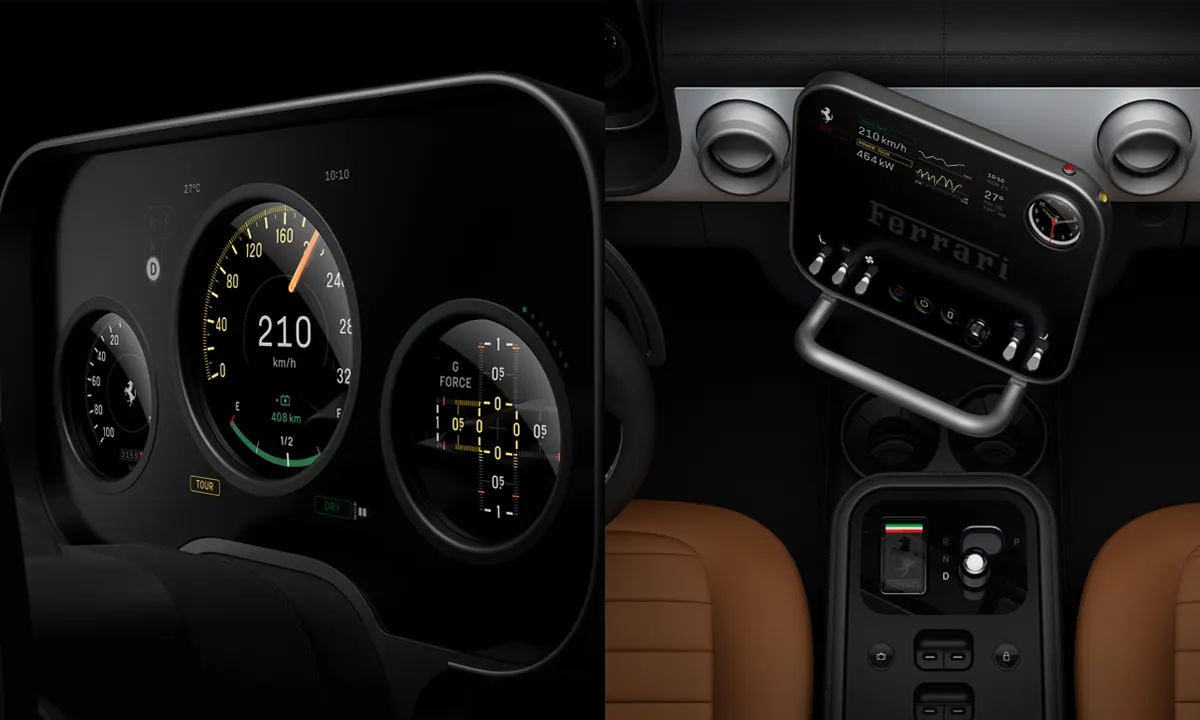
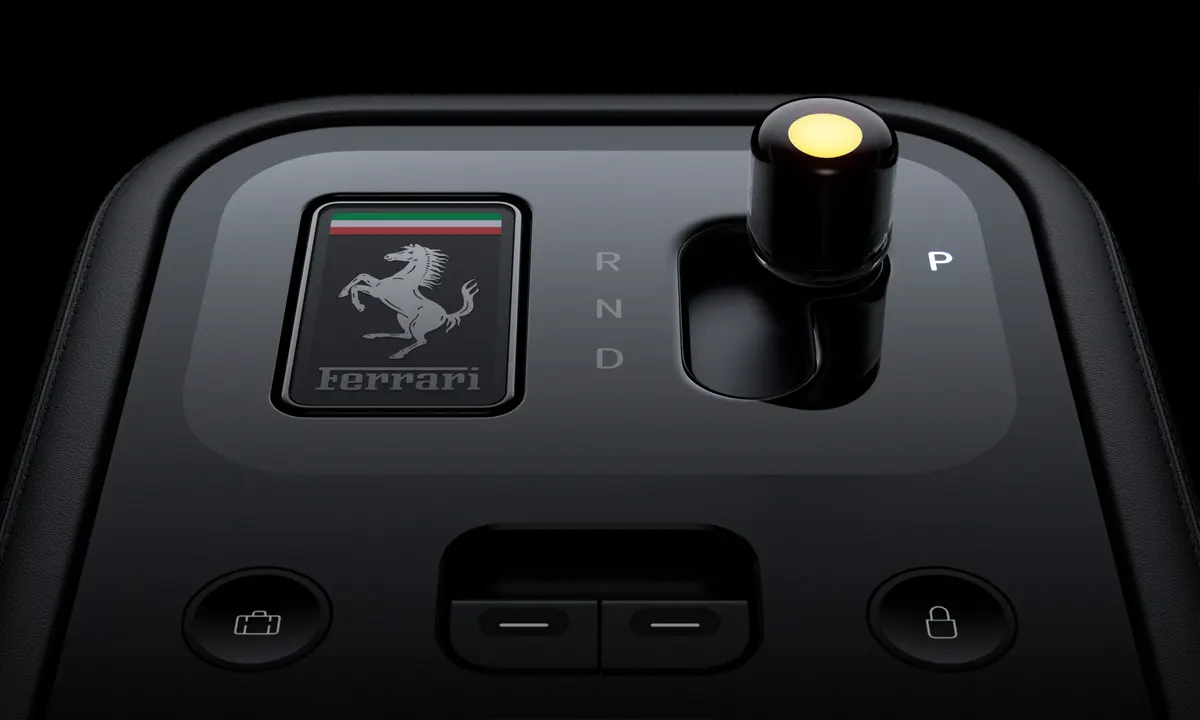
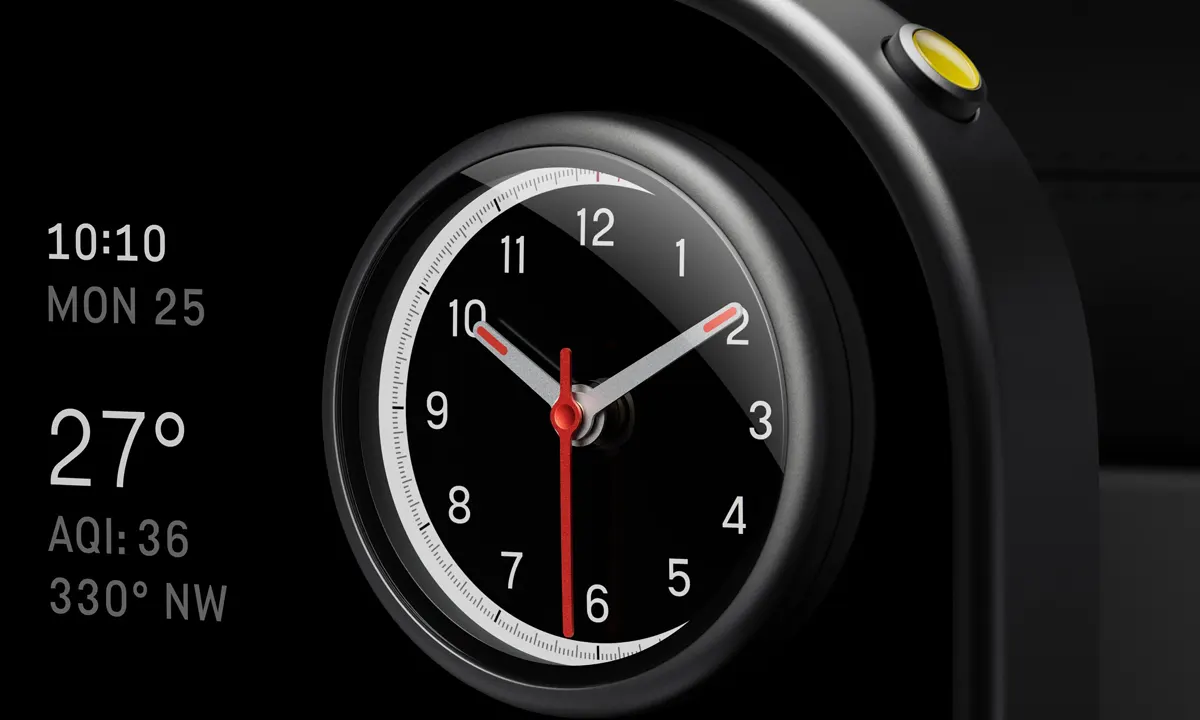
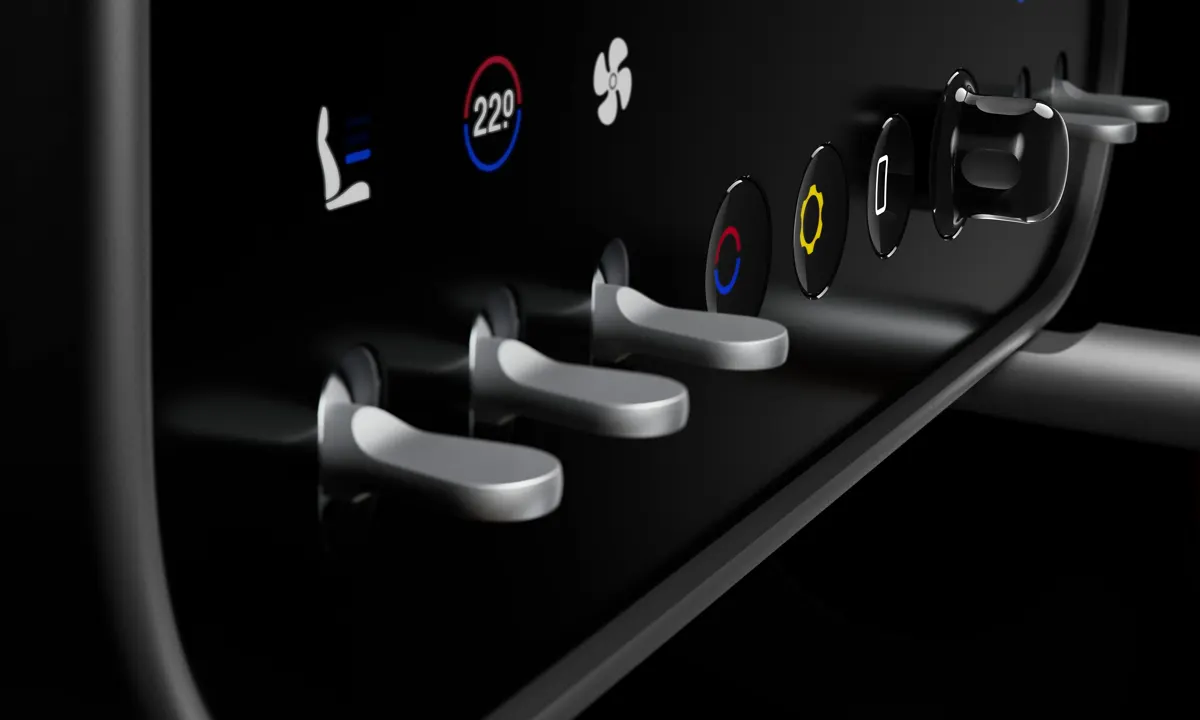
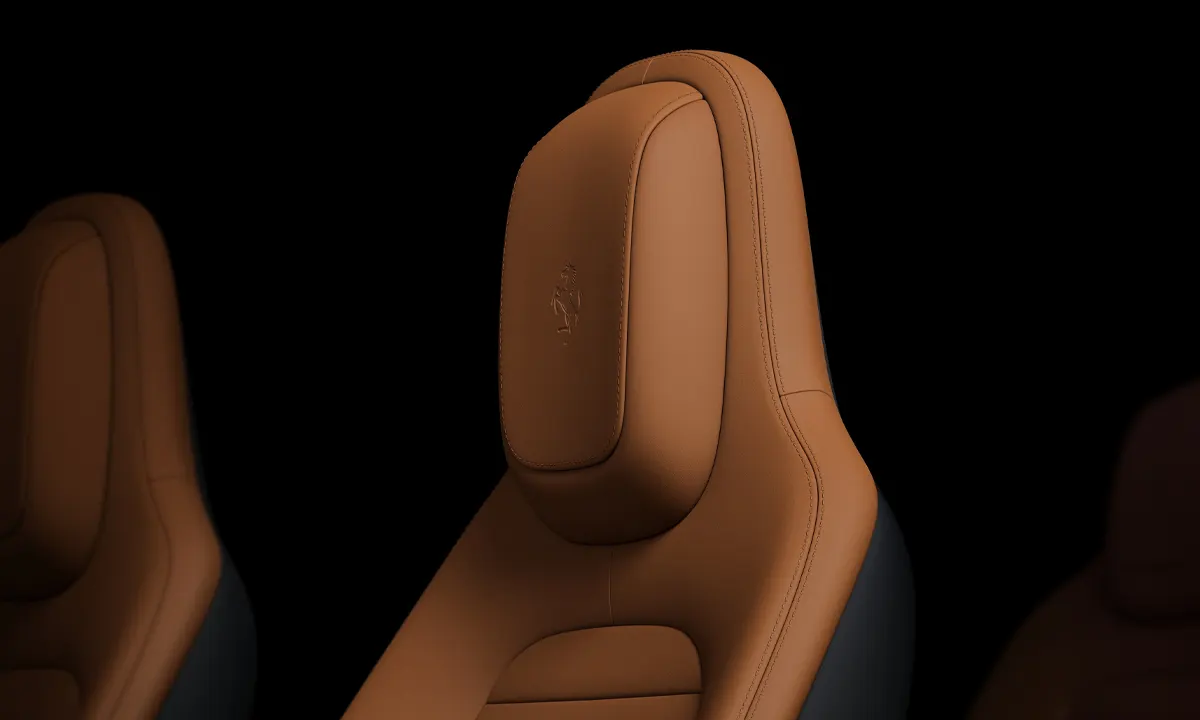
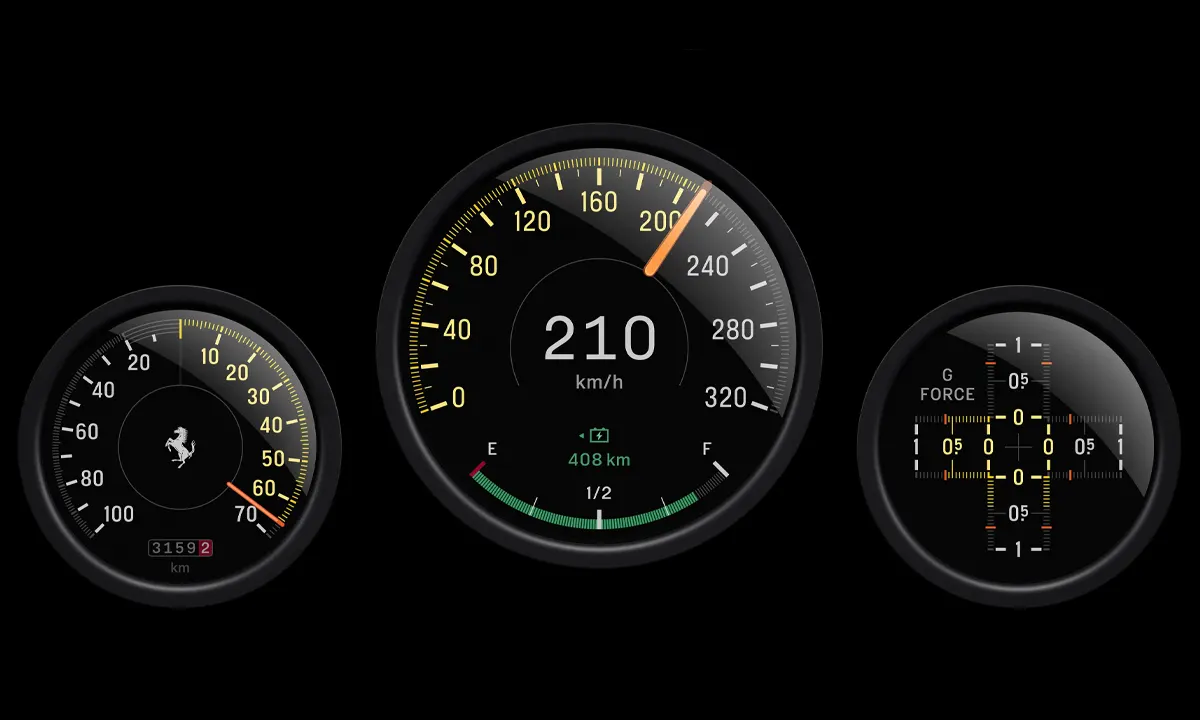
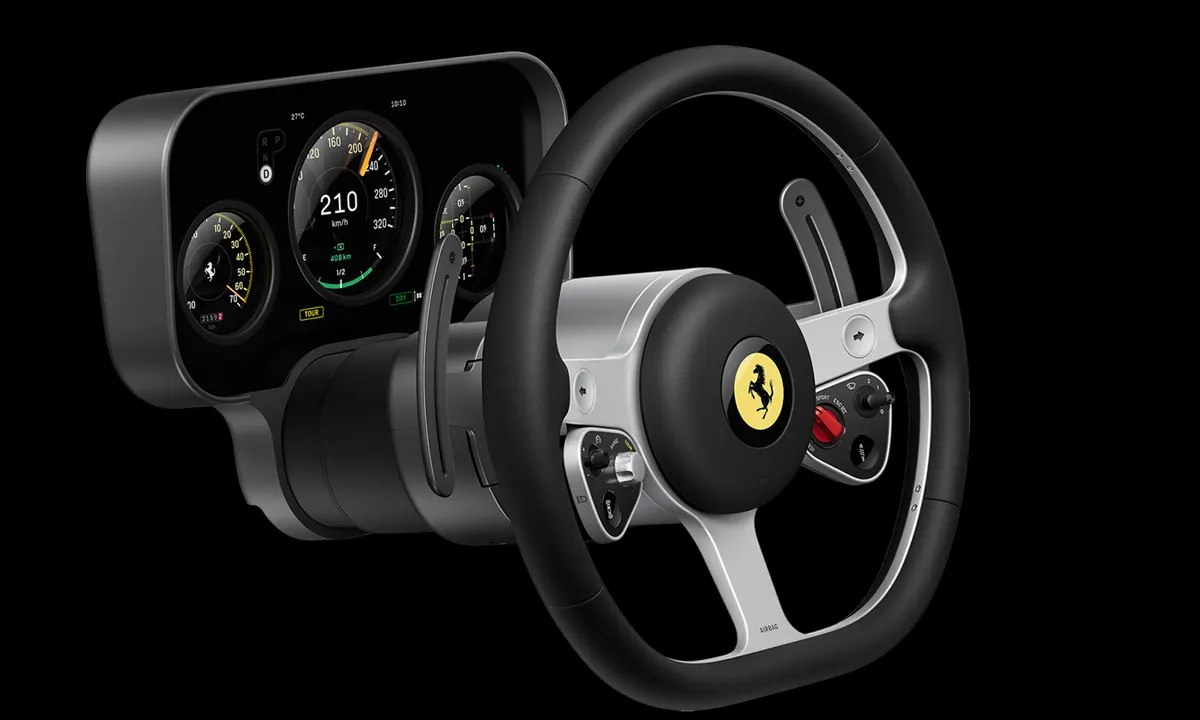
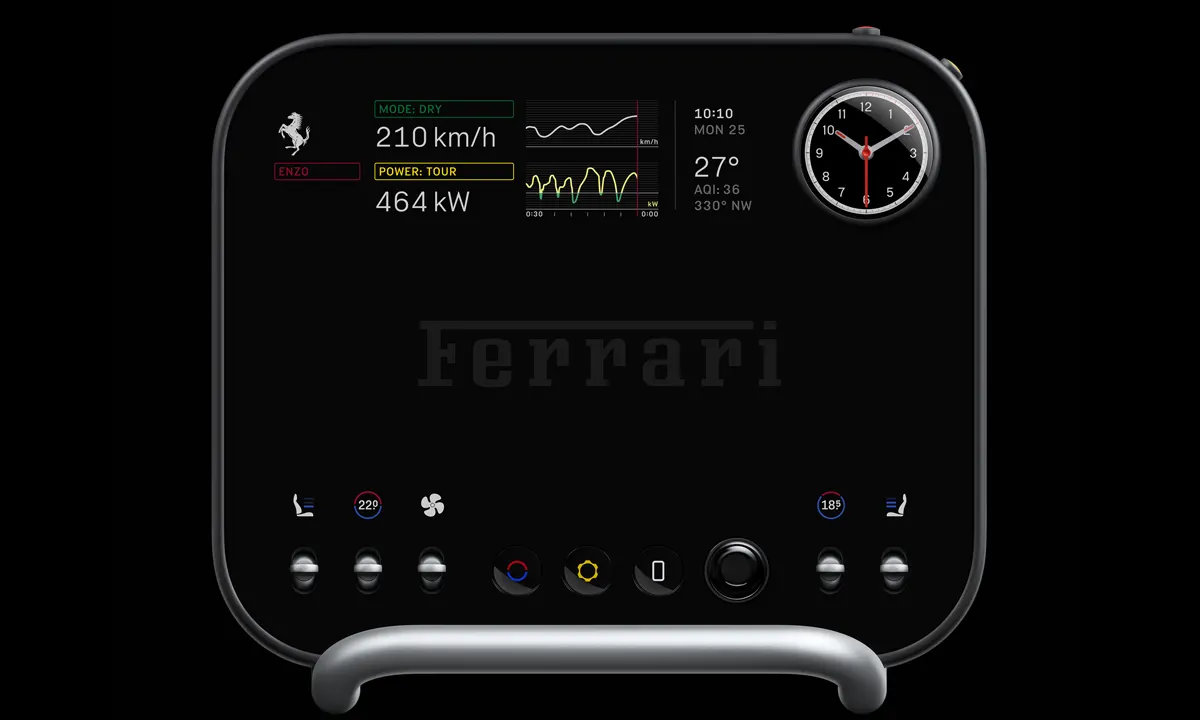
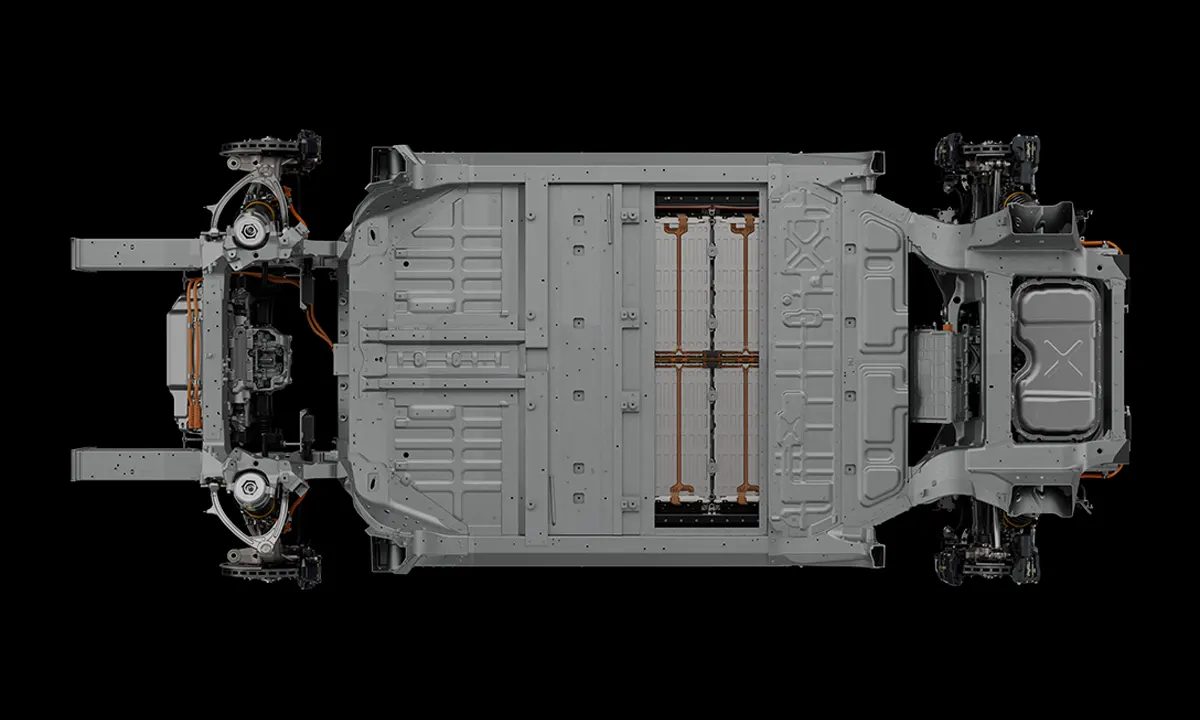
The Luce’s introduction was structured across three separate events unprecedented in Ferrari’s history — a powertrain reveal in October 2025, an interior reveal in February 2026 held at San Francisco’s Transamerica Pyramid, and a full exterior reveal planned for May 2026 in Rome, with Italian customer deliveries beginning in late 2026 and UK-market allocation arriving from early 2027. What has already been disclosed is breathtaking in both ambition and execution. What remains concealed — the final exterior design — has generated more anticipation in the automotive world than any Ferrari since the LaFerrari hypercar.
A Bespoke 880-Volt Platform Engineered From a Clean Sheet
At the foundation of the Ferrari Luce is an entirely new, purpose-built 880-volt electric architecture — the highest operating voltage of any production electric vehicle in the world at the time of the car’s engineering reveal. This is not an adapted combustion platform, nor a shared architecture borrowed from a parent company. Ferrari developed the Luce’s underpinning from a completely clean sheet of paper, inside a dedicated new facility at Maranello known as the E-Building, where the car will be assembled by the same craftspeople and engineers who build the brand’s most revered combustion models.
The platform features a wheelbase of 116.5 inches — marginally shorter than the Purosangue SUV — and a meticulously calculated 47:53 front-to-rear weight distribution that reflects Ferrari’s fundamental commitment to rear-biased, driver-focused dynamics. The chassis construction uses 75 percent recycled aluminium, representing the first time Ferrari has incorporated sustainability principles at the structural level of a car’s architecture without any compromise to torsional rigidity or dynamic performance. The 880-volt operating voltage enables substantially faster charging, significantly reduced thermal load during high-performance driving and more efficient power delivery across the car’s entire operating range — engineering advantages that directly contribute to real-world performance rather than simply headline specifications.
Four Electric Motors, Formula 1 Technology and Over 1,000 Horsepower
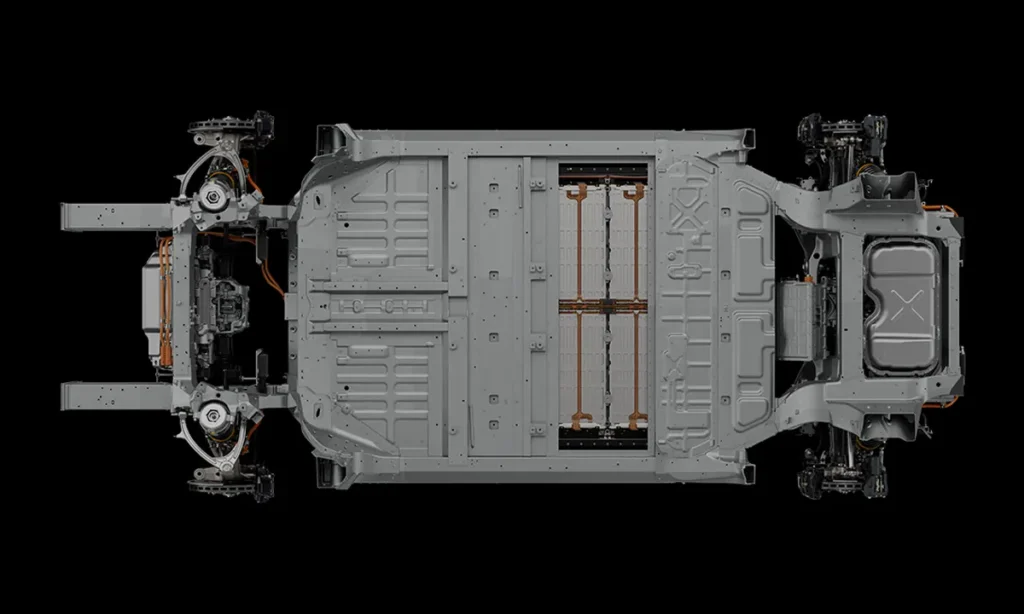
The Ferrari Luce’s powertrain is a masterpiece of applied racing technology translated to road use. Four internally developed permanent magnet synchronous motors — two on the front axle producing a combined 282 horsepower, and two at the rear generating a combined 831 horsepower — deliver a total system output exceeding 1,000 horsepower. These are not off-the-shelf motors sourced from a supplier. They were engineered in Maranello using Halbach array rotor technology, a construction method derived directly from Ferrari’s Formula 1 programme that concentrates the magnetic field on one side of the rotor assembly, dramatically improving power density and efficiency. With a specific output of 4.80 kilowatts per kilogram and a peak efficiency of 93 percent at maximum power, the rear electric axle delivers instantaneous torque response with a character and precision that Ferrari insists is unlike any other electric motor on the market.
The performance credentials are exceptional even by Ferrari’s own historical standards. The Luce accelerates from zero to 62 miles per hour in 2.5 seconds and reaches a top speed of 192 miles per hour — figures that rival Ferrari’s greatest combustion supercars and position the Luce firmly within the hypercar performance tier. The front axle incorporates a physical disconnect mechanism that uncouples it entirely from the drivetrain during steady-state motorway cruising, reducing drag and maximizing range by operating the car in rear-wheel-drive mode whenever the situation permits. This front axle disconnect reflects a core Ferrari engineering philosophy: rear-axle-led dynamics as the primary character of the driving experience, with the front axle contributing only when traction, stability or performance genuinely demand it.
To manage the considerable mass that a large battery inevitably introduces — the Luce weighs approximately 5,100 pounds — Ferrari has deployed a sophisticated four-motor torque vectoring system capable of distributing power between all four wheels with millisecond precision. Rear-wheel steering adds up to two degrees of additional turn at low speeds for enhanced agility and high-speed stability simultaneously. The active suspension system, shared in concept with the Purosangue, adapts continuously to road conditions and driver inputs. Massive 15-inch Brembo brake discs provide formidable stopping power rated at 0.68G of deceleration force, complemented by regenerative braking integration that recovers energy efficiently without disrupting the pedal feel or braking confidence that Ferrari’s drivers expect.
An Interior Designed by Jony Ive That Reimagines the Ferrari Cockpit
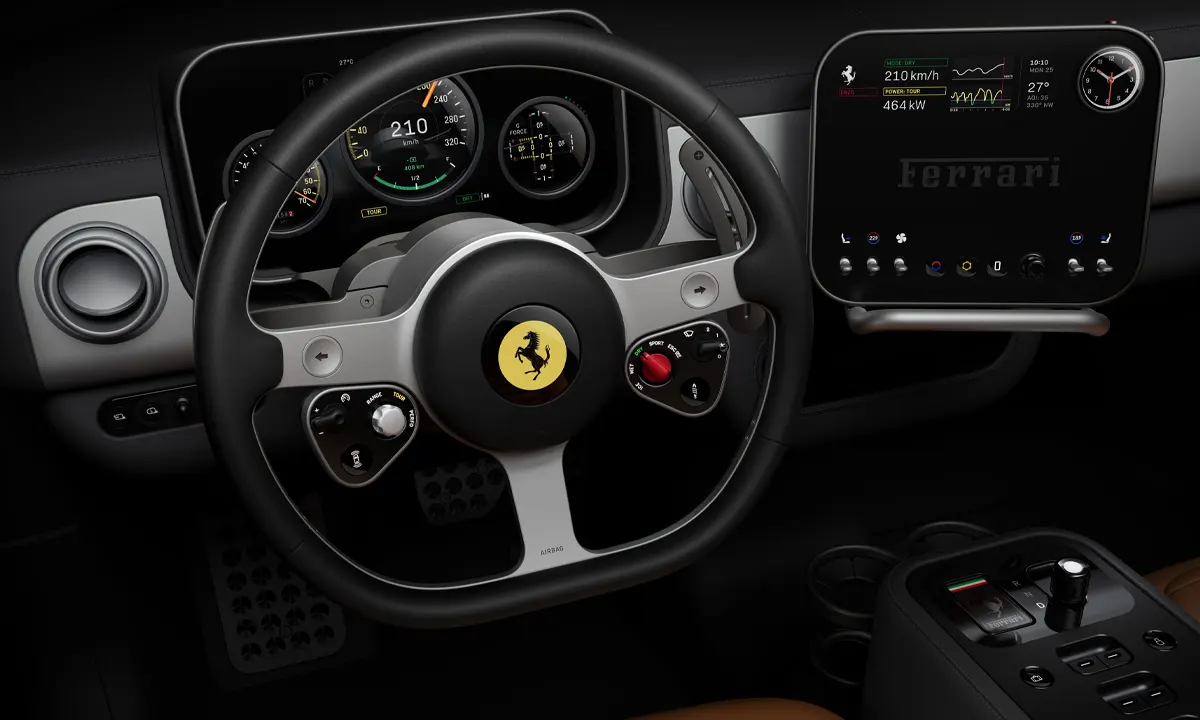
The interior reveal of the Ferrari Luce, held at one of San Francisco’s most architecturally iconic buildings, was itself a statement about the calibre of creative talent Ferrari engaged for this project. The cabin was designed in collaboration with Jony Ive — the designer responsible for the iMac, the iPod, the iPhone and the Apple Watch — working through his LoveFrom design studio. The result is the most radically reimagined Ferrari interior since the brand began building road cars, and arguably the most beautiful automotive cabin of the modern electric era.
The Luce’s interior is organised around a principle of profound simplicity. Where contemporary automotive cockpits have trended toward overwhelming digital complexity — screens multiplying, surfaces fragmenting, controls proliferating — the Luce’s cabin pursues restraint with surgical precision. Physical controls have been reduced to their most essential form. Surfaces are seamless, tactile and crafted from extraordinary materials. The steering wheel, the seats and the central interface have all been reinterpreted in a way that feels simultaneously futuristic and deeply Italian — emotional, artistic, and purposefully human in character despite its technological ambition.
The seating position maintains the low, driver-focused stance that Ferrari has always prioritised, despite the packaging constraints that an underfloor battery introduces. The instrument presentation has been fundamentally rethought, with critical driving information delivered in a manner that keeps the driver’s attention on the road and on the experience rather than on a screen. Every surface that the driver and passenger touch has been considered with the same obsessive attention to material quality and tactile feedback that Jony Ive brought to Apple’s most celebrated products — and that Ferrari has always brought to its greatest automobiles.
Performance Dynamics: Ferrari Character Through Electric Means
The engineering challenge Ferrari faced with the Luce was not simply one of performance specification. Any number of manufacturers have demonstrated that electric motors can produce extraordinary horsepower and acceleration figures. The challenge was to ensure that the Luce drives, feels and communicates like a Ferrari — that it possesses the same quality of aliveness, the same sense of connection between driver and machine, and the same emotional reward that has defined the brand’s road cars across seven decades of production.
Ferrari’s answer to this challenge is multidimensional. The torque vectoring system has been calibrated not merely for maximum traction or lap time, but for the quality of balance and the character of oversteer that Ferrari drivers recognise and seek. The rear steering system has been tuned to sharpen the car’s responses at the limit without artificially masking the physics of a large, powerful automobile. The regenerative braking has been integrated in a way that preserves natural pedal progression and confidence rather than introducing the abrupt, artificial feel that characterises regenerative systems in lesser electric vehicles. Even the sound — generated synthetically but developed extensively in Maranello — has been engineered to provide an aural experience that reflects the drama of the performance rather than substituting a generic electric hum for the V12 that many Ferrari purists will mourn.
Pricing, Production and the Road to Delivery
The Ferrari Luce carries a starting price reported to be in the region of $535,000, positioning it above the Roma and the SF90 Stradale and into territory occupied by the most exclusive Ferrari production models. This pricing reflects both the extraordinary technology and craftsmanship invested in the car and Ferrari’s deliberate strategy of positioning the Luce as a halo product — an automobile that elevates and defines the brand’s electric future rather than democratising it.
Production volume will be strictly limited, consistent with Ferrari’s broader strategy of deliberate scarcity. Italian customers will receive first delivery allocation beginning in late 2026, with other markets following through 2027. Every Luce will be assembled at the E-Building in Maranello, and every example will be subject to the same pre-delivery testing and quality validation process applied to Ferrari’s most exclusive combustion models. The waiting list is expected to be substantial before the exterior reveal has even taken place — a testament to the depth of enthusiasm and trust that the Ferrari name continues to command among the world’s most discerning automotive collectors and enthusiasts.
A New Chapter Written in Light
The Ferrari Luce does not ask for forgiveness for being electric, nor does it ask its audience to lower their expectations. It arrives with extraordinary performance, revolutionary technology, a cabin of genuine artistic distinction and the full weight of Ferrari’s racing heritage and engineering culture behind every decision made in its development. It is a car that honours the past by refusing to be defined by it — choosing instead to carry the Prancing Horse emblem into a new era with the same courage, the same obsession and the same unapologetic pursuit of excellence that has made Ferrari the most emotionally powerful name in automotive history.
For those who feared that electrification would diminish Ferrari, the Luce is the answer. For those who wondered whether an electric Ferrari could ever truly feel like a Ferrari, the evidence of everything disclosed so far suggests that the answer is an emphatic and exhilarating yes.
Ferrari Luce EV – Specifications & Performance Chart
| Category | Specification |
| Vehicle Type | All-Electric Battery-Electric Vehicle (BEV) |
| Platform | Bespoke Ferrari 880-Volt Architecture |
| Motor Configuration | Four Permanent Magnet Synchronous Motors (AWD) |
| Front Motor Output | 282 hp (Combined) |
| Rear Motor Output | 831 hp (Combined) |
| Total System Power | 1,000+ Horsepower |
| Motor Technology | Halbach Array Rotor (F1-Derived) |
| Motor Efficiency | 93% at Maximum Power |
| 0–62 mph | 2.5 Seconds |
| Top Speed | 192 mph |
| Drivetrain | All-Wheel Drive with Front Axle Disconnect |
| Chassis | 75% Recycled Aluminium |
| Suspension | Active Adaptive System |
| Rear-Wheel Steering | Up to 2 Degrees |
| Brakes | 15-Inch Brembo Discs (0.68G Deceleration) |
| Curb Weight | Approx. 5,100 lbs |
| Wheelbase | 116.5 Inches |
| Weight Distribution | 47:53 Front-to-Rear |
| Interior Design | Collaboration with Jony Ive (LoveFrom Studio) |
| Assembly Facility | E-Building, Maranello, Italy |
| Starting Price | Approx. $535,000 |
| Delivery (Italy) | Late 2026 |
| Delivery (UK/Other Markets) | Early 2027 |