Forget Lamborghini Urus, Ferrari Purosangue Is Here
A Naturally Aspirated 715-Horsepower V12, Suicide Rear Doors, a Bespoke Aluminium Monocoque and a Driving Experience That Rivals Ferrari's Own Mid-Engine Supercars Make the Purosangue Not Just the Best Italian Performance SUV — It Makes Every Rival Look Like They Were Going About It the Wrong Way
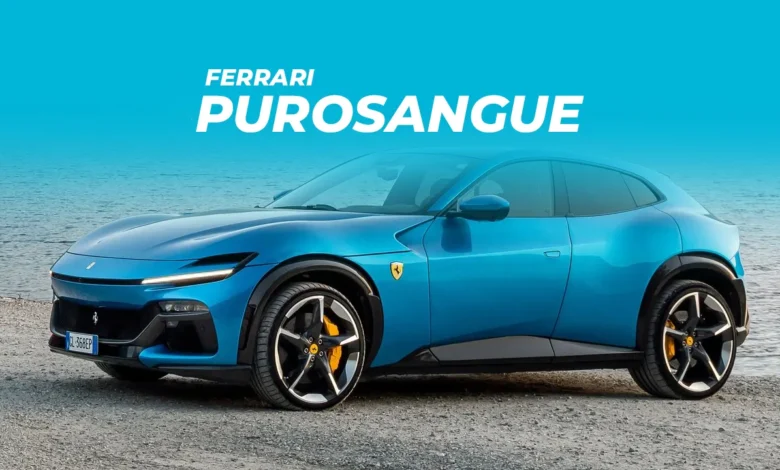
There is a scene that has played out in luxury car showrooms across the world for the better part of a decade. A buyer with the budget, the taste and the desire for an Italian performance SUV walks through the door, considers their options, and almost inevitably drives away in a Lamborghini Urus. It is an outcome that has occurred with such reliable consistency that the Urus became not merely Lamborghini’s best-selling model but the definitive reference point for what an ultra-premium performance SUV should be — the car that other manufacturers measured themselves against when they were brave enough to enter the segment. The Urus was the king. Then Ferrari arrived. And the conversation changed permanently.
Gallery: Ferrari Purosangue
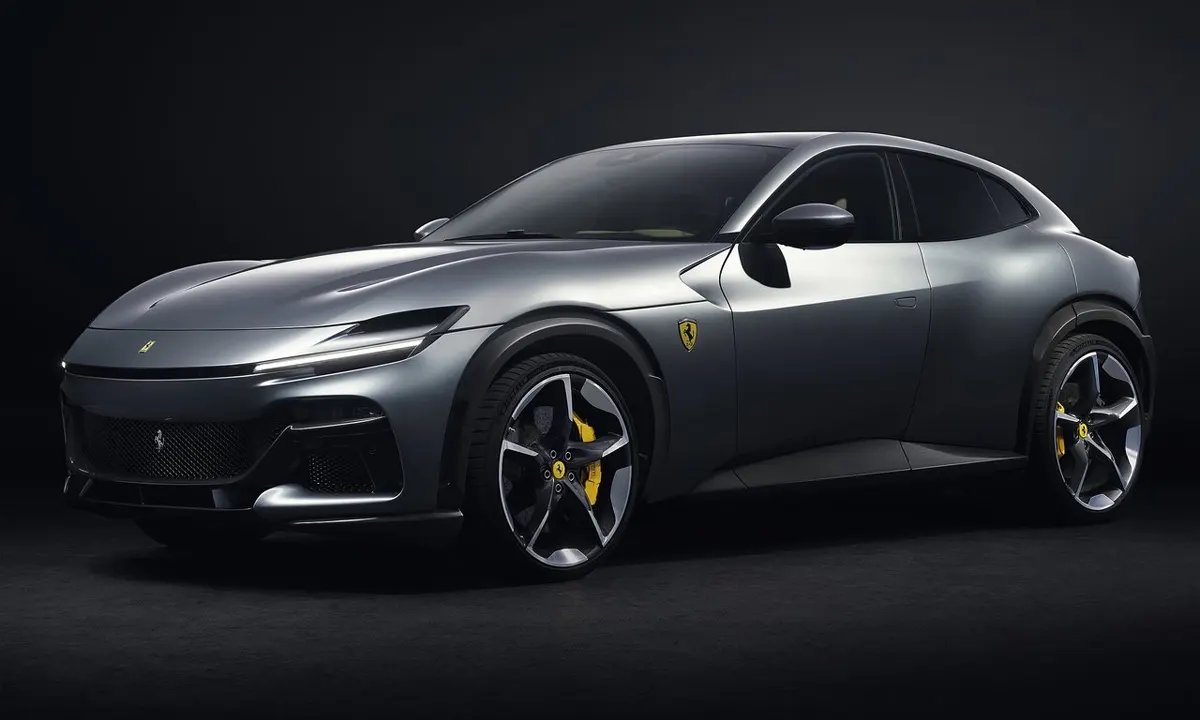
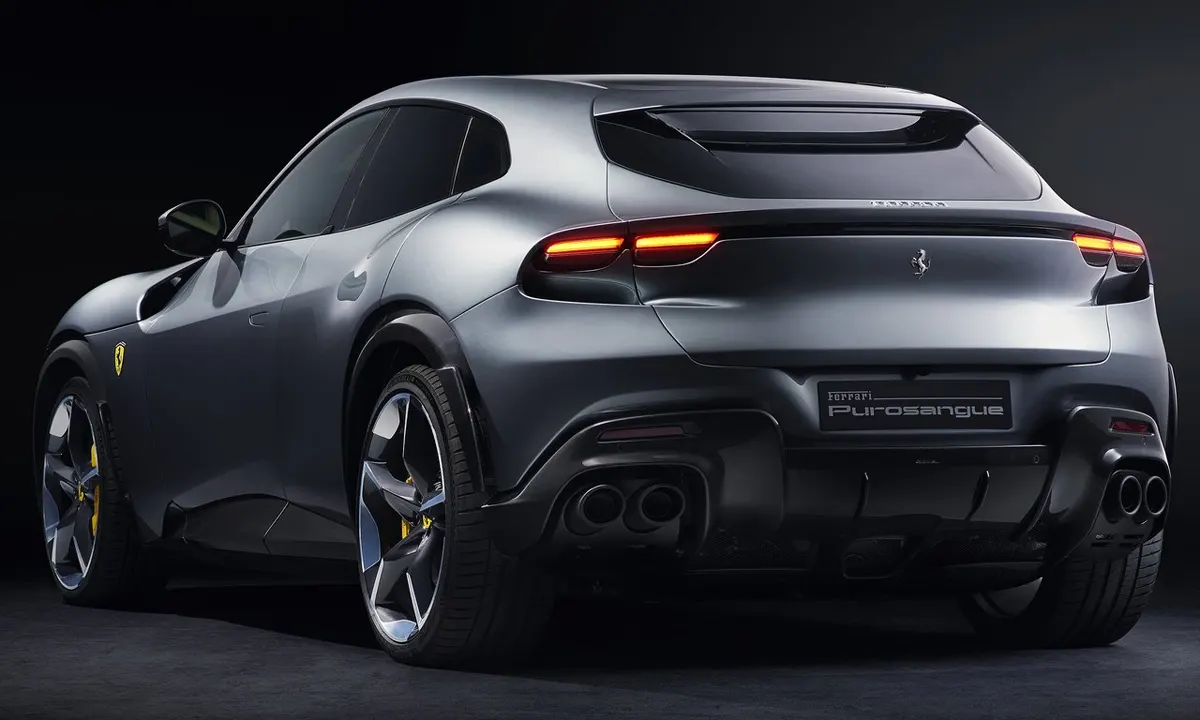
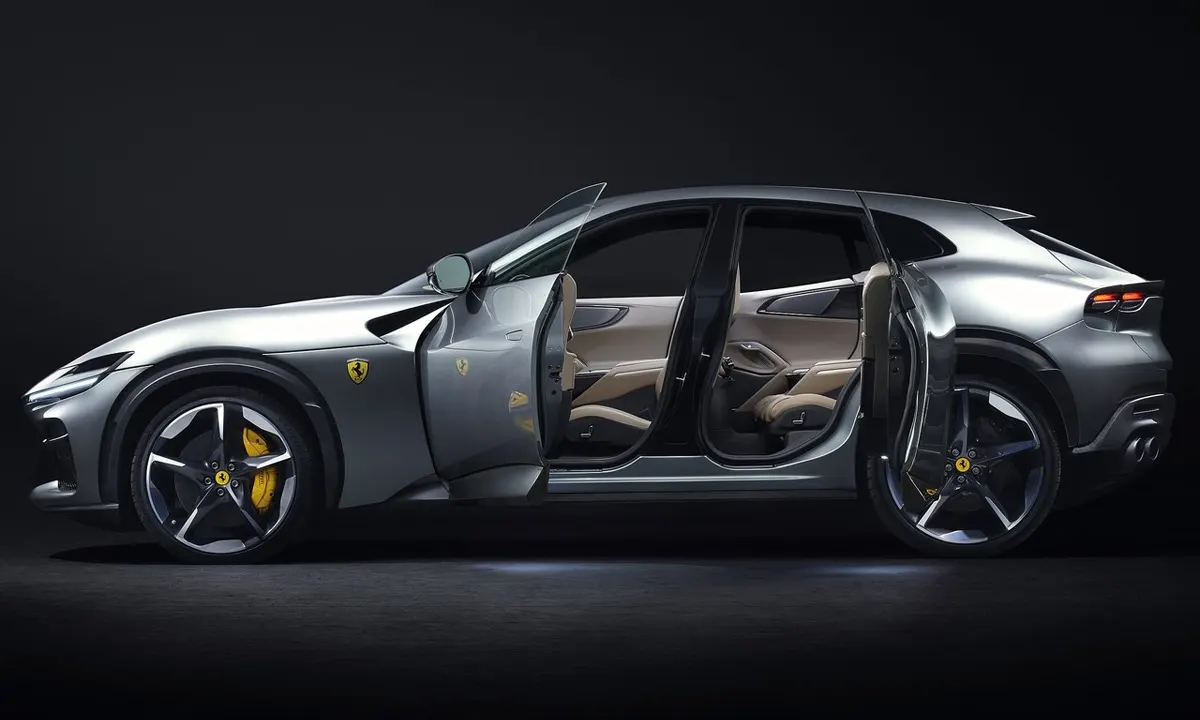
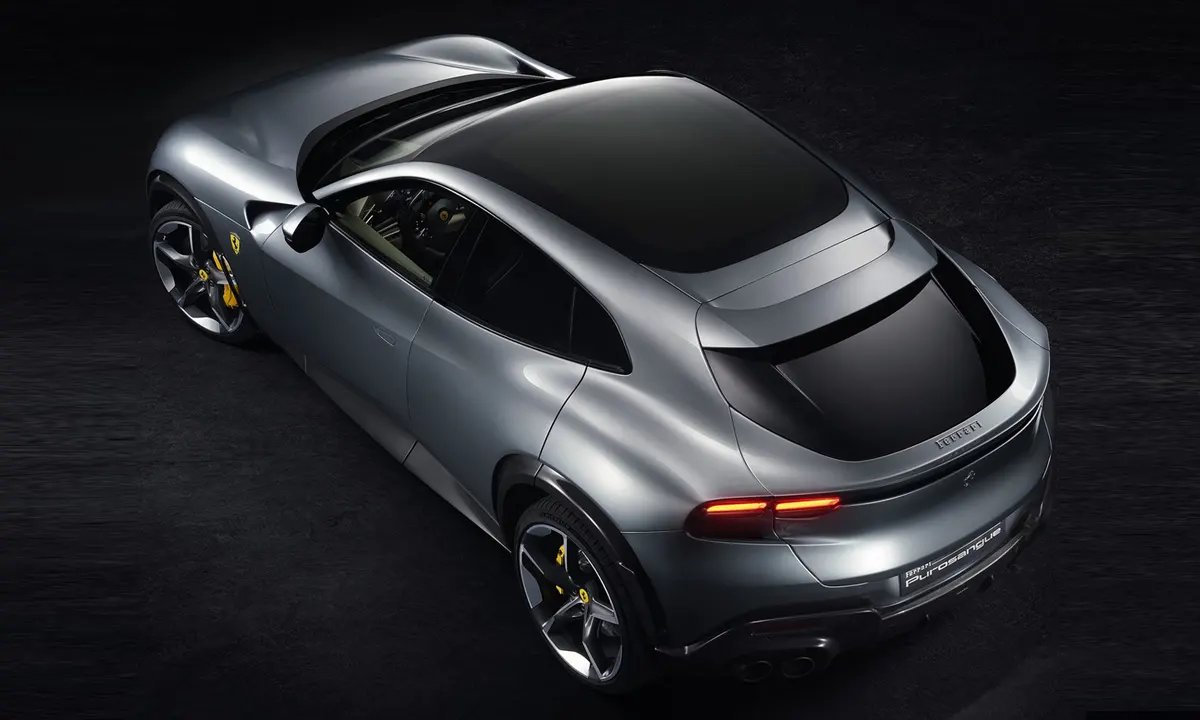
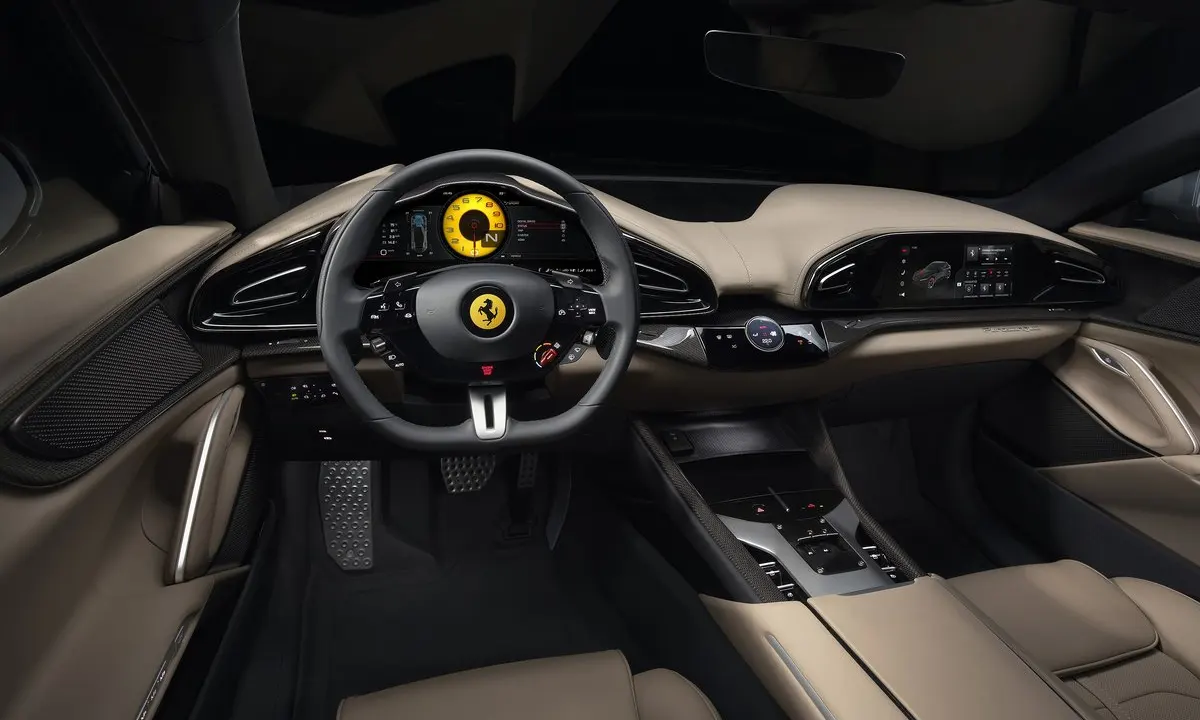
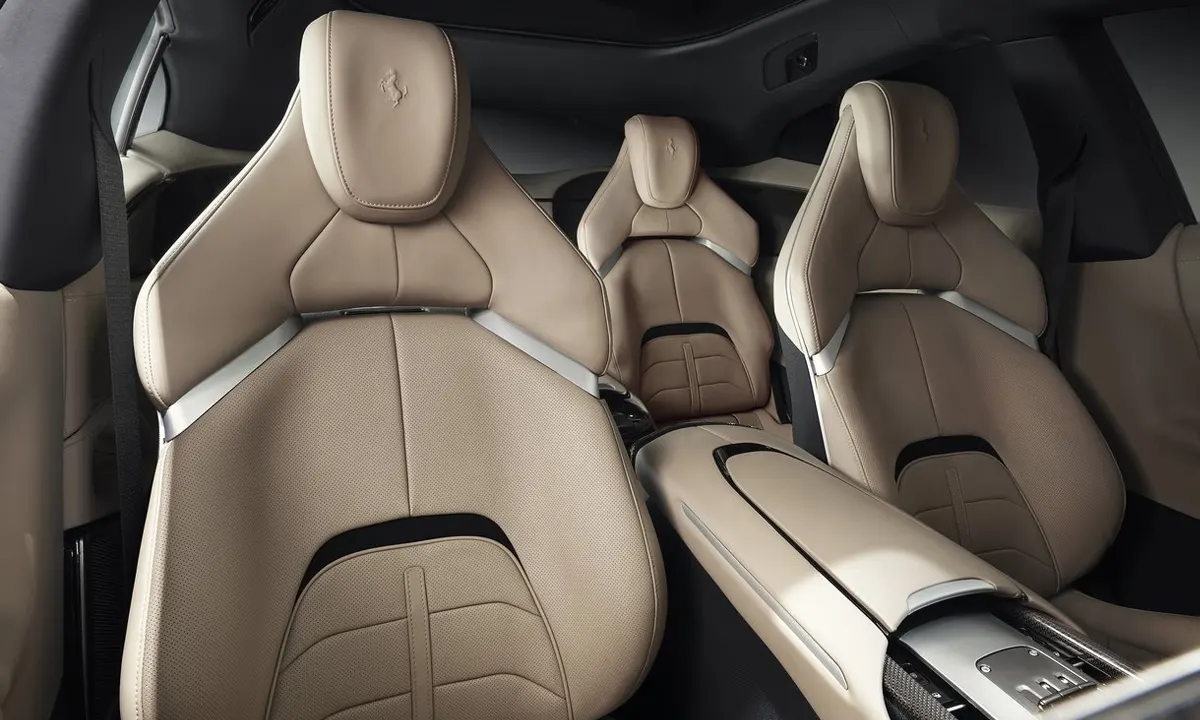
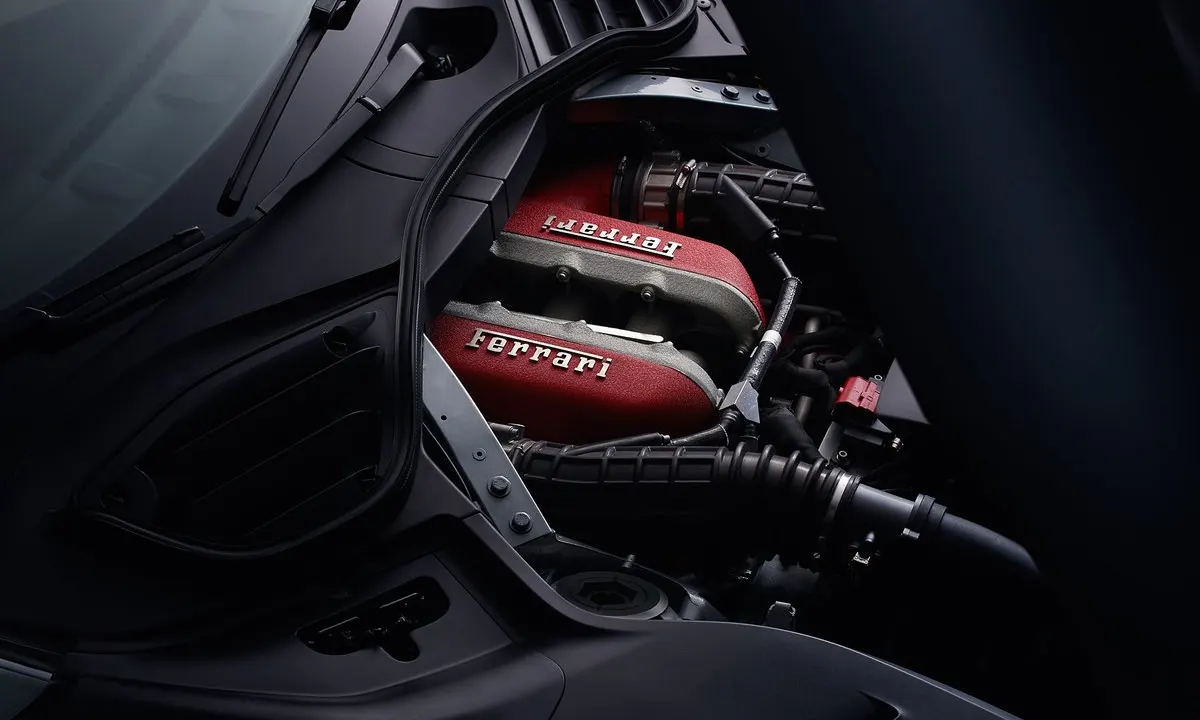
The Ferrari Purosangue is not merely a better Lamborghini Urus. It is a fundamentally different proposition from every rival in the segment — a car that rejects the architectural compromises and shared-component shortcuts that its competitors accepted as the unavoidable cost of entry into the super SUV market and builds instead from first principles, using a bespoke aluminium monocoque that shares nothing with any other vehicle, a mid-front-mounted naturally aspirated V12 engine that no other manufacturer in this space would dare to specify, and a driving experience that leading automotive publications have described as the most genuinely Ferrari-feeling vehicle ever to sit on four doors. The segment’s hierarchy has been rearranged. Understanding why requires looking honestly at what both cars actually are.
What the Lamborghini Urus Actually Is
The Lamborghini Urus is, in the most precise engineering sense, an extremely well-executed rationalisation of the Volkswagen Group’s shared SUV architecture. The MLB Evo platform that underpins it is the same fundamental structure used for the Porsche Cayenne, the Audi Q7, the Bentley Bentayga and the Volkswagen Touareg. The 4.0-litre twin-turbocharged V8 engine that produces 657 horsepower in Urus S and Performante form was originally developed by Audi, tuned by Lamborghini but fundamentally shared across multiple VW Group products. The transmission is a conventional torque-converter automatic sourced from ZF — again, shared across the group’s product portfolio.
None of this is inherently wrong. Platform sharing is an economic reality that allows manufacturers to produce profitable low-volume products that would not survive on independent business cases alone. The Urus uses its shared foundations exceptionally well — Lamborghini’s engineers extracted genuinely brilliant performance from the MLB Evo platform, tuned the suspension with impressive precision and created an interior that feels unmistakably and specifically Lamborghini. The Urus Performante, which produces 666 horsepower and reaches 62 mph in 3.3 seconds, broke the production SUV lap record at Pikes Peak before it was introduced to the public — a genuine motorsport achievement on a shared platform. The Urus SE plug-in hybrid pushes the output envelope further to 789 horsepower with electric assistance. These are not the credentials of a car that phones it in. They are the credentials of one of the finest performance SUVs ever produced on shared group architecture.
But the Urus’s excellence is the excellence of a car operating at the limit of what borrowed parts and shared platforms allow. It cannot go further than its foundations permit. And the Purosangue’s foundations permit considerably more.
What the Ferrari Purosangue Actually Is
The Ferrari Purosangue was built from a single, uncompromised starting point: it had to be a Ferrari first, and everything else — the doors, the seating capacity, the ride height, the practicality — was worked out from that starting point rather than used to define it. Ferrari’s engineers refused to use any existing platform, any borrowed powertrain or any shared component that would compromise the car’s ability to deliver a driving experience indistinguishable in character from the brand’s purest sports cars. The result is a vehicle that uses an entirely bespoke largely aluminium monocoque, a specifically designed mid-front-mounted V12 engine and a rear-transaxle arrangement that places the eight-speed dual-clutch transmission at the rear axle for near-perfect 49:51 front-to-rear weight distribution — a configuration that no other production SUV of any description has ever employed.
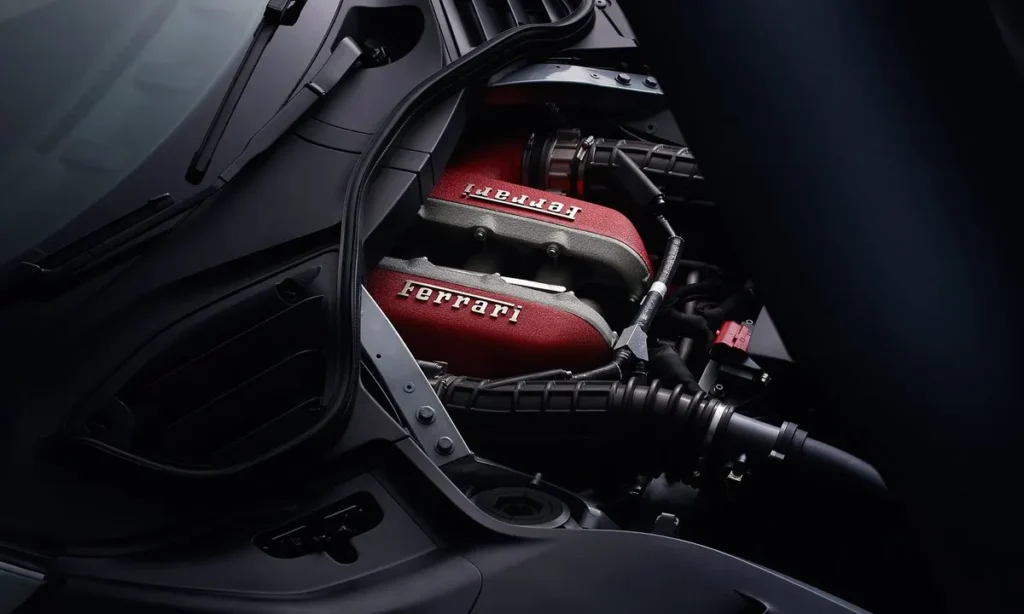
The F140IA naturally aspirated 6.5-litre V12 at the heart of the Purosangue is derived from Ferrari’s parts bin — and what a parts bin that is. Cylinder heads sourced from the 812 Competizione, an intake, timing and exhaust system comprehensively redesigned for the specific demands of this application, and a dry-sump lubrication system capable of sustaining optimal oil pressure through the kind of dynamic loads that the Purosangue’s four-wheel-drive platform and active suspension system enable. The result is 715 horsepower at 7,750 rpm and 528 lb-ft of torque peaking at 6,250 rpm — figures that prioritise the high-revving, screaming character of a Ferrari sports car engine over the low-down torque delivery that turbocharged competitors achieve more easily. Eighty percent of the maximum torque is available from just 2,100 rpm, ensuring the V12 is not merely theatrical at the top of its range but genuinely accessible from the first press of the accelerator in any driving context.
The 0-62 mph sprint takes 3.3 seconds and the top speed is 193 mph — numbers that match or exceed the Urus S in straight-line performance terms and are achieved without the turbochargers, without the hybrid assistance and without the shared architecture that produce the Lamborghini’s equivalent figures. What those numbers cannot communicate is the manner of their achievement — the way the Purosangue’s V12 builds through the rev range with the linear, layered, operatically complex character that only a large-displacement naturally aspirated engine singing toward a 7,750-rpm power peak can produce. The Urus’s twin-turbocharged V8 is a supremely effective performance tool. The Purosangue’s V12 is an emotional event.
The Design: Suicide Doors, Low Roofline and the Courage to Be Unconventional
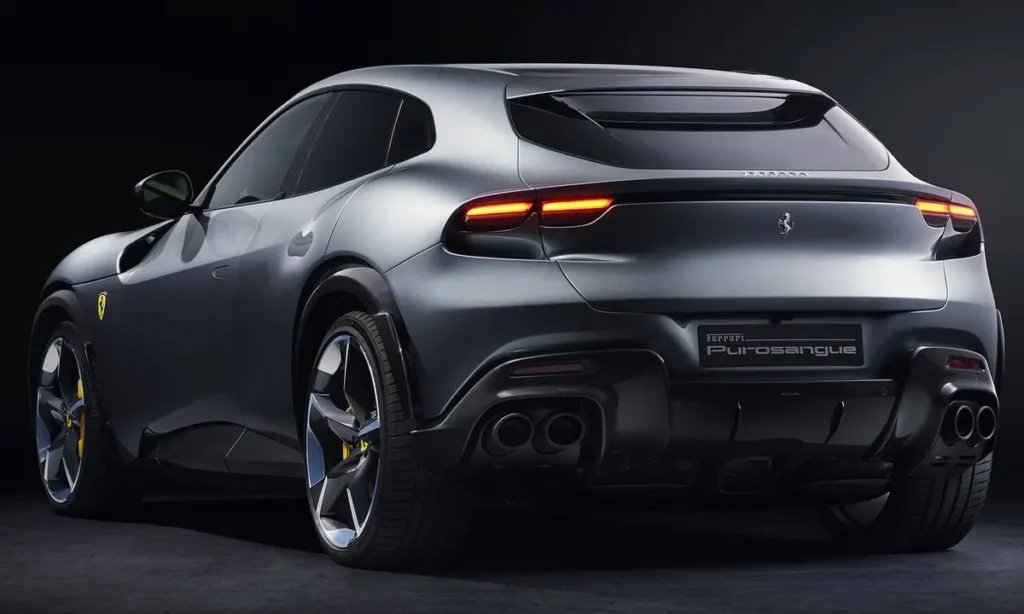
The Ferrari Purosangue’s exterior design is the product of the same uncompromising starting point that governs its engineering. Ferrari’s designers were not constrained by the need to maximise cargo volume, to provide the highest possible ride height or to match the imposing visual template that most performance SUV buyers arrive expecting. They were instructed to design something that looked unmistakably, completely and specifically like a Ferrari — and to work out the SUV brief from that constraint rather than the other way around.
The result is a car that sits considerably lower than the Urus — 62.6 inches tall against the Lamborghini’s 64.5 inches — with a roofline that falls away toward the rear with the sweeping confidence of a grand touring coupe rather than the upright functionality of a conventional SUV. The long bonnet, the raked windscreen and the muscular rear haunches are unmistakably Ferrari proportions, rendered at a scale that accommodates four adults and their luggage without visually betraying that practical reality. Short front and rear overhangs bring the wheels close to the corners of the car, a visual priority that serves the same purpose here as it does on the brand’s mid-engine sports cars — communicating that this machine’s footprint is maximised for dynamics rather than cargo.
The rear-hinged coach doors — what journalists and enthusiasts have taken to calling suicide doors, in the tradition inherited from Rolls-Royce and Lincoln — are among the most distinctive and most visually dramatic elements of the Purosangue’s exterior identity. They are not merely stylistically adventurous. They are structurally significant: by eliminating the B-pillar that separates the front and rear door apertures in conventional four-door designs, they create an opening of exceptional width and accessibility that transforms the experience of entering the rear cabin. The doors can close electrically rather than requiring a physical pull from the occupant, adding a quality of interaction to the boarding process that reinforces the car’s premium positioning at every point of contact. In a world of SUV rivals whose rear door access is a conventional and forgettable functional exercise, the Purosangue’s coach doors transform the moment of arrival into a genuinely theatrical event.
The Driving Experience: Where the Argument Ends
Every technical argument for the Purosangue’s superiority over the Urus — the bespoke platform, the naturally aspirated V12, the rear-transaxle weight distribution, the active suspension technology — converges in the cabin during a fast drive and becomes a single, unified experience that automotive reviewers have consistently described as unlike anything else in the segment. Top Gear described the Purosangue as a car that surpasses the Urus and Aston Martin DBX 707 for purity, accuracy and poise — qualities the super SUV class had not previously encountered. The uncanny ride quality referenced by multiple reviewers is the product of Ferrari’s active suspension system, which employs hydraulic shock absorbers with electric motors controlling body movement and wheel response at high frequencies — a system derived from Ferrari’s sports car development and adapted for the very different demands of a four-door, four-seat vehicle of this mass.
The four-wheel steering system, the ABS EVO 2.0 controller first introduced on the 296 GTB and the all-wheel-drive system derived from the GTC4 Lusso’s architecture combine to make a car weighing in excess of two tonnes respond with a precision and agility that its mass makes theoretically improbable. The Manettino drive mode selector provides Ice, Wet, Comfort, Sport and ESC Off settings — a range that spans from conservative daily driving to a mode that allows the Purosangue to behave with the dynamic latitude of a sports car in the hands of a sufficiently skilled driver. The throttle response, the steering weight and the acoustic experience of the V12 singing toward its 7,750-rpm peak are qualities that the Urus’s turbocharged V8, admirable as it is, cannot match in character regardless of whether it can match it in peak power output numbers.
The Interior: Ferrari’s First Four-Seater, Done Properly
Inside the Purosangue, Ferrari has created the most spacious and the most technologically sophisticated cabin the brand has ever produced while maintaining the unmistakable cockpit character that distinguishes a Ferrari’s interior from every rival’s attempt to suggest a similar atmosphere. Four heated electric seats are standard, each designed to support the occupant through the Purosangue’s dynamic capabilities while providing the long-distance comfort appropriate to a genuine grand touring four-seater. The front seats open wider than in any previous Ferrari, the centre console extends rearward to separate the two rear passengers, and a separate console between the rear occupants mirrors the front’s layout — creating a cabin environment of visual coherence and physical generosity that the limited four-seat accommodation might not suggest.
A 10.2-inch passenger display supplements the driver’s digital instrument cluster, providing the front passenger with independent access to navigation, vehicle data and entertainment functions. Ferrari’s haptic control system for climate and infotainment functions attracted some criticism from reviewers who prefer physical controls, but the implementation is capable and the system is manageable after a period of familiarisation. The flat-bottomed steering wheel with its manettino dial and large gearshift paddles is precisely the interface that a Ferrari driver expects, transplanted from the sports car lineup into a four-door context without any dilution of character. Boot capacity at 473 litres falls modestly short of the Urus’s maximum cargo provision, a trade-off that the Purosangue’s designers made consciously and without apology in service of the car’s proportions and dynamic character.
The Numbers That Settle the Argument
The Ferrari Purosangue starts at approximately $398,000 to $433,000 in North American markets — a significant premium above the Lamborghini Urus S’s starting figure of approximately $241,000 and the Performante’s approximately $273,000. It is a price differential that places the two cars in different financial conversations for many buyers, and it is entirely reasonable to acknowledge that the Urus represents extraordinary performance and extraordinary value for those for whom the Purosangue’s price is prohibitive.
For those to whom both figures are accessible, however, the conversation is fundamentally different — and in that conversation, the Purosangue’s unique architecture, its V12 engine, its rear-transaxle weight distribution, its coach doors, its Ferrari-specific bespoke platform and its driving character that no shared-architecture SUV can replicate make it not merely the more expensive choice but the more compelling, more distinctive and more enduringly significant one. Ferrari limits the Purosangue to no more than 20 percent of its total annual production, ensuring that scarcity reinforces the exclusivity that the car’s specification and price already establish. Second-hand Purosangues have already been recorded trading at significant premiums above their original transaction prices — the first evidence that a car which was worth the wait is proving worth the investment as well.
Read: Skip the Maybach? Here Are the Best Ultra-Luxury Alternatives Under $150,000 in 2027
Ferrari Purosangue vs Lamborghini Urus Performante — Specifications Chart
| Category | Ferrari Purosangue | Lamborghini Urus Performante |
| Platform | Bespoke Aluminium Monocoque — Ferrari Exclusive | MLB Evo — Shared VW Group (Cayenne, Bentayga, Q7) |
| Engine | 6.5L Naturally Aspirated V12 (F140IA) | 4.0L Twin-Turbocharged V8 (Audi-Derived) |
| Engine Position | Mid-Front Mounted — Behind Front Axle Line | Front-Mounted — Conventional SUV Layout |
| Horsepower | 715 hp at 7,750 rpm | 666 hp at 6,000 rpm |
| Torque | 528 lb-ft at 6,250 rpm | 627 lb-ft at 2,300 rpm |
| Torque at Low RPM | 80% Available from 2,100 rpm | Peak from 2,300 rpm (Turbocharged) |
| Redline | 8,250 rpm | 6,800 rpm |
| Transmission | 8-Speed Dual-Clutch — Rear Transaxle | 8-Speed Torque Converter Automatic — ZF |
| Drivetrain | All-Wheel Drive | All-Wheel Drive |
| Weight Distribution | 49:51 Front / Rear | Front-Biased (Conventional Layout) |
| Four-Wheel Steering | Yes — Standard | Not Standard |
| 0–62 mph | 3.3 seconds | 3.3 seconds |
| Top Speed | 193 mph (311 km/h) | 190 mph (306 km/h) |
| Kerb Weight | 4,482 lbs (2,033 kg) | 4,747 lbs (2,153 kg) — Lighter Than Standard Urus |
| Height | 62.6 inches (1,589 mm) | 64.5 inches (1,638 mm) |
| Length | 195.8 inches (4,973 mm) | 201.3 inches (5,112 mm) |
| Width | 79.8 inches (2,028 mm) | 79.4 inches (2,016 mm) |
| Wheelbase | 118.8 inches (3,017 mm) | 118.2 inches (3,002 mm) |
| Rear Doors | Rear-Hinged Coach Doors (Electrically Operated) | Conventional Forward-Hinged |
| Seating Capacity | 4 (Dedicated Individual Seats) | 5 (2+3 Configuration) |
| Suspension | Active — Hydraulic Shock Absorbers with Electric Motors | Active Air Suspension |
| Brakes | Carbon-Ceramic (Available) — ABS EVO 2.0 | Conventional with Optional Carbon-Ceramic |
| Cargo Capacity | 473 litres | Up to 616 litres (Standard Urus) |
| Exterior Shared Components | None — Fully Ferrari | Platform and Engine Shared — VW Group |
| Hybrid Option | None | Urus SE — 789 hp PHEV (Separate Model) |
| Production Restriction | Max 20% of Ferrari Annual Output | Lamborghini Bestseller — No Volume Cap |
| Starting MSRP (US) | ~$398,000–$433,000 | ~$241,000–$273,000 (Performante) |
| Assembly | Maranello, Italy — Ferrari Exclusive | Sant’Agata Bolognese, Italy |