Built Beyond The Road. 5 Reasons The Ford Ranger Raptor Beats Every Other Pickup Truck
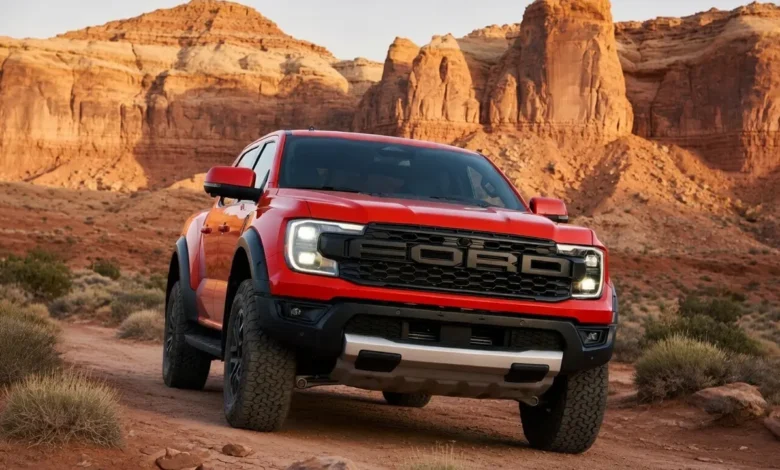
- FOX 2.5-inch internal bypass dampers for high-speed off-road control
- 3.0-litre twin-turbo V6 producing 392 horsepower
- Wider track and high-clearance suspension for extreme terrain capability
- Purpose-built body and chassis beyond standard pickups
- A complete package balancing off-road performance and on-road refinement
The pickup truck segment is populated by vehicles that aspire to off-road capability — whose marketing imagery features dramatic desert landscapes, whose model names invoke rugged outdoor associations and whose option lists include the raised suspension, all-terrain tyres and locking differentials that the off-road appearance demands. What the segment lacks, almost universally, is a pickup truck whose off-road capability is not an aspirational styling exercise but a genuine engineering commitment — a vehicle developed with the specific intent of operating at speed across the terrain that its marketing imagery depicts rather than providing the visual association with that terrain from the comfort of a tarmac road.
Gallery: Ford Ranger Raptor
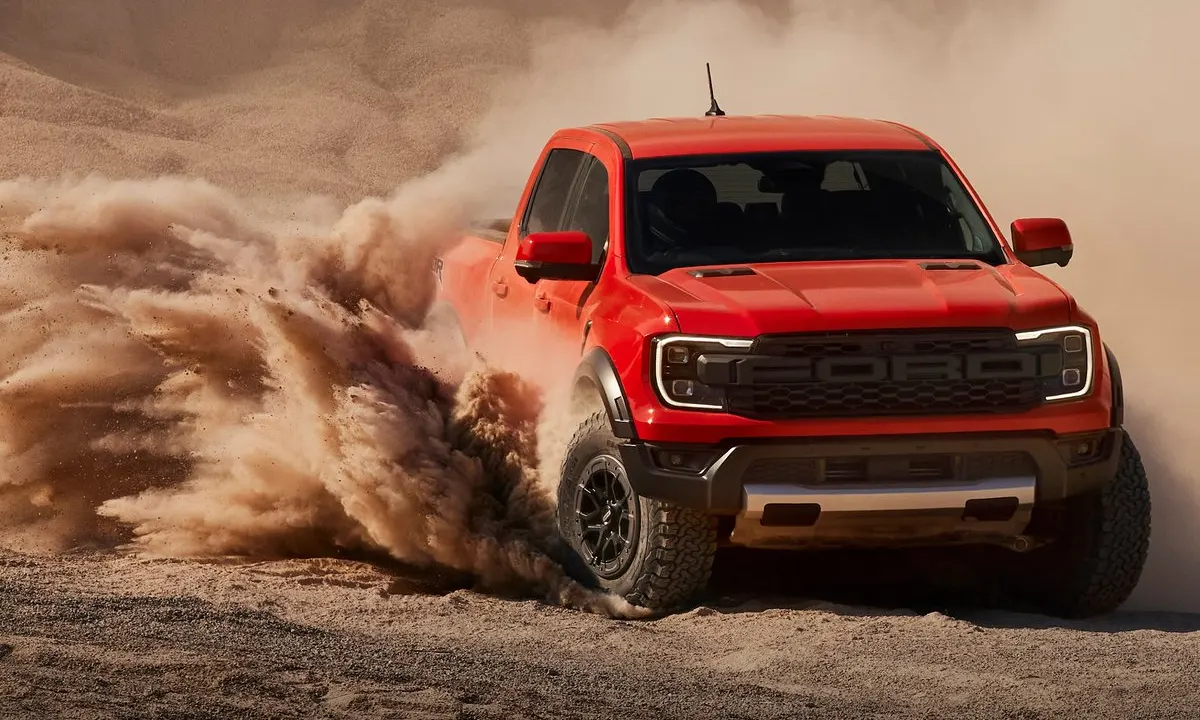
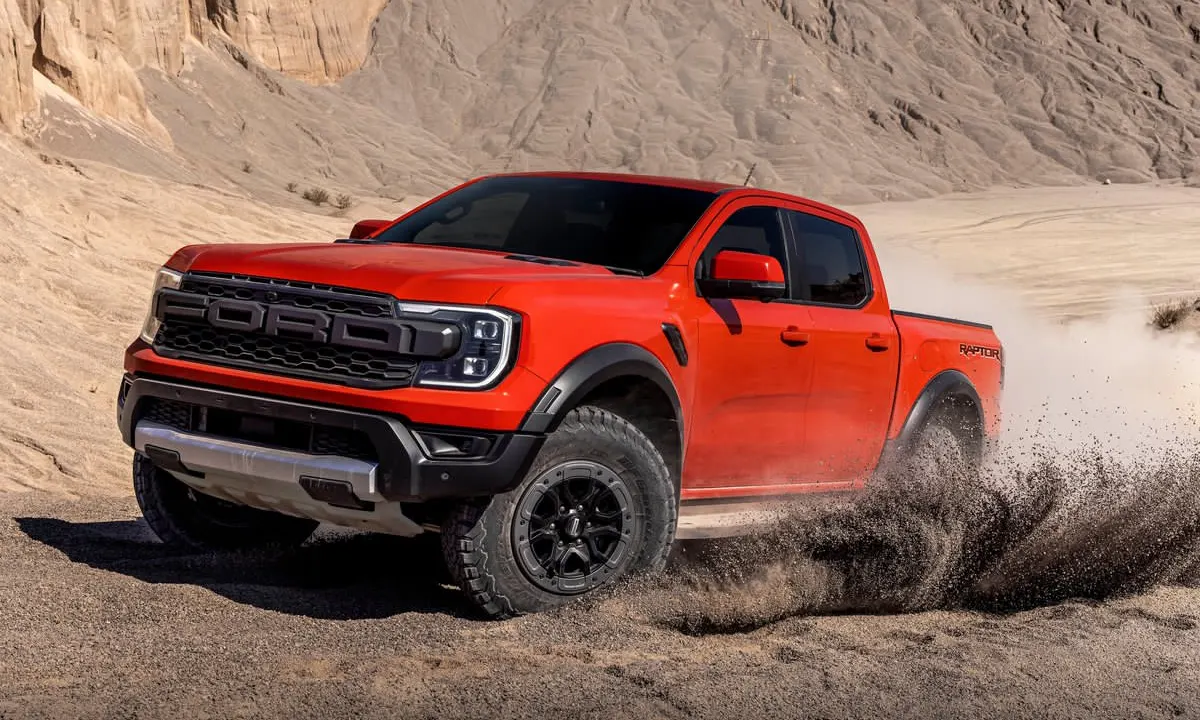
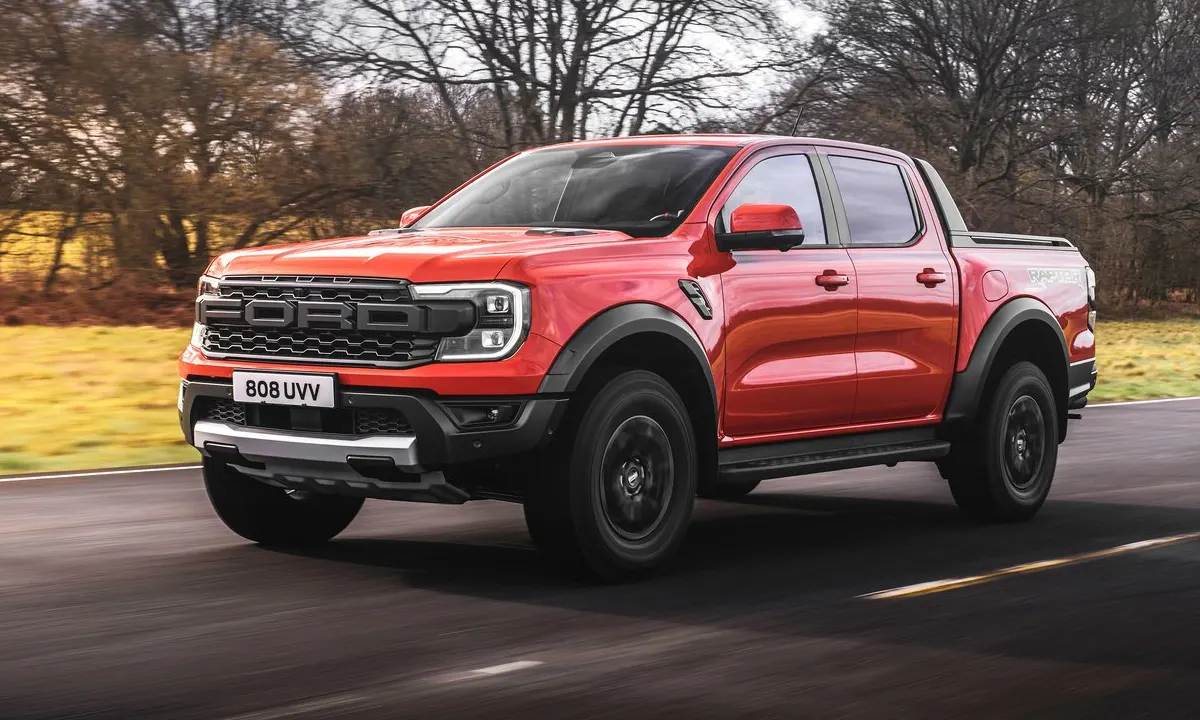
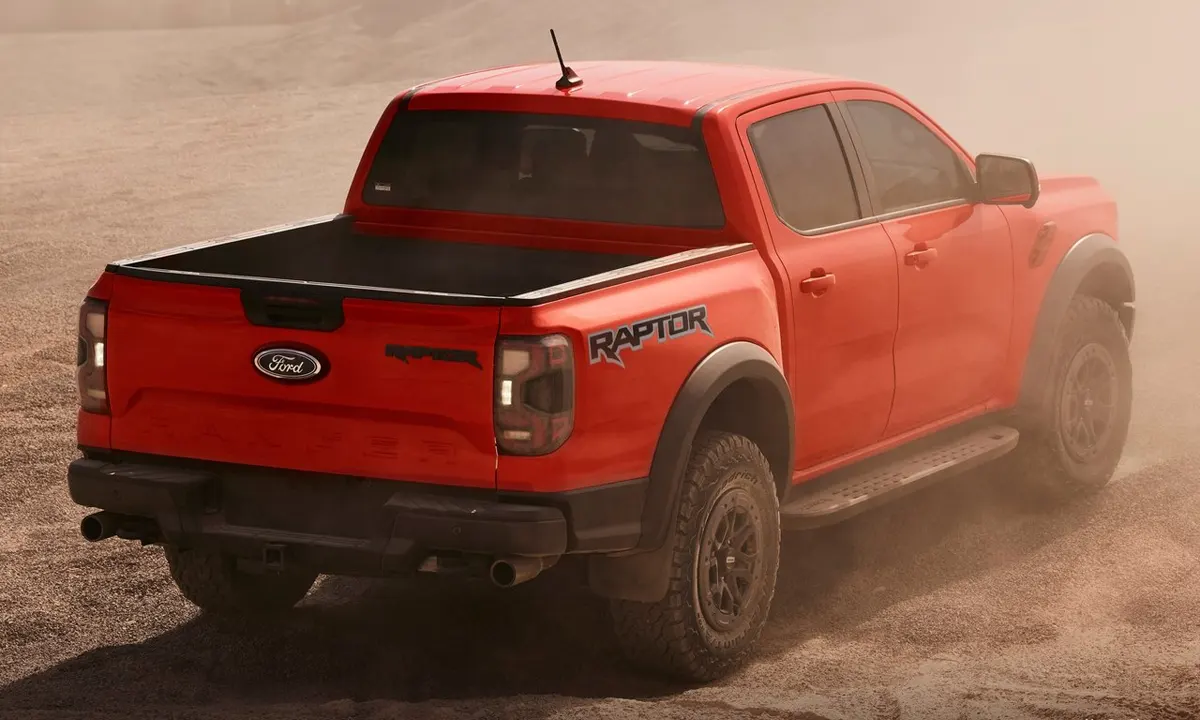
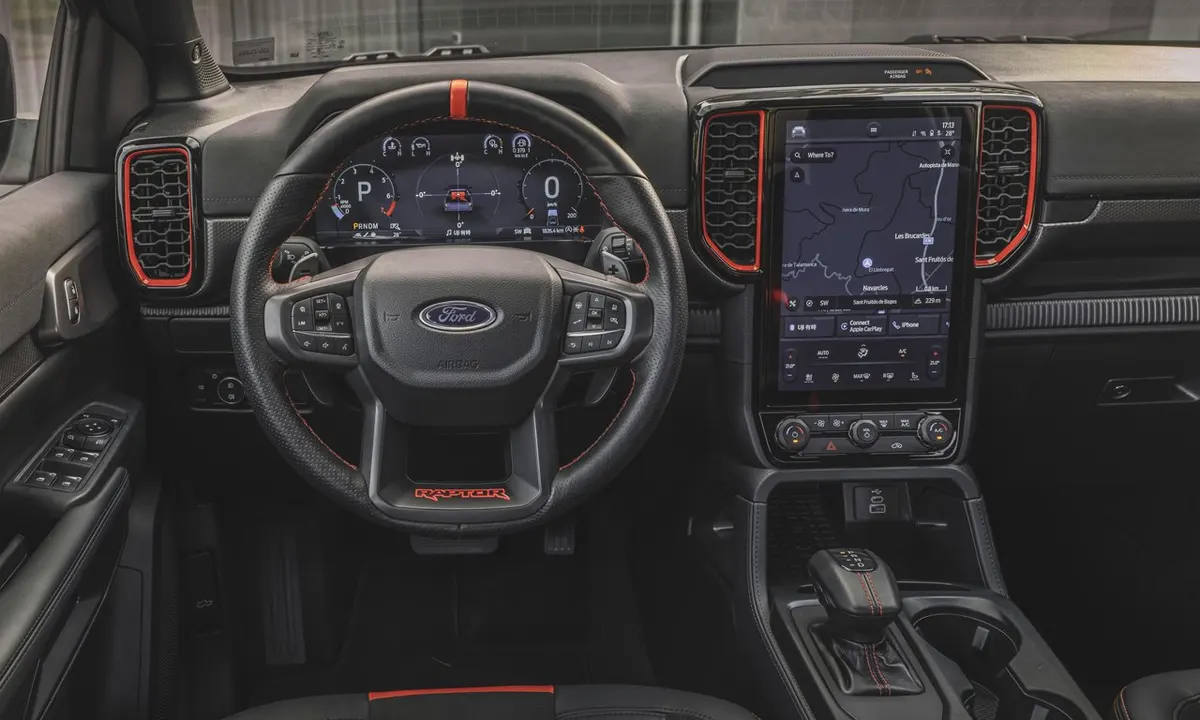
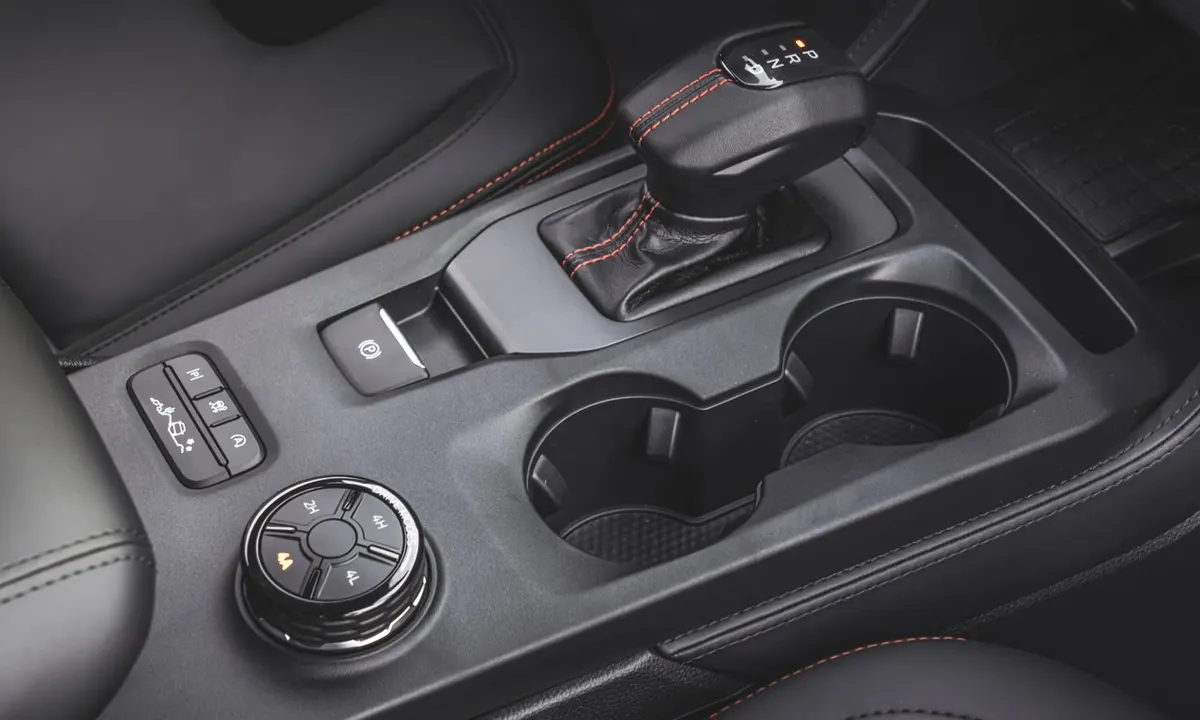
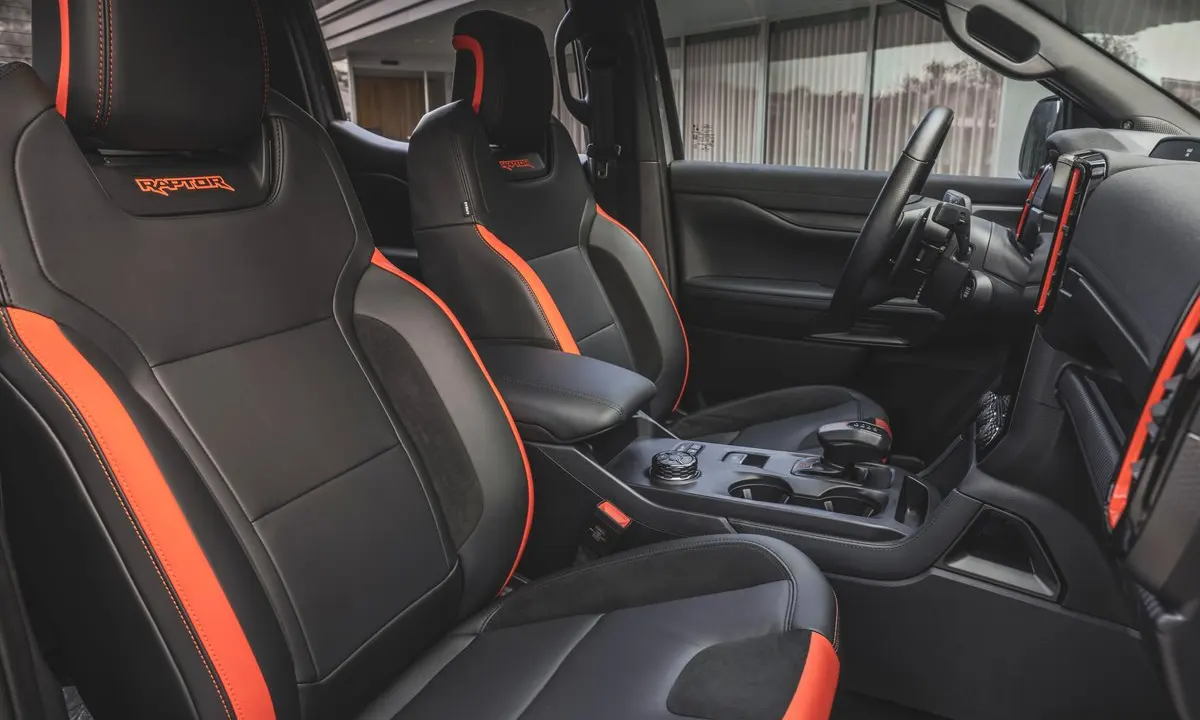
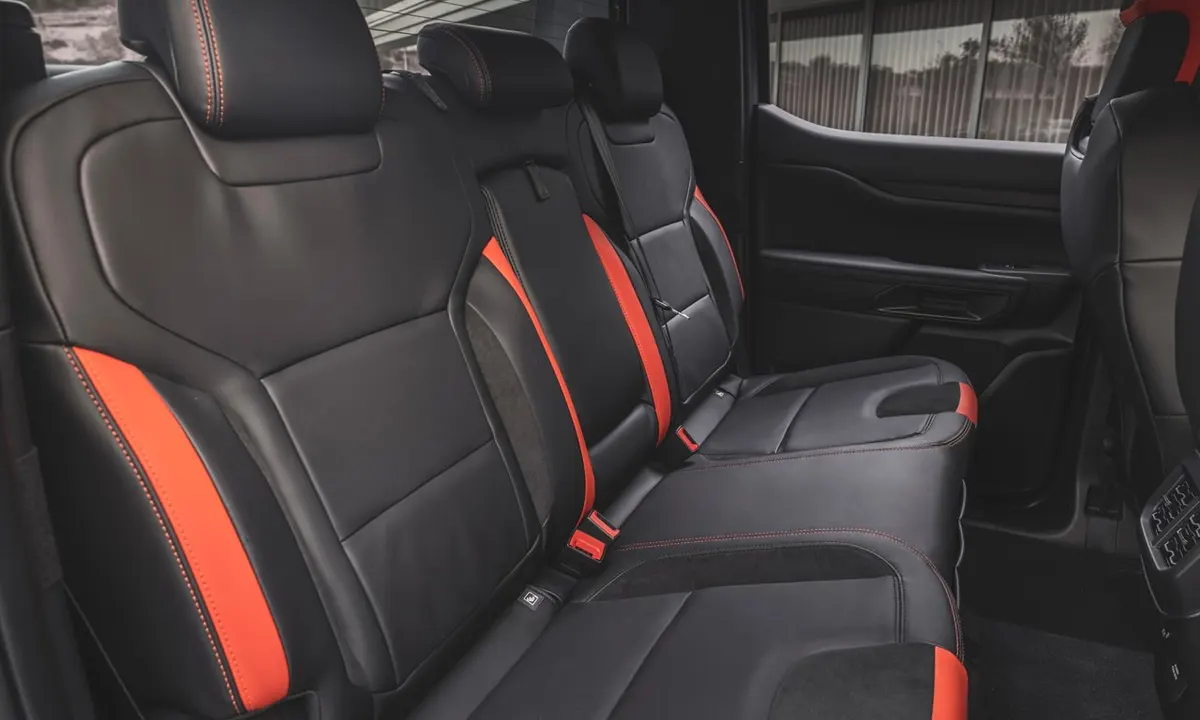
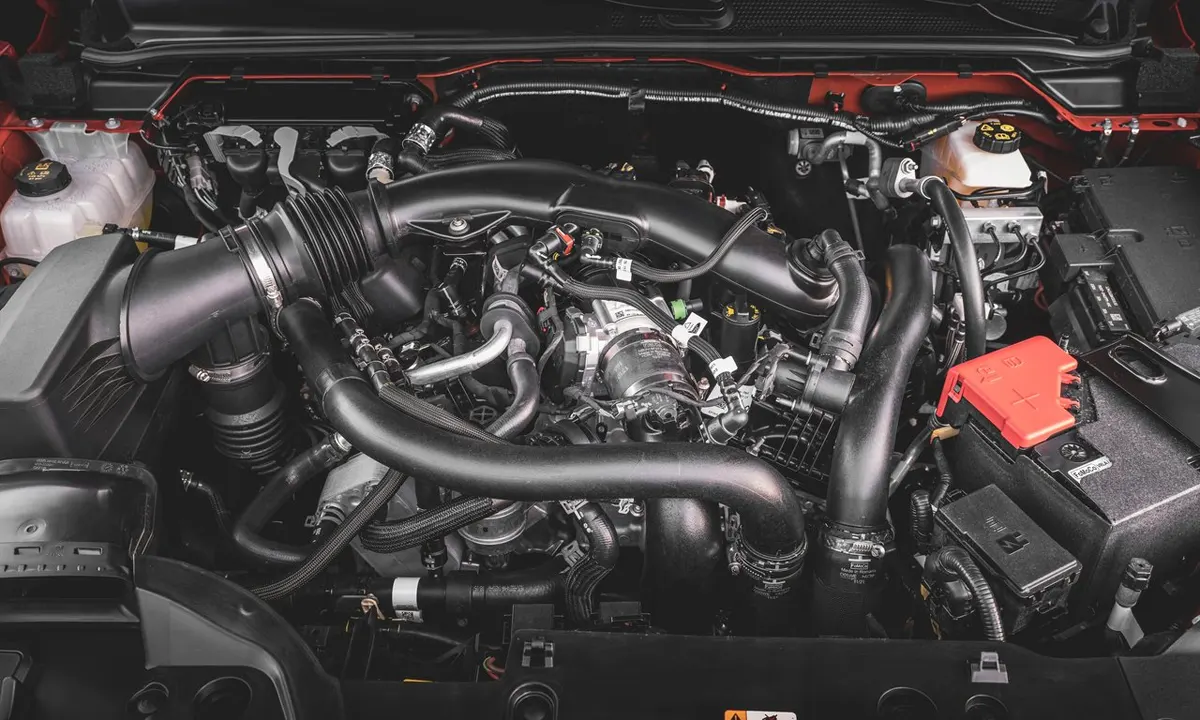
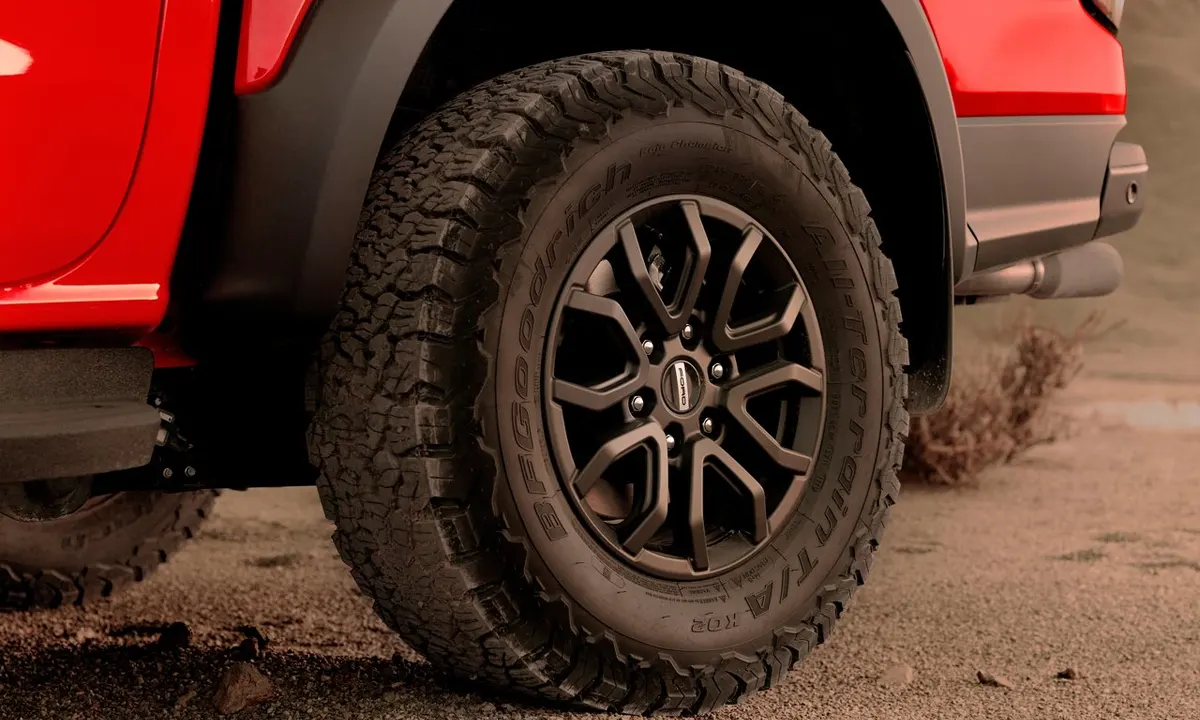
The Ford Ranger Raptor is the exception whose existence exposes every other pickup truck’s off-road capability as the marketing aspiration it is. Developed by Ford Performance with the Baja 1000 desert racing context as its engineering reference point rather than the consumer lifestyle positioning that most performance pickup development uses as its brief, the Ranger Raptor’s capability credentials are not the product of specification decisions made in a marketing meeting — they are the product of engineering decisions made at the proving ground, the desert and the test track that its eventual buyers will encounter when they take the vehicle to the environments its specification was designed to conquer.
Reason 1: Fox Racing Shox That Redefine What a Production Pickup Suspension Can Do
The Ford Ranger Raptor’s suspension system — whose 2.5-inch Fox Racing Shox internal bypass dampers represent the most sophisticated production pickup suspension architecture available at any price from any manufacturer — is the engineering foundation that makes every other claimed capability on this list genuinely achievable rather than theoretically possible.
Internal bypass dampers differ from conventional shock absorbers in a fundamental architectural sense whose performance implications at the desert speeds that Raptor buyers will encounter are the difference between controlled, confident high-speed off-road travel and the violent, unpredictable wheel behaviour that conventional shock absorbers produce when their limited travel and single-stage valving is overwhelmed by the terrain inputs that rapid desert driving generates. The internal bypass system — whose multiple bypass zones within the damper body produce different resistance characteristics at different damper shaft positions — provides progressive resistance that increases as the damper approaches its travel limit, preventing the harsh bottoming-out that conventional shocks suffer while maintaining the supple initial response that off-road traction requires across smaller surface irregularities.
The practical consequence of this suspension sophistication — 283 millimetres of front wheel travel and 310 millimetres of rear wheel travel managed by dampers whose bypass zone calibration was developed specifically for the Raptor’s weight and intended use — is a production pickup capable of sustained high-speed desert travel at 160 kilometres per hour across terrain that would destroy the suspension of every other production pickup in the segment. This is not a marketing claim. It is the engineering reality of a suspension system whose specification matches the desert racing hardware that professional off-road competitors use at the sport’s highest level.
Reason 2: The 3.0-Litre Twin-Turbo V6 Power Calibrated for Off-Road Performance
The Ranger Raptor’s 3.0-litre twin-turbocharged V6 — producing 392 horsepower and 583 Newton-metres of torque in a pickup whose 2,400-kilogram kerb weight the engine manages with authority that the segment’s four-cylinder alternatives cannot approach — provides the specific power characteristic that high-speed off-road performance demands in a manner that maximising peak power figures alone does not guarantee.
The twin-turbocharged V6’s torque delivery — whose 583 Newton-metres arrive at 3,500 rpm and are sustained across a broad rev range — provides the mid-range pulling force that hill climbs, deep sand exits and the sustained acceleration that desert section completion requires under time pressure. The torque characteristic’s specific quality — its breadth rather than its peak — distinguishes the Raptor’s powertrain from turbocharged alternatives whose narrower torque curve demands constant gear selection to maintain the engine in its effective operating range, a cognitive and mechanical demand that the driver managing rough terrain simultaneously cannot reliably meet.
The 10-speed automatic transmission’s calibration — whose Raptor-specific mapping includes a Baja mode whose gear selection logic maintains higher engine loads for the sustained performance that extended off-road running demands — provides the powertrain intelligence that transforms raw horsepower into the specific off-road performance that the terrain requires, holding gears longer than normal mapping would dictate and managing torque converter lock-up with the aggressive consistency that off-road traction management rewards.
Reason 3: A Body Structure That Was Engineered for This, Not Adapted to It
The Ford Ranger Raptor’s body structure is not a standard Ranger with wider wheel arches attached to accommodate larger tyres — it is a fundamentally different structural architecture whose wider track, reinforced frame rails, unique front and rear bumper structures and bespoke running gear mounting points reflect engineering decisions that the standard Ranger’s production tooling cannot accommodate and that no competitor in the pickup segment has replicated with equivalent commitment.
The Raptor’s front track is 150 millimetres wider than the standard Ranger — a dimensional change whose implications extend beyond the visual drama of the wider body to the suspension geometry whose additional track width enables. The wider track’s contribution to the suspension geometry — allowing longer A-arm lengths whose greater arc radius reduces camber change through the suspension travel range — maintains more consistent tyre contact patch geometry across the full 283 millimetres of front wheel travel that the Raptor’s dampers accommodate. A narrower track’s shorter A-arms whose camber change through equivalent travel would compromise contact patch consistency and reduce the predictable traction that high-speed off-road performance requires.
The reinforced frame rails — whose section properties exceed the standard Ranger’s equivalent in the specific loading directions that high-speed off-road impacts impose — provide the structural integrity that the Fox suspension’s performance generates as loads on the chassis. Without the frame reinforcement that the Raptor’s engineering brief demanded, the suspension’s capability would be limited by the chassis’s inability to manage the forces that the dampers transmit — a structural constraint that aftermarket suspension upgrades on standard pickups consistently encounter and that the Raptor’s factory engineering eliminates by addressing both the suspension and the structure simultaneously.
Reason 4: TRAIL CONTROL and Terrain Management Technology Developed for Real Conditions
The Ford Ranger Raptor’s electronic terrain management system — whose seven selectable modes encompass Normal, Sport, Grass-Gravel-Snow, Mud-Sand, Rock, Baja and a Slippery setting whose calibration breadth reflects genuine development across the terrain types that the names describe rather than the marketing exercise that undifferentiated terrain management systems on lesser pickups represent — provides the electronic intelligence that the mechanical hardware’s capability requires to be fully accessible to drivers whose off-road experience varies from the deeply expert to the genuinely enthusiastic beginner.
The Baja mode’s specific calibration — whose throttle mapping, transmission shift points, stability control intervention threshold and differential lock strategy reflect the sustained high-speed desert running that the Baja designation references — transforms the Raptor’s electronic behaviour into a configuration specifically optimised for the use case that most distinguishes it from every other production pickup. No competitor in the global pickup segment offers a terrain management mode whose calibration references a specific desert racing event — because no competitor has developed a pickup whose genuine capability at desert racing speeds makes such a mode’s specific calibration meaningful rather than aspirational.
The Trail Control system — whose low-speed crawl control manages throttle and braking independently at each wheel to maintain a set speed across technical terrain without driver throttle input — provides the rock crawling and technical trail assistance that allows the Raptor’s driver to focus on steering line selection rather than throttle management during the low-speed technical sections that the suspension’s desert capability might suggest are outside the vehicle’s intended operating environment. The Raptor’s capability across the full spectrum from technical rock crawling to sustained desert high-speed is the most complete off-road performance range that any production pickup has ever offered.
Read: Why the Ford Ranger XL Is Dominating the Work Truck Segment
Reason 5: On-Road Refinement That Makes the Capability Accessible Every Day
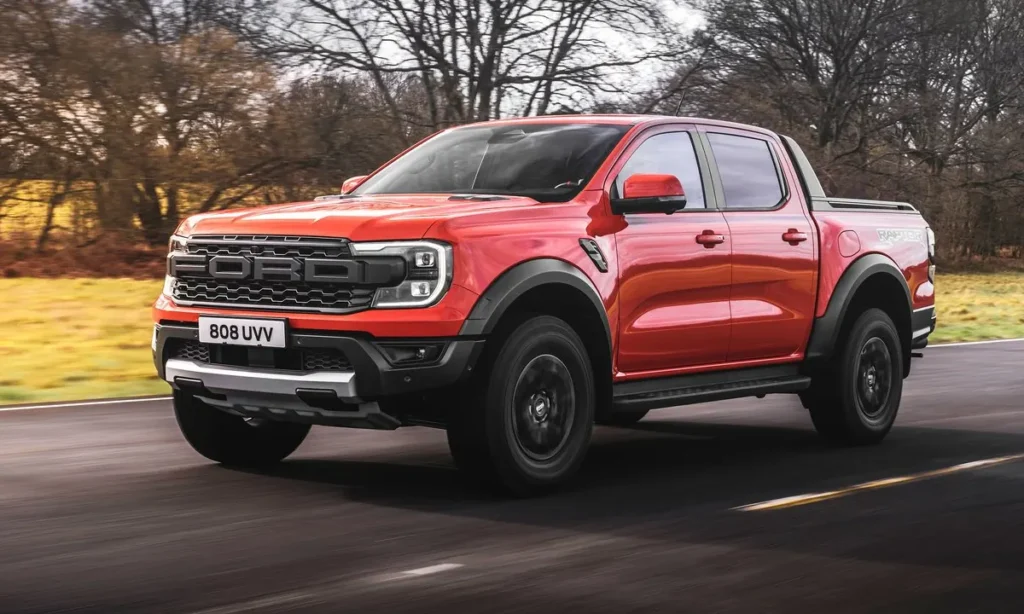
The Ford Ranger Raptor’s daily driving character — whose on-road ride quality, highway noise isolation and driving dynamics reflect the engineering investment that making the off-road hardware’s compliance usable on tarmac demands — provides the practical accessibility that distinguishes a genuine daily driver from a specialised off-road vehicle whose compromises make normal road use an exercise in tolerance rather than enjoyment.
The Fox dampers’ bypass zone calibration — whose initial compliance is tuned for road surface absorption rather than exclusively optimised for desert impacts — provides the on-road ride quality that the Raptor’s family pickup market positioning demands without the harshness that equivalently capable off-road suspension hardware whose calibration is optimised exclusively for rough terrain imposes on tarmac. The result is a pickup whose daily motorway commute comfort, urban manoeuvring capability and long-distance touring refinement make the extraordinary off-road capability feel like a bonus rather than a compromise accepted in exchange for normal usability.
The specific achievement of the Ranger Raptor’s engineering — making genuine Baja-capable suspension hardware provide acceptable daily road use comfort — is the most difficult balance in performance vehicle development and the one whose success most completely defines the Raptor’s superiority over pickup trucks that offer either on-road refinement without off-road capability or off-road capability at the cost of on-road usability that daily driving demands.
Read: Most Fuel Efficient Trucks In USA 2026. Real MPG Numbers, Real Rankings, No Compromises
Ford Ranger Raptor vs Key Rivals — Performance Comparison
| Category | Ford Ranger Raptor | Toyota Hilux GR Sport | Chevy Colorado ZR2 | RAM 1500 TRX |
| Engine | 3.0L Twin-Turbo V6 | 2.8L Turbo Diesel I4 | 2.7L Turbo I4 | 6.2L Supercharged V8 |
| Power Output | 392 hp | 204 hp | 310 hp | 702 hp |
| Torque | 583 Nm | 500 Nm | 542 Nm | 881 Nm |
| Suspension | Fox 2.5-Inch IBP | Bilstein | Multimatic DSSV | Fox 2.0-Inch |
| Front Travel | 283 mm | ~200 mm | 254 mm | ~300 mm |
| Terrain Modes | 7 (incl. Baja) | 4 | 6 | 6 |
| Trail Control | Yes | No | Yes | Yes |
| Track Width Increase | +150 mm vs Standard | Minimal | +150 mm vs Standard | Full-Size Platform |
| On-Road Refinement | Excellent | Good | Very Good | Good |
| Starting Price (UK) | ~£52,000 | ~£47,000 | N/A (US Market) | ~$80,000 (US) |
| Best Use Case | Desert / Daily | Towing / Mild Off-Road | Rock / Trail | Sand / Maximum Power |