Genesis vs Lexus Reliability: Which Luxury Brand Can You Actually Trust Long Term?
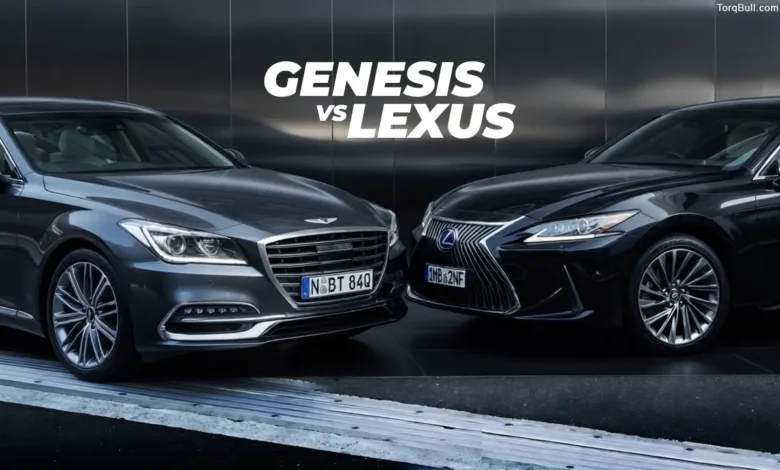
- J.D. Power and Consumer Reports reliability rankings
- Initial quality vs long-term dependability comparison
- Annual repair and maintenance cost differences
- Warranty coverage and ownership benefits
- Genesis vs Lexus: which brand is more reliable
Genesis vs Lexus Reliability: Choosing between Genesis and Lexus is one of the most genuinely interesting decisions in the luxury car market today. On one side sits Lexus — the established Japanese brand that has spent thirty-five years building the most consistently reliable luxury vehicle range in the world, backed by Toyota’s engineering discipline and an ownership satisfaction record that no European competitor has come close to matching. On the other is Genesis — Hyundai Motor Group’s premium arm, launched just a decade ago, that has already achieved remarkable results in early quality studies and disrupted the segment with aggressive specification, longer warranties and pricing that makes Lexus look expensive by comparison. The reliability question, however, is more nuanced than any single study or award suggests — and the complete picture matters considerably to anyone buying a car they intend to own for five, ten or fifteen years.
Lexus: Thirty-Five Years of Earned Reputation
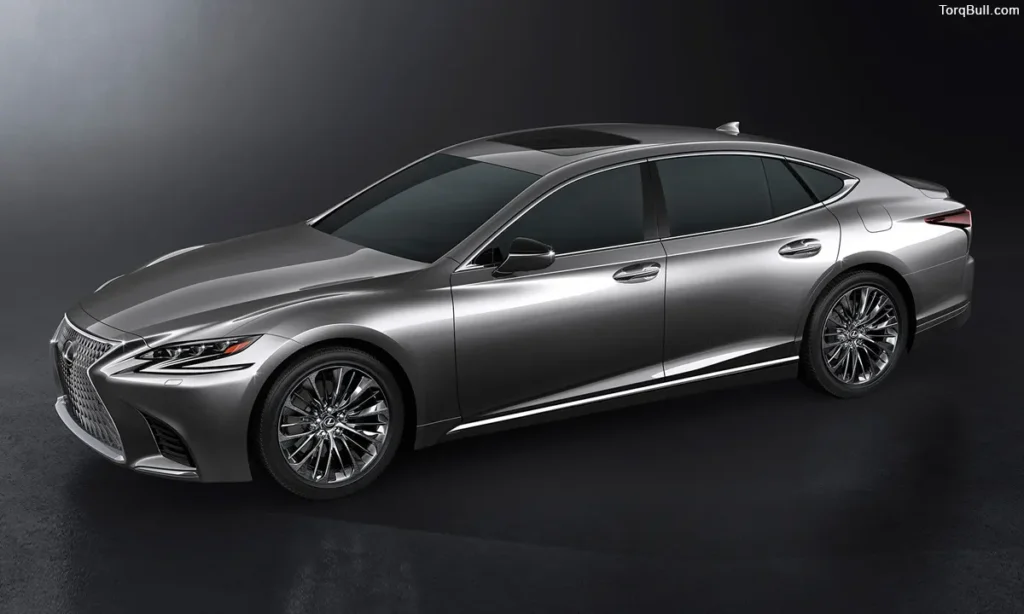
The Lexus reliability story begins not with its own engineers but with Toyota’s — the manufacturing culture, quality control systems and durability-first design philosophy that have underpinned every vehicle the parent company has ever built. When Toyota launched Lexus in 1989, it applied all of those principles to the luxury segment and then added a layer of premium refinement on top. The result was a brand that consistently did what European luxury manufacturers claimed to do — build expensive, beautifully appointed cars that actually remained mechanically sound across high-mileage ownership.
In the 2025 J.D. Power Initial Quality Study, Lexus scored 166 problems per 100 vehicles — the best result of any brand across the entire automotive industry, ahead of every mass-market and premium competitor. In the 2024 J.D. Power Vehicle Dependability Study, which measures three-year ownership problems and is therefore a considerably stronger indicator of long-term reliability than new-car quality, Lexus again ranked first among all brands with 135 problems per 100 vehicles. Consumer Reports, whose reliability data reflects actual owner experiences rather than manufacturer-influenced surveys, consistently places Lexus among its two or three most reliable brands year after year, with individual model scores that rarely dip below 80 out of 100. The Lexus ES, RX and NX have each produced segment-leading or near-segment-leading scores in recent cycles.
The financial translation of these results is significant for long-term owners. RepairPal estimates average annual Lexus maintenance and repair costs at $551 — lower than the $652 industry average and dramatically lower than German alternatives like BMW at $968 and Mercedes-Benz at $908. Many Lexus models routinely surpass 150,000 miles with conventional servicing, and certain platforms — the GX, LX and LS in particular — are associated with 200,000-mile and beyond ownership with the kind of regularity that no European luxury brand has matched in the same ownership cost bracket.
Genesis: An Impressive Upstart With Limitations
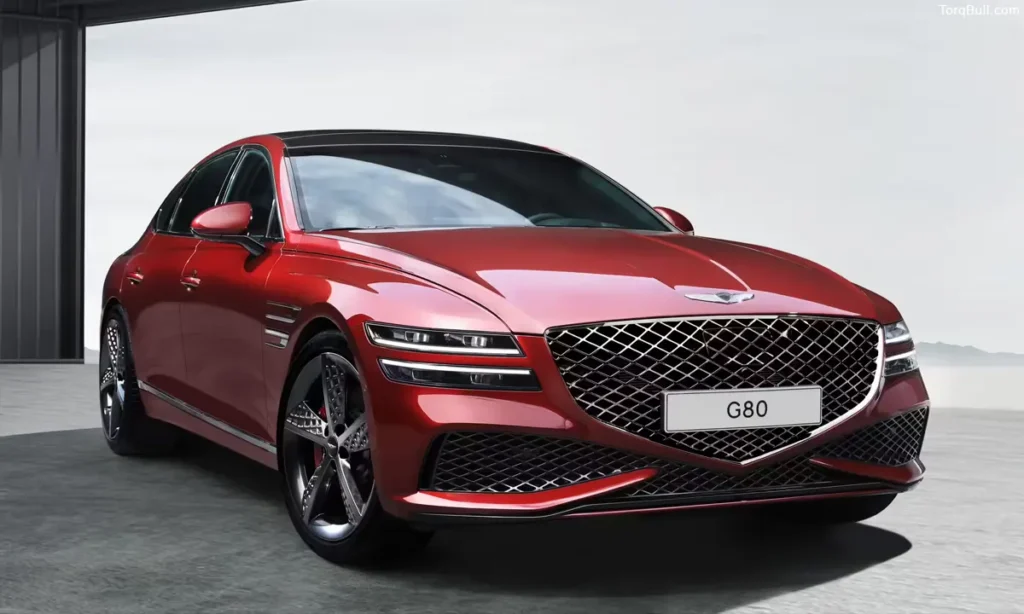
Genesis launched its first standalone models in 2017 and has compressed what normally takes a generation into less than a decade of brand establishment. In that context, its reliability performance is genuinely remarkable — particularly in initial quality studies that measure new-car defects and early ownership satisfaction. In the same 2025 J.D. Power Initial Quality Study that gave Lexus first place, Genesis scored 183 problems per 100 vehicles — third place among premium brands, ahead of BMW, Audi, Mercedes-Benz, Cadillac and Volvo. In 2023, Genesis ranked second in overall reliability across all brands in J.D. Power’s Vehicle Dependability Study, trailing only Lexus.
Annual ownership costs are comparably attractive. RepairPal data puts average Genesis maintenance at $524 per year — actually lower than Lexus and similarly positioned relative to the German competition. The brand’s warranty structure is more generous than Lexus in headline terms: a five-year, 60,000-mile bumper-to-bumper warranty, a ten-year, 100,000-mile powertrain warranty and three years of complimentary scheduled maintenance as standard, all of which transfer to subsequent owners.
Where Genesis’s reliability profile becomes more complicated is in the longer-term, model-by-model data that Consumer Reports accumulates through multi-year owner surveys. The GV80, Genesis’s flagship SUV and its highest-profile vehicle in most markets, has received below-average reliability scores in Consumer Reports’ rankings for multiple consecutive model years — a pattern that reflects persistent issues in electronics, infotainment and connected systems rather than fundamental powertrain failures. The G70 and G80 sedans present a more reassuring picture, with reliability scores in the above-average to average range depending on model year. The brand’s EV models — the GV60 and Electrified GV70 — have shown the mixed early reliability results that characterise first-generation EV platforms broadly, though they remain under warranty for the majority of current owners.
Read: Five Reasons the Lexus GX Beats the Toyota Land Cruiser
The Head-to-Head Comparison
| Category | Lexus | Genesis |
| J.D. Power IQS 2025 (Lower is Better) | 166 PP100 — 1st Overall | 183 PP100 — 3rd Premium |
| J.D. Power VDS 2024 (3-Year Dependability) | 135 PP100 — 1st Overall | 213 PP100 — Above Average |
| Consumer Reports Brand Reliability | Consistently Top 3 | Mixed — varies by model |
| RepairPal Annual Maintenance Cost | ~$551 | ~$524 |
| Bumper-to-Bumper Warranty | 4 years / 50,000 miles | 5 years / 60,000 miles |
| Powertrain Warranty | 6 years / 70,000 miles | 10 years / 100,000 miles |
| Complimentary Maintenance | 2 years / 25,000 miles | 3 years / 36,000 miles |
| Resale Value | Excellent — KBB Best Luxury Brand 2025 | Below Lexus — no KBB awards |
| Long-Term Track Record | 35+ years — established | Under 10 years — limited data |
| EV/Hybrid Reliability | Strong across hybrid lineup | Mixed — first-generation EV issues |
| Known Problem Areas | Infotainment on newer platforms | Electronics, GV80 reliability |
| 150,000+ Mile Reputation | Widely documented | Too early to assess fully |
Read: BMW vs Audi Maintenance Cost Comparison 2026. The German Premium Maintenance Reality
What Long-Term Ownership Data Actually Tells Us
The most important distinction between Genesis and Lexus is not measured by any single study score — it is the depth of the long-term data available on each brand. Lexus’s reliability reputation has been stress-tested across hundreds of thousands of vehicles over three and a half decades of real-world ownership. The pattern is consistent, the high-mileage track record is documented and the resale value it commands reflects buyer confidence earned over a generation.
Genesis is working from a much shorter dataset. Its strong initial quality scores reflect genuine engineering competence and Hyundai Motor Group’s significant advances in manufacturing quality across the past decade. Its warranty terms demonstrate confidence from the manufacturer’s own perspective. But the evidence of how a 2019 G80 performs at 120,000 miles, how a 2021 GV80 holds up at year seven or how the first-generation GV70 ages past 100,000 miles is only beginning to accumulate. The electronics-focused issues visible in Consumer Reports data are a specific concern because modern vehicle electronics are notoriously difficult to predict across long ownership periods — and expensive to address when they fail outside warranty coverage.
For a buyer planning to finance a car, drive it for four years and sell it, Genesis represents exceptional value, competitive reliability and warranty protection that arguably exceeds Lexus’s in raw coverage terms. For a buyer who intends to own a vehicle for ten or fifteen years and drive it well beyond 100,000 miles, Lexus’s three-decade track record of documented long-term dependability remains the more compelling evidence base — backed by the lowest annual ownership costs in the premium segment and resale values that reflect the trust buyers consistently place in the nameplate.