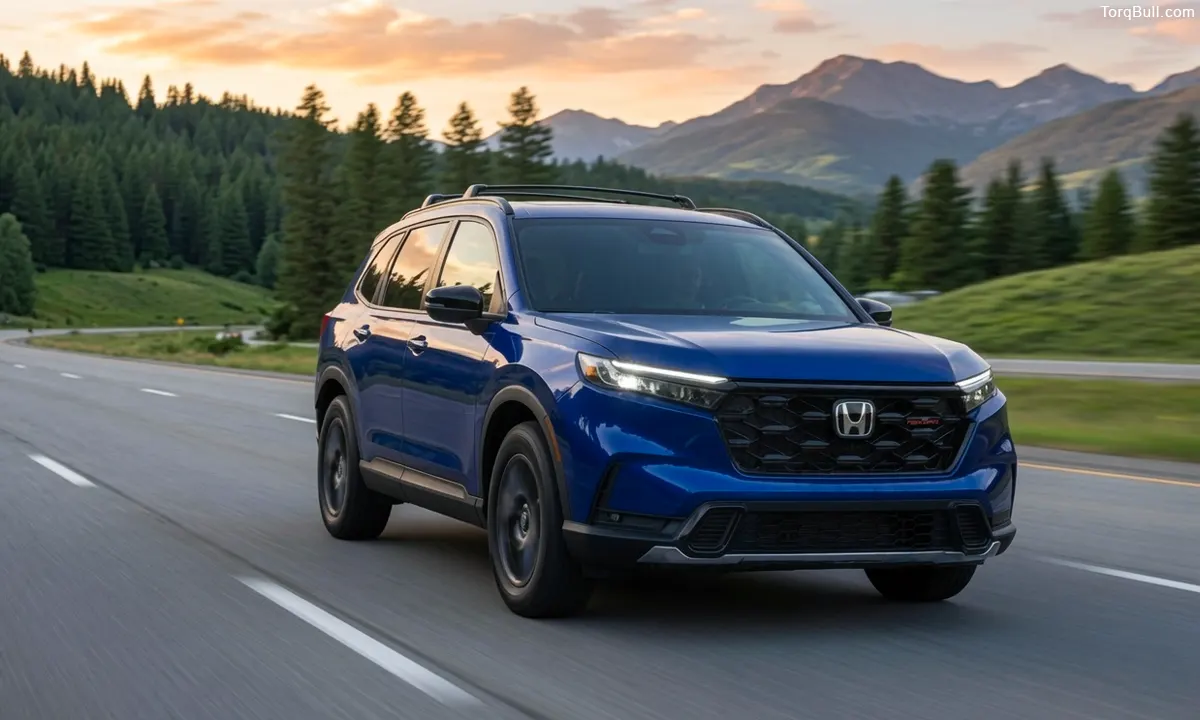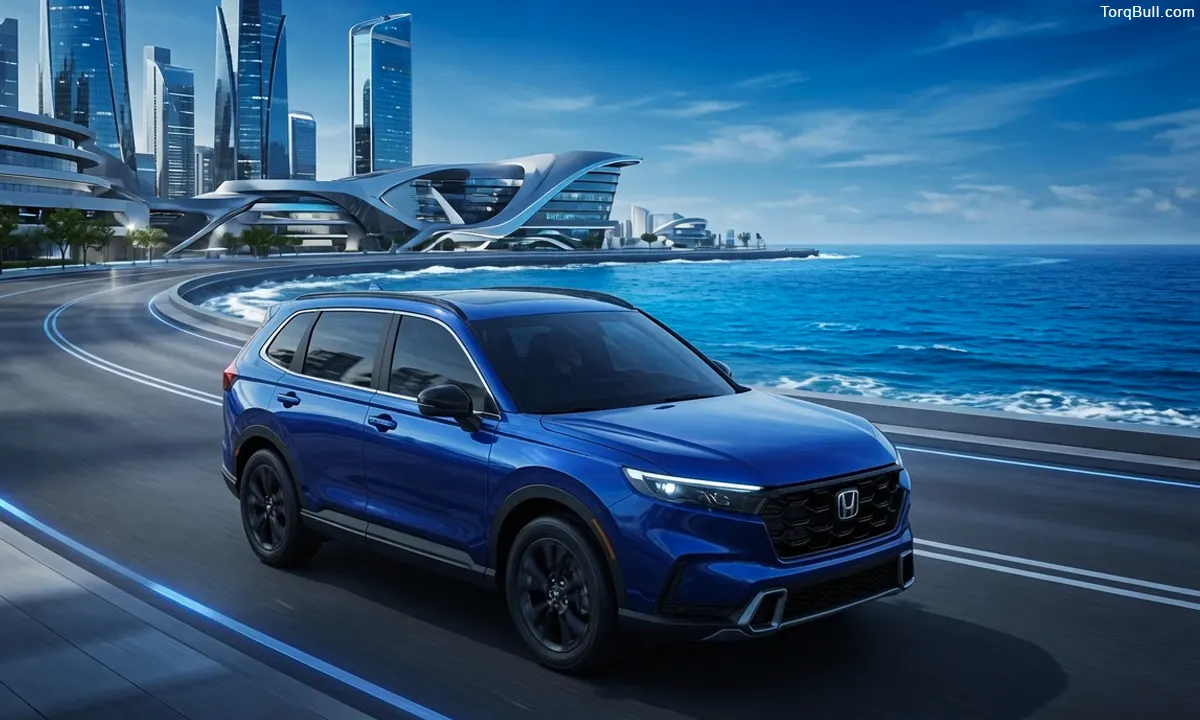
- The 2026 Honda CR-V starts at $30,920, with buyers typically paying below MSRP and saving around $1,268 on average.
- Owner satisfaction is strong, with reliability and performance receiving the highest ratings, while the Hybrid delivers about 36–37 MPG in real-world city driving.
- Potential drawbacks include road noise on rough surfaces, occasional infotainment connectivity issues and concerns carried over from earlier windshield durability complaints.
The Honda CR-V has spent over two decades as one of the most consistently recommended compact crossovers in America — and the sixth-generation model that continues into 2026 represents Honda’s most complete version yet, incorporating the lessons of steady refinement across every previous generation into a vehicle that focuses on the fundamentals families care about most: interior space, fuel efficiency, build quality and road manners that feel more polished than many rivals. After six generations of steady refinement, the current CR-V is better than it has ever been in its primary mission. The 2026 update specifically adds a standard 9-inch infotainment touchscreen, new technology and safety features, and updated styling details that keep the nameplate current. But the owner community’s data — 75 to 83 percent recommendation rates, with value consistently rated as the weakest category — tells a more complete story than the professional accolades alone. This guide addresses both sides with equal honesty.
The Price Reality: Buyers Are Paying Below MSRP
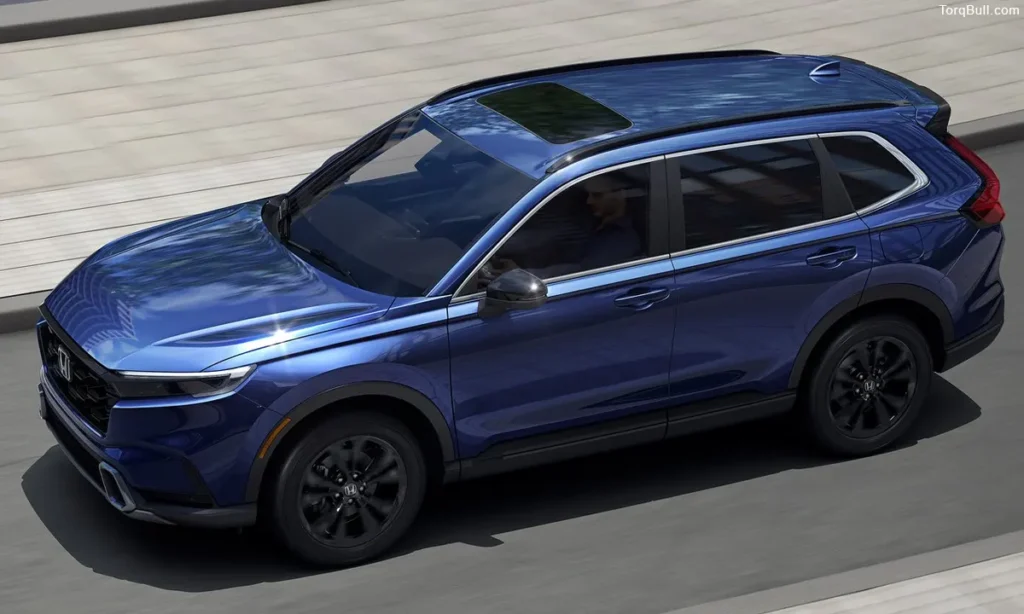
The most immediately useful market intelligence for any 2026 CR-V buyer is that buyers are paying an average of 3.4 percent below MSRP — approximately $1,268 in savings — across the CR-V lineup. The Sport Touring Hybrid specifically produces savings of approximately 5.4 percent below MSRP, representing approximately $2,266 in available negotiation room. With approximately 42,972 new CR-Vs available nationwide and a 20-day average time on dealer lots, the inventory position supports buyer negotiation rather than dealer premiums.
The gas CR-V lineup spans from $30,920 for the base LX through the EX at $33,150 and the EX-L at $35,400 — with all-wheel drive available for an additional $1,500 on all three gas trims. The best value recommendation from professional evaluation is the EX-L at $35,400, which delivers the features most families prioritise without requiring the hybrid premium. Buyers focused on fuel efficiency may prefer the Sport-L Hybrid at $38,725, which delivers similar equipment with the hybrid powertrain.
Read: Honda CR-V Hybrid Battery Life. What Owners Can Expect After Years of Use
Why the CR-V Is Worth Buying: The Strongest Attributes
Reliability — The CR-V’s Most Consistently Praised Quality
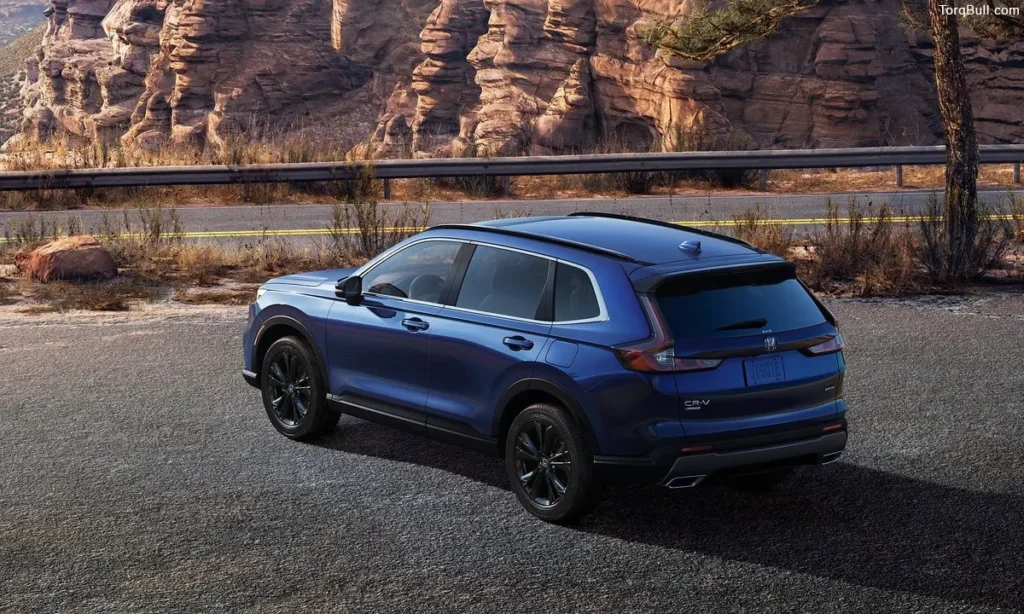
Reliability rates as the highest consumer attribute across both gas and hybrid CR-V owner reviews — scoring 4.7 to 4.8 out of 5.0 from verified owner accounts. Multiple owners describe very reliable performance, great on gas, and has just about everything as their ownership summaries. The Honda nameplate’s multi-decade reliability record is the foundational purchase argument — and the CR-V has maintained Honda’s reliability standard consistently enough that owner community data reinforces rather than merely echoes the reputation.
For buyers planning five to ten years of ownership, the CR-V’s below-average annual repair cost of $368 — substantially below the $526 compact SUV class average — is the financial manifestation of this reliability advantage. Lower annual maintenance spending compounds meaningfully across a ten-year ownership horizon into $1,580 in additional funds that Corolla-equivalent low-maintenance ownership preserves compared to higher-maintenance segment alternatives.
Interior Space — Genuinely Spacious for the Class
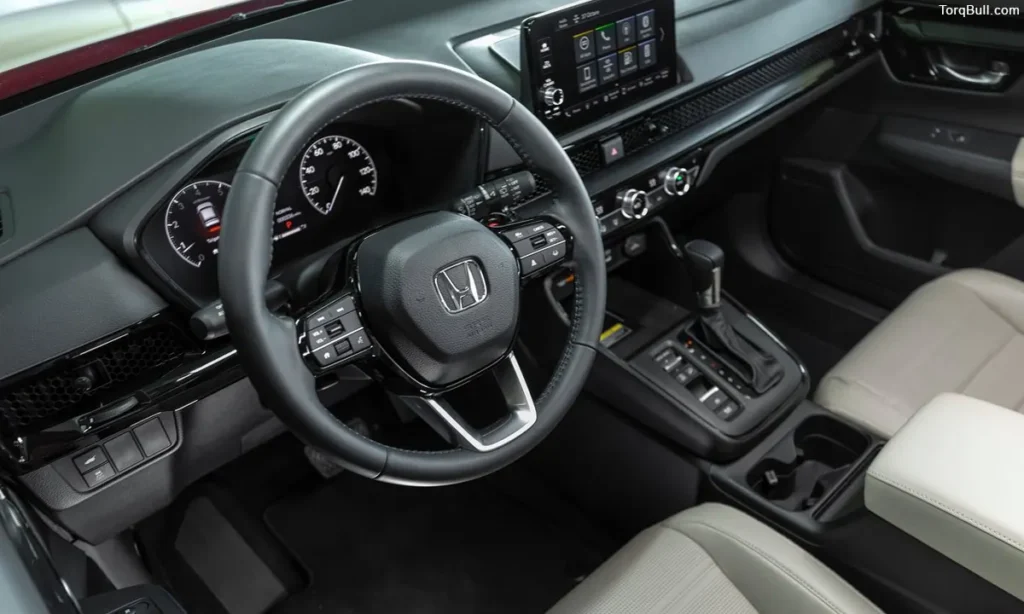
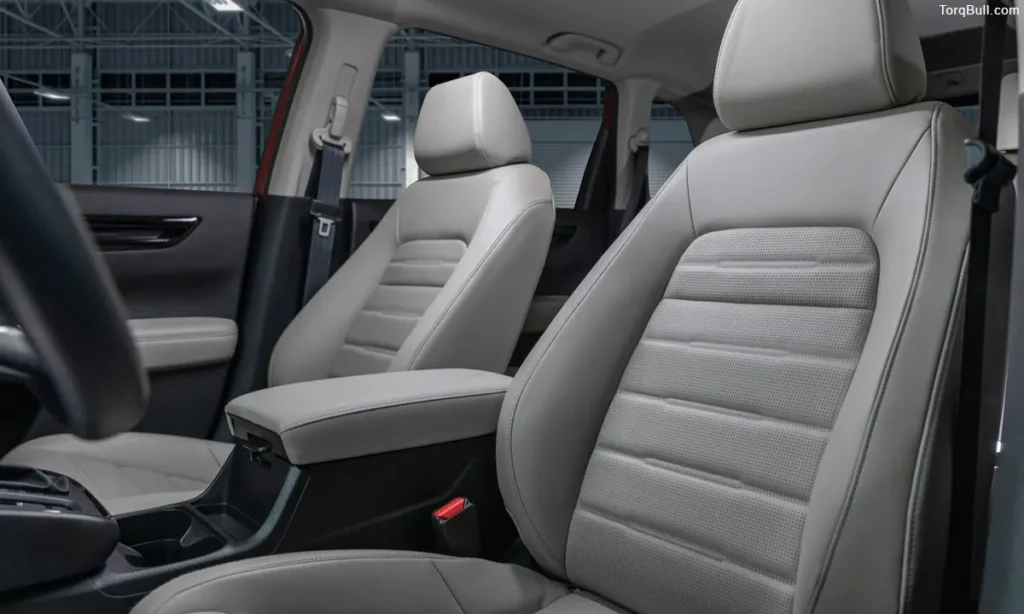
The CR-V’s interior space is consistently described as a comfortable, spacious interior with supportive seats and quiet cabin — and the specific dimensions validate this characterisation. Generous cargo space with flexible rear seat configurations, abundant front legroom even for very tall drivers and rear passenger accommodation that genuinely serves adult passengers rather than merely accommodating them collectively produce the interior practicality that family daily use specifically demands.
The CR-V’s cargo area is specifically practical for family transport — the flat load floor when rear seats fold, the accessible cargo opening and the optimised cargo volume for the vehicle’s exterior dimensions collectively make the CR-V one of the most practically usable compact crossovers for the grocery run, sports equipment transport and family weekend travel scenarios that define most buyers’ actual usage patterns.
The Hybrid’s Real-World Fuel Economy
The Honda CR-V Hybrid’s real-world fuel economy is the specification that most consistently impresses owners once they have accumulated daily driving experience. Owners document 36 to 37 MPG in urban driving conditions and the most enthusiastic accounts describe even better results in warmer months — one owner specifically describes the hybrid as really good MPG approximately 36 to 37 and tons of room.
The CR-V Hybrid’s two-motor hybrid system produces 204 combined horsepower alongside this efficiency — a combination that positions it as the best powertrain in the CR-V lineup for buyers who want efficiency without sacrificing performance. The hybrid also provides the extended brake service intervals from regenerative braking that reduce annual maintenance costs relative to the gas model.
Safety — Five Stars and Honda Sensing Standard
The 2026 Honda CR-V earns a five-star overall NHTSA crash test rating — the maximum available — validating both the structural integrity and the active safety system performance in the standardised test scenarios. Honda Sensing is standard across every CR-V trim from the base LX through the Sport Touring Hybrid — providing automatic emergency braking with pedestrian detection, adaptive cruise control, lane keeping assist and road departure mitigation without requiring any package selection or trim upgrade.
Read: Honda CR-V EX vs EX-L: Is the Higher Trim Worth the Extra Cost?
Why the CR-V Is Not Worth It for Some Buyers: The Honest Concerns
Value — The Consistently Weakest Consumer-Rated Attribute
Value is the weakest consumer-rated attribute across both the gas and hybrid CR-V owner review datasets — a pattern that is consistent enough to represent a systematic owner perception rather than a random finding. The specific owners who rate value lower consistently note that competing vehicles provide equivalent or superior features at lower effective prices — the Toyota RAV4’s standard all-wheel drive with the hybrid’s combined efficiency, the Hyundai Tucson Hybrid’s lower purchase price with competitive feature content or the Nissan Rogue’s non-hybrid efficiency leadership at lower base pricing.
Road Noise on Rough Pavement — A Documented Owner Complaint
The CR-V’s cabin acoustic treatment at highway speeds on rough pavement is a specific and recurring owner complaint documented across multiple independent review platforms. One verified owner specifically describes the vehicle as very noisy on rough pavement at highway speeds, noting that the noise takes away the experience — a direct quality criticism that affects the daily driving satisfaction for owners in markets with deteriorated road surfaces. The noise specifically intrudes at highway speeds on road surfaces with significant surface texture — expansion joints, patched surfaces and rough concrete sections being the most commonly cited trigger conditions.
Infotainment Connectivity — Recurring Owner-Documented Problems
Android Auto and Apple CarPlay connectivity issues appear across multiple independent 2026 CR-V owner accounts — including difficulty reading text messages through the system, requiring manual phone access during driving. One owner specifically documents that when a text arrives, the system cannot read it and forces manual phone interaction — a direct safety concern that Honda’s own service support was unable to resolve in the documented account. Infotainment system text reading problems appear across both the 2025 and 2026 production years.
Windshield Vulnerability — Historical Pattern Worth Monitoring
A stress crack pattern in windshields on new or nearly new CR-Vs appears in verified owner accounts — one specifically documents a stress crack on a brand new car considered not covered under warranty, despite a previous class action against Honda for the same issue on older models. This windshield vulnerability has appeared across multiple CR-V generations and is worth specific monitoring for new CR-V owners — checking windshield condition at each service visit and documenting any crack development promptly while the vehicle is within warranty coverage.
2026 Honda CR-V Worth It Assessment — Complete Chart
| Category | Rating | Owner Evidence |
| Reliability | 4.7 to 4.8 out of 5.0 | Highest consumer attribute; below-average annual repair cost $368 |
| Interior space and comfort | 4.5 to 4.7 out of 5.0 | Spacious, supportive seats, quiet cabin |
| Hybrid fuel economy | Excellent | 36 to 37 MPG real-world urban; owner confirmed |
| NHTSA safety rating | 5 stars overall | Maximum available; Honda Sensing standard all trims |
| Value | Weakest category | 4.2 to 4.3 out of 5.0; consistently lowest rated attribute |
| Road noise rough pavement | Documented concern | Multiple owner accounts; highway speed intrusion |
| Infotainment connectivity | Documented concern | Text reading failure; CarPlay and Android Auto issues |
| Windshield crack vulnerability | Monitor | Historical pattern; new car warranty documentation advised |
| Owner recommendation rate (gas) | 75 to 83 percent | Mixed positive consensus |
| Owner recommendation rate (hybrid) | 57 percent | Lower than gas; value and reliability concerns noted |
| Buyers paying below MSRP | 3.4 percent below average | Approximately $1,268 savings across lineup |
| EX-L best value trim | $35,400 | Professional recommendation; most features for price |
Read: GAP Insurance vs New Car Replacement for Honda CR-V: Which Coverage Is Better?
The Honest 2026 Worth It Verdict
The 2026 Honda CR-V is worth buying for buyers whose primary ownership priorities are Honda’s documented reliability, the interior space and comfort combination that the CR-V executes better than most competing compact crossovers and the Hybrid’s genuine 36 to 37 MPG real-world efficiency. For buyers who plan six or more years of ownership, the below-average annual maintenance cost compounds into meaningful financial advantage over the ownership period. The five-star NHTSA safety rating and Honda Sensing standard on every trim are additional credentials that support confident purchase without safety-technology-related trim upgrades.
It is a less obvious purchase for buyers who place primary value on acoustic refinement over rough pavement — the road noise limitation is a genuine daily quality concern that the Toyota RAV4 Hybrid and Mazda CX-5 specifically address more effectively at comparable prices. The infotainment connectivity concerns, while not universal, appear across enough independent owner accounts to warrant specific attention to connectivity performance during any extended test drive before commitment.
The EX-L at $35,400 with an average negotiation saving of approximately $1,268 represents the recommended starting point — providing the features most families prioritise at a price that does not require hybrid premium expenditure for buyers whose annual mileage does not justify the hybrid’s higher cost through fuel savings within a reasonable ownership period.