Koenigsegg One:1 Redefined Hypercar Performance with 1:1 Power Ratio
Revolutionary Power-to-Weight Performance, Advanced Aerodynamics, and Swedish Innovation Define the Legendary One:1

The Koenigsegg One:1 occupies a unique place in automotive history as one of the most extraordinary hypercars ever created. Introduced by the Swedish manufacturer Koenigsegg in 2014, the One:1 was not merely another high-performance supercar; it represented an entirely new category of performance vehicle. Koenigsegg itself coined the term “megacar” to describe the One:1 because it became the first production vehicle capable of producing one megawatt of power. This groundbreaking achievement pushed the boundaries of what was thought possible in road-legal automotive engineering.
The name “One:1” refers to the car’s revolutionary power-to-weight ratio. Koenigsegg engineered the vehicle to achieve exactly one horsepower for every kilogram of weight, creating a perfect 1:1 ratio. This remarkable balance of power and mass allowed the One:1 to deliver performance levels that rivaled many race cars while remaining fully road legal.
Gallery: Koenigsegg One:1

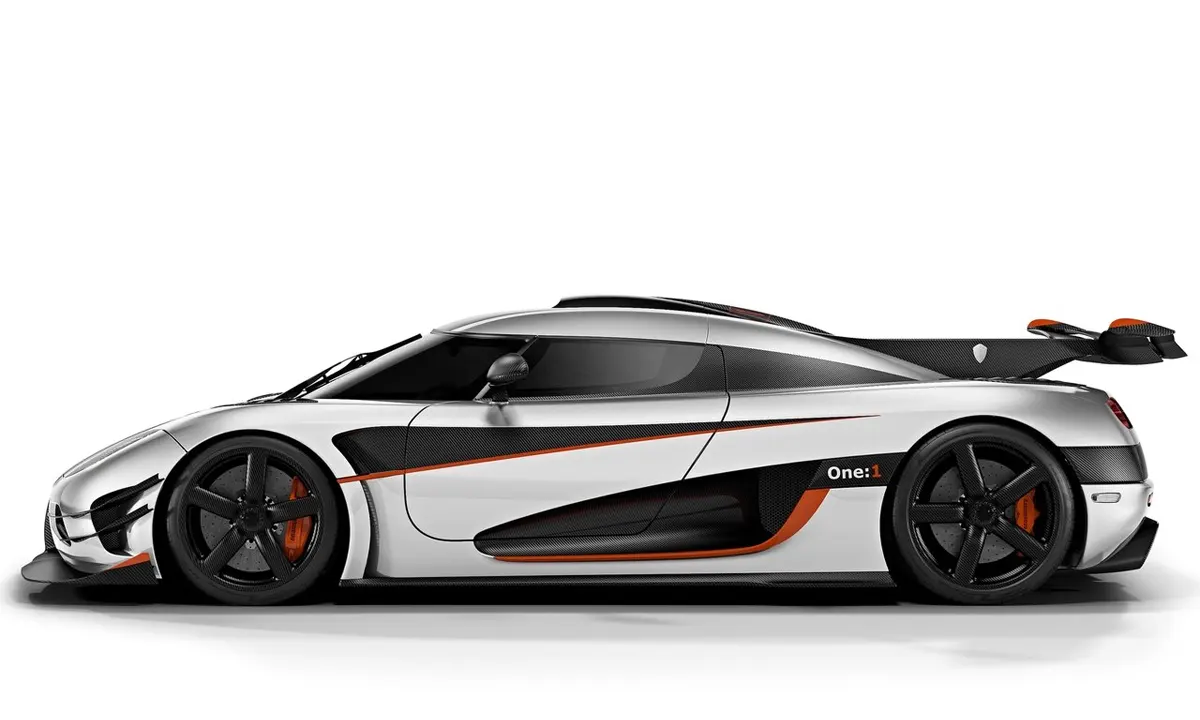
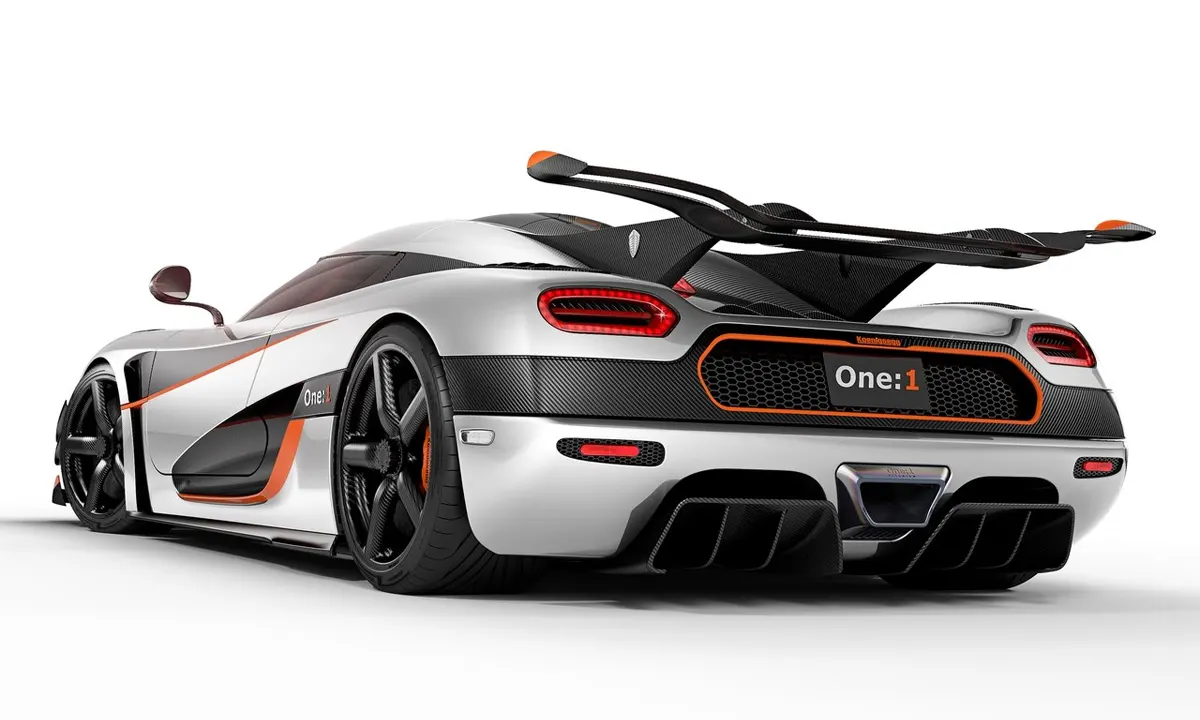
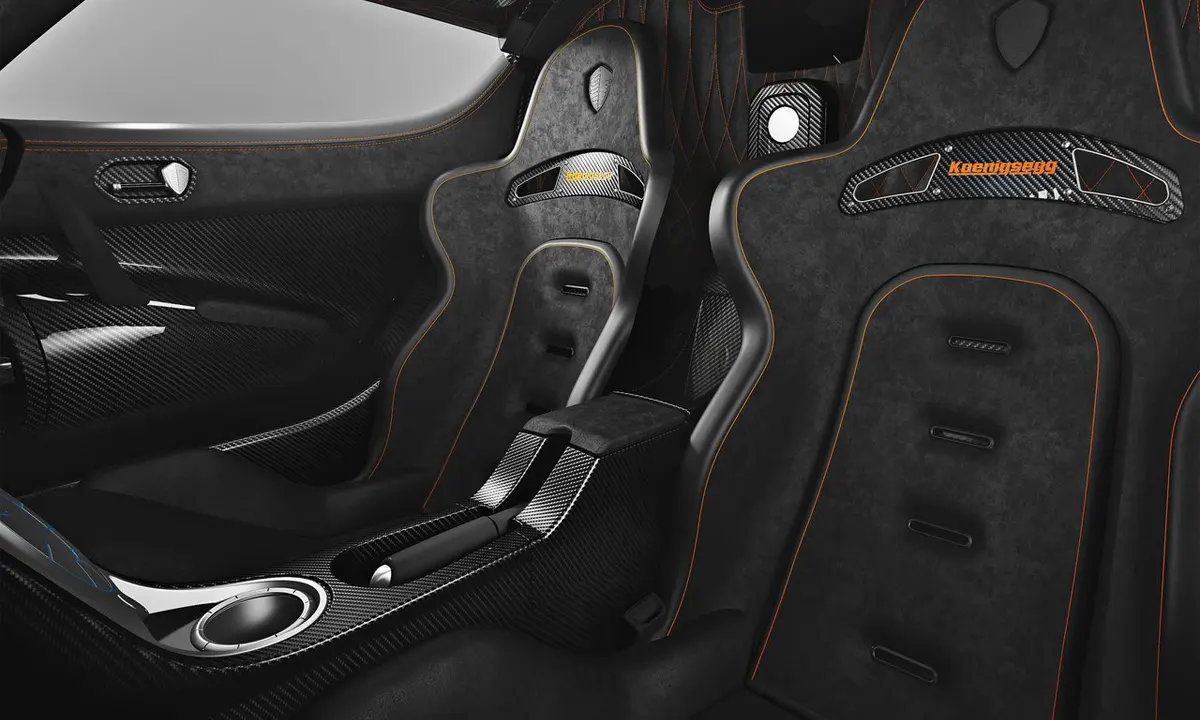
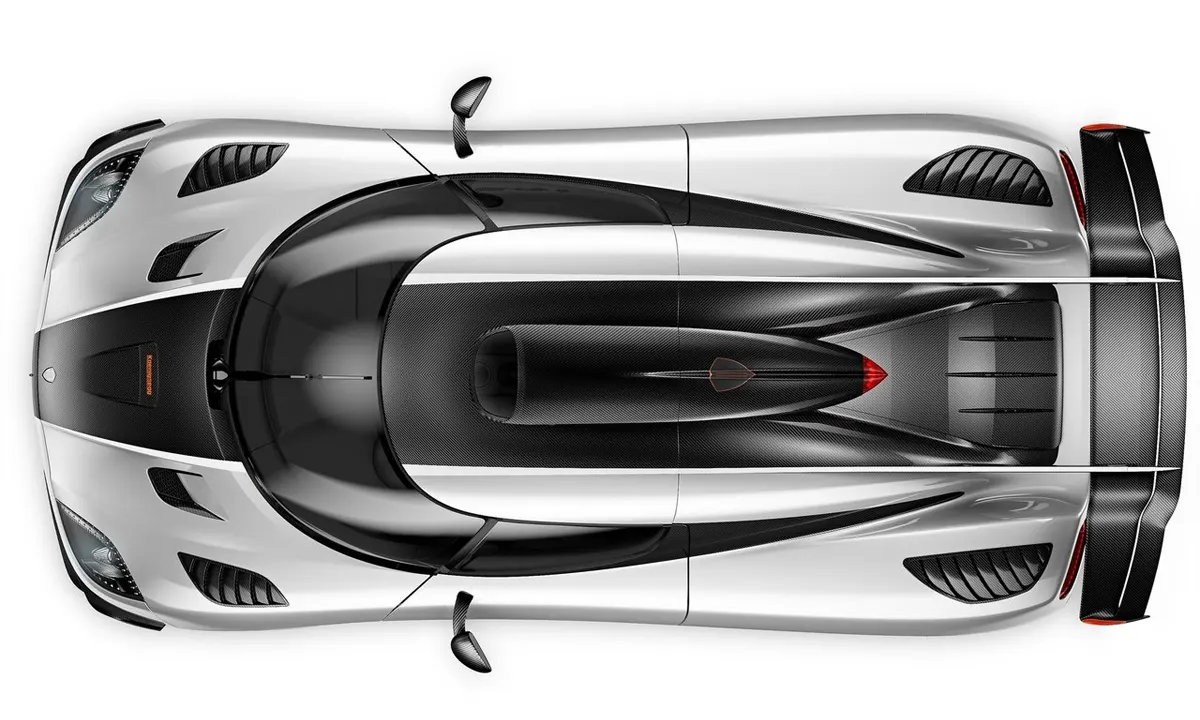
Koenigsegg has always been known for pushing the limits of engineering and innovation, but the One:1 elevated the company’s reputation to an entirely new level. By combining a highly advanced twin-turbocharged engine with cutting-edge aerodynamics, lightweight materials, and sophisticated electronic control systems, Koenigsegg created a hypercar capable of redefining speed and performance.
The One:1 also demonstrated how a small, independent manufacturer could compete with the world’s most established automotive brands through innovative engineering. With only six production units built for customers, the One:1 remains one of the rarest and most coveted hypercars ever produced.
Beyond its raw performance numbers, the Koenigsegg One:1 represents a philosophy of engineering excellence where every component is designed with precision and purpose. From its carbon fiber structure to its aerodynamic bodywork and advanced suspension system, the One:1 showcases what happens when engineers pursue performance without compromise.
Revolutionary Design and Aerodynamic Engineering
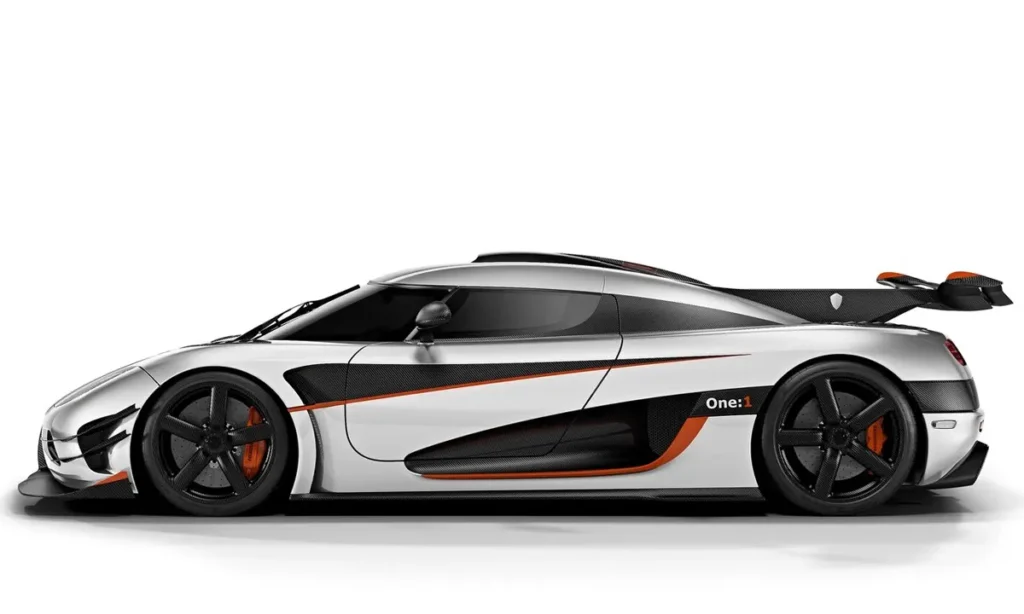
The exterior design of the Koenigsegg One:1 is defined by its aerodynamic efficiency and functional beauty. Unlike many hypercars that prioritize visual drama alone, the One:1’s design is driven primarily by aerodynamic performance.
At the front of the vehicle, a low and aggressive nose directs airflow over and around the car. Large air intakes integrated into the front bumper provide cooling for the engine and braking systems while simultaneously guiding airflow to critical aerodynamic channels.
The carbon fiber body panels are sculpted with extreme precision, ensuring that air moves smoothly across the vehicle’s surfaces. Every line and vent serves a purpose, helping to manage airflow and increase stability at high speeds.
The side profile reveals the One:1’s dramatic proportions. The car sits extremely low to the ground, with a wide stance that enhances both stability and visual impact. Large air channels positioned behind the doors direct airflow toward the engine and rear aerodynamic elements.
One of the most striking features of the One:1 is its active rear wing. This wing automatically adjusts its angle depending on driving conditions, generating massive amounts of downforce when needed. At high speeds, the aerodynamic system produces more than 600 kilograms of downforce, helping the car maintain stability even at extreme velocities.
The rear diffuser plays an equally important role in the car’s aerodynamic performance. By managing airflow beneath the vehicle, the diffuser enhances downforce and reduces turbulence.
Overall, the One:1’s design demonstrates Koenigsegg’s philosophy that form must follow function when it comes to high-performance engineering.
Twin-Turbo V8 Megacar Power

At the heart of the Koenigsegg One:1 lies one of the most powerful engines ever installed in a production road car. The vehicle is powered by a 5.0-liter twin-turbocharged V8 engine developed entirely in-house by Koenigsegg.
This extraordinary engine produces approximately 1,360 horsepower when running on E85 biofuel. The massive power output is made possible by advanced turbocharging technology and precision engineering.
Despite its immense power, the engine remains remarkably efficient thanks to Koenigsegg’s innovative combustion technology. The engine’s lightweight construction and advanced materials help reduce overall vehicle weight while maintaining durability.
Power is delivered to the rear wheels through a seven-speed dual-clutch transmission designed to handle the immense torque generated by the engine. This transmission provides rapid gear changes that allow the car to accelerate with breathtaking speed.
The One:1’s acceleration figures are extraordinary. The hypercar can accelerate from zero to 100 kilometers per hour in approximately 2.8 seconds, while 0 to 300 kilometers per hour takes less than 12 seconds.
The car’s top speed is estimated to exceed 440 kilometers per hour under ideal conditions, placing it among the fastest vehicles ever produced.
Carbon Fiber Construction and Lightweight Engineering
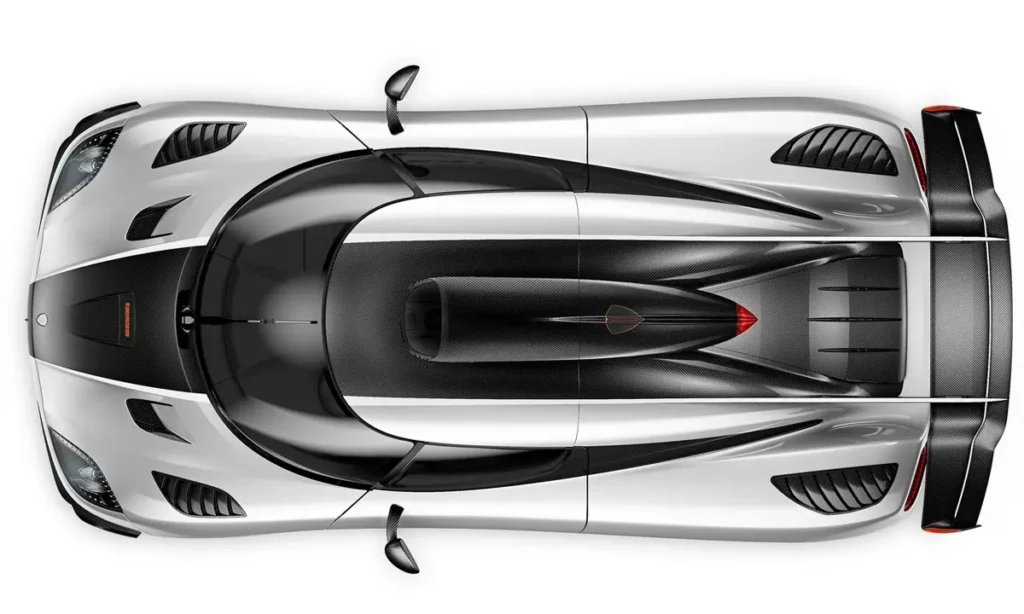
Achieving the One:1’s perfect power-to-weight ratio required an extraordinary focus on lightweight construction. Koenigsegg engineers utilized advanced carbon fiber technology to create a structure that is both incredibly strong and exceptionally light.
The car’s chassis is built using a carbon fiber monocoque structure that provides outstanding rigidity while minimizing weight. This structure serves as the foundation for the entire vehicle.
Carbon fiber is also used extensively throughout the body panels, suspension components, and interior elements. These materials help keep the car’s total weight at approximately 1,360 kilograms.
This lightweight construction is essential for achieving the One:1’s extraordinary performance capabilities.
Advanced Suspension and Handling
The Koenigsegg One:1 is equipped with an advanced suspension system designed to deliver exceptional handling and stability. The car features a fully adjustable suspension setup developed in collaboration with Öhlins.
This suspension system allows drivers to fine-tune the vehicle’s handling characteristics depending on driving conditions. Whether driving on public roads or racing circuits, the One:1 can be adjusted to deliver optimal performance.
The car also features a sophisticated electronic stability system that helps manage the immense power produced by the engine.
Massive carbon-ceramic brakes provide exceptional stopping power, ensuring the vehicle can safely decelerate from extreme speeds.
Driver-Focused Interior and Technology
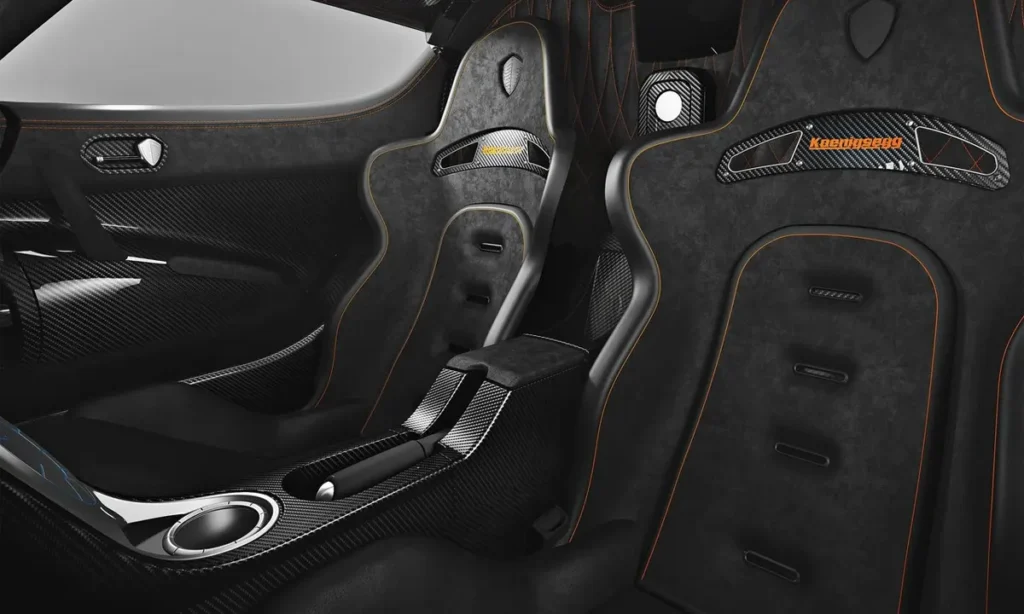
Inside the Koenigsegg One:1, the cabin reflects a minimalist approach focused on performance and driver engagement. The interior is crafted primarily from carbon fiber, leather, and Alcantara.
The dashboard features a digital instrument display that provides real-time performance data such as speed, engine output, and lap times.
Despite its track-focused design, the One:1 still includes modern conveniences such as climate control, infotainment systems, and connectivity features.
A Rare Masterpiece of Automotive Engineering
With only six production units built for customers, the Koenigsegg One:1 is one of the rarest hypercars in the world. Each example represents an extraordinary achievement in engineering and design.
For collectors and enthusiasts, the One:1 stands as a milestone in the history of performance cars. Its groundbreaking power-to-weight ratio and revolutionary engineering continue to influence the development of modern hypercars.
Read: 2027 Ferrari Amalfi Spider Combines Hybrid Power with Open-Top Luxury
Koenigsegg One:1 – Specifications & Performance Chart
| Category | Specification |
| Vehicle Type | Hypercar / Megacar |
| Engine | 5.0L Twin-Turbocharged V8 |
| Power Output | 1,360 hp |
| Torque | 1,371 Nm |
| Transmission | 7-Speed Dual-Clutch |
| Drivetrain | Rear-Wheel Drive |
| Power-to-Weight Ratio | 1 hp per kg |
| 0–100 km/h | Approx. 2.8 seconds |
| 0–300 km/h | Approx. 11.9 seconds |
| Top Speed | 440+ km/h (estimated) |
| Body | Carbon Fiber Monocoque |
| Production | 6 Units |