The Midsize SUVs That Actually Fit Adults in the Third Row. Best Third-Row Legroom Ranked
Generous Third-Row Legroom Is the Specification That Separates a Genuinely Useful Seven-Seat Midsize SUV From a Vehicle That Technically Offers Three Rows But Practically Delivers Two — These Are the Models That Get It Right
The third row of a midsize SUV is automotive marketing’s most reliably overstated feature. Manufacturers list seating capacity as seven or eight passengers with the same confidence they list horsepower and payload — as though the number alone communicates anything meaningful about the experience of sitting in that rearmost row during a two-hour motorway journey with adult legs that extend further than the industry’s optimistic packaging assumptions allow. The reality that every family learns within the first school run or road trip is considerably more specific: third-row legroom is not a binary feature that either exists or does not. It is a measurable dimension, independently verifiable, that determines whether the rearmost seats function as genuine passenger accommodation or as occasional child transport that adults enter only under social obligation.
The midsize SUV segment — positioned above the compact crossover and below the full-size body-on-frame alternatives — is where this dimension matters most acutely, because it is the segment where buyers are attempting to maximise seven-seat practicality without committing to the exterior footprint, fuel consumption and urban parking challenges of a Chevrolet Suburban or Ford Expedition. The models examined here are those that have demonstrated, through independently measured specifications, that their third rows can accommodate adult passengers across real-world journey durations — not merely on the showroom floor where the measurement was taken.
Why Third-Row Legroom Measurements Require Context
Automotive legroom figures are measured from the front of the seat cushion to the back of the seat ahead — a standardised method that produces comparable numbers across vehicles but that does not capture the floor tunnel intrusions, seat cushion heights, headroom constraints or ingress difficulty that determine whether a technically adequate legroom measurement translates to a comfortable passenger experience. The industry benchmark for comfortable adult legroom — established by comparison with economy class airline seating and typical sedan rear passenger accommodation — sits at approximately 33 to 34 inches. Below this threshold, adult passengers with average or above-average leg length experience meaningful discomfort across journeys longer than 45 minutes. The SUVs listed in this review clear that threshold by meaningful margins, making them genuinely different in character from competitors whose third-row specifications exist primarily to satisfy the seven-passenger marketing requirement.
Kia Telluride: The Segment Leader That Redefined Expectations
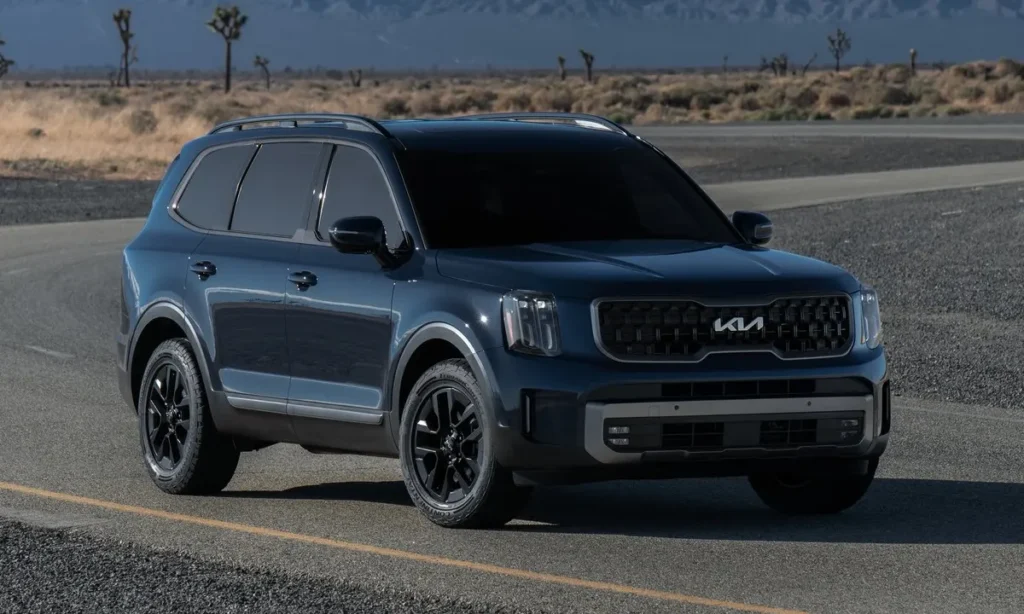
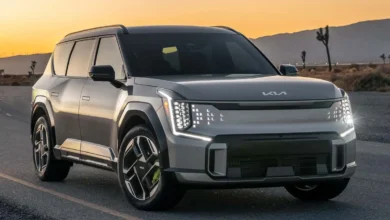
The Kia Telluride’s arrival fundamentally altered what the American family SUV market expected from a three-row vehicle at a mainstream price point, and nowhere is its engineering ambition more evident than in the third-row specification that has made it the consistent benchmark against which every subsequent competitor has been measured. The Telluride offers approximately 33.0 inches of third-row legroom — a figure that positions it among the most generous in the segment and that reflects a deliberate packaging decision to prioritise rear occupant accommodation over the expanded second-row space that some buyers might prefer in a captain’s chair configuration.
The third row’s accessibility benefits from a wide-opening rear door and a second-row seat that slides and folds with a single-hand operation — reducing the physical gymnastics that third-row ingress demands in less thoughtfully engineered competitors. At highway speeds, the rearmost seats benefit from dedicated climate vents and sufficient headroom for adults of average height to sit without contacting the headliner — practical qualities that transform the difference between a specification number and a genuine passenger experience. The Telluride’s third row is not simply adequate. It is one of the most complete seven-seat arrangements available in the non-luxury midsize SUV segment at any price point.
Hyundai Palisade: The Telluride’s Platform Partner With Its Own Distinct Character
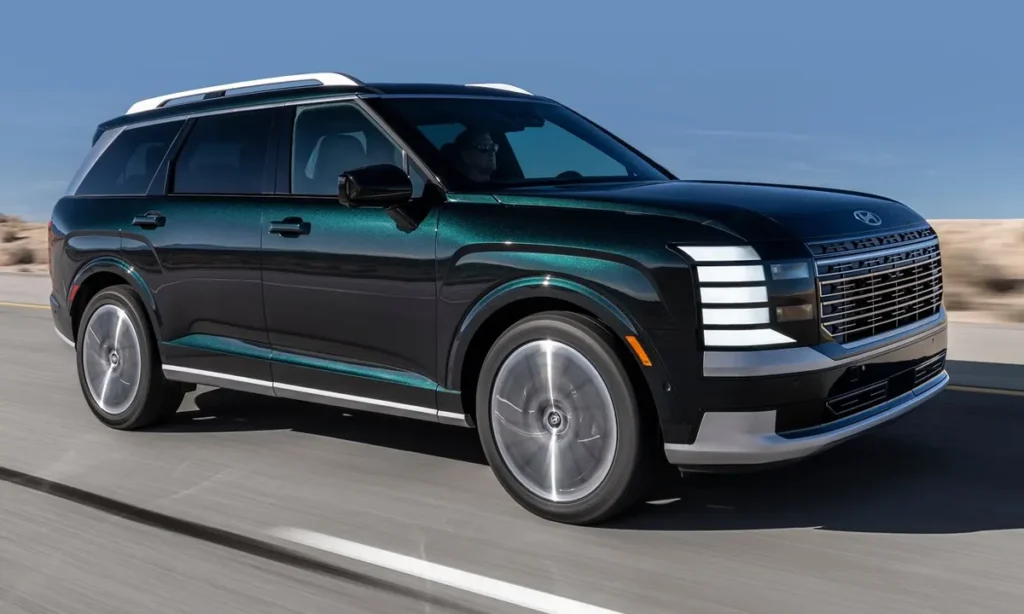
Built on the same platform as the Kia Telluride and sharing its fundamental architecture, the Hyundai Palisade delivers comparable third-row legroom of approximately 33.0 inches alongside a cabin environment whose material quality and feature content position it fractionally upmarket from its corporate sibling in ways that justify the modest price premium the Palisade typically commands. Where the Telluride leans into design confidence and brand identity, the Palisade prioritises interior refinement and technology integration — with a relaxed lounge seating arrangement available on higher specification variants that adjusts the second-row seats to improve third-row occupant access while maintaining passenger comfort across both rows simultaneously.
The Palisade’s ventilated second and third-row seating options on premium trim levels represent an unusual acknowledgement that rear passenger comfort deserves the same engineering investment as front occupant accommodation — a philosophical position that translates directly into a more equitable seven-passenger experience during summer driving in warmer climates. For families whose third-row seats will be occupied by adults rather than exclusively by children, the Palisade’s combination of legroom specification and comfort technology makes it one of the most complete mainstream seven-seat propositions currently available in the American market.
Volkswagen Atlas: German Engineering Applied to American Family Priorities
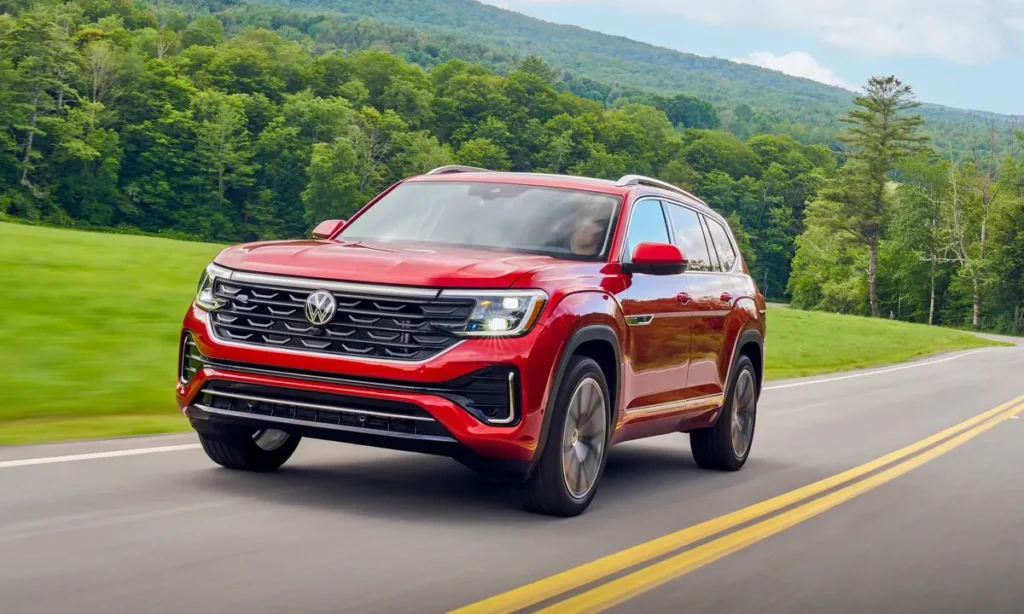
The Volkswagen Atlas was designed from its initial development with the American family SUV buyer as its primary audience — a market-specific engineering brief that produced a vehicle whose third-row accommodation reflects the pragmatic priorities of households with multiple children rather than the European preference for compact exterior dimensions regardless of interior compromise. The Atlas delivers approximately 33.7 inches of third-row legroom — the most generous measurement in the mainstream midsize SUV segment — in a body that is larger than its Korean competitors but that fits within standard American parking structure dimensions without the turning circle anxiety of a full-size alternative.
The Atlas’s third row accommodates three adults across its bench seat with a width and legroom combination that remains unusual in the segment, making it particularly well suited to families who regularly carry more than two rear passengers simultaneously rather than using the rearmost row as occasional overflow capacity. Volkswagen’s commitment to third-row practicality extends to the access mechanism: the second-row seats in both the standard Atlas and the Atlas Cross Sport provide adequate forward travel to create an ingress corridor that adults can navigate without requiring the flexibility of a competitive gymnast. For large families prioritising genuine seven-passenger capability above all other attributes, the Atlas makes the most direct engineering case of any non-luxury midsize SUV currently on sale.
Toyota Highlander: Reliability Credentials Matched by Respectable Rear Accommodation
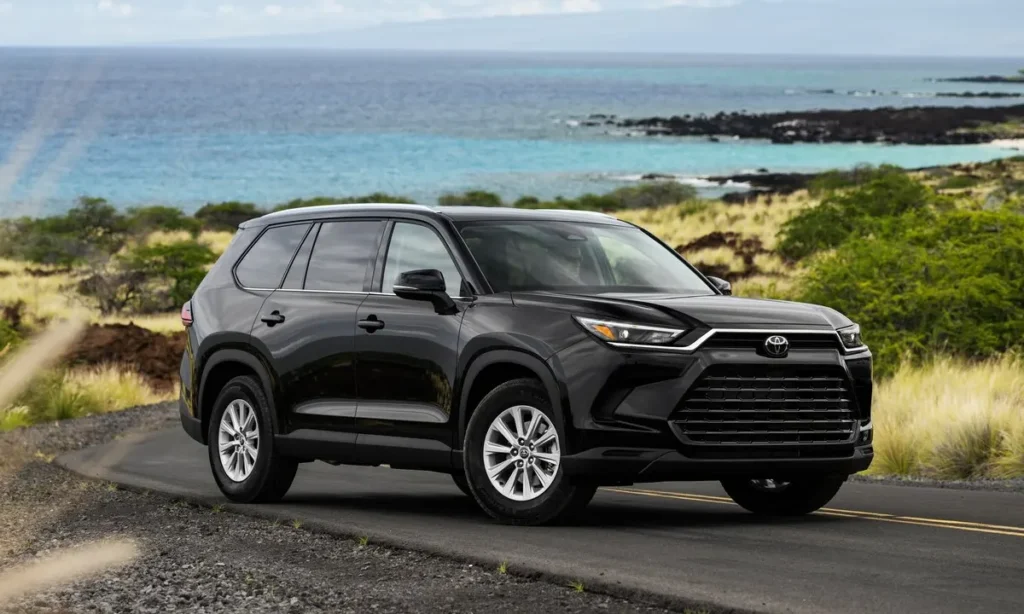
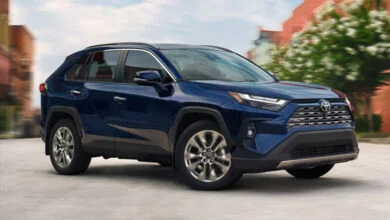
The Toyota Highlander’s position in the midsize SUV segment is built on a foundation of long-term reliability data and resale value performance that no competitor has consistently matched — but its third-row legroom specification of approximately 27.7 inches places it below the Korean and German benchmarks in a manner that deserves honest acknowledgement rather than qualification. What the Highlander’s third row offers is a well-finished, thoughtfully designed space that suits children and shorter adults more comfortably than taller passengers — a realistic assessment that reflects the vehicle’s slightly more compact interior packaging compared to the segment leaders above.
The Highlander Hybrid variant extends this proposition into efficiency territory that the purely combustion alternatives cannot approach, combining a third-row specification adequate for occasional adult use with fuel economy figures that reduce the running cost gap between a midsize seven-seat SUV and a more efficient five-seat alternative. For families whose third row will primarily accommodate children or occasional adult passengers across shorter journeys, the Highlander’s combination of reliability reputation, efficiency credentials and good overall interior quality represents a complete and well-considered package even if its rearmost legroom does not lead the segment.
Ford Explorer: American Heritage Updated With Contemporary Packaging
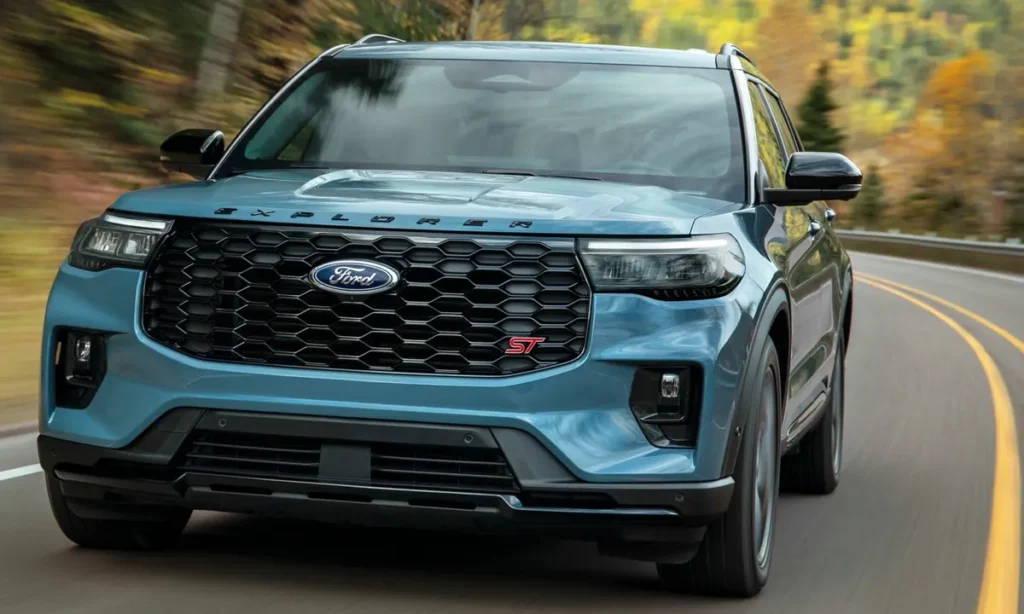
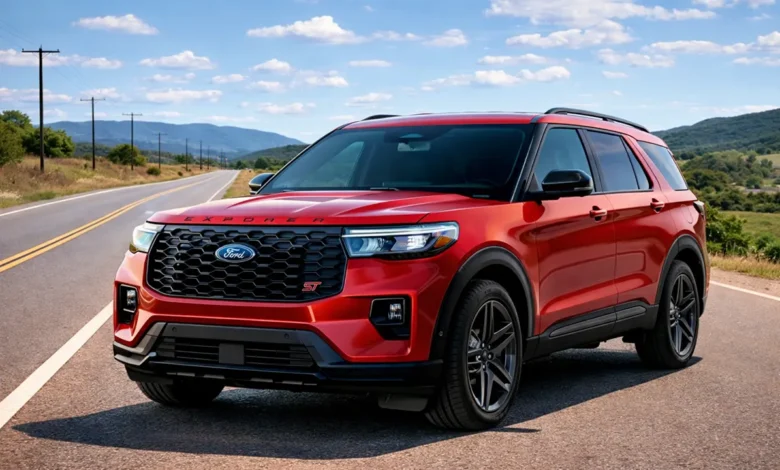
The Ford Explorer’s longevity in the American SUV market reflects a vehicle that has evolved across multiple generations without losing its fundamental identity as a capable, practical family hauler — and its third-row legroom of approximately 32.2 inches positions it competitively within the segment while offering a rear-wheel-drive based platform that provides driving dynamics and towing capability that the front-wheel-drive derived Korean competitors do not match. The Explorer’s third-row accommodation suits adults across shorter to medium-duration journeys and children across any journey length, reflecting a packaging philosophy that balances the competing demands of third-row practicality and cargo volume without fully sacrificing either.
Ford’s SYNC infotainment integration extends to rear seat entertainment compatibility that makes the Explorer’s third row a more appealing destination for children during longer journeys — a practical consideration that determines the quality of family road trip experience independently of the legroom specification. The available Platinum and King Ranch trim levels add heated and cooled rear seating options that elevate the rearmost passenger experience beyond the base specification in ways that the legroom number alone does not capture.
Chevrolet Traverse: Maximum Capacity at a Mainstream Price Point
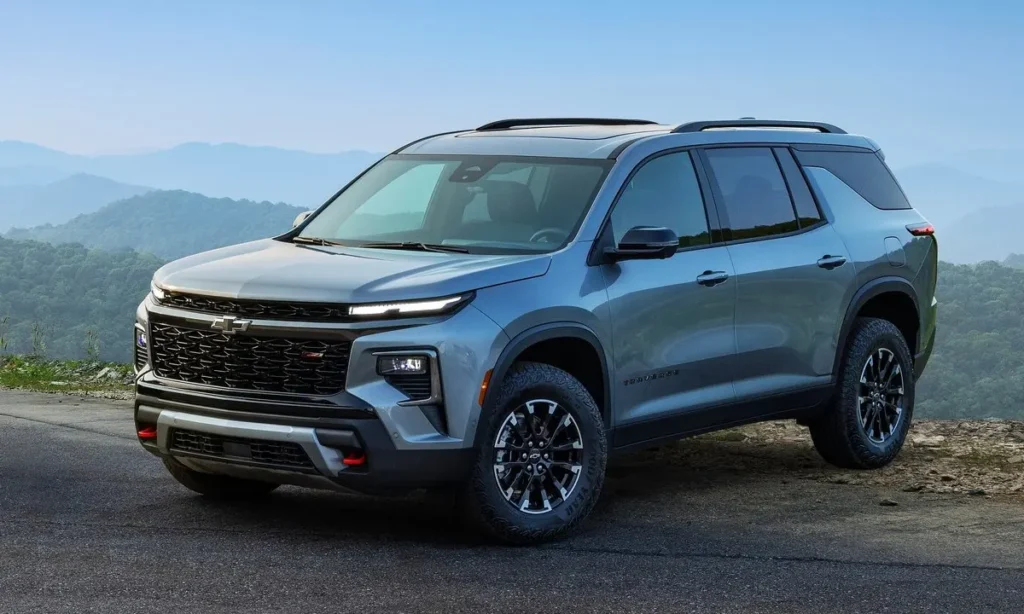
The Chevrolet Traverse occupies the largest footprint in the mainstream midsize SUV segment, and its dimensions translate directly into a third-row legroom specification of approximately 33.5 inches that rivals the Volkswagen Atlas for the title of most generous in the non-luxury category. The Traverse’s combination of exterior size and interior packaging efficiency produces a seven or eight-passenger vehicle that functions convincingly across all three rows without the full-size SUV compromise in urban manoeuvrability, fuel consumption and purchase price.
For large families who have reached the limits of what a more compact midsize SUV can practically deliver across regular seven-passenger use, the Traverse represents the most direct mainstream solution — offering segment-leading interior volume, competitive third-row legroom and Chevrolet’s extensive dealer network and long-term parts availability at a price point that positions it below the premium and near-luxury alternatives that occupy the tier above.
Read: Best 7-Seater SUV Under $40K USA 2026. Ranked and Compared
Third-Row Legroom Comparison At a Glance
| Model | Third-Row Legroom | Starting MSRP (US) | Seven or Eight Seats |
| Volkswagen Atlas | ~33.7 inches | ~$36,995 | Seven or Eight |
| Chevrolet Traverse | ~33.5 inches | ~$38,295 | Seven or Eight |
| Kia Telluride | ~33.0 inches | ~$36,490 | Seven or Eight |
| Hyundai Palisade | ~33.0 inches | ~$36,865 | Seven or Eight |
| Ford Explorer | ~32.2 inches | ~$36,760 | Seven |
| Toyota Highlander | ~27.7 inches | ~$38,620 | Seven or Eight |
The Specification That Should Lead Every Seven-Seat SUV Conversation
Third-row legroom is the dimension that determines whether a midsize SUV genuinely functions as a seven-passenger vehicle or whether it merely satisfies the marketing requirement of listing that capacity in the brochure. The Volkswagen Atlas and Chevrolet Traverse lead on raw measurement. The Kia Telluride and Hyundai Palisade combine competitive specification with superior overall interior quality and access engineering. The Ford Explorer offers a rear-wheel-drive platform advantage that no front-wheel-drive derived competitor can match. The Toyota Highlander prioritises reliability and efficiency over segment-leading rear accommodation. Each of these vehicles serves a different family configuration and priority set — but every one of them is honest about what its third row can realistically deliver, which is the foundation upon which every seven-seat purchase decision should rest.