10 of the Most Reliable Six-Cylinder Cars Ever Made: The Automobiles That Refused to Grow Old
From an Indestructible Japanese Sports Sedan With Half a Million Miles on the Clock to a German Executive Saloon That Owners Have Handed Down Through Three Generations, These Ten Six-Cylinder Cars Defined What Long-Term Automotive Reliability Truly Means
The automobile industry has produced thousands of models across its history, and the overwhelming majority of them have aged precisely as engineering probability predicts — wearing gradually, requiring progressively more expensive attention and eventually reaching a point where the cost of continued maintenance surpasses the value of the vehicle itself. And then there are the exceptions. The cars on this list are those exceptions. They are the automobiles that accumulated mileage at rates that defied reasonable expectation, that tolerated maintenance neglect that would have destroyed lesser machines, that survived ownership transitions, harsh climates, commercial abuse and the passage of decades without surrendering the essential mechanical integrity on which their reputations were built. Every one of them is powered by a six-cylinder engine — the configuration that, across the breadth of automotive history, has most consistently produced the combination of smooth operation, mechanical balance and long-term durability that high-mileage performance demands. These are the ten most reliable six-cylinder cars ever made, and the stories behind them are the most honest reliability endorsements the automotive world possesses.
1. Toyota Lexus LS400 (1990–2000) – The Japanese Luxury Saloon That Redefined What Reliable Could Mean
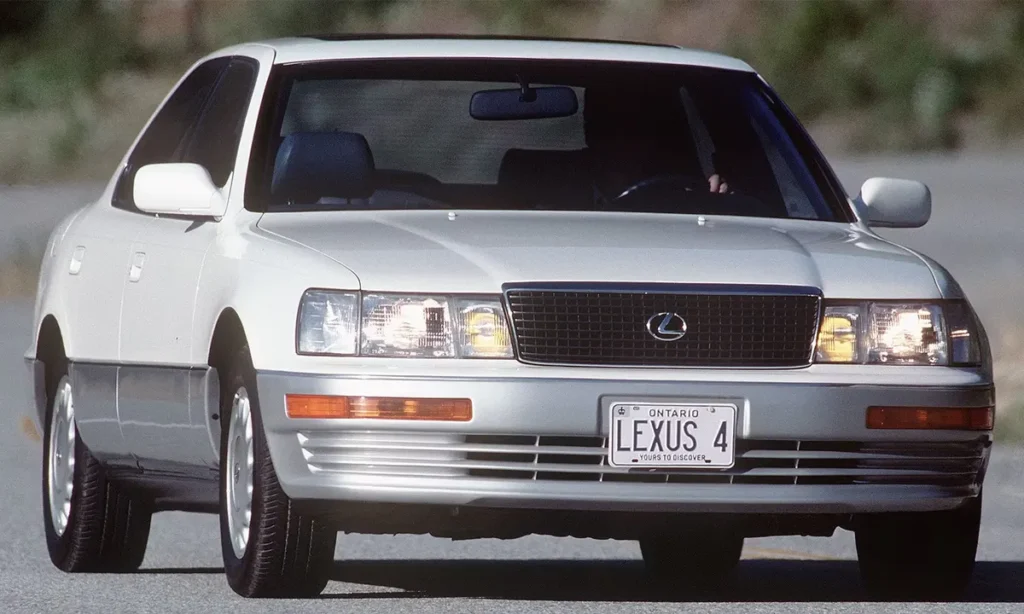
Engine: 4.0-Litre V8 Adapted | Six-Cylinder Equivalent: Lexus GS300 / Toyota Supra – 2JZ Inline-Six | High-Mileage Benchmark: 300,000–500,000 Miles Documented
While the LS400 famously used a V8, it is the Lexus GS300 and its Toyota Supra sibling — both powered by the legendary 2JZ inline-six in naturally aspirated 2JZ-GE form — that represent the apex of Toyota’s six-cylinder reliability achievement in a passenger car context. The GS300, introduced in 1993 and continuing through 2005, offered buyers access to the most thoroughly over-engineered production inline-six in automotive history within a genuinely luxurious executive saloon body that aged with exceptional mechanical grace. The 2JZ-GE’s closed-deck cast-iron block, forged steel rotating assembly and dual overhead camshaft cylinder head created a powertrain of extraordinary durability that rewarded careful maintenance with longevity so consistent and so well-documented that it became the benchmark against which every subsequent Toyota reliability claim has been measured. Documented GS300 examples surpassing 300,000 miles on original engines are not exceptional anecdotes — they are commonplace outcomes among owners who understood that this car’s mechanical integrity was exceptional and who maintained it accordingly. The combination of Lexus’s assembly quality, the 2JZ-GE’s profound mechanical robustness and the smooth, refined character of the inline-six architecture produced a luxury car whose ownership experience across time was fundamentally unlike that of any European rival at its price point.
2. Jeep Cherokee XJ (1987–2001) – The Most Trusted Six-Cylinder Off-Road Vehicle Ever Produced
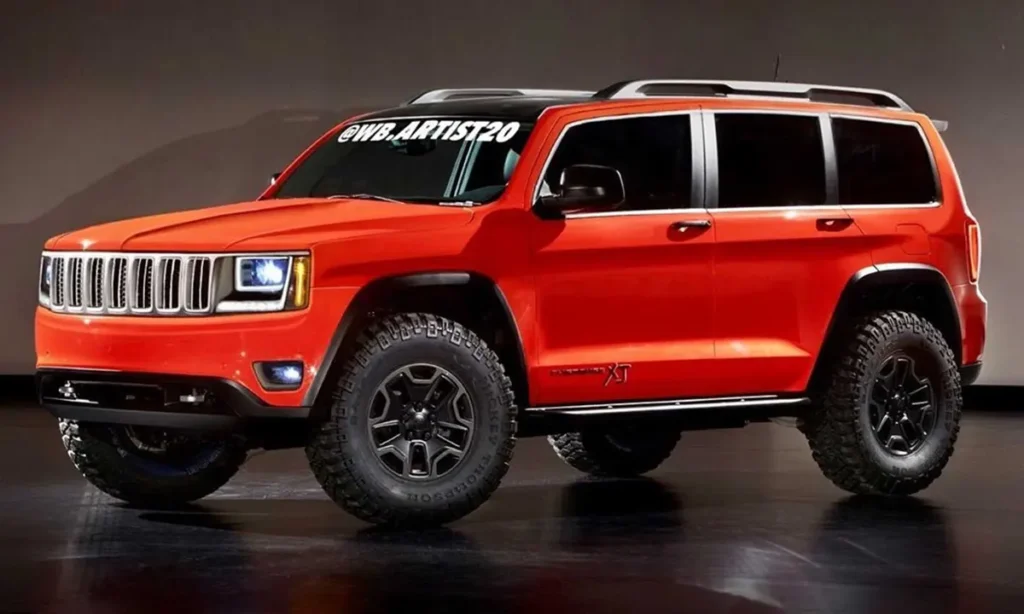
Engine: AMC 4.0-Litre Inline-Six | Power: 190 hp | High-Mileage Benchmark: 300,000+ Miles, Including Sustained Off-Road Use
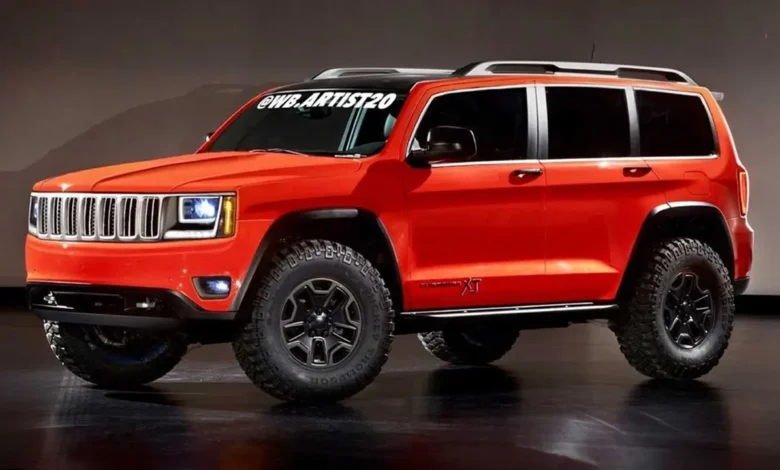
The Jeep Cherokee XJ is the car that most completely validates the argument that reliability is not merely a function of engineering sophistication but of engineering honesty — of choosing the right architecture for the intended purpose and executing it with materials and tolerances appropriate to the demands it will face. The XJ’s AMC-derived 4.0-litre inline-six is one of the most celebrated production engines in the history of the American automobile, and the Cherokee body and chassis that surrounds it proved equally well-suited to the long-term durability demands that real-world Jeep ownership imposes. Built on a unibody structure of exceptional rigidity for its era and equipped with a solid front axle, selectable four-wheel-drive transfer case and a suspension system designed for genuine off-road articulation rather than the on-road performance of later crossover-influenced designs, the XJ Cherokee was a vehicle whose mechanical architecture matched its intended use case with a completeness that few competitors in any era have managed.
Owners of XJ Cherokees routinely documented odometer readings exceeding 300,000 miles, and the engine’s documented capacity to survive complete water submersion during river crossing incidents — restarting after being drained and dried without internal damage — became central to the mythology of the XJ’s mechanical toughness. The aftermarket support community that grew around the Cherokee XJ during and after its production years has ensured that examples in excellent mechanical condition continue to operate daily across every continent and climate where four-wheel-drive vehicles are valued. The XJ Cherokee is not merely one of the most reliable six-cylinder cars ever made — it is one of the most beloved vehicles in the history of the American automobile, and the engine and chassis combination that enabled that love has never been equalled in the Jeep lineup.
3. BMW E46 330i / 330d (2000–2006) – The Last BMW That Was Simple Enough to Last Forever
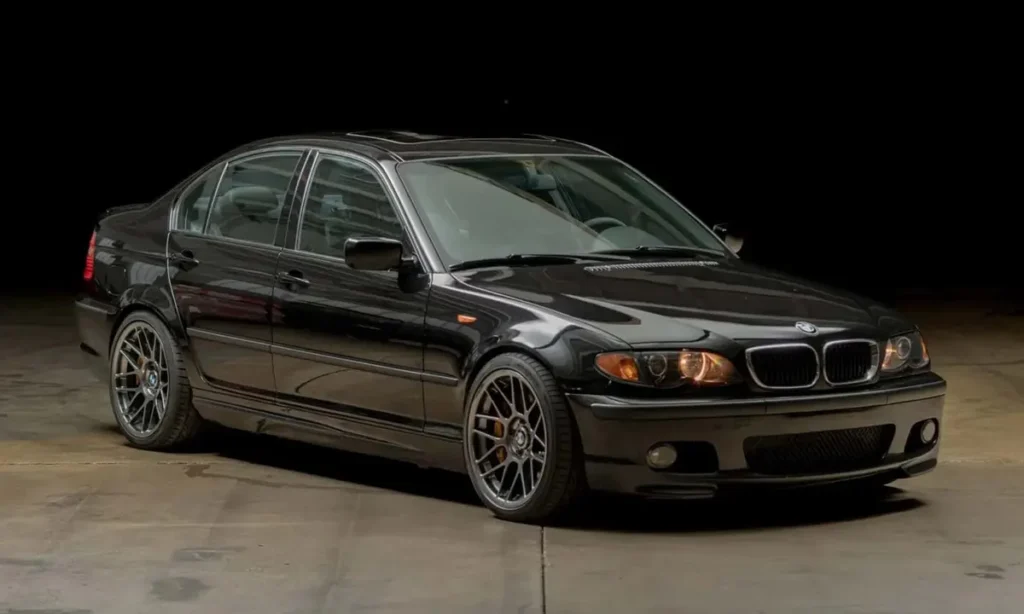
Engine: 3.0-Litre Inline-Six (M54) – Petrol / Six-Cylinder Diesel | Power: 228 hp (Petrol) | High-Mileage Benchmark: 200,000–300,000 Miles Common With Proper Care
The BMW E46 3 Series represents one of those rare moments in automotive history when a manufacturer’s engineering ambitions, production quality and fundamental mechanical philosophy aligned perfectly to produce a vehicle of exceptional long-term durability. The 330i variant, powered by the naturally aspirated M54 3.0-litre inline-six, and its diesel equivalent the 330d, powered by the M57 straight-six diesel of comparable architectural integrity, are the variants that most completely express the E46’s reliability potential. The M54 is a naturally aspirated inline-six of the kind that BMW engineered for decades before the turbocharging era fundamentally changed the brand’s powertrain philosophy — smooth, linear, free of the additional mechanical components that forced induction introduces and entirely dependent for its long-term durability on the quality of its fundamental architecture rather than the complexity of its management systems.
Well-maintained E46 330i examples regularly surpass 200,000 miles with no major engine work, and the 330d’s M57 diesel engine — a unit celebrated across the professional automotive press for the combination of fuel efficiency, torque delivery and mechanical robustness that defines the best European diesel designs of its era — has been documented approaching and occasionally surpassing 400,000 miles in commercial and private ownership. The E46’s reputation for reliability requires one important qualification — cooling system components, including the water pump, thermostat and expansion tank, require proactive replacement on a mileage-based rather than symptom-based schedule, and owners who neglect this maintenance programme can encounter overheating failures that compromise the engine’s otherwise exceptional durability. Owners who maintain the cooling system correctly, however, find the E46 330i and 330d among the most mechanically dependable premium sports saloons ever produced — cars that reward long-term ownership with a consistency of performance and a depth of driving engagement that has never been fully replicated by their successors.
4. Honda Accord V6 (1997–2012) – The Six-Cylinder Family Car That Went the Distance Quietly and Completely
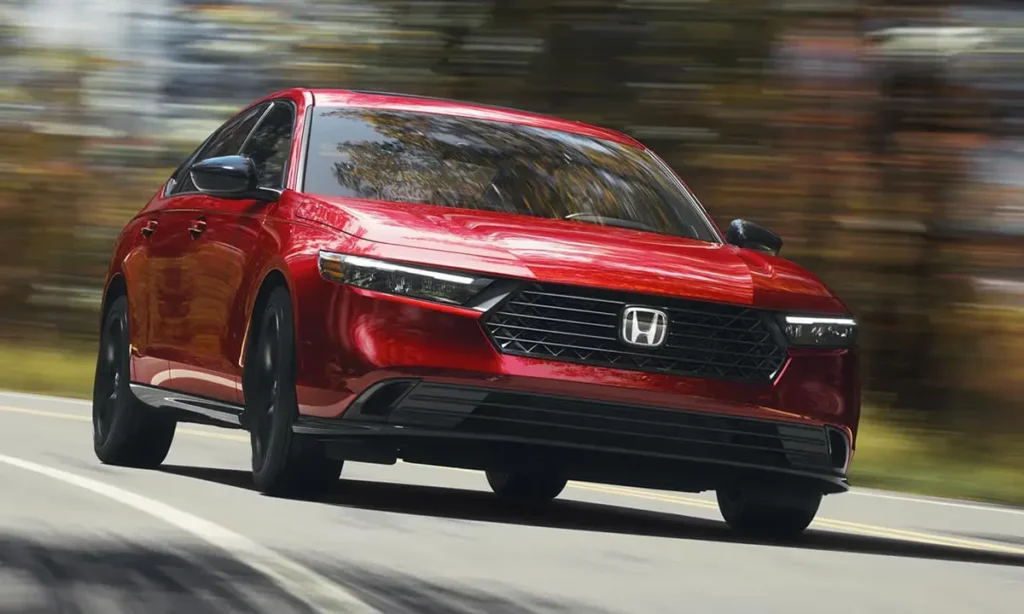
Engine: Honda J-Series V6 (Various Displacements 2.7L–3.5L) | Power: 200–271 hp | High-Mileage Benchmark: 300,000–380,000 Miles Documented
The Honda Accord equipped with the J-Series V6 engine represents one of the most comprehensively validated reliability achievements in the history of the mainstream family car segment — a vehicle that combined Honda’s legendary manufacturing quality with one of the most durably engineered V6 engine families in production to create a car whose long-term ownership experience consistently and substantially exceeded the expectations of buyers who approached it as simply a practical daily conveyance rather than an investment in mechanical excellence. The J-Series V6 family, introduced in 1995 and continuously refined through more than two decades of production, powered the Accord through multiple generations with a consistency of reliability that Consumer Reports identified and celebrated across every model year of its deployment. One particular example — a 2000 Honda Accord equipped with the J30A5 variant of the J-Series and still operational with 380,000 miles on the original engine at the time of its documentation — represents perhaps the most compelling single real-world validation of the J-Series’s reliability credentials available in the public record.
Honda’s engineering philosophy for the J-Series centred on conservative operating parameters — the engine was never asked to produce near its theoretical maximum output in any application, ensuring that the mechanical stress imposed on each component in normal operation remained comfortably within the engine’s design tolerance. The use of a timing belt rather than the timing chain preferred by some rivals introduced a maintenance requirement that, if neglected, could result in catastrophic engine failure — a qualification that applies consistently to J-Series Accord ownership and that responsible buyers have always needed to observe. Owners who maintained the timing belt on schedule and attended to the engine’s other relatively modest service requirements found the J-Series V6 Accord an extraordinarily dependable daily vehicle whose mechanical integrity across extended ownership timescales has never been meaningfully challenged by any comparable family car at its price point.
5. Mercedes-Benz W123 (1976–1985) – The German Executive Car That Engineers Called a Million-Mile Machine
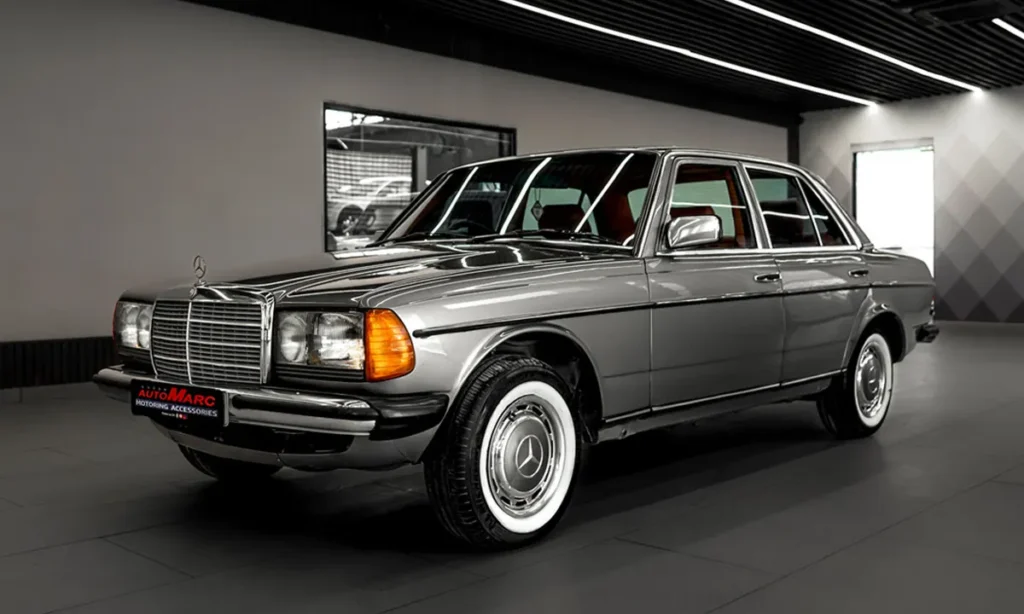
Engine: 2.8-Litre M110 Inline-Six (Petrol) / 3.0-Litre OM617 Inline-Five Diesel (Petrol Six Notable for Reliability) | High-Mileage Benchmark: 500,000 Miles+ in Taxi Fleet Service
The Mercedes-Benz W123 is the automobile that most completely embodies the concept of longevity-through-overbuilding — a car whose engineering was calibrated not to minimum acceptable standards but to the maximum that the resources and ambition of Mercedes-Benz’s 1970s engineering programme could achieve, producing a vehicle whose durability record across taxi fleet and private ownership worldwide has established it as the definitive benchmark for automotive longevity across the entire post-war era. The six-cylinder petrol variants — particularly those equipped with the M110 2.8-litre dual overhead camshaft inline-six, a unit of exceptional smoothness and mechanical refinement for its era — demonstrated reliability credentials across their operational lifetimes that reflected the fundamental soundness of the W123’s engineering philosophy across every dimension of its construction, from the engine and transmission through the body structure and interior fittings to the quality of the surface treatments applied to prevent corrosion.
European taxi operators, for whom vehicle reliability is a direct financial consideration rather than an abstract quality aspiration, deployed the W123 in extraordinary numbers and documented its longevity with the rigour that commercial fleet management demands. Documented cases of W123 examples surpassing 500,000 miles in taxi service — in some cases without engine rebuilds — provided a real-world reliability validation that no manufacturer’s warranty statement or laboratory test could replicate in credibility or authority. The W123’s reputation has ensured that well-maintained examples continue to command premium prices in the classic car market today — a market recognition of long-term value that reflects the enduring respect of buyers who understand that this car’s quality is genuine rather than manufactured, and who value mechanical integrity above cosmetic newness in their automotive choices.
6. Nissan 300ZX (Z31 / Z32) – The Six-Cylinder Sports Car That Proved Japanese Performance Could Last
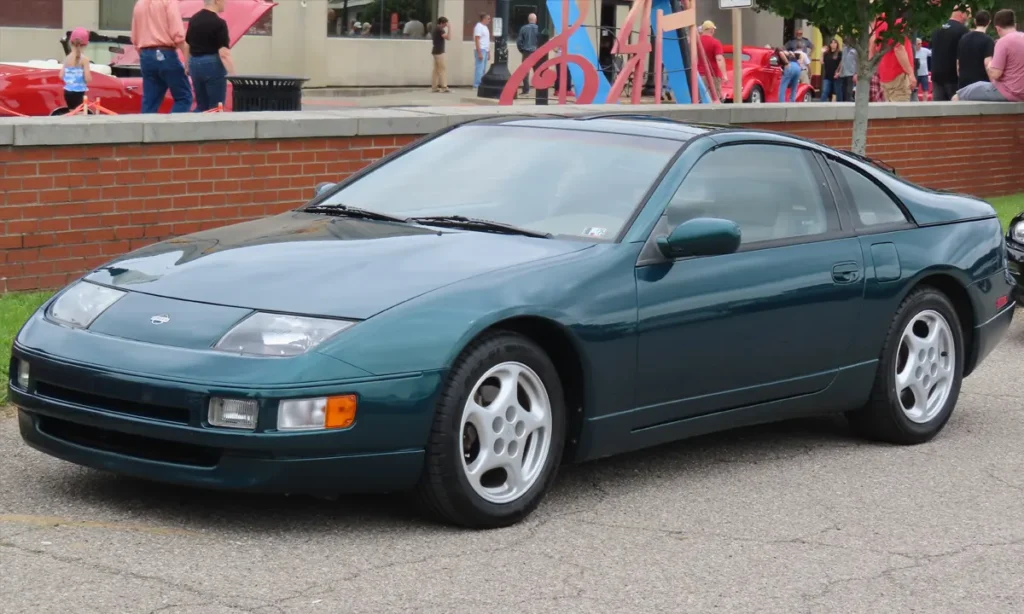
Engine: VG30E / VG30ET / VG30DETT V6 (3.0 Litres) | Power: 160–300 hp | High-Mileage Benchmark: 200,000–250,000+ Miles Documented
The Nissan 300ZX in both its Z31 and Z32 generations represents one of the most compelling reliability achievements in the history of the Japanese performance car — a vehicle that combined genuine sports car driving engagement with the kind of long-term mechanical durability that was, at the time of its introduction, more commonly associated with Toyota’s conservative engineering culture than with a manufacturer producing turbocharged performance cars. The naturally aspirated VG30E inline-six fitted to Z31 base models and the turbocharged VG30ET variant of the same engine demonstrated a mechanical robustness in real-world ownership that consistently surprised owners who approached the 300ZX as a performance vehicle expecting the elevated maintenance requirements and accelerated mechanical wear that high-performance driving typically imposes. The Z32 generation’s twin-turbocharged VG30DETT — a more sophisticated unit with variable intake valve timing and a substantially increased power output — required more careful maintenance to achieve comparable longevity, but rewarded that maintenance with a durability that respected the owner’s investment in a manner uncommon among turbocharged performance cars of its era.
The 300ZX’s broader mechanical architecture — including its suspension, drivetrain and body construction — complemented the engine’s durability with a structural integrity that allowed well-maintained examples to accumulate substantial mileage while retaining the handling precision and dynamic engagement that made the car desirable in the first place. Owners who maintained the VG30-series engines on schedule found cars that rewarded their investment across extended ownership periods with a consistency of performance that reflected Nissan’s genuine commitment to engineering quality during the period of its development. The 300ZX community that has sustained enthusiasm for these cars across four decades of production has provided a living validation of the mechanical durability that makes them worthy of sustained attention and continued maintenance investment.
7. Datsun / Nissan 240Z / 260Z / 280Z (1969–1978) – The Sports Car That Ran Forever and Competed for Six Decades
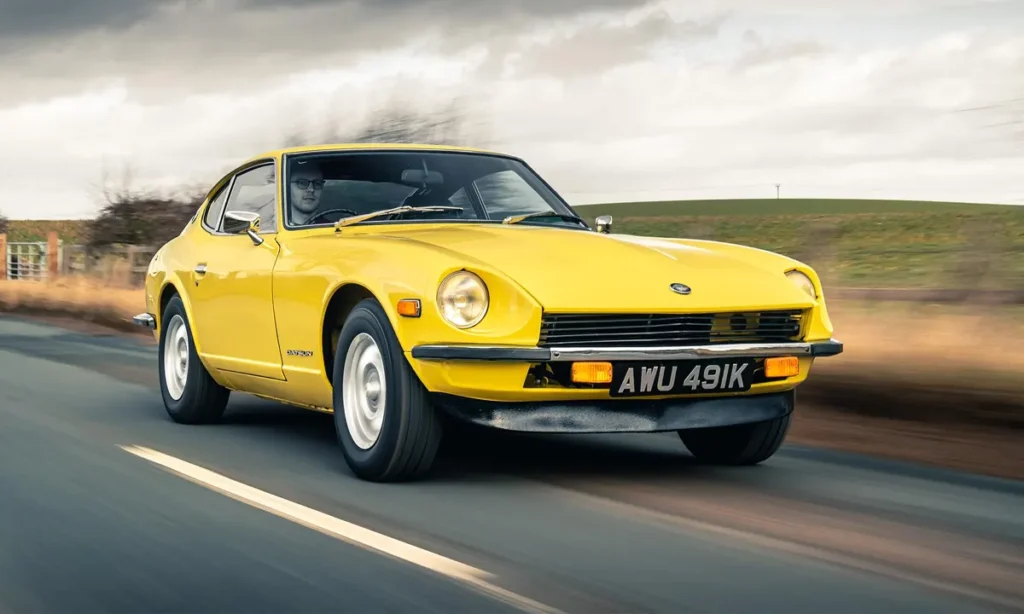
Configuration: Inline-Six | Engine: L24 / L26 / L28 | Displacement: 2.4–2.8 Litres | High-Mileage Benchmark: 200,000+ Miles; Racing Competition Into the 21st Century
The Datsun Z-car series — beginning with the 240Z in 1969 and evolving through the 260Z and fuel-injected 280Z — represents one of the most remarkable durability achievements in the history of the sports car, combining the visual drama and driving engagement of a genuine two-seat sports coupe with a mechanical robustness that the European sports car establishment of the era could not match and, in many cases, could not approach. The L-series inline-six engine at the heart of each generation — the 2.4-litre L24, the 2.6-litre L26 and the fuel-injected 2.8-litre L28 of the 280Z — was a straightforward, conservatively tuned single overhead camshaft unit of cast-iron construction whose long-term reliability was inseparable from the simplicity and mechanical generosity of its fundamental design. There was little here that could fail catastrophically without adequate warning, and the engine’s tolerance for the kind of mechanical stress that enthusiastic driving on public roads and amateur motorsport participation regularly imposes proved, across decades of real-world ownership, to be exceptional.
The 280Z’s fuel-injected L28 is the most durably accomplished of the family — a unit whose mechanical integrity across extended ownership has been validated by the extraordinary fact that Z-car examples from this generation have competed successfully in amateur and vintage racing events well into the current century, operating engines that are in some cases entirely original and in their fifth or sixth decade of service. The Z-car community that has sustained these vehicles through restoration, maintenance and competitive use across more than 50 years of the model’s existence is both the most durable proof of the car’s mechanical quality and the most enthusiastic celebration of what genuine long-term automotive reliability means in human terms.
8. Toyota Hilux Surf / 4Runner (1984–2002) – The Six-Cylinder SUV That Earned Its Indestructible Reputation Honestly
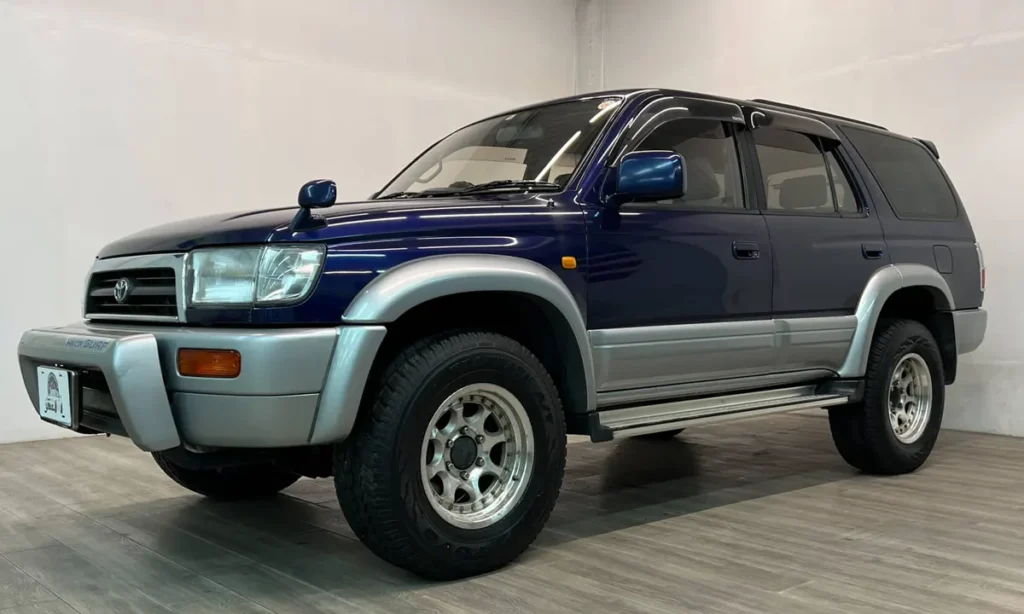
Engine: 3.0-Litre 3VZ-E V6 / 3.4-Litre 5VZ-FE V6 | Power: 150–183 hp | High-Mileage Benchmark: 250,000–350,000 Miles Documented
The Toyota 4Runner powered by the naturally aspirated 5VZ-FE 3.4-litre V6 engine — introduced for the 1996 model year and continuing through 2002 — represents the apex of Toyota’s third-generation SUV reliability achievement, a vehicle whose combination of body-on-frame construction, a conservatively tuned naturally aspirated V6 and Toyota’s manufacturing quality during this period produced a long-term ownership proposition of extraordinary dependability. The 5VZ-FE itself is one of the most celebrated naturally aspirated V6 engines in Toyota’s production history — a unit of cast-iron block construction with aluminium cylinder heads, conservative compression ratio and a timing belt service interval that, when observed, eliminated the engine’s only significant failure risk and allowed the rest of the powertrain to accumulate mileage of a kind more commonly associated with commercial vehicles than leisure SUVs. Documented 4Runner examples equipped with the 5VZ-FE and surpassing 300,000 miles on properly maintained original engines appear consistently across Toyota owner communities, and the model’s reputation in global markets where vehicles are used until they genuinely cannot be repaired — rather than until they become unfashionable — reflects a durability that the factory specifications never fully captured.
The 4Runner’s body-on-frame construction, separate from the unibody architecture that would eventually replace it across much of Toyota’s SUV range, contributed to its long-term durability by providing a structural foundation that could be repaired, reinforced and maintained with a practicality that monocoque construction cannot match. Frame corrosion management is the single most important maintenance consideration for 4Runner owners in climates where road salt is applied during winter months, and owners who addressed this proactively found a vehicle whose mechanical integrity rewarded them across ownership timescales that routinely extended to fifteen and twenty years of primary use.
9. Volvo 240 / 740 / 940 – The Swedish Six-Cylinder Saloon That Delivered Safety and Longevity Simultaneously
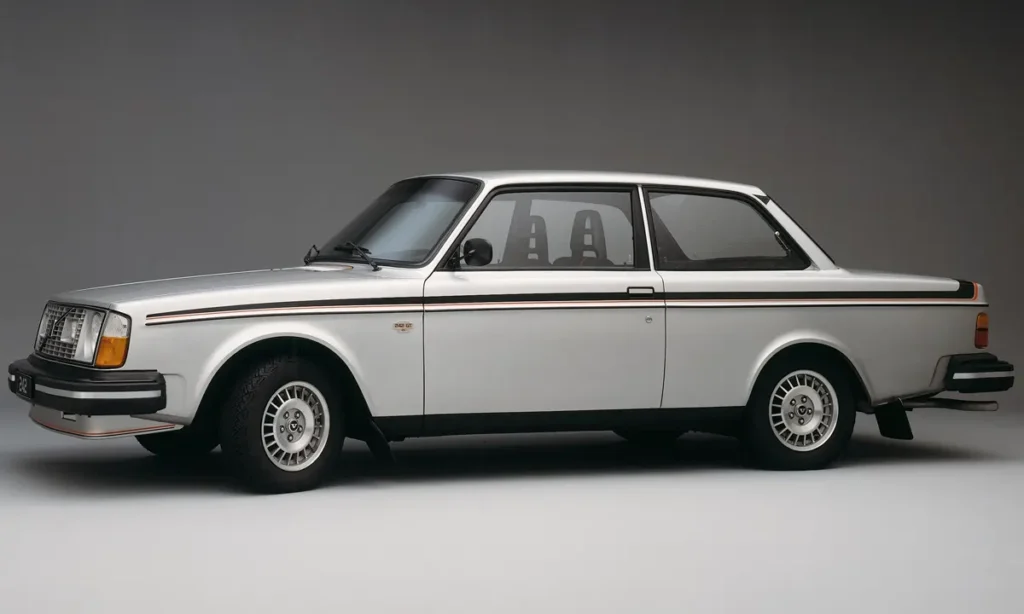
Engine: 2.3-Litre Inline-Six B230 / Turbocharged Variants | Notable Six-Cylinder Variant: Volvo 960 / S90 with 2.9-Litre B6304 Inline-Six | High-Mileage Benchmark: 250,000–300,000 Miles Documented
The Volvo 900 series — specifically the 960 and its successor the S90 equipped with the 2.9-litre B6304 naturally aspirated inline-six — represents one of the most thoroughly underappreciated reliability achievements in the history of the European executive saloon. Volvo’s straight-six, derived from a Porsche-influenced double overhead camshaft design and produced with the mechanical conservatism that characterised all of Volvo’s engineering during this period, powered the top-specification 900 series models with a smoothness and refinement that appropriately reflected the premium positioning of the vehicles it occupied while delivering a long-term mechanical durability that exceeded the expectations of buyers who compared it with German executive alternatives of the same era. The B6304’s cast-iron block provided the structural foundation for a powertrain of genuine long-term durability, and its relatively modest power output of 204 horsepower in a full-size executive saloon meant that the mechanical stress imposed on each component in normal operation remained comfortably within the engine’s design tolerance across extended operational lifetimes.
Volvo owners — a demographic long characterised by attentive maintenance habits and an above-average willingness to invest in long-term vehicle upkeep — found the 960 and S90 equipped with the B6304 among the most reliably accomplished executive saloons available at their price point during the 1990s. The broader Volvo 240 and 740 families, while more typically associated with the four-cylinder B230 engine, established the reliability culture and owner community that sustained the six-cylinder variants’ ownership experience — providing the maintenance knowledge, parts availability and genuine enthusiasm for long-term Volvo ownership that allowed the best-maintained examples to accumulate mileage of a kind that few European competitors could match.
10. Porsche 911 (Air-Cooled, 1963–1998) – The Six-Cylinder Sports Car That Aged Better Than Any Other
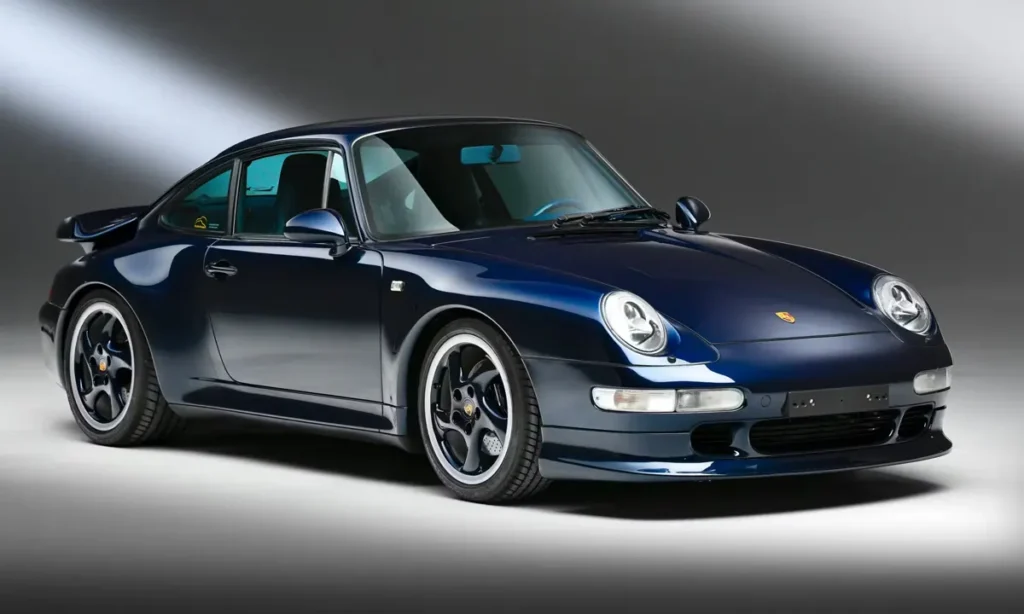
Engine: Air-Cooled Flat-Six (2.0–3.6 Litres, Various) | High-Mileage Benchmark: 200,000+ Miles; Race Competition Across 60 Years
The air-cooled Porsche 911 is the most celebrated six-cylinder sports car in automotive history, and its long-term reliability record is inseparable from the engineering philosophy that Porsche applied to its development across 35 years of continuous production. The flat-six engine — horizontally opposed, air-cooled through the 993-generation conclusion of the air-cooled era in 1998 — was developed with a consistency of mechanical philosophy and a depth of engineering integrity that produced progressively more capable and more refined powerplants while maintaining the fundamental durability that early 911 ownership had established. The SC generation of 3.0-litre flat-six and the 3.2-litre Carrera engine that succeeded it — produced between 1978 and 1989 — represent the most completely balanced expression of the air-cooled 911’s reliability potential, combining understressed power outputs with galvanised body construction introduced from 1976 onward and a mechanical simplicity that made both professional and home maintenance straightforward.
The air-cooled 911’s long-term reliability is inseparable from one critical maintenance requirement — the engine’s air cooling system demands regular and complete attention to oil system maintenance, including oil changes at shorter intervals than water-cooled engines require and periodic inspection of the cooling system’s mechanical components. Owners who maintained the oil system correctly found an engine of extraordinary long-term mechanical integrity — one whose flat-six architecture, with its inherent primary and secondary balance, minimised the vibration-induced component fatigue that contributes significantly to long-term engine wear in less perfectly balanced configurations. The 911’s documented competition career, spanning from the model’s introduction in 1963 to the present day in vintage racing, provides the most comprehensive and the most credible validation of the air-cooled flat-six’s mechanical durability that the automotive world possesses — an engine that has been driven competitively at high loads for more than six decades and that continues to demonstrate, in the hands of enthusiastic owners worldwide, that genuine engineering quality has no expiration date.
Read: Audi SQ8 Combines V8 Power with Luxury and Advanced Technology
The 10 Most Reliable Six-Cylinder Cars Ever Made – Reference Chart
| Rank | Car | Engine | Configuration | High-Mileage Benchmark | Defining Reliability Quality |
| 1 | Lexus GS300 / Toyota Supra (2JZ) | 3.0L 2JZ-GE Inline-Six | Sports / Luxury Saloon | 300,000–500,000+ Miles | Overbuilt Cast-Iron Block / Stock Internals Handle 1,000 HP |
| 2 | Jeep Cherokee XJ | 4.0L AMC Inline-Six | Off-Road SUV | 300,000+ Miles, Extreme Off-Road | Survived Water Submersion / Commercial-Grade Durability |
| 3 | BMW E46 330i / 330d | 3.0L M54 / M57 Inline-Six | Premium Sports Saloon | 200,000–400,000 Miles | Naturally Aspirated Simplicity / Racing DNA |
| 4 | Honda Accord V6 | 3.0–3.5L J-Series V6 | Family Saloon | 300,000–380,000 Miles | Conservative Tune / Honda Manufacturing Quality |
| 5 | Mercedes-Benz W123 | 2.8L M110 Inline-Six | Executive Saloon | 500,000+ Miles in Fleet | Overbuilt Construction / Taxi Fleet Validated |
| 6 | Nissan 300ZX | 3.0L VG30 V6 | Sports Coupe | 200,000–250,000+ Miles | Japanese Performance Longevity / Turbocharged Durability |
| 7 | Datsun 240Z / 280Z | 2.4–2.8L L-Series Inline-Six | Sports Coupe | 200,000+; 6 Decades of Competition | Cast-Iron Simplicity / Still Racing Today |
| 8 | Toyota 4Runner 3rd Gen | 3.4L 5VZ-FE V6 | Body-on-Frame SUV | 250,000–350,000+ Miles | Conservative Tune / Body-on-Frame Repairability |
| 9 | Volvo 960 / S90 | 2.9L B6304 Inline-Six | Executive Saloon | 250,000–300,000 Miles | Understressed Output / Owner Maintenance Culture |
| 10 | Porsche 911 Air-Cooled | 2.0–3.6L Flat-Six | Sports Coupe | 200,000+; 60 Years of Racing | Primary Balance / Galvanised Body / Oil System Longevity |
The Honest Verdict on Six-Cylinder Longevity
Every car on this list earned its place through the same unforgiving and entirely democratic process — by continuing to operate reliably when lesser vehicles had long since yielded to the accumulated mechanical stress of real-world use. The common thread connecting a 1969 Datsun 240Z still running its original L24 inline-six, a Jeep Cherokee XJ with 300,000 off-road miles on its AMC 4.0 and a Lexus GS300 approaching half a million kilometres on an untouched 2JZ-GE is not complexity, not technology and not marketing investment. It is engineering honesty — the discipline of building every component to a standard that the real world will test and finding that standard was sufficient. These are the six-cylinder cars that understood their purpose completely, fulfilled it without reservation and rewarded the owners who trusted them with a quality of long-term service that the automotive world has not yet found a way to improve upon.