10 of the Most Reliable Six-Cylinder Engines Ever Made: The Powerplants That Refused to Surrender
From a Japanese Inline-Six That Laughs at 1,000 Horsepower to an American Cast-Iron Workhorse That Powered UPS Trucks for Three Decades, These Ten Six-Cylinder Engines Defined Reliability, Endurance and Engineering Honesty Across the Entire History of the Automobile
10 of the Most Reliable Six-Cylinder Engines Ever Made: Reliability is the most unforgiving and the most honest measure of an engine’s true worth. Power figures can be inflated, lap times can be cherry-picked and specification sheets can be crafted to mislead — but the odometer cannot lie. When an engine crosses 200,000 miles, then 300,000, then 400,000 and beyond on nothing more than scheduled oil changes and basic maintenance, it has earned a form of respect that no marketing campaign can manufacture and no rival can dispute. The six-cylinder engine, across its various configurations — the inherently balanced inline-six, the compact and versatile V6, the horizontally opposed flat-six — has produced some of the most enduringly reliable powerplants in the entire history of the internal combustion engine, and the ten engines assembled on this list represent the finest examples of that achievement.
These are not engines celebrated for their horsepower figures, their quarter-mile times or their dyno sheet credentials. They are celebrated for the quality most difficult to engineer and most impossible to fake — the willingness to keep running, keep delivering and keep rewarding their owners with dependable, unfailing performance long after every reasonable expectation of longevity has been exceeded. They are the engines that fleet operators trusted to clock over 300,000 miles on basic maintenance, that off-road adventurers relied upon in conditions that would reduce lesser powerplants to expensive scrap, and that everyday drivers have passed down through families across generations because replacing a vehicle that refuses to fail feels like an act of unnecessary extravagance. This is the story of the ten greatest survivors in the six-cylinder engine’s long and distinguished history.
1. Toyota 2JZ-GTE / 2JZ-GE – The Over-Engineered Japanese Legend That Cannot Be Killed
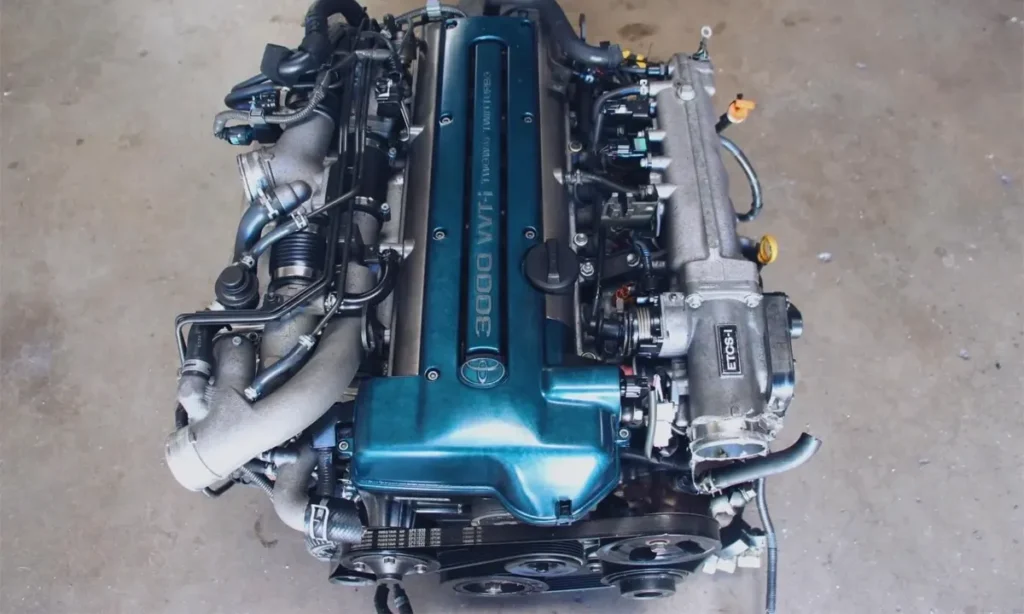
Configuration: Inline-Six | Displacement: 3.0 Litres | Production Years: 1991–2007 | Notable Vehicles: Toyota Supra A80, Lexus IS300, Lexus GS300, Toyota Aristo
There is no serious discussion of six-cylinder engine reliability that does not begin with the Toyota 2JZ, and there is very good reason for that consensus. The 2JZ is not merely one of the most reliable production engines ever manufactured — it is the engine against which all other reliability claims in the performance world are ultimately and inevitably measured, a benchmark so thoroughly validated across three decades of real-world ownership that its reputation has grown larger than the vehicles it powered and the era in which it was conceived. Toyota’s engineers built the 2JZ around a closed-deck cast-iron block of exceptional structural rigidity, reinforced with forged steel connecting rods, a forged crankshaft and a dual overhead camshaft cylinder head that provided both mechanical strength and efficient breathing at high engine speeds. These are not the design choices of an engine calibrated to meet a minimum specification at the lowest possible cost — they are the choices of engineers who understood that their engine would be tested severely by the real world and who prepared it accordingly.
The naturally aspirated 2JZ-GE, found in the Lexus IS300, GS300 and the Toyota Aristo, is the variant most commonly encountered in daily driver applications — an engine of extraordinary smoothness and profound mechanical dependability that regularly surpasses 300,000 miles under careful ownership and has been documented approaching 500,000 miles in commercial fleet applications. The twin-turbocharged 2JZ-GTE, forever associated with the fourth-generation Toyota Supra, adds the complexity of sequential twin turbochargers to this same foundation and produces 280 horsepower in factory-restricted Japanese specification — a figure that the global tuning community has routinely multiplied to 800, 1,000 and beyond 1,200 horsepower using the engine’s entirely standard internal components. An engine that can sustain reliable daily operation at factory output for a quarter-million miles while simultaneously accommodating ten times that power output under forced induction through stock internals belongs to a category of engineering achievement that has no modern equivalent and very few historical parallels.
2. Ford 300 Cubic Inch Inline-Six – The Cast-Iron American Workhorse That Ran Forever
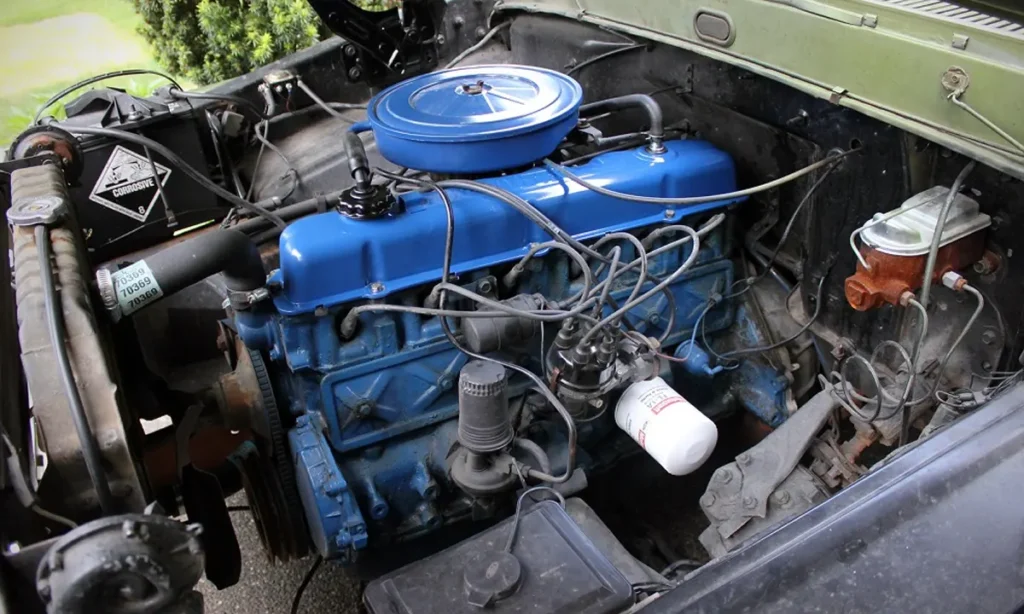
Configuration: Inline-Six | Displacement: 4.9 Litres (300 Cubic Inches) | Production Years: 1965–1996 | Notable Vehicles: Ford F-Series Trucks (F-100 through F-350), Ford Bronco, Ford Econoline Van, UPS Delivery Trucks
The Ford 300 cubic inch inline-six is the engine that most completely and most honestly embodies the concept of indestructible reliability across the broadest possible range of real-world operating conditions. Introduced in 1965 as the primary workhorse engine of the fourth-generation Ford F-Series truck and produced continuously for 31 years through the 1996 model year — one of the longest manufacturing runs of any engine in American automotive history — the Ford 300 accumulated a reliability record that was not built in a laboratory or validated by a corporate marketing department. It was built mile by mile, on farms, construction sites, delivery routes and job sites across three decades of American commercial and recreational use, by owners who depended on it absolutely and who were rewarded for that dependence with a consistency of service that established the engine’s legendary status through pure mechanical performance alone.
The design philosophy is magnificently simple in retrospect, though it reflected genuine engineering conviction at the time of its creation. A massive cast-iron block with seven main bearings — an unusually high number that distributed crankshaft loads across a broader support structure than competing designs — combined with a cast-iron cylinder head, hydraulic valve lifters and a timing gear arrangement in place of the more failure-prone timing chain or belt systems used by rivals, created a powertrain of almost monumental mechanical integrity. Peak torque arrived at just 1,600 rpm, a characteristic that allowed the engine to move heavy loads with a diesel-like persistence that outlasted many of the trucks it powered. By the 1990s, the Ford 300 had become the backbone of UPS delivery fleets, where it regularly clocked over 300,000 miles on basic maintenance — a commercial endorsement of its reliability that no amount of laboratory testing could have manufactured or improved upon.
3. Buick 3800 Series II – The V6 That America Trusted With Its Highest Mileage Ambitions
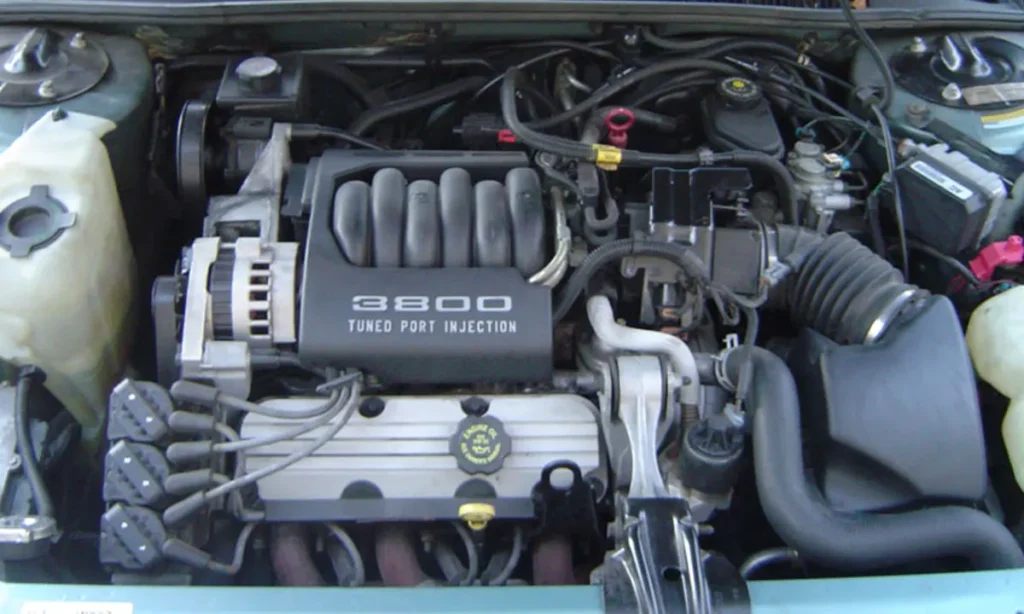
Configuration: V6 | Displacement: 3.8 Litres | Production Years: 1995–2008 | Notable Vehicles: Buick LeSabre, Buick Park Avenue, Pontiac Bonneville GXP, Chevrolet Impala, Pontiac Grand Prix
The Buick 3800 Series II occupies a unique and celebrated position in the history of the American V6 engine. It earned a place on Ward’s 10 Best Engines list for five consecutive years, was identified by Consumer Reports as one of the most consistently reliable engines in the domestic market across its production lifetime and accumulated a body of high-mileage ownership testimony so substantial and so consistent that its reputation for durability has become genuinely folkloric among American car enthusiasts. The engine’s origins reach back to the original Buick Fireball V6 of 1962, and the powerplant that reached production in Series II form in 1995 carried more than three decades of continuous development refinement — producing 200 horsepower in a package of mechanical simplicity and long-term dependability perfectly calibrated for the full-size luxury vehicles it was designed to serve.
The 3800’s cast-iron block and aluminium cylinder heads, combined with a hydraulic valve lifter design that eliminated the need for periodic manual valve adjustment and a cooling system architecture that managed operating temperatures with exceptional consistency, created a powertrain whose long-term mechanical integrity became the defining feature of the Buick and Pontiac ownership experience for more than a decade. Vehicles equipped with the 3800 Series II routinely surpassed 250,000 miles on standard maintenance schedules, and multiple documented examples of 300,000-mile 3800-powered Buick LeSabres and Pontiac Bonnevilles are part of the established public record. The engine’s most celebrated piece of reliability mythology — the story of a 3800 surviving catastrophic coolant flooding across four of its six cylinders and driving itself onto the recovery flatbed on the remaining two — captures the fundamental mechanical truth of this engine’s character more completely than any specification sheet ever could.
4. Jeep / AMC 4.0-Litre Inline-Six – The Off-Road World’s Most Trusted Engine
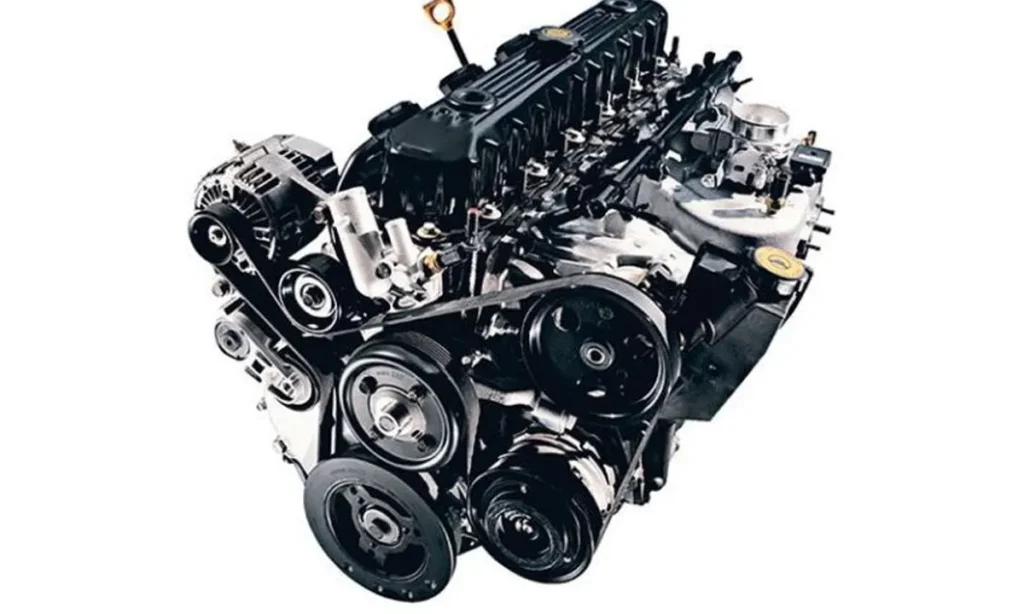
Configuration: Inline-Six | Displacement: 4.0 Litres | Production Years: 1987–2006 | Notable Vehicles: Jeep Cherokee XJ, Jeep Wrangler TJ and YJ, Jeep Grand Cherokee ZJ and WJ, Jeep Comanche
The AMC-derived 4.0-litre inline-six that powered Jeep’s most beloved off-road vehicles across two decades of production has earned a position in the four-wheel-drive community that is genuinely singular and genuinely irreplaceable — an engine so universally and so enthusiastically celebrated for its mechanical toughness that it remains the definitive benchmark against which every subsequent Jeep engine has been measured and, in the fervent opinion of a significant proportion of the dedicated Jeep community, has failed to equal. The engine’s cast-iron block and cylinder head construction, low-pressure oiling system and hydraulic valve lifter design created a powertrain architecturally suited to the most demanding operating conditions that Jeep owners regularly impose — sustained low-speed high-torque operation on challenging terrain, frequent water crossing exposure, the mechanical stress of rock crawling and the sustained thermal load of desert operation at low vehicle speeds with maximum engine demand.
The 4.0-litre’s performance in these extreme conditions was not merely adequate — it was outstanding and extensively documented. Jeep Cherokee XJ owners routinely reported odometer readings exceeding 300,000 miles on scheduled maintenance alone, and the engine’s demonstrated capacity to restart after complete submersion during water crossing incidents — a capability with no parallel in the specification sheets of more sophisticated modern powerplants — became central to the mythology of the XJ Cherokee as the most reliable affordable four-wheel-drive vehicle of its generation. When the 4.0-litre was retired with the final Jeep Wrangler TJ in 2006, it left behind a community of owners who have never fully accepted its successors and who continue to maintain their AMC-powered Jeeps with the reasonable expectation that the engines will continue rewarding that maintenance indefinitely.
5. Chrysler Slant Six – The Engine That Survived Everything a Customer Could Throw at It
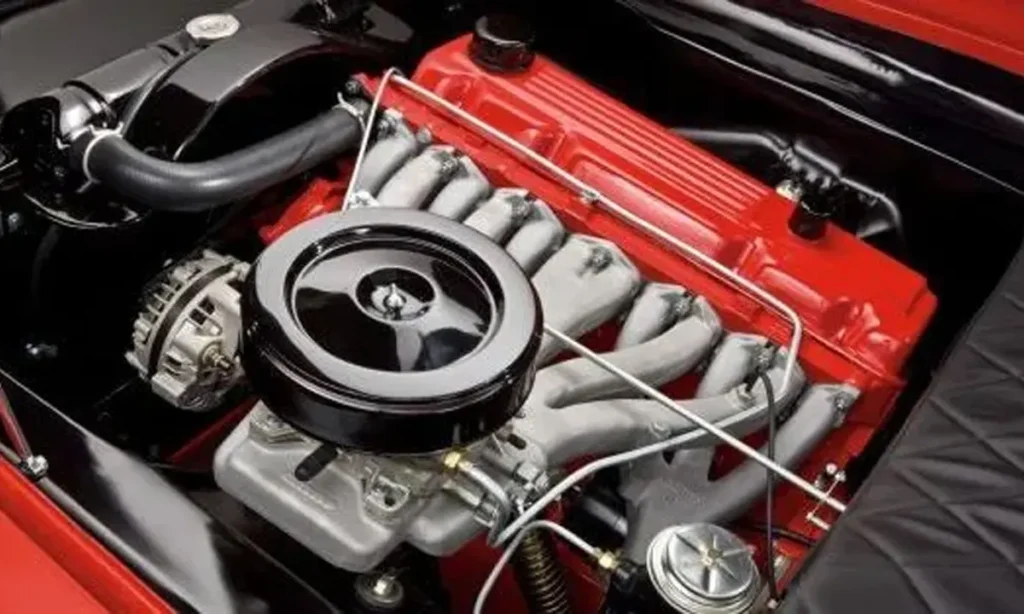
Configuration: Inline-Six (Tilted 30 Degrees) | Displacement: 3.2–3.7 Litres (198, 225 Cubic Inch Variants) | Production Years: 1960–1987 | Notable Vehicles: Dodge Dart, Plymouth Valiant, Plymouth Barracuda, Dodge D-Series Trucks
The Chrysler Slant Six is arguably the most unlikely reliability legend in American automotive history — an economy car engine introduced in 1960 for modest entry-level vehicles that went on to demonstrate mechanical durability so extraordinary and so thoroughly validated across 27 continuous years of production that its reputation has achieved near-mythological status among American car enthusiasts of multiple generations. The engine’s defining physical characteristic — its 30-degree lateral tilt within the engine bay — was adopted primarily to lower the hood line of the compact vehicles it powered and to create space for more effective intake and exhaust manifold geometry. This unusual installation angle contributed unintentionally but meaningfully to the engine’s long-term reliability by ensuring excellent oil drainage from the cylinder walls to the sump under all operating conditions, reducing the cylinder wear and oil consumption that afflicted more conventionally mounted engines of the same era.
The Slant Six’s architecture — a cast-iron block and cylinder head of conservative design, a single overhead-valve configuration operated through pushrods and rocker arms and a carburetion system that, while electronically upgraded in later years with results that proved considerably less dependable than the mechanical original, delivered adequate fuel distribution across the engine’s operating range — created a powertrain of exceptional long-term mechanical integrity. Owners of Dodge Darts and Plymouth Valiants consistently drove their vehicles past 200,000 miles and frequently beyond 300,000 miles on basic maintenance, supported by a mechanical simplicity that made home servicing and repair genuinely accessible to any driver with a basic socket set and a willingness to engage. When emissions regulations eventually forced Chrysler’s hand and new electronically controlled carburetion systems introduced reliability problems that the original mechanical design had never exhibited, the Slant Six’s reputation had already been permanently established — and the loyalty it inspired in its owners has never entirely diminished.
6. BMW B58 – The Modern Turbocharged Inline-Six That Defined a New Standard
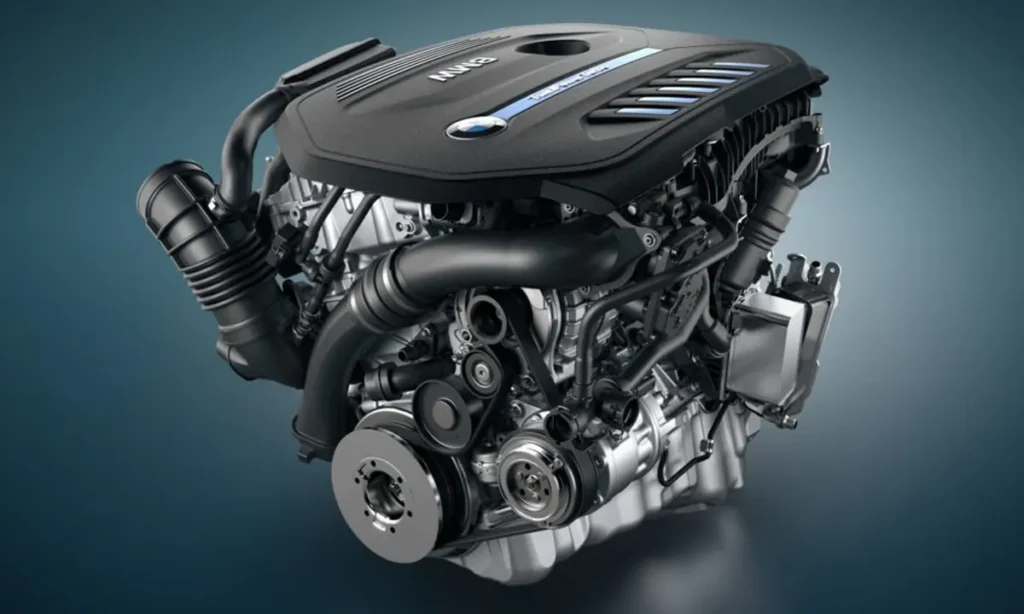
Configuration: Inline-Six | Displacement: 3.0 Litres Turbocharged | Production Years: 2015–Present | Notable Vehicles: BMW M240i, BMW 340i, BMW 440i, BMW 540i, Toyota GR Supra, BMW Z4 M40i, BMW X5 xDrive40i
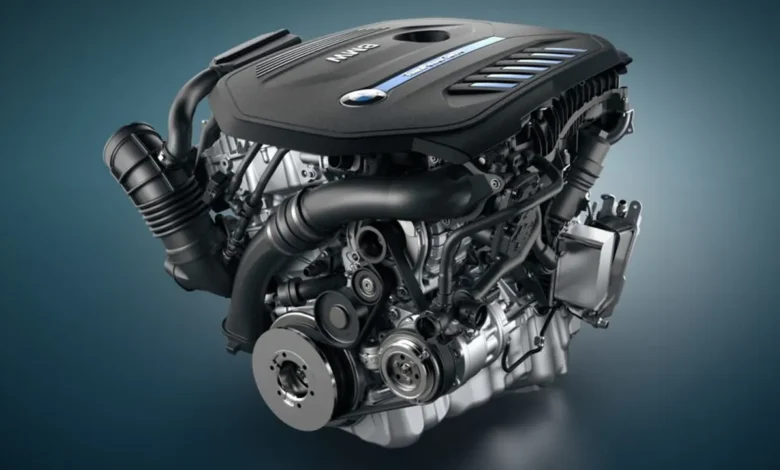
The BMW B58 represents the current pinnacle of turbocharged inline-six engineering and the most compelling modern evidence that forced induction and genuine long-term reliability are not mutually exclusive engineering ambitions. Developed as the direct successor to the well-regarded N55 unit, the B58 addressed its predecessor’s known weaknesses in charge cooling and high-load thermal management through a comprehensively redesigned open-deck engine block, an exhaust manifold integrated directly within the cylinder head to improve thermal efficiency and reduce packaging complexity, and a cooling system architecture specifically calibrated to maintain stable operating temperatures during the sustained high-load driving conditions that performance-oriented BMW owners regularly impose. The result is an engine producing between 335 and 382 horsepower across its various applications — genuine performance output delivered with the long-term mechanical dependability that BMW’s most commercially important models absolutely require.
The B58’s reliability credentials have been validated with increasing conviction across the decade since its introduction. Consumer Reports assessments, J.D. Power surveys and independent long-term ownership evaluations consistently identify B58-powered vehicles among the most dependable offerings in their respective segments, and the engine’s track record in the Toyota GR Supra — where it powers one of the most enthusiastically and consistently driven sports cars of the current generation — has provided a particularly rigorous real-world reliability test that the unit has passed with distinction. The tuning community’s ability to extract outputs exceeding 600 horsepower from lightly modified B58 units using entirely stock internal components speaks directly to the depth of structural integrity and engineering reserve that BMW built into every dimension of the design — and that reserve is the most honest measure of an engine’s true reliability ambition.
7. Nissan RB26DETT – The GT-R’s Race-Derived Inline-Six That Was Built to Last Forever
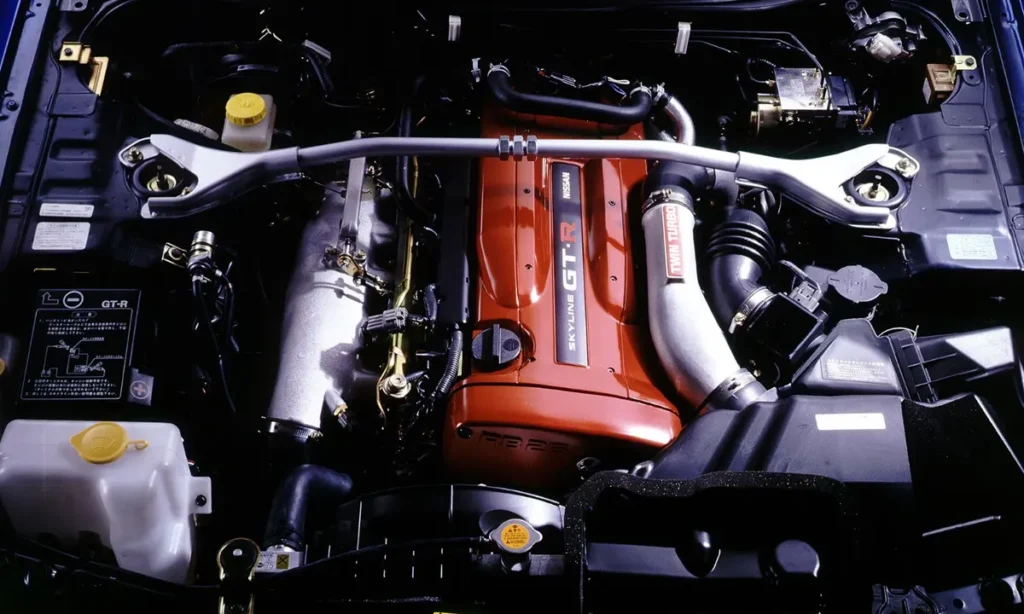
Configuration: Inline-Six | Displacement: 2.6 Litres Twin-Turbocharged | Production Years: 1989–2002 | Notable Vehicles: Nissan Skyline GT-R R32, R33 and R34
The Nissan RB26DETT is one of the most celebrated performance engines in the history of the Japanese automobile industry, and its durability credentials are inseparable from its competitive motorsport pedigree. Designed from its inception for the Nissan Skyline GT-R’s factory touring car and Group A racing programme — an environment that tests engine structural integrity with a severity no road use application can replicate — the RB26DETT was built with internal components that reflect its competition origins rather than the cost optimisation that governs ordinary production engine development. A forged steel crankshaft, forged connecting rods, and a cast-iron block of substantial wall thickness created a foundation of structural integrity that allowed the engine to withstand the mechanical demands of both factory-limited 280 horsepower road car use and the far more considerable stress of full-race preparation.
In standard road car specification, the RB26DETT is an engine of extraordinary durability — smooth, progressive and deeply reliable across the extended operating lifetime that careful GT-R ownership rewards. The global tuning community’s ability to extract outputs well beyond 800 horsepower from this engine’s standard block and internals, and to sustain that output across extended periods of use without catastrophic internal failure, is a testament to the fundamental engineering integrity of the design that no manufacturer’s reliability claim can match in credibility. The RB26DETT’s documented resistance to high-mileage mechanical degradation, combined with its legendary tuning potential, has created one of the most enthusiastic and most technically engaged ownership communities in the world — a community that continues to source, rebuild and maintain these engines decades after the last GT-R powered by one left the Oppama factory.
8. Chevrolet 4.3-Litre V6 – The Small-Block’s Six-Cylinder Sibling That Inherited Its Reliability
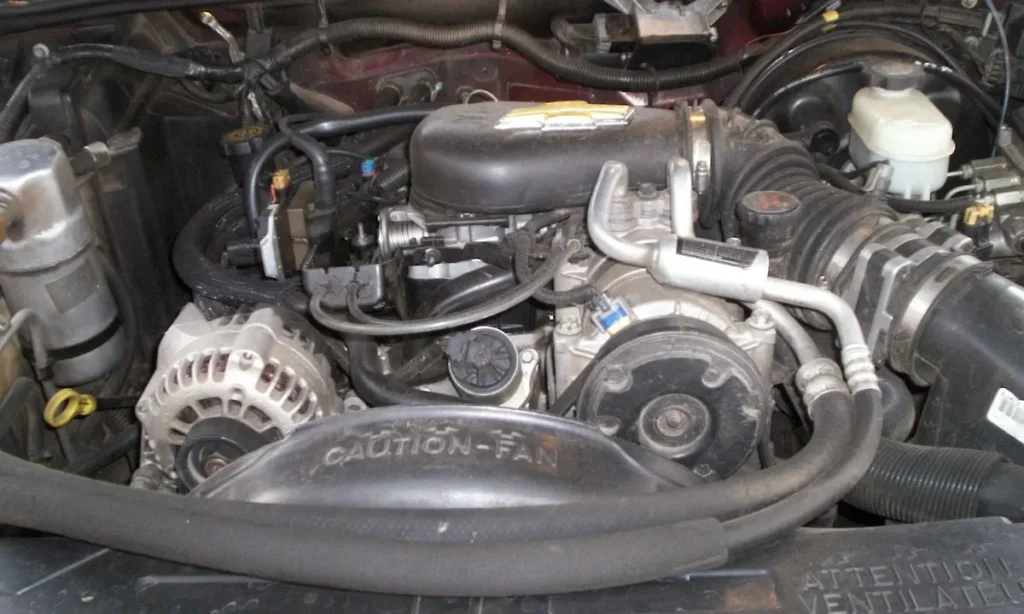
Configuration: V6 | Displacement: 4.3 Litres | Production Years: 1985–2014 | Notable Vehicles: Chevrolet S-10, Chevrolet Blazer, GMC Sonoma, Chevrolet Silverado 1500, GMC Sierra 1500, Chevrolet Astro Van
The Chevrolet 4.3-litre V6 owes its exceptional reliability credentials in large part to its origins — this engine was derived directly from the legendary small-block Chevrolet V8 family, sharing that architecture’s fundamental design philosophy of robust cast-iron construction, conservative engineering tolerances and time-proven mechanical simplicity. By removing two cylinders from the small-block’s V8 architecture rather than designing a new engine from a clean sheet, General Motors created a V6 that inherited the dimensional generosity, the proven oiling system architecture and the structural rigidity of one of the most thoroughly validated engine families in American automotive history. The practical benefits of this inheritance manifested across nearly three decades of production as an engine whose mechanical durability consistently exceeded the expectations of owners using it in demanding applications — truck towing, van fleet service and the sustained low-speed high-torque operation that commercial vehicles routinely impose.
The 4.3-litre V6 was GM’s most produced six-cylinder engine across its operational lifetime, appearing in millions of light trucks, SUVs and passenger vans across a production run of nearly 30 years. Owners of S-10 pickups and first-generation Blazers equipped with the 4.3 routinely reported odometer readings exceeding 200,000 miles without significant engine work, and fleet operators who deployed the engine in Astro and Safari vans for commercial cargo and passenger service found its maintenance costs and failure rates among the lowest of any comparable light-duty truck engine available in its era. The engine’s longevity in production — remaining in service through the 2014 model year for the Chevrolet Silverado and GMC Sierra — is perhaps the most convincing reliability endorsement General Motors could have offered, as no manufacturer continues producing an engine for three decades unless its real-world performance consistently justifies the decision.
9. Jaguar XK Inline-Six – The British Engine That Powered Legends for 43 Years
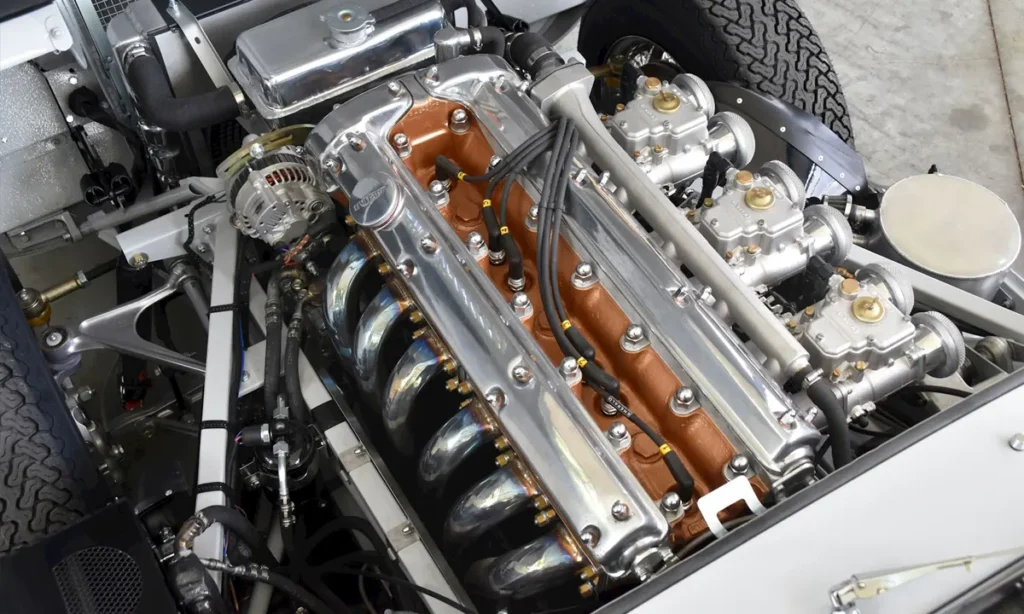
Configuration: Inline-Six | Displacement: 2.4 to 4.2 Litres (Various) | Production Years: 1949–1992 | Notable Vehicles: Jaguar XK120, XK140, XK150, Jaguar E-Type, Jaguar XJ6, Jaguar Mark series, Jaguar C-Type and D-Type Racing Cars
The Jaguar XK inline-six engine holds a place in automotive history that is simultaneously artistic and mechanical — a powerplant of such elegant engineering and such proven long-term durability that it served Jaguar’s road car and racing car programmes continuously for 43 years, from 1949 through 1992, across five displacement variants ranging from 2.4 to 4.2 litres. Designed by William Heynes, Walter Hassan and Claude Baily in the years immediately following the Second World War, the XK engine featured a cast-iron block with a lightweight dual overhead camshaft aluminium cylinder head — a construction approach that was genuinely advanced for its era and that contributed both to the engine’s mechanical efficiency and its long-term thermal stability. The smooth, torque-rich power delivery that this architecture produced made the XK engine ideal for the grand touring road cars it primarily powered while simultaneously providing the performance foundation that Jaguar’s Le Mans-winning C-Type and D-Type racing cars exploited to championship effect.
The XK engine’s 43-year production run is not merely a longevity record — it is a reliability endorsement of the most credible kind, reflecting the sustained judgement of Jaguar’s engineers that the fundamental architecture remained sound and competitive across more than four decades of automotive evolution. Well-maintained examples of E-Type Jaguars and XJ6 saloons equipped with the 4.2-litre XK engine regularly operate in the present day with their original engines fully functional, providing a living demonstration of the engine’s long-term durability that no contemporary reliability survey can replicate in authority or emotional impact. The XK engine is the most enduring proof that British engineering, at its finest and most carefully executed, could produce a six-cylinder powerplant of world-class reliability.
10. Chrysler / FCA Pentastar 3.6-Litre V6 – Ten Million Units of Modern Reliability Evidence
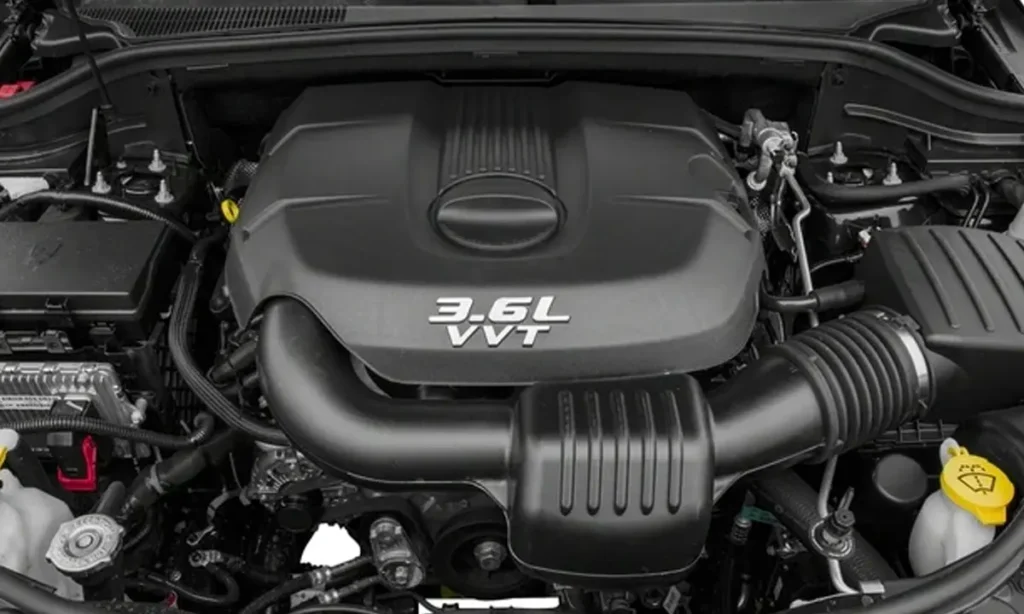
Configuration: V6 | Displacement: 3.6 Litres | Production Years: 2011–Present | Notable Vehicles: Jeep Wrangler JK and JL, Jeep Grand Cherokee, Dodge Challenger, Dodge Charger, Ram 1500, Chrysler 300, Dodge Durango
The Chrysler Pentastar V6 is the most widely deployed engine on this list and the most comprehensively validated production engine in the modern American market — a powerplant whose reliability record has been established across more than ten million units and fifteen continuous years of production in applications ranging from daily passenger cars to serious off-road vehicles and heavy towing platforms. Developed from a clean sheet design as a universal replacement for the fragmented and aging V6 portfolio that Chrysler carried into its restructuring period, the Pentastar was engineered with the explicit ambition of serving every segment of the manufacturer’s vehicle lineup with a single robust, scalable and easily maintained architecture that would eliminate the ownership frustrations and reliability inconsistencies of its predecessors.
The all-aluminium construction with cast-iron cylinder bore liners — a material combination that balances weight reduction with the bore wear resistance that high-mileage commercial applications demand — produces 290 to 305 horsepower depending on the application, delivering its performance with the smooth and accessible character that broad-market vehicles require. Consumer Reports assessments have consistently placed Pentastar-powered vehicles above the segment average for reliability across the engine’s entire production lifetime, a sustained endorsement that reflects the soundness of its engineering across every vehicle category and every operating environment it has encountered. Documented examples of Pentastar-powered Jeep Wranglers, Dodge Chargers and Ram 1500 pickups surpassing 250,000 miles on standard maintenance schedules are not exceptional cases but commonplace outcomes — the most compelling and most honest reliability endorsement that any production engine can receive.
Read: 2026 Porsche 911 Turbo S Cabriolet Redefines Hybrid Supercar Performance
The 10 Most Reliable Six-Cylinder Engines Ever Made – Reference Chart
| Rank | Engine | Configuration | Displacement | Production Years | High-Mileage Benchmark |
| 1 | Toyota 2JZ-GE / 2JZ-GTE | Inline-Six | 3.0L | 1991–2007 | 300,000–500,000+ Miles Documented |
| 2 | Ford 300 Cubic Inch | Inline-Six | 4.9L | 1965–1996 | 300,000+ Miles in Fleet Service |
| 3 | Buick 3800 Series II | V6 | 3.8L | 1995–2008 | 250,000–300,000+ Miles Common |
| 4 | Jeep / AMC 4.0-Litre | Inline-Six | 4.0L | 1987–2006 | 300,000+ Miles, Extreme Off-Road Use |
| 5 | Chrysler Slant Six | Inline-Six | 3.2–3.7L | 1960–1987 | 200,000–300,000+ Miles Documented |
| 6 | BMW B58 | Inline-Six Turbo | 3.0L | 2015–Present | Above-Average Reliability All Surveys |
| 7 | Nissan RB26DETT | Inline-Six Twin Turbo | 2.6L | 1989–2002 | Race-Derived Internals / 600+ HP Stock Block |
| 8 | Chevrolet 4.3-Litre V6 | V6 | 4.3L | 1985–2014 | 200,000+ Miles in Commercial Fleet Use |
| 9 | Jaguar XK Inline-Six | Inline-Six | 2.4–4.2L | 1949–1992 | 43-Year Production Run / Still Running Today |
| 10 | Chrysler Pentastar 3.6L | V6 | 3.6L | 2011–Present | 250,000+ Miles Across All Applications |
The Engines That Earned Their Legends Honestly
Every engine on this list earned its reputation through the same unforgiving and entirely democratic process — by continuing to function reliably when lesser powerplants had long since surrendered to the accumulated stress of real-world use. No engineering award, no magazine test and no manufacturer press release carries the authority of an odometer reading that has passed 300,000 miles with the original engine still turning over on command. These ten six-cylinder engines understood their purpose completely, fulfilled it with unwavering consistency and rewarded the owners who trusted them with a quality of long-term service that the automotive world will not soon forget and has not yet surpassed. They are the six-cylinder engines that refused to die — and that, in the end, is the only reliability story worth telling.