Nissan Best Family Vehicle Isn’t Even Sold In USA. Find Out Which Car American Never Got
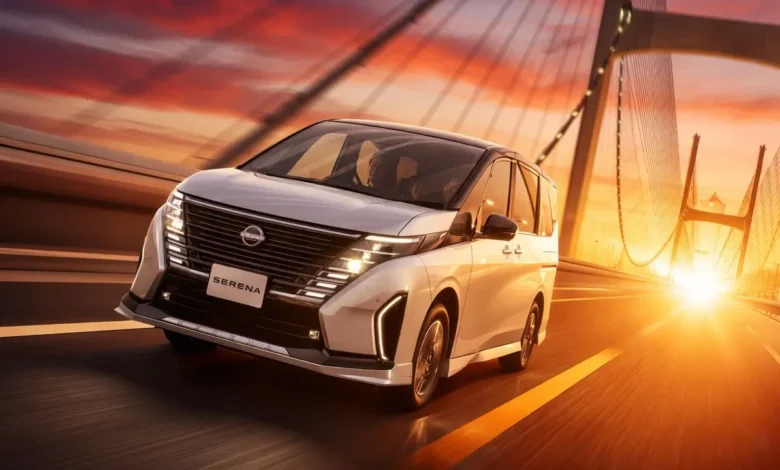
- Seven-seat hybrid MPV focused on maximum practicality
- Excellent fuel economy with efficient hybrid powertrain
- Spacious, intelligently designed interior for family use
- Advanced safety and driver-assistance technologies
- Not sold in the U.S., marking a significant strategic gap
There is a particular frustration familiar to anyone who follows the global automotive market with genuine attention — the discovery that a manufacturer whose American lineup is familiar and thoroughly documented produces, for other markets, vehicles of a quality and relevance that the domestic offering does not approach. Toyota sells the Land Cruiser everywhere except America for three years and the waiting lists form immediately upon its return. Honda’s Jazz provides interior space efficiency that the American Fit’s discontinuation removed from the market without replacement. And Nissan — whose American lineup centres on the Rogue, the Pathfinder and the Murano in the family vehicle space — produces for its Japanese domestic market and selected Asian and European markets a vehicle that addresses the family transportation requirement with an intelligence, efficiency and practicality that none of its American-market equivalents can match.
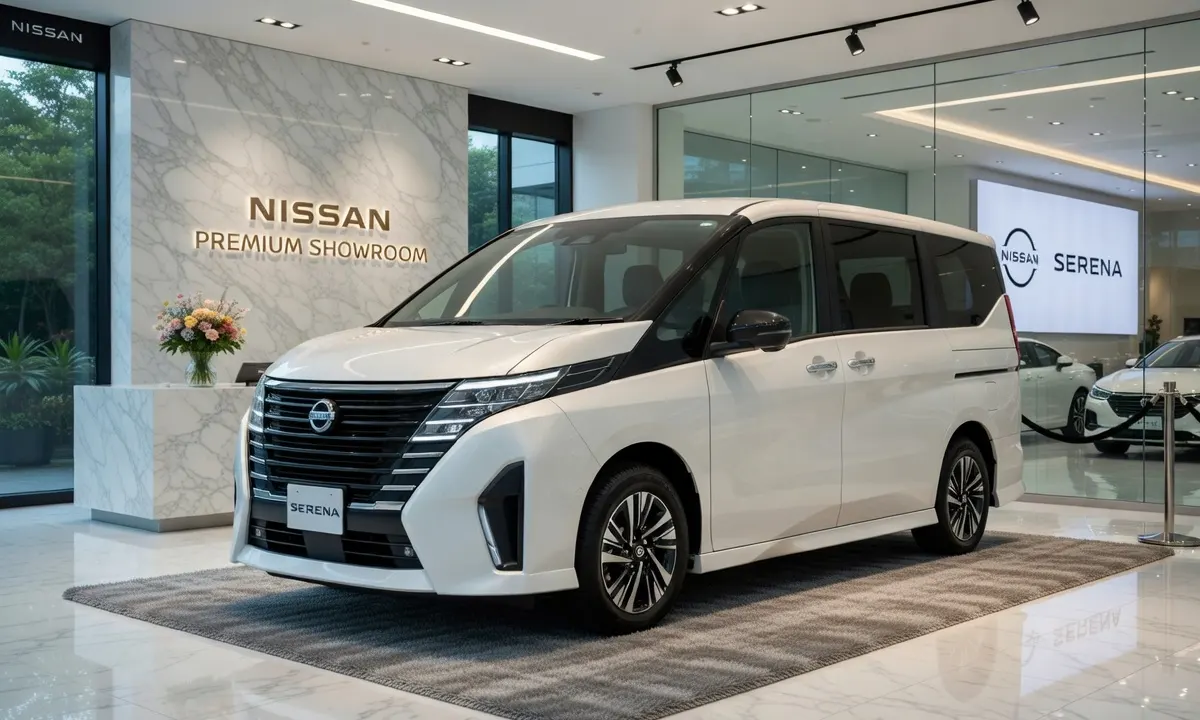
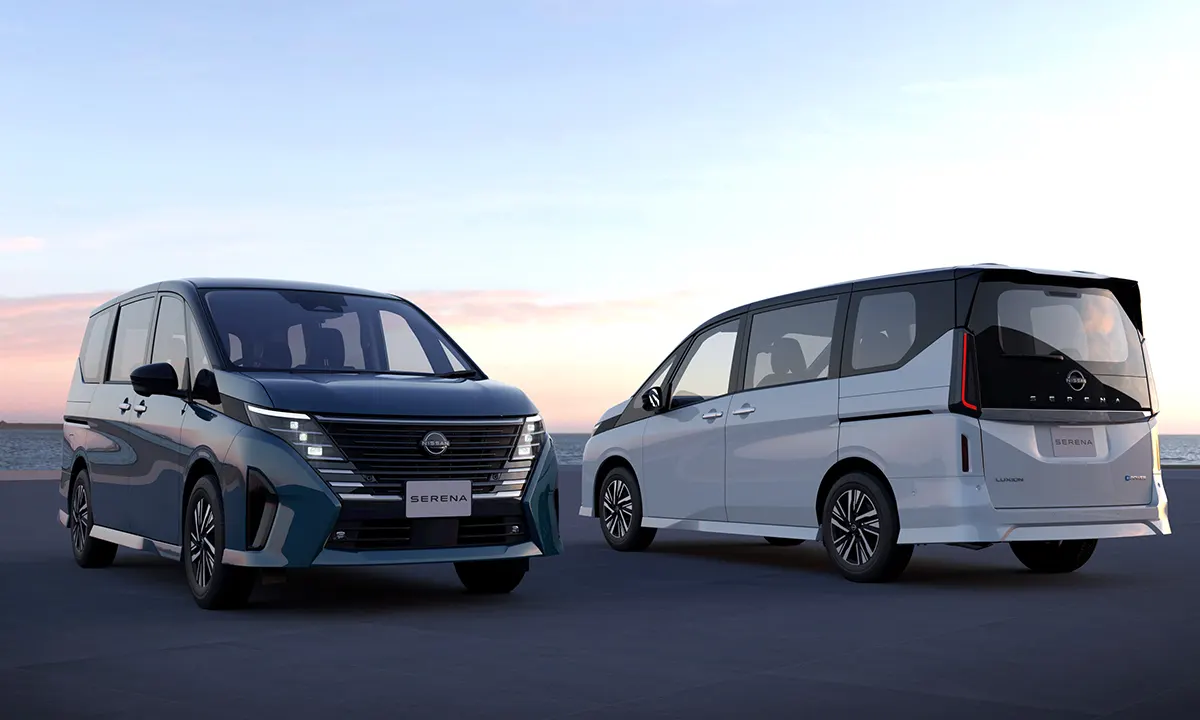
That vehicle is the Nissan Serena — a full-size seven-seat hybrid minivan whose combination of e-Power series hybrid technology, class-leading interior space utilisation, ProPilot semi-autonomous driving capability and the practical intelligence of a vehicle designed specifically for the demands of family transportation makes it the most compelling family car in Nissan’s global portfolio and the vehicle whose absence from American showrooms represents a gap between what Nissan could offer the American family car buyer and what it currently does.
Gallery: Nissan Serena
What the Nissan Serena Actually Is
The Nissan Serena is a full-size minivan — a body style whose commercial appeal in the Japanese domestic market, where the practical intelligence of sliding rear doors, maximised interior volume within compact exterior dimensions and genuine seven-seat accommodation has sustained strong sales across multiple generations, reflects a family transportation philosophy whose priorities the American market’s SUV preference has obscured rather than superseded.
The current generation Serena — introduced in its most recent iteration with the e-Power hybrid system as a primary powertrain option — uses a 1.4-litre petrol engine as a dedicated generator rather than a direct drive unit, with electric motors providing all propulsion through the wheels. This series hybrid architecture eliminates the mechanical connection between the combustion engine and the driven wheels entirely — producing a driving experience whose electric motor smoothness, immediate torque delivery and absence of gear change interruption provides the refinement of a battery-electric vehicle without the range anxiety whose management requires charging infrastructure that the e-Power’s petrol generator eliminates.
The real-world fuel economy that the e-Power Serena achieves in Japanese urban driving conditions — approximately 20 to 22 kilometres per litre under WLTC testing — represents a fuel consumption figure that no American-market Nissan family vehicle approaches from a vehicle whose seven-seat accommodation and practical interior dimensions exceed those of the Pathfinder whose V6 powertrain’s fuel economy in real-world family-loaded conditions averages closer to 9 kilometres per litre.
Why the Serena’s Interior Makes the Pathfinder Look Inefficient
The comparison between the Nissan Serena’s interior space utilisation and the Pathfinder’s equivalent capability reveals the fundamental efficiency difference between a vehicle designed from the ground up as a family transportation solution and one whose SUV body style imposes packaging constraints that the minivan’s architecture avoids by design.
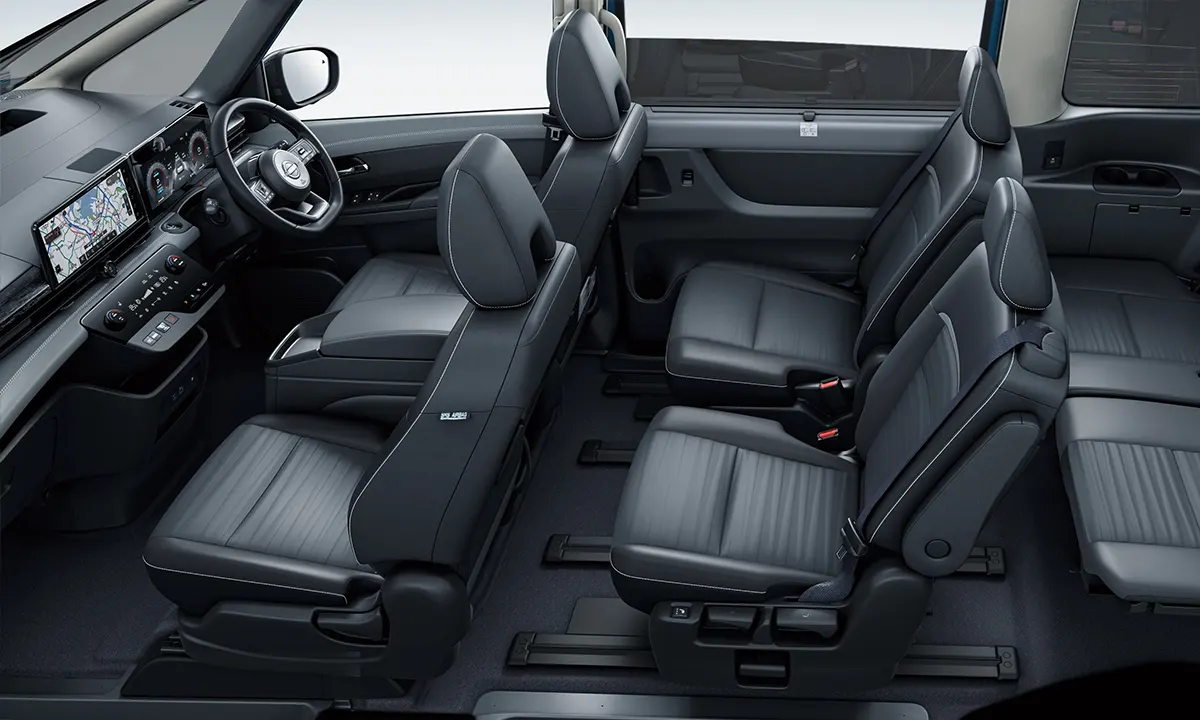
The Serena’s sliding rear doors — standard on both sides of the vehicle — provide the child seat installation accessibility, the passenger entry and exit convenience in tight parking spaces and the practical family loading efficiency that the Pathfinder’s conventional hinged doors cannot match in the urban environments where family vehicle use is most demanding. The second and third row seat configurations — whose flexibility includes fold-flat second row options, 60-40 third row split folding and the captain’s chair second row arrangement that the Japanese domestic market version offers in its premium specifications — provide the cargo and passenger combination flexibility that the Pathfinder’s more fixed interior architecture cannot approach.
The floor-flat third row access — achieved through the minivan’s boxy silhouette whose interior headroom consistency from front to rear reflects packaging priority over aerodynamic aspiration — provides genuine adult-usable third row accommodation that the Pathfinder’s rising rear floor and sloping roofline compromise into occasional-use child territory rather than the regular adult seating that the Serena’s third row genuinely provides.
ProPilot Technology: Family Safety at Japanese Market Standard
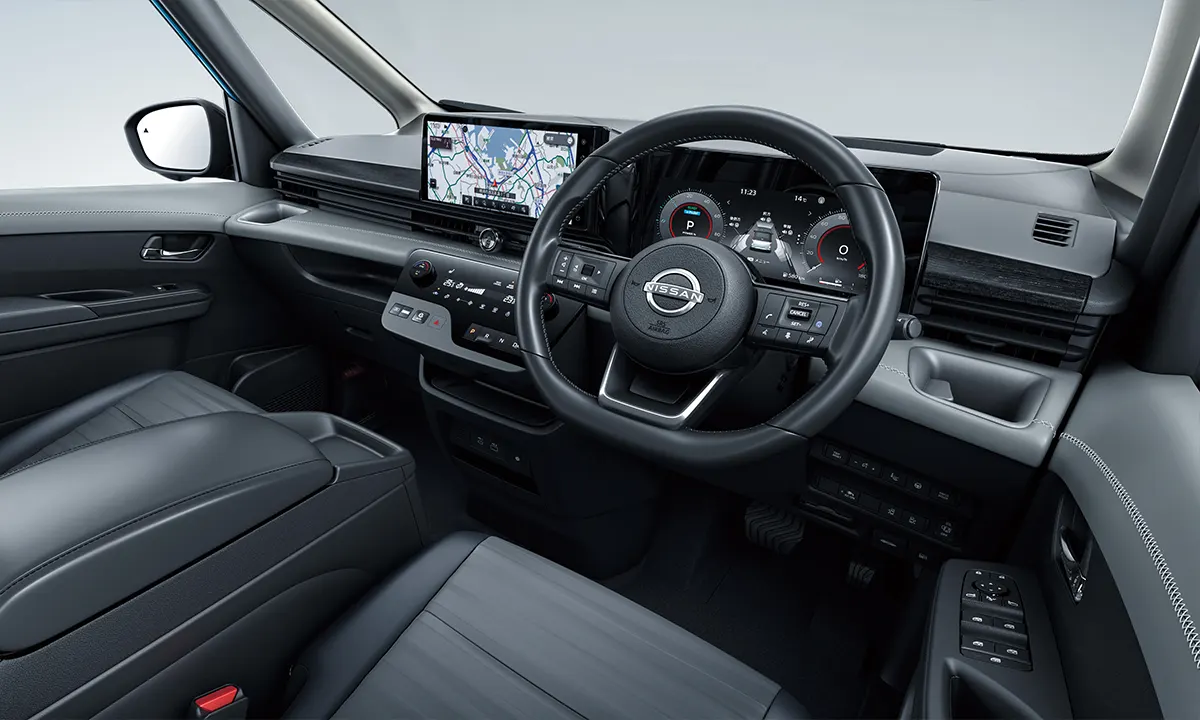
The Nissan Serena’s ProPilot semi-autonomous driving system — whose capability in the Japanese domestic market specification includes single-lane highway autonomous driving with steering, acceleration and braking management, the ProPilot Park automated parking system and the more recent ProPilot 2.0 navigation-integrated highway driving assistance — represents a technology integration level whose sophistication exceeds what Nissan’s American market vehicles offer in equivalent specifications.
ProPilot’s family vehicle relevance extends beyond the convenience argument that autonomous driving assistance provides to any vehicle occupant — it addresses the specific fatigue management requirement of family road trips whose combination of child passenger management demands, extended duration and the divided attention that family vehicle driving imposes creates driver fatigue conditions that autonomous assistance systems address with genuine safety benefit. The family vehicle is precisely the application where semi-autonomous driving assistance provides its highest real-world safety return — and the Serena’s standard integration of ProPilot across its lineup reflects Nissan’s understanding of this relationship in the market where the vehicle is sold.
Why America Never Got the Serena
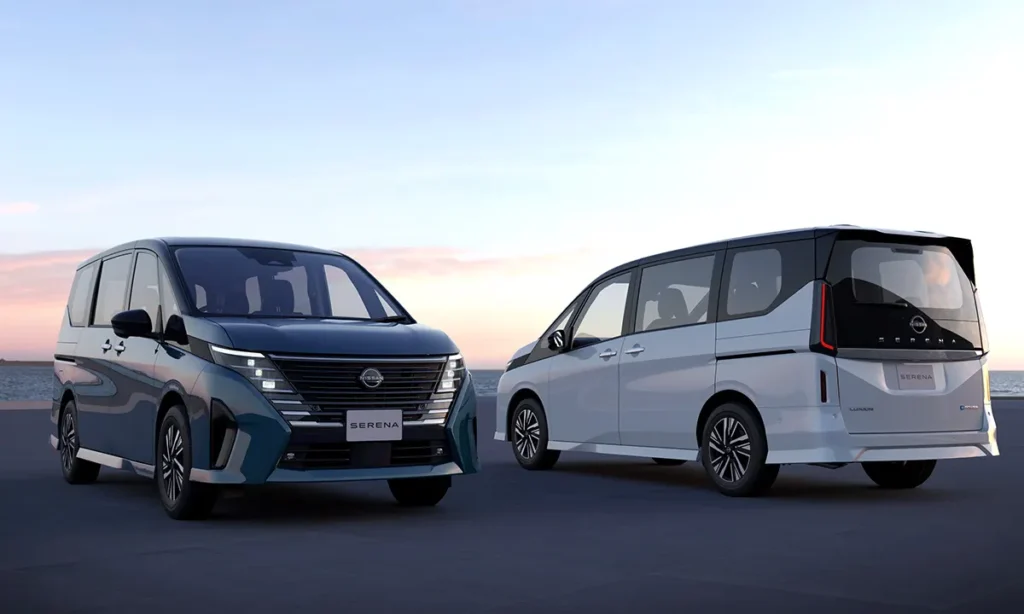
The Nissan Serena’s absence from the American market reflects a commercial and strategic decision whose logic is understandable even if its outcome is frustrating for the family vehicle buyer who would benefit from the option it represents. The American minivan market — whose peak in the 1990s has declined consistently as SUV and crossover alternatives absorbed the family vehicle buyer demographic — is currently served primarily by the Chrysler Pacifica, the Toyota Sienna and the Honda Odyssey in a category whose total volume represents a declining fraction of the family vehicle segment that the SUV’s dominance has captured.
Nissan’s decision to withdraw from the American minivan market — the Quest’s discontinuation in 2017 reflecting the same commercial logic that has led every mainstream manufacturer except the Detroit brands and the Japanese trio to exit the segment — reflected the realistic assessment that the investment required to homologate, certify and market a minivan for the American market could not be recovered from the sales volumes that the category’s decline made achievable. The Serena’s e-Power hybrid system’s American market homologation would require emissions certification investment whose cost the projected sales volume cannot justify against the alternative deployment of the same resources toward the Rogue and Pathfinder whose American sales volumes generate the revenue that Nissan’s product investment decisions must prioritise.
Read: Hybrid SUVs With Highest Mileage. Ranked, Compared and Explained for Families
What America Is Missing
The family vehicle buyer who approaches the purchase decision with genuine open-mindedness about body style — whose priority is maximum family usability, minimum fuel cost and the safety technology sophistication that reduces long-distance family journey fatigue — and who encounters the Nissan Serena’s specification during the course of research will understand immediately what the American market’s SUV preference costs in practical terms.
A seven-seat hybrid minivan with 20-plus kilometres per litre fuel economy, sliding doors, flat-floor third row access, ProPilot semi-autonomous capability and the interior flexibility whose real-world family use evidence in Japan and European markets confirms its genuine rather than theoretical practicality — at a price point that the Pathfinder’s V6 AWD specification approaches without matching any of the Serena’s practical advantages — represents the family vehicle argument that no American-market Nissan currently makes and that the American family buyer has no current mechanism to access through Nissan’s domestic showroom network.
The best Nissan family car is not sold in America. The American family buyer is worse off for its absence — and the evidence is the Nissan Serena’s specification, its real-world ownership data and the family transportation intelligence that its designers built into a vehicle for markets whose buyers were offered what American buyers were not.
Read: Is The 2026 Infiniti QX60 The Best Family Luxury SUV You Can Buy Right Now?
Nissan Serena vs American Market Nissan Pathfinder Key Comparison
| Category | Nissan Serena (e-Power) | Nissan Pathfinder (USA) |
| Powertrain | 1.4L e-Power Series Hybrid | 3.5L Naturally Aspirated V6 |
| Fuel Economy (Real World) | ~20–22 km/L | ~9–10 km/L |
| Seating | 7–8 Seats | 8 Seats |
| Rear Door Type | Dual Sliding Doors | Conventional Hinged |
| Third Row Access | Flat Floor / Walk-Through | Step-Over / Limited |
| Semi-Autonomous Driving | ProPilot Standard | ProPilot Assist (Selected Trim) |
| Automated Parking | ProPilot Park Available | Not Available |
| Body Style | Minivan / MPV | Body-On-Frame SUV |
| Interior Flexibility | Extensive Fold Configuration | Standard 60-40 Fold |
| Available Market | Japan / Asia / Europe | USA / North America |
| Starting Price Equivalent | Approx. $32,000–$38,000 | Approx. $37,000–$55,000 |