Porsche Cayenne Electric Battery Longevity & Degradation Explained
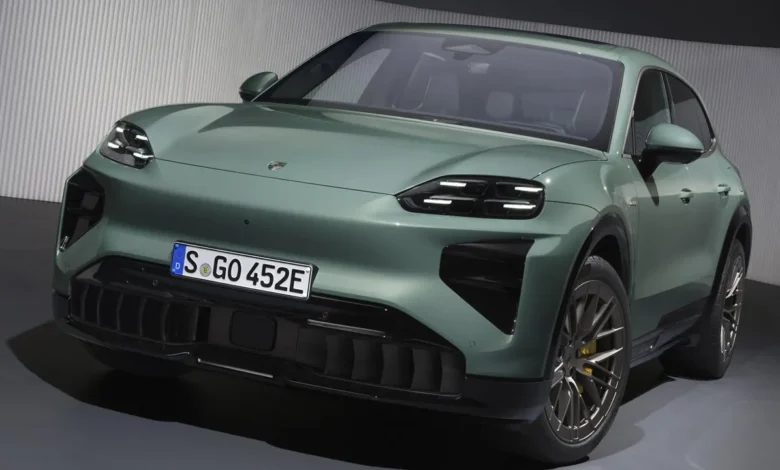
The Porsche Cayenne Electric marks a significant milestone in the German manufacturer’s electrification strategy, bringing advanced engineering, premium craftsmanship and high-performance technology into the realm of all-electric luxury SUVs. As more consumers transition toward electric vehicles, one of the most critical questions surrounding ownership revolves around battery longevity. The lifespan of a high-voltage battery, its degradation curve and its real-world durability determine long-term value, reliability and everyday usability. With the Cayenne Electric positioned as one of Porsche’s flagship EVs, understanding how its battery performs over time is essential for prospective buyers. This article provides a comprehensive overview of the Cayenne Electric’s battery life, covering chemistry, thermal architecture, software management, driving conditions, climate influence, charging habits and real-world degradation expectations backed by Porsche’s engineering foundation.
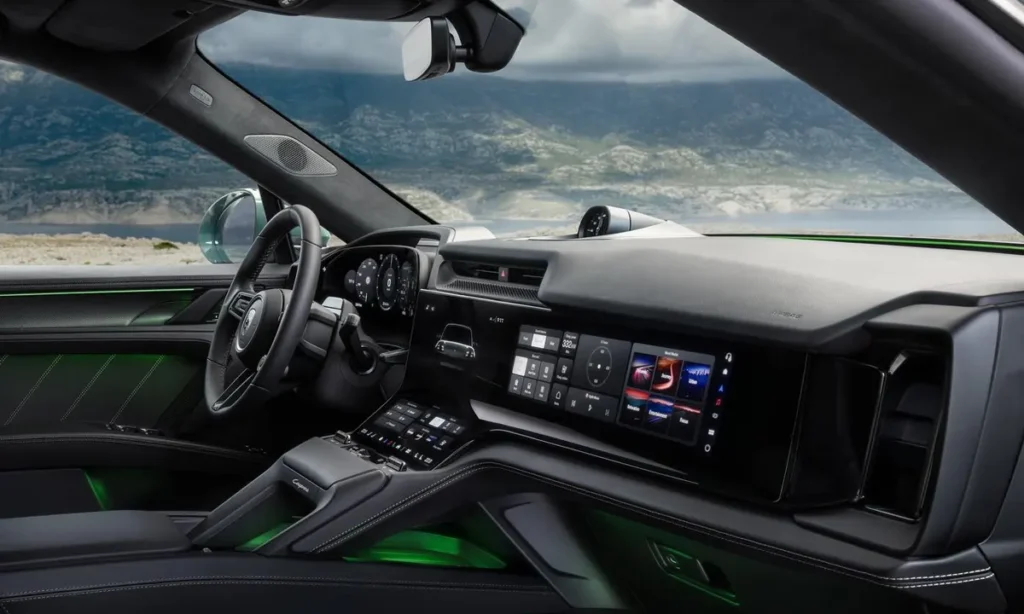
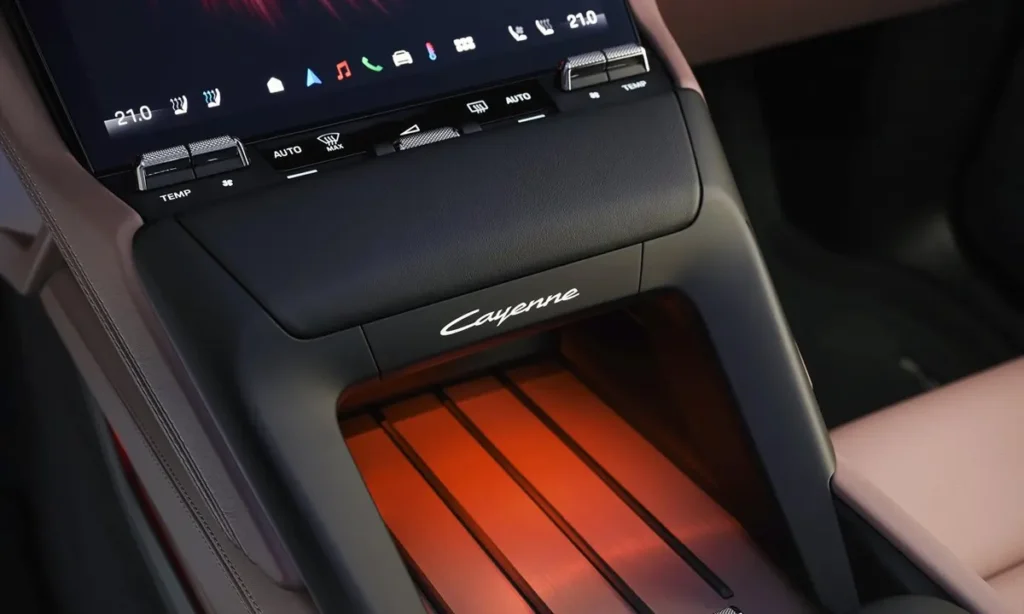
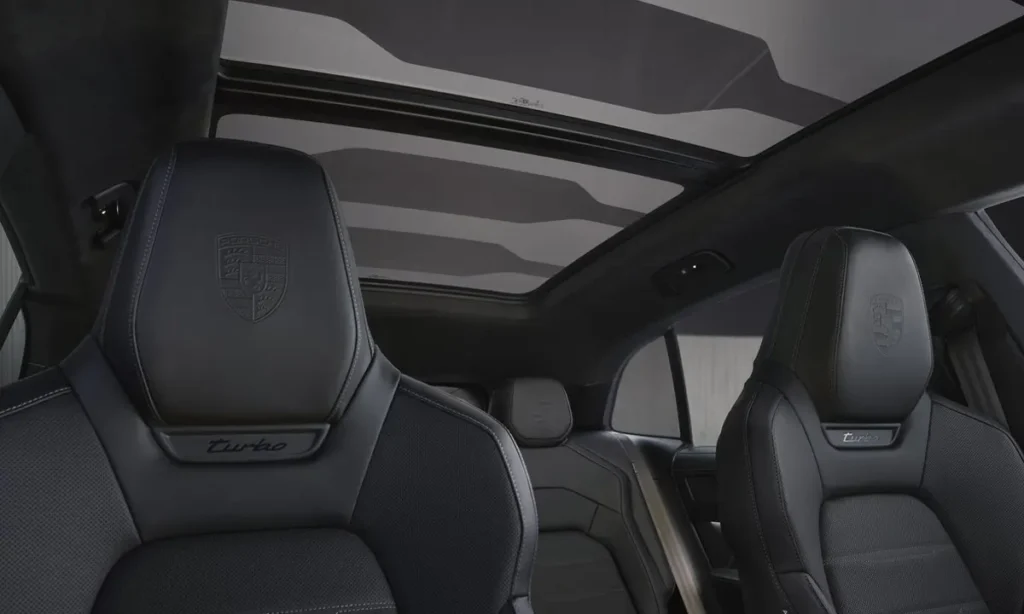
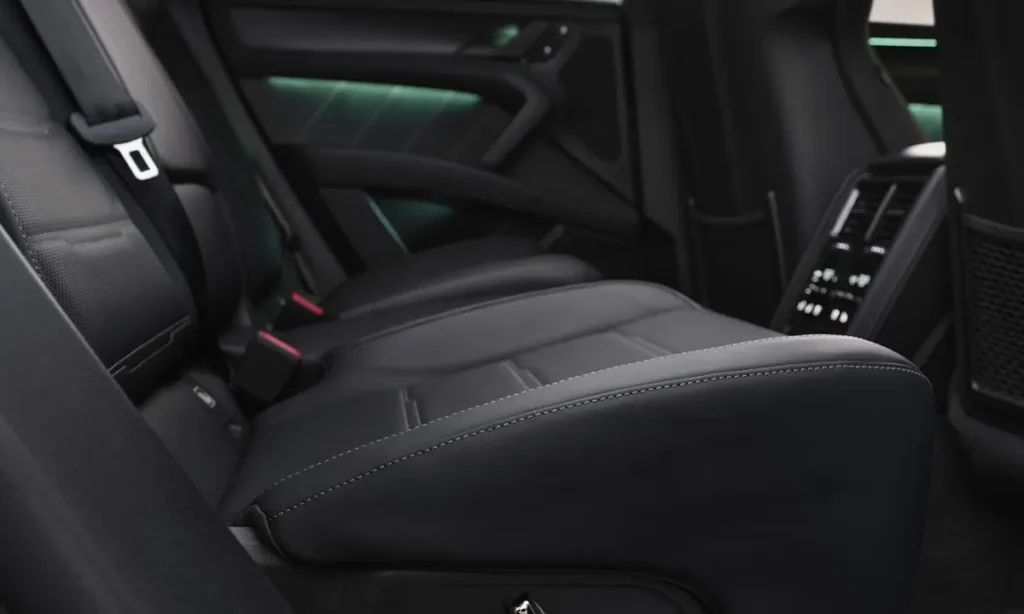
Gallery: Porsche Cayenne Electric
Understanding Porsche’s EV Battery Philosophy
Porsche approaches electric battery development with a long-term perspective, ensuring that each component withstands the demands of performance driving while maintaining minimal degradation over an extended lifecycle. Their focus goes beyond energy capacity alone; instead, the emphasis is on heat resistance, structural stability, rapid charging capability and cell longevity. Porsche vehicles are traditionally engineered for long-term durability, and the transition to electric propulsion builds upon this legacy.
At the heart of the Cayenne Electric’s strategy lies a high-performance lithium-ion pack using nickel-manganese-cobalt (NMC) cell chemistry. This configuration offers excellent thermal resistance, strong charge-cycle endurance and robust durability under high discharge loads. Porsche’s experience with the Taycan platform has validated its approach, demonstrating exceptionally slow degradation rates over high mileages. As the Cayenne Electric is expected to share and improve upon this architecture, its projected longevity is highly competitive for the luxury EV segment.
Battery Chemistry and Structural Engineering
The lithium-ion battery pack in the Cayenne Electric uses a multilayered architecture with advanced NMC chemistry, offering a blend of energy density, stability and charge retention. Porsche focuses on cell uniformity to ensure even degradation across all modules. Surface coatings, stabilized electrode materials and reinforced cell separators help reduce microstructural wear, which is common in high-performance EVs.
The pack is designed with a load-distribution layout that evenly disperses electrical and thermal stress. By ensuring every cell operates within a narrow temperature and voltage band, Porsche minimizes the risk of premature aging. Additionally, mechanically reinforced housing protects the battery from road impacts and vibrations, further contributing to long-term reliability.
Thermal Management: The Foundation of Battery Longevity
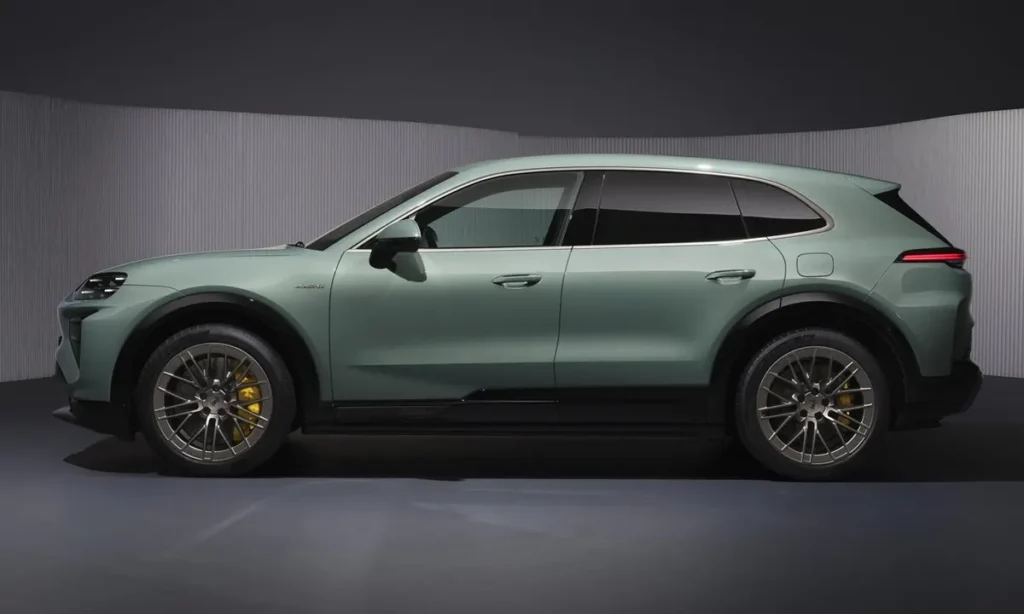
Heat is the number one factor behind accelerated battery aging. Porsche invests heavily in thermal engineering, equipping the Cayenne Electric with a high-capacity liquid-cooling system that manages temperatures across the entire pack. This system includes multi-channel coolant routing, predictive thermal modeling, and sensors that track temperature in real time.
During high-performance driving, such as aggressive acceleration or high-speed cruising, the thermal system prevents hotspots that could damage the cell structure. Porsche’s liquid cooling is engineered to achieve rapid temperature equalization after intense load events, ensuring no module experiences prolonged heat exposure.
The system is equally important during charging. Before accepting a fast charge, the battery enters a preconditioning phase where it cools or warms the cells to their ideal temperature range. This minimizes lithium plating and other chemical reactions that contribute to long-term degradation. Porsche’s approach results in slower aging compared to many mainstream EVs lacking advanced cooling strategies.
Battery Management Software and Cell Health Monitoring
The battery management system (BMS) is the core of the Cayenne Electric’s longevity strategy. Porsche’s BMS monitors thousands of data points continuously, including cell voltage, resistance, temperature, charge rate and discharge cycles. This data allows the vehicle to optimize charging patterns, power output and cell balancing operations automatically.
Cell balancing is a critical aspect of long-term durability. Over time, minor voltage differences among cells can cause uneven degradation. Porsche’s active balancing ensures that every cell remains synchronized, reducing the risk of premature capacity loss. The BMS also intelligently moderates fast charging depending on pack temperature, state of charge and cell condition.
Periodic over-the-air software updates allow Porsche to refine algorithms and improve battery performance over the vehicle’s lifetime. This means the Cayenne Electric’s degradation pattern can improve with each update, extending long-term usability.
Impact of Charging Habits on Battery Lifespan
Charging behavior plays a major role in how the Cayenne Electric’s battery ages over time. While Porsche designs its vehicles to handle frequent fast charging, the most efficient way to preserve longevity is through consistent use of AC charging for everyday driving. Charging between 20 and 80 percent is ideal for maintaining chemical stability within the cells.
Frequent charging to 100 percent or regularly draining the battery to near zero accelerates wear by exposing cells to stress at both ends of the charge spectrum. Fast charging, while convenient, generates more heat and tends to cause faster long-term degradation than slower overnight charging.
Owners who adopt balanced charging habits—overnight AC charging, moderate fast charging use and avoiding extreme SOC ranges—will see some of the slowest degradation rates in the EV industry.
Driving Behavior and Its Effect on Battery Aging
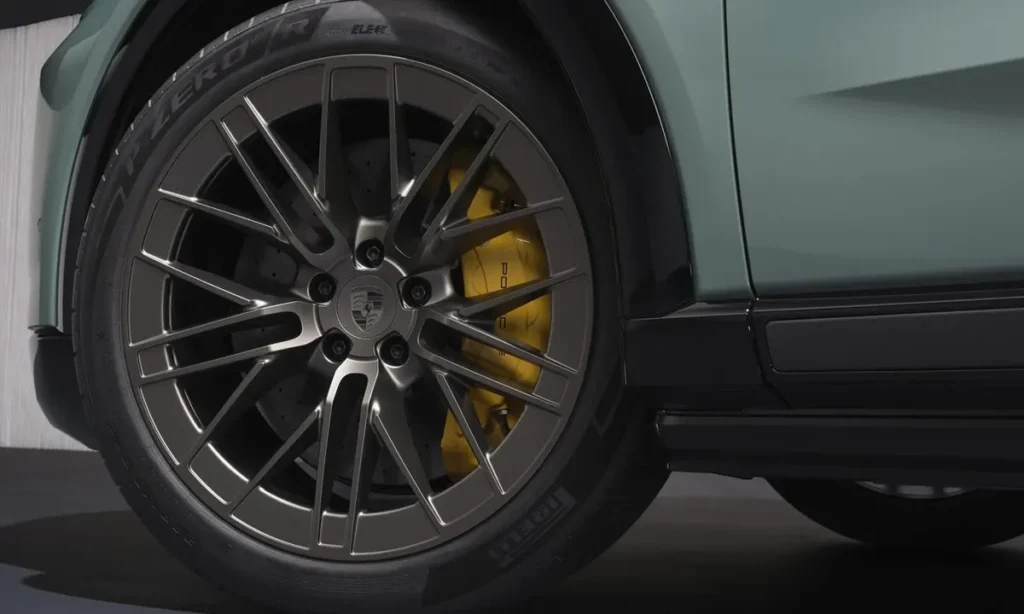
Driving style directly impacts battery temperature and discharge rates. Aggressive acceleration, repeated launch-style driving and high-speed highway travel draw large amounts of current from the battery, generating heat that can contribute to chemical aging. However, Porsche designed the Cayenne Electric to handle these high-output conditions more effectively than most EVs due to its resilient thermal and electrical engineering.
Drivers who balance spirited use with regular cruising at moderate speeds can expect slower degradation. Tow usage, mountainous driving and continuous high-load conditions may increase wear slightly but are still well within the battery’s durability envelope. The Cayenne Electric remains a performance SUV first and an efficiency vehicle second, meaning its engineering accommodates demanding use cases better than most luxury EVs.
Climate and Environmental Factors Influencing Battery Health
Environmental conditions significantly impact battery longevity. Extreme heat accelerates chemical aging, while extreme cold slows degradation but reduces available range. Porsche’s temperature management reduces the effects of hot climates by actively regulating cell temperature even when the vehicle is parked. However, owners living in hot regions who frequently leave their SUV parked outside at high states of charge may see slightly faster wear.
Mild climates offer the best longevity outcomes, and indoor parking helps preserve stable temperatures. The Cayenne Electric’s pack is engineered for global deployment, making it more resilient across climates than several competing EVs.
Real-World Degradation Rates and Long-Term Projections
Porsche’s performance with the Taycan provides a strong benchmark for estimating the Cayenne Electric’s battery degradation. Taycan owners commonly report only 6–8 percent degradation after 150,000–160,000 kilometers, which is exceptional for high-performance EVs. Because the Cayenne Electric benefits from improved cooling, updated software and next-generation cell chemistry, it is expected to perform equally well or even better.
The expected degradation curve follows a three-phase pattern. The first year typically sees a mild initial drop of around 2 percent, which stabilizes in subsequent years. Mid-life degradation progresses slowly at a nearly linear rate. Beyond 8–10 years, degradation may increase slightly as cells reach later stages of chemical aging, but performance remains stable enough for daily use.
With a projected 80–88 percent capacity after 10 years depending on climate and driving habits, the Cayenne Electric offers one of the strongest long-term battery profiles in the premium EV market.
Warranty Coverage and Long-Term Ownership Confidence
Porsche provides an 8-year or 160,000-kilometer battery warranty guaranteeing at least 70 percent capacity retention. Most real-world results are expected to stay well above this warranty threshold. Porsche’s commitment to longevity is reinforced by their service ecosystem, which monitors pack health and provides maintenance guidance to maximize lifespan.
Future-proofing through over-the-air updates and serviceable battery modules ensures owners can maintain strong performance throughout the vehicle’s life. Because Porsche vehicles often remain in service for decades, the Cayenne Electric is designed to deliver long-term usability that aligns with the expectations of luxury SUV buyers.
Read: 2026 Porsche Cayenne Electric Redefines the Luxury Performance EV SUV
Projected Battery Degradation Timeline
The following chart presents a realistic overview of expected battery capacity over time based on mileage, usage patterns and Porsche’s historic data from similar platforms.
Porsche Cayenne Electric Battery Longevity and Expected Degradation Chart
| Mileage / Age | Expected Capacity Remaining | Usage Notes |
| 20,000 km / 1 year | 97% – 98% | Normal early-cycle drop stabilized by Porsche’s thermal and software management. |
| 60,000 km / 3 years | 93% – 95% | Typical driving with balanced AC and DC charging habits. |
| 100,000 km / 5 years | 89% – 92% | Mild linear decline reflecting healthy battery aging. |
| 160,000 km / 8 years | 85% – 88% | Comparable to Taycan fleet data; aligns with warranty expectations. |
| 200,000 km / 10 years | 80% – 85% | Long-term projection for owners who charge and drive responsibly. |
Conclusion: A Long-Lasting, High-Performance Battery System
The Porsche Cayenne Electric delivers one of the most robust, stable and long-lasting battery systems in the luxury electric SUV segment. Porsche’s deliberate selection of advanced lithium-ion chemistry, high-precision thermal management, intelligent battery software and proven engineering practices results in exceptionally low degradation levels over long-term ownership. Drivers can expect strong range retention, consistent performance and minimal capacity loss over a decade or more. For buyers seeking a luxury EV that blends high performance with long-term reliability, the Cayenne Electric stands out as a compelling and highly durable option.