Porsche Cayenne Electric vs BMW iX M70: Performance Luxury Face-Off
Formula E-Derived Motor Cooling and 1,139 Horsepower Meet BMW M Engineering and a 30-Speaker Bowers and Wilkins Audio System — Two of the Most Capable and Comprehensively Equipped Electric Luxury SUVs in the World Go Head-to-Head in the Comparison That Matters Most
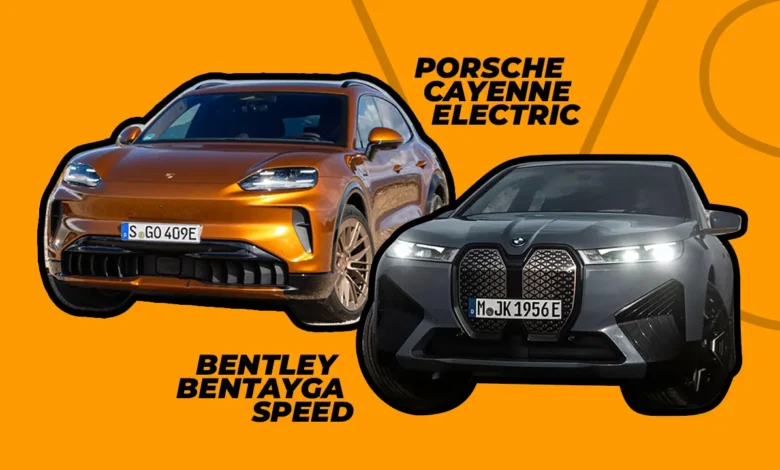
The premium electric SUV segment has reached a point of genuine maturity — a point where the vehicles competing within it are no longer defined primarily by their electric credentials, but by their ability to compete with the finest luxury performance SUVs regardless of powertrain. The 2026 Porsche Cayenne Turbo Electric and the 2026 BMW iX M70 represent the absolute performance summit of their respective brands’ electric SUV lineups, and both arrive in the current model year as meaningfully improved machines over their predecessors. The Cayenne Turbo Electric brings an entirely new platform, 800-volt charging architecture, Formula E-derived thermal management and Active Ride suspension technology that has never previously appeared in a production SUV. The iX M70 receives a 40-horsepower power increase over the M60 it replaces, revised suspension calibration, enhanced battery efficiency and the expanded charging capability that makes it a meaningfully more capable long-distance proposition than the model year it supersedes.
Gallery: Porsche Cayenne Electric vs BMW iX M70
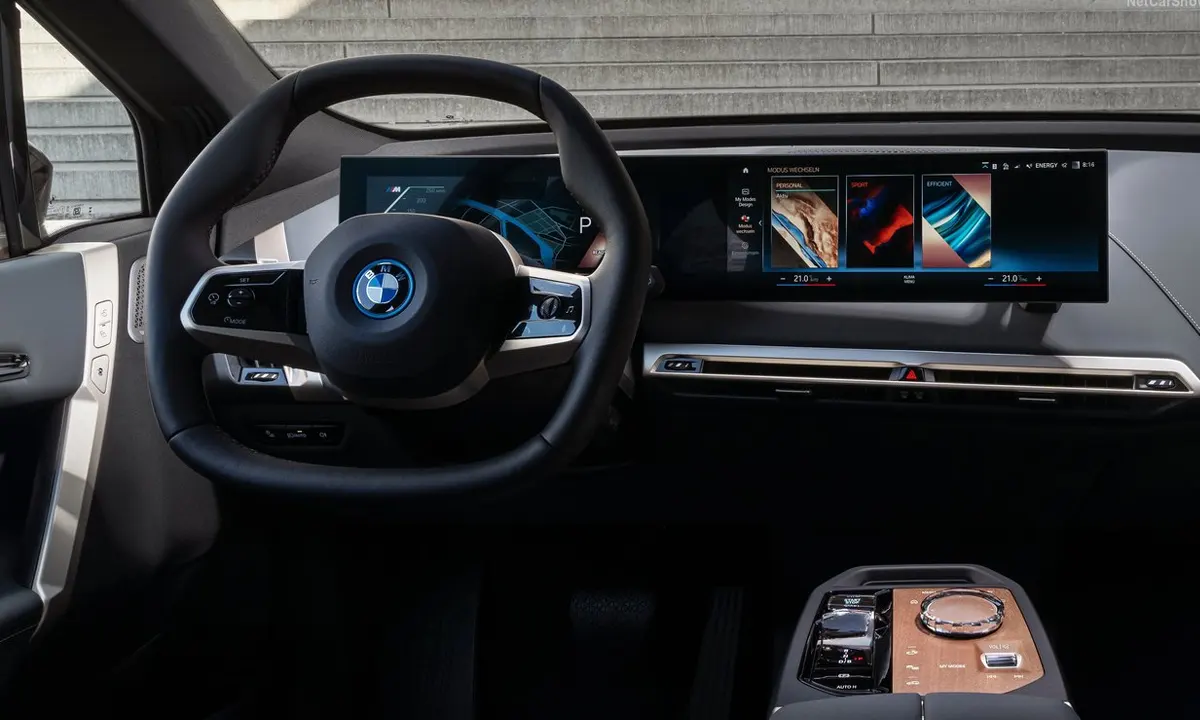
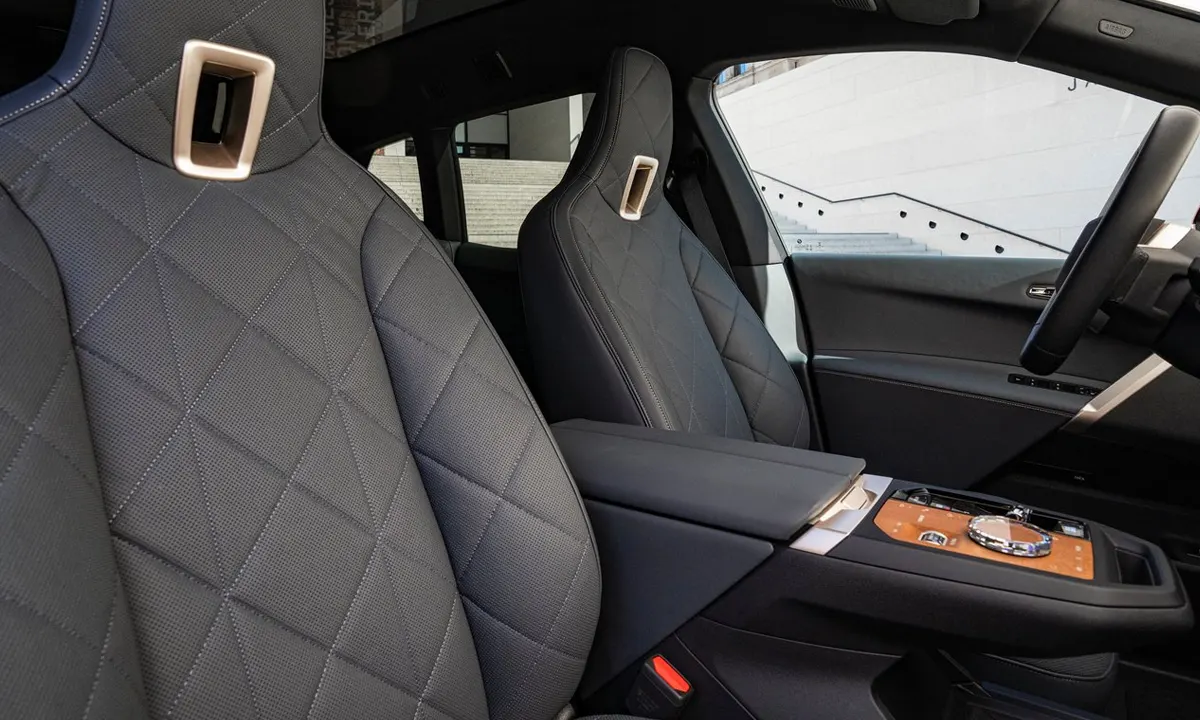
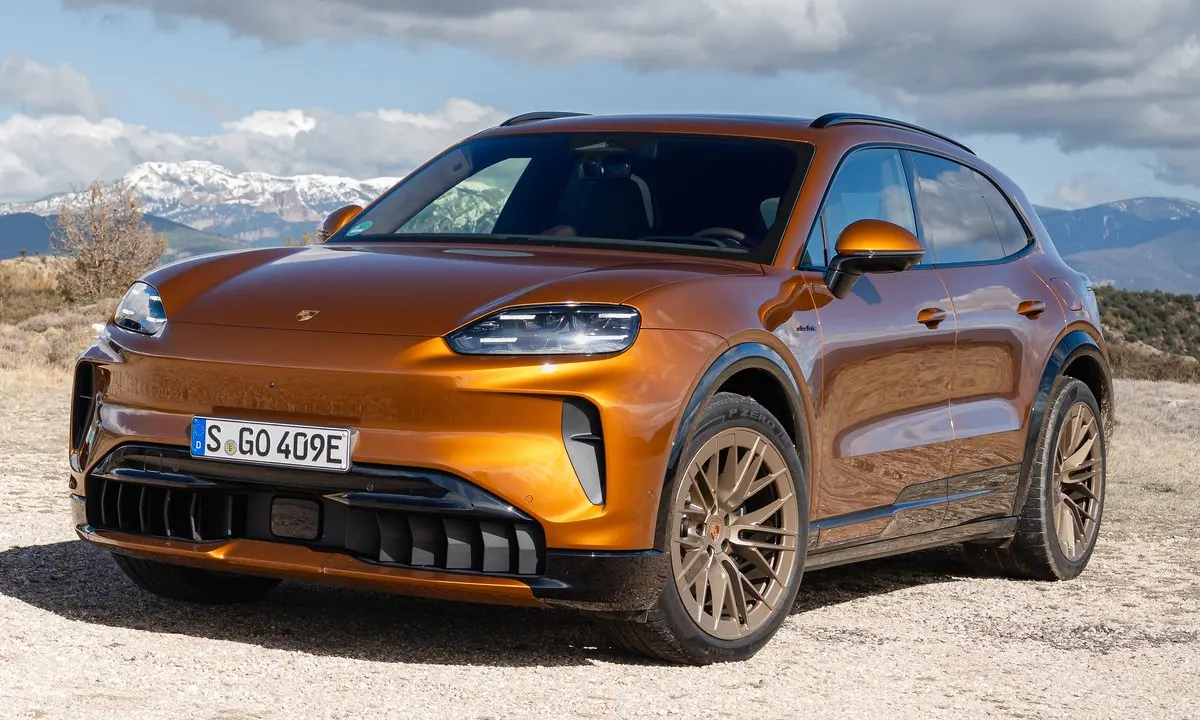
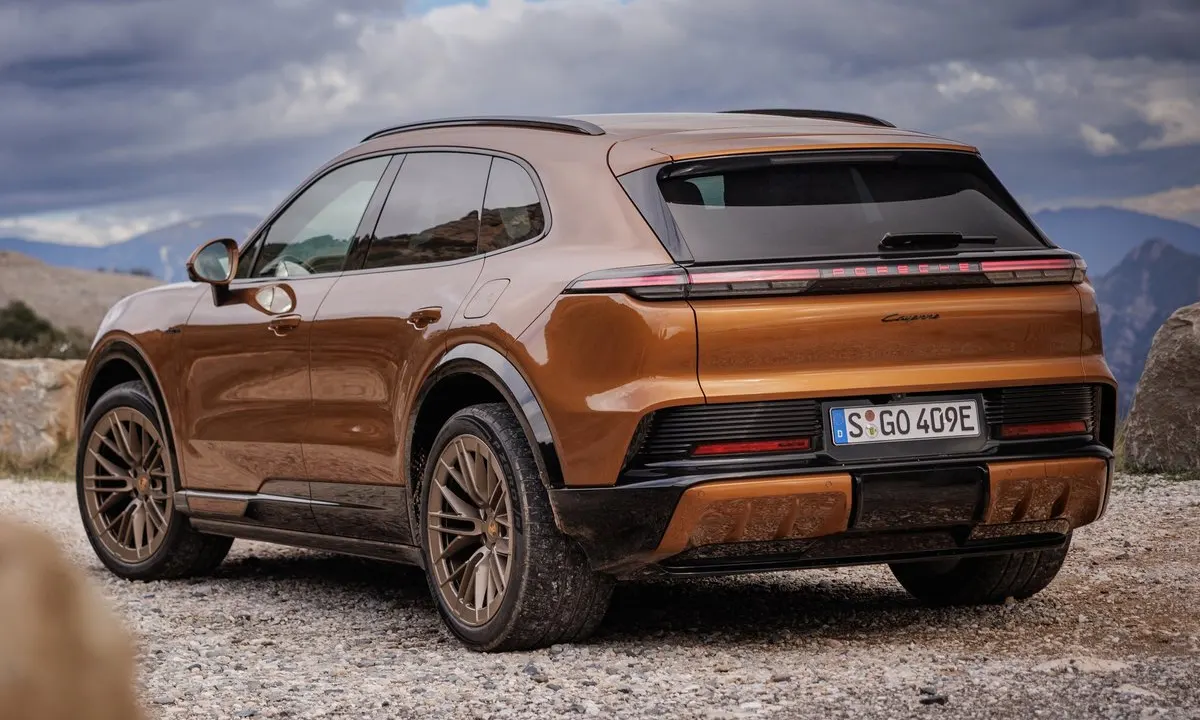
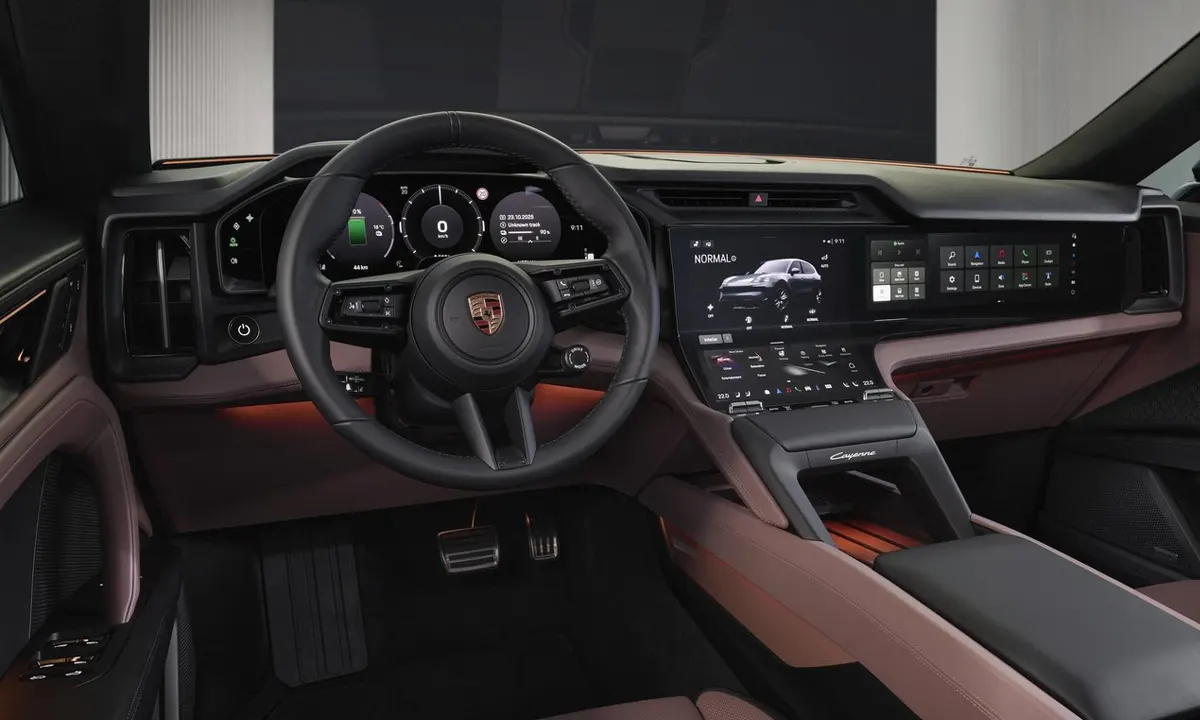
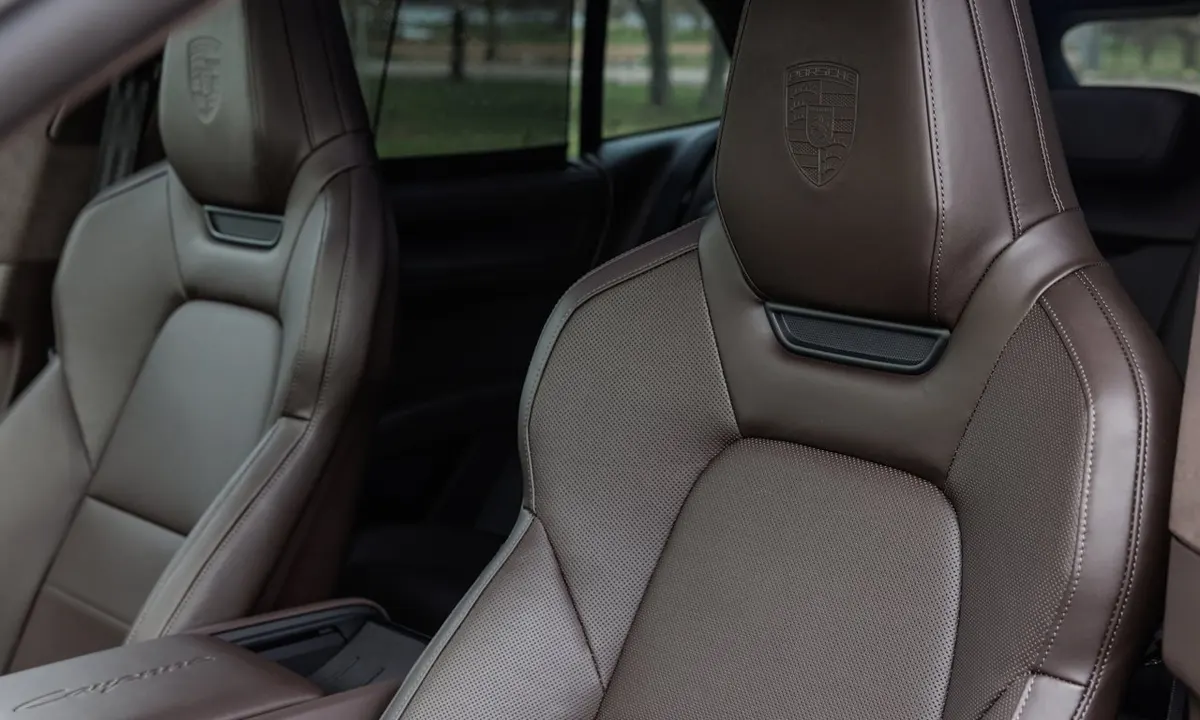
Both cars carry price tags that place them squarely in the territory where buyers compare them simultaneously to traditional combustion-engined rivals from Porsche, BMW and their peers — and both make cases that their electric powertrains deliver not merely equivalent performance to those combustion alternatives but something categorically different, categorically more immediate and categorically more visceral in the way it is experienced. The question this comparison must answer is not which car is better in absolute terms. It is which car is better for a specific kind of buyer with a specific set of priorities — and why the answer differs more dramatically than the superficial similarity of their segment positioning might suggest.
The Power Comparison: When Numbers Tell Different Stories
The headline performance advantage of the 2026 Porsche Cayenne Turbo Electric over the BMW iX M70 is substantial in the kind of power that makes automotive enthusiasts reach for superlatives. With 1,139 horsepower available under Launch Control conditions, the Cayenne Turbo Electric produces 489 horsepower more than the iX M70’s 650 horsepower — a difference that, expressed as a ratio, means the Porsche makes 75 percent more power than the BMW at peak output. In everyday driving, the Cayenne Turbo Electric operates at 844 horsepower, still 194 horsepower above the BMW’s full output. These are extraordinary figures, and they produce a 0-60 mph time of 2.4 seconds for the Cayenne versus 3.6 seconds for the iX M70 — a 1.2-second gap that is enormous by the standards of a comparison between two performance SUVs at this price point.
The BMW iX M70’s own performance credentials deserve recognition before the Cayenne’s advantage is allowed to overshadow them entirely. A 3.6-second sprint to 60 mph from an SUV weighing close to 6,000 pounds — a figure confirmed by Edmunds’ independent track testing — is a remarkable achievement that places the iX M70 in the same performance bracket as the BMW X5 M competition, a 617-horsepower twin-turbocharged V8 performance SUV that represents the pinnacle of BMW M’s combustion engineering. The iX M70’s torque in Launch mode climbs to an impressive figure that pins occupants against their seatbacks with the kind of immediate, seamless authority that is electric motors’ most spectacular characteristic. The quarter mile takes approximately 11.9 seconds — a figure that is genuinely quick for a five-seat luxury SUV of this mass.
However, for buyers who regard acceleration performance as a primary consideration — who genuinely intend to use the full performance envelope of their electric SUV regularly, whether on track days or on canyon roads — the Cayenne Turbo Electric’s advantage is not merely academic. It is viscerally, immediately and unmistakably apparent from the moment the throttle is applied with intent. The 2.4-second 0-60 experience is categorically different from the 3.6-second one in the way that a rollercoaster and a fast elevator are both moving quickly but feel entirely different. The Porsche’s Push-to-Pass feature, which delivers 173 additional horsepower for ten seconds at driver command, adds a further dimension of on-demand performance that has no BMW equivalent — providing a decisive overtaking capability that makes motorway driving with the Cayenne Turbo Electric a genuinely engaging experience rather than a passive one.
Chassis and Dynamics: The German Approach vs the Stuttgart Approach
Both the Porsche Cayenne Turbo Electric and the BMW iX M70 represent their respective manufacturers’ most sophisticated electric chassis engineering, but they approach the problem of making a heavy electric SUV handle with conviction from different philosophies that produce meaningfully different results.
The Cayenne Turbo Electric’s available Active Ride suspension — the most ambitious implementation of this technology in Porsche’s history — replaces conventional anti-roll bars with an active hydraulic system that controls ride height and body attitude at each corner independently. The real-world result, as documented by journalists who drove the system during the car’s European press launch, is the most dramatic demonstration of what modern suspension engineering can achieve in a production vehicle: genuine body-roll elimination in Comfort mode that allows the SUV to maintain a level attitude over speed humps, through corners and under braking with a consistency and control that passive suspension systems of any specification cannot replicate. The Sport and Sport+ modes transform the car’s character meaningfully, sharpening responses and increasing cornering commitment to levels that would be remarkable in a dedicated sports car and are genuinely extraordinary in a five-seat SUV of this size.
The BMW iX M70’s M-tuned air suspension takes a different but equally well-considered approach to the challenge. The M60-level tuning — maintained and enhanced for the M70 with revised calibration across the updated model — introduces a degree of sporting firmness over the standard iX while maintaining a compliance that Edmunds’ long-term M60 reviewer memorably tested by placing an egg carton on the seat and driving over bumps without breaking an egg. The rear-wheel steering standard on the M70 reduces the car’s effective turning circle and improves its agility during cornering without creating the kind of hyperactive responses that less well-calibrated four-wheel steering systems occasionally produce. At the test track, the iX’s low-effort steering creates an impression of lightness that its substantial mass does not merit, and the car corners with a composure and predictability that makes exploiting its performance feel accessible and progressive rather than intimidating.
The driving character difference between the two cars is real and consistent with each brand’s established performance philosophy. The Cayenne Turbo Electric drives like a Porsche — sharp, communicative, precise and focused, with the Active Ride system providing a platform from which the driver can demand increasingly committed performances with growing confidence. The iX M70 drives like a BMW — refined, authoritative, broad in its capability across comfort and performance and centred on the idea that the driver should feel capable and confident rather than constantly challenged. Neither character is superior in absolute terms. Both are exceptional. The Porsche’s advantage is in the technical ambition and measurable capability of its active suspension technology. The BMW’s advantage is in the depth and accessibility of its dynamic character across the full range of driving scenarios that everyday ownership provides.
Charging Architecture: The Gap That Matters on Long Journeys
The charging architecture of the two cars represents the most consequential practical difference for buyers who regularly undertake longer journeys, and the gap between them is significant both in maximum charging speed and in the user experience that surrounds the charging process. The Porsche Cayenne Turbo Electric’s 800-volt architecture enables DC fast charging at up to 400 kW under optimal conditions, with the battery management system proactively warming the battery before arrival at a charging station to ensure maximum charging acceptance rate from the first moments of a charging session. The 10 percent to 80 percent charging window takes approximately 16 minutes — a figure that fundamentally changes the ownership experience for long-distance driving by making charging stops shorter than the time typically required for a coffee and a brief walk.
The BMW iX M70’s 400-volt architecture supports DC fast charging at up to 195 kW — a meaningful capability in absolute terms, and competitive within the 400-volt electric SUV segment, but representing a maximum charging speed approximately half that of the Porsche’s 800-volt system. The 10 percent to 80 percent charging time of approximately 40 minutes is twice as long as the Cayenne’s equivalent figure, a difference that becomes practically significant over the course of a long road trip involving multiple charging stops. For a buyer covering 500 miles with two required charging stops, the Cayenne’s charging speed advantage saves approximately 48 minutes compared with the iX M70’s — nearly an hour over the course of a single journey.
The BMW iX M70’s range advantage partially offsets this charging speed deficit. With an EPA-estimated range of up to 303 miles, the iX M70 requires fewer charging stops on a given journey than a car with a shorter range, reducing the frequency with which the charging speed difference becomes relevant. The Cayenne Turbo Electric’s range figure, slightly lower given its higher power output and the demands of the Active Ride suspension system, means it may require one additional charging stop on very long journeys where the iX M70 could complete the route with fewer interruptions.
Interior, Technology and the Luxury That Surrounds You
Inside both the Porsche Cayenne Turbo Electric and the BMW iX M70, the cabin experience reflects each brand’s interpretation of what a modern premium electric SUV interior should deliver — and both interpretations are excellent within different aesthetic and experiential frameworks.
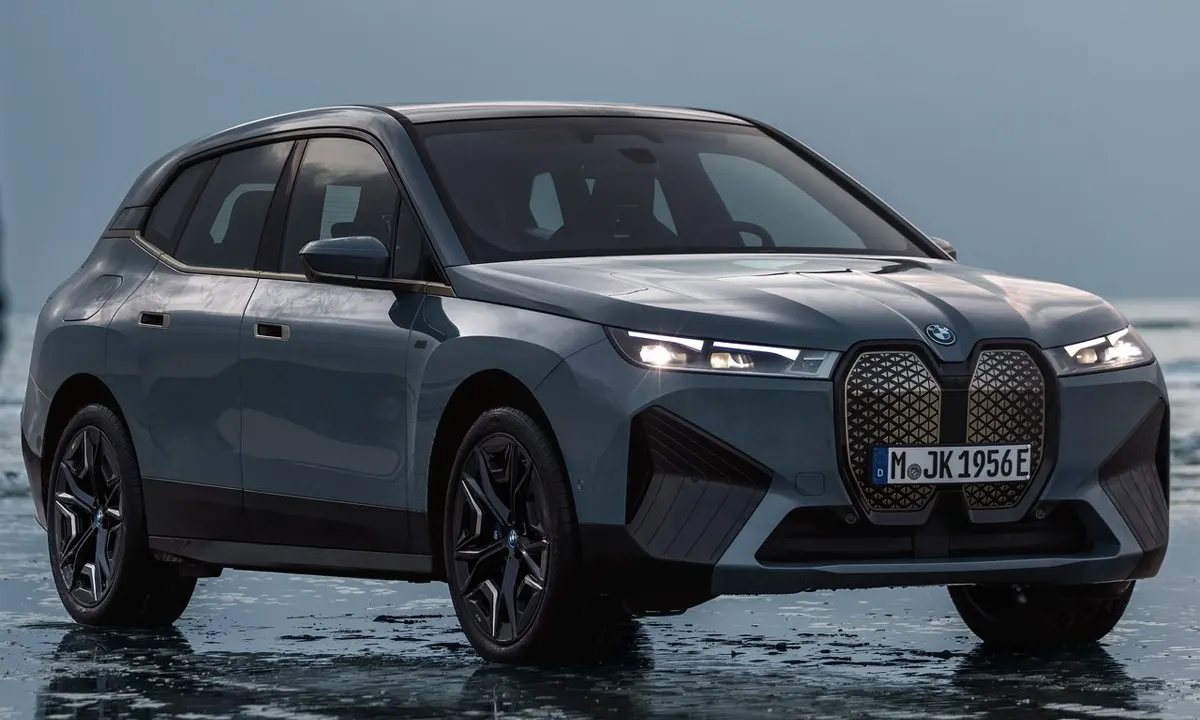
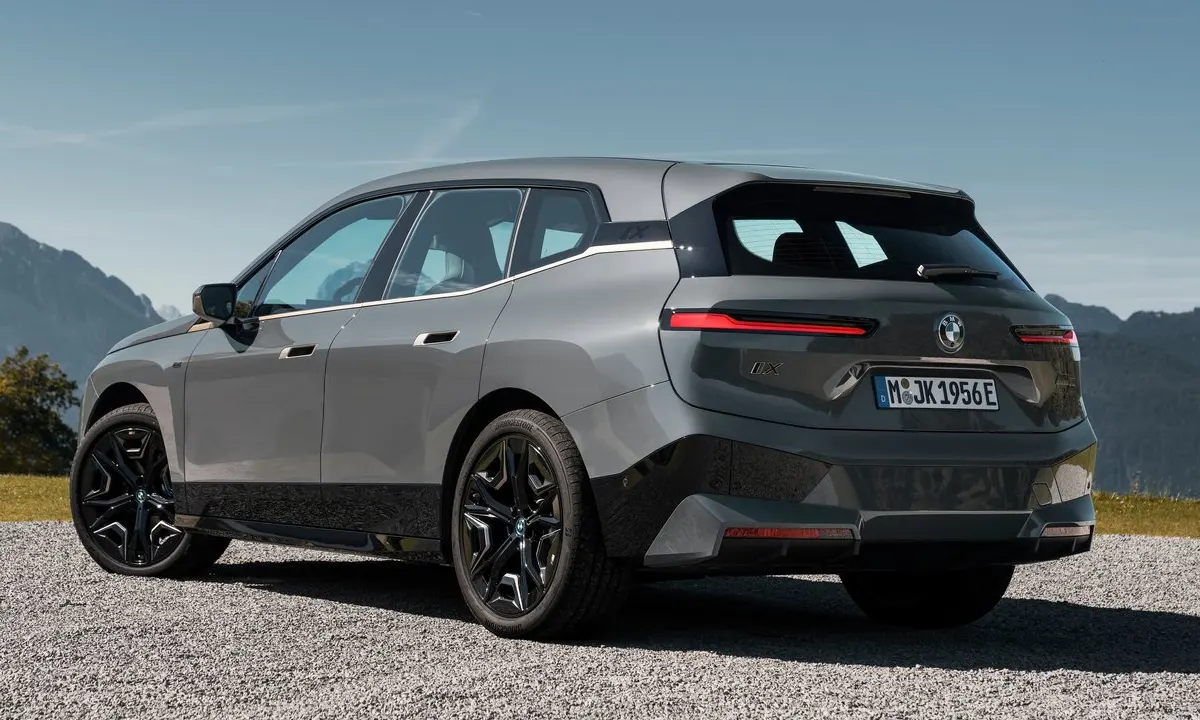
The BMW iX M70’s interior is, by any assessment, one of the most distinctive and architecturally coherent premium cabin environments available in any electric vehicle. The iX’s bespoke platform enabled interior designers to create a cabin free from the compromises imposed by repurposing a combustion vehicle’s architecture — producing a wide, airy, lounge-like space that feels genuinely different from any BMW that preceded it. The standard 30-speaker Bowers and Wilkins Diamond surround sound system — one of the finest audio installations in any production vehicle — and the BMW Curved Display combining a 12.3-inch instrument cluster with a 14.9-inch infotainment screen provide technology that feels cohesive and deeply considered rather than comprehensively specified. The hexagonal steering wheel, which provokes strong reactions from first-time observers, reveals itself in use as an ergonomically considered design that provides excellent wrist support during longer journeys — the kind of counterintuitive discovery that characterises the iX’s broader tendency to reward time spent with it over the impressions formed at first glance.
The Porsche Cayenne Turbo Electric’s interior continues the evolution of the Cayenne family’s cockpit-centric design philosophy, with the curved display suite, the available head-up display with augmented reality navigation overlay, and the optional Burmester high-end surround sound system providing a technology and material quality that meets the BMW’s standard across every dimension while expressing it in the more conventionally athletic, driver-focused visual language that Porsche interiors have always employed. The Cayenne’s available Porsche InnoDrive adaptive cruise control with topographic map data — adjusting vehicle speed based on upcoming gradient changes to optimise energy consumption without driver input — provides a practical efficiency technology that has no direct BMW equivalent and that reduces the energy management burden on drivers during longer journeys on varied terrain.
Price and the Buyer Each Car Is Built For
The 2026 Porsche Cayenne Turbo Electric carries a starting MSRP of approximately $163,000 before options, rising to $213,000 or beyond with a comprehensive options selection. The 2026 BMW iX M70 starts at approximately $115,000 fully equipped — a $48,000 base price advantage that is substantial in absolute terms and that reflects the fundamental positioning difference between the two cars.
For $48,000 more at base specification, the Cayenne Turbo Electric delivers 489 additional horsepower, 800-volt charging at twice the maximum rate, Active Ride suspension with body-roll elimination, and Formula E-derived motor cooling that sustains its performance under repeated hard use without thermal degradation. For buyers who regard those advantages as central to the ownership proposition they are pursuing, the premium is entirely justified and the Porsche is the unambiguous choice. For buyers who prioritise the BMW’s exceptional range, its 30-speaker Bowers and Wilkins audio standard specification, its more accessible price, its established ownership satisfaction record and its deeply comfortable, broadly capable everyday character, the iX M70 provides an ownership experience of the highest quality at a price that leaves meaningful budget for options, personalisation or other priorities.
Both cars are outstanding. The Cayenne Turbo Electric is the more technically ambitious and the more dynamically extreme. The iX M70 is the more broadly accessible and the more immediately rewarding as a daily companion. The right answer depends entirely on which of those qualities a buyer values more.
2026 Porsche Cayenne Turbo E lectric vs BMW iX M70 — Specifications Chart
| Category | Porsche Cayenne Turbo Electric | BMW iX M70 |
| Motor Configuration | Dual-Motor AWD | Dual-Motor AWD (M-Tuned) |
| Peak Horsepower (Launch Control) | 1,139 hp (850 kW) | 650 hp (485 kW) |
| Standard Horsepower | 844 hp (630 kW) | 650 hp |
| Peak Torque | 1,106 lb-ft (1,500 Nm) | 749 lb-ft (Launch: 811 lb-ft) |
| Push-to-Pass / Boost Mode | +173 hp / 10 seconds | Not Available |
| 0–60 mph | 2.4 seconds | 3.6 seconds |
| Quarter Mile | 9.9 seconds | 11.9 seconds |
| Top Speed | 162 mph | 155 mph |
| Battery Capacity | 113 kWh | 111.5 kWh Usable |
| EPA Range (M-Grade) | ~310–330 miles (TBC) | Up to 303 miles |
| DC Fast Charging Speed | Up to 400 kW | Up to 195 kW |
| 10%–80% Charge Time | ~16 Minutes | ~40 Minutes |
| Charging Architecture | 800 Volt | 400 Volt |
| AC Home Charging | Up to 11 kW | Up to 11 kW |
| Proactive Battery Conditioning | Yes — Pre-Arrival Thermal Prep | Limited |
| Suspension System | Porsche Active Ride (Hydraulic, No Anti-Roll Bars) | M-Tuned Adaptive Air Suspension |
| Rear-Wheel Steering | Standard | Standard (M70) |
| Drive Modes | Comfort (Roll-Free), Sport, Sport+, Individual | Efficient, Comfort, Sport, M Sport |
| Formula E Motor Cooling | Direct Oil-Cooled Rear Motor | Not Available |
| Recuperation Power | Up to 600 kW | Standard Regenerative |
| Active Aerodynamics | Porsche Active Aerodynamics — Aeroblades | Not Available |
| Standard Instrument Cluster | Curved Display Suite | BMW Curved Display — 12.3-inch |
| Standard Central Screen | Porsche Communication Management | 14.9-inch BMW Touchscreen |
| Standard Audio System | Bose Surround Sound | 30-Speaker Bowers and Wilkins Diamond |
| Optional Audio | Burmester High-End Surround | Not Applicable (B+W Standard on M70) |
| Navigation Technology | AR Head-Up Display + InnoDrive Topo | BMW Navigation with Real-Time Data |
| Seating Capacity | 5 | 5 |
| Cargo (Behind Rear Seats) | 625 litres | 35.5 cu ft (~1,005 litres) |
| Infotainment OS | Porsche Communication Management | BMW Operating System 8.5 |
| Connectivity | Wireless CarPlay and Android Auto | Wireless CarPlay and Android Auto |
| Voice Control | Hey Porsche | Hey BMW |
| Semi-Autonomous Driving | Porsche InnoDrive — Standard | Driving Assistant Pro (Optional) |
| Starting MSRP | ~$163,000 (Turbo Electric) | ~$115,000 (M70) |
| Fully Optioned Estimate | $213,000+ | $135,000–$140,000 |
| Price Advantage | — | BMW by ~$48,000 |
| Assembly | Bratislava, Slovakia | Dingolfing, Germany |
| Delivery (North America) | Second Half 2026 | Available Now |
| Edmunds Expert Rating | 8.1 (Cayenne Gen) | 7.9 (iX Gen) |