The Stakes Have Never Been Higher. Why the Rivian R2 Might Be the Most Important EV Launch of the Decade
A Sub-$45,000 Starting Price, a Purpose-Built Dedicated Platform, Rivian's Proven Adventure-Ready Engineering Scaled for the Mass Market, Dual-Motor All-Wheel Drive and a Brand Whose Survival and the Broader Democratisation of Premium Electric Vehicles Both Depend on Whether This Single Product Launch Succeeds — The Rivian R2 Is Not Simply a Smaller SUV. It Is the Most Consequential Electric Vehicle Introduction Since the Tesla Model 3.
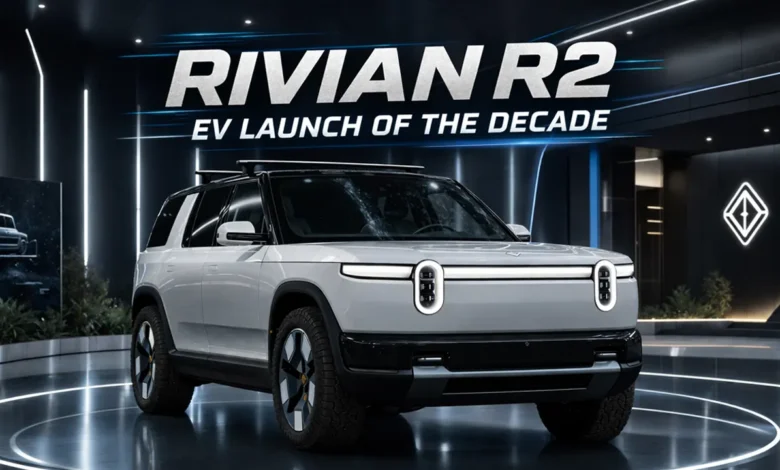
There are product launches that matter within the boundaries of a single company’s commercial trajectory — new models that determine whether a manufacturer meets its quarterly targets, satisfies its investors and maintains its market position against established competitors. And then there are product launches that matter beyond those boundaries — introductions whose success or failure reshapes the assumptions, the competitive dynamics and the directional momentum of an entire industry segment. The Rivian R2 belongs emphatically to the second category. It is a vehicle whose importance extends far beyond Rivian’s own balance sheet, far beyond the adventure-oriented electric SUV niche that the R1T and R1S established, and far beyond the immediate competitive skirmish between electric utility vehicles in the sub-$50,000 American market. The Rivian R2 is, in the most direct and defensible sense of the phrase, a vehicle on which the future of accessible premium electric vehicle ownership in America substantially depends — and understanding why requires understanding both the vehicle itself and the extraordinary commercial, technological and cultural context in which it arrives.
Gallery: Rivian R2
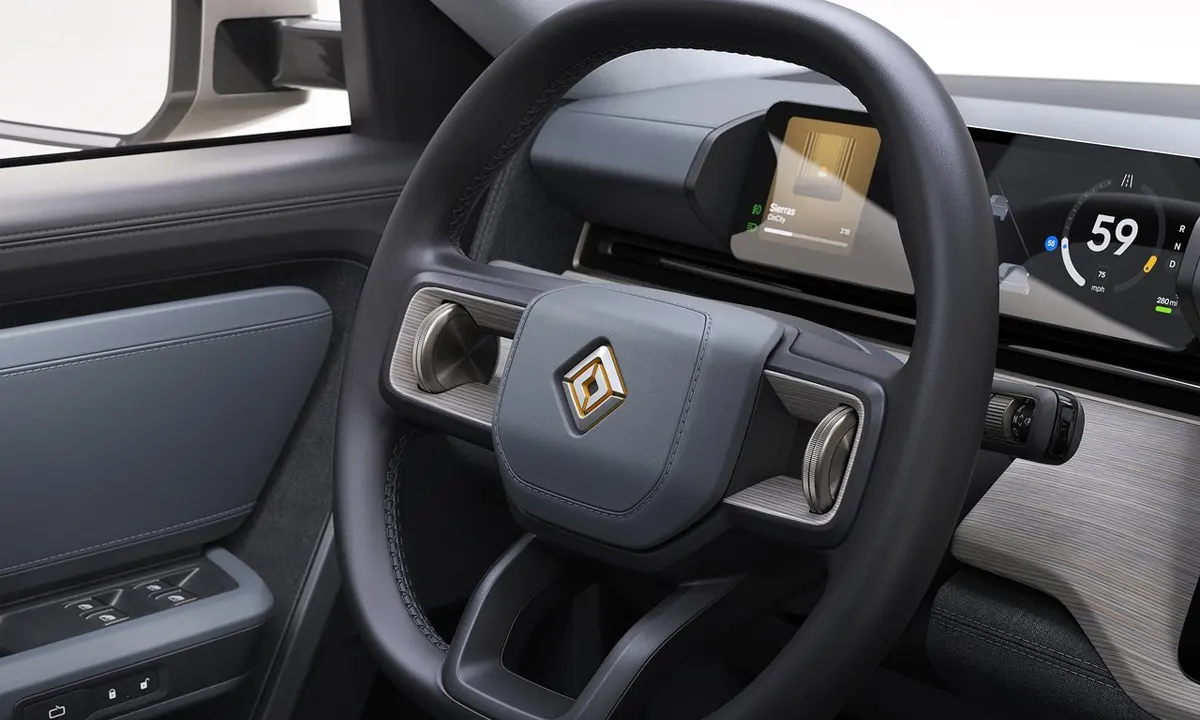
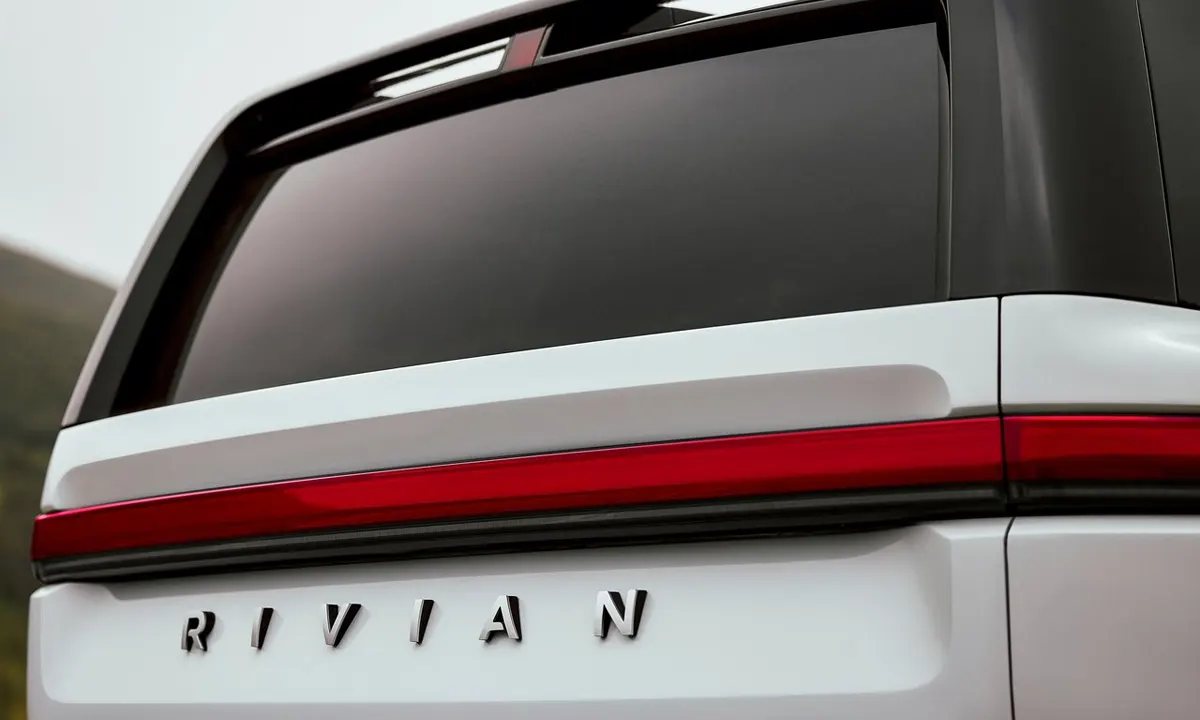
What the Rivian R2 Actually Is
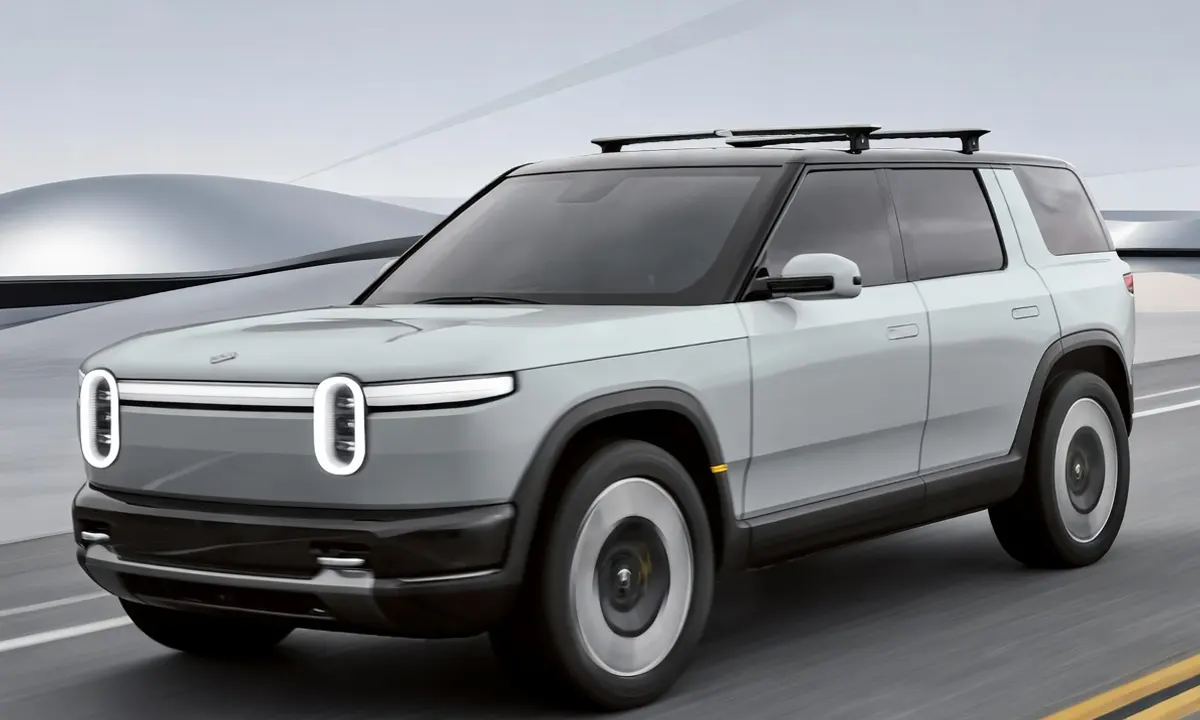
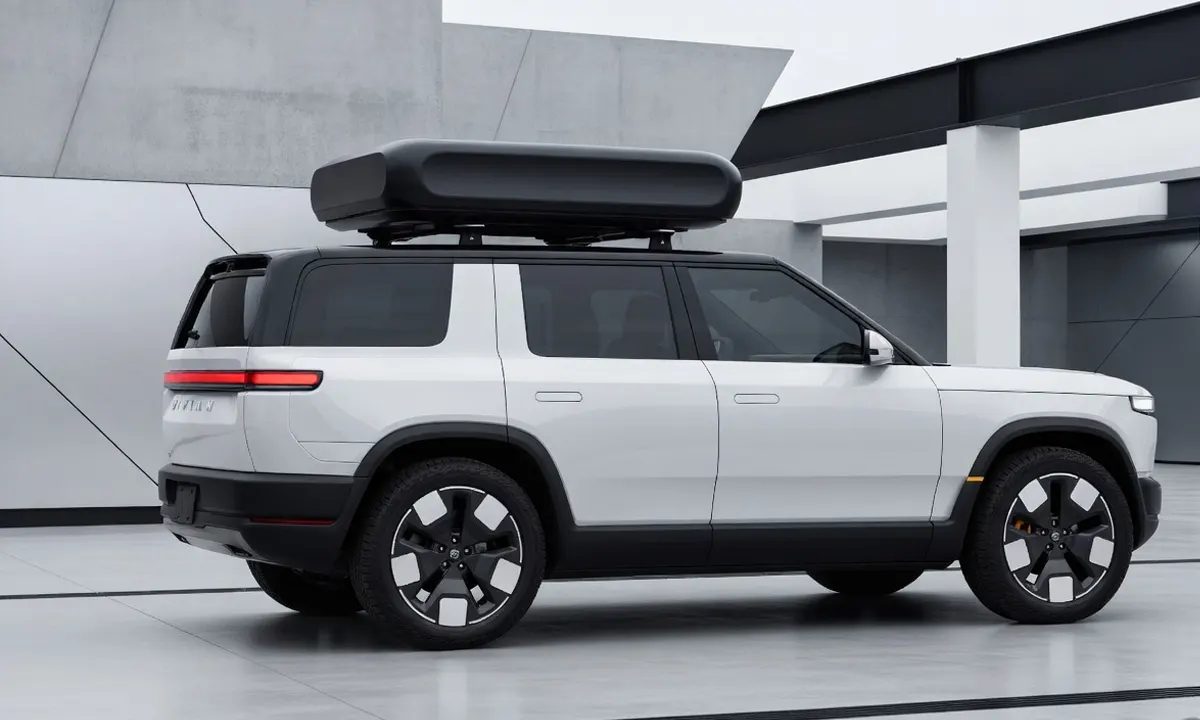
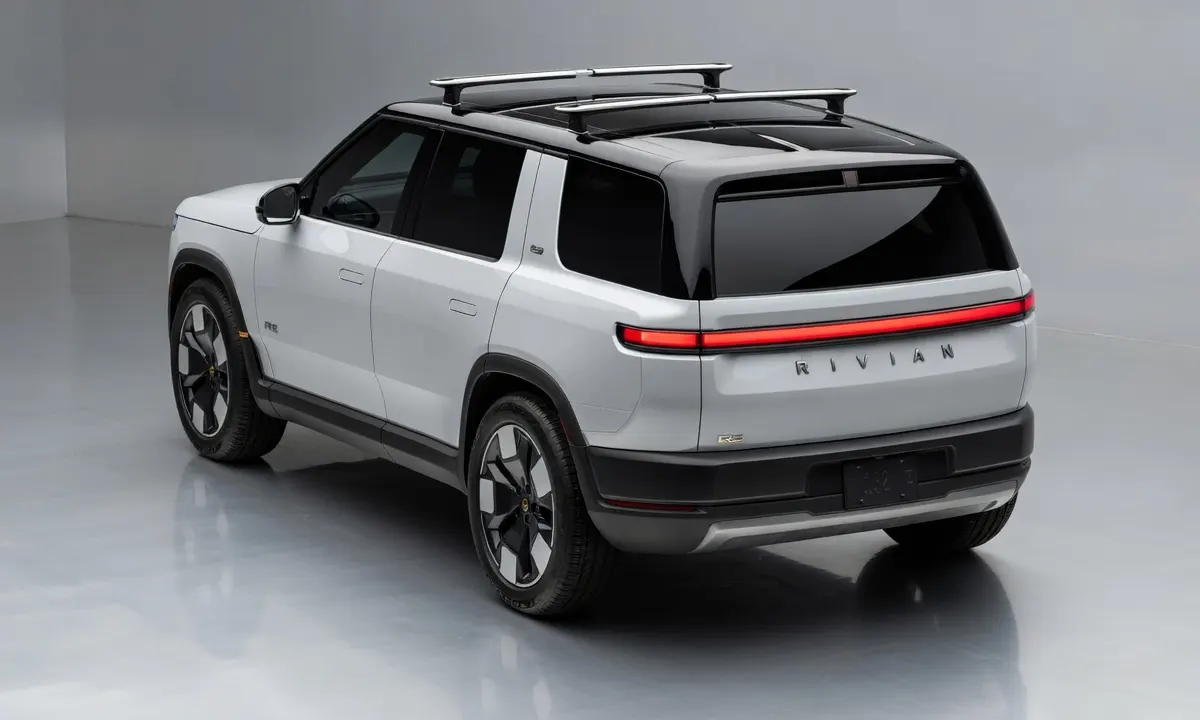
The Rivian R2 is a compact electric SUV built on a dedicated ground-up platform — designated internally as the R2 platform and engineered from its foundational architecture specifically for the production volumes, cost targets and performance requirements of a mass-market electric vehicle rather than adapted from the R1 platform whose hand-assembled, component-intensive construction enabled extraordinary capability at extraordinary expense. It seats five, offers dual-motor all-wheel drive as a primary configuration, produces an estimated 600 horsepower in its performance specification and targets a starting price of approximately $45,000 before federal tax incentives — a figure that, with the Inflation Reduction Act’s $7,500 clean vehicle credit applied for qualifying buyers, brings the effective entry price to approximately $37,500.
That price point is the R2’s most significant single specification. It positions the vehicle directly within the reach of the American household income distribution that the R1S and R1T — priced from $75,000 and above in real-world specification — could not access. It challenges the Tesla Model Y at the segment’s volume-driving price tier. And it validates or invalidates, depending on the execution quality of the vehicle itself, Rivian’s foundational commercial thesis: that the adventure-oriented, software-defined, premium electric vehicle experience it pioneered at the top of the market can be delivered with sufficient integrity at half the price to attract the buyers who constitute the actual mass market rather than the affluent early adopter population that every electric vehicle manufacturer has relied upon to establish its brand and fund its development costs.
Why Rivian’s Survival Depends on the R2
The commercial urgency surrounding the R2 cannot be separated from an honest assessment of Rivian’s financial position across the period leading to its launch. The company that produced the R1T and R1S — vehicles of genuine engineering distinction that earned critical acclaim and devoted ownership communities but that were manufactured at costs that produced per-vehicle losses measured in tens of thousands of dollars across the production ramp — has consumed capital at a rate that makes the R2’s commercial success not merely desirable but existentially necessary.
Rivian’s path to profitability runs directly through the R2’s ability to achieve the production volumes and per-unit economics that the R1 platform’s complexity and manufacturing intensity could not deliver. The R2 platform was engineered with manufacturing efficiency as a foundational constraint rather than an afterthought — a design philosophy that reduces the number of unique components, simplifies assembly sequences and enables the production line throughput rates that transform an electric vehicle manufacturer from a capital-consuming startup into a sustainable business. The Normal, Illinois manufacturing facility — whose R1 production lines will be supplemented by R2 production on dedicated new lines — represents the physical infrastructure through which Rivian must demonstrate that it can build electric vehicles at the scale and cost that commercial viability requires.
The Volkswagen Group’s substantial investment in Rivian — a partnership whose terms included access to Rivian’s electrical architecture and software platform in exchange for capital that extended Rivian’s operational runway — provides both financial breathing room and strategic validation that a major established automotive manufacturer assessed Rivian’s technology foundation as sufficiently valuable to invest billions in accessing. But partnership capital and technology licensing revenue do not substitute for the positive gross margin per vehicle that only genuine production volume can deliver — and that only the R2, with its mass-market price point and its engineered-for-scale platform, can generate at the volumes required.
The Platform Innovation That Makes the Price Possible
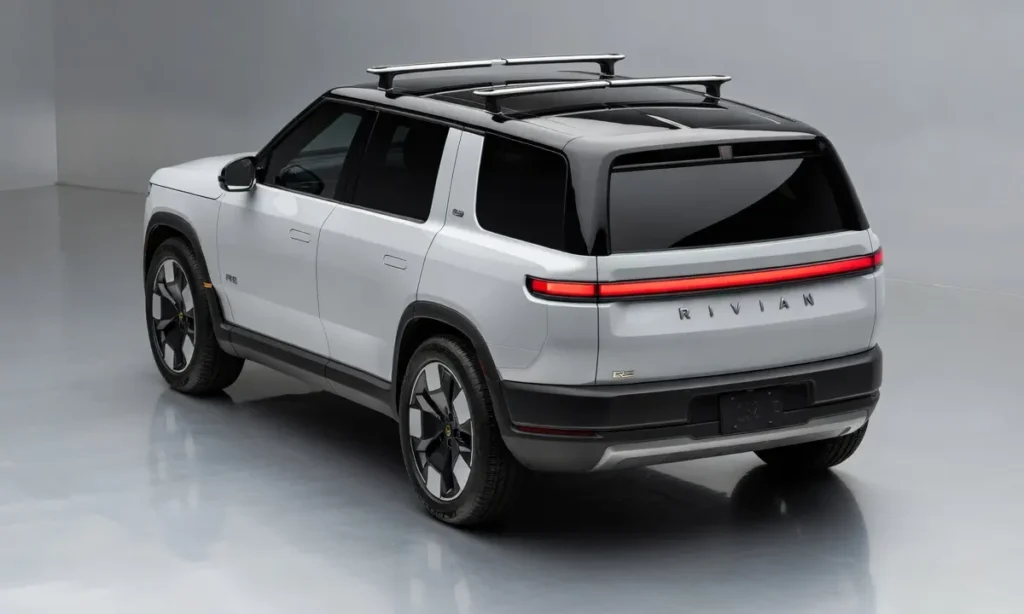
Understanding why the R2 represents a genuine engineering achievement — rather than simply a specification-reduced version of the R1 at a lower price — requires understanding what Rivian’s engineers accomplished in designing the R2 platform from the ground up rather than adapting existing architecture downward.
The R2 platform introduces a structural battery pack design whose cells contribute to the vehicle’s structural integrity rather than being housed within a separate enclosure carried by the chassis — a construction approach that reduces weight, lowers the vehicle’s centre of gravity and eliminates the separate battery enclosure’s component cost and manufacturing complexity simultaneously. The dual-motor architecture uses motors developed specifically for the R2’s power, packaging and cost targets rather than carrying over the R1’s larger, more expensive units — achieving the performance targets the R2 requires without the cost of over-engineering that carrying over higher-specification components would impose.
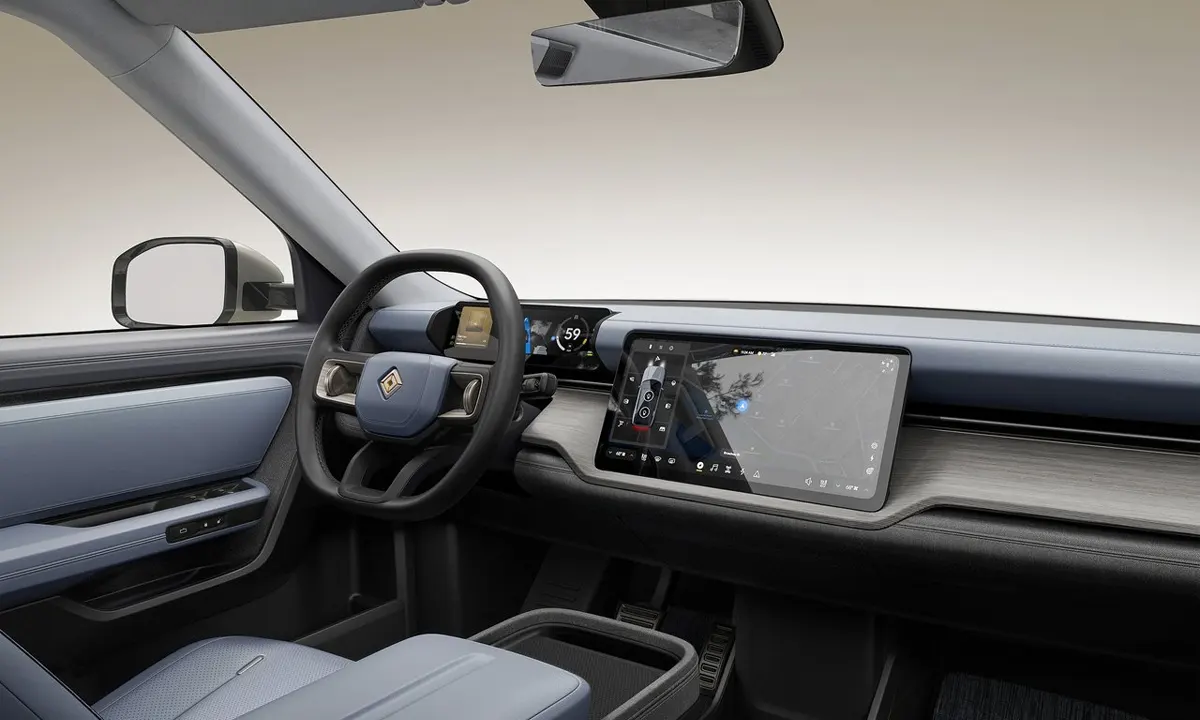
The software-defined vehicle architecture that Rivian developed for the R1 — one of the most sophisticated vehicle software platforms produced by any manufacturer outside Tesla — transfers to the R2 with the full capability set that over-the-air updates, intelligent range management, adventure-oriented navigation integration and Rivian’s distinctive driver experience features represent. This software inheritance is among the R2’s most significant competitive advantages over rival electric vehicles at its price point, because developing a mature, capable and continuously updatable vehicle software platform requires years of development investment and real-world fleet learning that cannot be purchased or accelerated regardless of capital availability.
The Competitive Landscape the R2 Enters
The market the Rivian R2 enters in 2026 is simultaneously more competitive and more strategically significant than any electric vehicle segment that has previously existed at this price point in the American market. The Tesla Model Y — the volume benchmark against which every compact electric SUV must be measured — holds its position through charging network superiority, software maturity and brand recognition that years of market leadership have compounded into structural advantages that newer entrants cannot quickly overcome. The Hyundai Ioniq 5 and Kia EV6 offer compelling technology, strong range figures and the manufacturing quality of established global producers at competitive price points. The Chevrolet Equinox EV attacks the accessible electric SUV segment from the position of an established brand with manufacturing scale that startups cannot match.
Against each of these competitors, the R2 offers a differentiated proposition rather than a superior one across every dimension — and differentiation, in a market where buyer choice is expanding and brand loyalty is less entrenched than in combustion vehicle categories, can be as commercially decisive as outright specification superiority. The R2’s adventure-oriented capability credentials, inherited from the R1’s genuine off-road competence and Rivian’s established identity in the outdoor lifestyle market, provide a meaningful differentiation from the Model Y’s more urban-optimised positioning. The Rivian ecosystem — camp mode, vehicle-to-load power export, the adventure network of DC fast chargers positioned at trailheads and outdoor recreation destinations — creates an ownership experience whose coherence and specificity no competitor currently replicates at the R2’s price point.
Read: Used Electric Cars Under $20,000 in The USA
Why the R2 Matters Beyond Rivian
The Rivian R2’s importance to the broader electric vehicle transition in America operates on a dimension that transcends the company’s commercial interests. The foundational obstacle to mass electric vehicle adoption in the American market has never been performance, technology or desirability at the premium end of the price spectrum — it has been the inability of electric vehicle manufacturers to deliver the combination of genuine capability, premium experience and accessible pricing that the median American vehicle buyer requires. Every electric vehicle priced above $60,000 that receives critical acclaim and achieves strong sales among affluent early adopters confirms that premium electric vehicles are desirable. None of those vehicles answers the question that determines whether electric vehicle adoption achieves genuine mass market penetration.
The R2 answers that question directly. At $45,000 before incentives — and at an effective $37,500 with federal credits for qualifying buyers — it delivers Rivian’s proven adventure-capable electric vehicle experience to a buyer population that the R1 series could address only aspirationally. If it succeeds commercially, it validates the thesis that premium electric vehicle experiences can be democratised without the quality and capability compromises that budget-oriented electric vehicles have historically accepted. If it achieves the production volumes its platform was designed to support, it demonstrates that a non-legacy electric vehicle manufacturer can achieve the manufacturing scale that separates sustainable businesses from well-funded experiments.
The decade’s most important EV launch carries that weight — and the Rivian R2 carries it with the engineering foundation, the platform investment and the brand identity to justify the description.
Read: Will the Tesla Cybercab Be Cheaper Than Owning A Car In The USA? A Complete Cost Breakdown for 2026
Rivian R2 Key Specifications & Details
| Category | Specification |
| Vehicle Type | Compact Premium Electric SUV |
| Platform | Dedicated R2 Ground-Up Architecture |
| Powertrain Options | Single Motor RWD / Dual Motor AWD |
| Estimated Peak Power (AWD) | Approx. 600 hp |
| Starting MSRP | Approx. $45,000 |
| Effective Price (with IRA Credit) | Approx. $37,500 |
| Seating Capacity | Five |
| Target Range | 300+ Miles (Estimated) |
| Battery Design | Structural Pack (Cell-to-Structure) |
| Software Platform | Rivian Vehicle OS (OTA Updates) |
| Manufacturing Location | Normal, Illinois, USA |
| Adventure Features | Camp Mode / Vehicle-to-Load / Trail Navigation |
| Key Strategic Partner | Volkswagen Group |
| Primary Competitors | Tesla Model Y / Hyundai Ioniq 5 / Chevrolet Equinox EV |
| Production Start | 2026 |
| Reservation Status | Open (Refundable Deposit) |