Key Differences Between the Rolls-Royce Cullinan and the Cullinan Yachting Edition
Four Compass Points, Open-Pore Teak, Hand-Painted Nautical Fascias, a Mediterranean Wind-Map Starlight Headliner and a Rope-Stitch Seat Insert Created by a Royal Navy Artisan — Here Is Everything That Separates the World's Most Exclusive Limited-Edition SUV From the Already-Extraordinary Standard Cullinan Series II
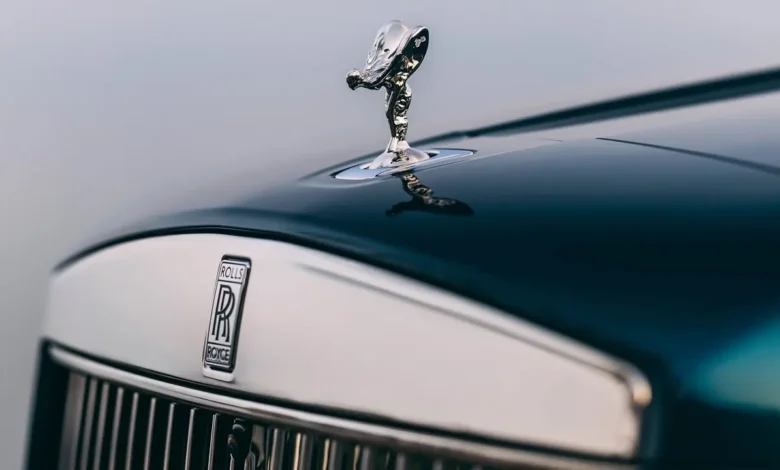
Revealed to the world on March 26, 2026, and immediately recognised as one of the most extraordinary and most emotionally resonant bespoke commissions that Rolls-Royce has released in recent memory, the Cullinan Yachting is a collection of four Private Commissions that celebrates the deep, historically rooted and genuinely affectionate relationship between the Rolls-Royce marque and the world of maritime luxury. It is named after the lifestyle that inspired it, designed around the compass directions that define navigation at sea and crafted with the level of artisanal detail that Rolls-Royce’s Bespoke Collective — the internal team of designers, craftspeople and engineers responsible for the brand’s most ambitious one-of-one and limited-edition creations — reserves for its most significant and most carefully considered special commission projects. Only four examples will ever exist. Each one represents a different cardinal point on the compass. Each one is unique. And each one departs from the already-extraordinary standard Cullinan Series II in ways that are simultaneously subtle in their visual restraint and breathtaking in their artisanal depth.
Gallery: Rolls-Royce Cullinan and The Cullinan Yachting
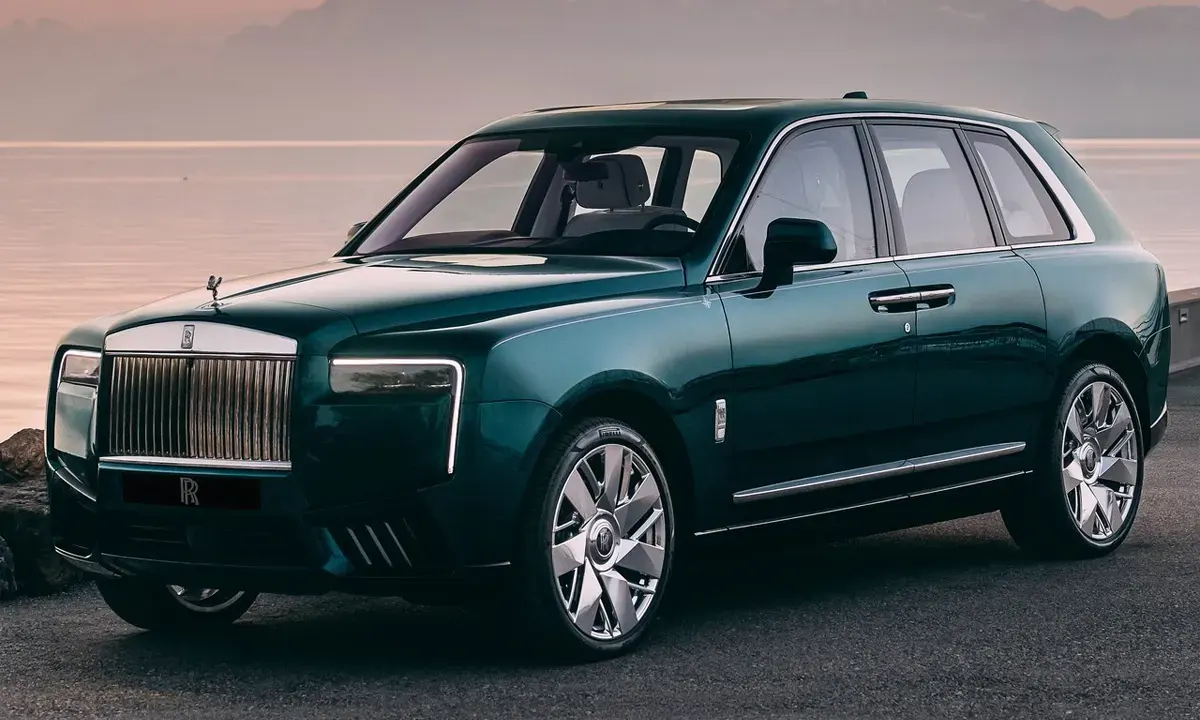
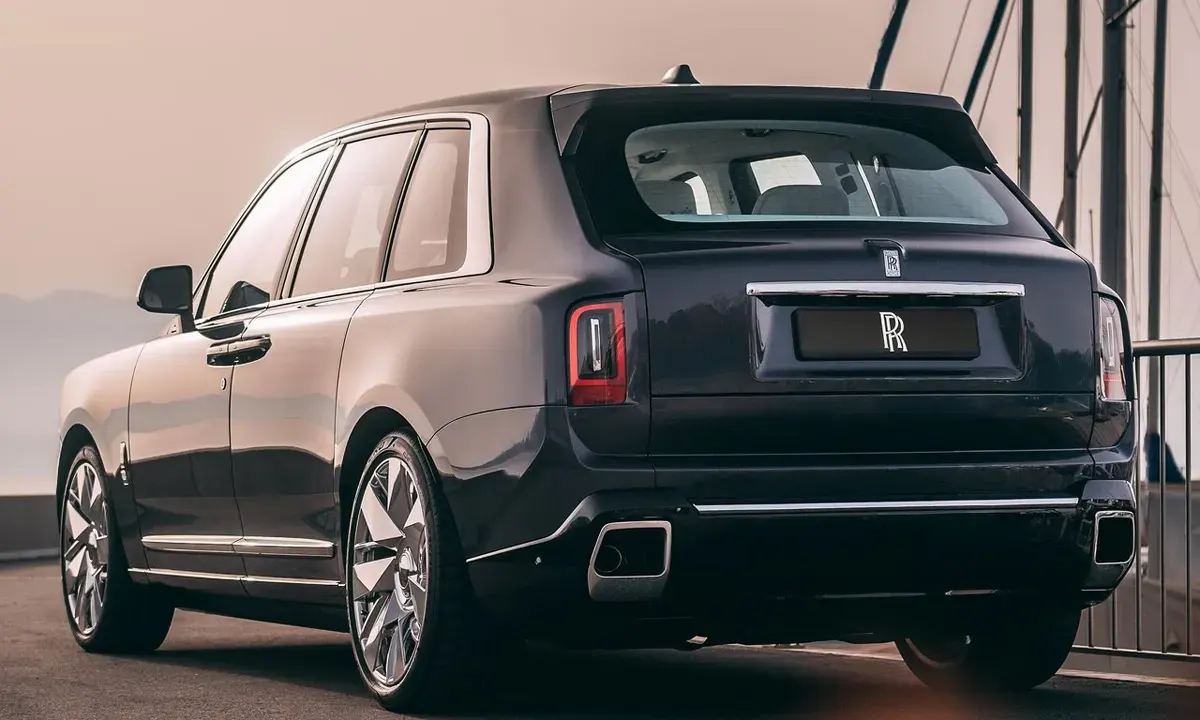
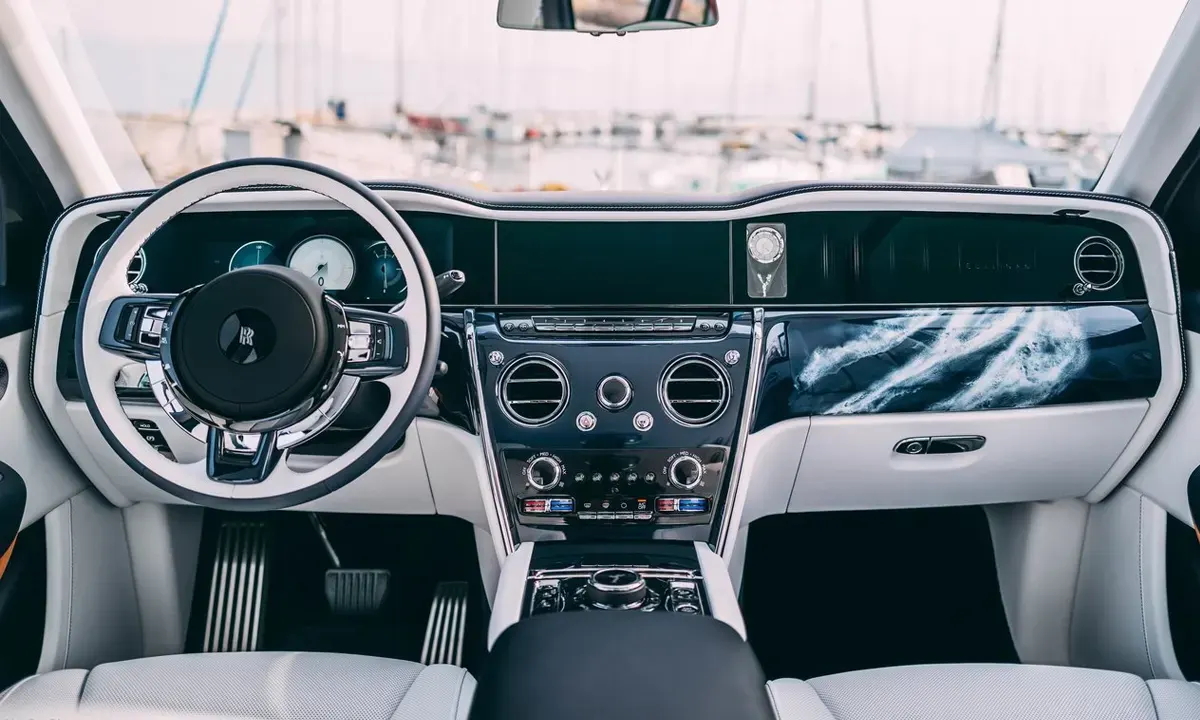
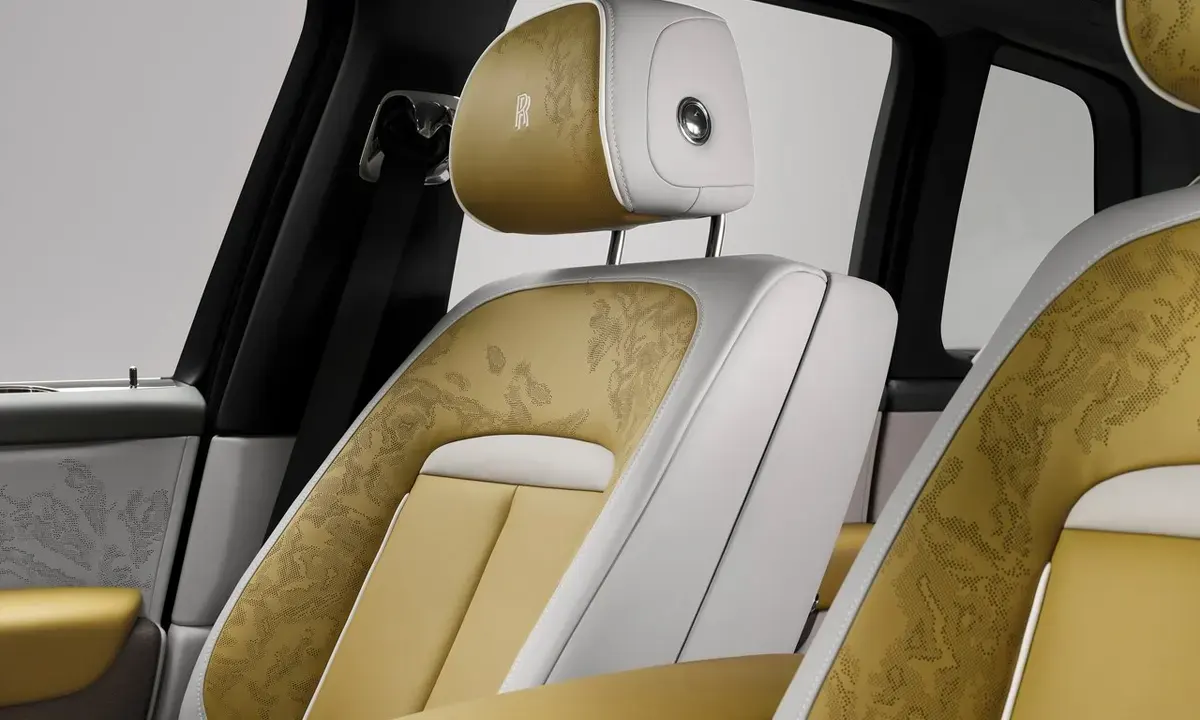
Understanding what separates the Cullinan Yachting from the standard Cullinan requires understanding not merely the list of features that differ between them but the philosophical distinction between a production vehicle — however extraordinary — and a hand-created commission whose every material, every motif and every artisanal technique has been selected and executed specifically to tell a single, coherent and deeply considered story. This article examines each of those differences with the completeness and the specificity that an automobile of this rarity and this significance deserves.
The Foundation: What Both Vehicles Share
Before examining the differences, it is important to establish what the Cullinan Yachting shares with the standard Series II — because the foundation beneath the nautical commission is as extraordinary as the bespoke elements applied above it. Both vehicles are built on Rolls-Royce’s Architecture of Luxury aluminium spaceframe platform, which provides the structural rigidity, the low noise transmission and the suspension mounting precision that enables the Cullinan’s legendary ride quality. Both retain the twin-turbocharged 6.75-litre V12 engine producing 553 horsepower — the same handcrafted powerplant that has defined the Cullinan’s effortless, seamless power delivery since the model’s introduction. Both carry the Flagbearer stereo camera system that scans the road ahead and pre-conditions the air suspension before each wheel encounters a surface imperfection. Both feature the coach doors whose power-assisted closing mechanism is among the most celebrated details in the standard Cullinan’s ownership experience. The Cullinan Yachting introduces no mechanical changes whatsoever — its V12, its all-wheel-drive system and its chassis architecture are identical to the standard car. The differences between the two vehicles are entirely matters of design, material, craft and artisanal execution — and in the world of ultra-luxury collecting, those differences are precisely the ones that matter most.
Difference One: A Unique Exterior Identity for Each of the Four Compass Points
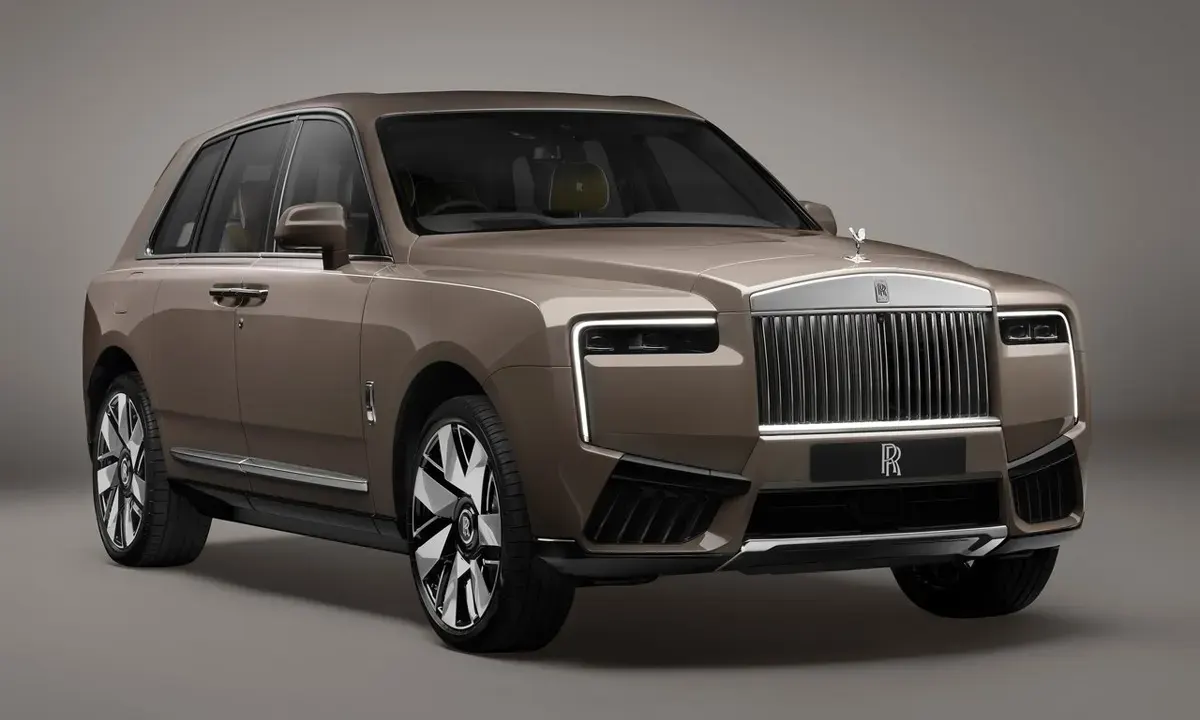
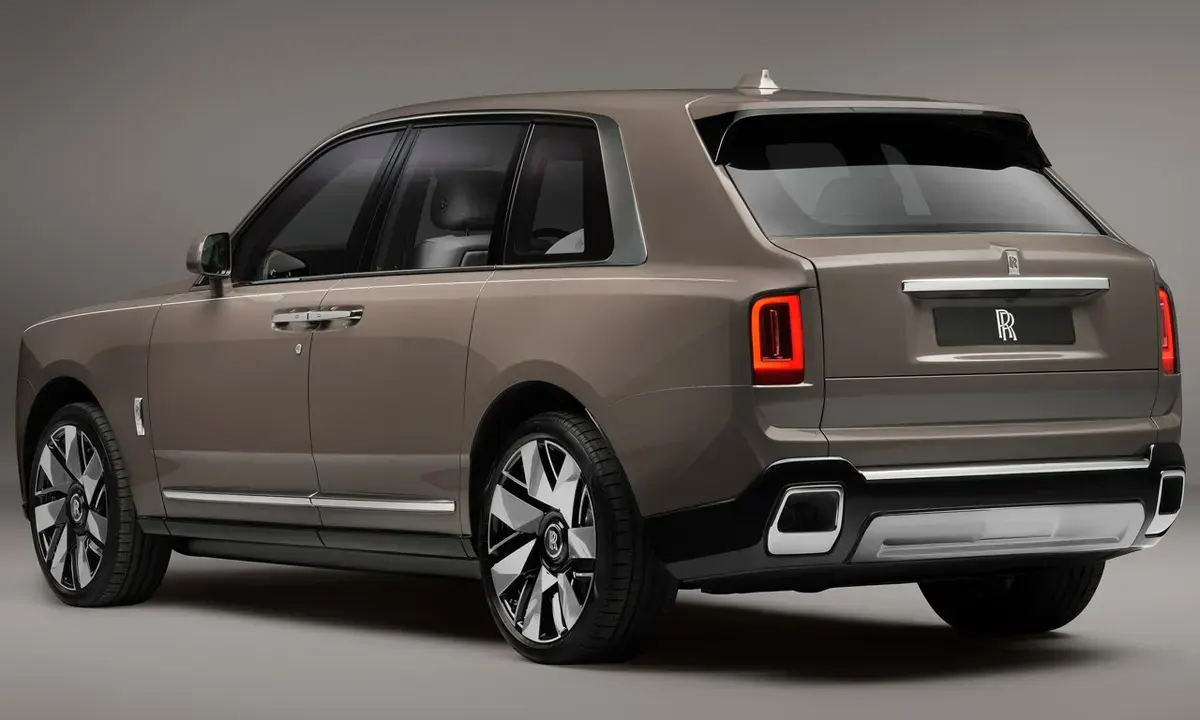
The standard Rolls-Royce Cullinan Series II is available across an extensive palette of exterior colours through the Bespoke programme — a range whose breadth and depth already significantly exceeds the personalisation options available from any other production SUV manufacturer. The Cullinan Yachting takes this a decisive step further by assigning a unique and unrepeatable exterior colour to each of its four examples, chosen specifically to evoke the character of the oceanic environment associated with each compass direction. The North car wears a Crystal over Light Blue finish, evoking the colder, purer waters of higher latitudes. The South is rendered in a deep Crystal over Arabian Blue IV whose warmth and depth suggest the calmer, sun-warmed seas of lower latitudes. The East is finished in Dark Silk Teal, a colour chosen to communicate the calm, mysterious quality of deep open water in the far eastern ocean. The West carries a Sapphire Gunmetal finish that Rolls-Royce describes as echoing a storm-lit ocean sky — a more dramatic and more brooding interpretation of maritime colour whose intensity is entirely appropriate to the Atlantic’s more tempestuous character.
These are not colours drawn from any existing Rolls-Royce production catalogue. They were developed specifically for the Cullinan Yachting collection, and their association with a single vehicle each makes them genuinely and permanently unique. No future Cullinan buyer — however generous their Bespoke budget — will be able to specify an identical exterior colour combination, because these four finishes were created for these four commissions alone.
Difference Two: Hand-Painted Compass Motifs and Twin Coachlines
The standard Cullinan Series II offers coachline decoration as a factory option — a hand-applied stripe along the vehicle’s flanks that is executed by Rolls-Royce’s dedicated coachline artists at the Goodwood factory. The Cullinan Yachting takes this tradition and amplifies it with a specific and purposeful nautical identity through the application of a Twin Coachline in Phoenix Red and Arctic White — a dual-stripe arrangement whose colour combination is exclusive to the Yachting collection. Each car further carries a hand-painted compass motif on both front fenders, in which the corresponding directional point — North, South, East or West — is highlighted in red to identify the car’s specific identity within the four-piece collection. These compass motifs are not transfers, not machine-applied graphics and not vinyl overlays. They are hand-painted by Rolls-Royce’s artisans at Goodwood using the same techniques and the same materials that the brand has employed for coachline and decorative painting across its entire production history.
Difference Three: Fully Polished 22-Inch Wheels Echoing Yacht Brightwork
While the standard Cullinan Series II offers multiple wheel options across a range of finishes — including the new three-dimensional seven-spoke 23-inch design in part or fully polished specification — the Cullinan Yachting specifies a consistent wheel choice across all four examples: fully polished 22-inch alloy wheels whose mirror-like brightwork finish is chosen specifically to echo the polished metal hardware found on luxury yachts. The standard car’s diverse wheel options allow considerable personalisation of the exterior’s overall character. The Yachting collection’s consistent wheel specification creates a deliberate visual coherence across all four examples — the polished alloy reflecting its surroundings with the same quality of mirror-finish that yacht hardware provides in a marina environment.
Difference Four: Open-Pore Teak Interior Trim
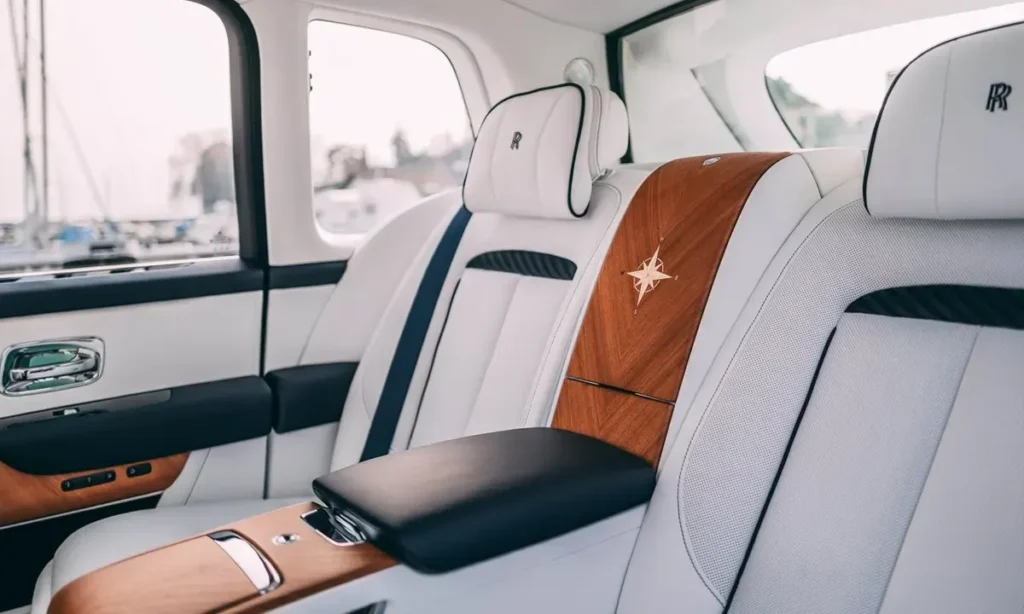
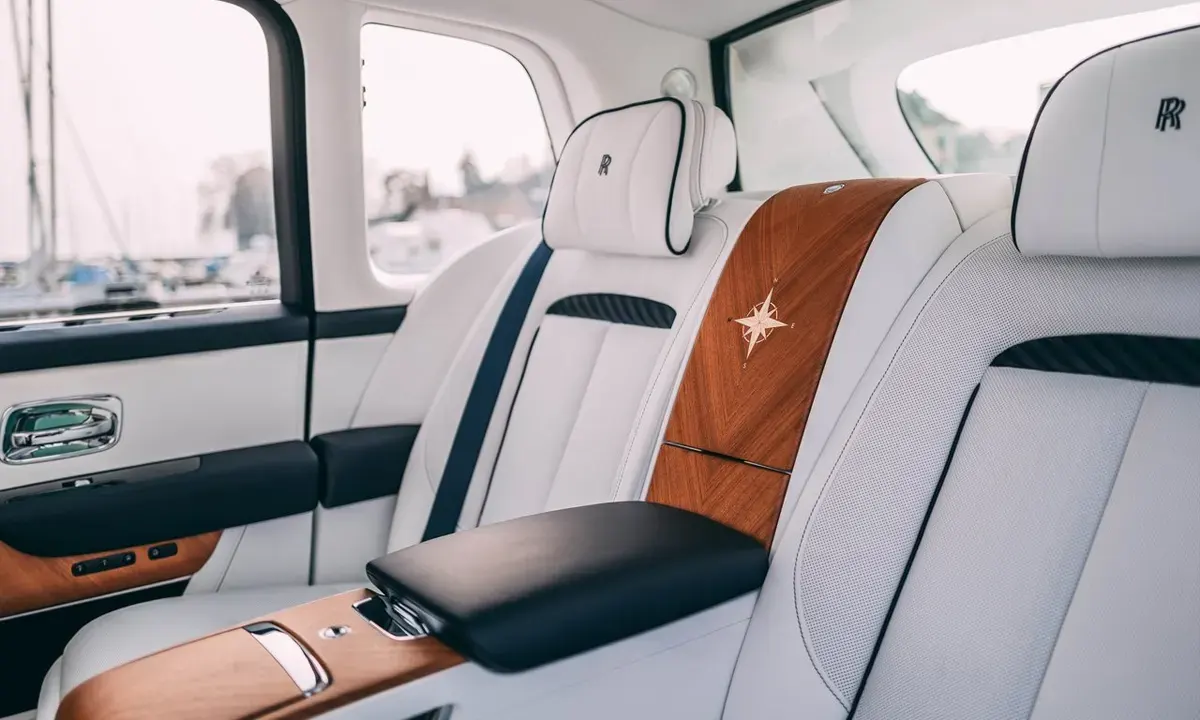
The interior of the standard Cullinan Series II offers an extensive range of wood veneer options through the Bespoke programme — spanning light to dark species, natural to high-gloss finishes and a range of grains and figuring patterns whose breadth ensures that no two standard Cullinans need share an identical interior specification. The Cullinan Yachting replaces this with open-pore teak trim throughout the cabin — a material more commonly encountered on the decks and horizontal surfaces of high-end maritime vessels than in the interior of any production road car. Teak’s natural resistance to moisture, its warm golden-brown colour and its association with premium yacht construction make it an entirely logical and emotionally resonant material choice for a nautical-themed commission, and its use in the Cullinan Yachting represents one of the most distinctive and most immediately recognisable differences between the Yachting and any standard Cullinan interior. The open-pore finish — which preserves the natural texture of the wood grain rather than sealing it beneath gloss lacquer — adds a tactile authenticity to the material that echoes the unfinished natural character of yacht decking in a way that a conventional high-gloss automotive wood veneer cannot replicate.
Difference Five: Hand-Painted Nautical Fascias and Rear Picnic Tables
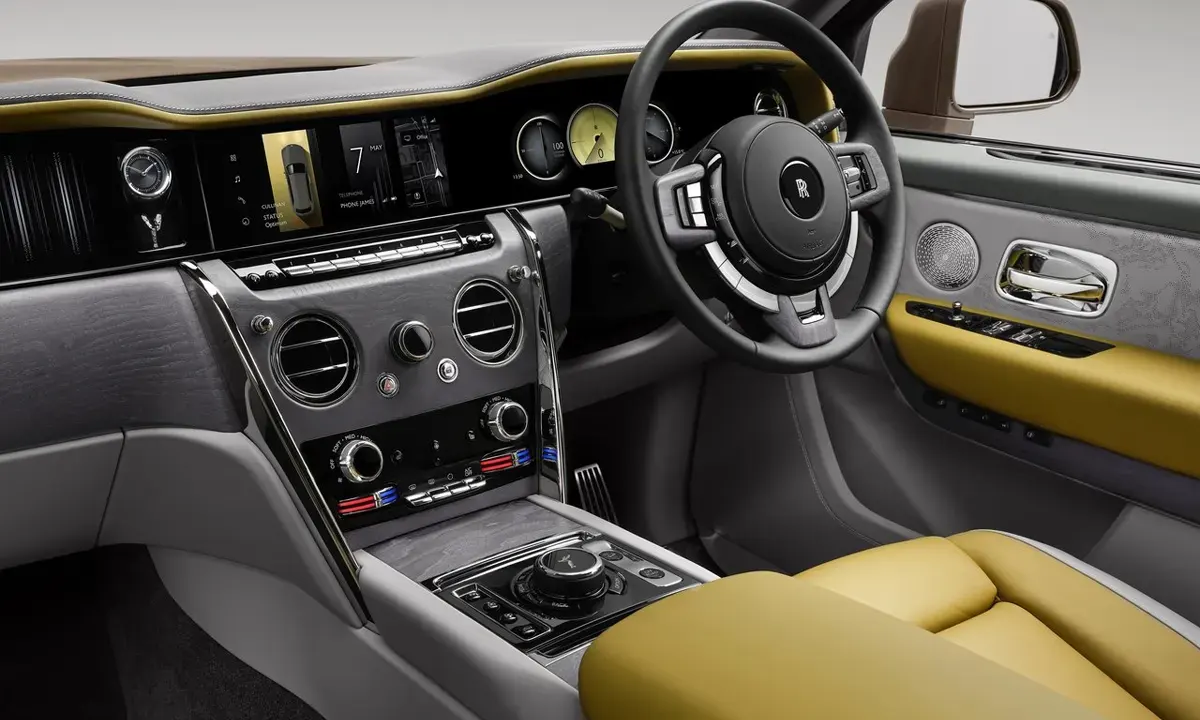
The dashboard of a standard Cullinan Series II is finished with the new Illuminated Fascia in a selection of colour configurations — a luminous, technologically sophisticated treatment that creates a contemporary and striking visual centrepiece. The Cullinan Yachting replaces this with an entirely hand-painted fascia on which Rolls-Royce’s artisans have rendered artwork depicting the trailing wake of a tender vessel moving at speed toward a yacht at anchor. The creation of this painted fascia required several months of development — experimenting with techniques to combine colours and apply them in the correct sequence before locking them beneath lacquer — and the result is a unique work of applied art rather than a manufactured interior panel. The rear picnic tables carry the same hand-painted wake imagery, extending the nautical narrative from the front of the cabin to the rear passenger environment and creating a thematic consistency of decorative detail that a standard Cullinan’s more generalised interior decoration does not attempt.
Difference Six: The Waterfall Compass Motif in 40 Pieces of Hand-Cut Veneer
The Waterfall — the decorative panel between the rear seats in the Cullinan’s four-seat configuration — is, in the standard car, finished in the owner’s chosen wood veneer as part of the broader interior wood specification. In the Cullinan Yachting, this panel has been transformed into an entirely bespoke artisanal achievement: a compass motif constructed from more than 40 individual pieces of wood veneer, each cut by hand and assembled manually to achieve the precise geometric pattern and directional alignment that the compass design requires. The compass motif’s corresponding directional point is highlighted in each car, maintaining the North, South, East and West identity of each individual commission throughout the interior as consistently as the exterior compass fender motif does on the outside.
Difference Seven: Mediterranean Wind-Map Starlight Headliner With Animated Elements
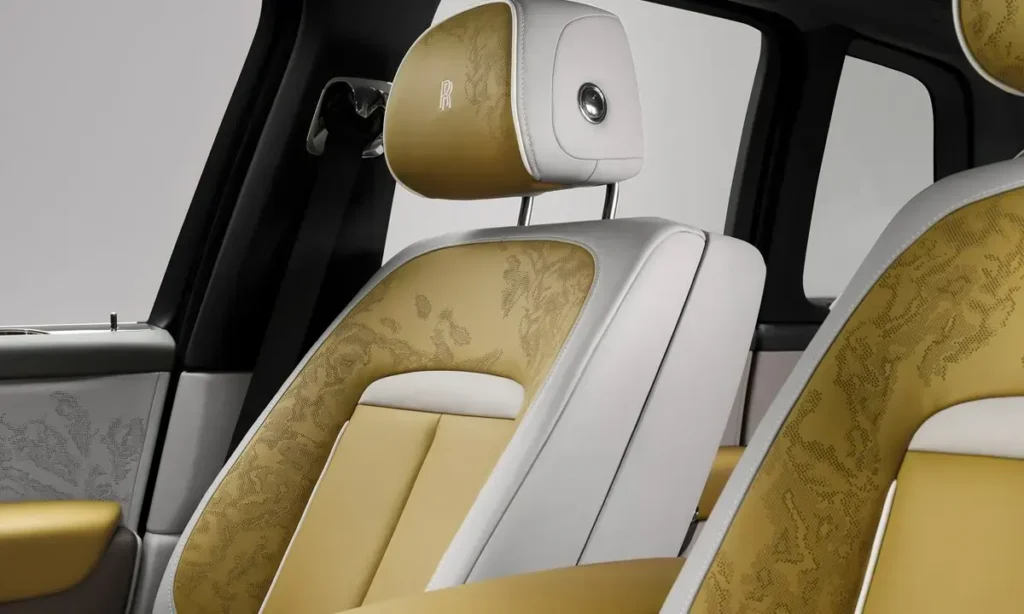
The standard Cullinan Series II’s Starlight Headliner — available as an option and featuring thousands of hand-placed fibre optic threads creating a static star field pattern across the headliner surface — is one of the most celebrated and most consistently praised optional features in any production vehicle currently available. The Cullinan Yachting replaces the standard star pattern with a completely bespoke headliner whose fibre optic thread arrangement is inspired not by a star field but by the charted patterns of Mediterranean wind maps — the complex, directionally variable charts used by maritime navigators to understand air current patterns across open water. The Rolls-Royce Bespoke Collective spent considerable time interpreting these wind map patterns and translating them into a fibre optic arrangement that captures their flowing, directional, organic character in the headliner’s surface. The Yachting headliner additionally incorporates animated elements — subtle brightening and dimming sequences across specific areas of the pattern that represent the shifting of air currents across the chart — creating a dynamic quality that the standard Starlight Headliner’s static star field does not provide.
Difference Eight: Royal Navy Rope-Stitch Seat Inserts
The seat upholstery of the Cullinan Yachting is finished in Arctic White leather with Navy Blue accents — a colour combination exclusive to this collection and evocative of maritime dress standards and yacht interior conventions. The seat inserts feature a bespoke rigging pattern executed in hand-stitched embroidery, applied in diagonal bands using Rolls-Royce’s signature thread by an artisan who holds a personal connection to Britain’s Royal Navy and whose training spans yarn construction, weave analysis and embroidery technique. The directional structure of each individual stitch echoes the mechanical composition of nautical rope — where multiple strands are twisted together in opposing directions to create tensile strength — translating a functional maritime engineering principle into a decorative embroidery technique of extraordinary delicacy and detail. Navy Blue contrast stitching and piping, along with Navy headrest monograms, complete the maritime interior colour story.
Difference Nine: Rope Motif Illuminated Treadplates
The standard Cullinan’s coach door treadplates carry the Rolls-Royce wordmark in illuminated form — a recognisable detail that identifies the car’s brand in the threshold area visible when the coach doors open. The Cullinan Yachting replaces the wordmark with an illuminated rope motif — a decorative detail that echoes the nautical rope embroidery of the seat inserts and that creates a consistent maritime narrative even at the moment of entry into the vehicle. This is one of the Yachting collection’s most understated but most carefully considered details — a moment of thematic coherence between the embroidery technique seen in the seat inserts and the illuminated metalwork seen at the cabin’s threshold.
The Historical Connection: Charles Rolls and the Santa Maria
One aspect of the Cullinan Yachting that distinguishes it from many limited-edition automotive commissions — whose thematic choices are often primarily aesthetic rather than historically grounded — is the genuine and documented historical connection between the Rolls-Royce marque and the world of yachting. Charles Rolls, the co-founder of Rolls-Royce whose name the brand has carried since its earliest years, served briefly as a Third Engineer aboard his family’s steam yacht, the Santa Maria, as a young Cambridge graduate. This biographical detail — a founder’s personal engagement with maritime engineering and maritime culture — provides the Cullinan Yachting collection with a historical authenticity that transforms its nautical theme from a decorative choice into a genuine heritage celebration. The collection also reflects Rolls-Royce’s ongoing contemporary relationships with yacht designers and yacht-owning clients who have commissioned coordinated commissions pairing their motor cars with their maritime vessels — a practice that has informed the brand’s design language and its material choices in ways that the Cullinan Yachting makes explicit and visible for the first time in a production-adjacent commission of this scale.
Summary of Key Differences
| Feature | Standard Cullinan Series II | Cullinan Yachting Edition |
| Production Volume | Series Production | Four Examples Only |
| Exterior Colour | Extensive Bespoke Palette | Four Unique Compass-Direction Colours |
| Coachlines | Optional – Various Colours | Twin Phoenix Red and Arctic White (Standard) |
| Fender Motif | None | Hand-Painted Compass with Directional Highlight |
| Wheels | Multiple Options incl. 23-Inch | Fully Polished 22-Inch (All Four Cars) |
| Interior Wood Trim | Extensive Veneer Options | Open-Pore Teak (Yacht Deck Material) |
| Dashboard Fascia | Illuminated Fascia (Various Colours) | Hand-Painted Yacht Wake Artwork |
| Rear Picnic Tables | Standard Veneer Finish | Hand-Painted Yacht Wake Artwork |
| Waterfall Panel | Owner’s Chosen Veneer | 40-Piece Hand-Cut Compass Motif Veneer |
| Headliner | Standard Starlight (Static Stars) | Mediterranean Wind-Map Pattern with Animation |
| Seat Upholstery | Bespoke Colour Selection | Arctic White / Navy Blue Exclusive Combination |
| Seat Inserts | Standard Perforation or Quilting | Royal Navy Artisan Hand-Stitched Rope Pattern |
| Treadplates | Illuminated Rolls-Royce Wordmark | Illuminated Rope Motif |
| Engine | 6.75L Twin-Turbo V12 – 553 hp | 6.75L Twin-Turbo V12 – 553 hp (Unchanged) |
| Starting Price (US) | From Approx. $450,000 | Undisclosed (Significant Premium Expected) |