Sauber F1: The Story of Formula One’s Most Resilient Independent Team
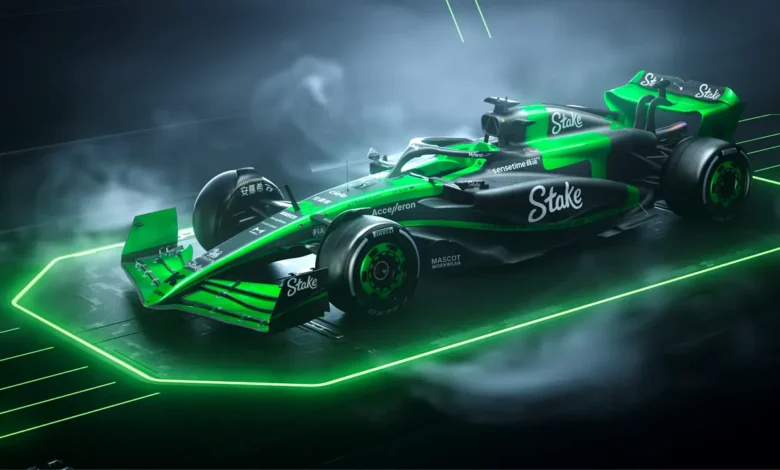
Few teams in Formula One have embodied the spirit of independence, innovation and resilience as consistently as Sauber. Founded by Swiss motorsport engineer Peter Sauber, the team began as a sports car racing outfit before evolving into one of the most respected names on the Formula One grid. While Sauber has never been a giant in terms of financial resources or corporate backing compared to the major manufacturer teams, its ability to survive, adapt and excel in the world’s most competitive motorsport category makes its legacy both unique and influential. Over the decades, Sauber has served as a technical incubator, a talent developer and a competitive midfield performer, contributing significantly to the progression of Formula One technology and driver development.
The history of Sauber F1 is defined by determination, precision and a strong engineering identity rooted in the meticulous Swiss approach to innovation. From its early partnership with Mercedes-Benz to its transformation into BMW Sauber, and later its resurgence as an independent entity, the trajectory of the team is marked by reinvention. In recent years, the team has evolved further with its Alfa Romeo partnership and its transition toward becoming a factory-backed Audi squad for the future. This article examines Sauber’s journey in depth, focusing on its origin story, technical philosophy, major milestones, contributions to Formula One, driver development, engineering innovations, team culture and future outlook.
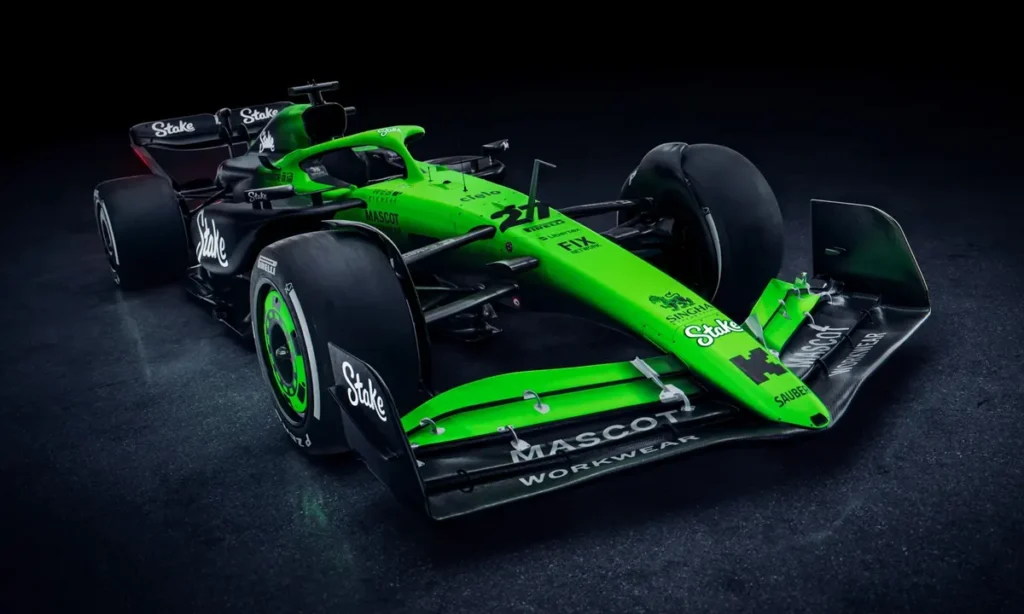
Origins of Sauber: From Swiss Workshops to Global Motorsport
The story of Sauber begins in Hinwil, Switzerland, where Peter Sauber built his first racing car in the 1970s. Originally competing in hill climbs and sports car events, Sauber rapidly established a reputation for building lightweight, aerodynamically efficient and technically advanced vehicles. The creation of the Sauber C-series sports cars laid the foundation for the team’s engineering philosophy, emphasising innovation, structural integrity and mechanical precision.
A major turning point occurred when Sauber partnered with Mercedes-Benz for the World Sportscar Championship in the late 1980s. The collaboration produced iconic Group C prototypes such as the Sauber C9 and C11, both of which demonstrated world-class engineering and race-winning capability. The C9 famously claimed victory at the 1989 24 Hours of Le Mans, cementing Sauber’s status as a top-tier engineering outfit capable of competing against the best manufacturers in the world. This success provided the credibility, financial momentum and technical infrastructure necessary for Sauber to enter Formula One.
Sauber’s Entry into Formula One
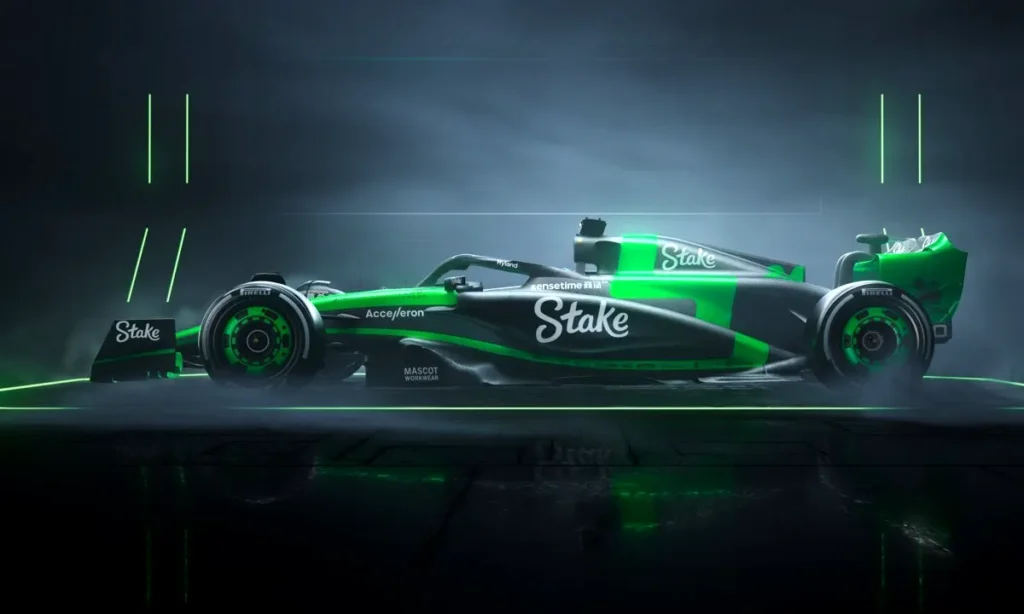
Sauber officially entered Formula One in 1993 with Ilmor engines that were later branded as Mercedes engines. The team’s early seasons were marked by solid performances for a newcomer, earning points finishes and establishing a reputation for reliability and consistency. Although Mercedes eventually shifted its focus to McLaren, Sauber continued to persevere independently, using a range of customer engines including Ford, Petronas-rebadged Ferrari units and later BMW power.
From the outset, Peter Sauber’s philosophy revolved around building a stable and technically efficient organisation. This philosophy was reflected in the team’s investment in wind tunnel infrastructure, simulator development and aerodynamic research. Despite budget limitations, Sauber consistently delivered cars that performed above expectations, especially on circuits that rewarded aerodynamic balance and precision handling.
Technical Ambition and Engineering Culture
Sauber’s Hinwil facility is widely regarded as one of the most advanced technical centres in Formula One. The team’s high-tech wind tunnel, completed in 2004, quickly became a central tool not only for the Sauber team but also for other manufacturers who contracted wind tunnel services from the Swiss facility. This capability allowed Sauber to maintain competitiveness even during periods of financial instability.
The engineering culture at Sauber has always emphasised attention to detail, innovative packaging solutions and aerodynamic experimentation. The team often excelled in areas such as chassis balance, reliability and tyre management. Innovations developed by Sauber engineers have influenced the broader Formula One grid, including safety improvements, fuel system innovations and lightweight component design. Sauber’s commitment to technical independence has enabled the team to maintain an identity distinct from its larger rivals.
The BMW Sauber Era: A New Level of Competitiveness
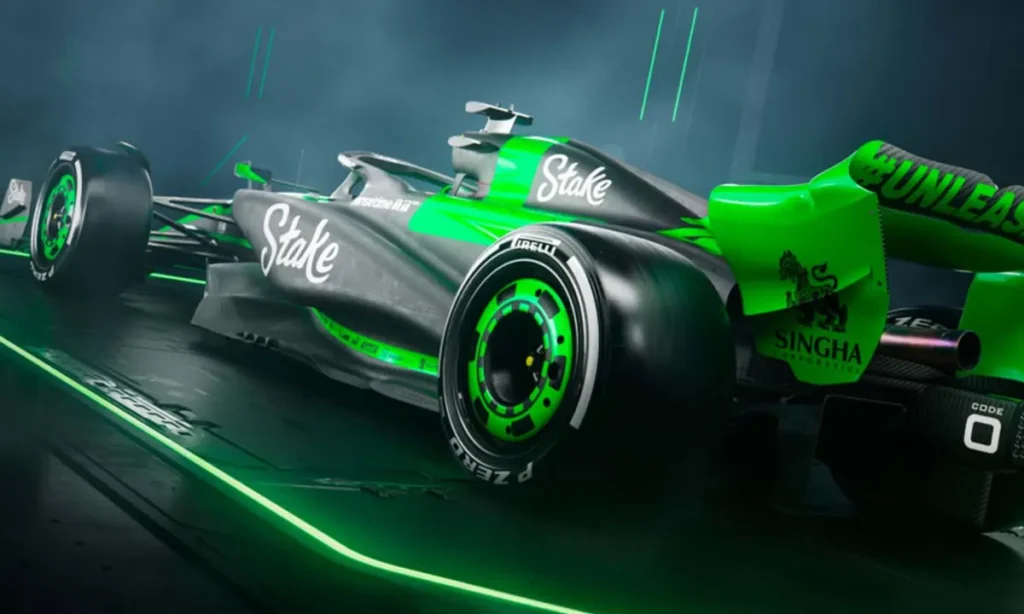
In 2006, BMW acquired the majority stake in the team, forming BMW Sauber. This era represented the most competitive period in the team’s Formula One history. With BMW’s financial resources and technological force combined with Sauber’s existing infrastructure, the team rapidly evolved into a strong contender in the constructors’ standings.
The 2008 season was particularly significant. BMW Sauber achieved its first and only Formula One victory at the Canadian Grand Prix, where Robert Kubica claimed a historic win. The team finished that season third in the Constructors’ Championship, demonstrating that the BMW Sauber project had the potential to challenge the sport’s elite.
Despite this progress, BMW announced its departure from Formula One in 2009. The abrupt withdrawal put the team’s future in jeopardy, but Peter Sauber stepped forward to reclaim ownership and preserve the workforce in Hinwil. His commitment ensured that Sauber remained on the grid, marking yet another chapter of survival and resilience.
Return as an Independent Team and the Alfa Romeo Partnership
Following BMW’s exit, the Sauber team returned to independent status in 2010. The team faced financial challenges, but its strong engineering base and talented driver lineup enabled it to remain competitive. Over the next several years, Sauber developed a reputation for identifying and nurturing young talent, including drivers such as Sergio Pérez, Kamui Kobayashi, Esteban Gutiérrez and Charles Leclerc.
In 2018, Sauber entered into a strategic partnership with Alfa Romeo, a brand under the Stellantis group. The Alfa Romeo F1 Team identity provided financial backing, sponsorship benefits and a revitalised global profile. While the team continued to operate from Hinwil, the Alfa Romeo branding allowed Sauber to modernise its operations and strengthen its competitive capabilities.
During this period, the team forged a critical partnership with Ferrari, using Ferrari power units and collaborating closely on young driver development. The relationship produced solid midfield performances and allowed the team to stabilise financially. Drivers such as Kimi Räikkönen, Antonio Giovinazzi, Zhou Guanyu and Valtteri Bottas added experience and visibility to the program.
Sauber’s Role in Driver Development
One of Sauber’s most significant contributions to Formula One is its role as a breeding ground for elite drivers. The team has discovered or developed several drivers who later achieved major success in Formula One. Kimi Räikkönen made his debut with Sauber in 2001, quickly demonstrating the talent that would soon take him to McLaren and eventually to a World Championship. Felipe Massa also began his Formula One journey with Sauber before moving to Ferrari, where he ultimately fought for the championship in 2008.
More recently, Charles Leclerc’s outstanding debut season with Sauber in 2018 earned him promotion to Ferrari, where he has become one of the leading drivers of the modern era. Sauber’s ability to offer young drivers opportunities to learn, grow and demonstrate their abilities is a testament to the team’s talent development culture.
Performance Challenges and Competitive Identity
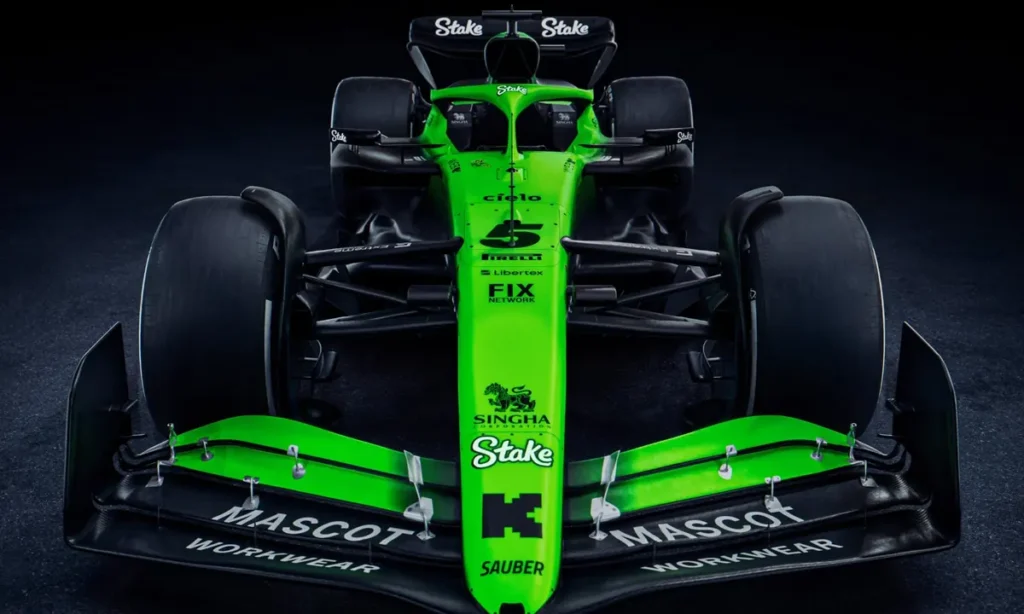
Sauber’s journey through Formula One has not been without challenges. Financial instability has been a recurring theme, especially during transitional periods such as the post-BMW years. Despite these constraints, the team has managed to maintain operational efficiency and technical consistency. The aerodynamic quality of Sauber chassis has often allowed the team to outperform rivals with larger budgets.
Midfield battles have defined much of Sauber’s competitive identity. The team has delivered memorable performances on circuits that reward precision, such as Monaco and Suzuka. Its strategic calls, tyre management and driver discipline have occasionally brought unexpected points finishes and even podiums during earlier eras.
Transition Toward Audi: A New Era for Sauber
In 2026, Audi is set to join Formula One as a factory team, marking a monumental shift for Sauber. Audi has acquired a majority stake in the organisation, and the team is already transitioning operations, workforce structure and strategic direction to align with Audi’s engineering vision. The move promises to transform Sauber from an independent midfield team into a manufacturer-backed contender.
Audi’s arrival brings substantial investment, advanced hybrid technology, power unit development expertise and a long-term commitment to performance. The Sauber facility in Hinwil is expected to undergo massive expansion, incorporating state-of-the-art equipment to support Audi’s Formula One ambitions. This partnership represents one of the most significant transformations in Sauber’s history and may ultimately position the team as a frontrunner in the new era of F1 regulations beginning in 2026.
Read: Mercedes-AMG SL 63 Roadster: V8 Power, Luxury & Freedom Combined
Sauber’s Legacy in Formula One
Sauber’s legacy is defined by longevity, technical excellence and a steadfast commitment to independence. Few teams without manufacturer backing have survived as long or contributed as consistently to Formula One. Sauber’s influence extends beyond race results; it includes engineering innovations, driver development, aerodynamic expertise and the preservation of a unique motorsport culture rooted in Swiss precision and discipline.
Peter Sauber’s leadership continues to shape the team’s identity, even as new ownership structures evolve. His commitment to ethical management, close-knit team culture and engineering integrity remain embedded in Sauber’s DNA. As the team moves toward its Audi era, the legacy of Sauber provides a powerful foundation upon which future success will be built.
Sauber F1 Specifications & Historical Chart
| Category | Details |
| Team Founded | 1970 (Sports Cars), 1993 (F1 Entry) |
| Founder | Peter Sauber |
| Headquarters | Hinwil, Switzerland |
| Major Engine Suppliers | Mercedes, Ford, Ferrari, BMW, Ferrari (Alfa Romeo Era) |
| Major Eras | Sauber Independent, BMW Sauber, Sauber-Ferrari, Alfa Romeo F1 Team |
| Most Successful Season | 2008 (BMW Sauber, 3rd in Constructors’) |
| First F1 Race | 1993 South African Grand Prix |
| First F1 Win | 2008 Canadian Grand Prix (BMW Sauber) |
| Key Drivers | Räikkönen, Massa, Leclerc, Pérez, Bottas, Kobayashi, Giovinazzi |
| Future Direction | Factory Audi F1 Team (2026 onward) |